Loading subject page…
- Microbiology
- Microbial Diversity
- Bacterial Phylum Planctomycetes
Micro-course: Microbial Diversity
13,350 views
Learn key concepts and earn your certificate.









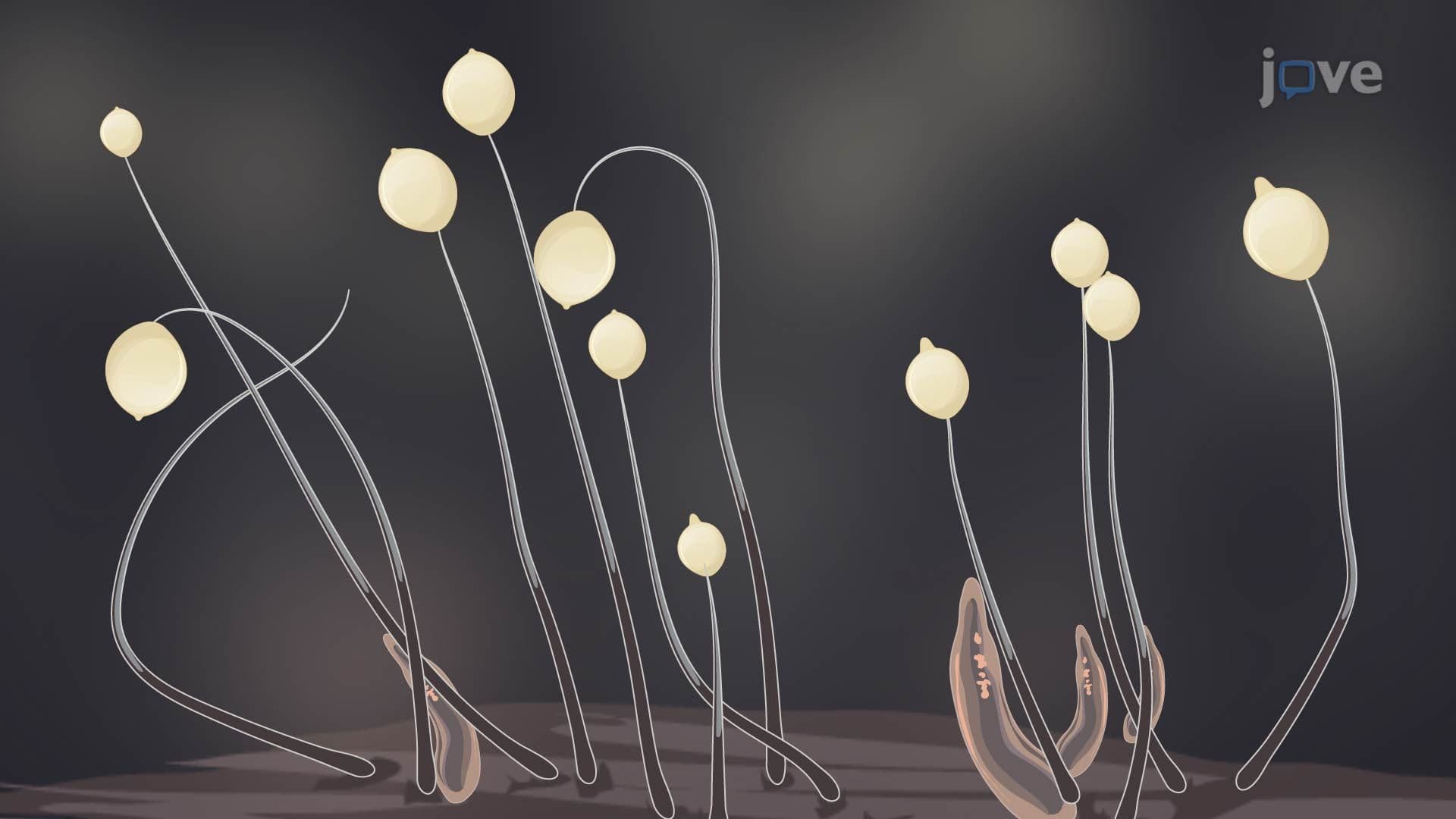
Bacterial Phylum Planctomycetes

00:00
01:26
Video Summary: What Is Bacterial Phylum Planctomycetes
Did you know some bacteria have internal compartments that look remarkably similar to the organelles found in human cells? The bacterial phylum Planctomycetes represents one of nature's most fascinating evolutionary experiments, featuring unique cellular structures that blur the traditional boundaries between prokaryotic and eukaryotic life. These remarkable microorganisms are found in diverse environments across the United States, from the hot springs of Yellowstone National Park to wastewater treatment facilities in major cities. Watch the full video on JoVE Coach to master this concept with expert-led visuals and step-by-step explanations.
- Understand what is bacterial phylum Planctomycetes and identify their two major orders: Planctomycetales and Brocadiales
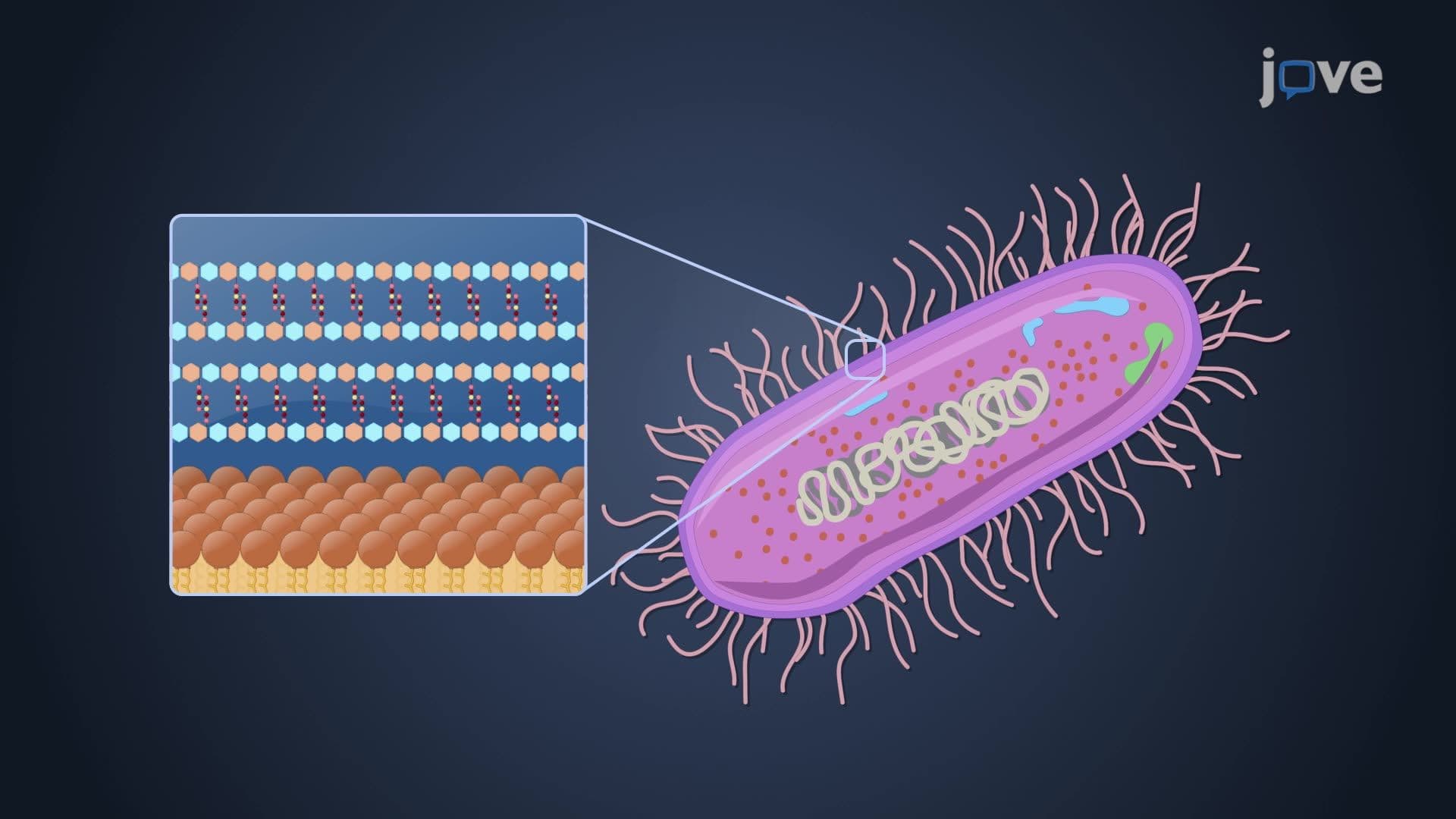
- Recognize the unique cellular features that distinguish Planctomycetes from typical Gram-negative bacteria, including budding reproduction and compartmentalized cellular structures
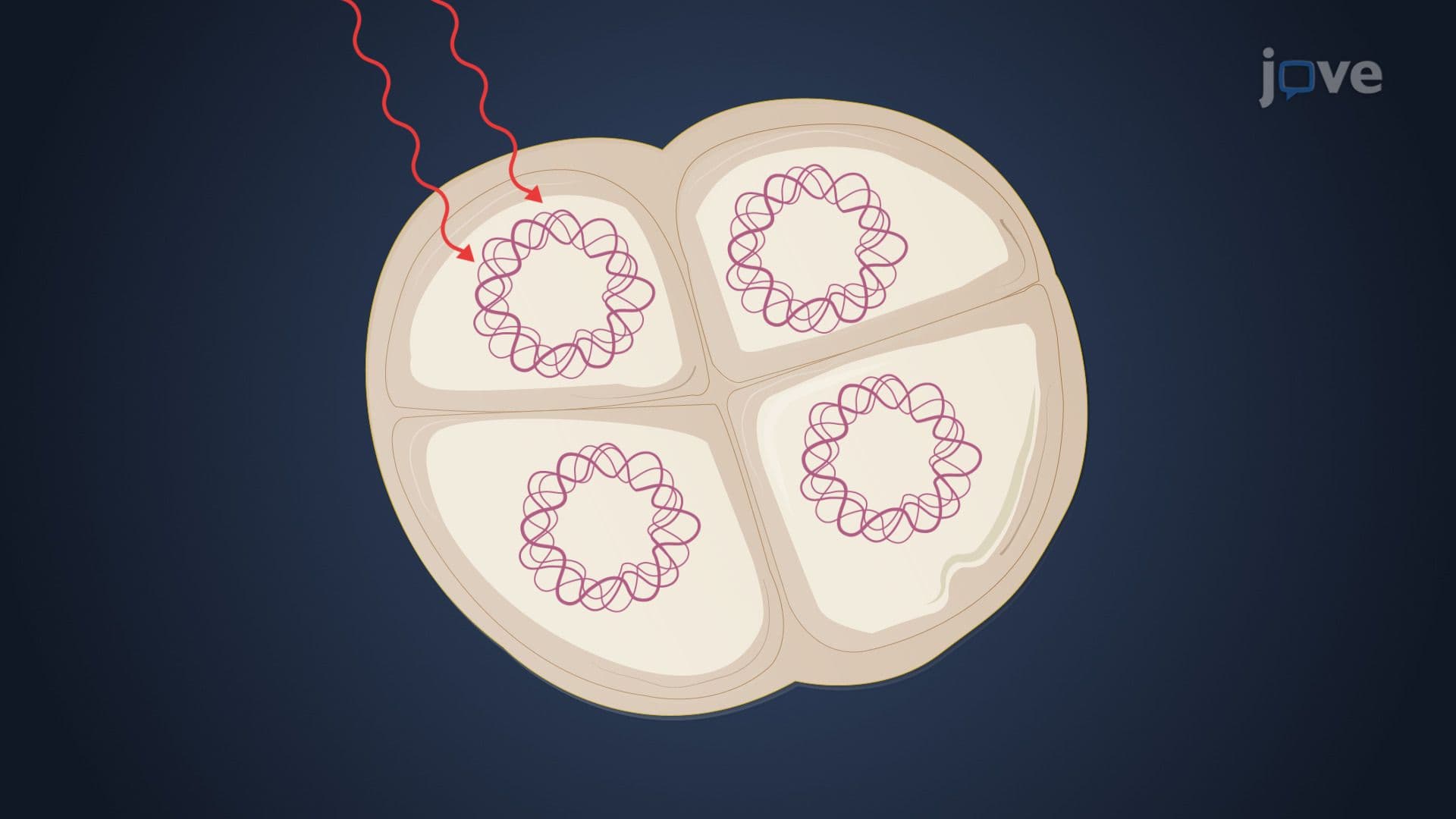
- Analyze the structure and function of pirellulosomes and their role in bacterial cellular organization
- Compare the nucleoid organization in genus Gemmata with typical bacterial chromosome arrangement
- Identify the specialized anammoxosome compartment found in Brocadiales and its role in anaerobic ammonia oxidation
- Evaluate the ecological significance of Planctomycetes in nitrogen cycling and wastewater treatment processes
- Apply knowledge of Planctomycetes cellular features to distinguish them from other bacterial phyla in laboratory settings
- Explore the evolutionary implications of compartmentalized bacteria and their relationship to eukaryotic cell evolution
Understanding Bacterial Phylum Planctomycetes: Unique Cellular Architecture
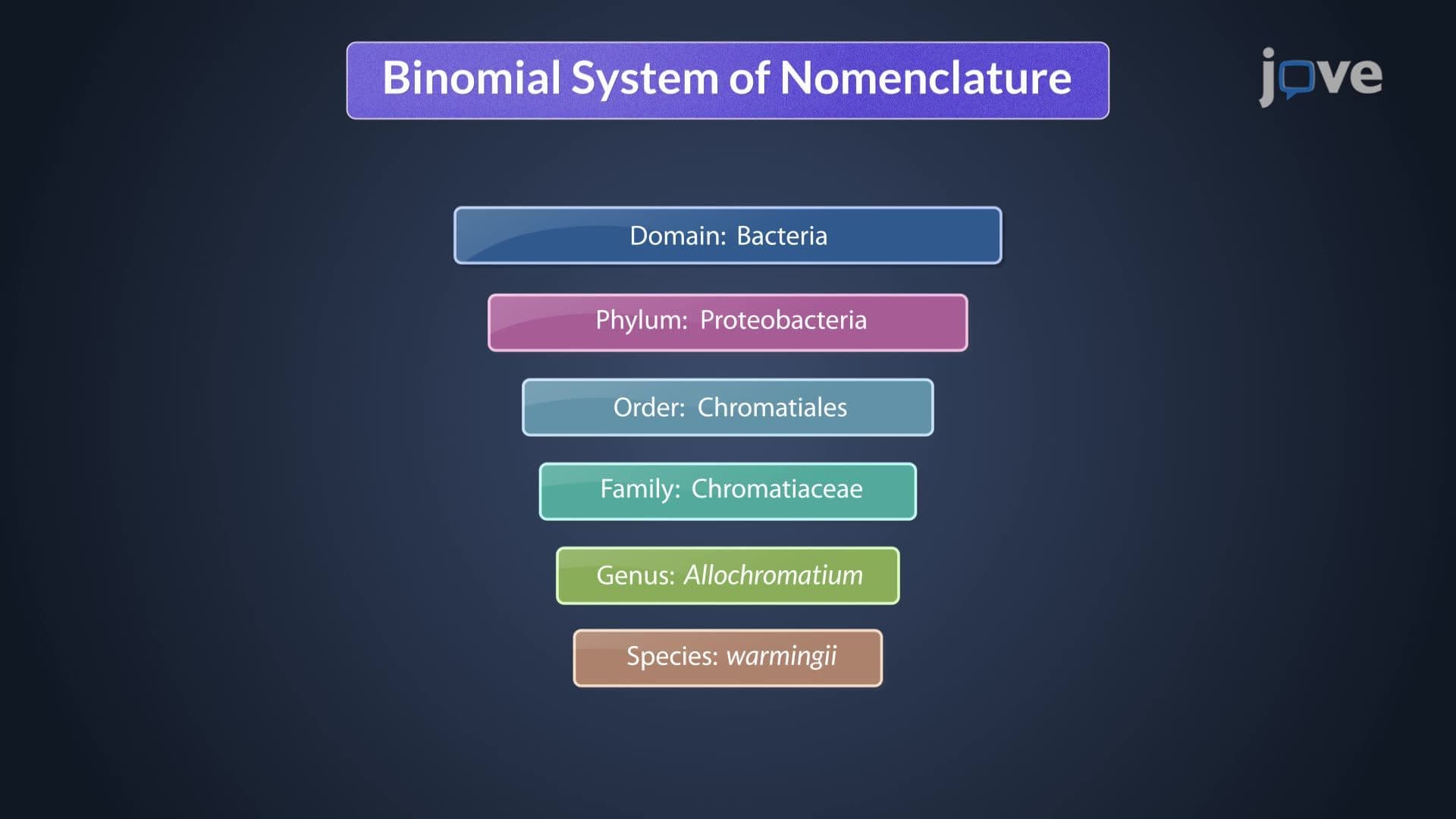
The bacterial phylum Planctomycetes represents one of the most evolutionarily significant groups of bacteria, challenging traditional concepts of prokaryotic cellular organization. Unlike typical bacteria that have relatively simple internal structures, Planctomycetes exhibit complex intracellular compartmentalization that resembles eukaryotic cells. This phylum is divided into two distinct orders: Planctomycetales, which includes most of the known species, and Brocadiales, which contains the ecologically important ammonia-oxidizing bacteria.
Distinctive Cellular Features and Reproduction
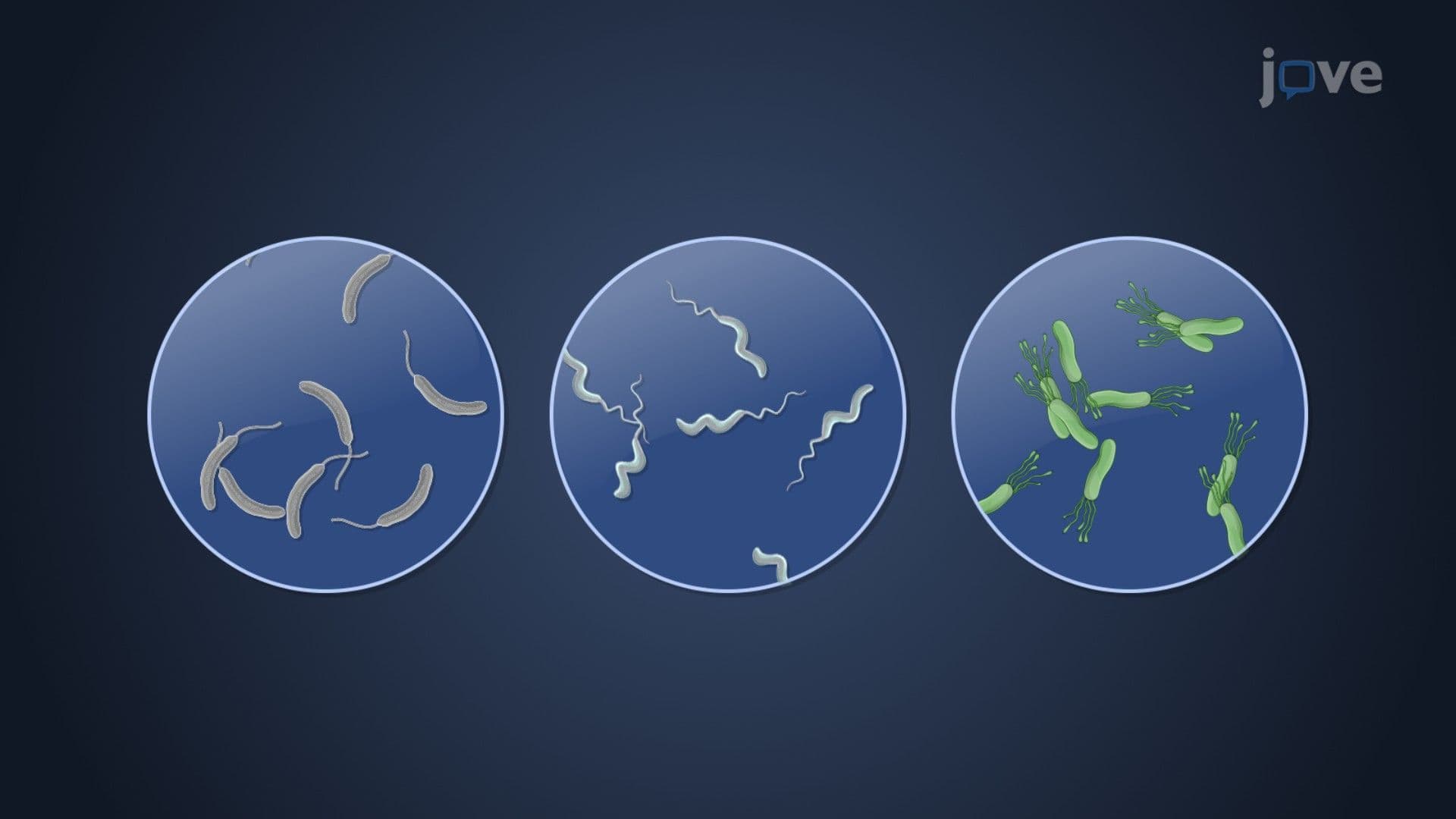
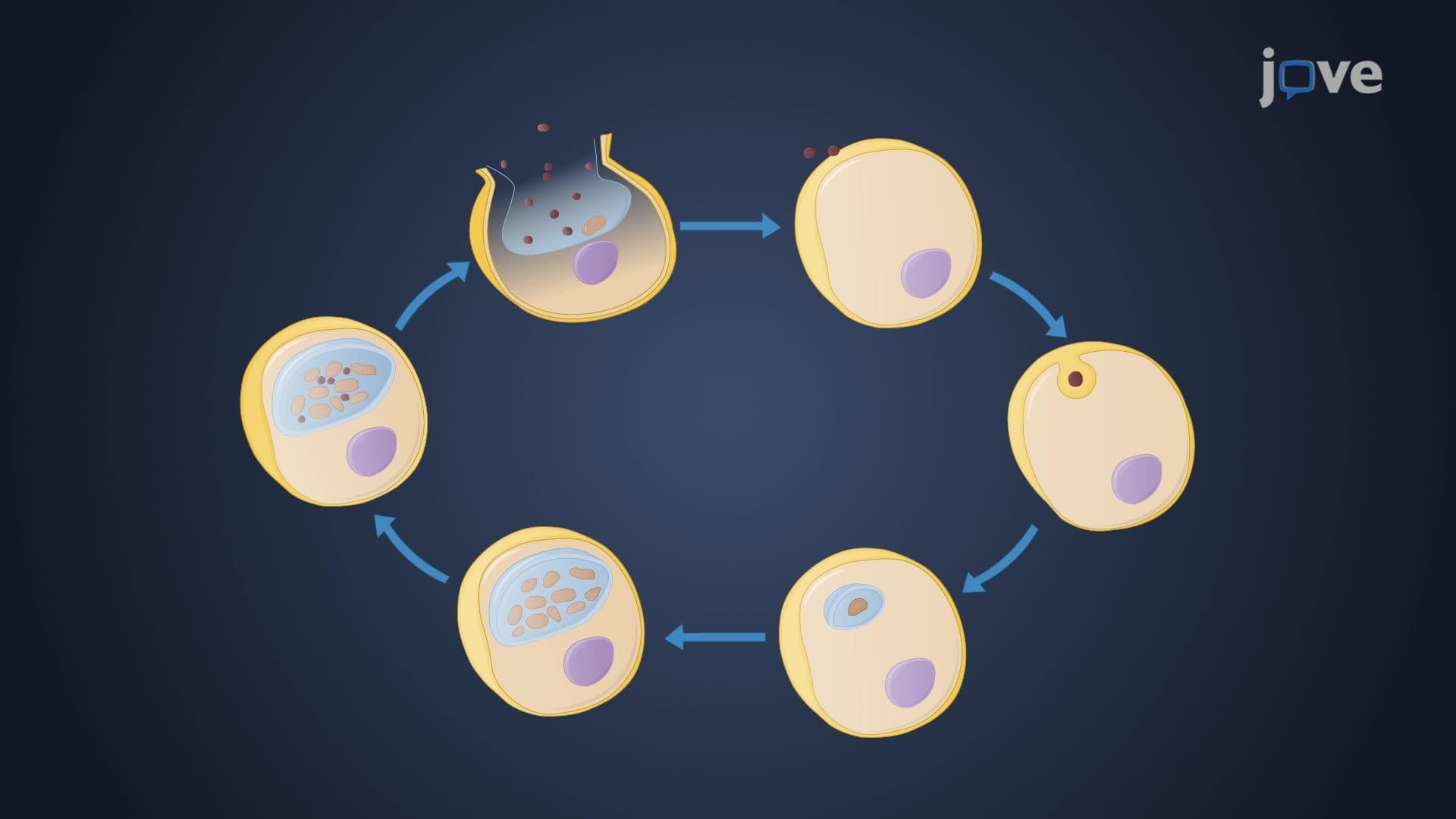
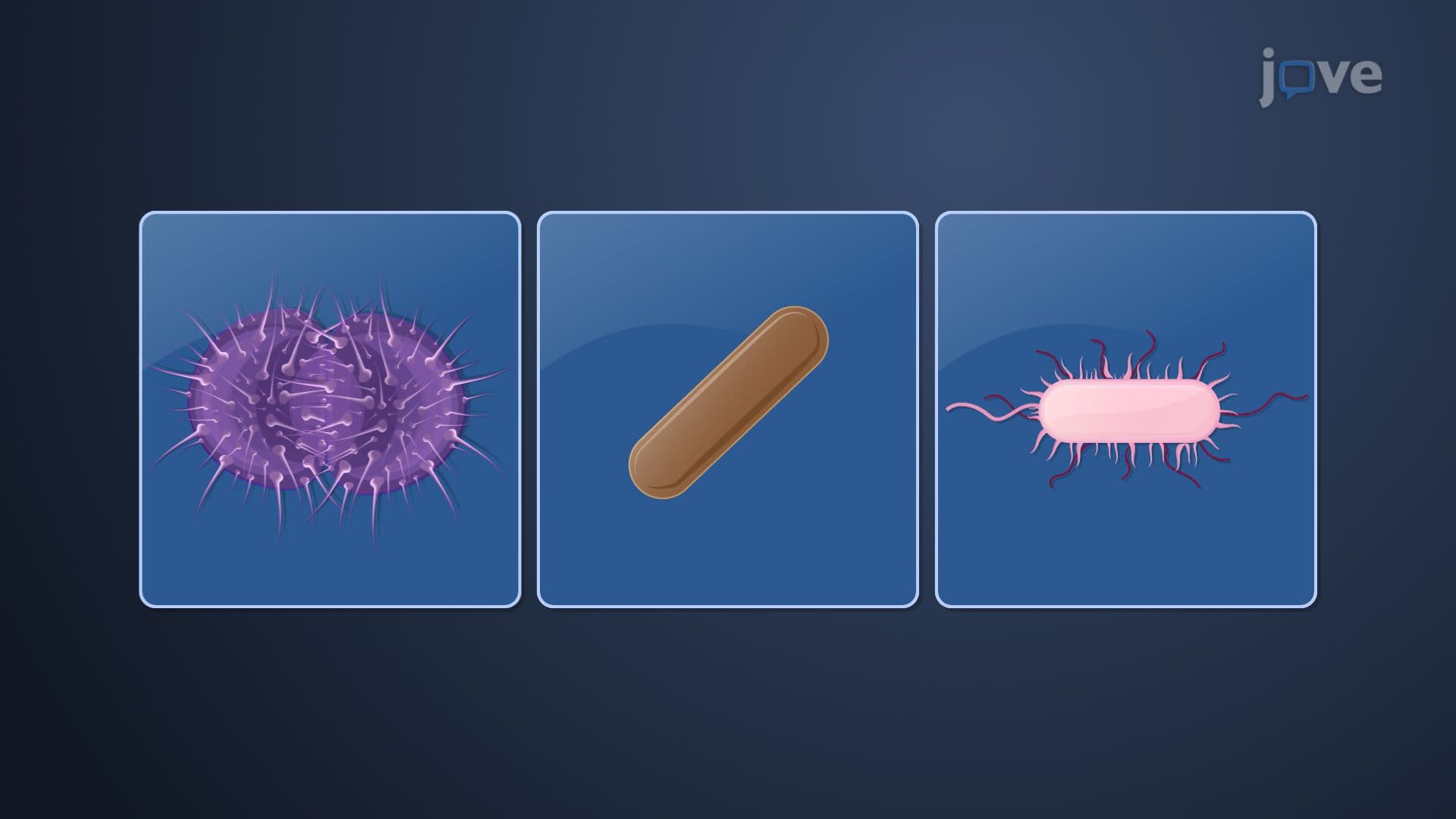
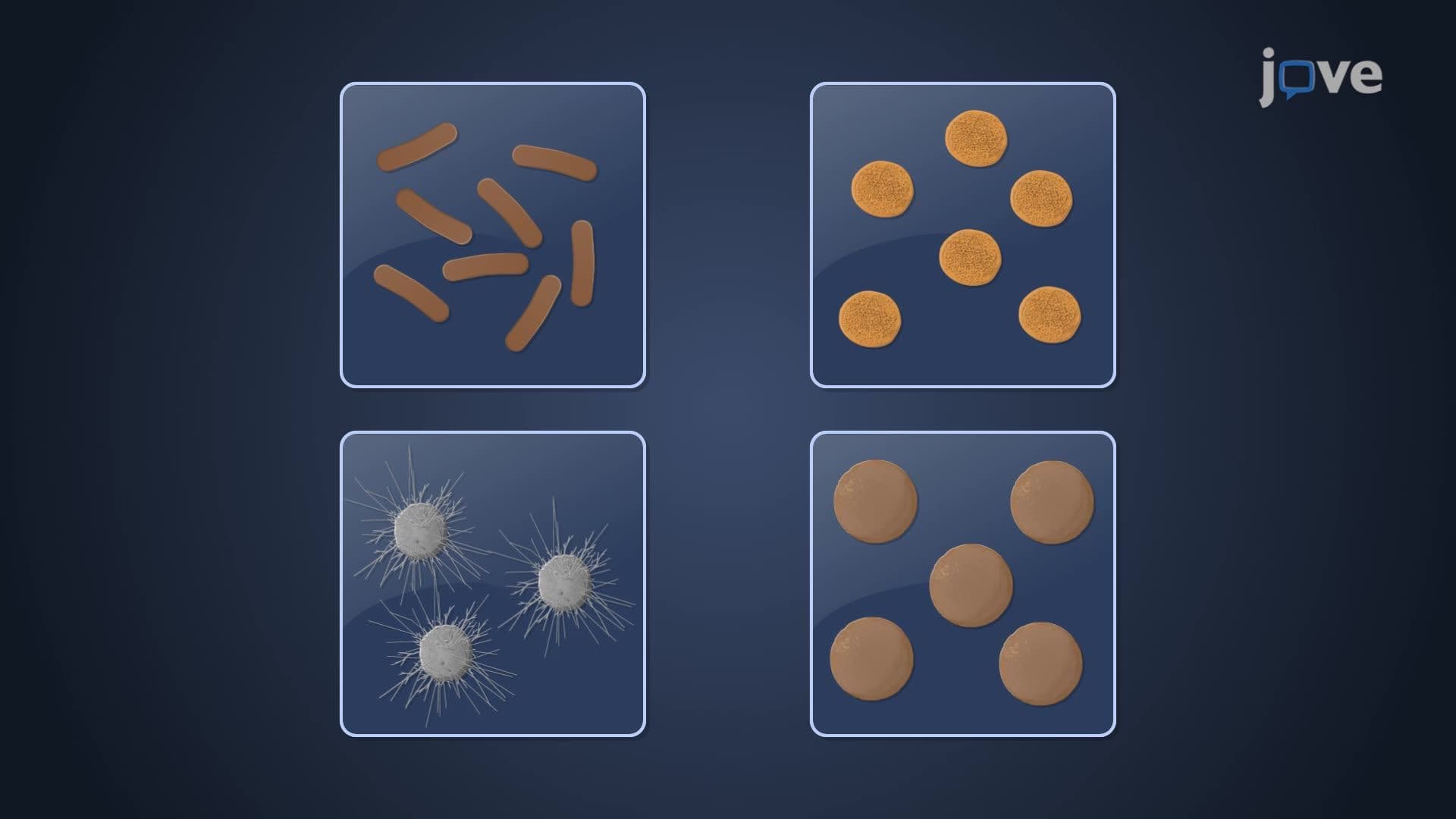
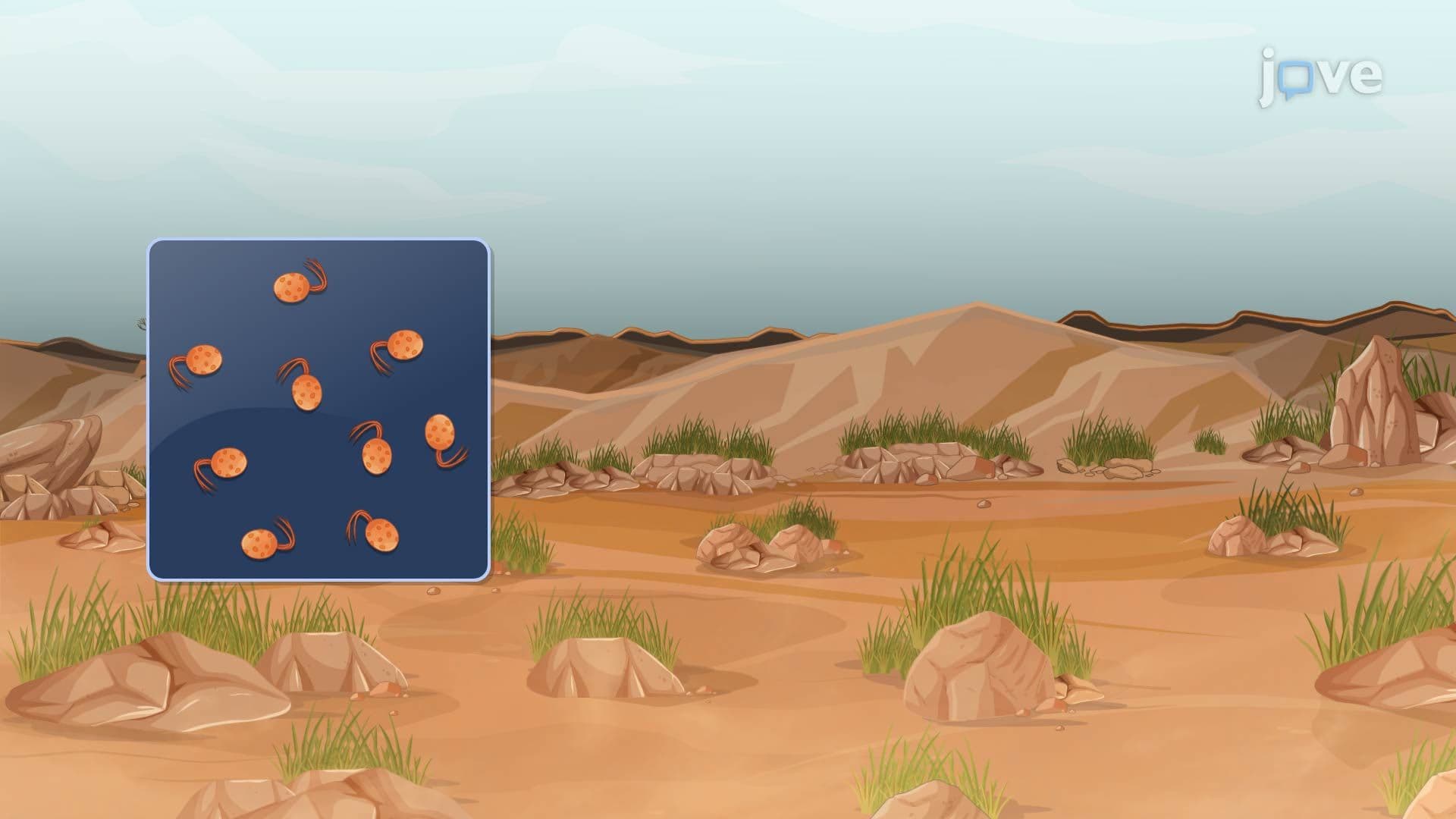
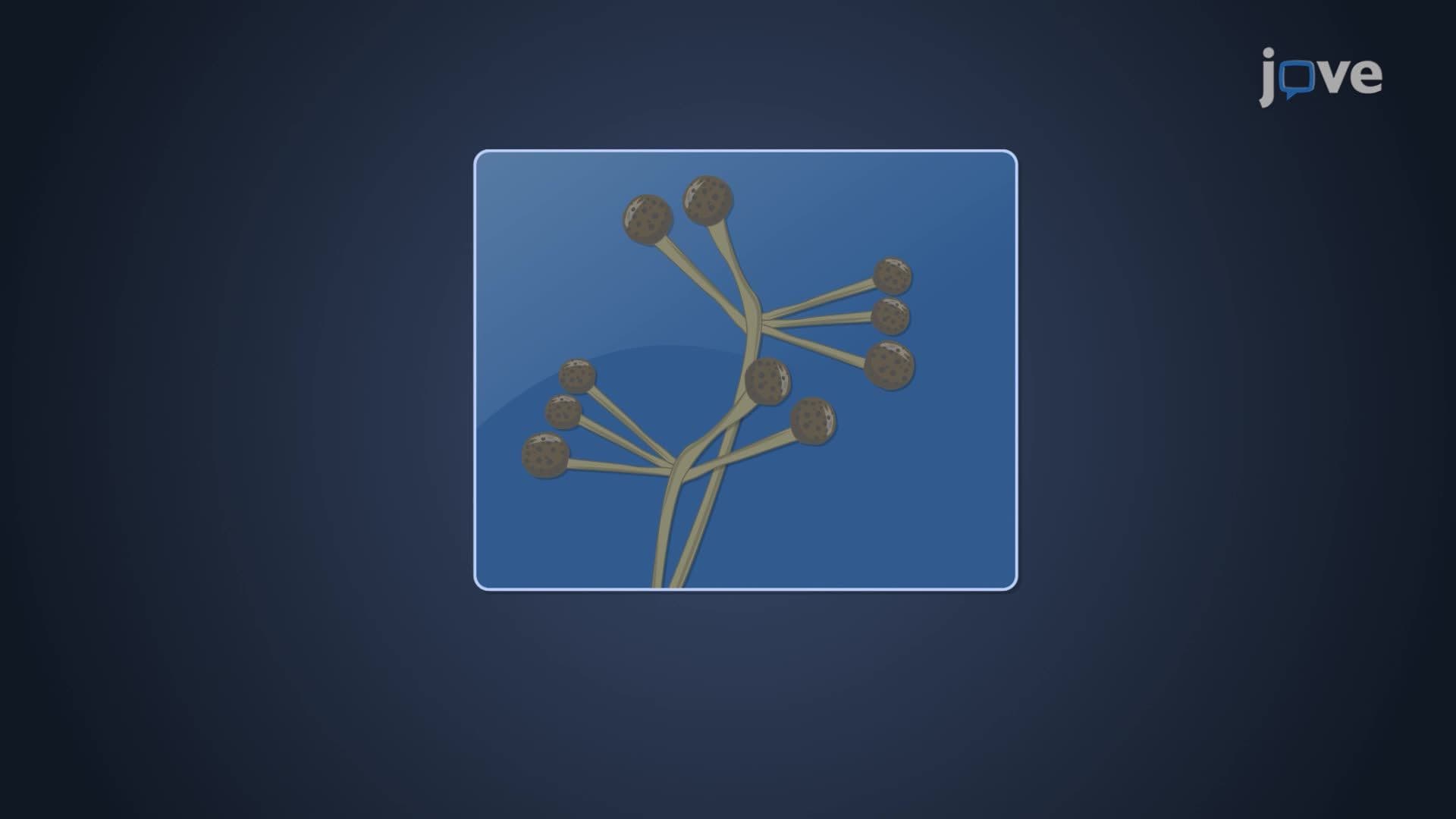
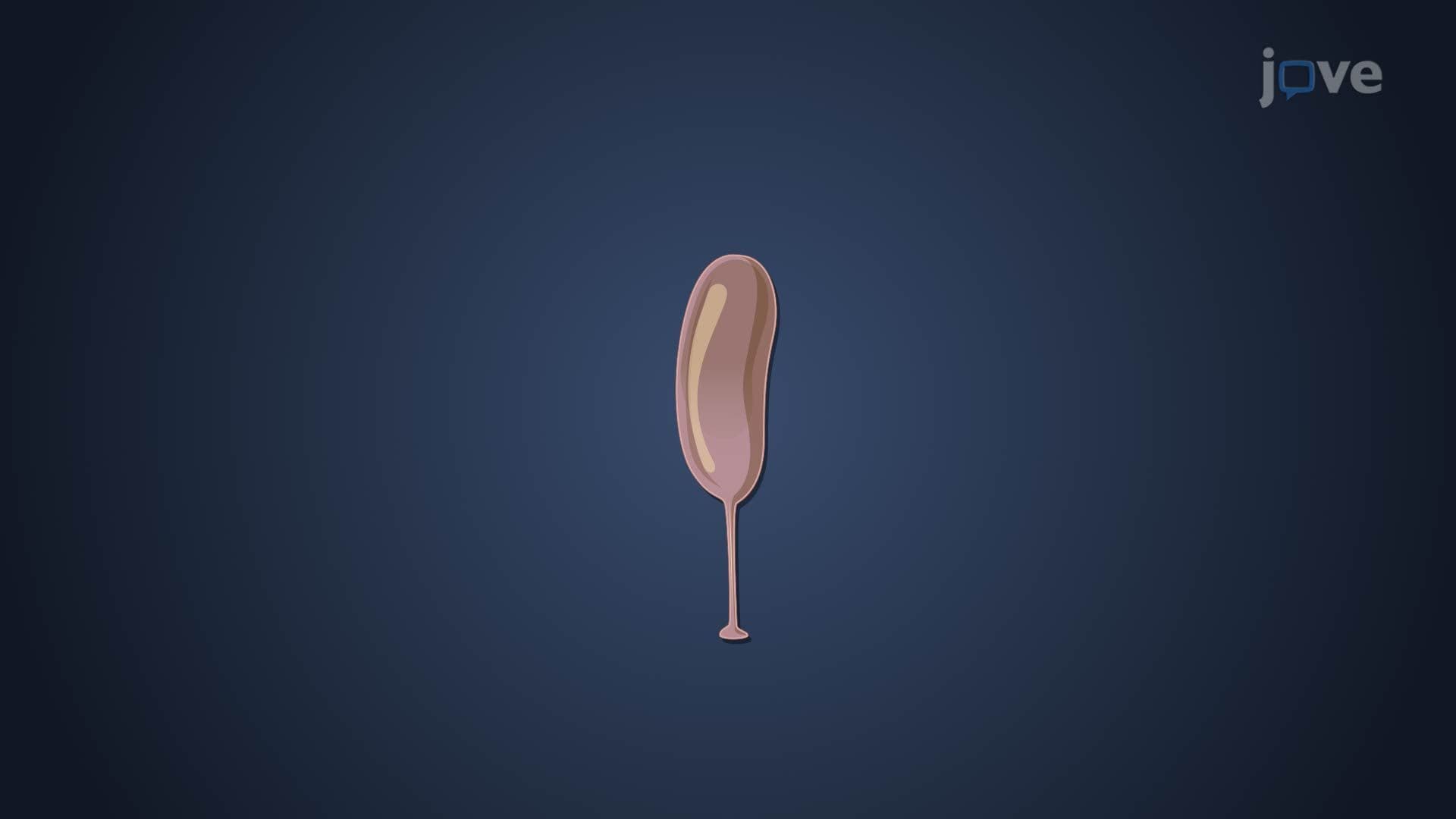
What sets Planctomycetes apart from other bacteria is their unique combination of structural and reproductive characteristics. These Gram-negative bacteria reproduce through budding rather than the typical binary fission seen in most bacterial species. Many species develop distinctive morphological features including stalks, appendages, or rosette-like cellular arrangements that facilitate attachment to surfaces in aquatic environments. Some species also possess an S-layer (surface layer) composed of crystalline protein arrays that provide additional structural support and protection.
Specialized Compartments: Pirellulosomes and Beyond
The most remarkable feature of Planctomycetes is their internal compartmentalization. All members of this phylum contain specialized structures called pirellulosomes-unique compartments enclosed by non-unit membranes that house the bacterial nucleoid, ribosomes, and other essential cytoplasmic components. This organization is unprecedented among bacteria and suggests possible evolutionary links to eukaryotic cellular organization. In the genus Gemmata, cellular complexity reaches even greater heights, with the nucleoid surrounded by invaginations of the cell membrane that form a structure resembling a primitive nucleus with a true unit membrane.
Ecological Significance and Applied Biotechnology
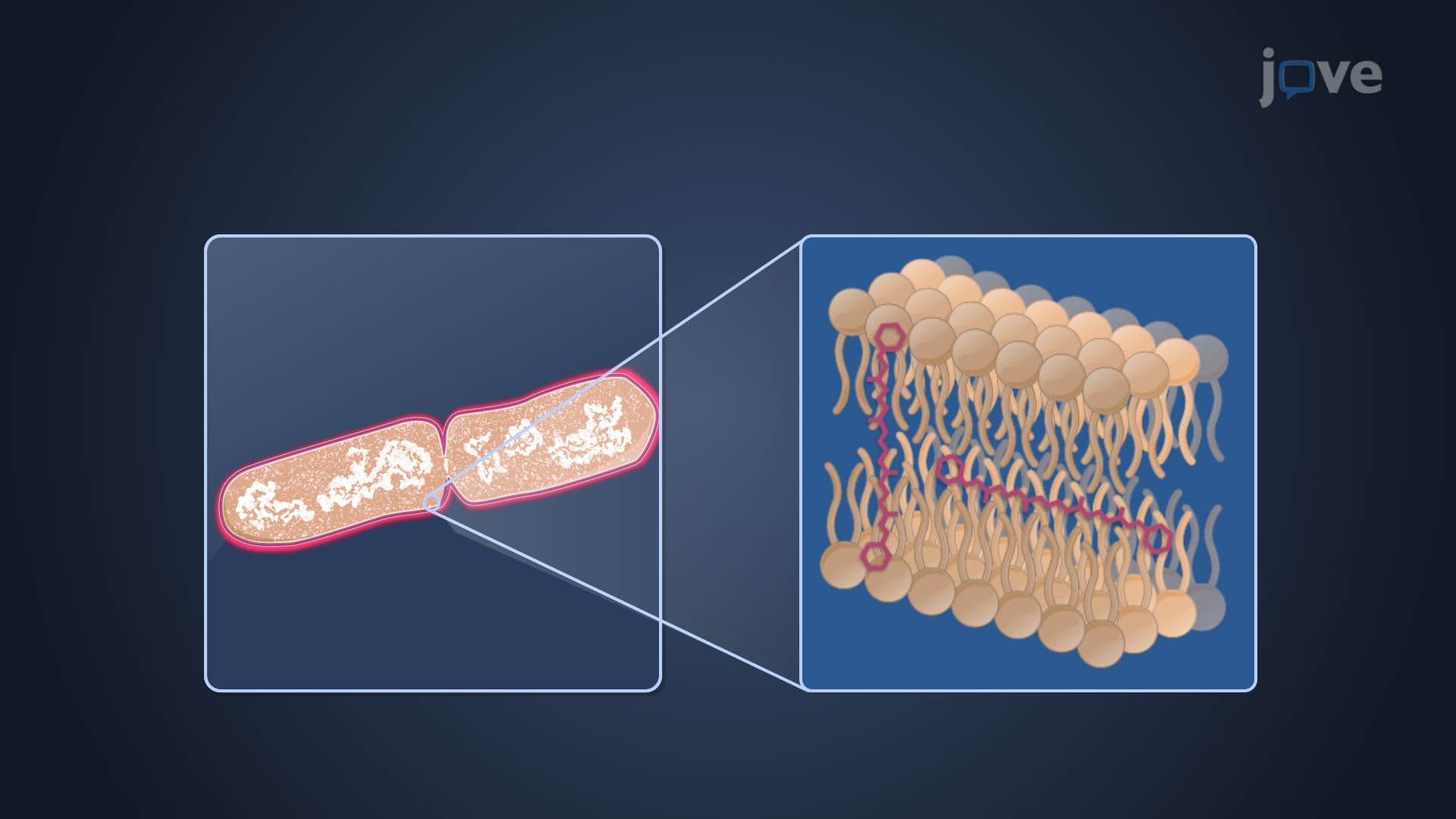
Planctomycetes play crucial roles in environmental processes, particularly in nitrogen cycling. Members of the order Brocadiales, such as Brocadia anammoxidans, possess specialized compartments called anammoxosomes that facilitate the anaerobic oxidation of ammonia (anammox process). This chemolithoautotrophic process is environmentally significant and has been harnessed in wastewater treatment facilities across the United States, including plants in cities like San Francisco and New York. The anammoxosome's unique lipid membrane composition allows it to contain the toxic hydrazine intermediate produced during this reaction, protecting the bacterial cell's other components. Understanding these processes is essential for students preparing for advanced placement biology exams, MCAT preparation, and college-level microbiology courses, where questions about bacterial diversity and nitrogen cycling frequently appear.
Frequently Asked Questions
Bacterial phylum Planctomycetes are unique prokaryotes with internal compartments similar to eukaryotic organelles, including specialized structures called pirellulosomes. Unlike typical bacteria, they reproduce by budding and have complex cellular organization. They're found in diverse environments from hot springs to marine sediments and play important roles in nitrogen cycling.
MCAT questions often focus on Planctomycetes' unique cellular compartmentalization and their role in nitrogen cycling, particularly the anammox process. AP Biology exams may include them in questions about bacterial diversity, prokaryotic vs. eukaryotic cell organization, or biogeochemical cycles. Understanding their budding reproduction and specialized compartments is key for exam success.
The anammox process allows certain Planctomycetes to oxidize ammonia anaerobically, removing nitrogen from wastewater without requiring oxygen. This process is used in advanced wastewater treatment facilities across the US, including in California and New York. It's more energy-efficient than traditional nitrogen removal methods, making it economically and environmentally valuable.
While Planctomycetes have complex cellular features, understanding them builds naturally on basic prokaryotic cell knowledge. Start with their classification into two orders, then focus on their unique compartments like pirellulosomes. Their distinctive features actually make them easier to remember once you grasp the basic concepts of bacterial cellular organization.
Focus on comparing Planctomycetes to typical bacterial cells, emphasizing their compartmentalization and budding reproduction. Create diagrams showing pirellulosomes and anammoxosomes, and understand their functions. Practice questions about nitrogen cycling and the anammox process, as these frequently appear on standardized exams and college microbiology tests.
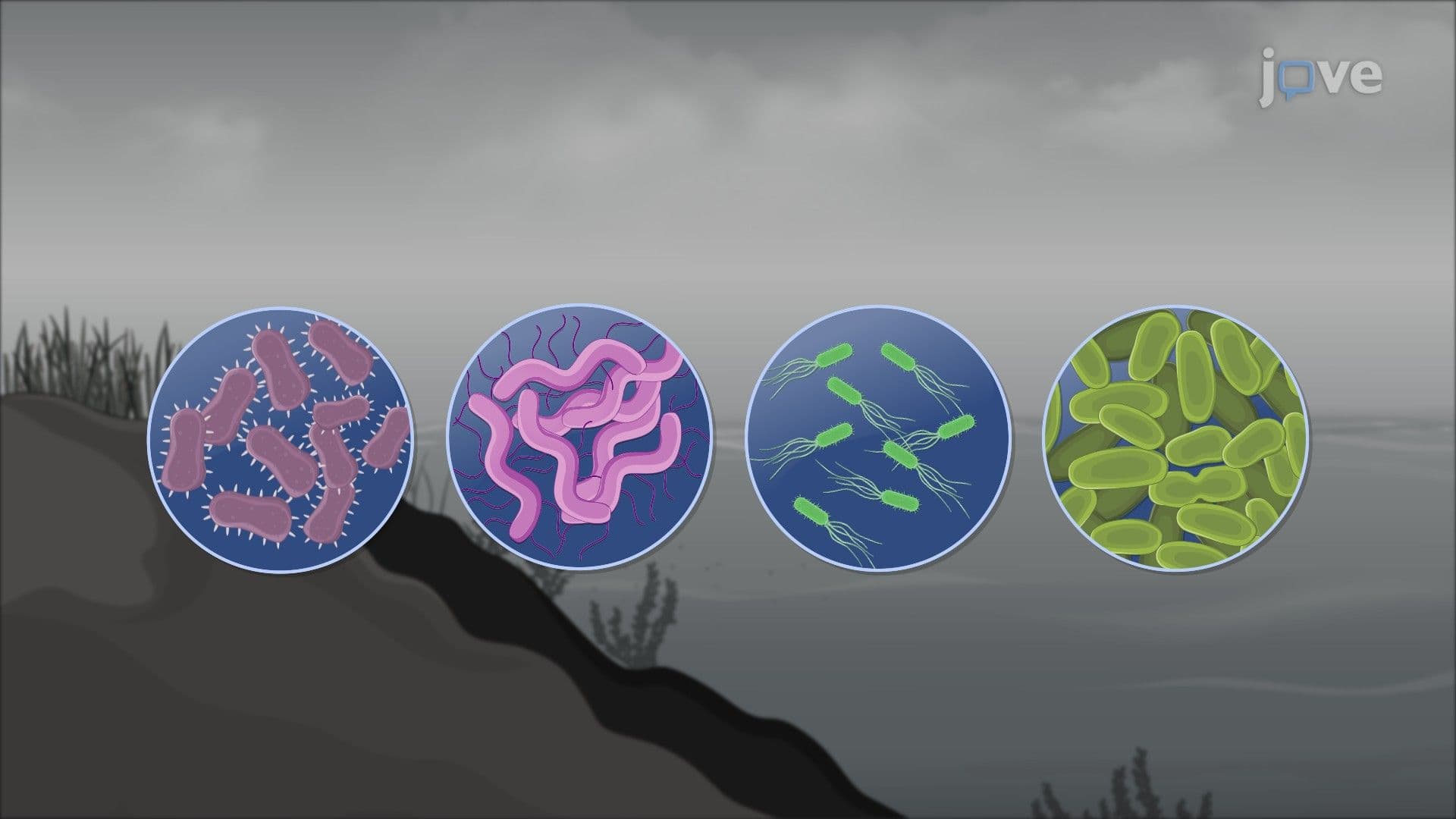
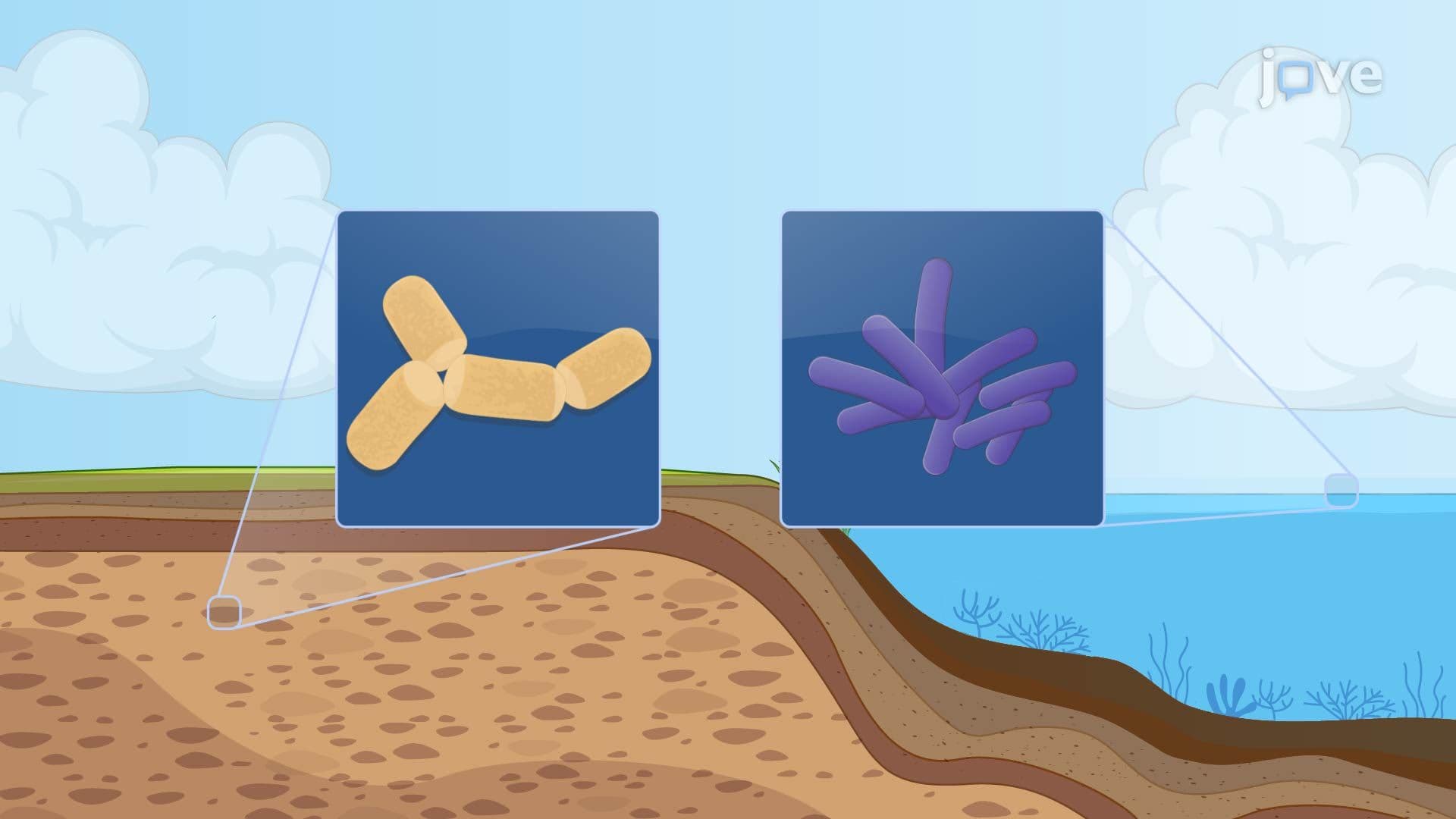
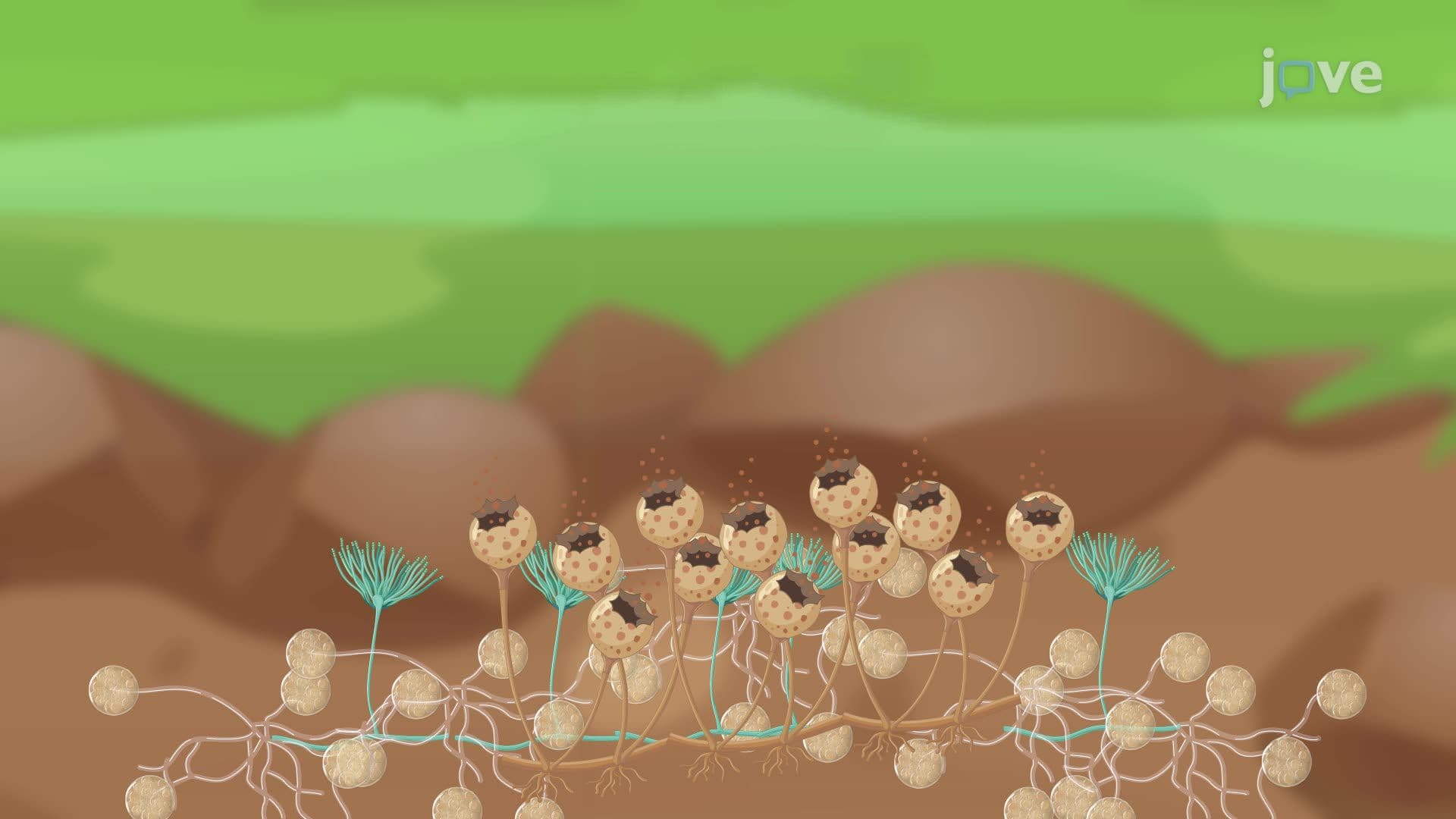
Planctomycetes are widespread in US environments, from Yellowstone's hot springs (Isosphaera species) to coastal marine sediments along both the Atlantic and Pacific coasts. They're also found in freshwater lakes, soil environments, and are deliberately cultivated in wastewater treatment facilities for their nitrogen removal capabilities.
After understanding basic Planctomycetes biology, explore their evolutionary significance in the development of eukaryotic cells, advanced nitrogen cycling mechanisms, and their applications in environmental biotechnology. Consider studying related topics like bacterial phylogeny, biogeochemical cycles, and industrial microbiology applications.
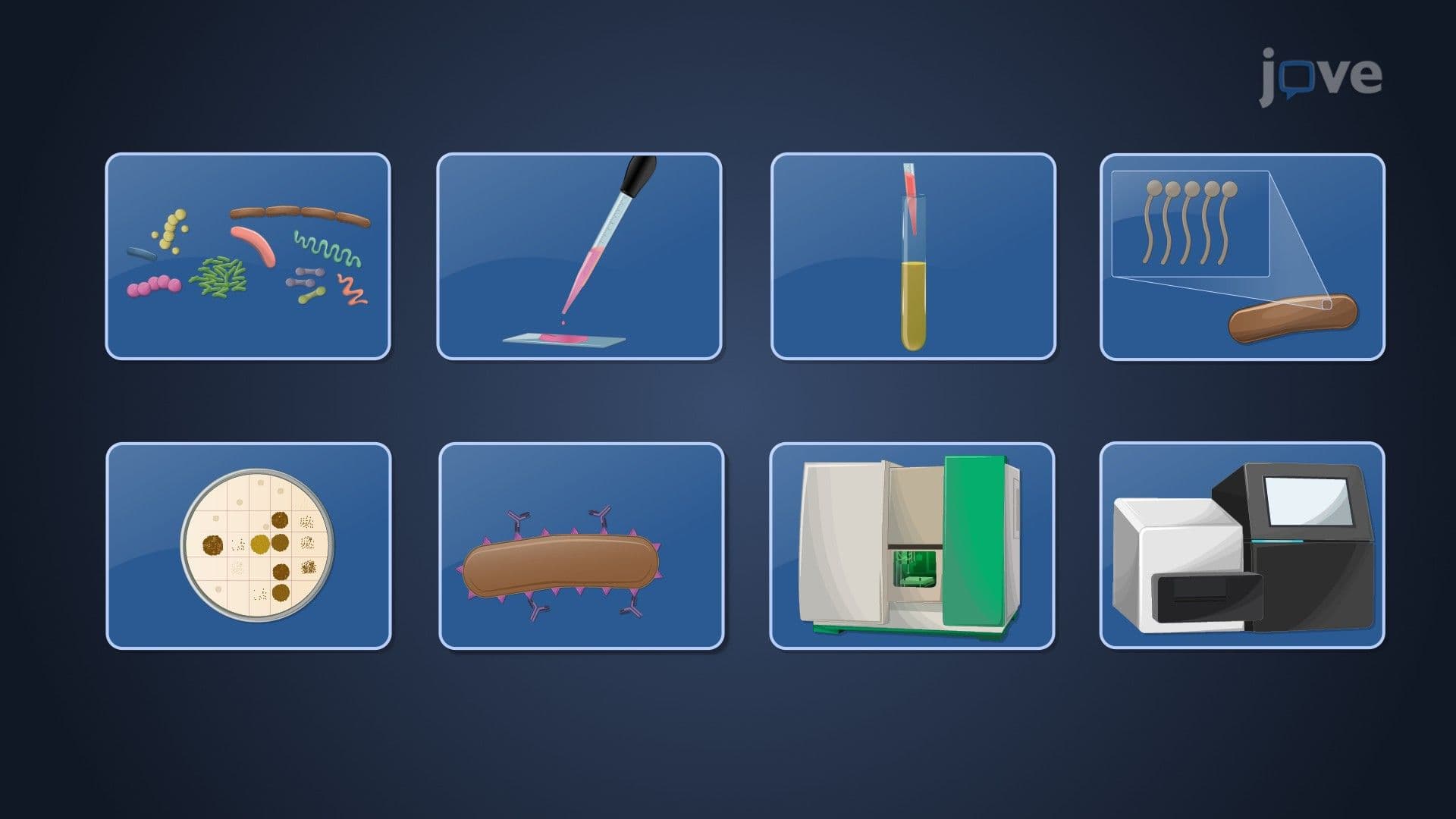
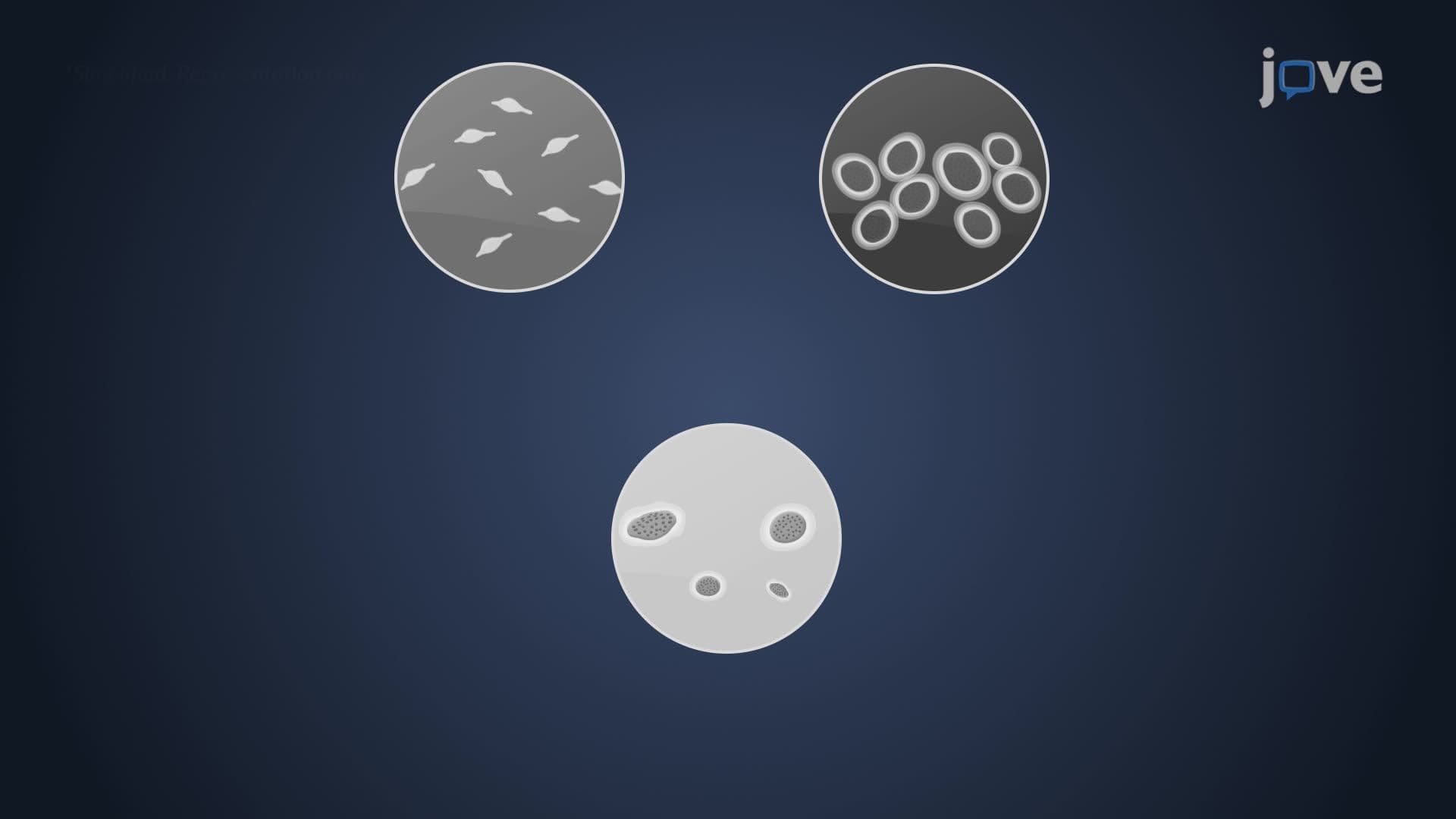
College microbiology courses usually introduce Planctomycetes in the context of bacterial diversity and unusual prokaryotic features. Expect detailed coverage of their cellular compartmentalization, ecological roles, and comparison with other bacterial phyla. Laboratory exercises may include identifying Planctomycetes characteristics under microscopy or studying their role in environmental processes.
Related Micro-courses
10 Concepts

11 Concepts

13 Concepts