Loading subject page…

- Microbiology
- Microbial Diversity
- Bacterial Phylum Spirochaetes
Micro-course: Microbial Diversity
13,350 views
Learn key concepts and earn your certificate.





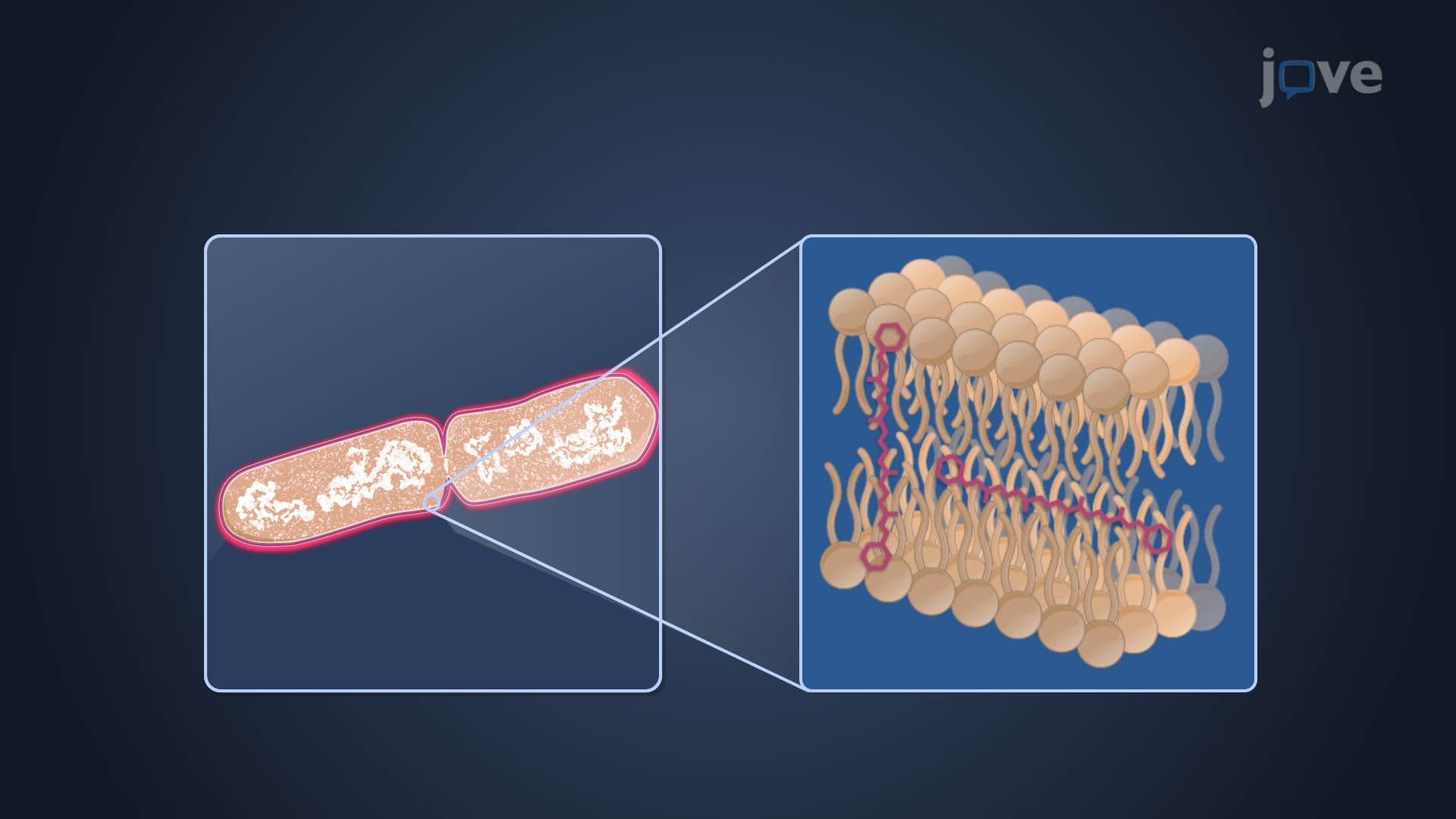
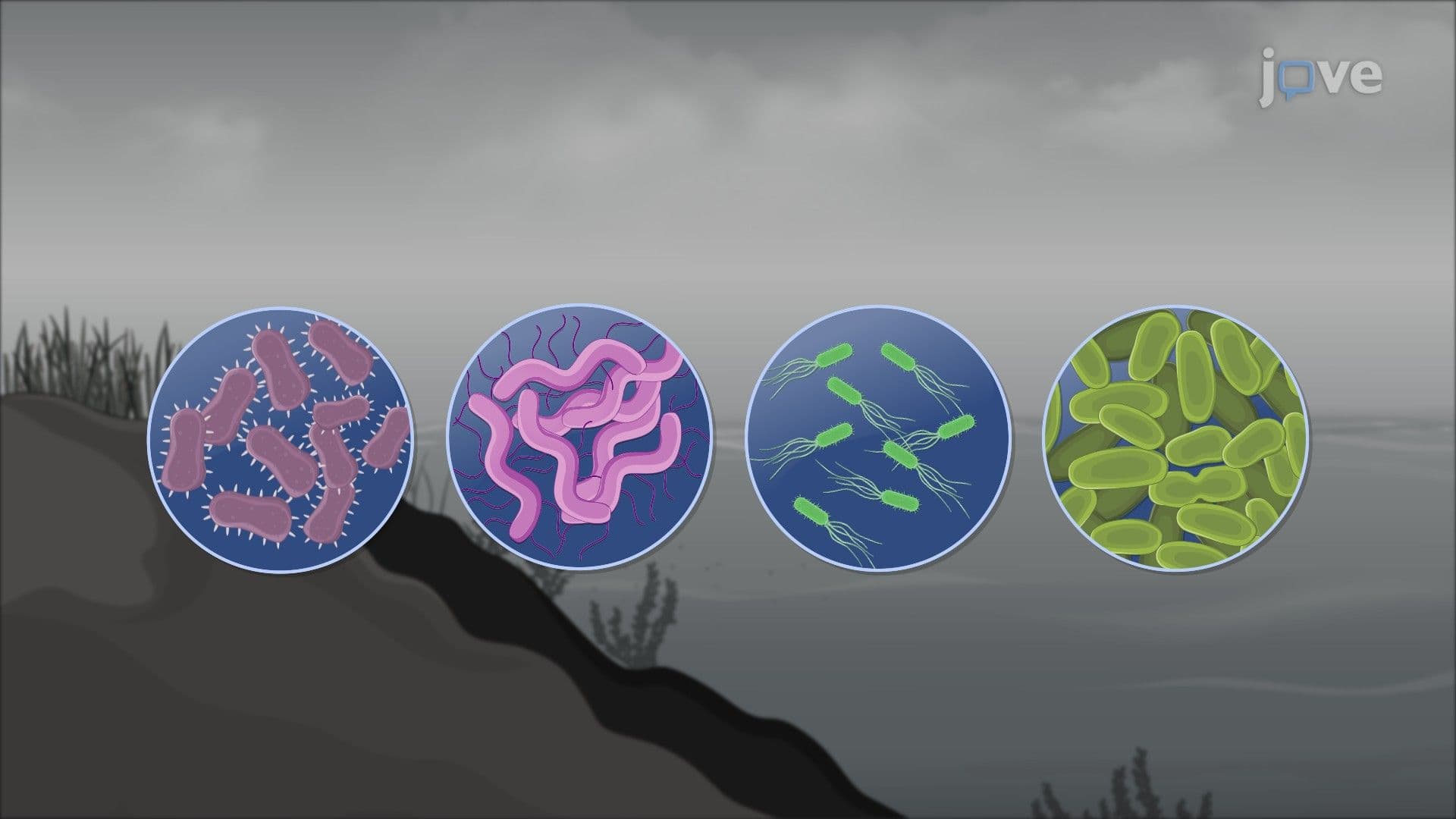
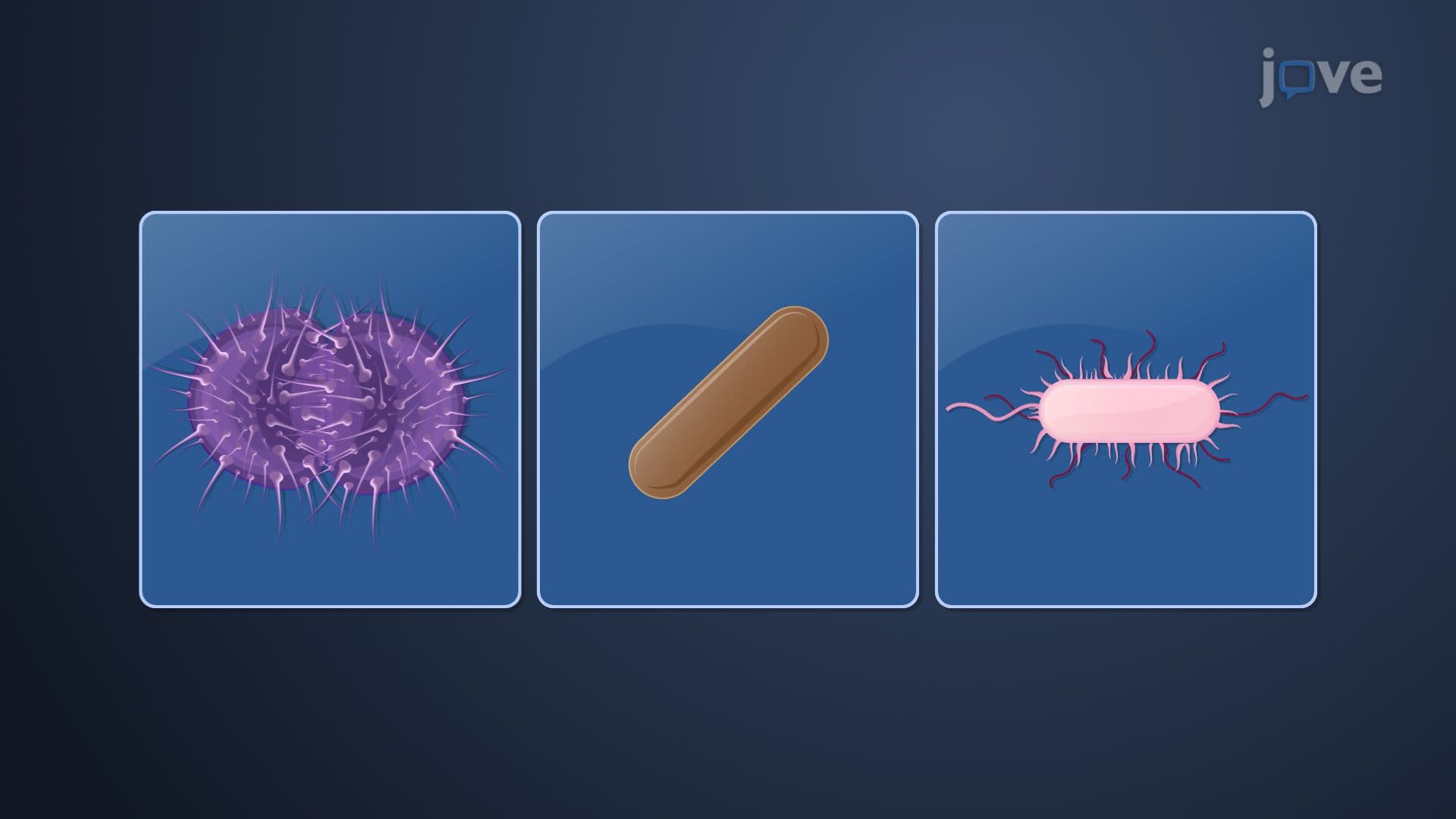




Bacterial Phylum Spirochaetes


00:00
01:30
Video Summary: What Is Bacterial Phylum Spirochaetes
Did you know that the bacteria causing Lyme disease in the northeastern United States moves like a corkscrew through your tissues? Bacterial phylum Spirochaetes contains these unique, coiled bacteria that use specialized internal flagella to create spiral motion. This distinctive movement allows spirochetes to penetrate dense materials that would stop other bacteria, making some species highly effective pathogens while others thrive as free-living organisms in marine environments. Watch the full video on JoVE Coach to master this concept with expert-led visuals and step-by-step explanations.
- Understand what bacterial phylum Spirochaetes encompasses, including their distinctive coiled morphology and Gram-negative cell wall structure
- Identify the unique endoflagella system that enables spirochetes' characteristic corkscrew motion through viscous environments
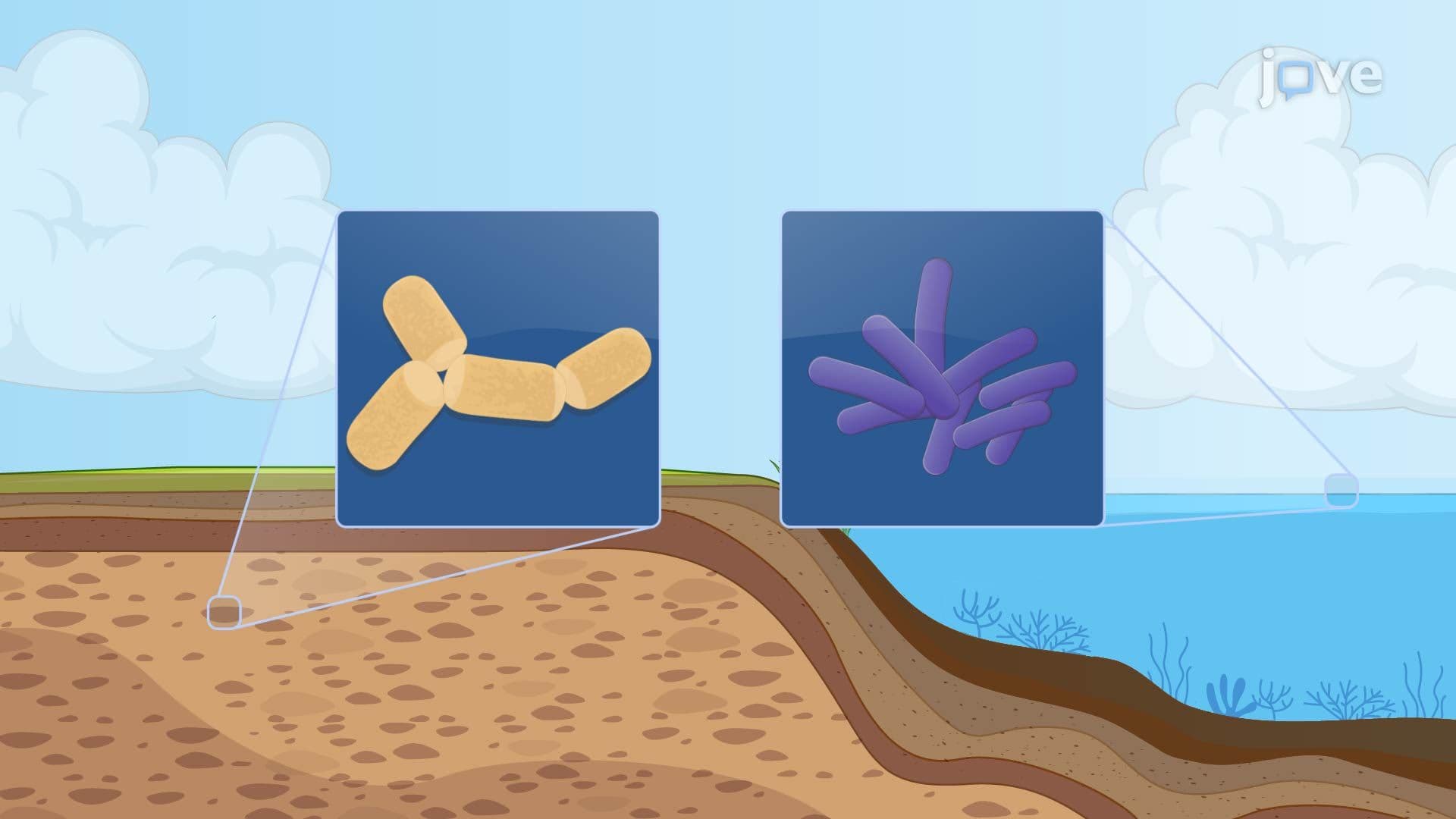
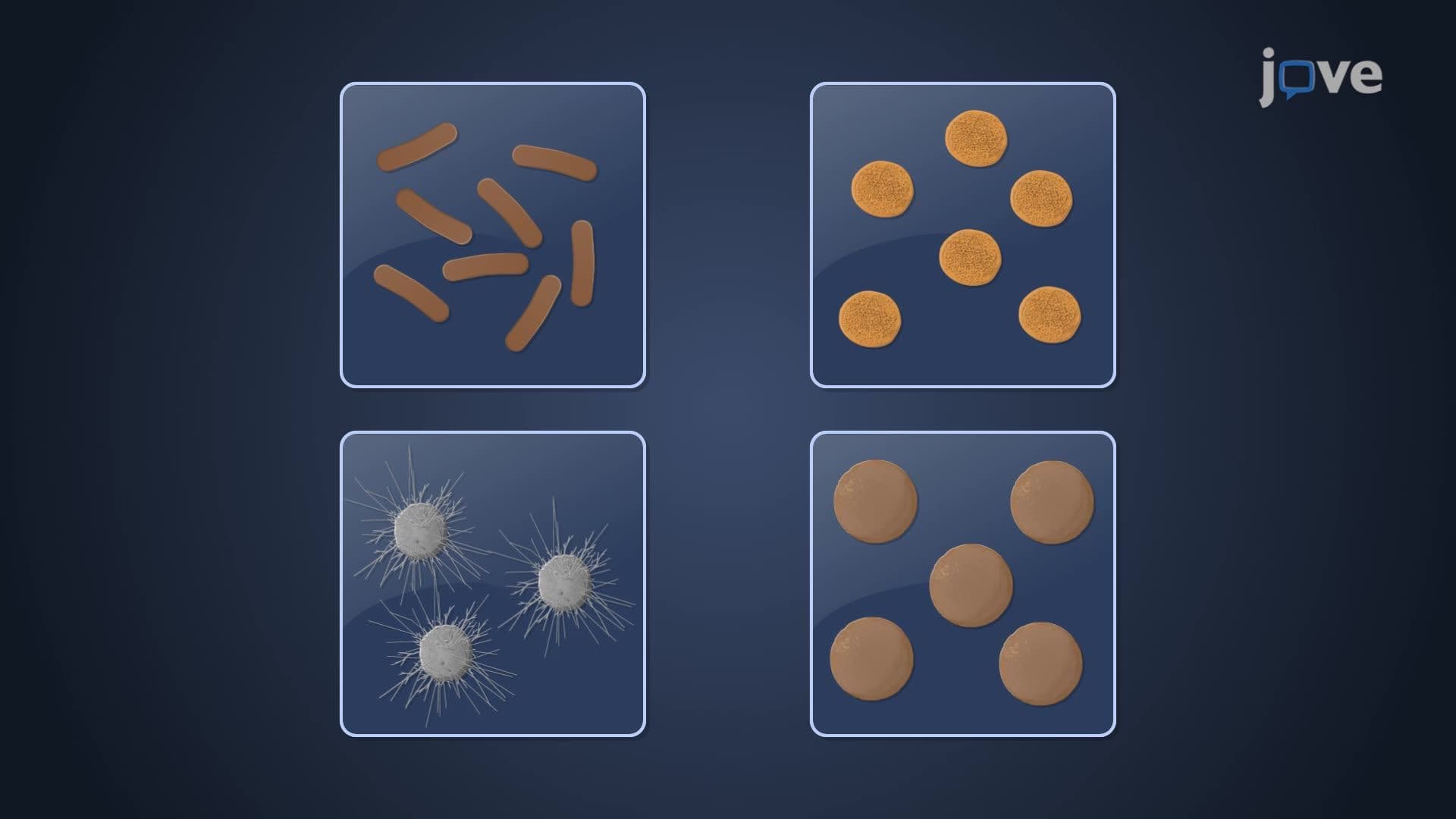
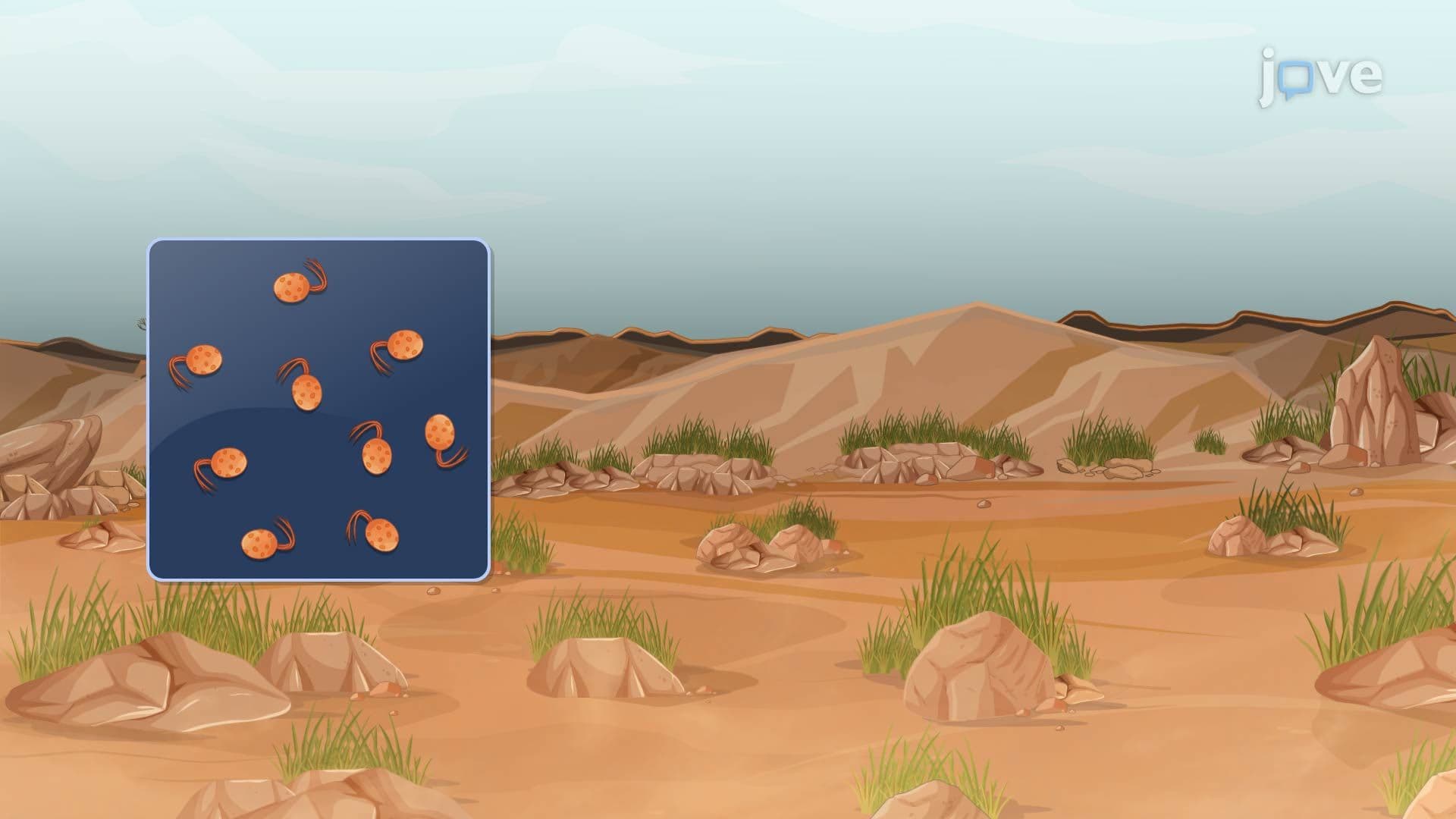
- Analyze the diverse ecological roles of major spirochete genera, from free-living marine species to human pathogens
- Compare the metabolic requirements of different spirochete genera, including aerobic, anaerobic, and microaerophilic species
- Recognize clinically significant spirochete species such as Borrelia burgdorferi (Lyme disease) and Leptospira interrogans (leptospirosis)
- Evaluate the adaptive advantages of spiral morphology for movement through tissues and dense materials
- Apply knowledge of spirochete characteristics to distinguish them from other bacterial phyla in laboratory settings
- Explore the symbiotic relationships between spirochetes and their hosts, including commensal species in human oral cavities
Understanding Bacterial Phylum Spirochaetes Structure and Classification
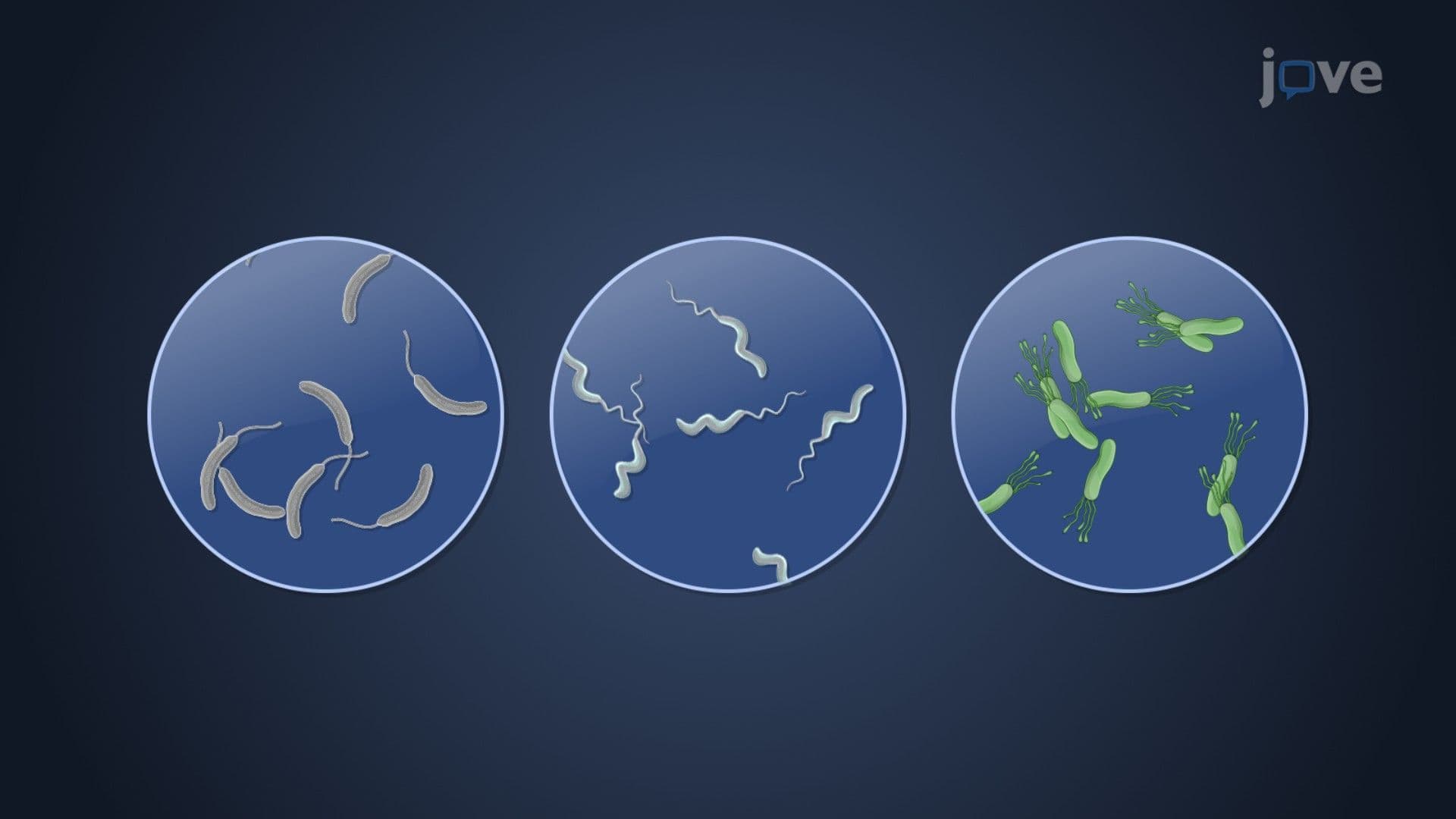
Bacterial phylum Spirochaetes represents one of the most morphologically distinctive groups in the bacterial kingdom. These Gram-negative bacteria exhibit a characteristic helical or spiral shape that immediately distinguishes them from the typical rod-shaped or spherical bacteria students encounter in introductory microbiology courses. The phylum's classification is based not only on this unique morphology but also on their distinctive locomotion mechanism and phylogenetic relationships revealed through molecular analysis.
The spiral structure isn't merely cosmetic-it's an evolutionary adaptation that provides significant advantages in specific environments. This morphology allows spirochetes to efficiently navigate through viscous materials, dense tissues, and biofilms where conventional bacterial motility would be ineffective. For students preparing for the AP Biology exam or college microbiology courses, understanding this structure-function relationship exemplifies how bacterial evolution has produced specialized solutions to environmental challenges.
Endoflagella: The Secret to Spirochete Movement
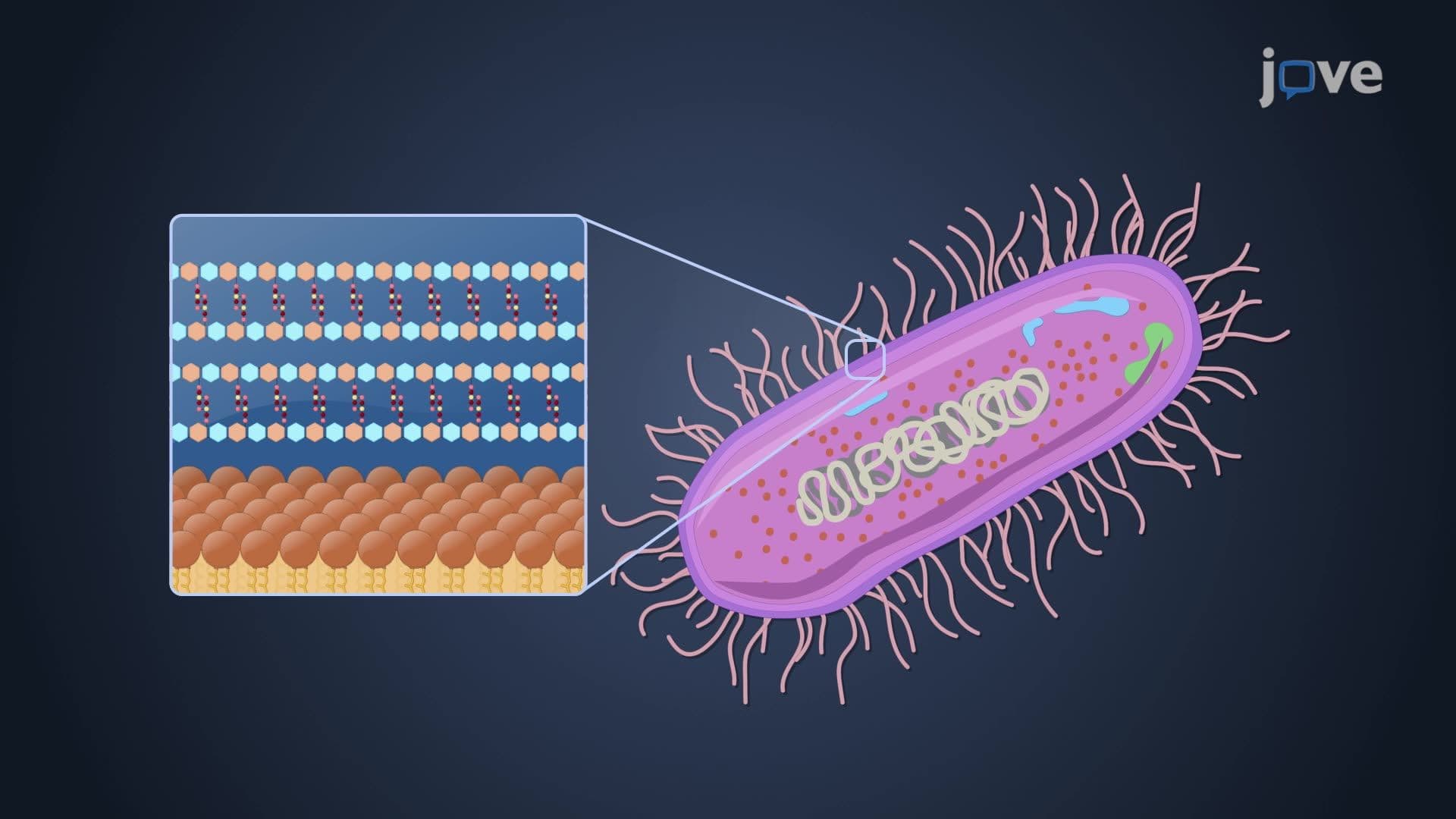
The most remarkable feature of spirochetes is their endoflagella system, also called axial filaments. Unlike external flagella found in bacteria like E. coli, spirochete flagella are located in the periplasmic space between the inner and outer membranes. These internal flagella attach at opposite ends of the cell and wrap around the bacterial body, creating the characteristic helical shape.
When these endoflagella rotate, they generate a corkscrew-like motion that propels the bacterium forward with remarkable efficiency. This mechanism is particularly effective in high-viscosity environments such as mucus, synovial fluid, or dense tissue matrices. Students studying for the MCAT should note that this unique motility system allows pathogenic spirochetes like Borrelia burgdorferi to penetrate skin barriers and disseminate throughout the host's body, contributing to the systemic nature of Lyme disease.
Major Genera and Their Ecological Significance
The phylum Spirochaetes encompasses several medically and ecologically important genera. Treponema species, including T. denticola found in dental plaque, demonstrate how spirochetes can exist as both commensals and pathogens. The genus Borrelia contains several tick-borne pathogens, with B. burgdorferi causing approximately 35,000 reported cases of Lyme disease annually in the United States, primarily in northeastern and upper midwestern states.
Leptospira represents another clinically significant genus, with L. interrogans causing leptospirosis-a disease that affects both humans and animals. This zoonotic infection is particularly relevant in the southern United States, where flooding and contact with contaminated water sources increase exposure risk. For pre-medical students, understanding these disease patterns and transmission mechanisms is crucial for USMLE preparation.
Clinical and Research Applications
The unique properties of spirochetes make them important subjects for both clinical diagnosis and research applications. Their distinctive morphology allows for relatively easy identification using dark-field microscopy, a technique still employed in clinical laboratories for diagnosing certain spirochete infections. Additionally, their specialized motility mechanisms have inspired biomimetic research in microrobotics and drug delivery systems.
Frequently Asked Questions
Bacterial phylum Spirochaetes contains unique helical, coiled bacteria with internal flagella that create corkscrew motion. They're identified by their distinctive spiral shape under microscopy, Gram-negative staining, and characteristic motility patterns. Key identifying features include their flexible, undulating movement and helical morphology that distinguishes them from typical rod or spherical bacteria.
Borrelia burgdorferi (Lyme disease), Treponema pallidum (syphilis), and Leptospira interrogans (leptospirosis) are the most commonly tested spirochetes. Focus on understanding their transmission methods, disease symptoms, and unique structural features. These species exemplify important concepts about bacterial pathogenesis, vector-borne diseases, and adaptive bacterial morphology that frequently appear in standardized exams.
Spirochetes' corkscrew motility allows them to penetrate tissues and cross biological barriers that stop other bacteria. This enables systemic infections and makes them difficult for immune systems to eliminate. Their unique movement mechanism is a key concept for understanding bacterial pathogenesis and appears frequently on college microbiology exams and medical school assessments.
Lyme disease affects over 35,000 Americans annually, primarily in northeastern states like Connecticut and Massachusetts. Leptospirosis outbreaks occur after flooding events, particularly in southern states. These infections cost the US healthcare system millions annually and demonstrate the practical importance of understanding bacterial diversity and disease prevention strategies.
No advanced chemistry background is required to understand basic spirochete concepts. High school biology and basic cell structure knowledge provide sufficient foundation. The key concepts focus on morphology, movement, and disease relationships rather than complex biochemical pathways, making this topic accessible to students at various levels.
Create association mnemonics linking genus names to diseases: "Borrelia = Bullseye rash (Lyme)", "Leptospira = Liver problems (leptospirosis)". Focus on understanding the connection between their spiral structure and disease mechanisms rather than just memorizing facts. Practice drawing the spiral structure and labeling endoflagella to reinforce visual memory for exam success.
Study other morphologically distinct bacterial groups like Mycobacteria (acid-fast bacteria causing tuberculosis) or Rickettsia (obligate intracellular pathogens). These groups, like spirochetes, demonstrate how bacterial structure relates to function and pathogenesis. This progression helps build a comprehensive understanding of bacterial diversity for advanced courses and professional exams.
Related Micro-courses
10 Concepts
11 Concepts

13 Concepts