Loading subject page…

- Microbiology
- Microbial Diversity
- Bacterial Phylum Tenericutes
Micro-course: Microbial Diversity
13,350 views
Learn key concepts and earn your certificate.




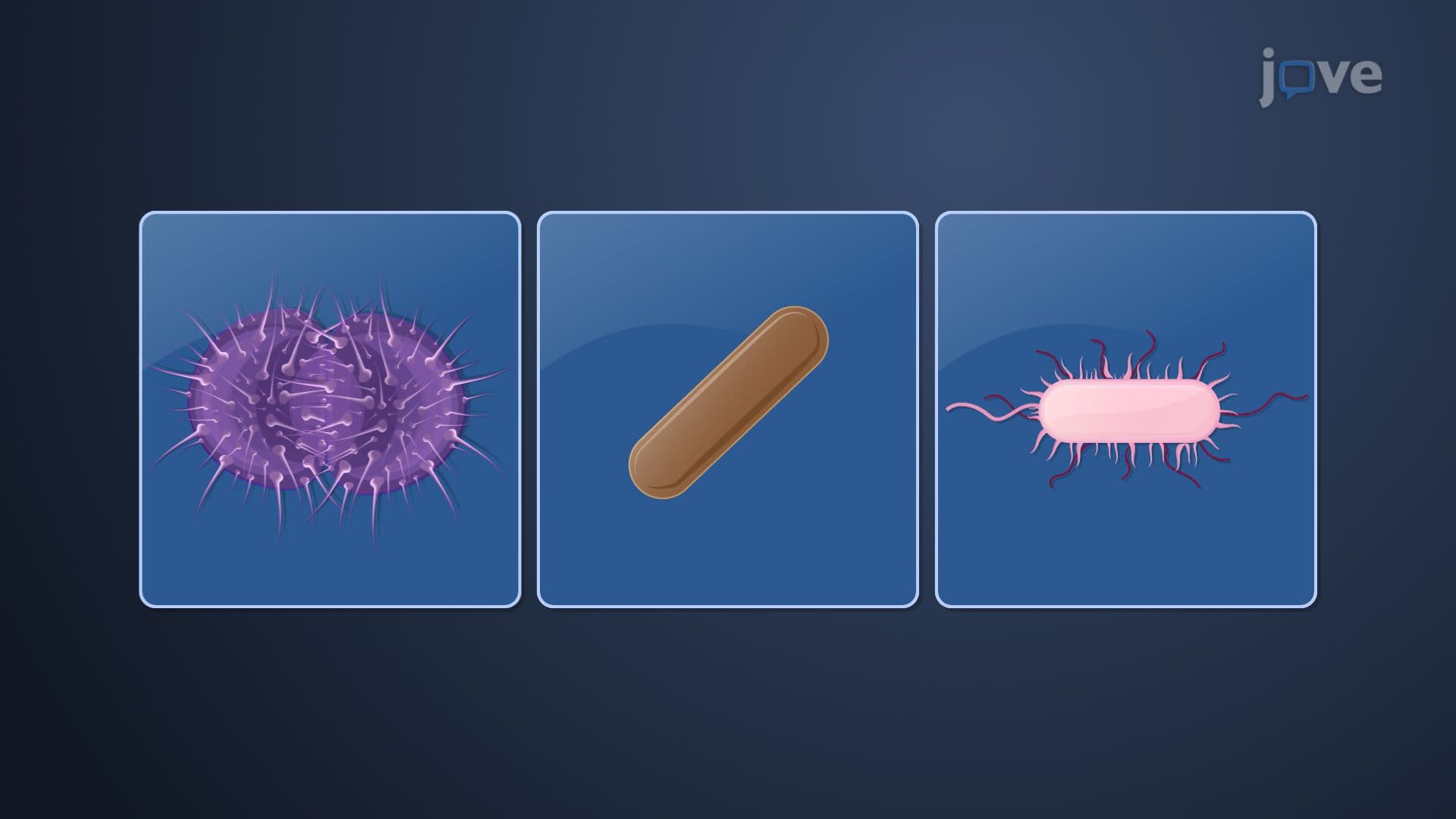
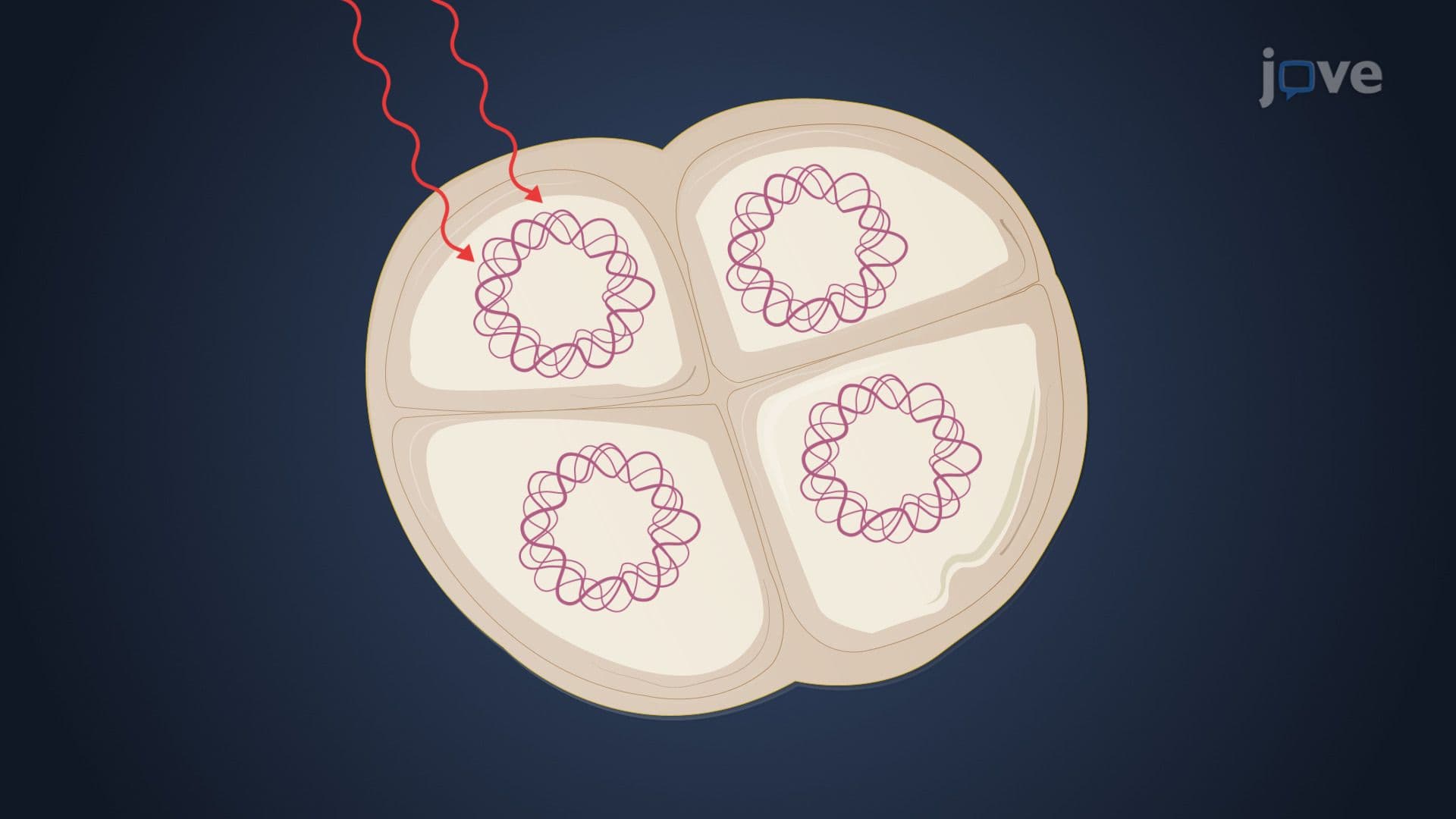
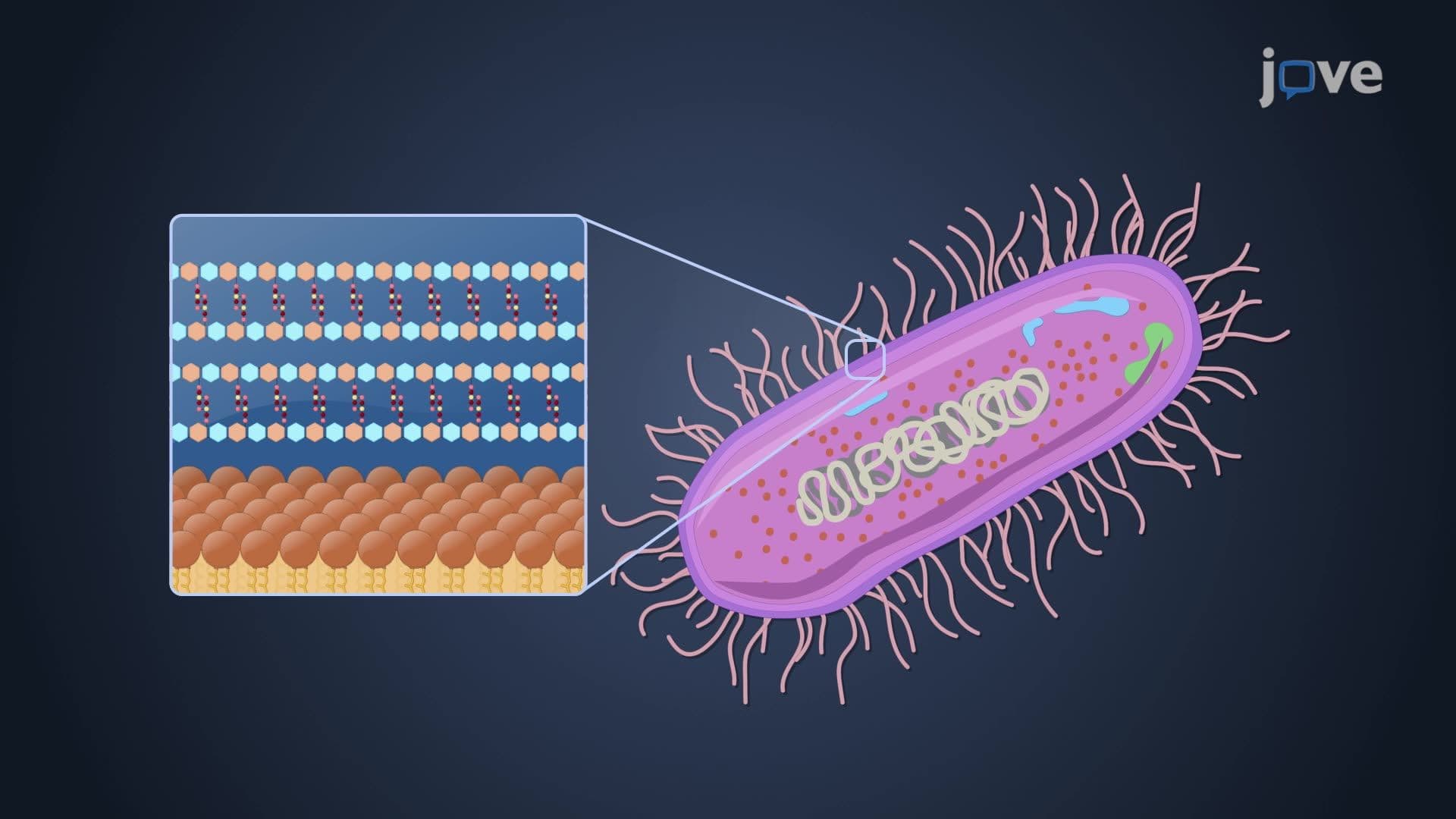
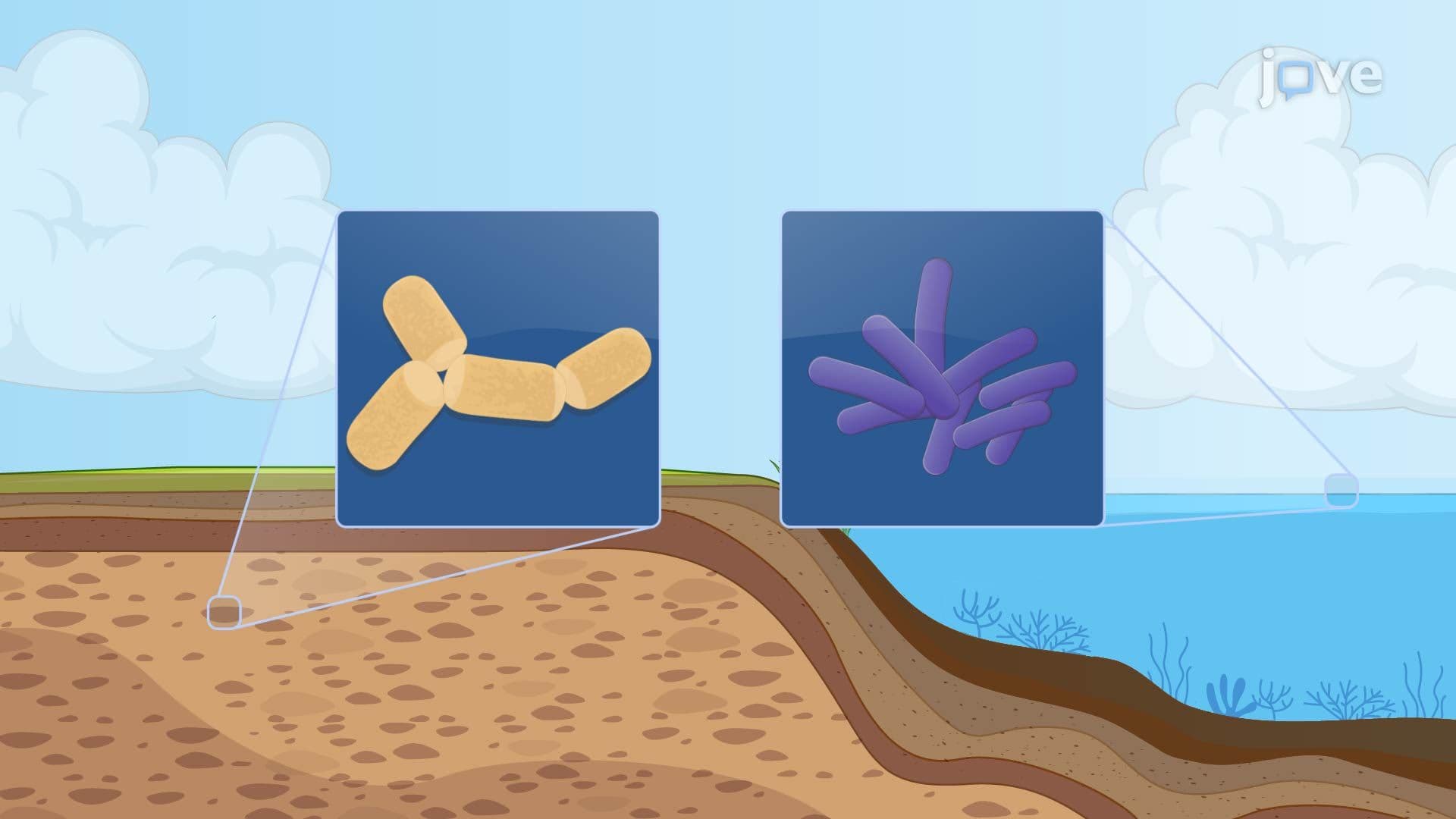

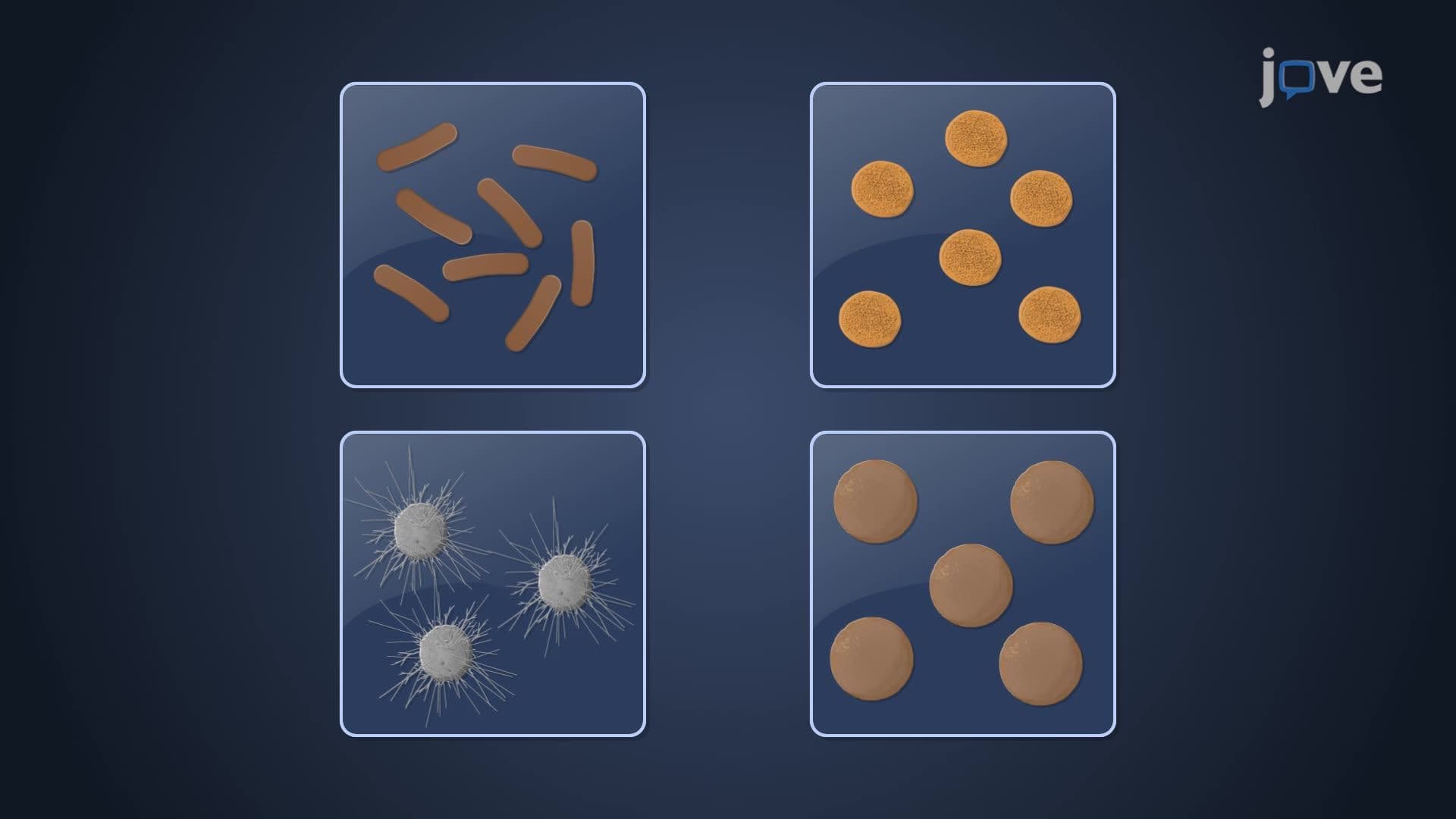
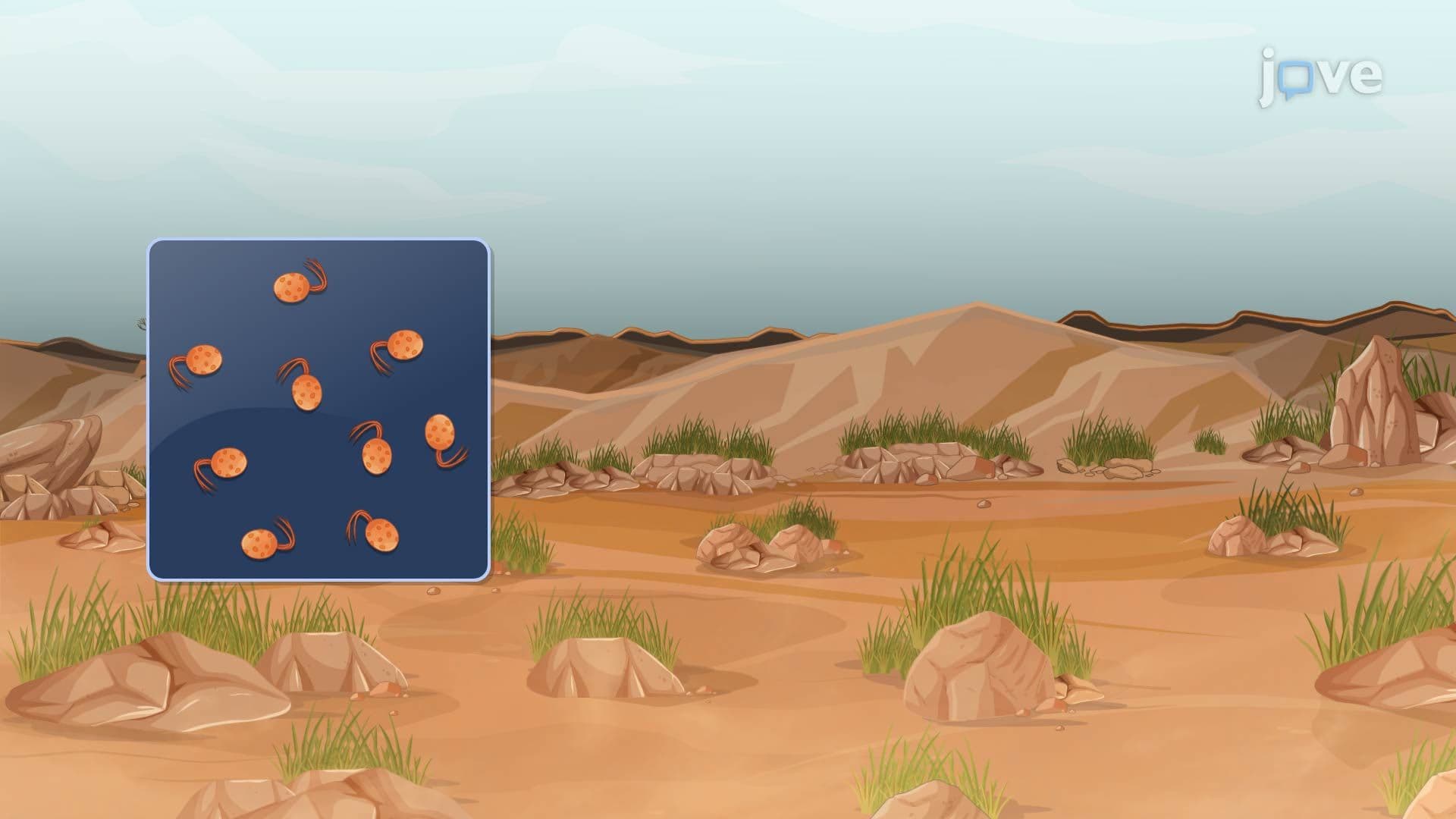
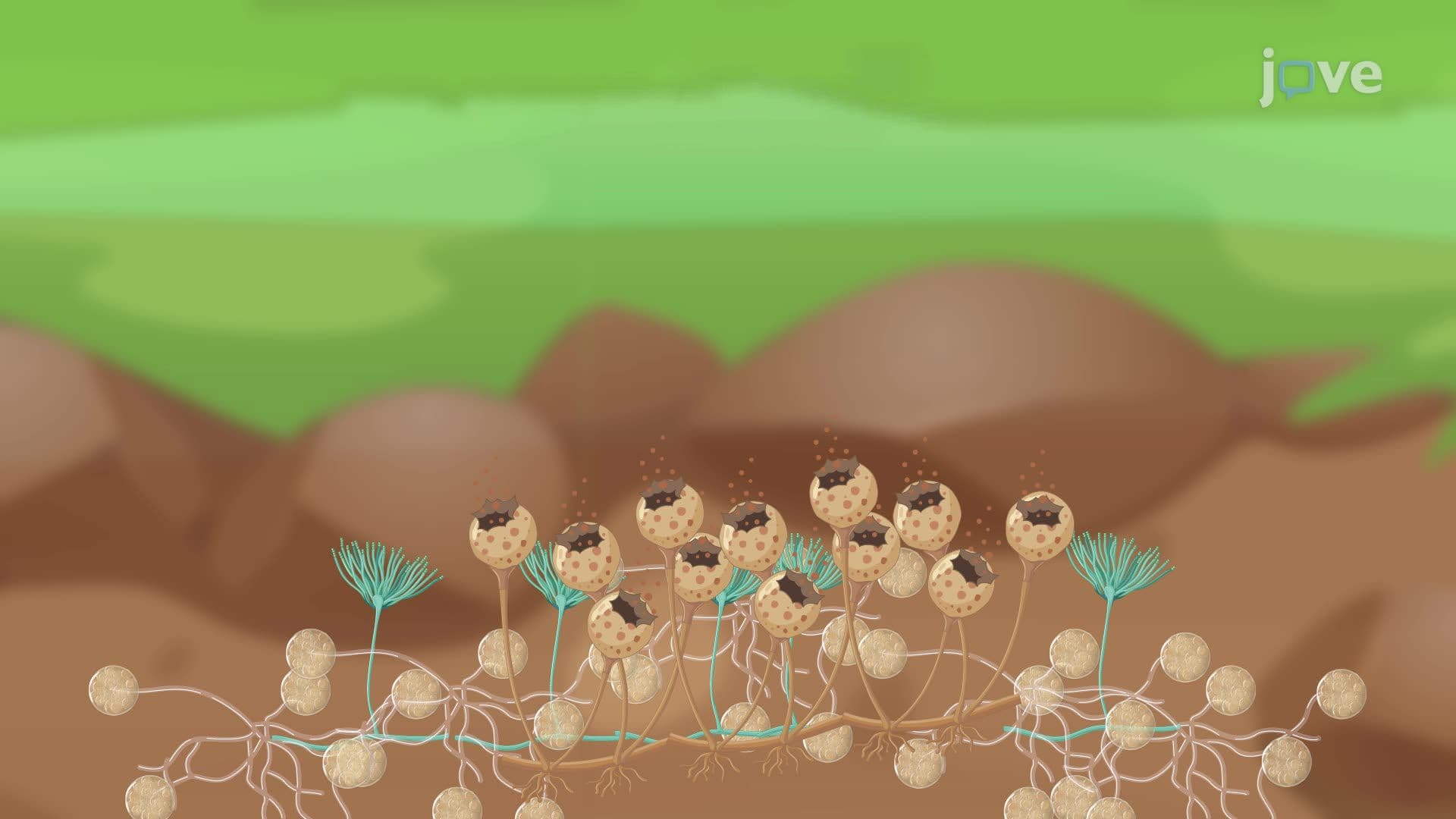
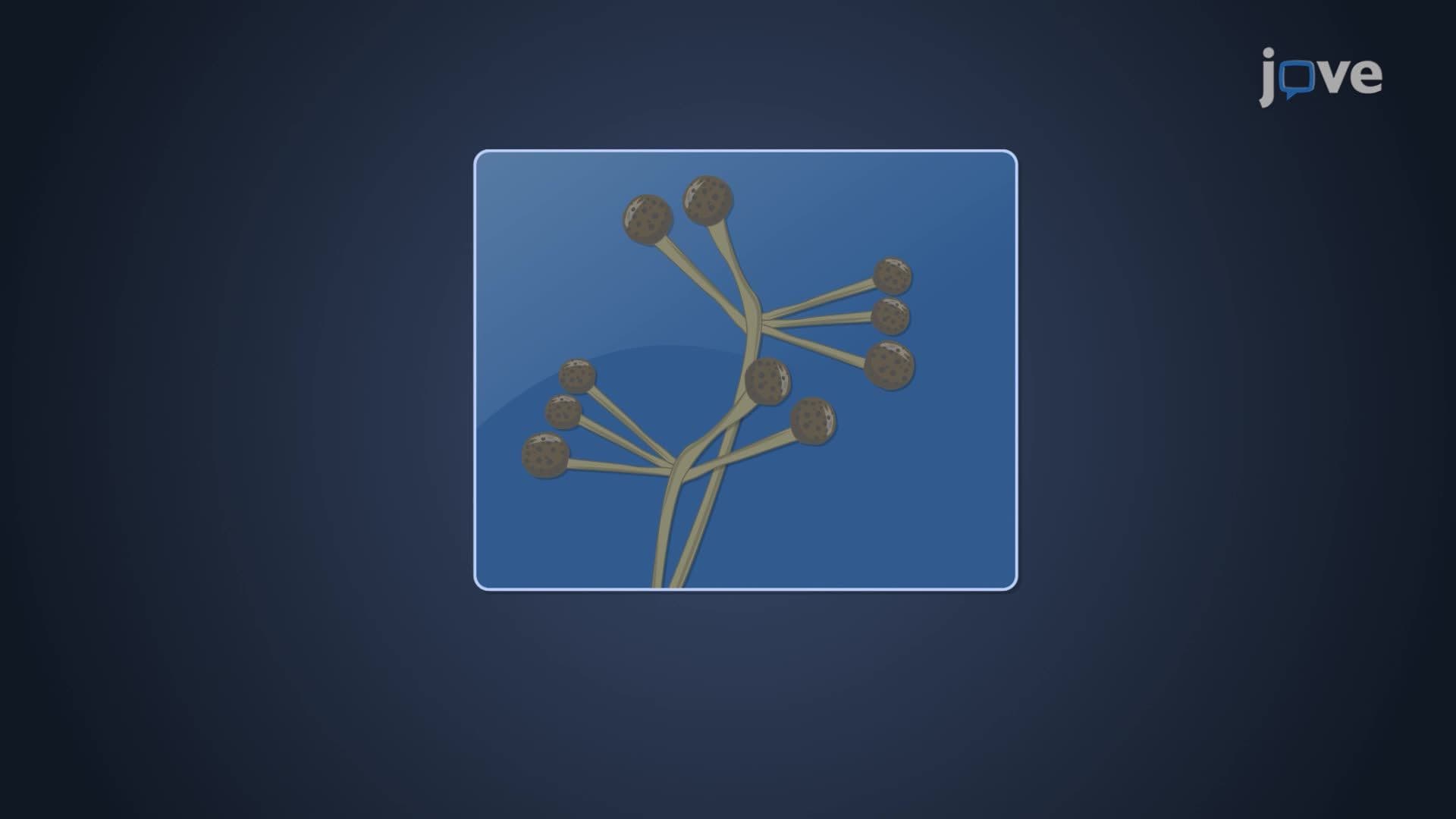

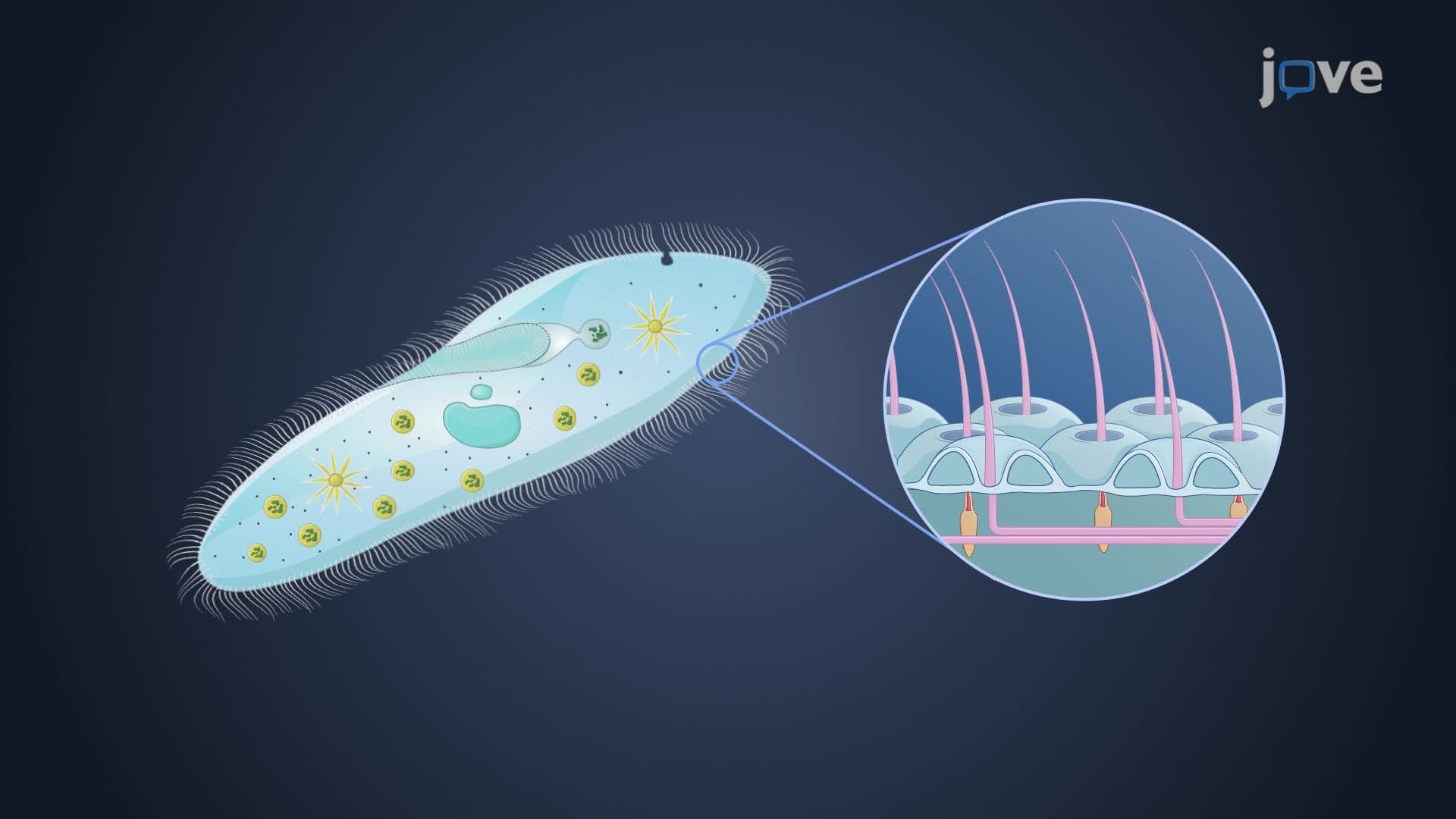
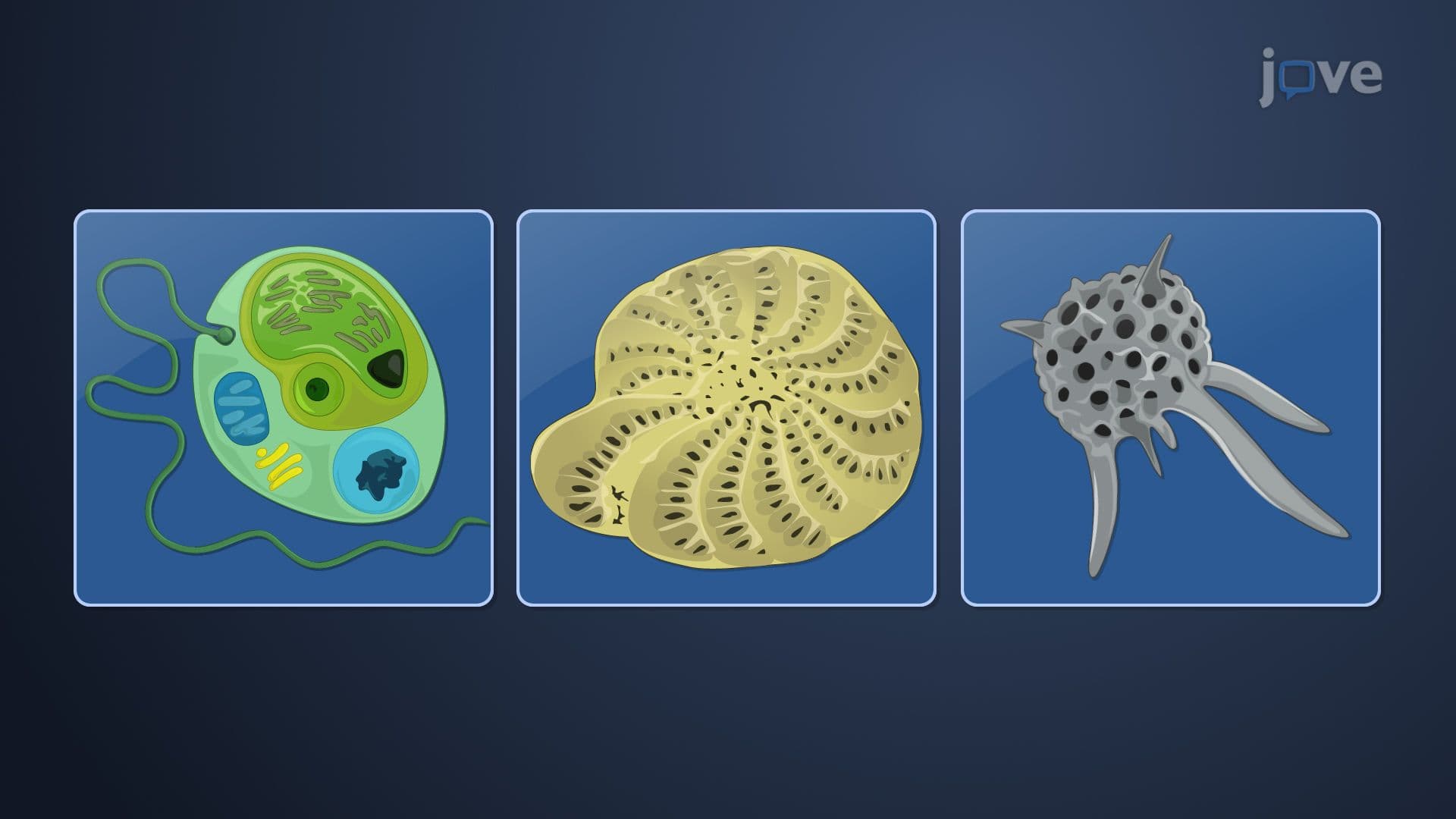
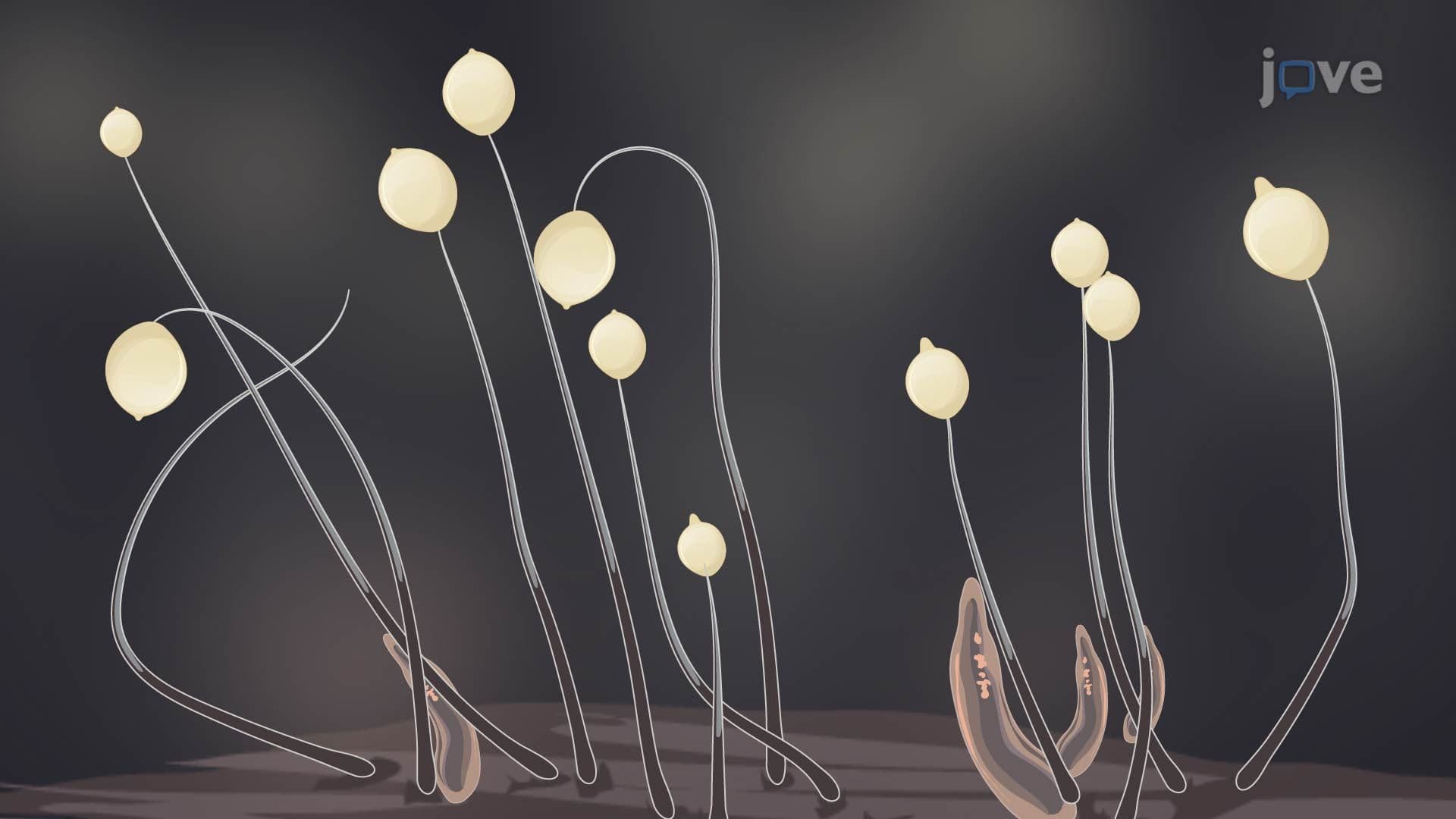
Bacterial Phylum Tenericutes


00:00
01:24
Video Summary: What Is Bacterial Phylum Tenericutes
Did you know some bacteria survive without the protective cell walls that most microorganisms depend on? Bacterial phylum Tenericutes represents one of the most unusual groups in microbiology, containing wall-less bacteria like mycoplasmas that cause diseases ranging from pneumonia in humans to citrus stubborn disease affecting California's agricultural industry. These microscopic organisms challenge our understanding of bacterial survival strategies. Watch the full video on JoVE Coach to master this concept with expert-led visuals and step-by-step explanations.
- Understand what is bacterial phylum Tenericutes and why these wall-less bacteria represent a unique evolutionary adaptation
- Identify the distinguishing characteristics of Mollicutes, the single class within this phylum
- Analyze how mycoplasmas survive osmotic stress without cell walls through specialized membrane compositions
- Compare pleomorphic forms exhibited by Tenericutes bacteria in laboratory cultures
- Recognize Spiroplasma's distinctive helical morphology and unique motility mechanisms
- Evaluate the pathogenic potential of human-associated species like Mycoplasma pneumoniae
- Apply knowledge of Tenericutes to understand plant diseases such as citrus stubborn disease
- Explore the ecological relationships between these bacteria and their animal or plant hosts
Understanding Bacterial Phylum Tenericutes: The Wall-Less Wonders
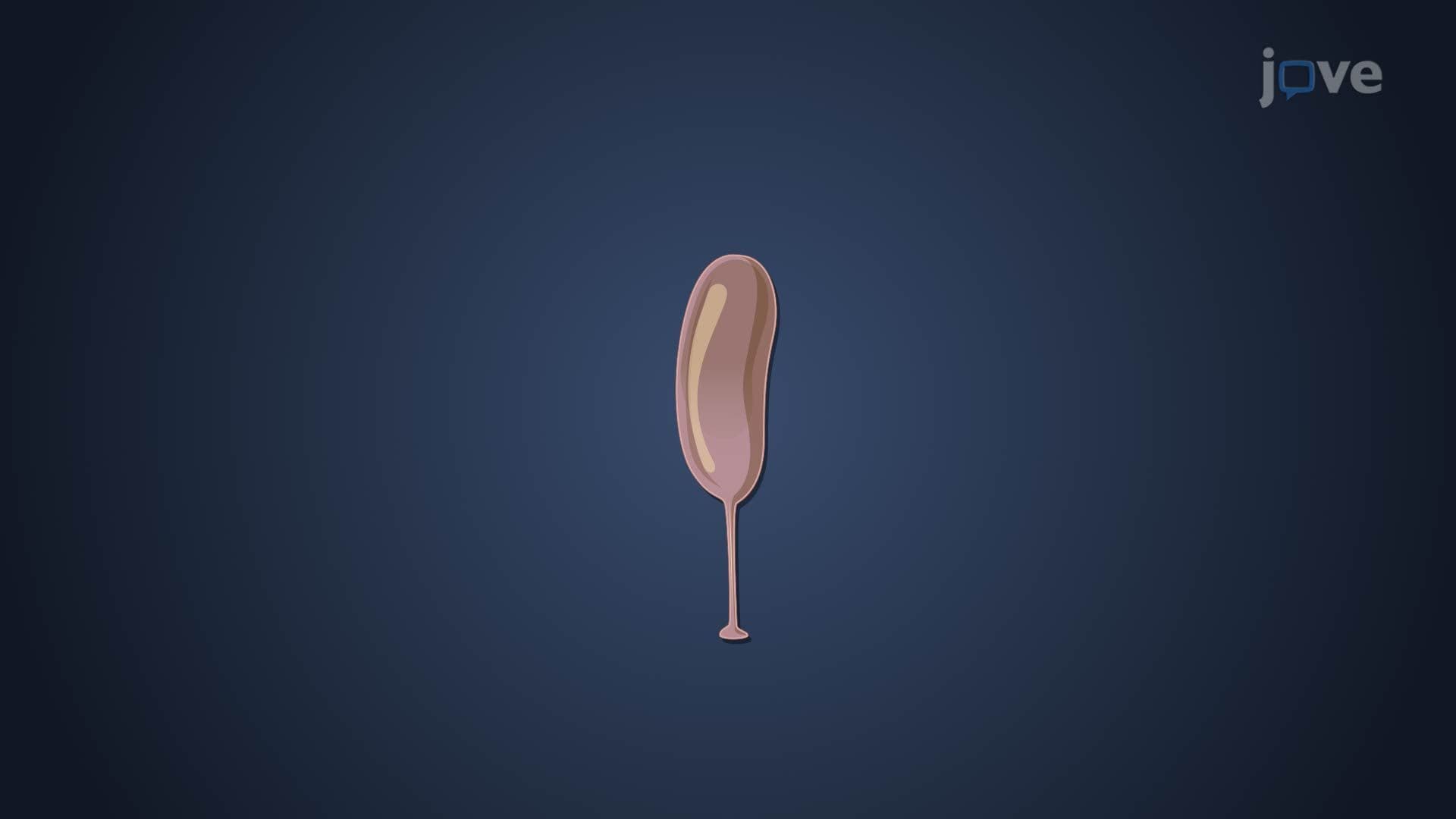
Bacterial phylum Tenericutes stands out in microbiology as one of the most structurally unique bacterial groups. Unlike typical bacteria that rely on rigid cell walls for protection and shape, Tenericutes have evolved to thrive without this fundamental structure. This phylum contains a single class called Mollicutes, commonly known as mycoplasmas, representing some of the smallest free-living organisms on Earth.
Structural Adaptations and Survival Mechanisms
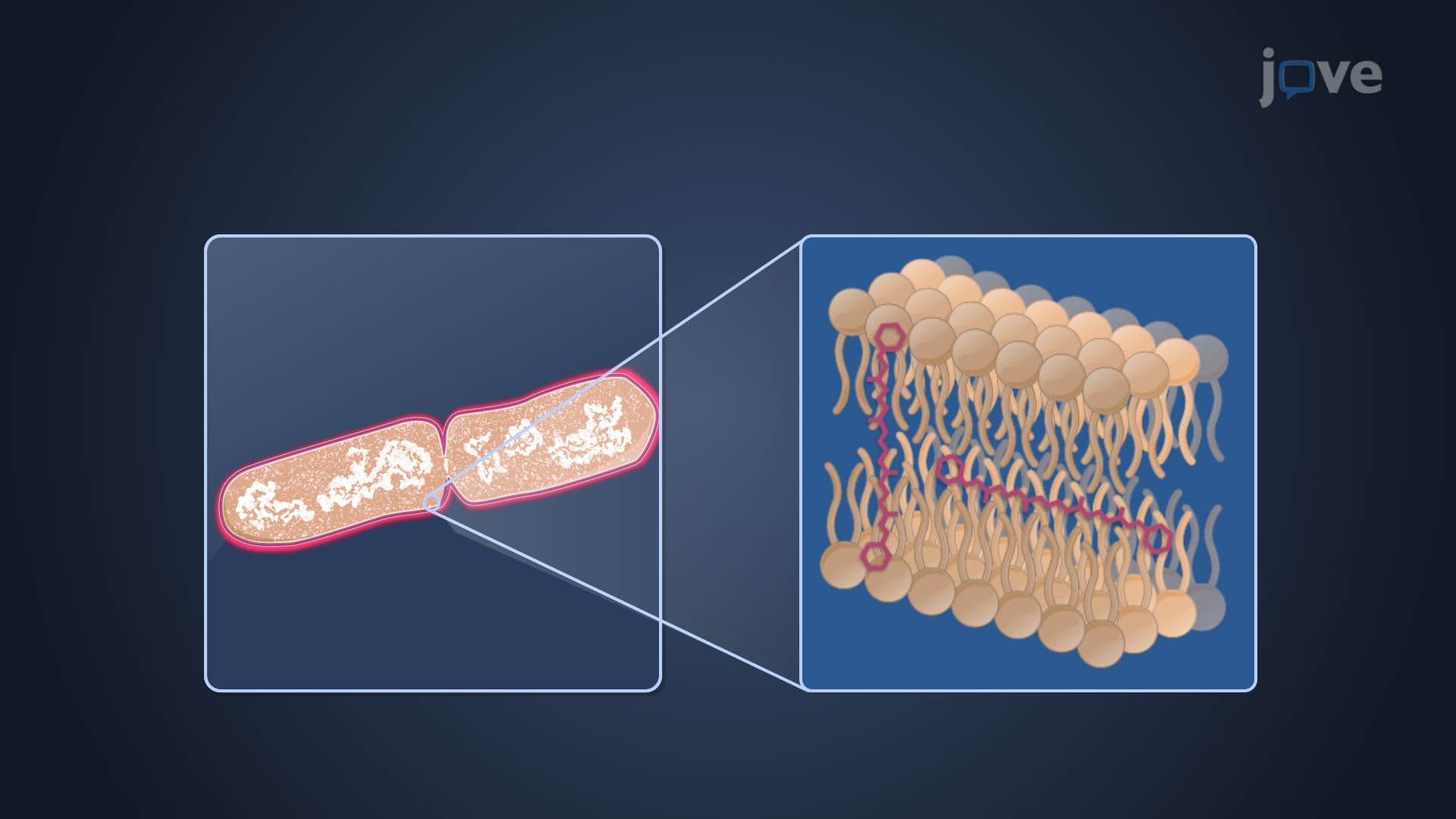
The absence of cell walls in bacterial phylum Tenericutes creates significant challenges for survival. Normal bacterial cell walls provide crucial protection against osmotic pressure changes that would otherwise cause cell lysis. Tenericutes have evolved sophisticated membrane adaptations to compensate for this vulnerability. Their cell membranes contain sterols and lipoglycans-molecules typically absent in other bacterial membranes-which provide the necessary structural integrity and osmotic resistance.
This unique membrane composition makes Tenericutes particularly relevant for students preparing for advanced biology exams like the MCAT or AP Biology. Understanding how these organisms maintain cellular integrity without walls demonstrates key principles of membrane biology and evolutionary adaptation that frequently appear in standardized testing scenarios.
Morphological Diversity and Clinical Significance
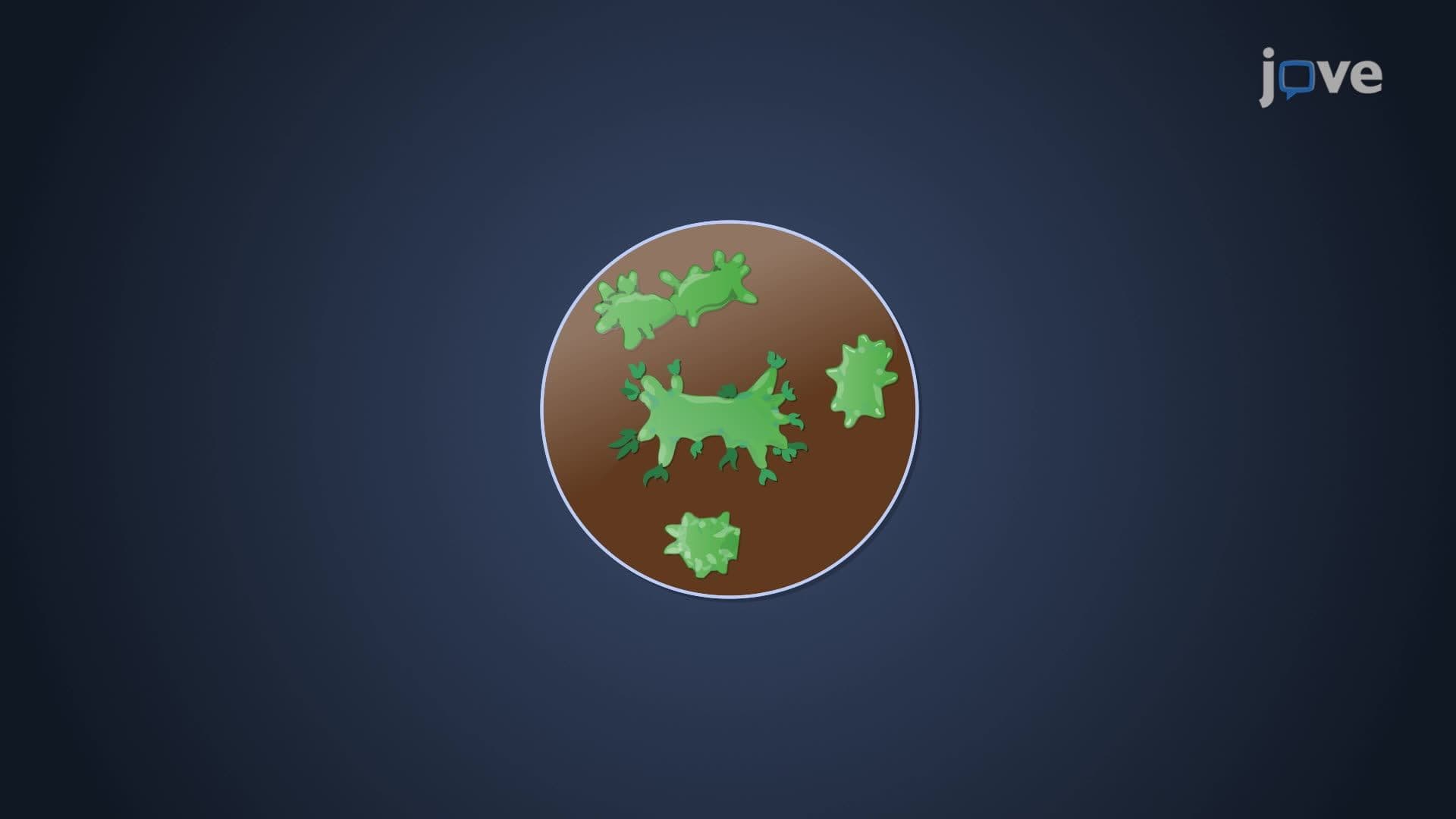
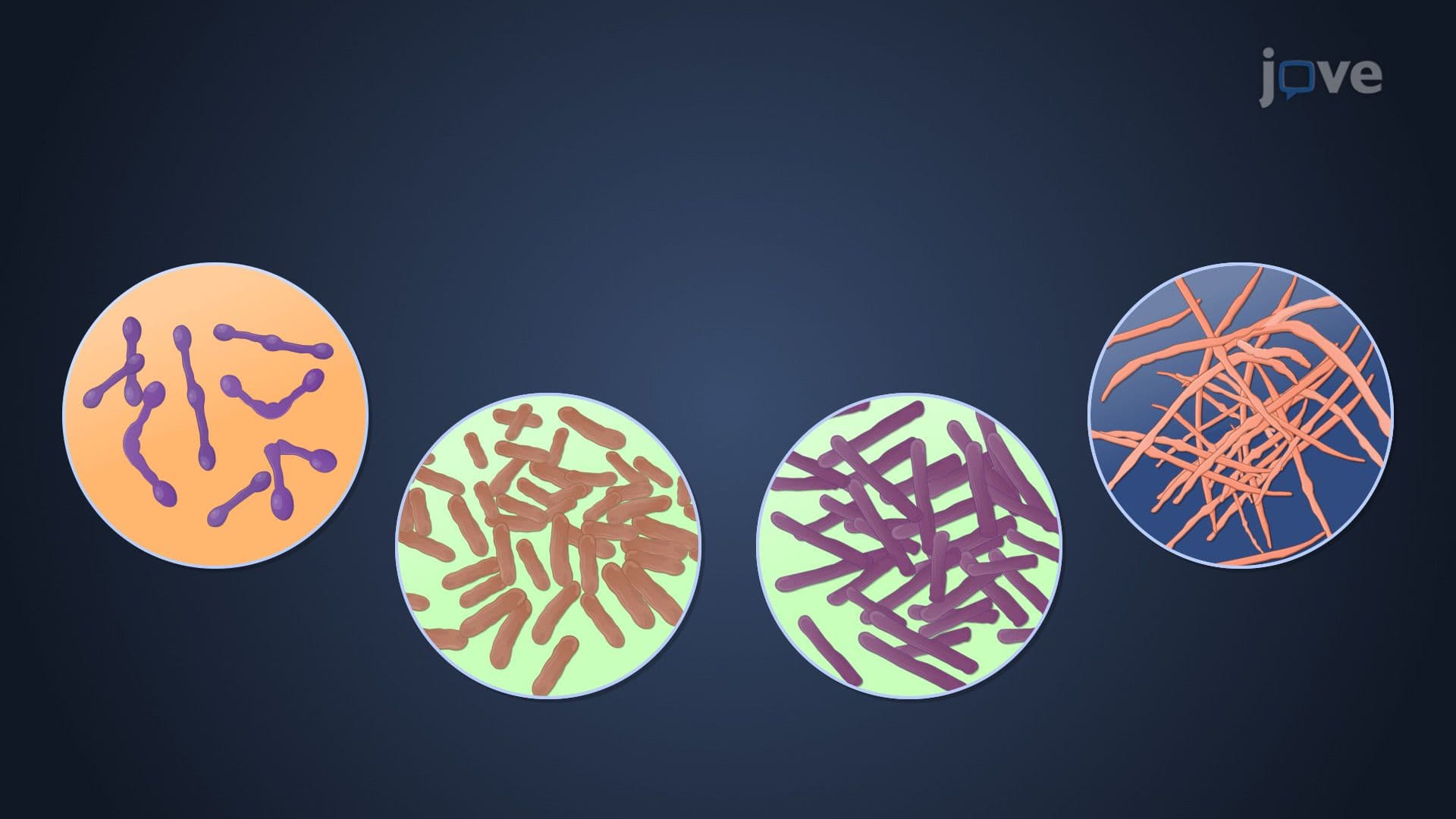
Tenericutes exhibit remarkable pleomorphism, meaning they can assume multiple shapes within the same culture. Laboratory observations reveal small spherical (coccoid) cells, enlarged swollen forms, and even branched filamentous structures. This morphological flexibility reflects their membrane-based structural organization rather than rigid wall-determined shapes.
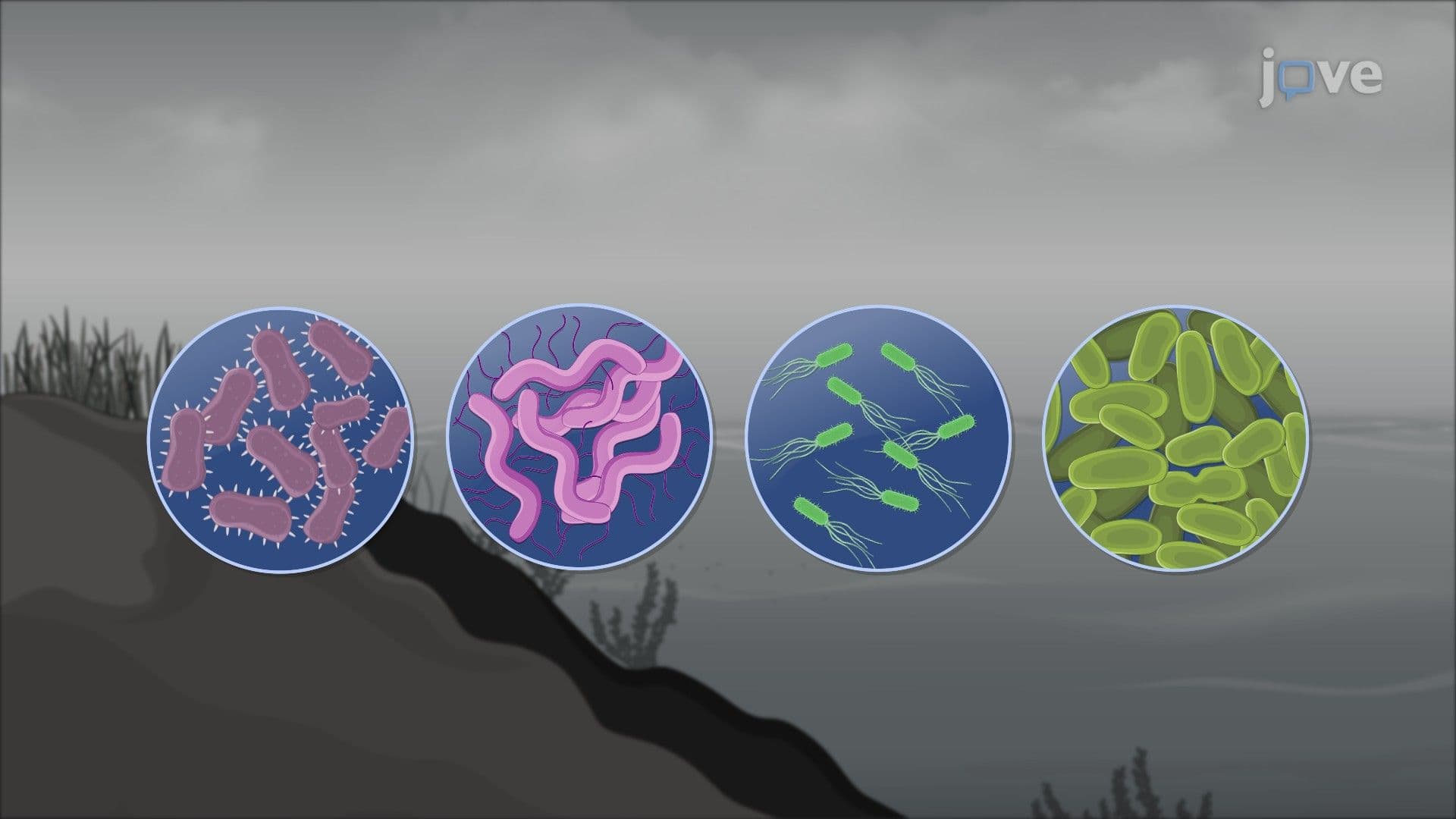
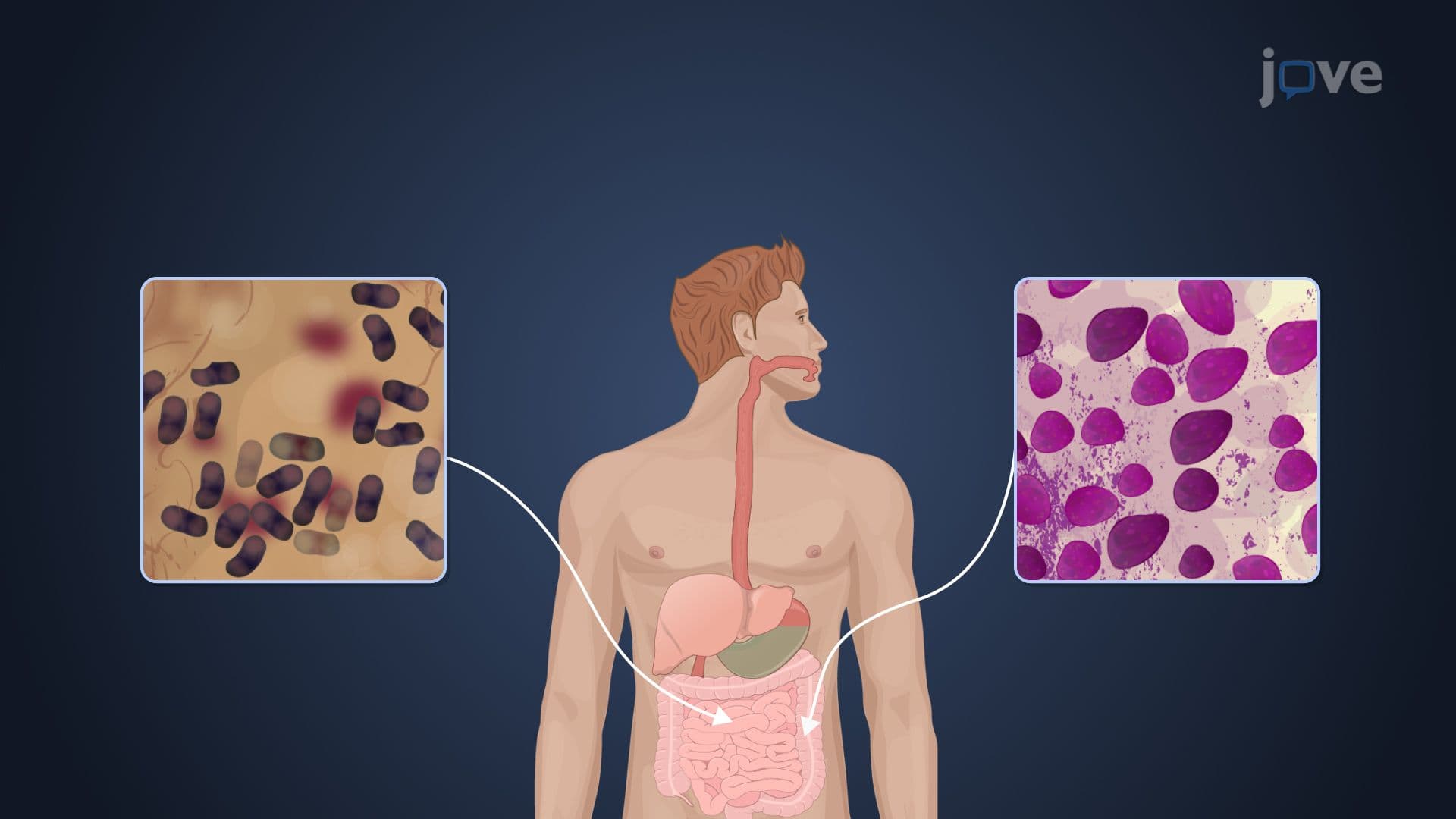
Several Tenericutes species have significant medical importance in the United States. *Mycoplasma pneumoniae* causes atypical pneumonia, often called "walking pneumonia," affecting thousands of Americans annually. *Ureaplasma urealyticum* and *Metamycoplasma hominis* are associated with urogenital tract infections. These pathogens present diagnostic challenges for healthcare providers because their wall-less nature makes them resistant to common antibiotics like penicillin that target cell wall synthesis.
Spiroplasma: The Helical Specialists
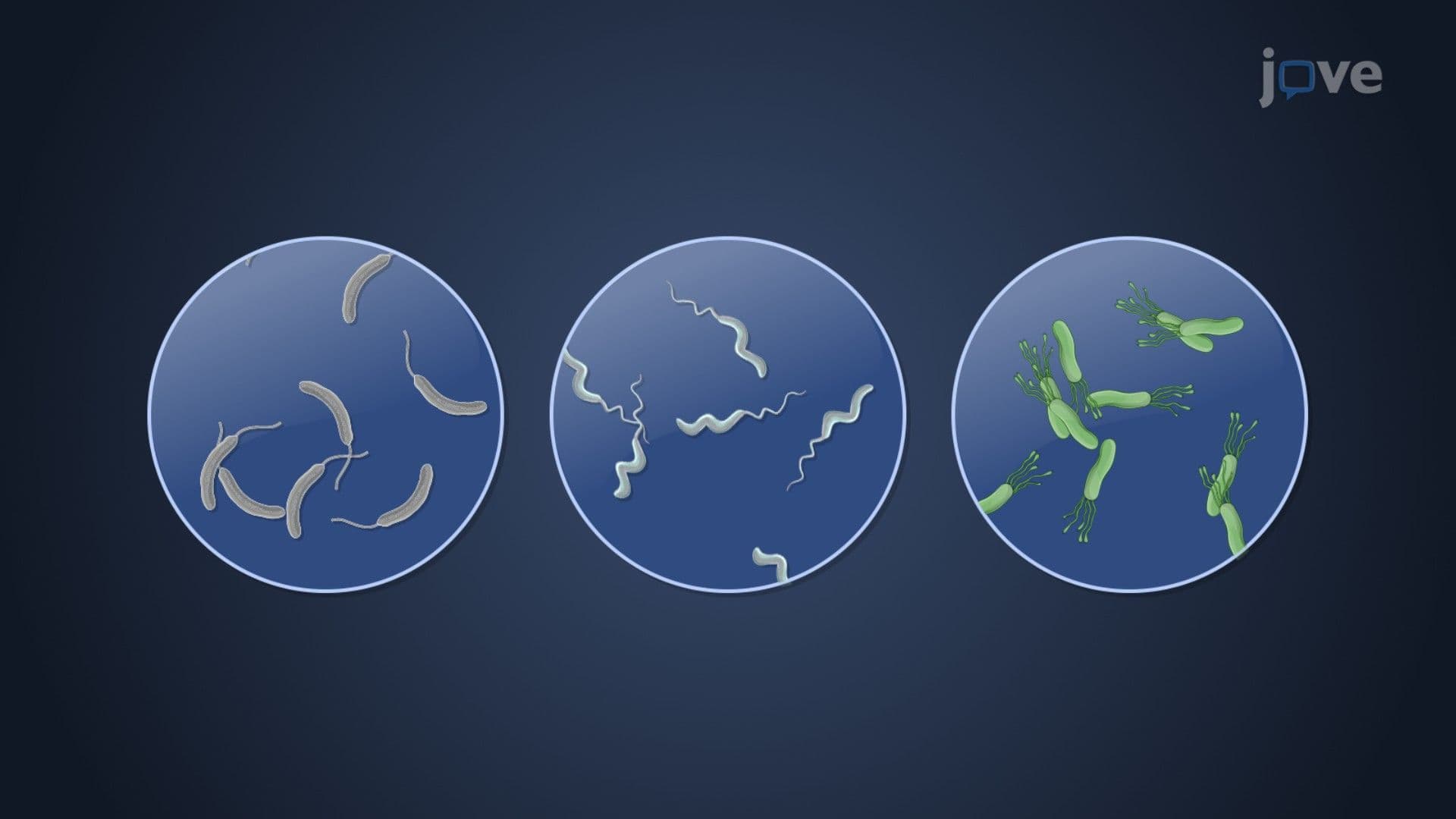
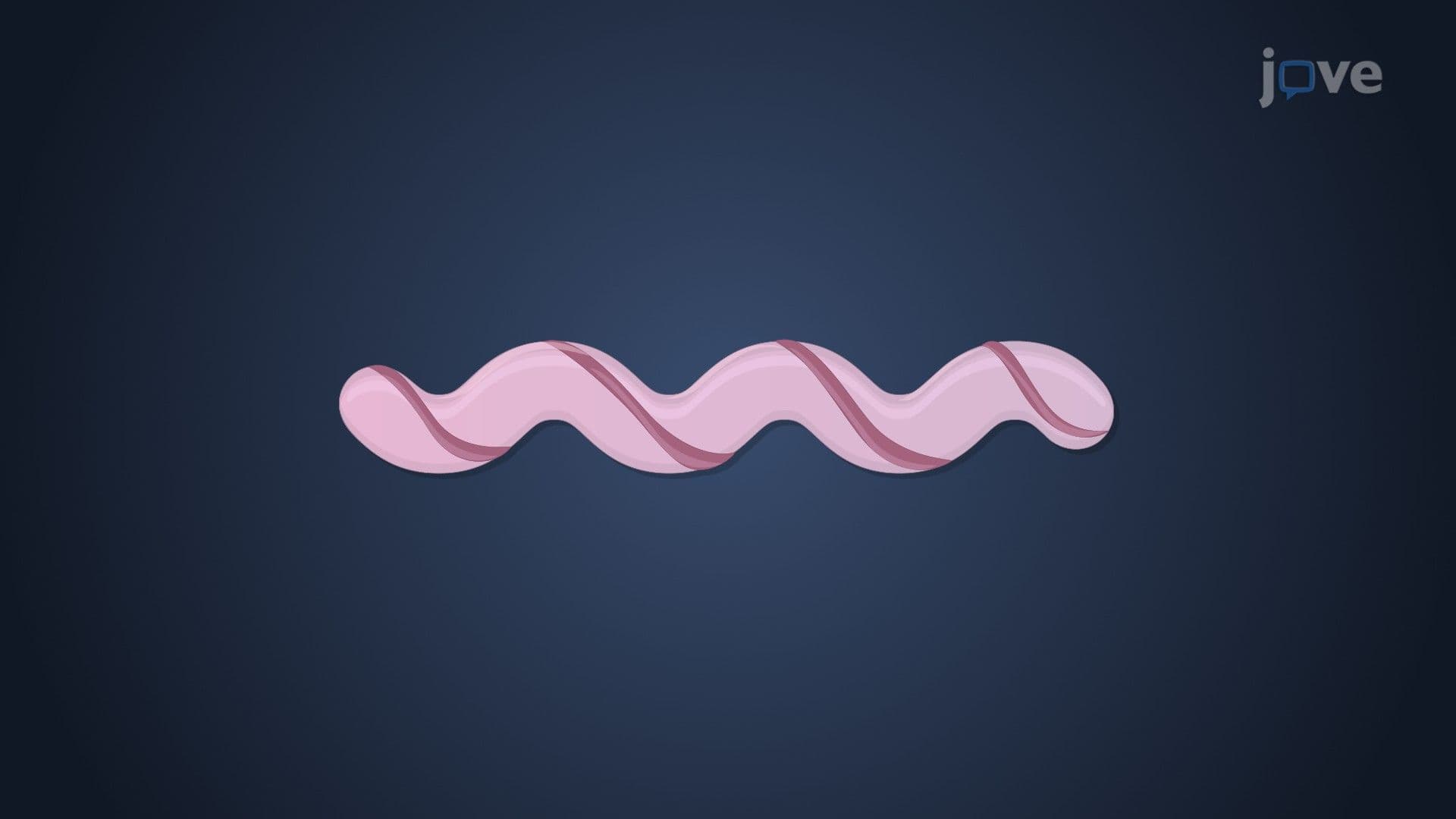
Within Tenericutes, the genus *Spiroplasma* deserves special attention for its distinctive helical morphology and unique motility. Despite lacking both cell walls and flagella-the typical bacterial propulsion system-Spiroplasma species achieve movement through screw-like rotations and undulating motions. This mechanism demonstrates alternative evolutionary solutions to bacterial locomotion.
*Spiroplasma citri* significantly impacts American agriculture by causing citrus stubborn disease, affecting citrus production in states like California and Florida. Understanding this pathogen helps students connect microbiological concepts to real-world agricultural and economic impacts, making it excellent material for college-level plant pathology and agricultural science courses.
Frequently Asked Questions
Bacterial phylum Tenericutes consists of wall-less bacteria, primarily mycoplasmas, that survive without the protective cell walls found in most other bacteria. They compensate with specialized membranes containing sterols and lipoglycans for structural integrity. This makes them among the smallest known free-living organisms and gives them unique resistance to certain antibiotics.
MCAT questions often focus on Tenericutes' membrane adaptations and antibiotic resistance mechanisms, particularly why penicillin is ineffective against them. AP Biology exams may test understanding of their pleomorphic nature and evolutionary adaptations. Students should know their clinical significance and unique structural features compared to typical bacteria.
MCAT sections on microbiology, cell biology, and pharmacology frequently reference Tenericutes. Key connections include membrane structure and function, antibiotic mechanisms of action, osmotic regulation, and pathogen-host relationships. Understanding why wall-less bacteria resist β-lactam antibiotics is particularly important for medical school preparation.
Tenericutes cause several significant diseases in the US, including atypical pneumonia from Mycoplasma pneumoniae, urogenital infections from Ureaplasma species, and citrus stubborn disease in California and Florida agriculture from Spiroplasma citri. These examples demonstrate their medical and agricultural importance across different sectors of American society.
While Tenericutes concepts build on basic cell biology, they're very manageable with proper foundation knowledge of bacterial structure and membrane function. The key is understanding how these organisms adapted to survive without cell walls. Start with reviewing normal bacterial cell structure, then contrast it with Tenericutes' unique adaptations.
Focus on three main areas: structural adaptations (membrane composition with sterols), morphological characteristics (pleomorphism and Spiroplasma motility), and clinical significance (human pathogens and plant diseases). Create comparison charts between wall-less and typical bacteria, and practice explaining why certain antibiotics are ineffective against Tenericutes.
Build on this knowledge by studying other unusual bacterial groups like L-forms (artificially wall-less bacteria) and archaeal membrane structures. Explore antibiotic resistance mechanisms in greater depth, particularly how cell wall-targeting drugs work. Advanced students might investigate bacterial evolution and the origins of wall-less organisms.
Tenericutes provide an excellent example of intrinsic antibiotic resistance-they're naturally resistant to cell wall-targeting antibiotics like penicillin because they lack the target structure. This differs from acquired resistance through genetic mutations. Understanding this distinction helps students grasp different mechanisms of antibiotic resistance in clinical settings.
Related Micro-courses

10 Concepts

11 Concepts

13 Concepts