Loading subject page…
- Microbiology
- Microbial Diversity
- Bacterial Phylum Verrucomicrobiota
Micro-course: Microbial Diversity
13,350 views
Learn key concepts and earn your certificate.




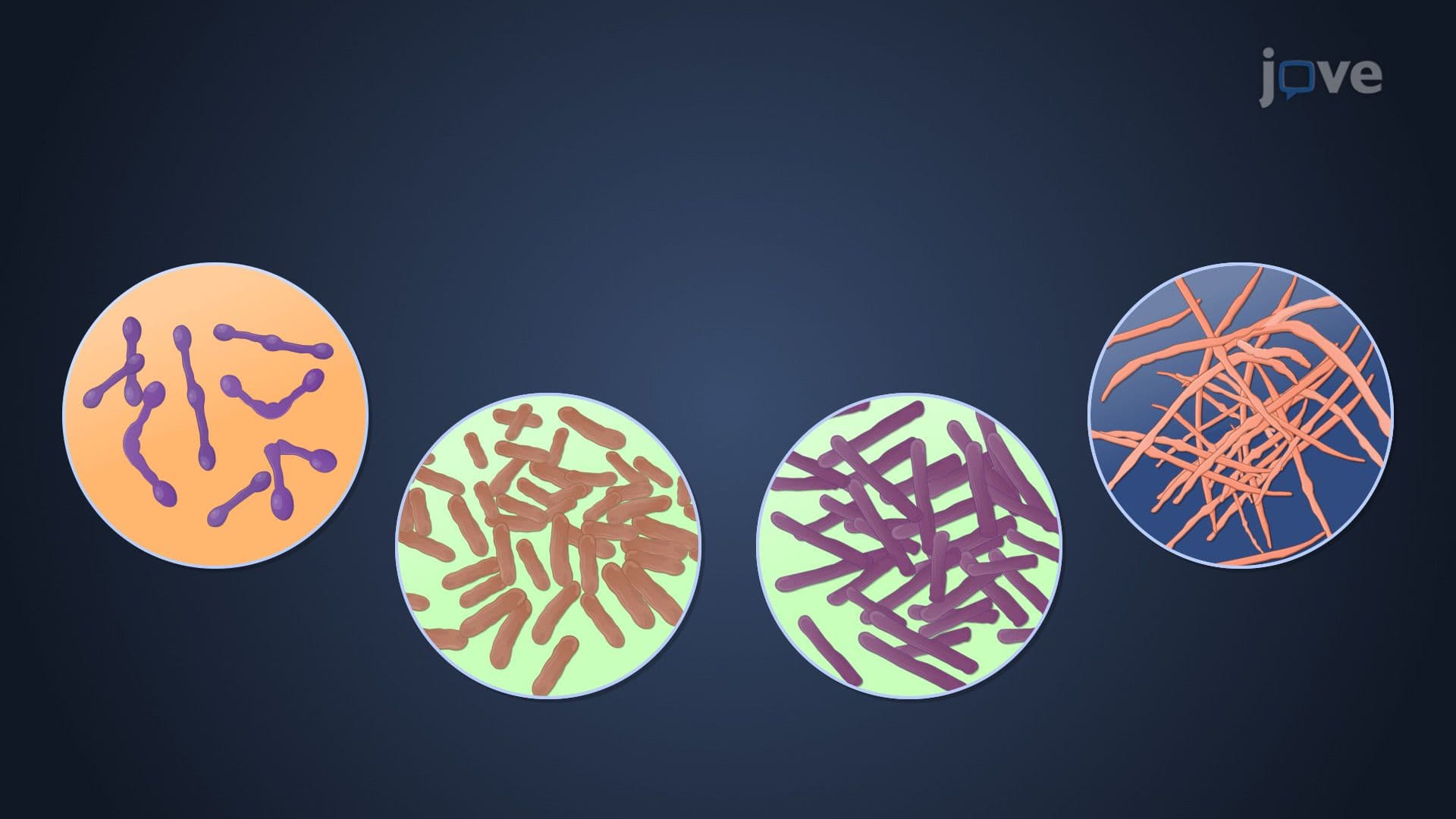
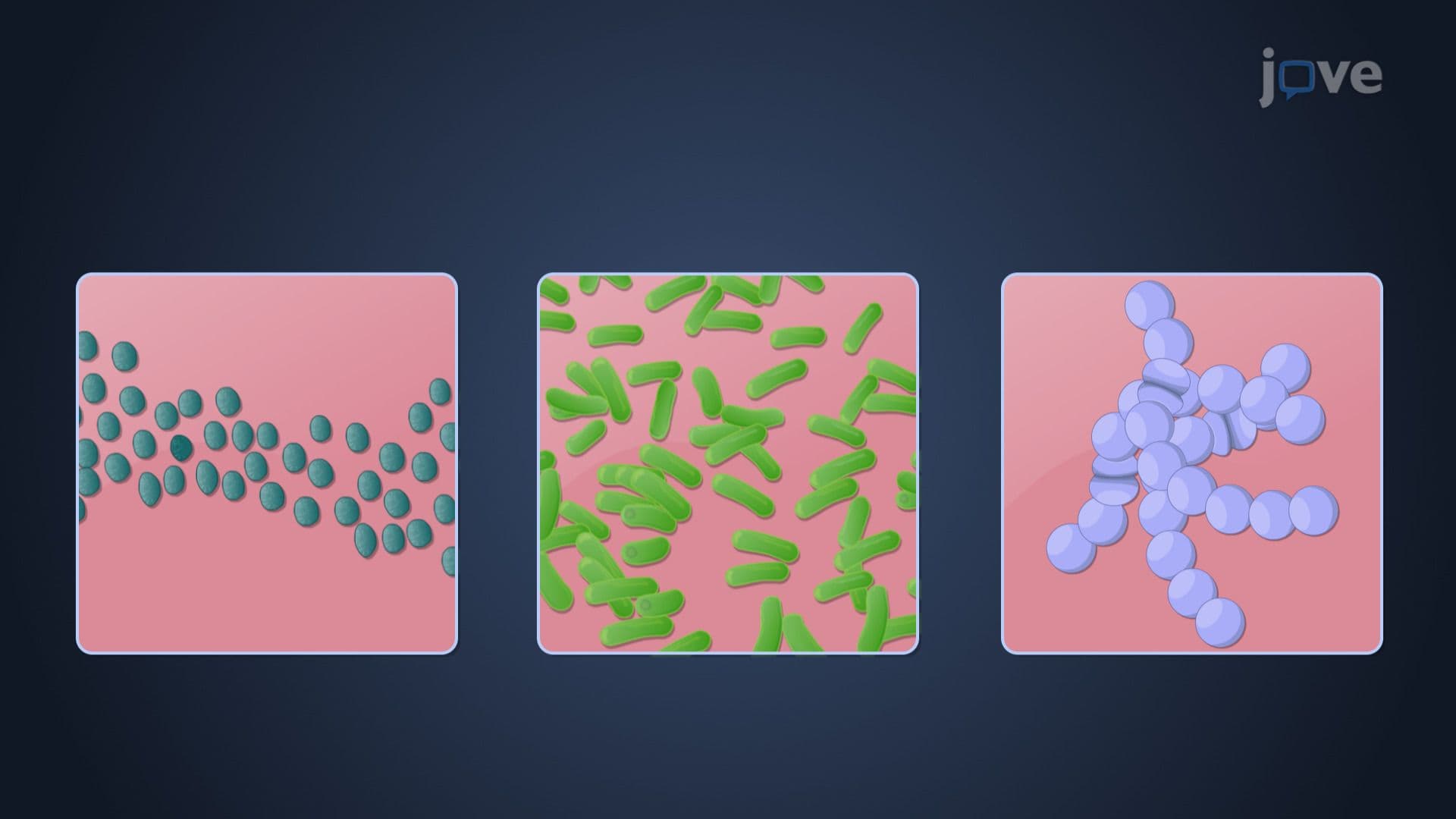
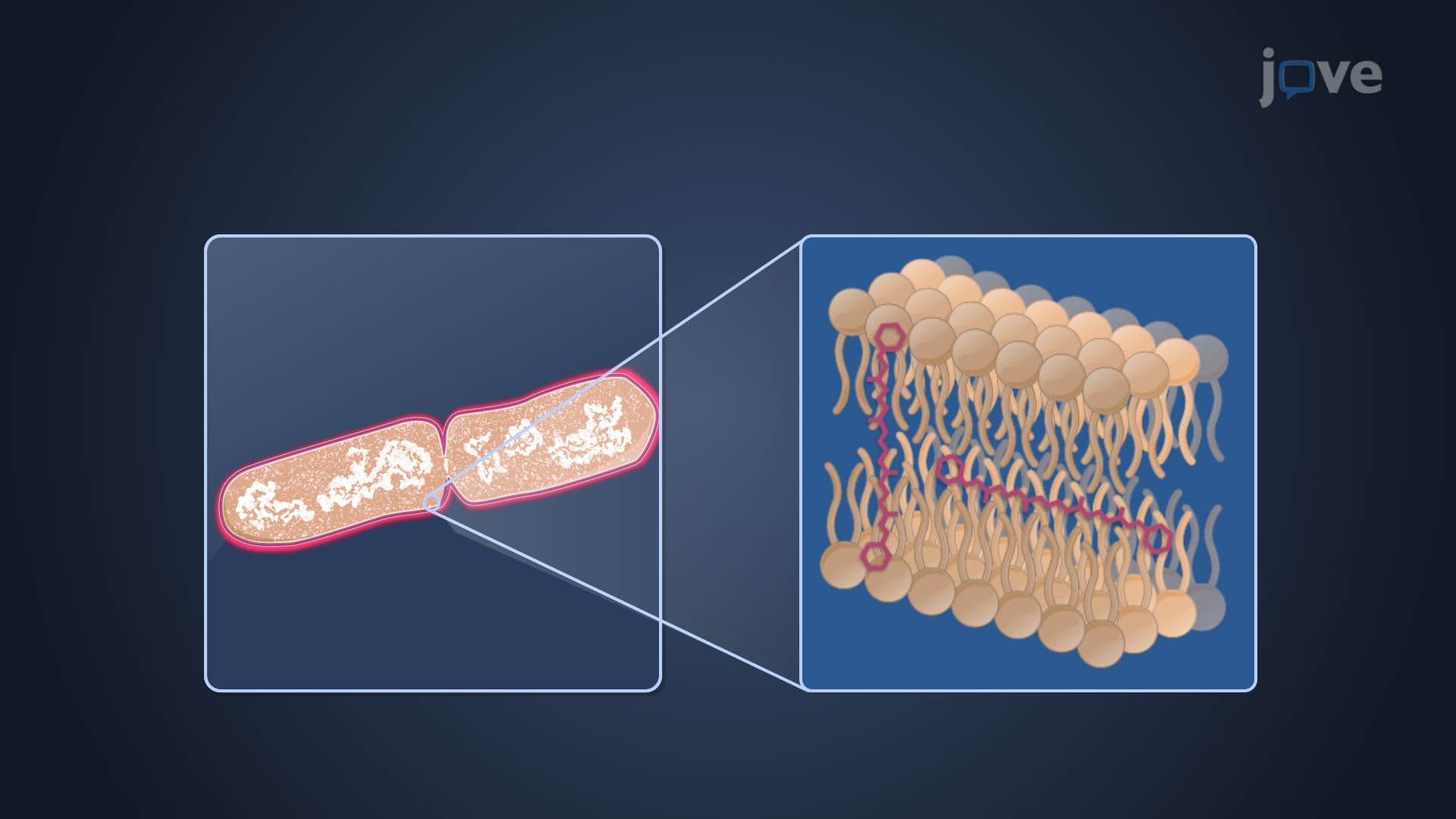
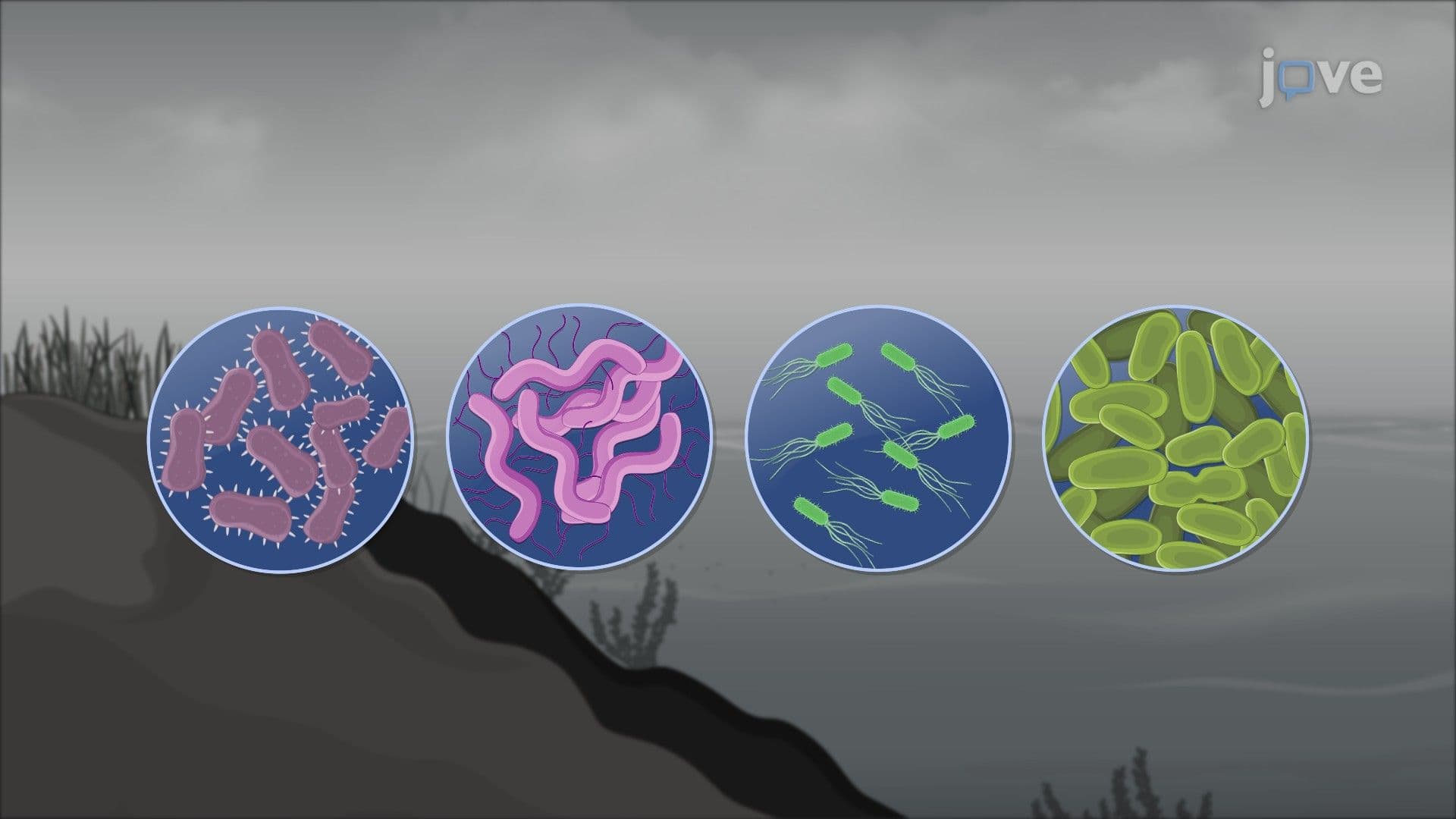


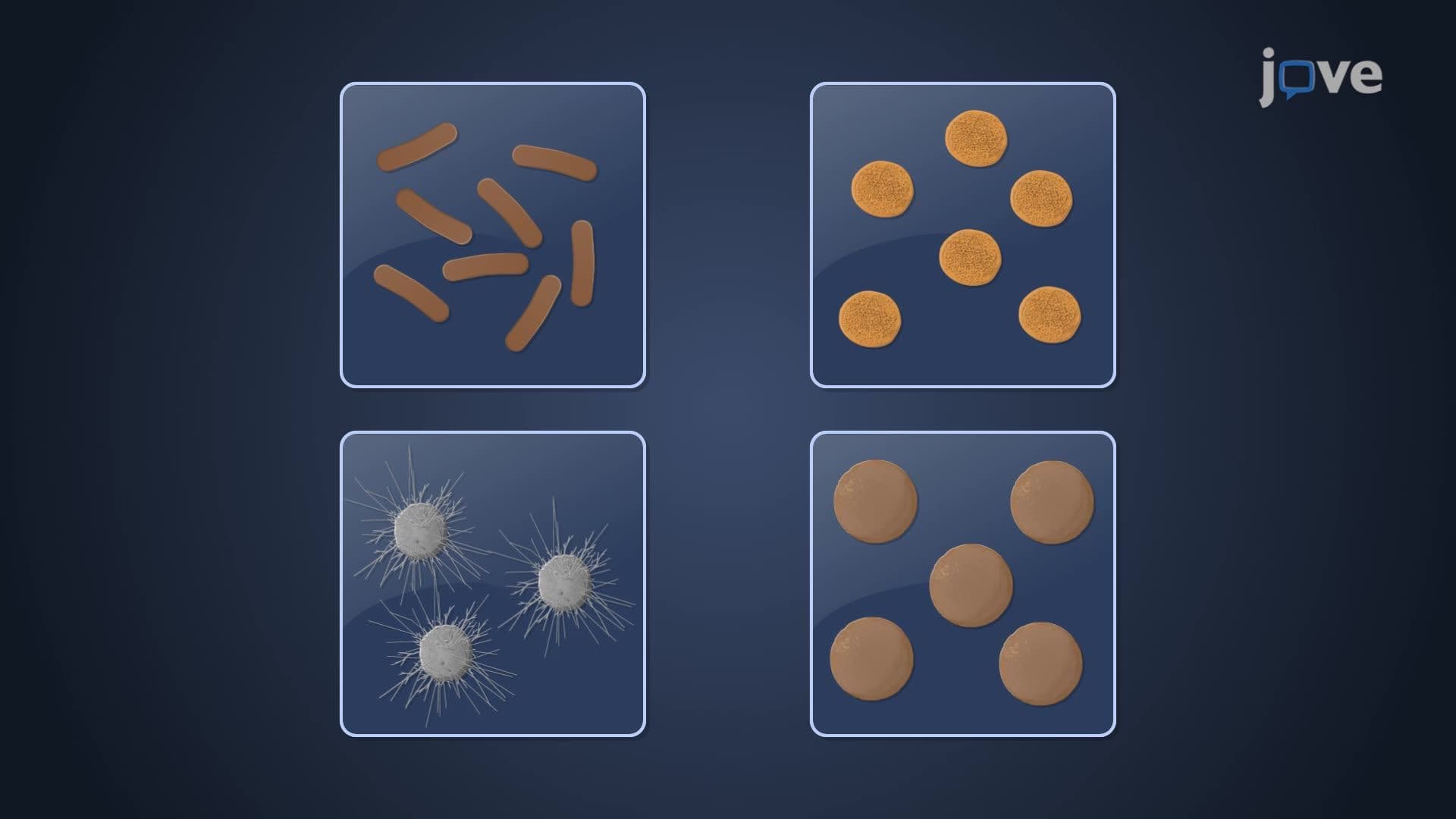
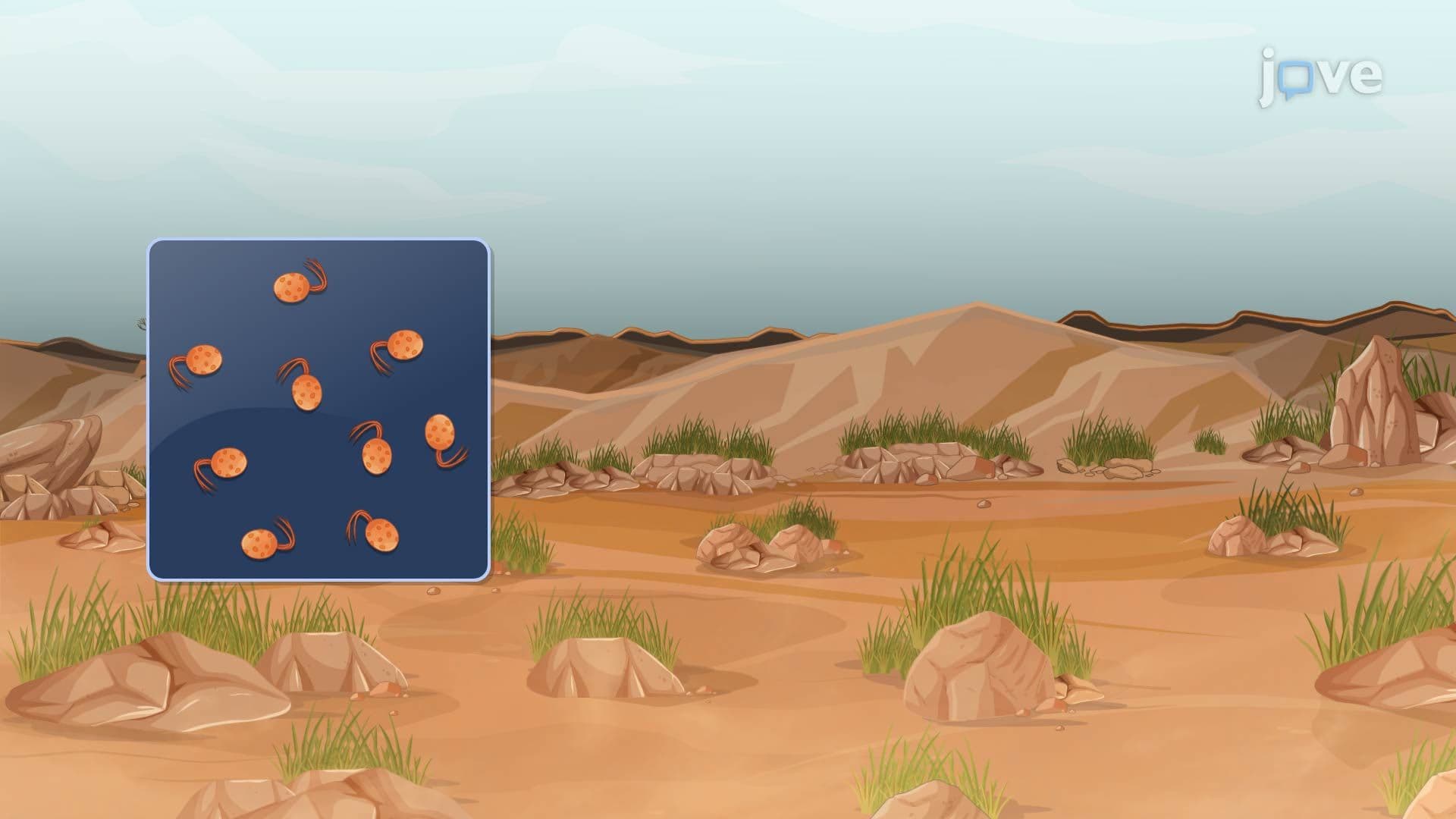
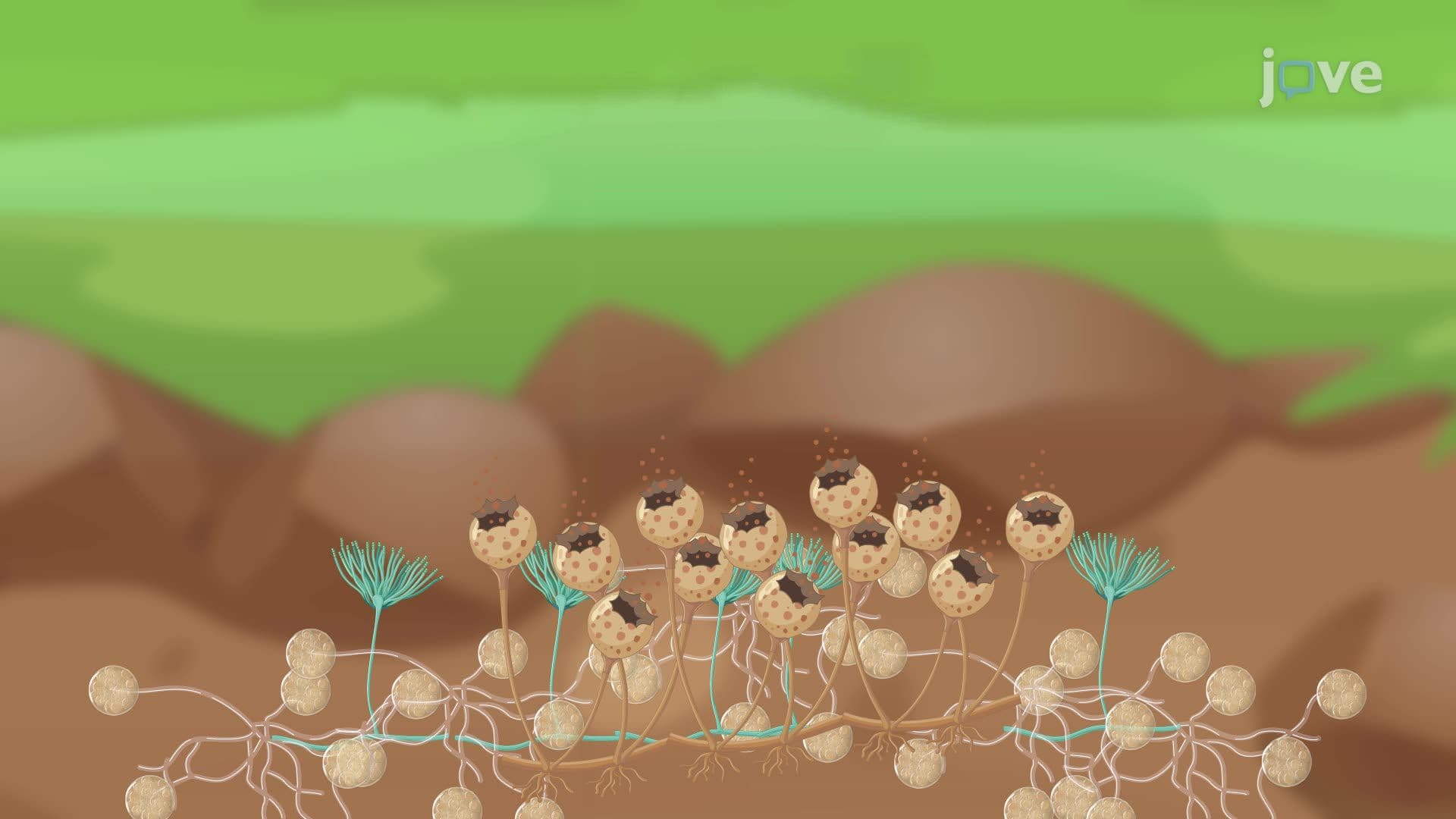
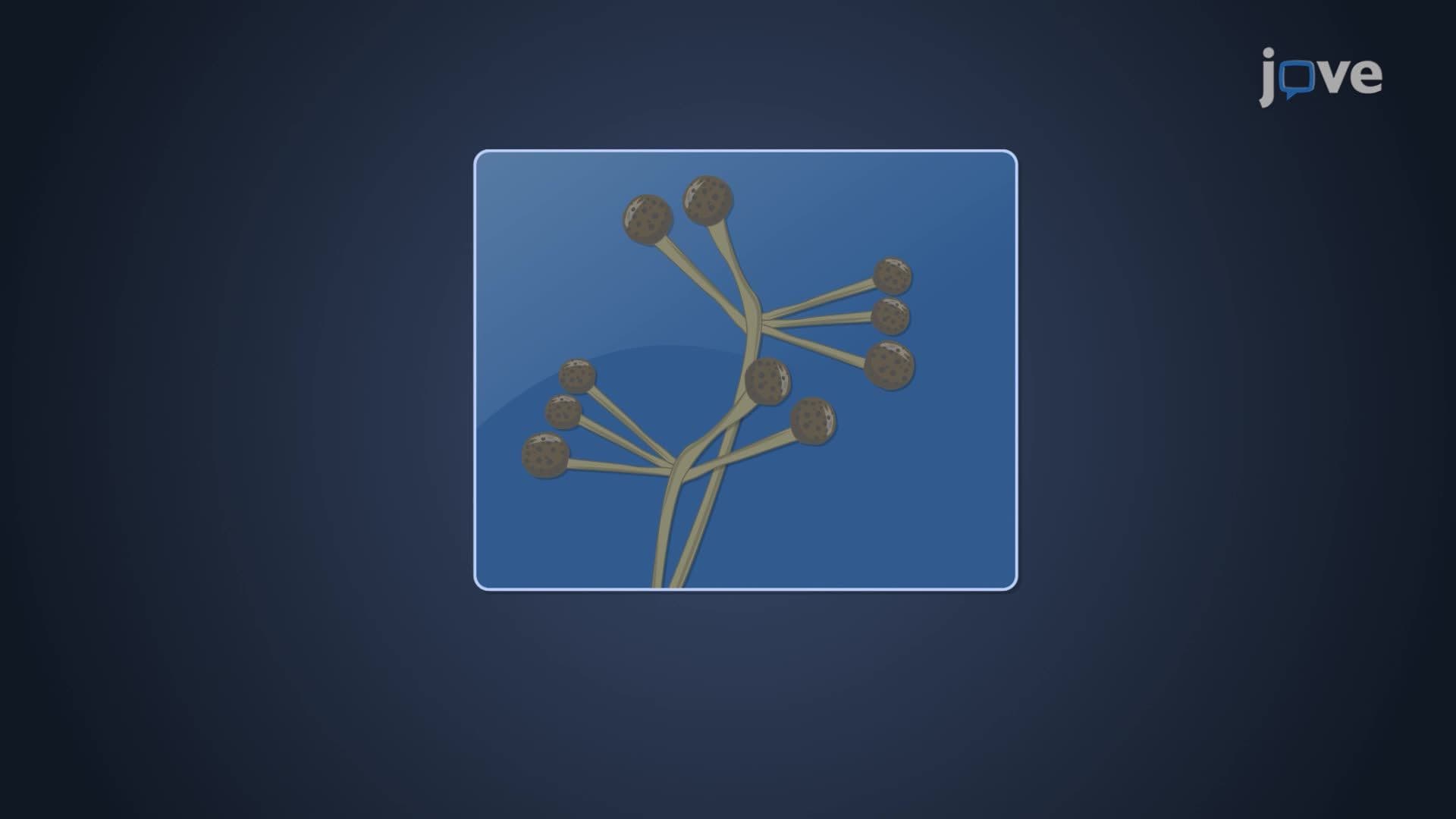
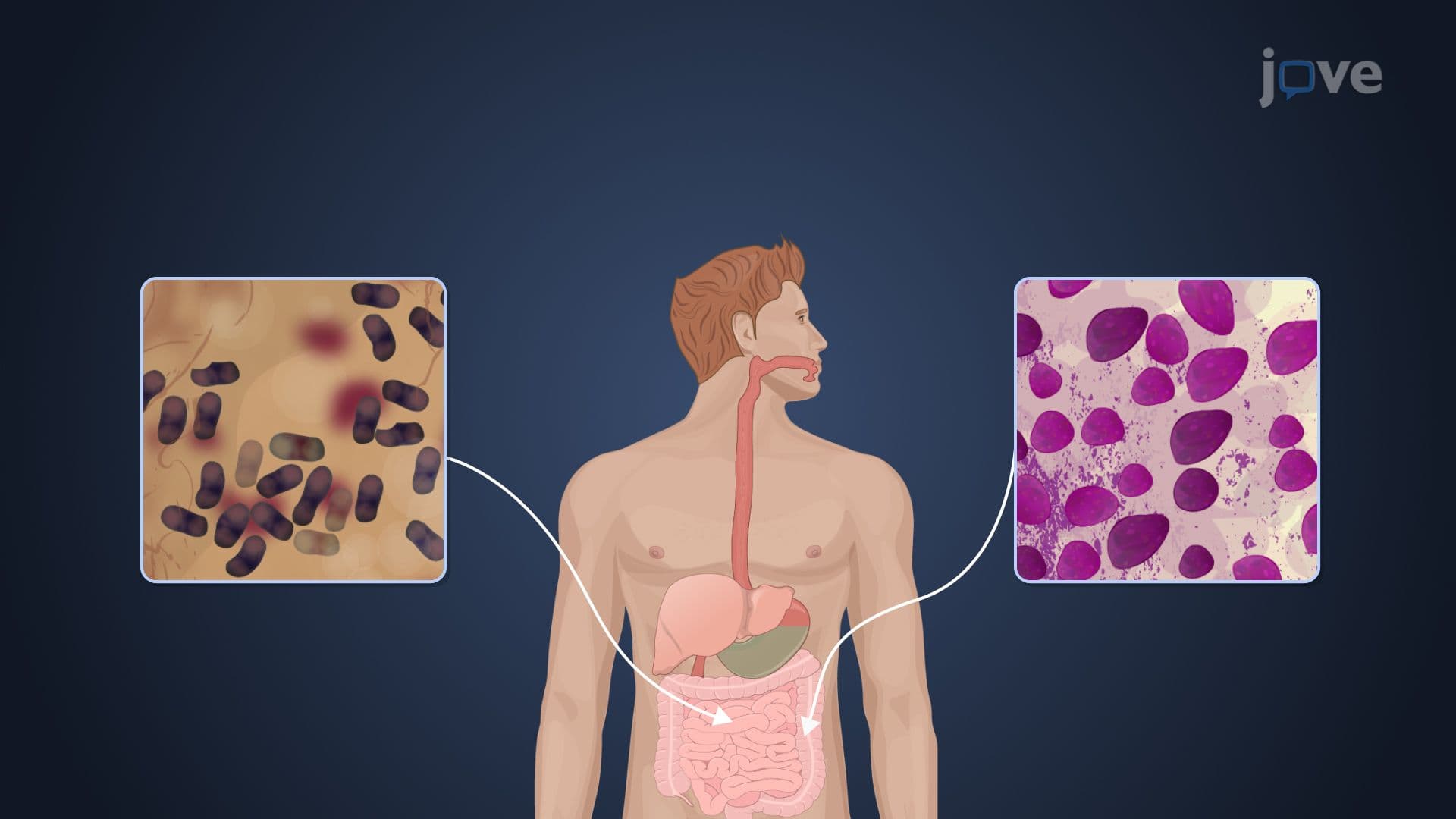
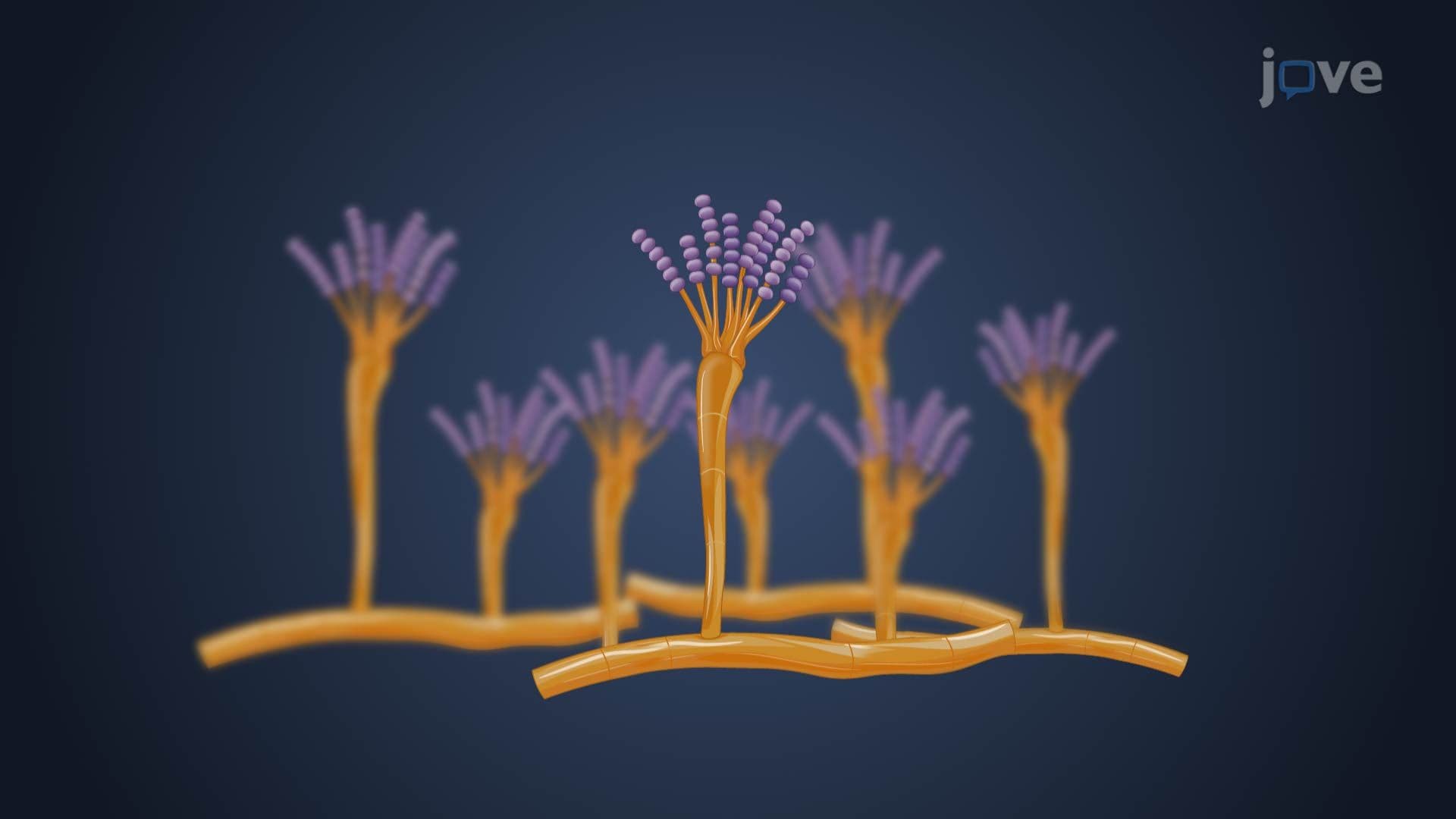


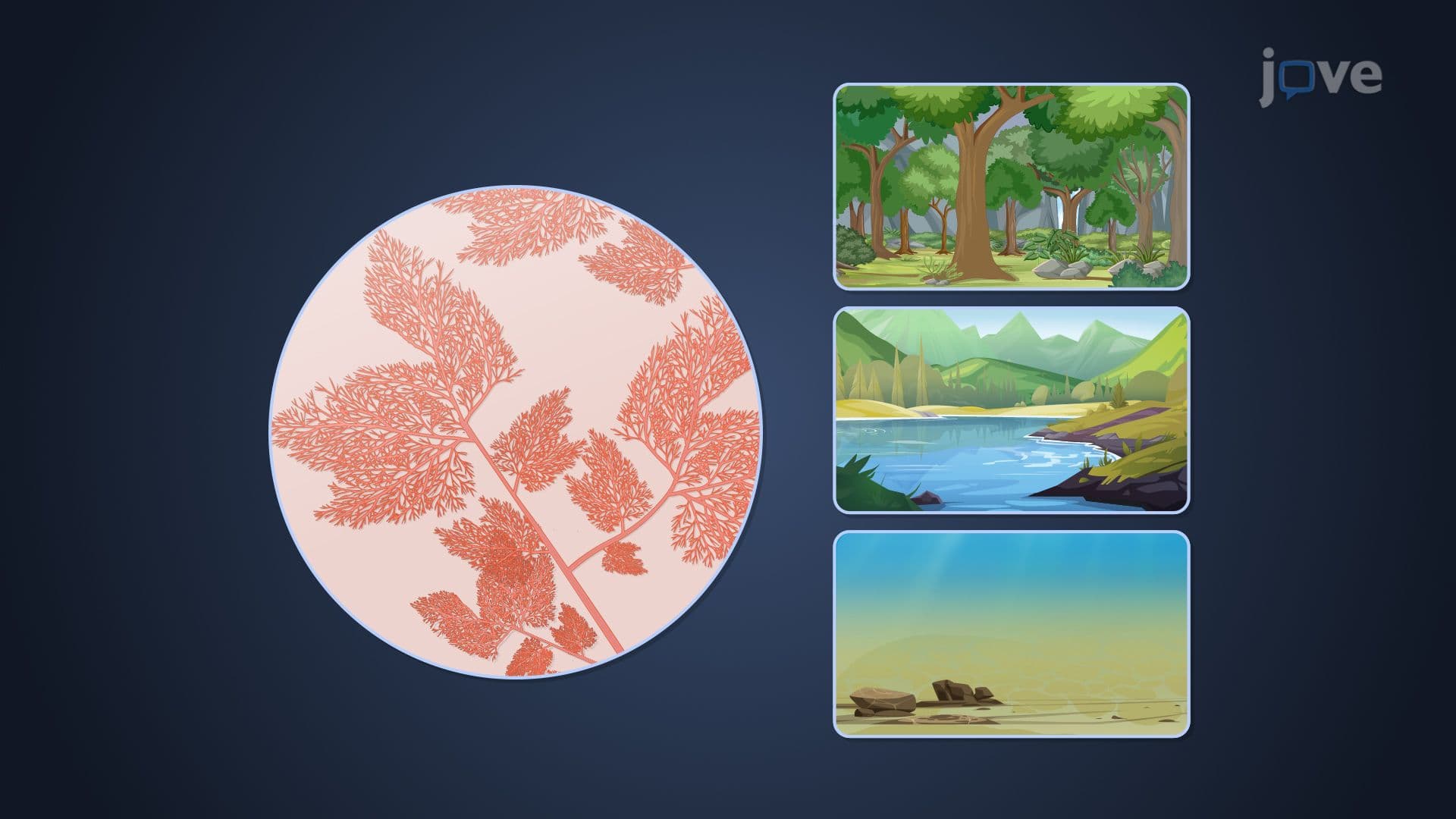
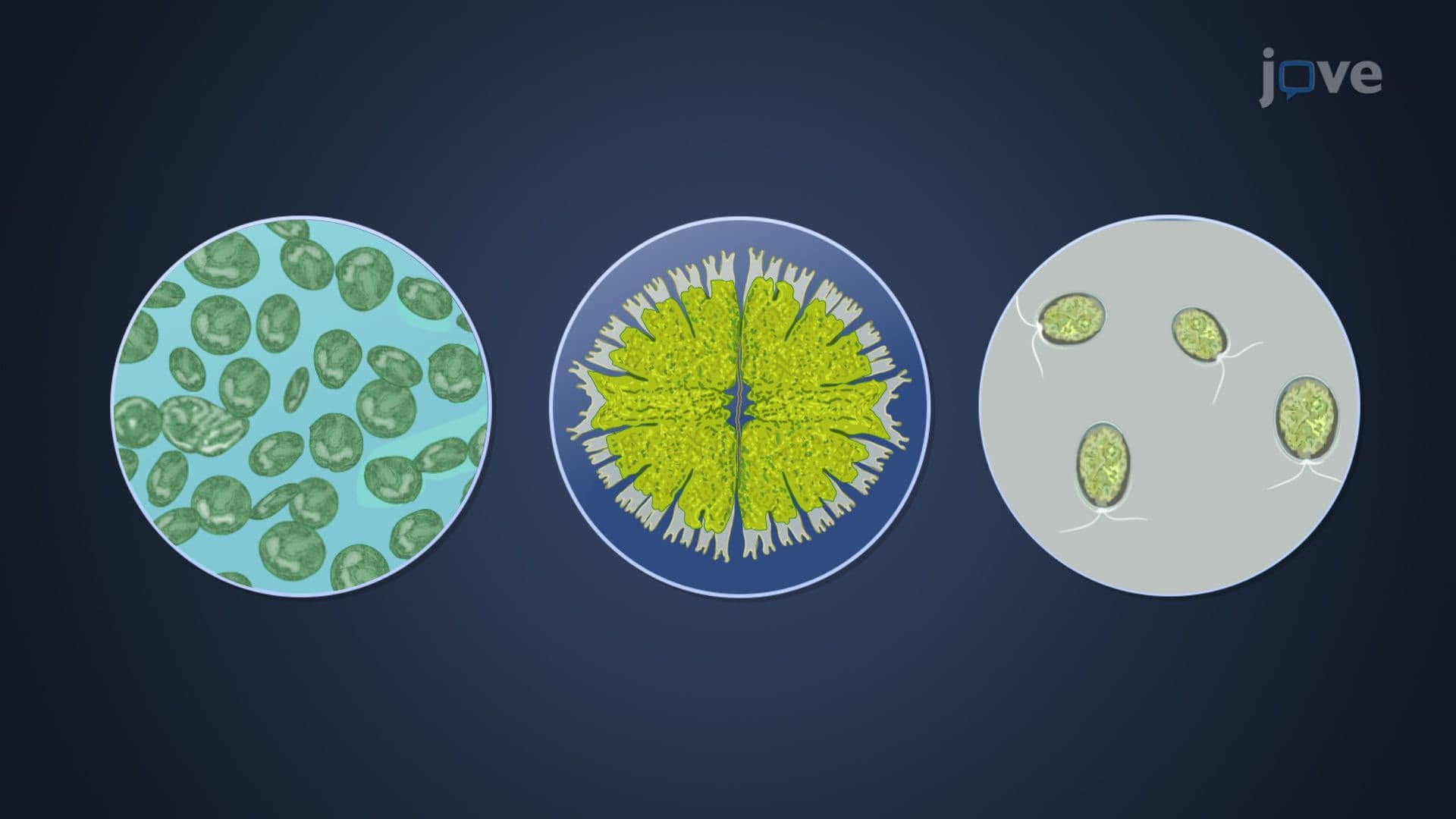
Bacterial Phylum Verrucomicrobiota

00:00
01:26
Video Summary: What Is Bacterial Phylum Verrucomicrobiota
Did you know that some bacteria have arm-like extensions called prosthecae that help them survive in diverse environments? The bacterial phylum Verrucomicrobiota comprises unique microorganisms found everywhere from Yellowstone's hot springs to agricultural soils in Iowa. These fascinating bacteria play crucial roles in carbon cycling and include methane-oxidizing species that help regulate greenhouse gases. What makes bacterial phylum Verrucomicrobiota truly remarkable is their possession of tubulin-like genes similar to those found in human cells, yet their function remains a scientific mystery. Watch the full video on JoVE Coach to master this concept with expert-led visuals and step-by-step explanations.
- Understand what bacterial phylum Verrucomicrobiota is and identify its four distinct orders, with emphasis on Verrucomicrobiales
- Recognize the unique morphological features of Verrucomicrobiota, including membrane-bound prosthecae extensions
- Analyze the metabolic diversity within this phylum, from sugar fermentation to aerobic methane oxidation
- Identify key genera like Verrucomicrobium, Prosthecobacter, and Methylacidiphilum and their distinguishing characteristics
- Evaluate the ecological significance of Verrucomicrobiota in carbon cycling across freshwater, marine, and terrestrial environments
- Compare the tubulin-like genes in Prosthecobacter with eukaryotic tubulin genes and their unknown functions
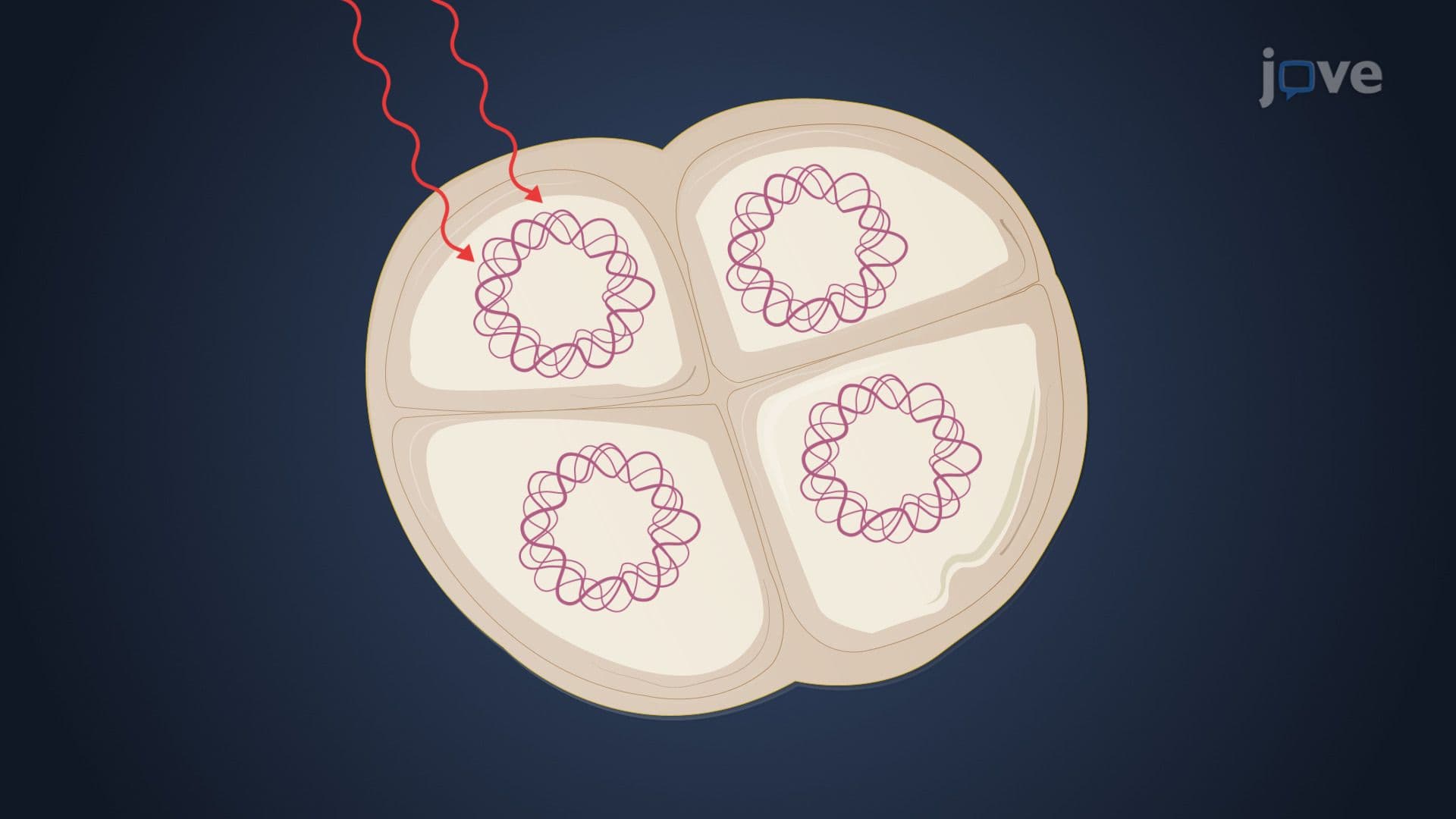
- Apply knowledge of symmetrical cell division patterns in prosthecate bacteria
- Explore the distribution of Verrucomicrobiota across various environmental niches and their adaptive strategies
Understanding Bacterial Phylum Verrucomicrobiota Classification
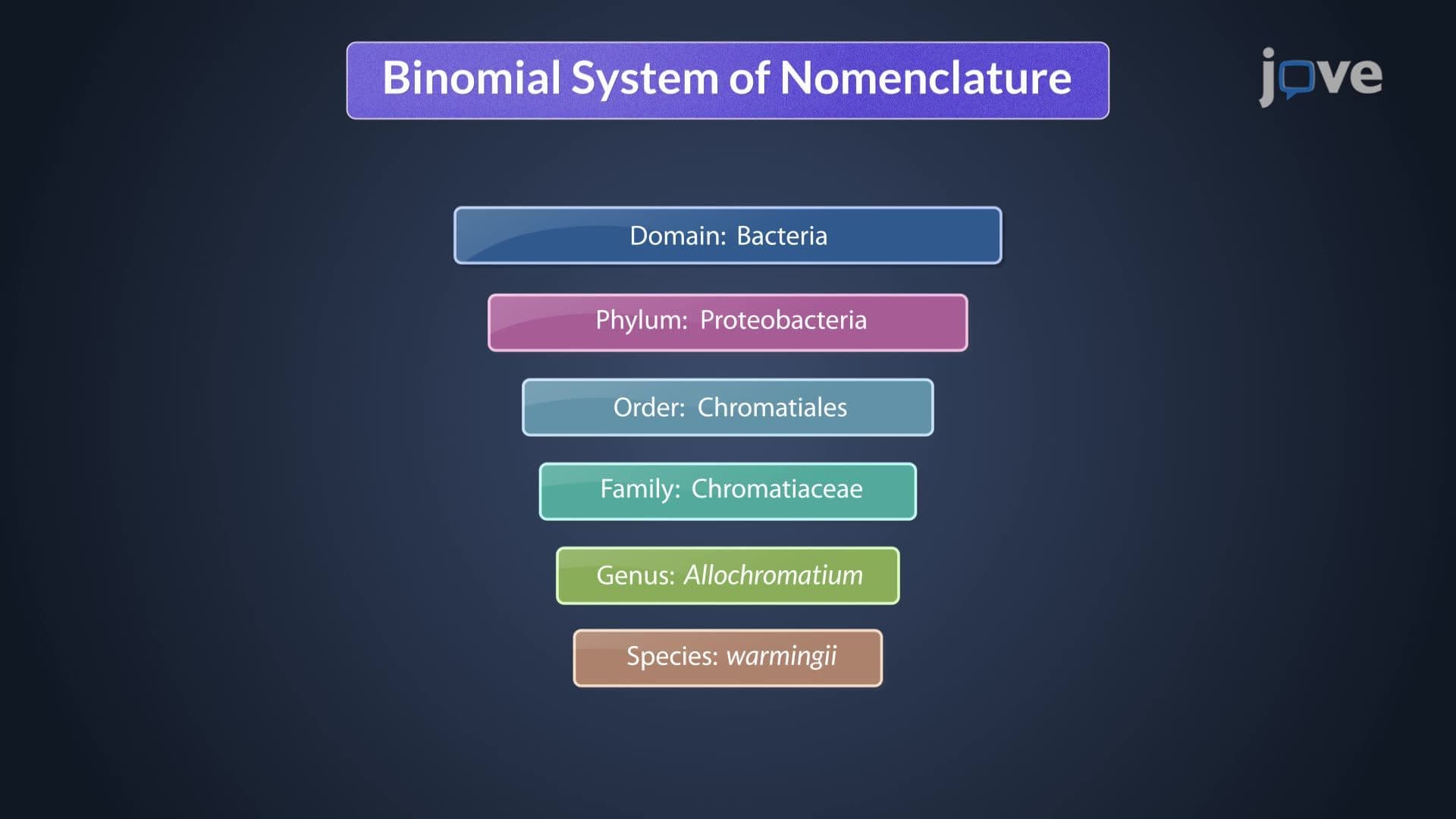
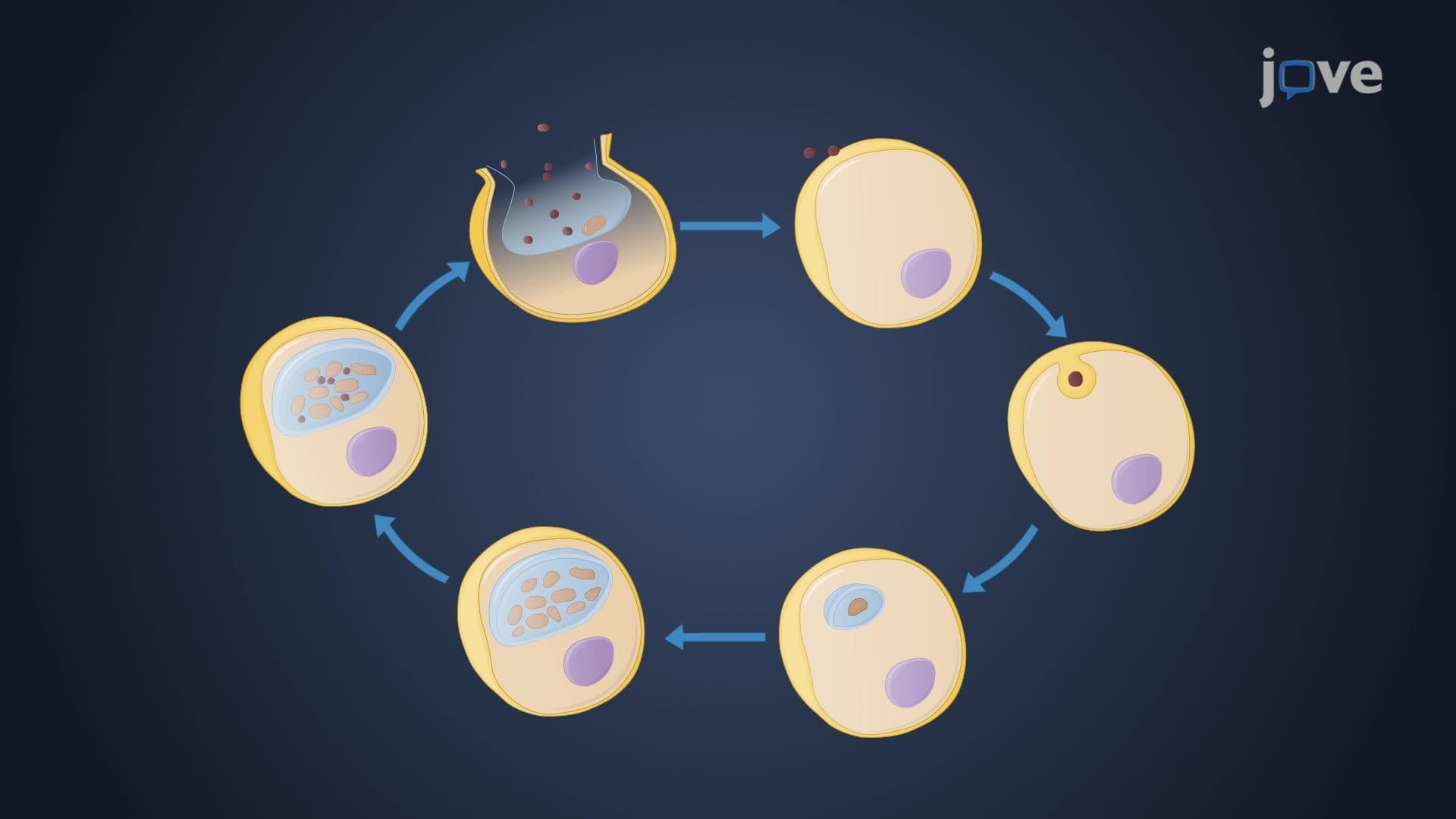
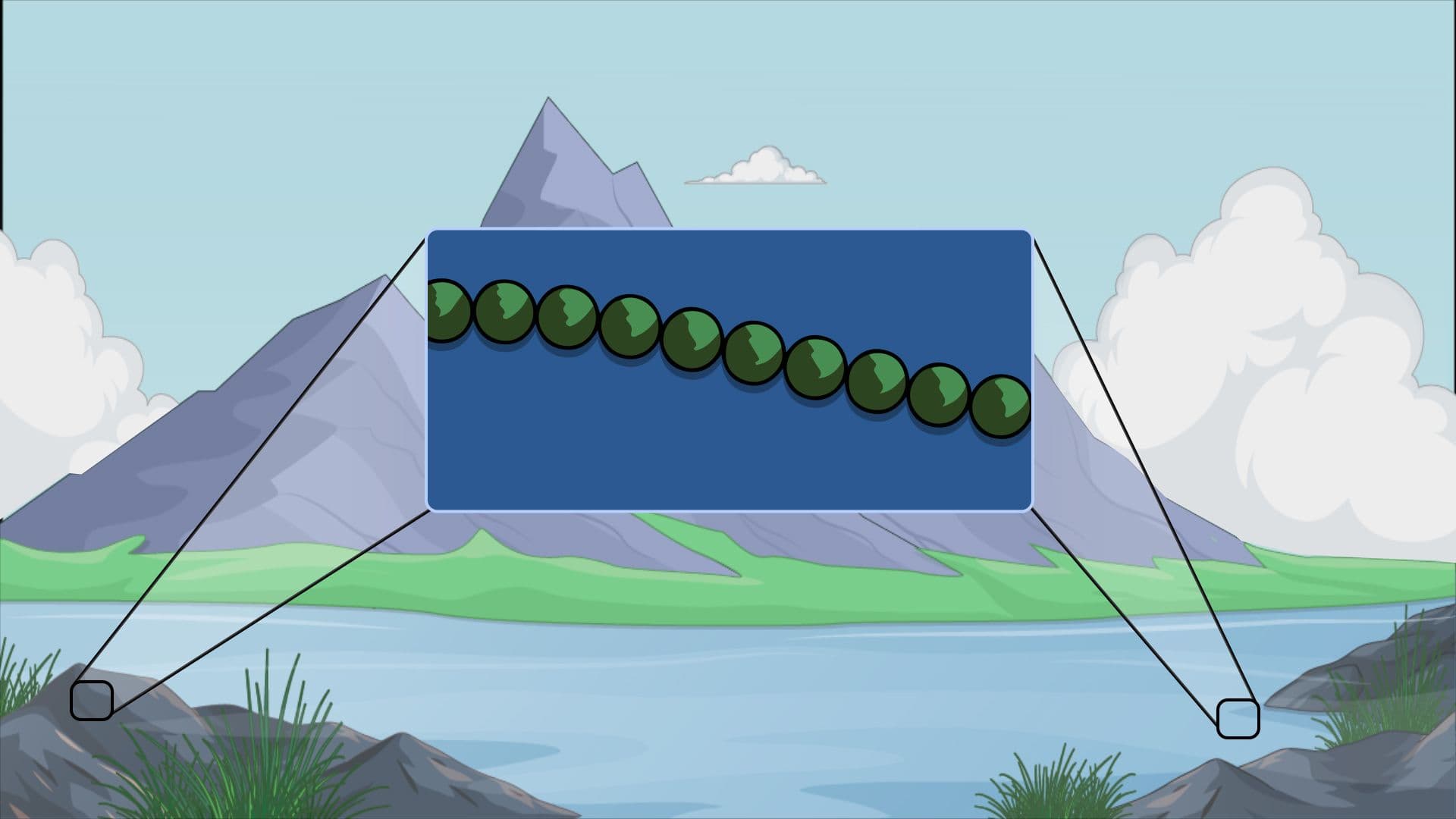
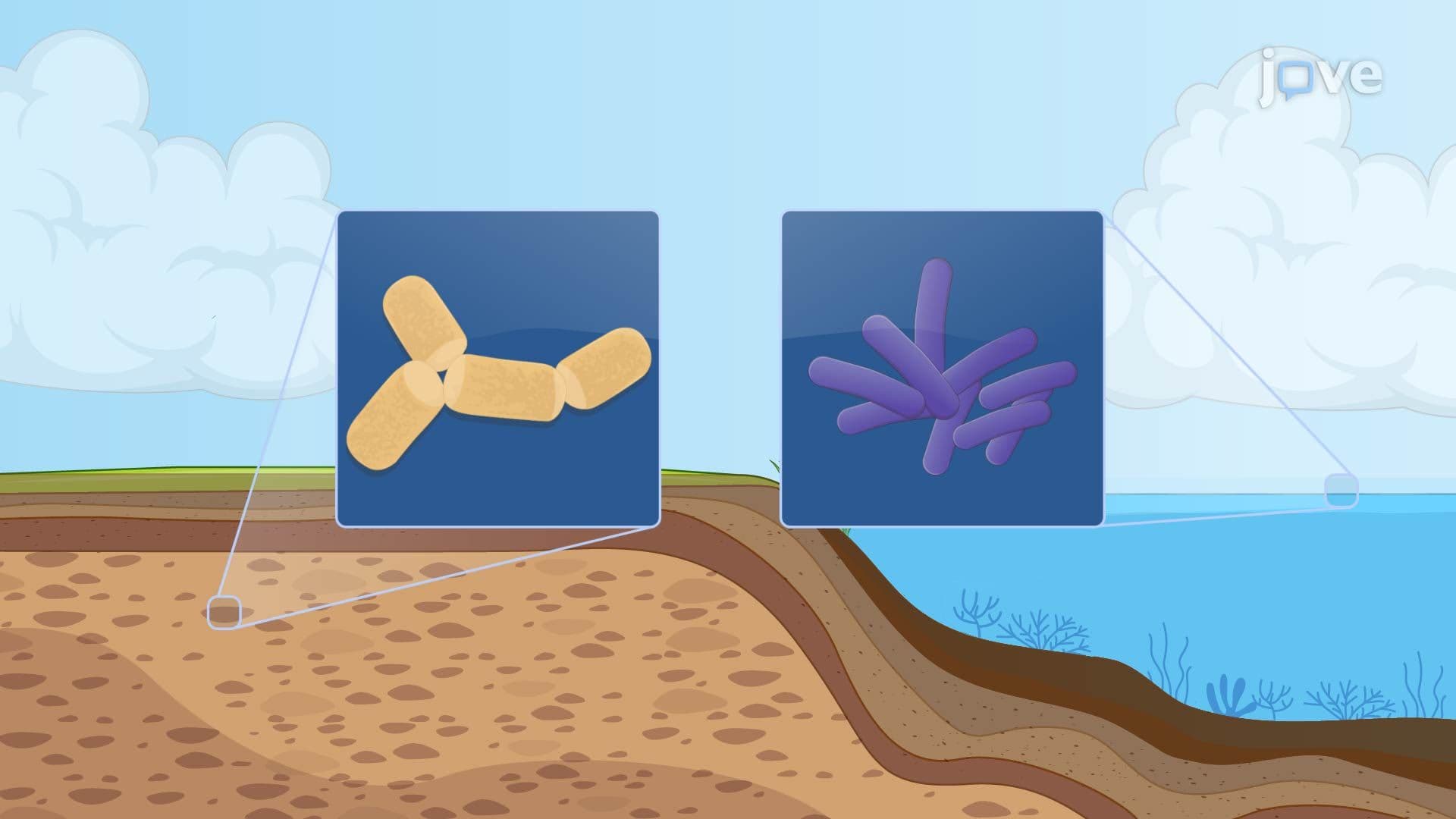
Bacterial phylum Verrucomicrobiota represents a fascinating group of microorganisms that challenges traditional views of bacterial diversity. This phylum is systematically organized into four orders, with the vast majority of characterized species belonging to Verrucomicrobiales. Unlike many bacterial groups that occupy narrow ecological niches, Verrucomicrobiota species demonstrate remarkable environmental adaptability, thriving in ecosystems ranging from the acidic soils of Pacific Northwest forests to the alkaline waters of the Great Salt Lake.
Distinctive Morphological Features and Cellular Architecture
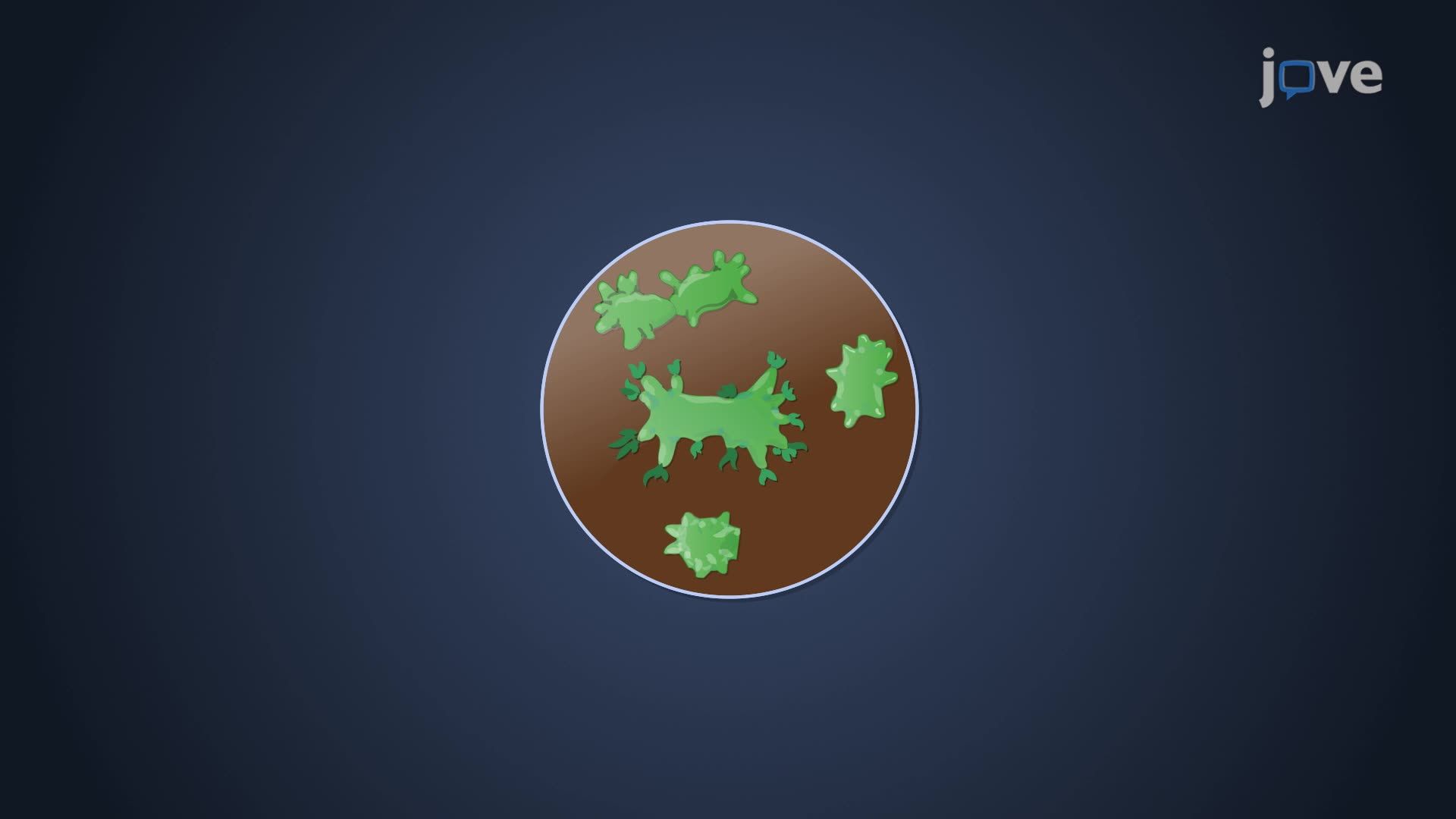
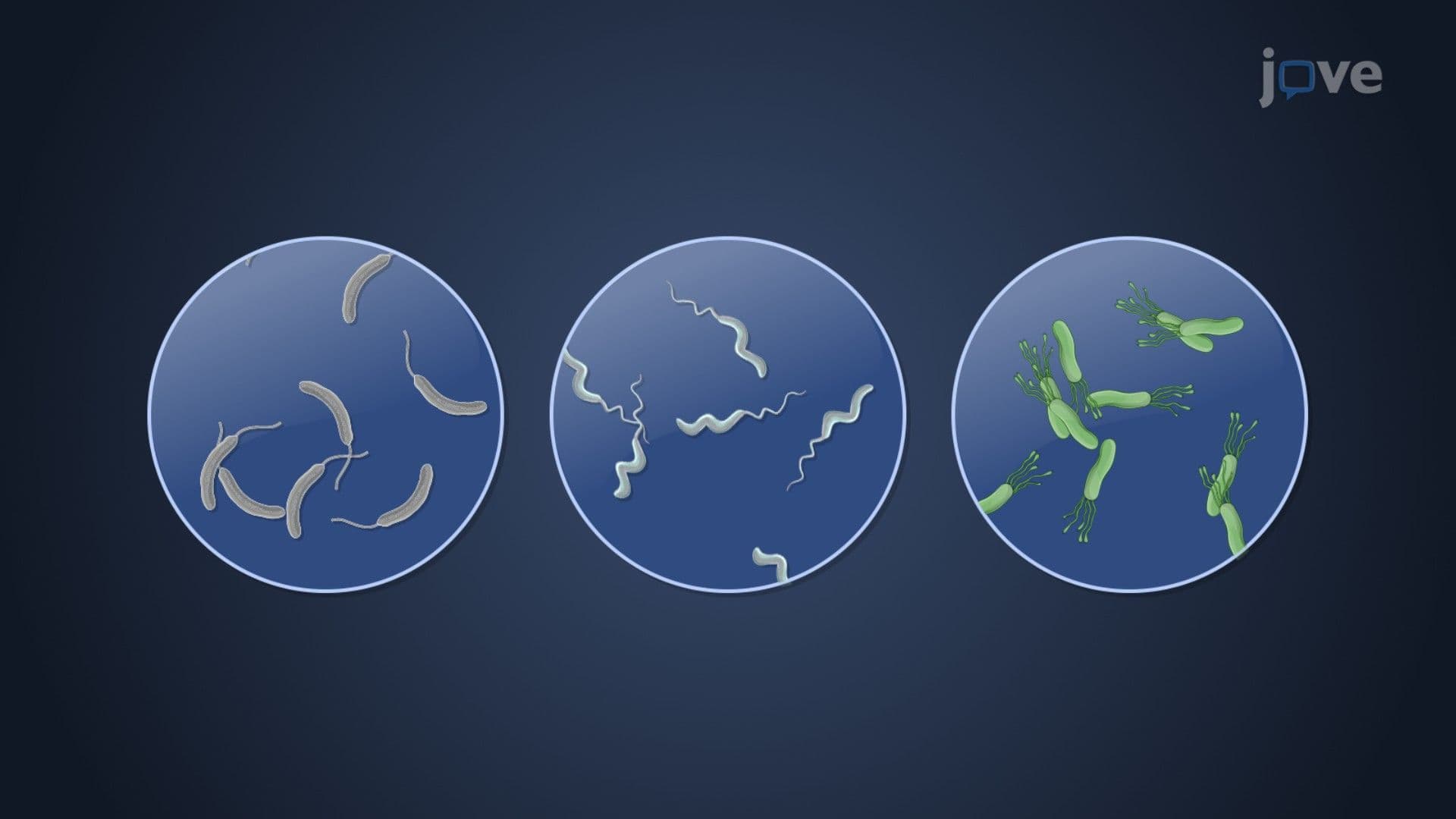
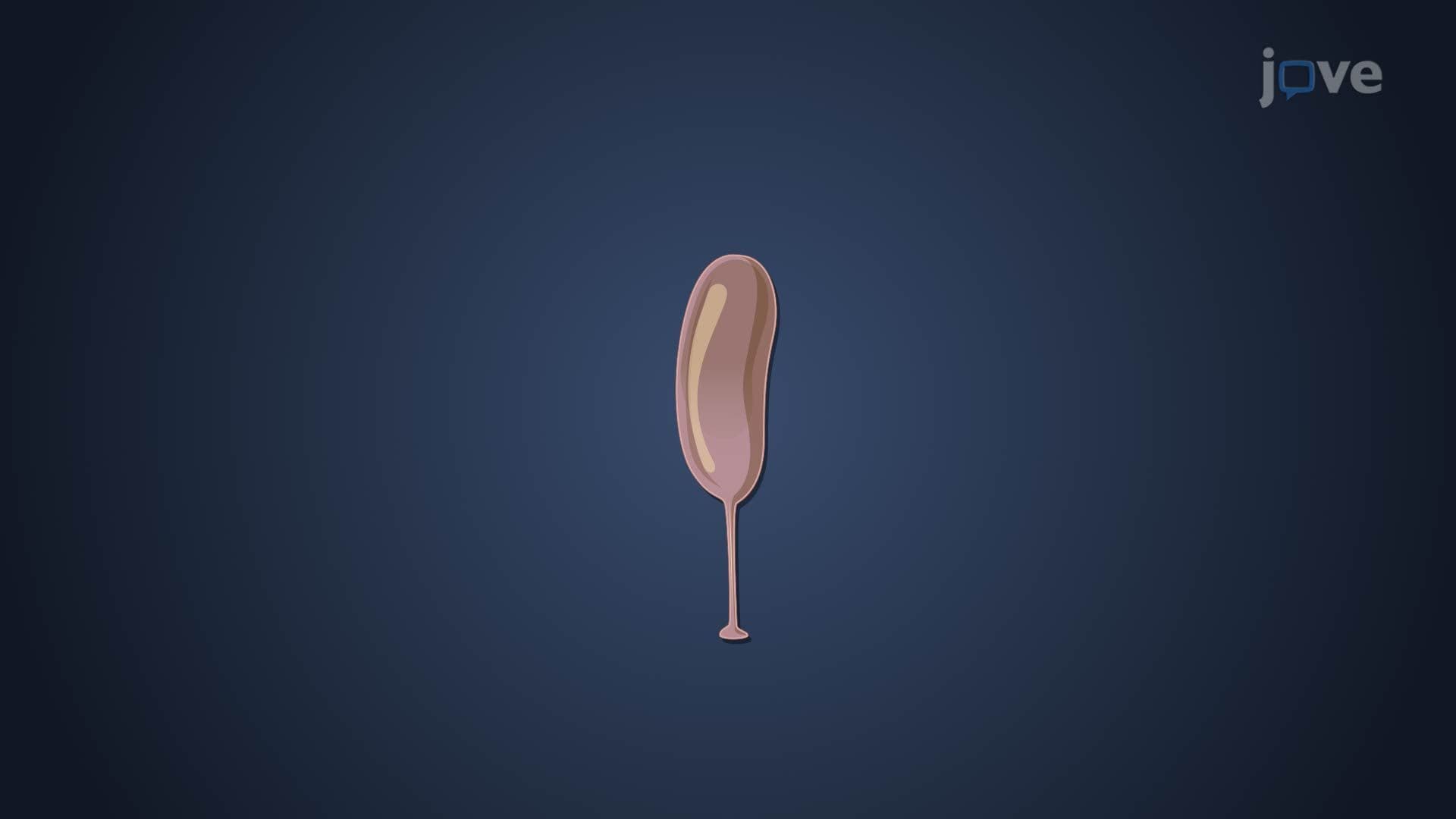
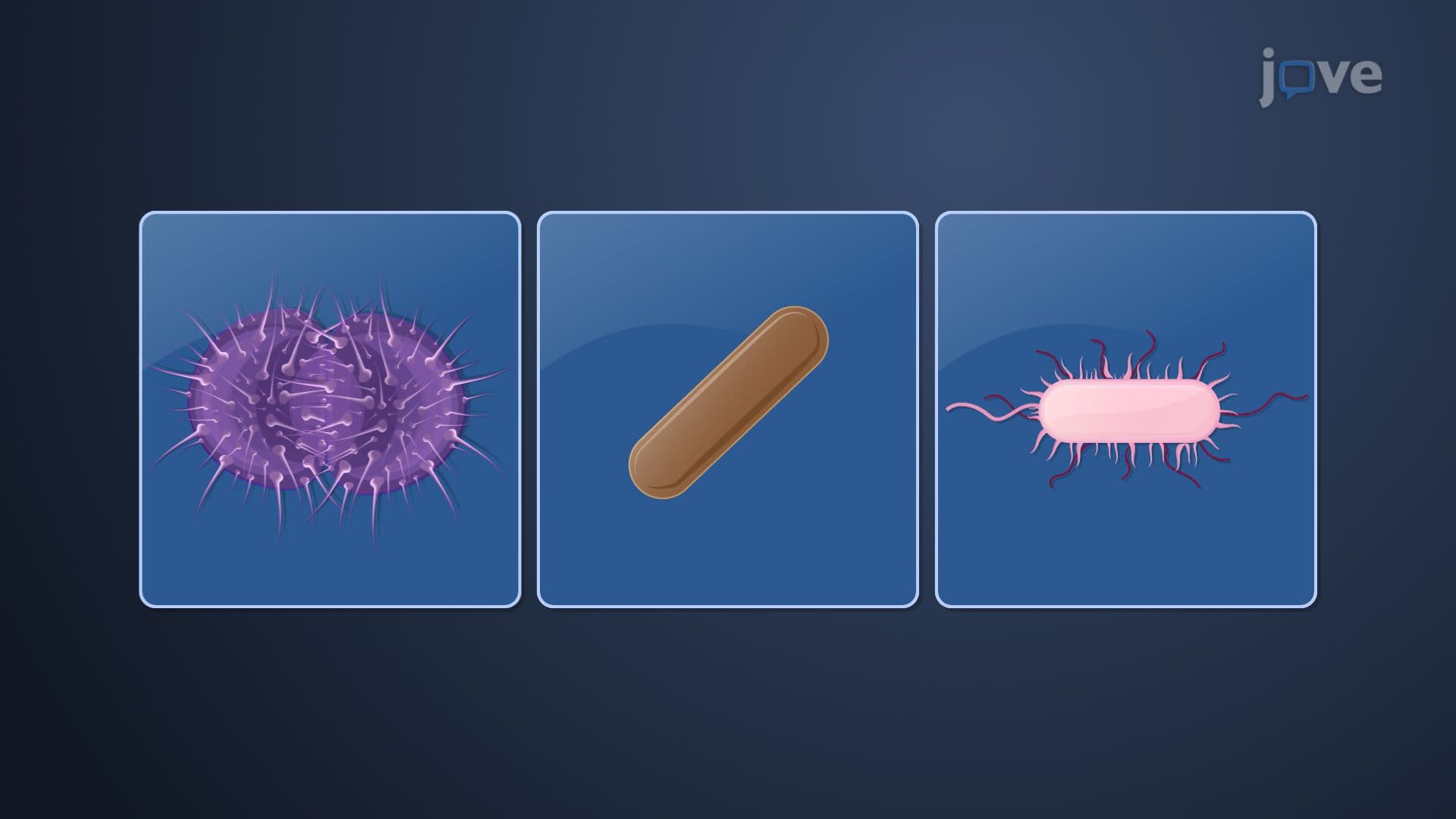
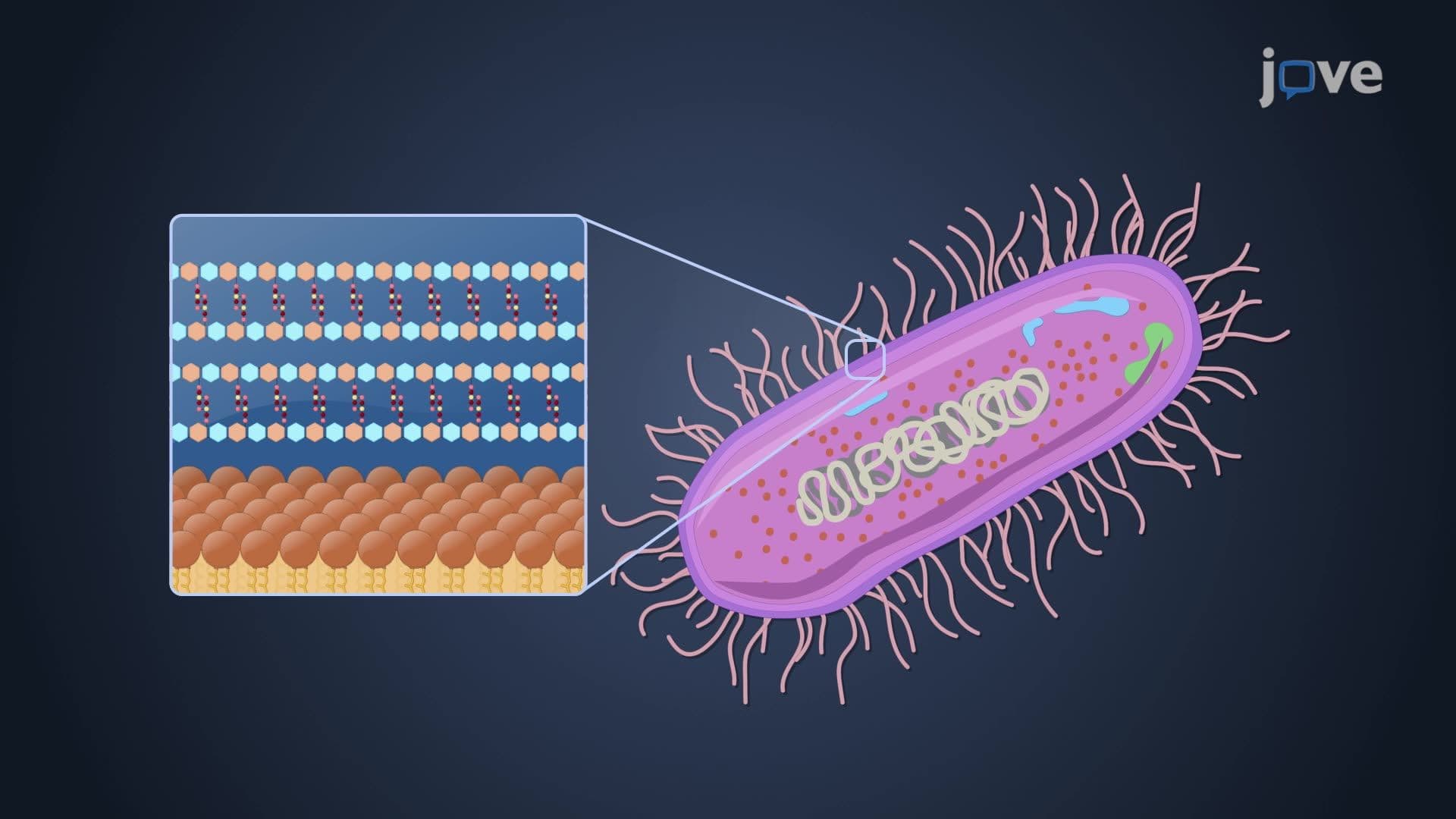
What sets bacterial phylum Verrucomicrobiota apart from other bacterial groups is their unique cellular architecture. These bacteria possess specialized membrane-bound extensions called prosthecae-think of them as cellular "arms" that extend from the main cell body. These structures aren't just decorative; they're reinforced by peptidoglycan, the same material that gives bacterial cell walls their strength. Notable genera like Verrucomicrobium and Prosthecobacter can produce multiple prosthecae per cell, creating a distinctive star-like appearance under microscopic examination. This morphology is particularly relevant for students taking the AP Biology exam or college microbiology courses, as it represents a key example of bacterial structural diversity.
Metabolic Diversity and Environmental Roles
The metabolic capabilities within bacterial phylum Verrucomicrobiota showcase the remarkable biochemical versatility of prokaryotes. While many species function as sugar fermenters, breaking down complex carbohydrates in soil and aquatic environments, others have evolved specialized metabolic pathways. The genus Methylacidiphilum exemplifies this diversity as aerobic methanotrophs-bacteria that literally "eat" methane gas. This metabolic strategy is increasingly important in environmental science, as these bacteria help regulate atmospheric methane levels. For students preparing for the MCAT or environmental science courses, understanding these metabolic pathways provides insight into biogeochemical cycling and climate regulation.
Evolutionary Mysteries and Tubulin Homologs
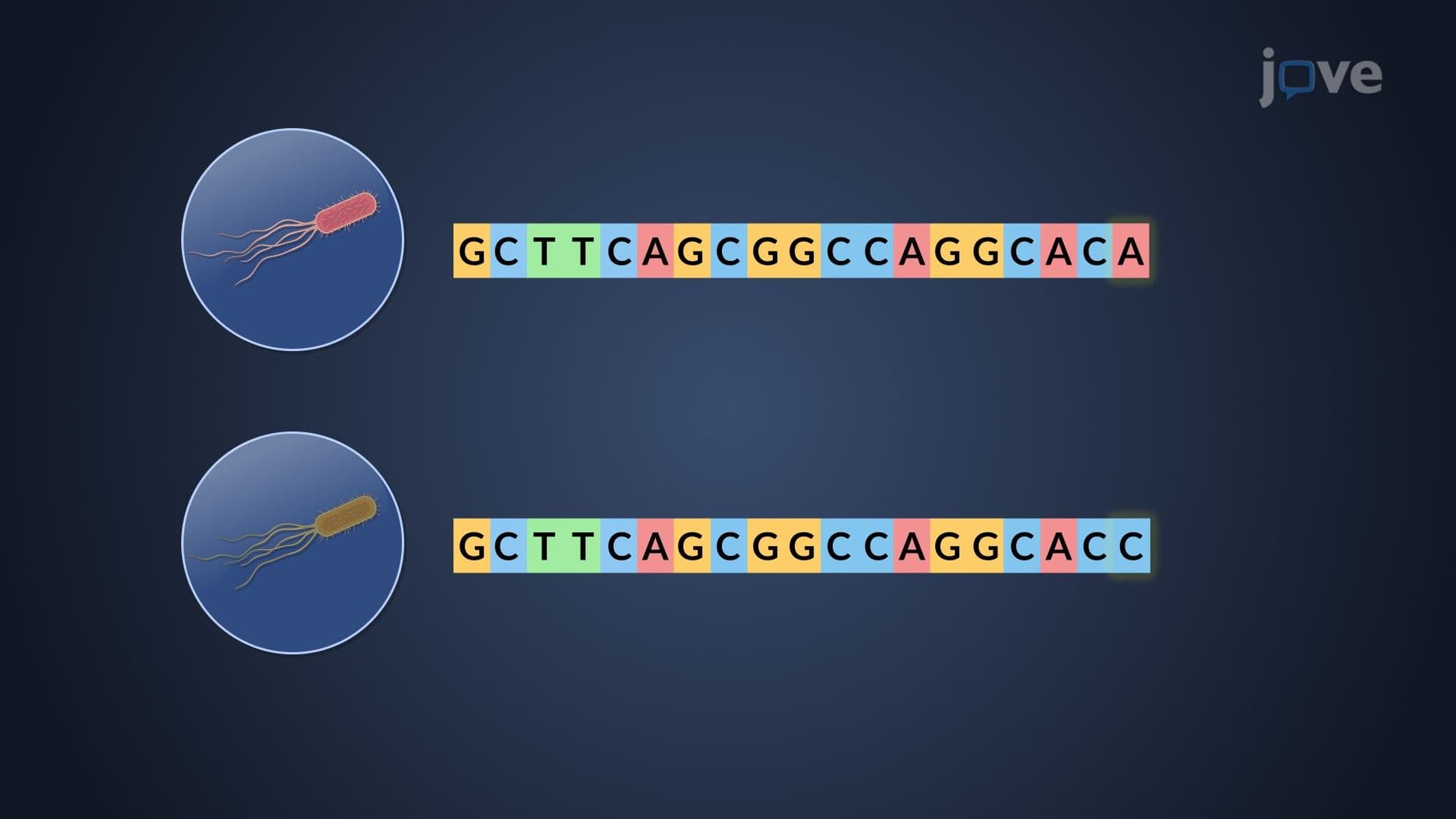
Perhaps the most intriguing aspect of bacterial phylum Verrucomicrobiota lies in its evolutionary secrets. Prosthecobacter species possess genes with remarkable similarity to eukaryotic tubulin genes-the same genes that encode the protein building blocks of microtubules in human cells. This discovery challenges our understanding of evolutionary relationships between prokaryotes and eukaryotes. However, despite extensive research, scientists haven't observed any eukaryotic-like cytoskeletal structures in these bacteria, leaving their function an open question. This mystery frequently appears in college-level cell biology exams and serves as an excellent example of how scientific discovery often raises more questions than it answers.
Frequently Asked Questions
Bacterial phylum Verrucomicrobiota is a diverse group of bacteria organized into four orders, with most species in Verrucomicrobiales. These unique microorganisms are characterized by membrane-bound cellular extensions called prosthecae and are found in environments worldwide. They play important roles in carbon cycling and include both sugar-fermenting species and methane-oxidizing bacteria.
This phylum often appears in questions about bacterial diversity, cellular morphology, and biogeochemical cycles on the MCAT. AP Biology exams may feature Verrucomicrobiota in contexts of prokaryotic classification, environmental microbiology, or as examples of bacterial structural adaptations. Students should focus on understanding prosthecae function and metabolic diversity.
College microbiology courses emphasize Verrucomicrobiota as examples of morphological diversity and metabolic specialization in prokaryotes. These bacteria demonstrate how cellular structures relate to function and serve as excellent case studies for discussing bacterial ecology. The tubulin-like genes also provide talking points about evolutionary relationships.
These bacteria contribute significantly to carbon cycling in US ecosystems, from California's redwood forests to Florida's Everglades. Methanotrophic species like Methylacidiphilum help regulate methane emissions from agricultural lands and wetlands, potentially mitigating greenhouse gas effects. They're also involved in soil health maintenance across American farmlands.
Not at all! While the name sounds complex, the concepts are quite manageable with basic biology knowledge. Understanding cell structure, metabolism, and environmental science provides sufficient background. Focus on the key features-prosthecae extensions and diverse metabolic abilities-rather than memorizing complex taxonomic details.
Create visual diagrams showing prosthecae structure and compare different genera within the phylum. Practice explaining the metabolic differences between sugar fermenters and methanotrophs. Make flashcards connecting environmental habitats to specific bacterial adaptations. Focus on understanding concepts rather than just memorizing facts.
This remains one of microbiology's unsolved mysteries! The presence of tubulin homologs without observable cytoskeletal structures suggests either undiscovered functions or evolutionary remnants. This uncertainty highlights how scientific research continues evolving our understanding. It's a perfect example of how biology still holds many secrets waiting to be discovered.
Explore other morphologically distinct bacterial phyla like Planctomycetes or Acidobacteria to understand prokaryotic diversity better. Study biogeochemical cycles in more detail, particularly carbon and nitrogen cycling. Advanced students might investigate horizontal gene transfer or examine how bacterial communities interact in environmental microbiomes.
Related Micro-courses

10 Concepts

11 Concepts

13 Concepts