Loading subject page…

13,350 views

Video Summary: What Is Diversity of Archaea I
Did you know that some microorganisms living in Yellowstone's boiling hot springs are more closely related to humans than to bacteria? The diversity of archaea reveals fascinating microbes thriving in Earth's most extreme environments, from Utah's Great Salt Lake to deep-sea hydrothermal vents. Understanding What is Diversity of Archaea I unveils five major phyla with remarkable adaptations, including methane-producing organisms and salt-loving extremophiles that challenge our understanding of life's limits. Watch the full video on JoVE Coach to master this concept with expert-led visuals and step-by-step explanations.
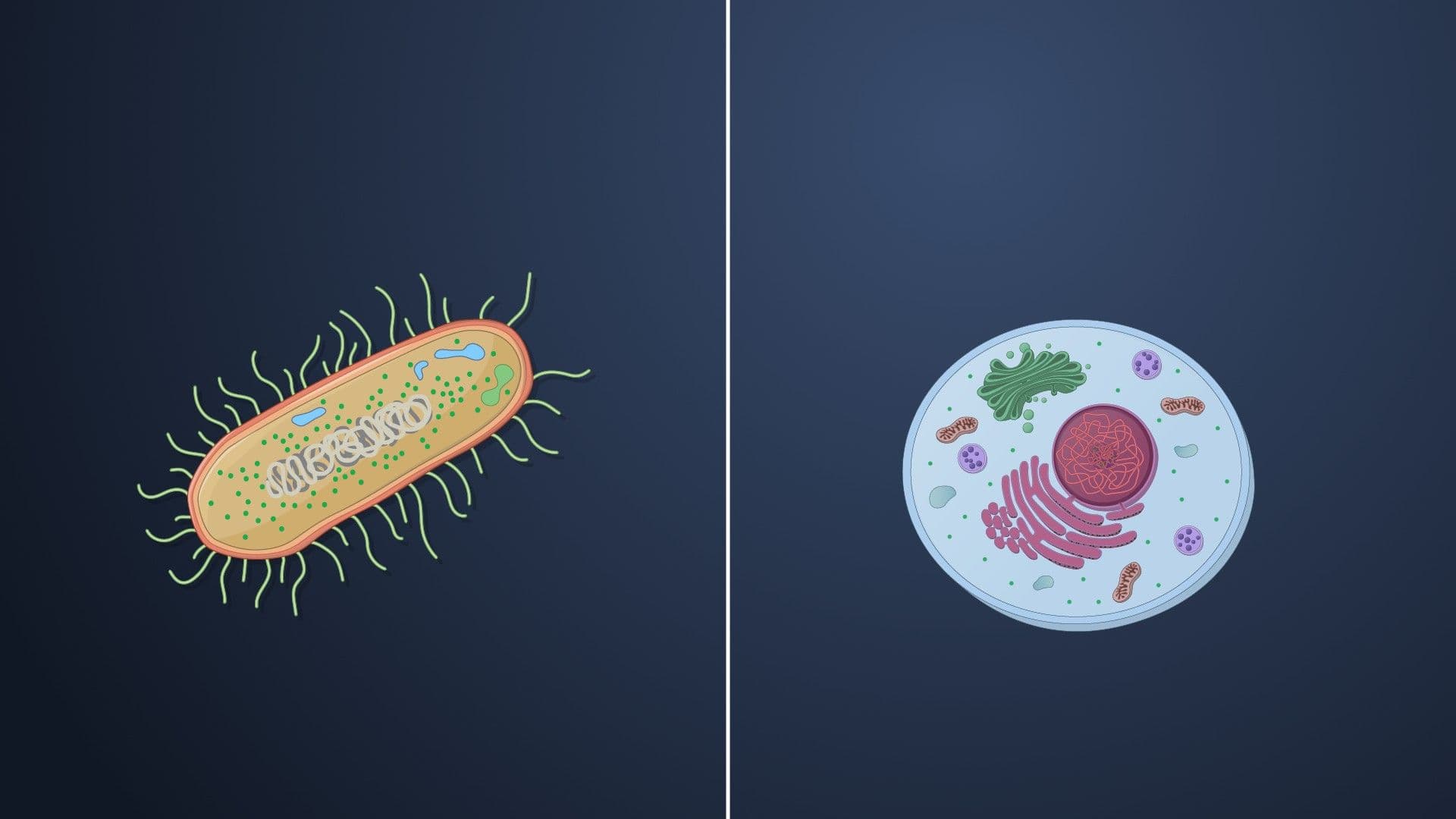
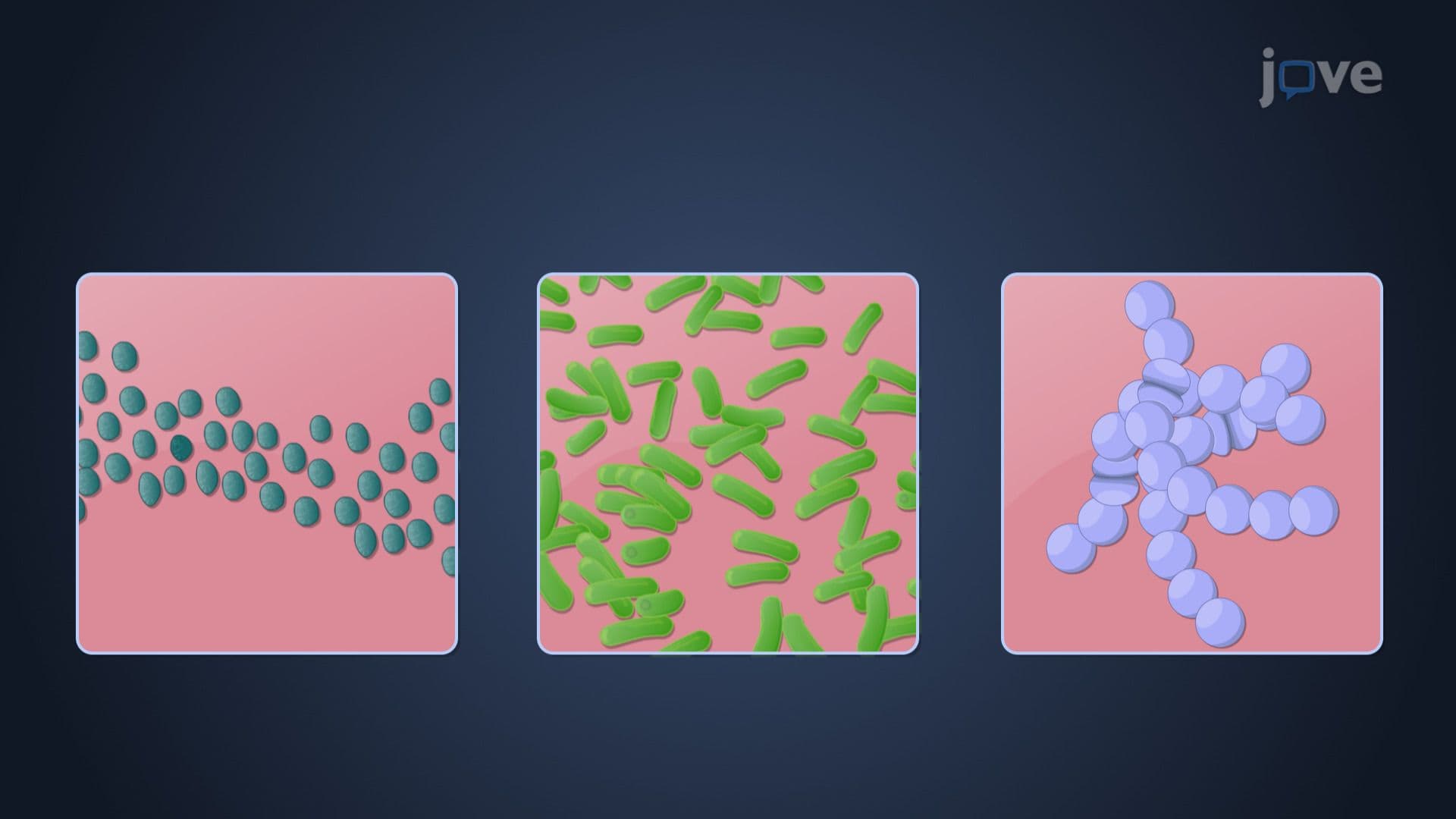
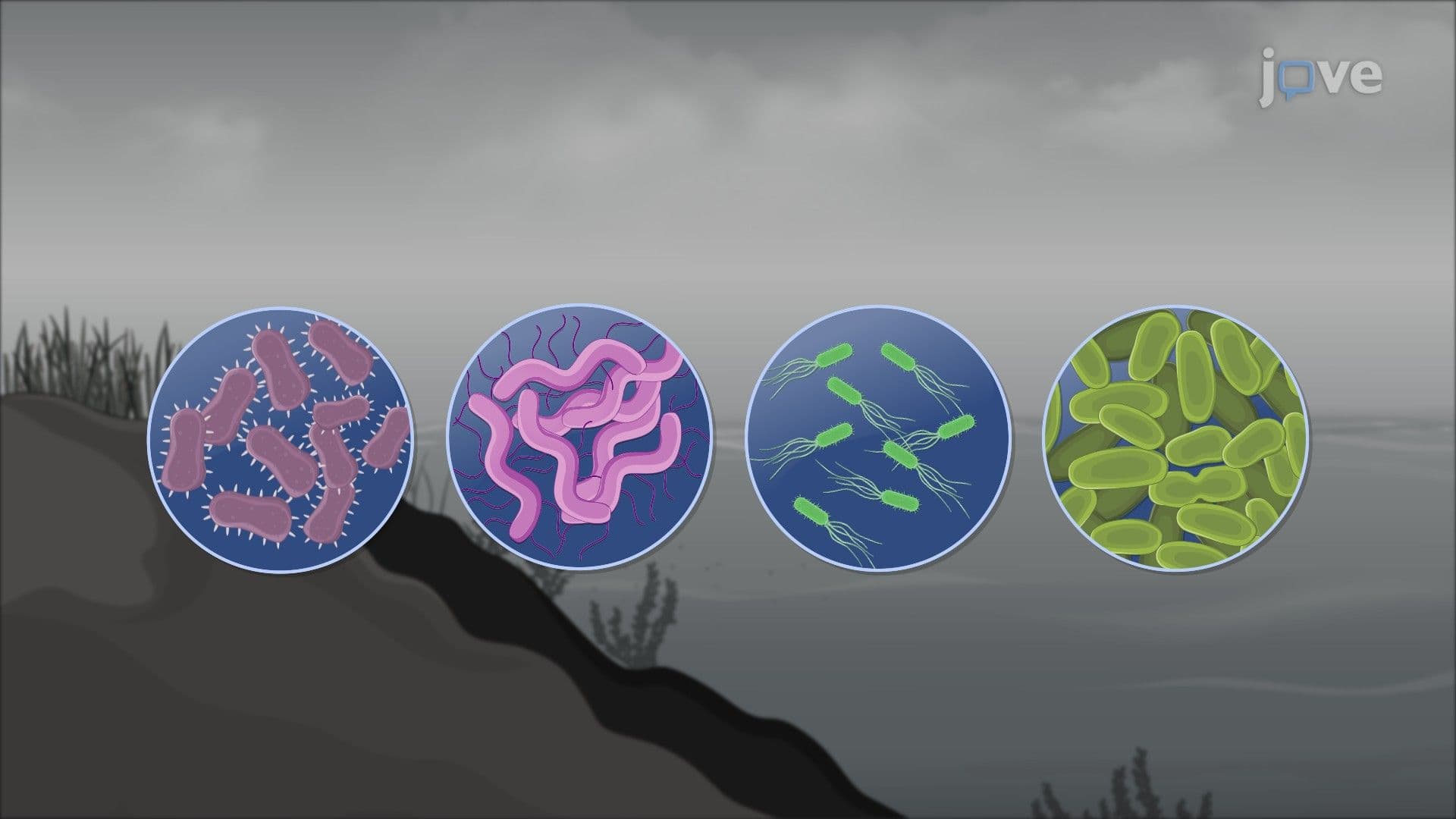
The diversity of archaea represents one of biology's most remarkable success stories in extreme environment colonization. Unlike bacteria, archaea possess unique genetic and biochemical features that place them in their own domain of life. This diversity manifests through five distinct phyla: Euryarchaeota, Crenarchaeota, Thaumarchaeota, Korarchaeota, and Nanoarchaeota, each adapted to specific environmental niches.
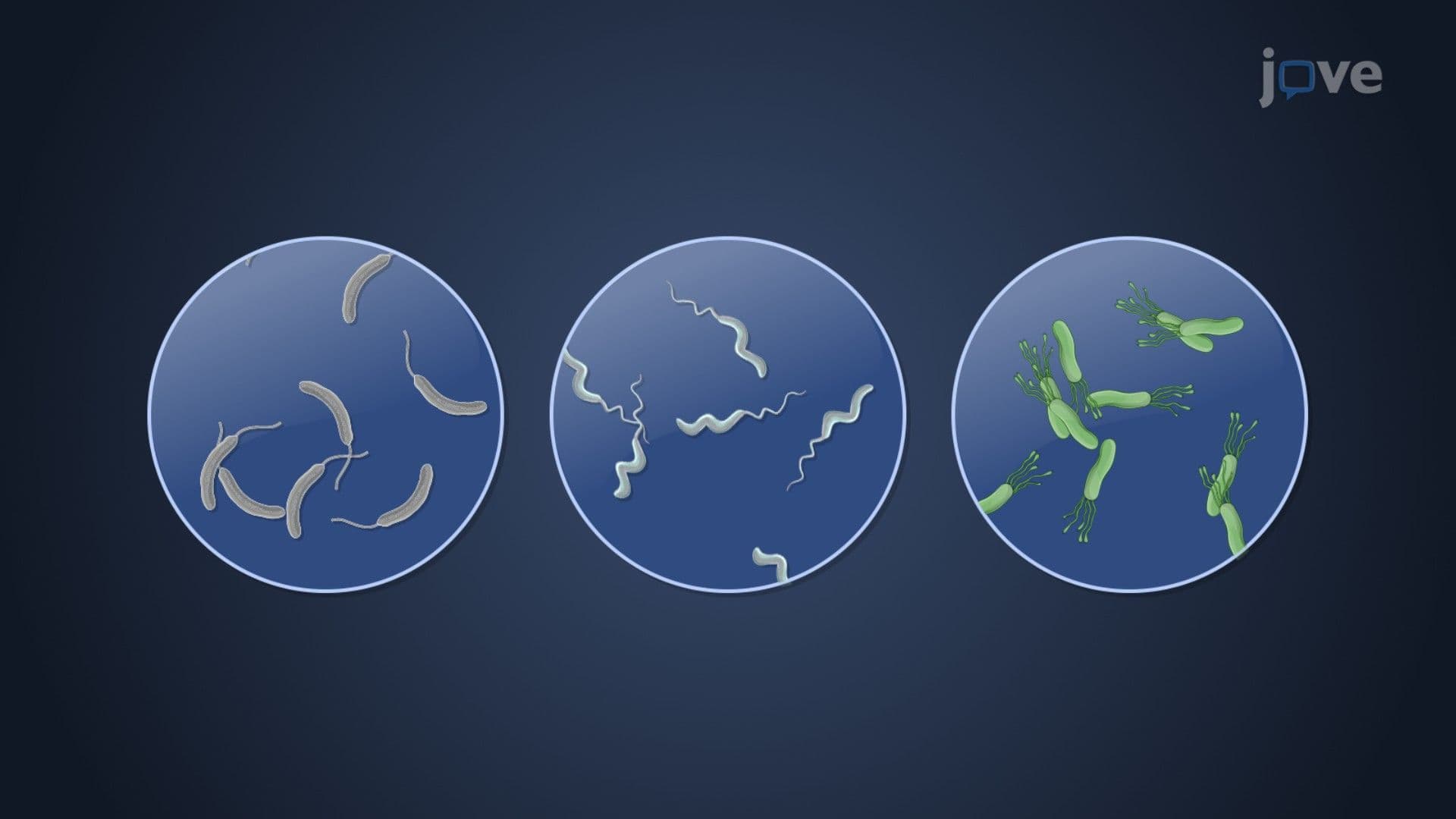
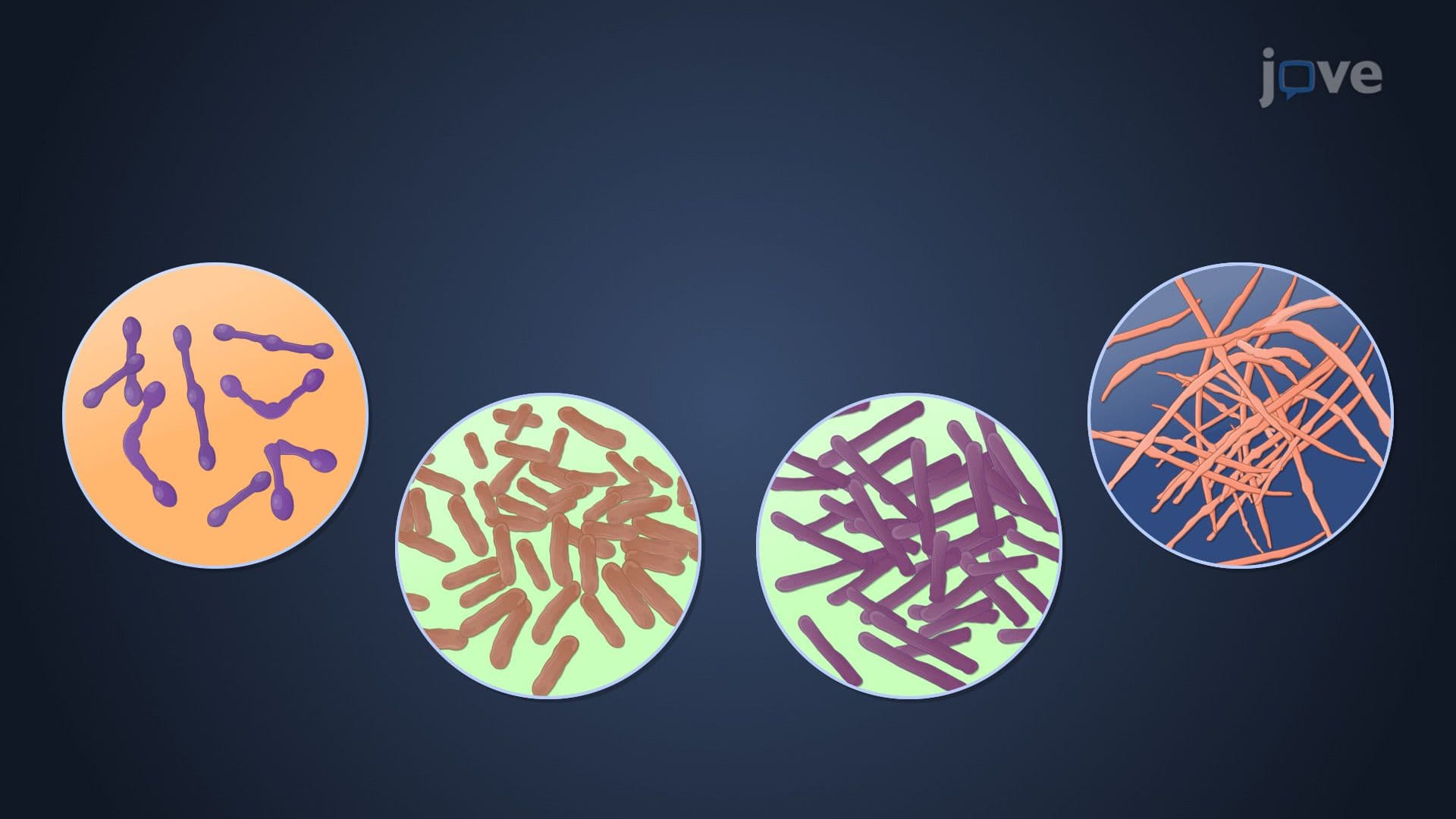
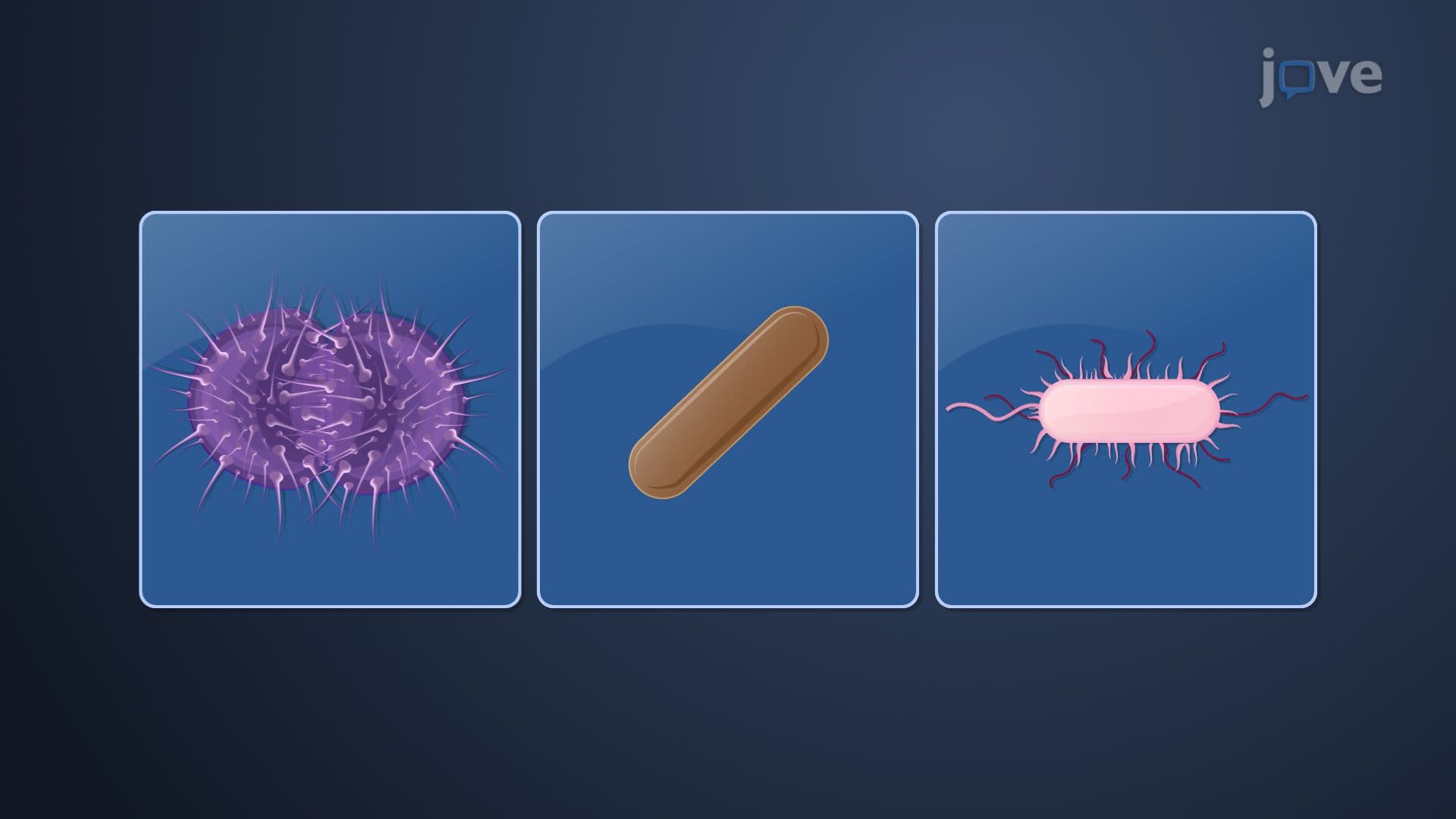
Euryarchaeota showcases extraordinary morphological and metabolic diversity. This phylum's three major groups demonstrate how diversity of archaea enables colonization of vastly different habitats. Methanogens, including *Methanobacterium* species, represent strict anaerobes that produce methane gas through a unique metabolic pathway called methanogenesis. These organisms play crucial roles in waste treatment facilities across the United States and contribute significantly to global methane production.
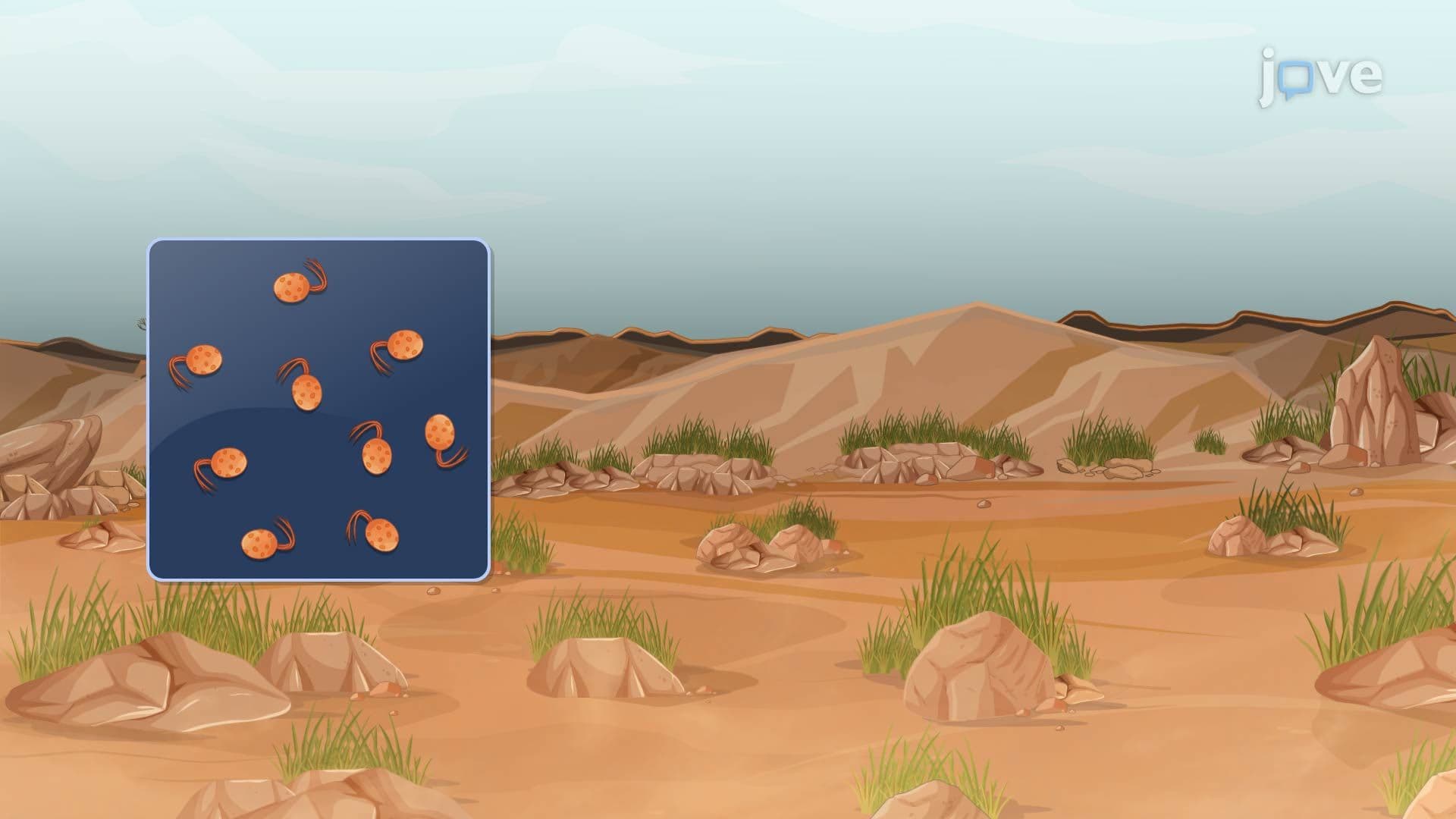
The remarkable *Methanopyrus kandleri* exemplifies extreme adaptation, thriving in hydrothermal vents at temperatures reaching 122°C while simultaneously producing methane. This dual capability challenges traditional understanding of life's temperature limits and has implications for astrobiology research conducted at institutions like NASA's Ames Research Center.
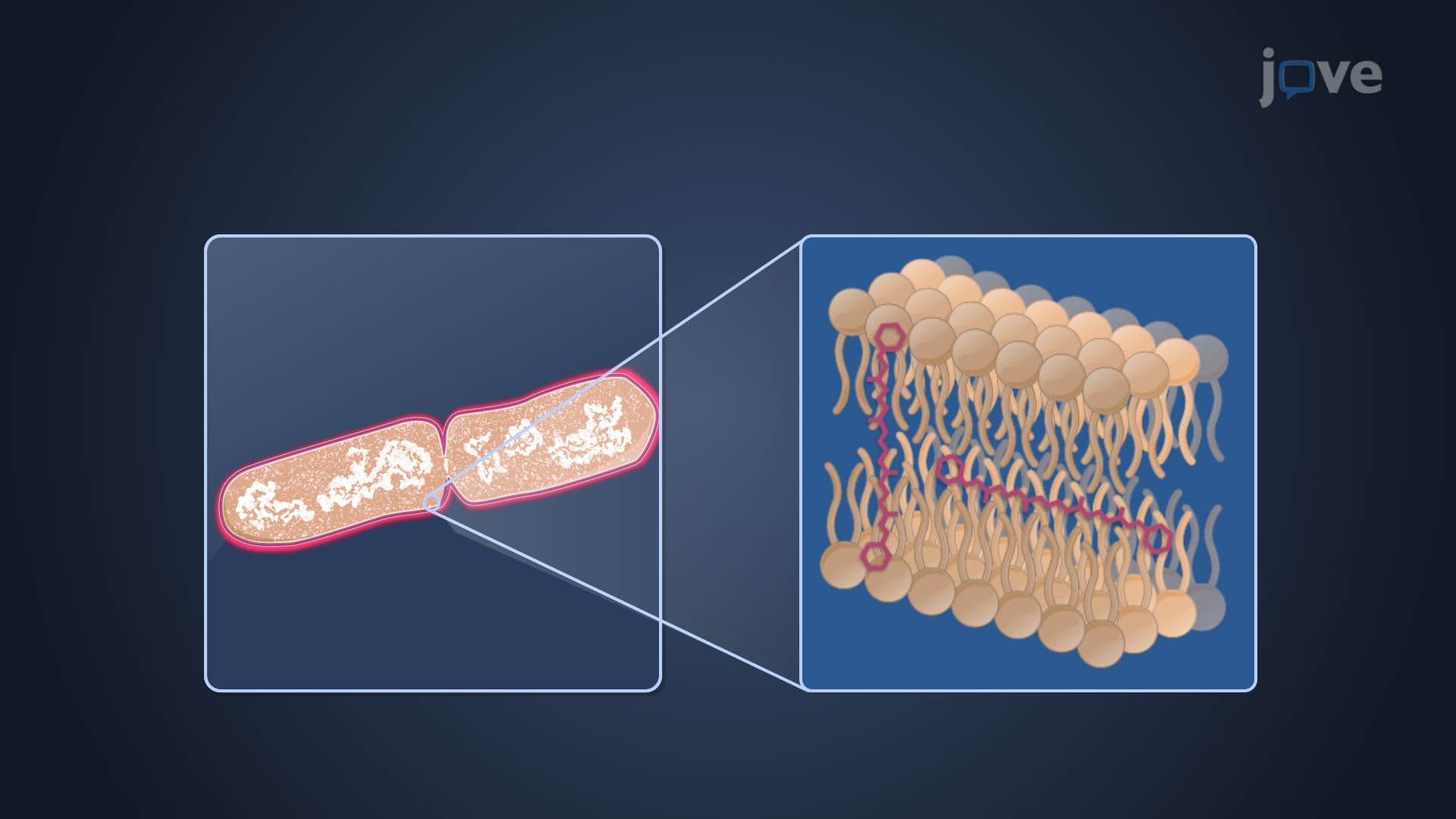
Halophilic archaea, such as *Halobacterium* species, thrive in hypersaline environments, tolerating salt concentrations up to 30%. These organisms are commonly found in environments like California's Mono Lake and Utah's Great Salt Lake, where they create distinctive pink coloration visible from space. Their unique adaptations include specialized proteins and membrane compositions that maintain cellular integrity under extreme osmotic stress.
Thermophilic archaea, including *Thermococcus* species, colonize high-temperature environments above 41°C. These organisms have revolutionized biotechnology by providing thermostable enzymes essential for laboratory techniques. The Pfu DNA polymerase derived from *Pyrococcus furiosus* enables high-fidelity PCR amplification, while archaeal amylases show promise in biofuel production processes being developed at US Department of Energy facilities.
The diversity of archaea extends far beyond academic interest, impacting both natural ecosystems and human technology. In biogeochemical cycles, methanogens contribute to carbon cycling in wetlands, rice paddies, and anaerobic digesters throughout the United States. This process affects both greenhouse gas emissions and renewable energy production from organic waste.
For students preparing for AP Biology or college-level microbiology courses, understanding archaeal diversity provides insight into evolution, metabolism, and ecological relationships. MCAT preparation particularly benefits from comprehending how archaeal enzymes function under extreme conditions, as this knowledge applies to both biochemistry and molecular biology sections.
Related Micro-courses