Loading subject page…


13,352 views


Video Summary: What Is Diversity of Archaea Ii
Did you know that microorganisms living in Yellowstone's scalding hot springs represent some of Earth's most ancient life forms? The diversity of archaea extends far beyond what scientists originally discovered, with three recently identified phyla revolutionizing our understanding of microbial life. These remarkable organisms, including ammonia-oxidizing species found in California's Monterey Bay, demonstrate unique metabolic capabilities that make them essential for global nutrient cycles. What is Diversity of Archaea II explores these fascinating microbes and their ecological roles. Watch the full video on JoVE Coach to master this concept with expert-led visuals and step-by-step explanations.
The diversity of archaea has expanded dramatically with the discovery of three distinct phyla that showcase the remarkable adaptability of these ancient microorganisms. Unlike the well-established Euryarchaeota and Crenarchaeota, these newly characterized groups-Thaumarchaeota, Nanoarchaeota, and Korarchaeota-demonstrate unique evolutionary pathways and ecological niches that fundamentally change our understanding of archaeal biology.
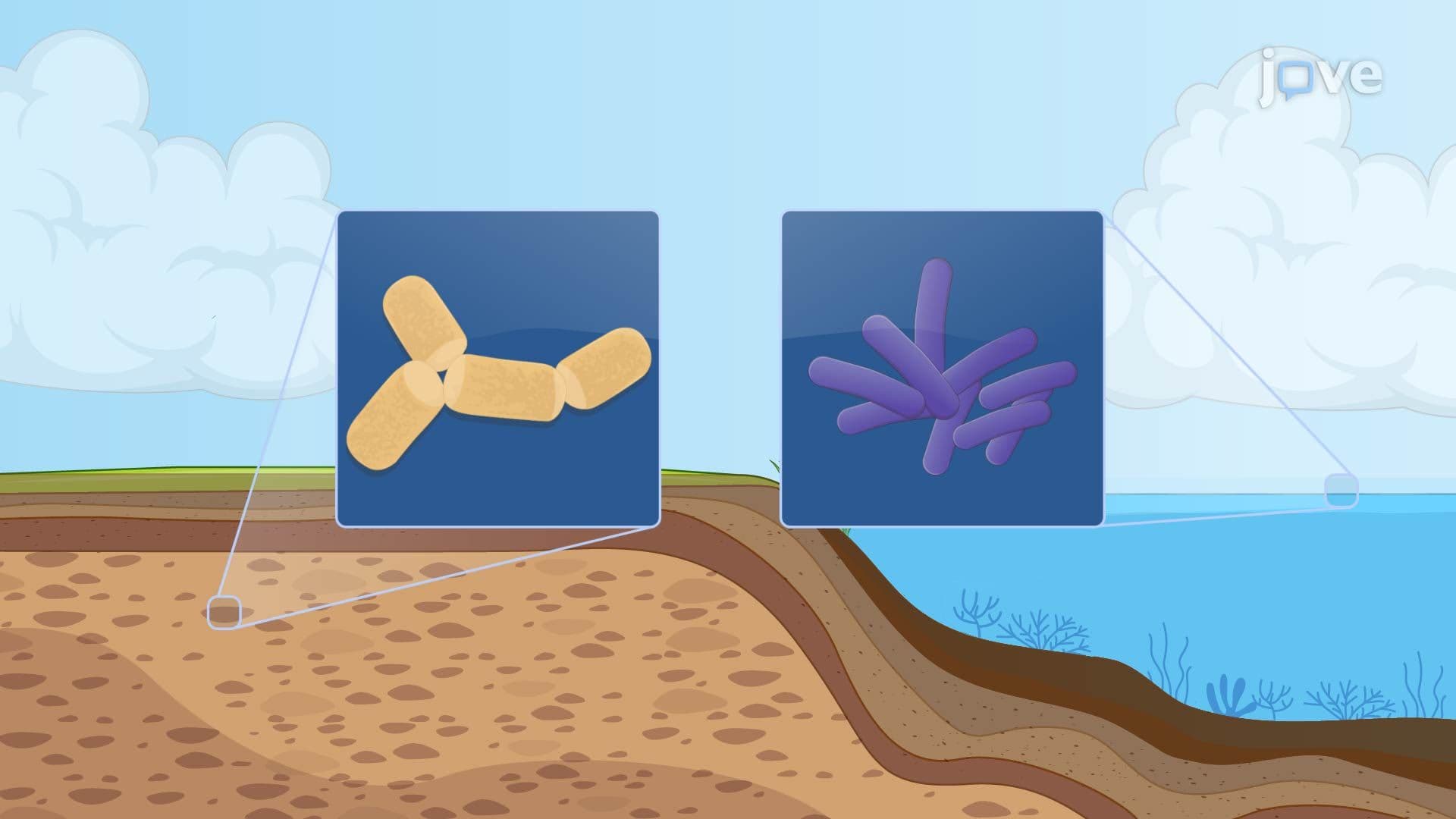
Thaumarchaeota represent perhaps the most ecologically significant of the three new phyla due to their critical role in global nitrogen cycling. Species like *Nitrosopumilus maritimus*, first isolated from marine environments off the Washington coast, are mesophiles that thrive in moderate temperature conditions found throughout terrestrial and aquatic ecosystems. These organisms perform ammonia oxidation, converting ammonia (NH₃) to nitrite (NO₂⁻), which other bacteria then oxidize to nitrate (NO₃⁻). This process makes nitrogen available to primary producers, supporting entire food webs from California's redwood forests to Florida's Everglades. For students preparing for AP Biology or college-level microbiology courses, understanding this nitrogen transformation is crucial for ecosystem questions and biogeochemical cycle problems.
The phylum Nanoarchaeota currently contains only one known species, *Nanoarchaeum equitans*, discovered in hydrothermal vents near Iceland and subsequently found in similar environments off the Oregon coast. This hyperthermophile possesses the smallest known archaeal genome, containing fewer than 500,000 base pairs-roughly one-third the size of most bacterial genomes. What makes this organism particularly fascinating for molecular biology students is its extreme genomic streamlining: it retains genes essential for DNA repair but has lost most biosynthetic pathways for amino acids, nucleotides, and lipids. This genetic reduction forces *N. equitans* into an obligate parasitic relationship with *Ignicoccus* species, making it an excellent example of evolutionary reductionism that frequently appears on MCAT and graduate school exams.
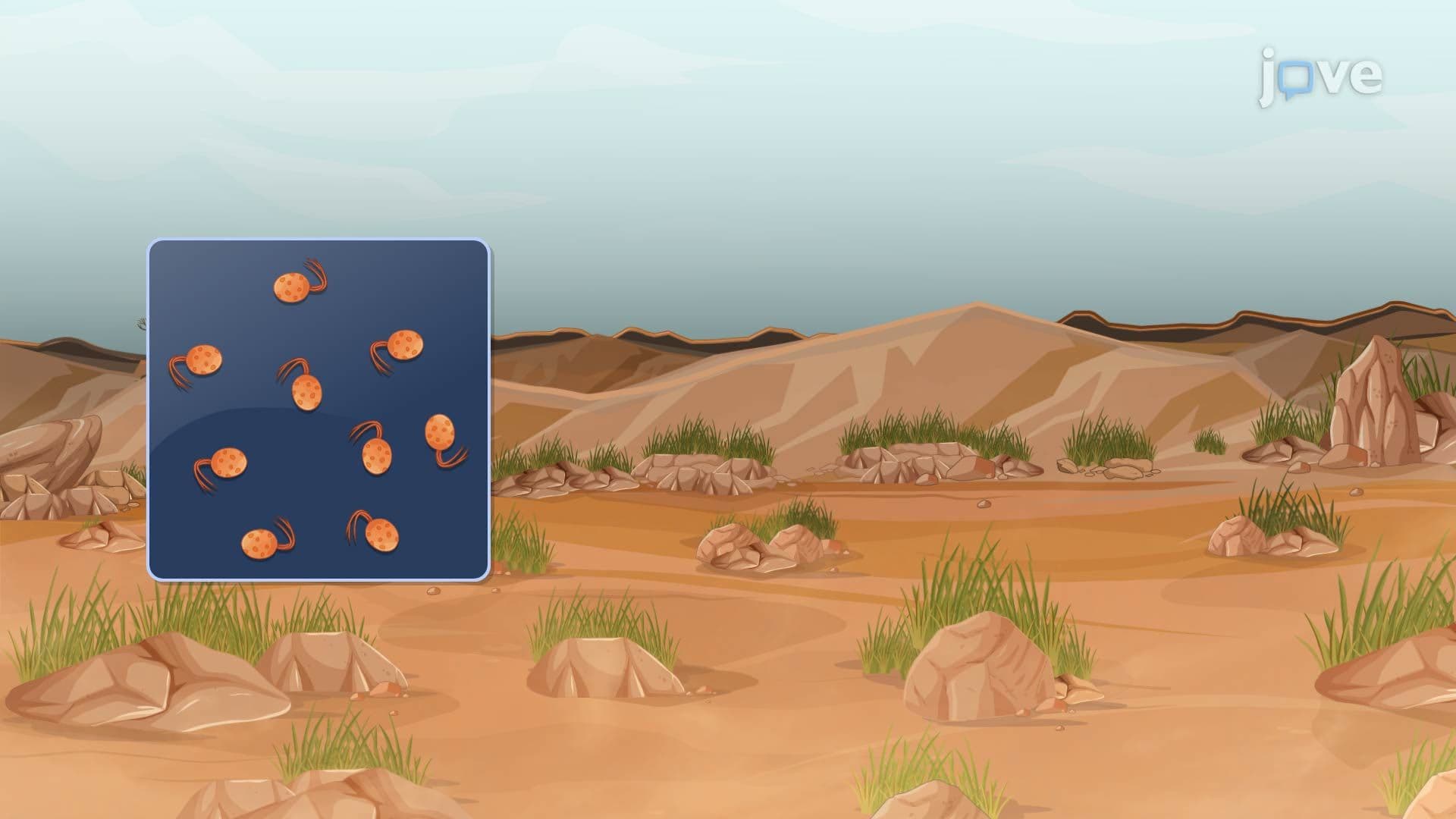
Korarchaeota, exemplified by *Korarchaeum cryptofilum* found in Yellowstone National Park's hot springs, represent one of the most phylogenetically ancient archaeal lineages. Molecular clock studies suggest these organisms diverged from other major archaeal groups over 3 billion years ago, making them living fossils that provide insights into early life on Earth. These hyperthermophiles inhabit environments with temperatures exceeding 85°C, contributing to sulfur cycling and organic matter decomposition in geothermal systems. Understanding Korarchaeota helps students grasp concepts of deep evolutionary time and extremophile adaptations commonly tested in advanced biology courses.
Related Micro-courses