Loading subject page…


13,352 views


Video Summary: What Is Diversity of Archaea Iii
Did you know that some of Earth's most extreme survivors live in boiling sulfur springs at Yellowstone National Park? The diversity of archaea, particularly within the dominant phylum Crenarchaeota, showcases remarkable adaptations to environments that would instantly kill most life forms. Understanding What is Diversity of Archaea III reveals how these ancient microorganisms thrive in volcanic vents, acidic hot springs, and oxygen-free environments through specialized proteins and unique metabolic pathways. Watch the full video on JoVE Coach to master this concept with expert-led visuals and step-by-step explanations.
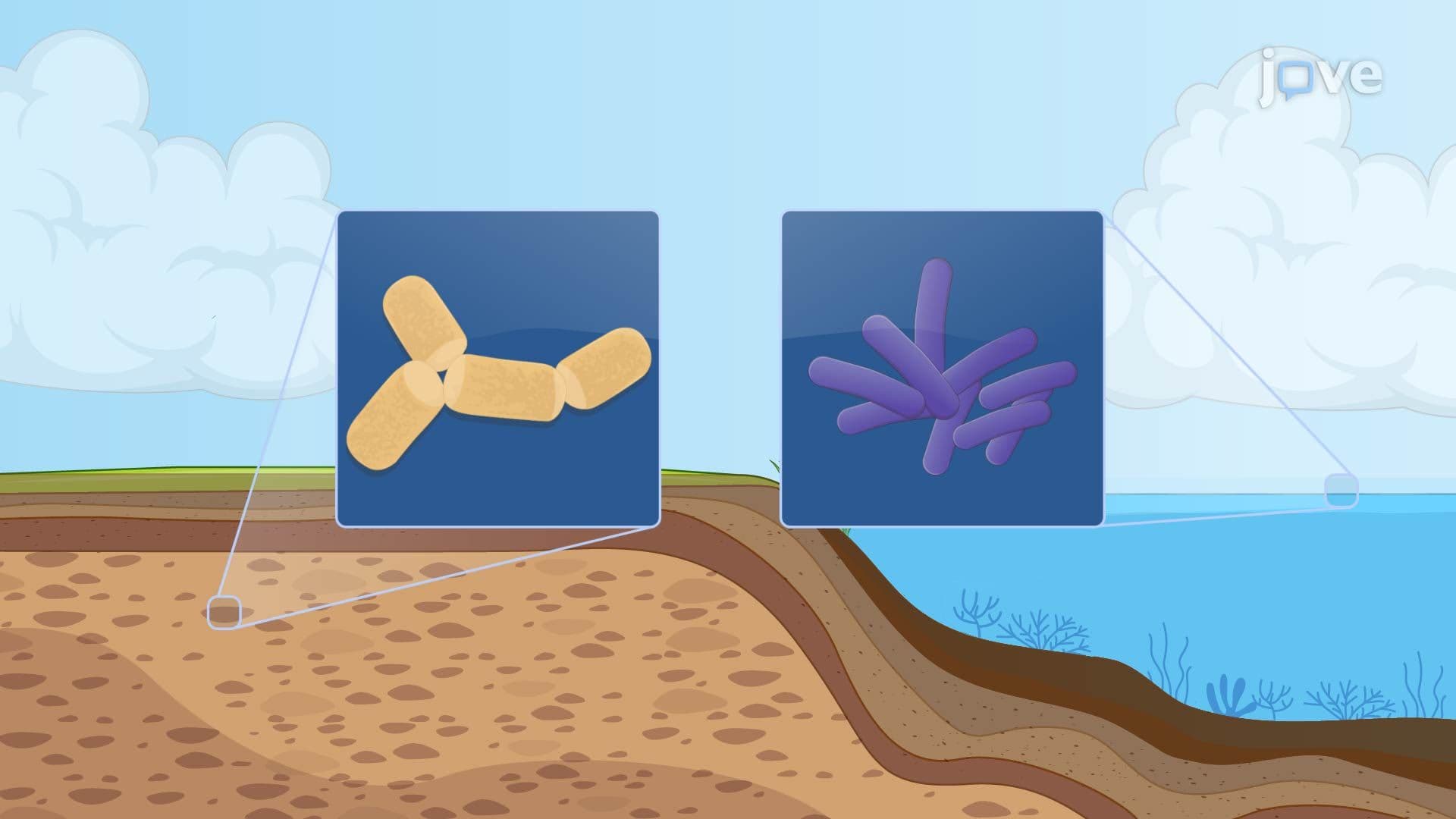
The diversity of archaea reaches its pinnacle in Crenarchaeota, the most abundant archaeal phylum on Earth. These remarkable microorganisms demonstrate extraordinary adaptability, colonizing environments from ordinary garden soils to the scalding geothermal features of Yellowstone National Park and the crushing depths of deep-sea hydrothermal vents. This diversity of archaea definition explained encompasses not just their widespread distribution, but their sophisticated molecular machinery that enables survival where other life forms cannot exist.
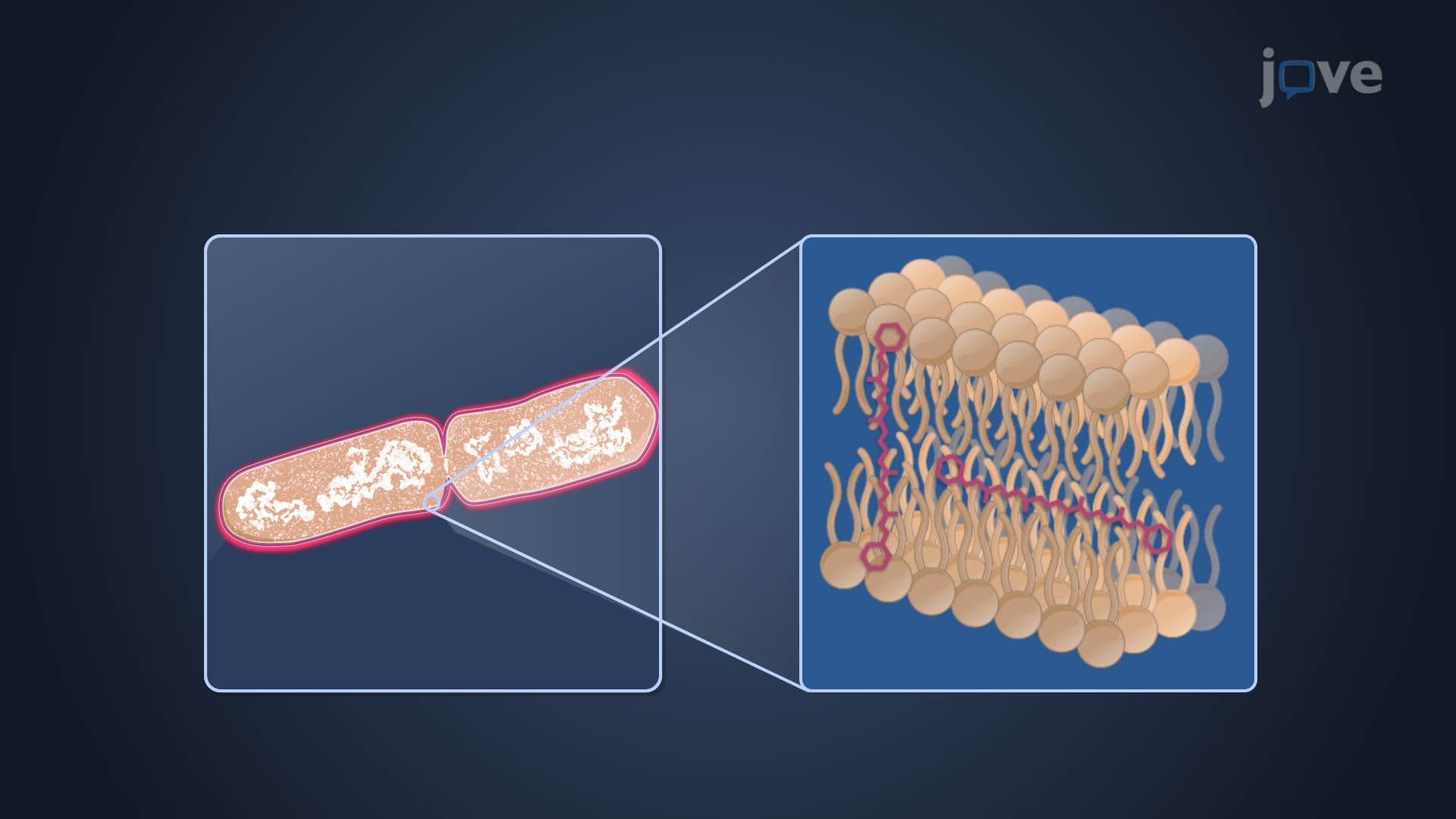
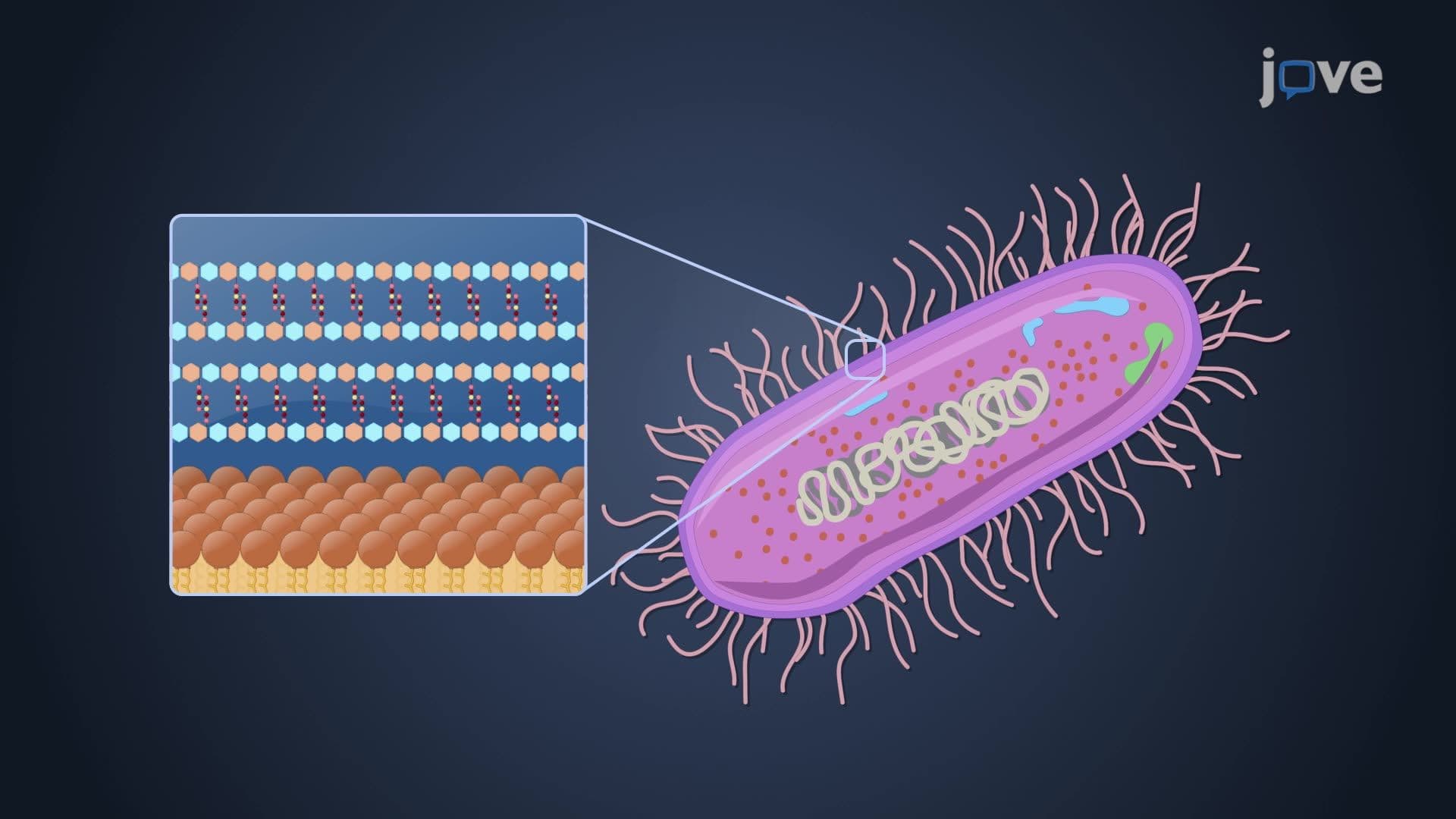
Crenarchaeota's success stems from unique biochemical innovations. Their thermostable proteins resist denaturation at temperatures exceeding 100°C, while specialized ether-linked lipids create virtually impermeable cell membranes. These adaptations prove crucial for students studying for the AP Biology exam or MCAT, as they exemplify how molecular structure directly influences organismal function. Unlike bacterial proteins that unfold at high temperatures, archaeal enzymes from organisms like those found in Nevada's hot springs maintain their catalytic activity even in boiling water.
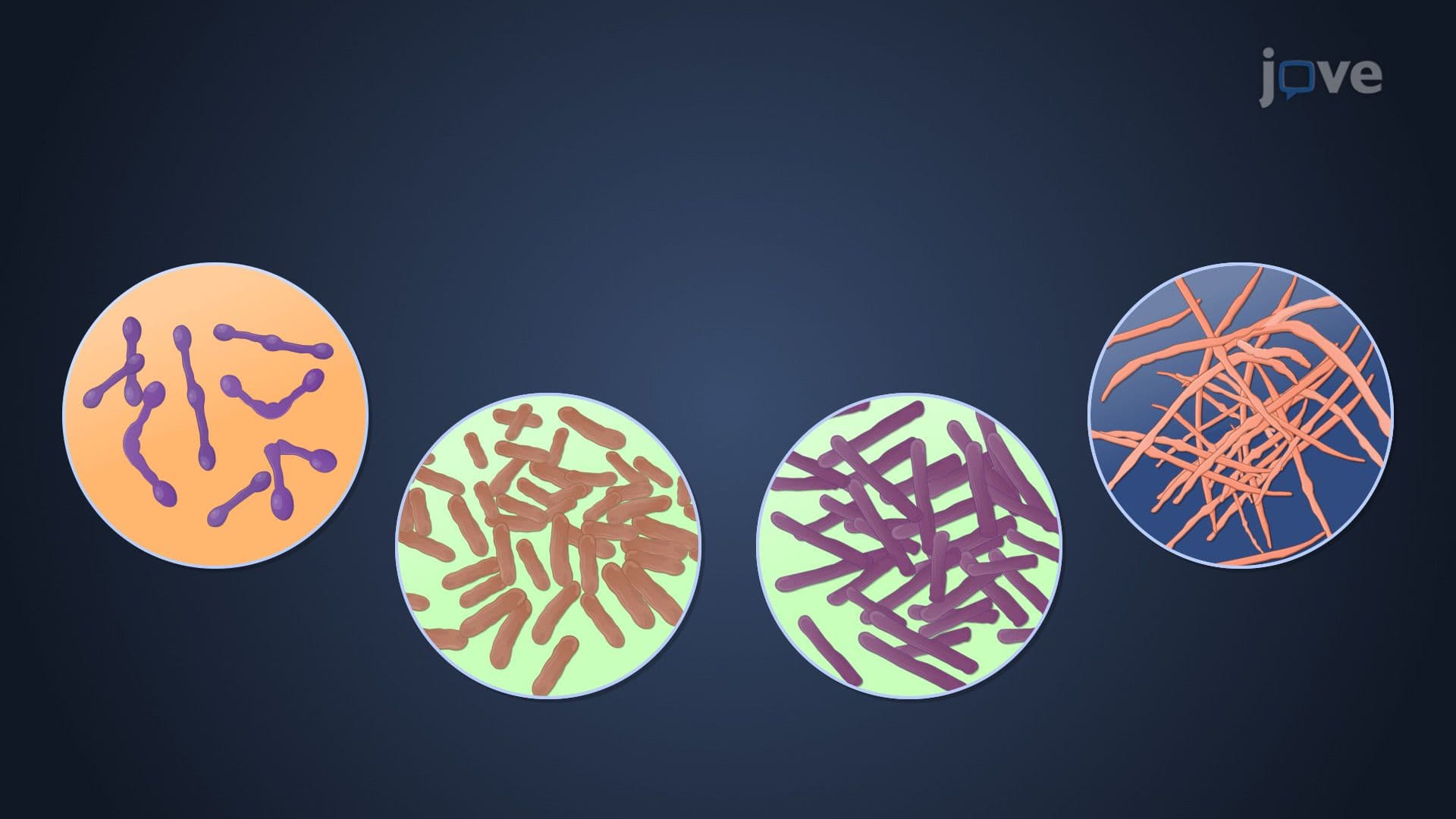
The diversity of archaea overview reveals three distinct orders within Crenarchaeota, each with specialized metabolic strategies. Sulfolobales members, including the well-studied genus Sulfolobus, function as aerobic chemolithotrophs, deriving energy from sulfur oxidation while fixing carbon dioxide. This metabolic flexibility allows them to switch between chemolithotrophic and chemoorganotrophic growth depending on available nutrients.
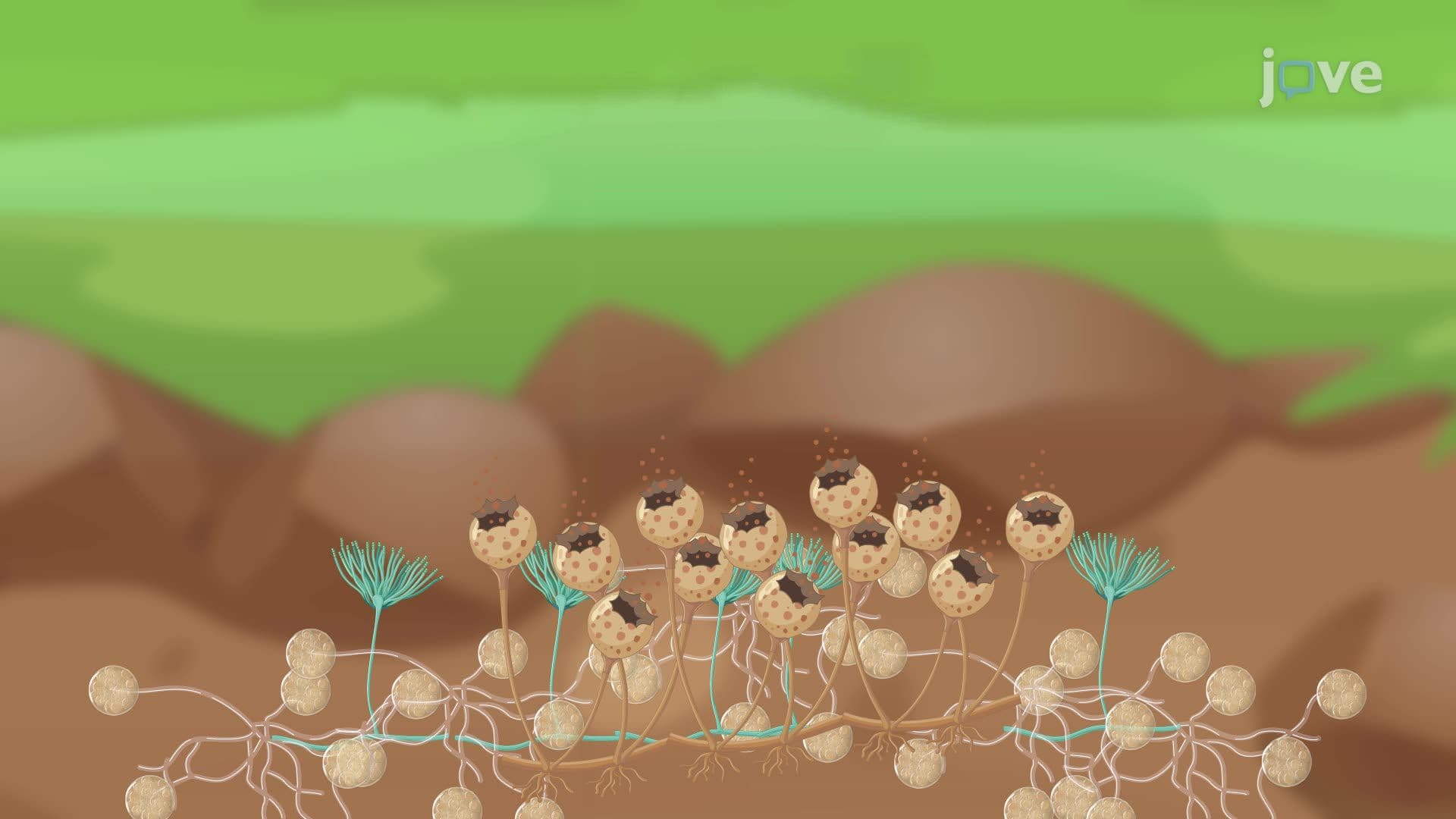
Desulfurococcales, represented by Pyrodictium species, showcase remarkable structural adaptations. These organisms form intricate filament networks that provide mechanical stability in the turbulent conditions of hydrothermal vents, similar to those found along the Juan de Fuca Ridge off the Pacific Northwest coast. Thermoproteales members like Thermoproteus exemplify strict anaerobic metabolism, utilizing sulfur-based respiration pathways that would be toxic to oxygen-dependent organisms.
This diversity of archaea concept explained has practical implications beyond academic study. Thermostable enzymes from Crenarchaeota species have revolutionized molecular biology techniques, including PCR amplification used in COVID-19 testing and genetic research. Understanding these organisms prepares students for advanced coursework in microbiology, biochemistry, and biotechnology programs at institutions like UC Berkeley and MIT.
Related Micro-courses