Loading subject page…


13,350 views


Video Summary: What Is Diversity of Archaea Iv
Did you know that some microorganisms can survive temperatures hot enough to melt lead? The diversity archaea includes incredible hyperthermophilic species that thrive in conditions that would instantly kill most life forms. What is Diversity of Archaea IV explores these extreme organisms, like those found in Yellowstone National Park's geysers, which possess unique cellular adaptations including specialized membranes and heat-resistant enzymes. Watch the full video on JoVE Coach to master this concept with expert-led visuals and step-by-step explanations.
The diversity of archaea encompasses some of Earth's most resilient organisms, with hyperthermophilic archaea representing the ultimate survivors of extreme heat. These remarkable microorganisms inhabit environments where temperatures soar above 80°C, thriving in locations like the hydrothermal vents of the Mid-Atlantic Ridge and the hot springs of Yellowstone National Park. The record-holder, *Methanopyrus kandleri*, can withstand temperatures up to 122°C-hotter than boiling water at sea level.
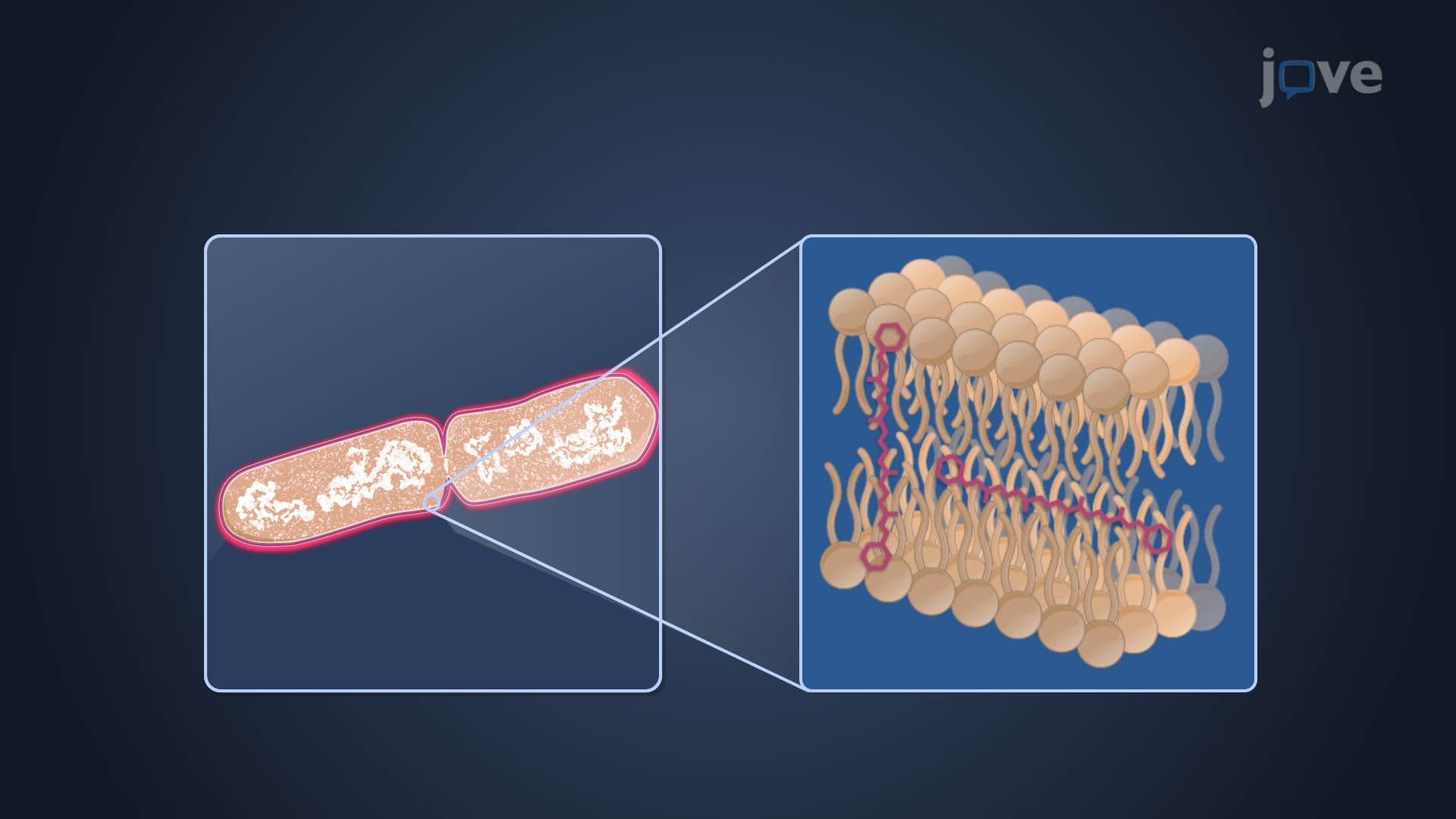
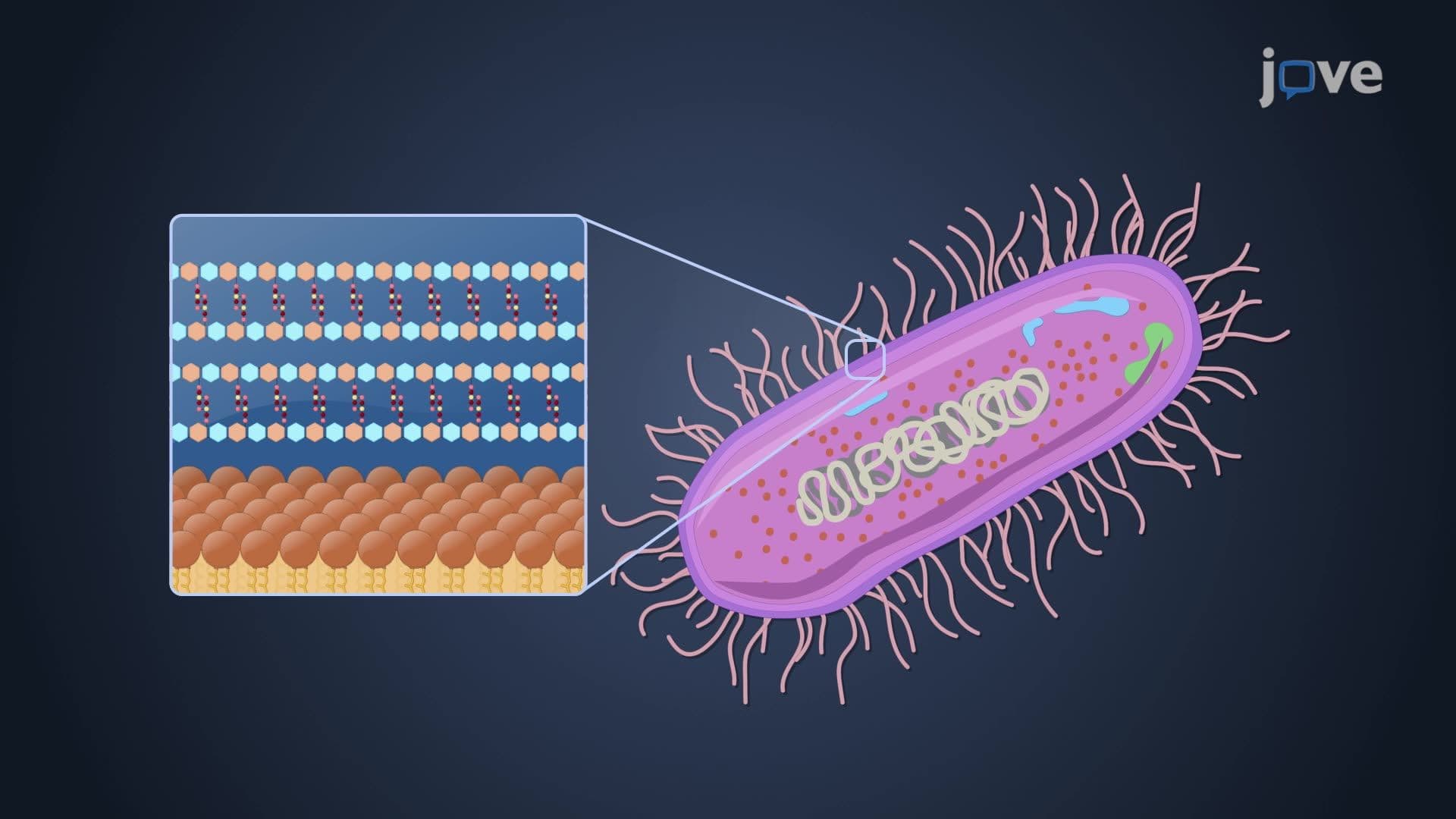
Unlike typical organisms with phospholipid bilayer membranes, hyperthermophilic archaea employ a revolutionary membrane structure. Their heat-resistant monolayer membranes consist of biphytanyl tetraether lipids, which form covalent bonds across the entire membrane width. This creates an incredibly stable barrier that prevents the membrane fluidity changes that would destroy normal cells at high temperatures. This adaptation is crucial for maintaining cellular integrity in extreme environments and represents a key aspect of diversity archaea survival strategies.
The proteins of hyperthermophiles, called thermozymes, showcase remarkable engineering at the molecular level. These enzymes maintain functionality through several mechanisms: enhanced ionic interactions that resist thermal disruption, tightly packed hydrophobic cores that prevent unfolding, and extensive salt bridges that provide structural reinforcement. Additionally, specialized chaperones called thermosomes act as cellular repair crews, continuously monitoring protein structure and refolding any proteins that begin to denature.
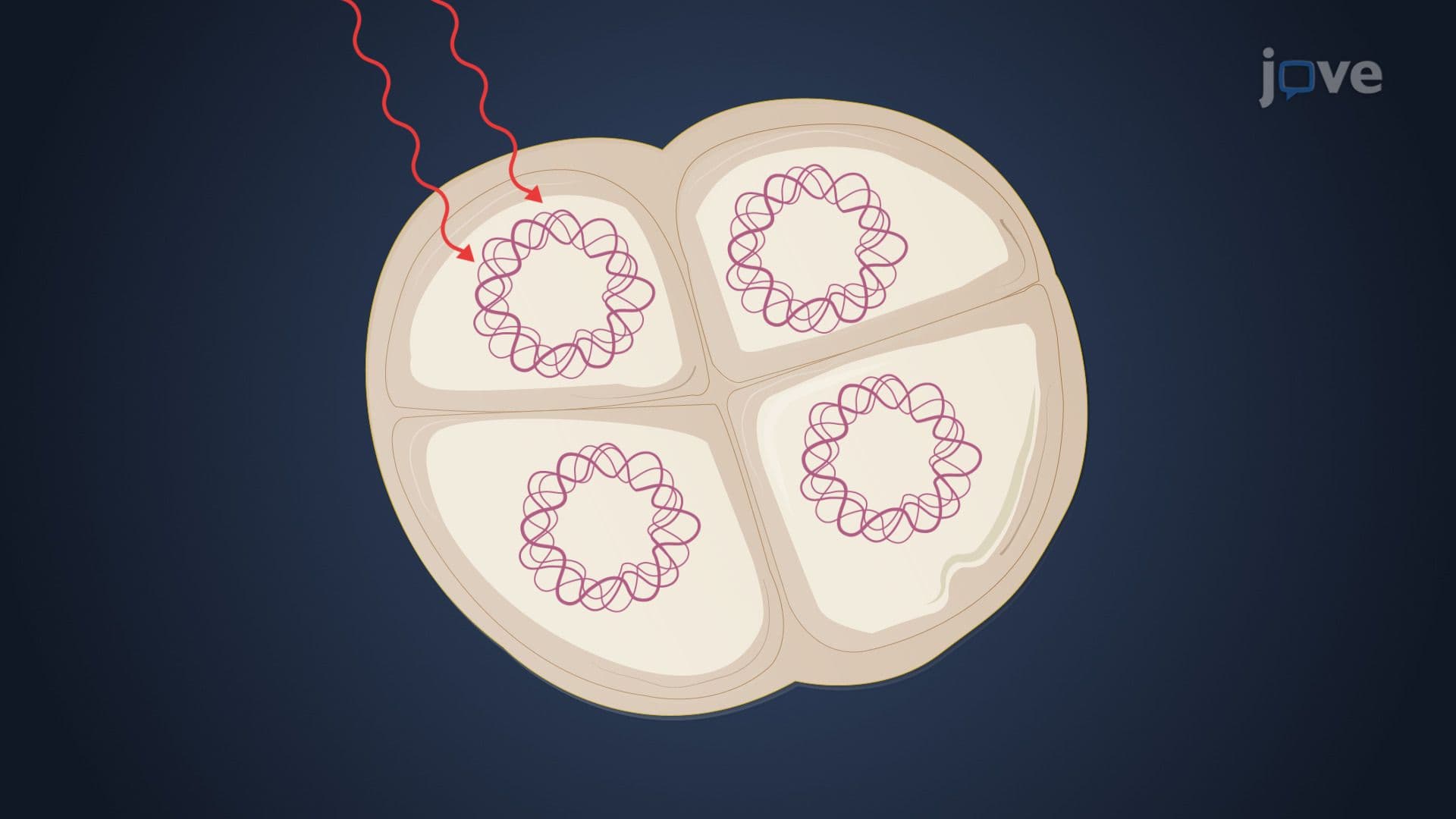
Protecting genetic material at extreme temperatures requires multiple strategies. Reverse DNA gyrase, found exclusively in hyperthermophiles, introduces positive supercoils that compact and stabilize the DNA helix. Histone-like proteins further package DNA, while elevated potassium concentrations create an ionic environment that guards against thermal denaturation. The ribosomal RNA of these organisms contains up to 15% higher GC content than mesophilic relatives, providing enhanced stability through stronger hydrogen bonding-a critical factor for protein synthesis in extreme heat.
Understanding these adaptations is essential for AP Biology students studying extremophiles and appears frequently on MCAT questions related to protein structure and cellular adaptations. College microbiology courses often use hyperthermophiles as prime examples of evolutionary adaptation to extreme environments.
Related Micro-courses