Loading subject page…

13,350 views

Video Summary: What Is Diversity of Protists I
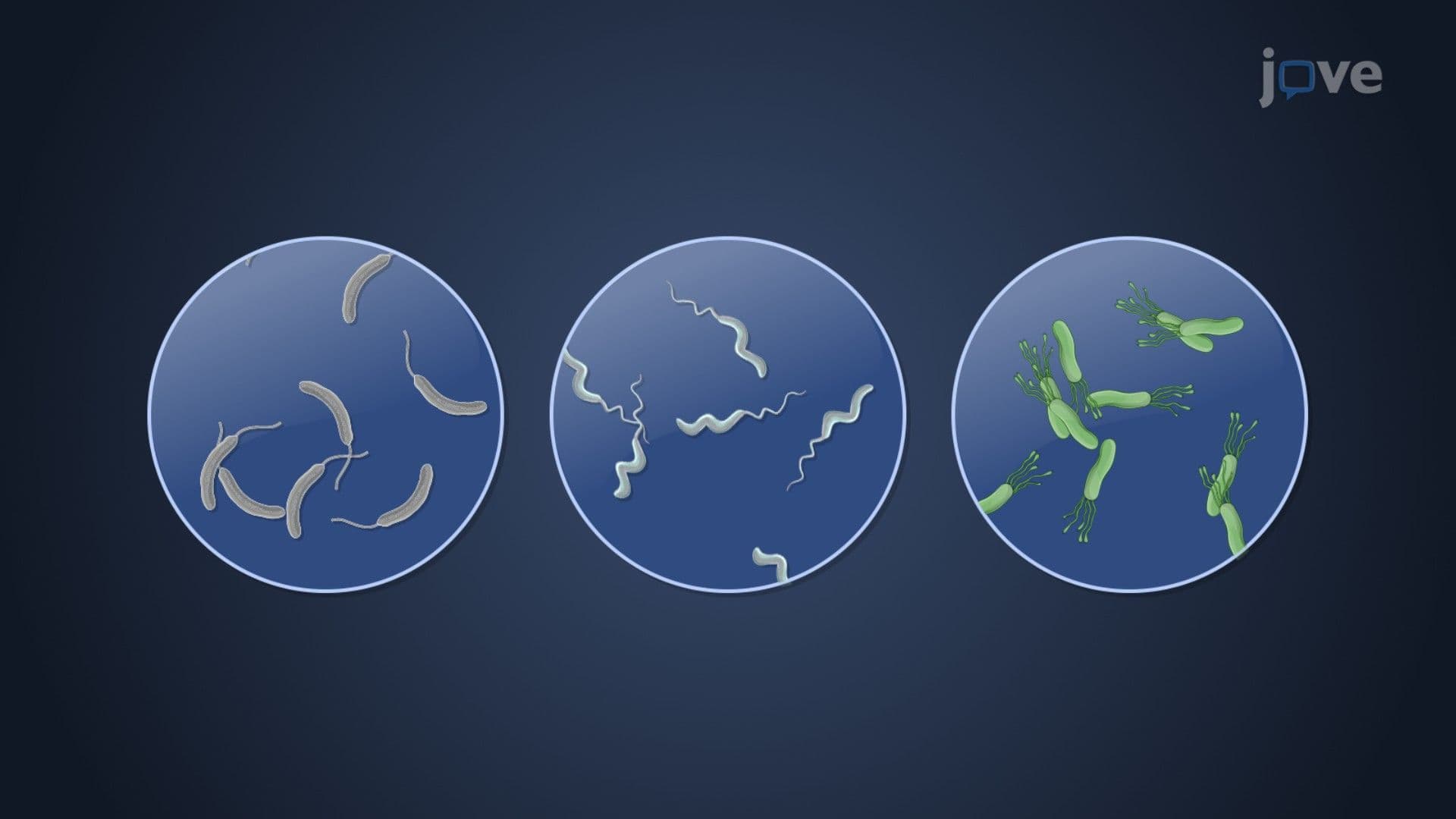
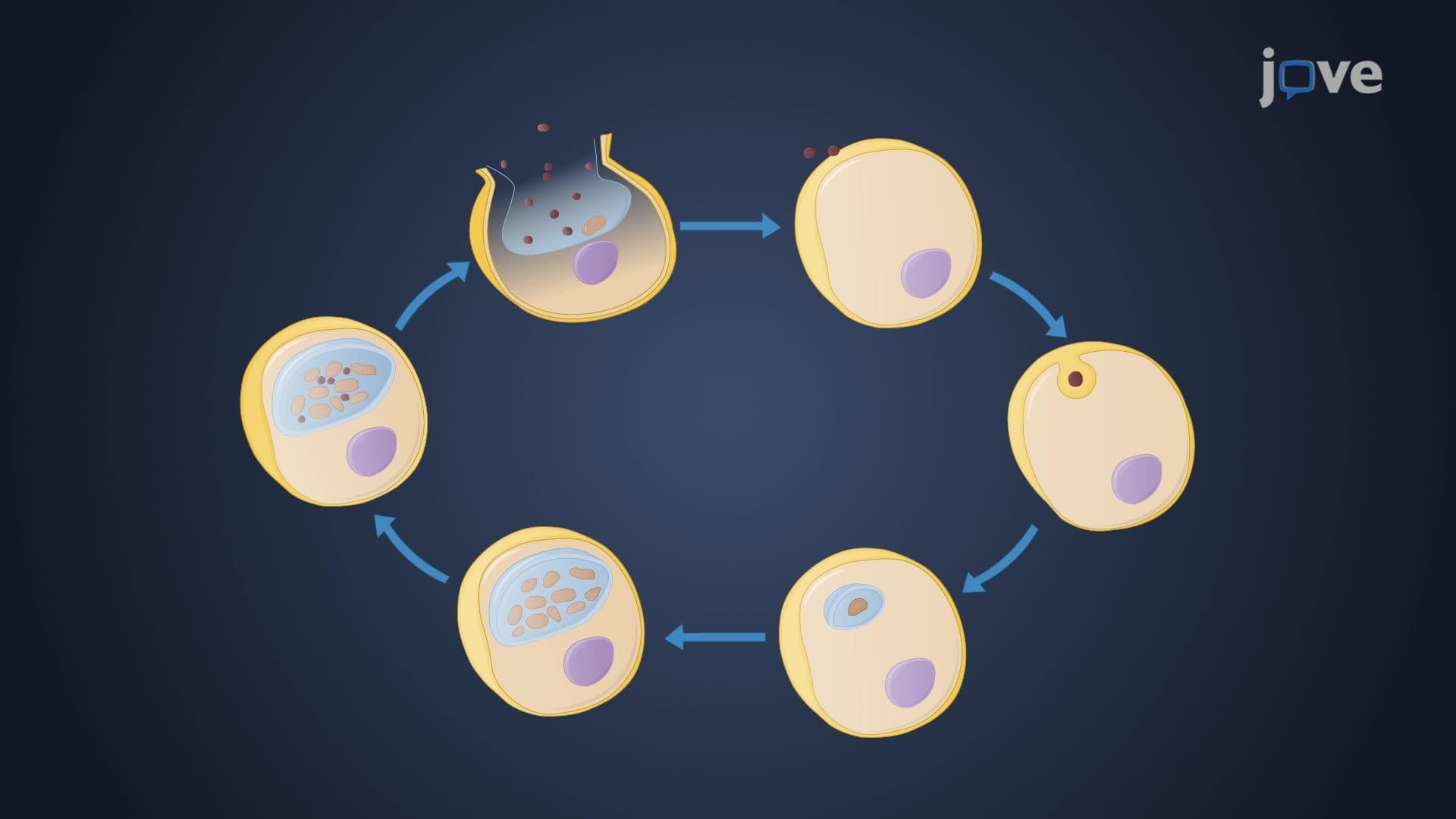
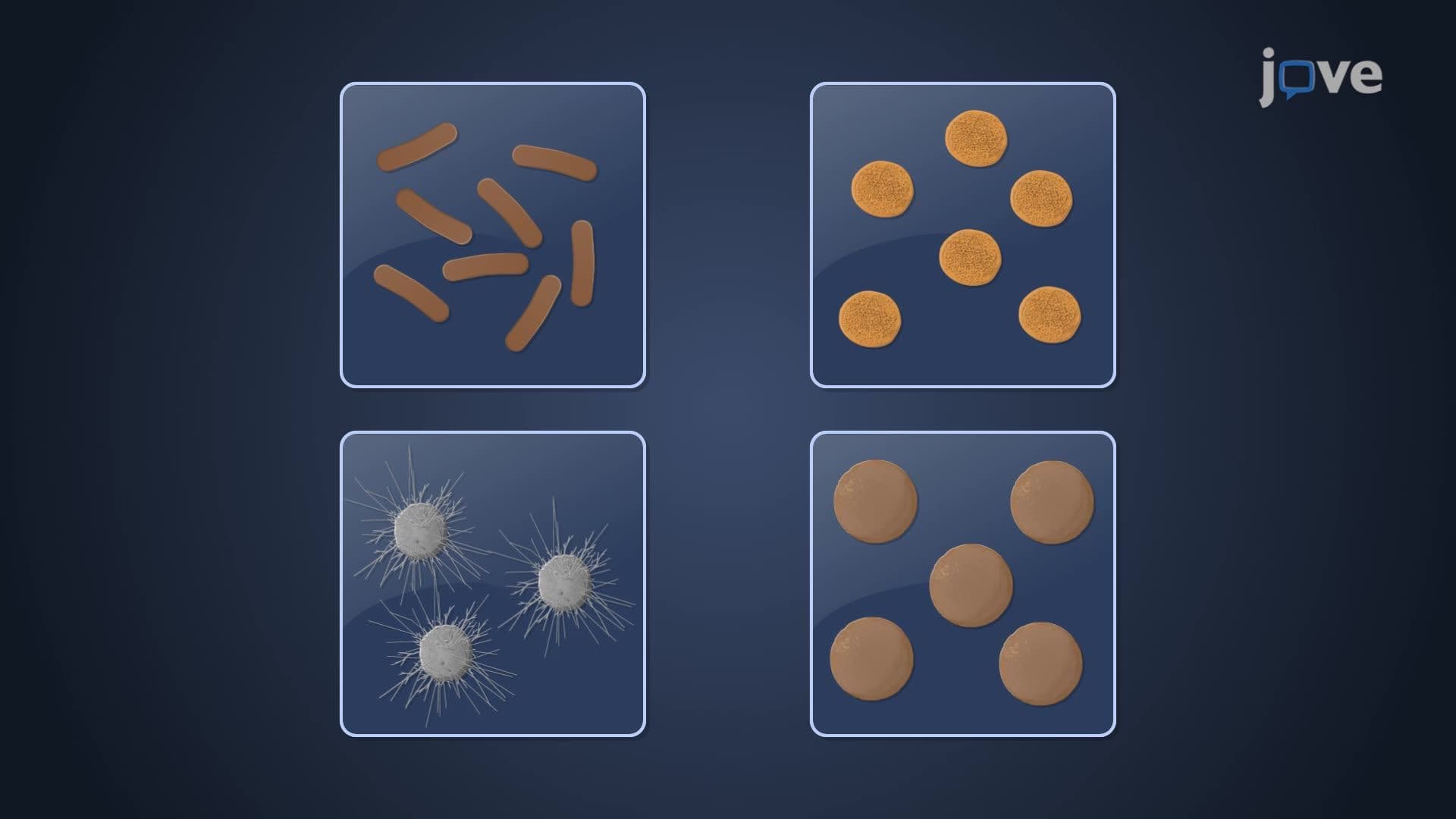
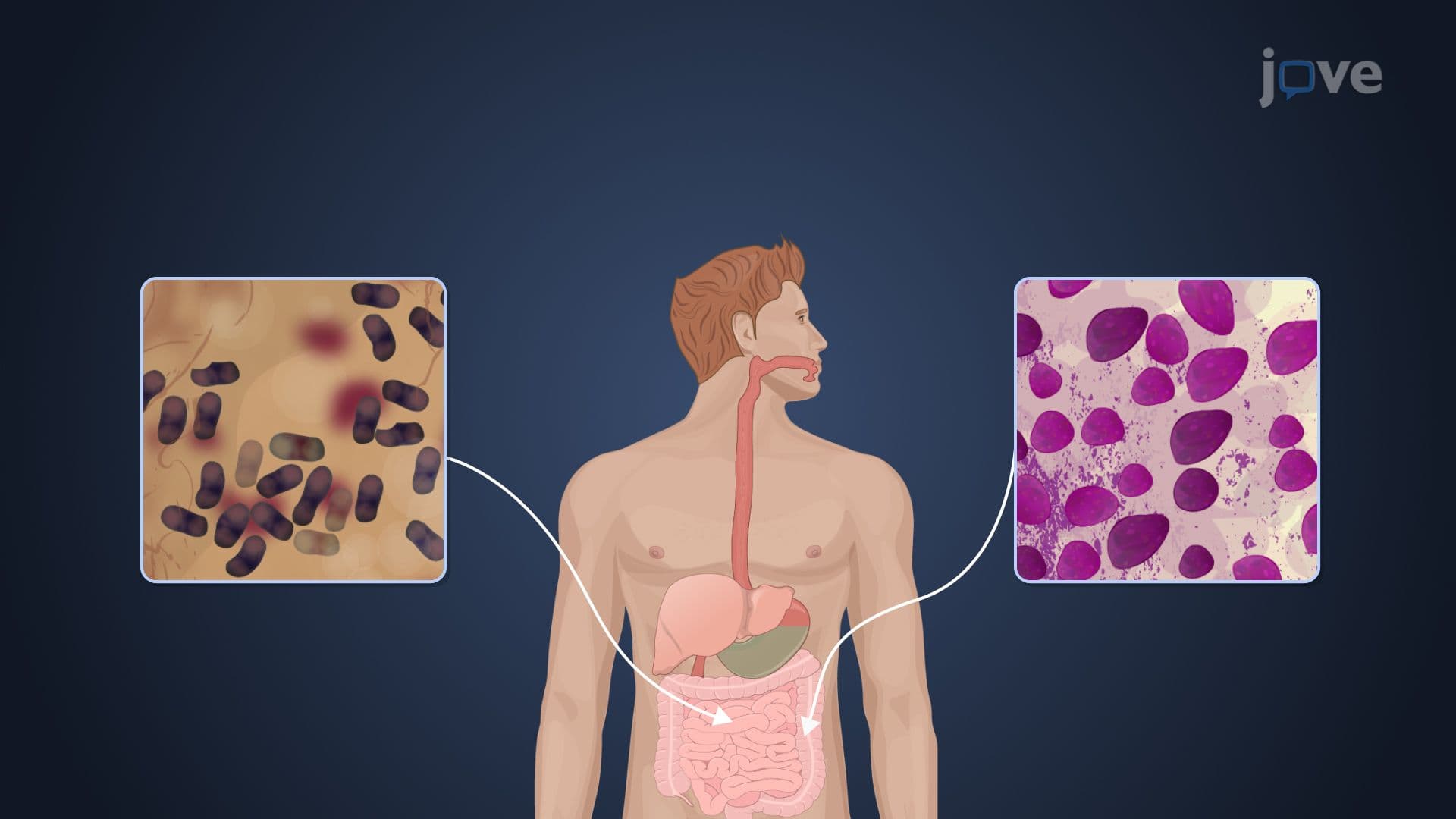
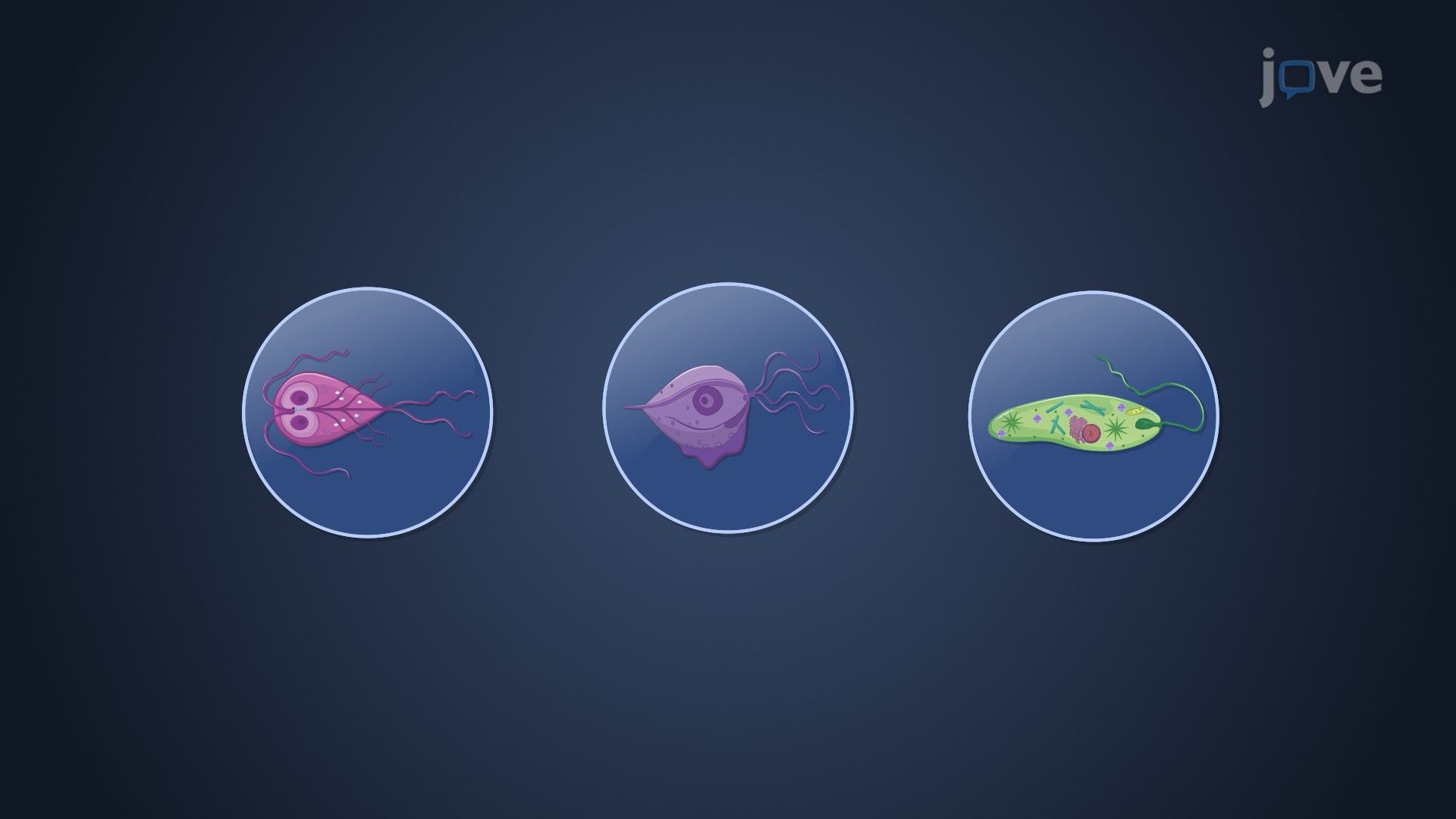
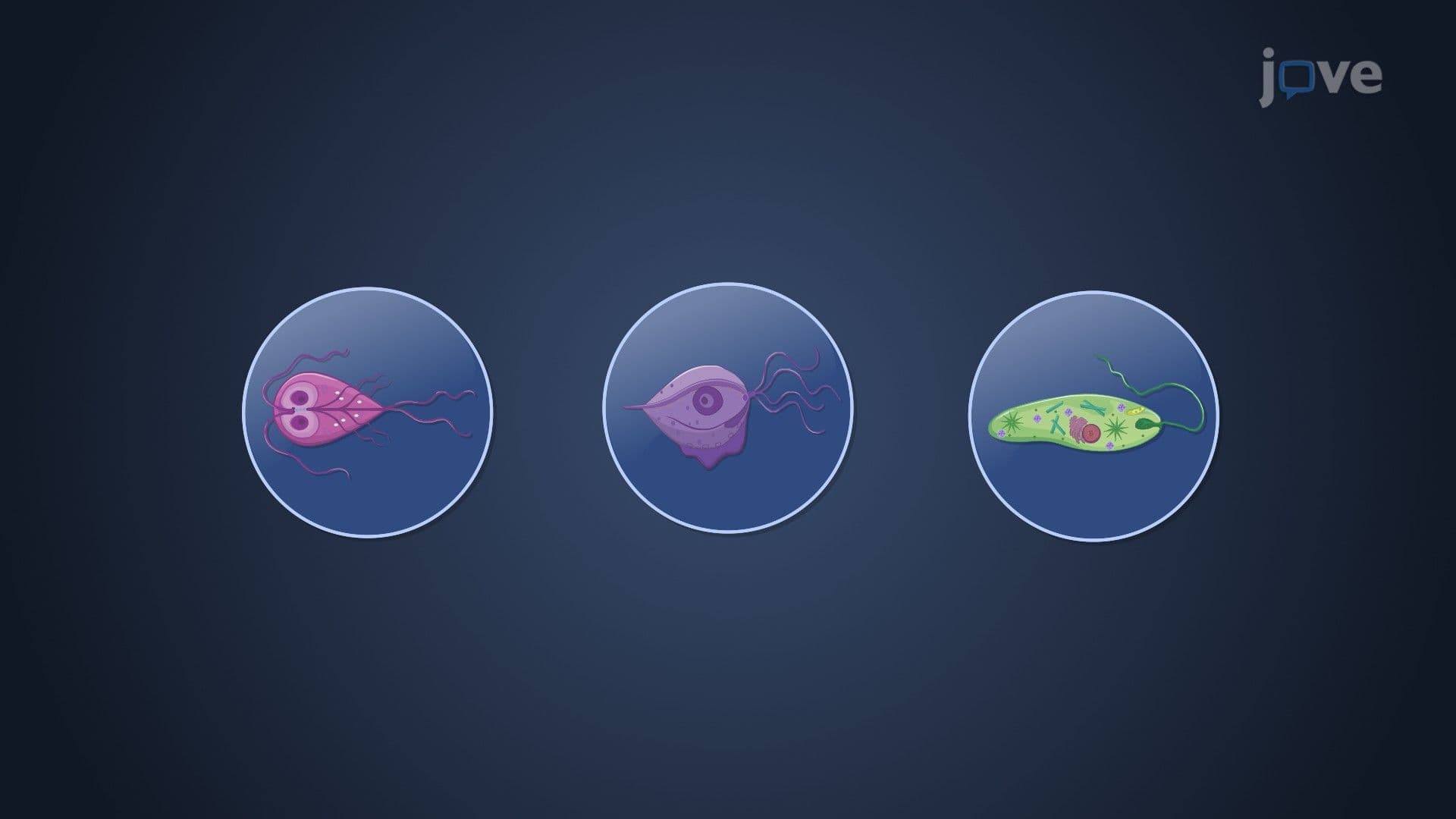
The diversity of protists is so vast that a single drop of pond water can contain hundreds of different species, each with unique survival strategies. This incredible variety includes everything from the Giardia parasites that cause traveler's diarrhea in US hikers to light-harvesting Euglena that can switch between plant-like and animal-like lifestyles. What is Diversity of Protists I explores the fascinating Excavata group, revealing how these microscopic organisms have evolved remarkable cellular adaptations to thrive in diverse environments. Watch the full video on JoVE Coach to master this concept with expert-led visuals and step-by-step explanations.
The diversity of protists represents one of biology's most fascinating puzzles, with the Excavata supergroup serving as a prime example of evolutionary innovation. These single-celled organisms demonstrate remarkable adaptability, having evolved specialized structures and metabolic pathways that allow them to colonize virtually every environment on Earth. From the acidic hot springs of Yellowstone National Park to the human digestive tract, protists showcase nature's creativity in cellular design.
Diplomonads exemplify how protist diversity includes highly specialized parasites that have streamlined their cellular architecture for survival in oxygen-poor environments. *Giardia lamblia*, responsible for approximately 280 million cases of giardiasis worldwide annually, demonstrates perfect adaptation to its niche. These organisms possess two nuclei and have replaced traditional mitochondria with mitosomes-reduced organelles that cannot produce ATP but still perform essential iron-sulfur cluster assembly. This adaptation allows Giardia to thrive in the small intestine, where oxygen levels are minimal. US medical students studying for the USMLE Step 1 frequently encounter Giardia as a classic example of anaerobic metabolism adaptation.
The parabasalid group showcases another dimension of diversity of protists through their unique energy production mechanisms. *Trichomonas vaginalis*, affecting over 3.7 million Americans according to CDC estimates, has evolved hydrogenosomes instead of mitochondria. These specialized organelles generate ATP through fermentation while producing hydrogen gas as a byproduct-a metabolic strategy that proves advantageous in anaerobic environments. The parabasal body, a distinctive cytoskeletal structure, helps coordinate cellular functions and contributes to the organism's motility.
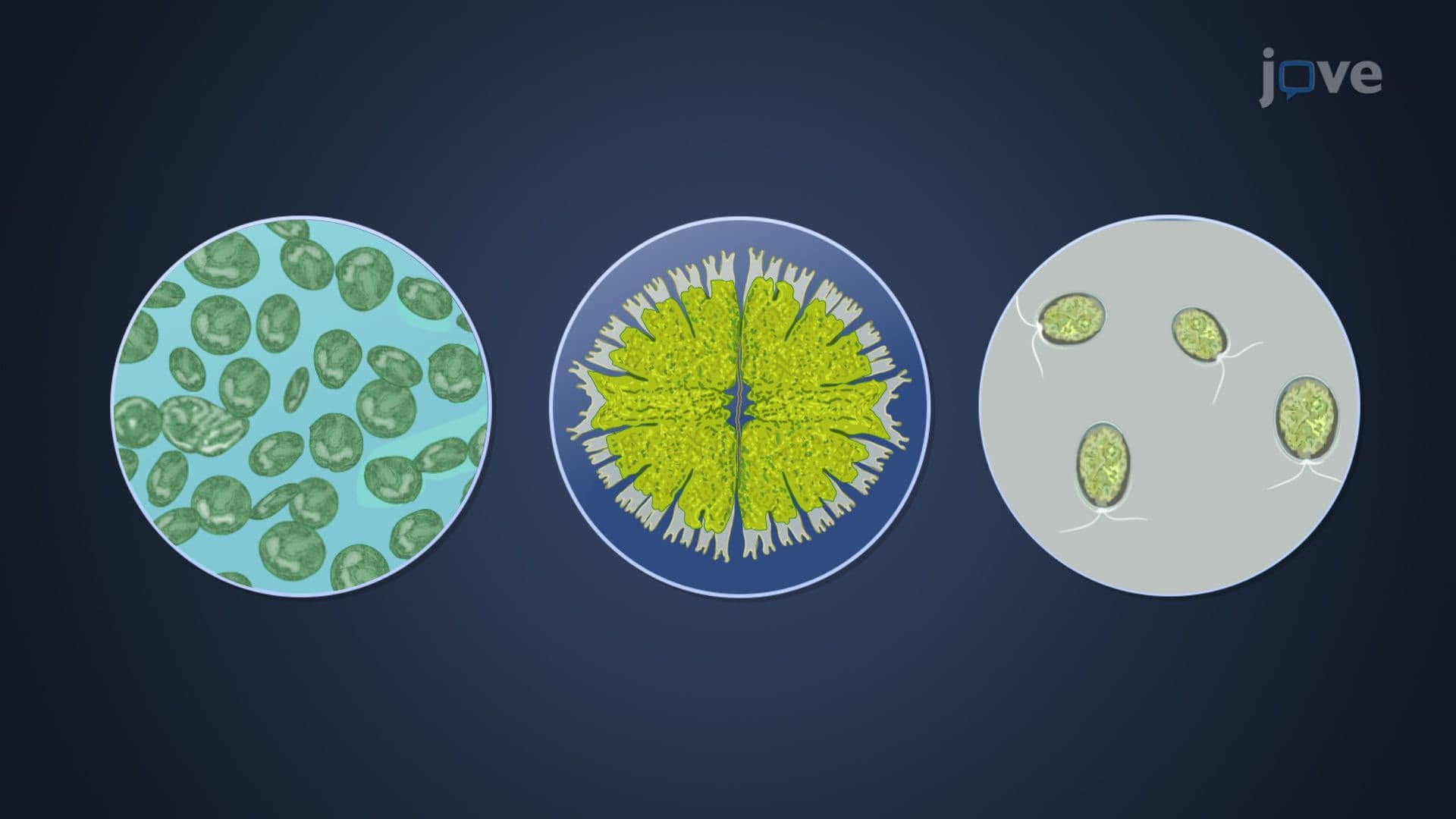
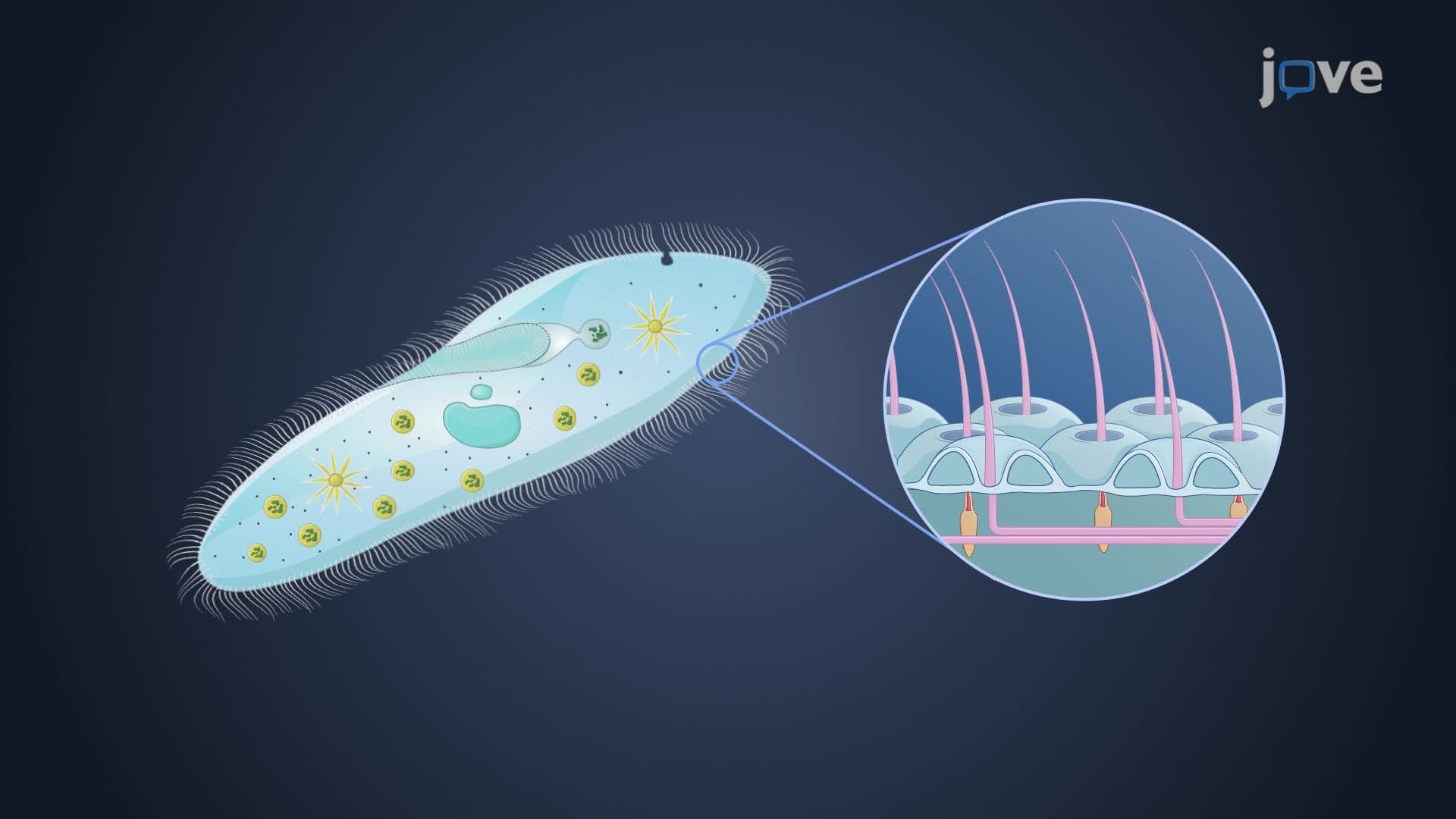
Euglenozoans represent the pinnacle of metabolic diversity among protists, with species like *Euglena gracilis* demonstrating mixotrophy-the ability to switch between autotrophic and heterotrophic lifestyles based on environmental conditions. This flexibility proves crucial in freshwater ecosystems across the United States, from Florida's Everglades to Minnesota's lakes. When light is abundant, Euglena performs photosynthesis like plants; during extended darkness, it can digest organic matter like animals. This dual capability makes euglenozoans excellent model organisms for studying metabolic regulation, frequently appearing in AP Biology curricula and college-level cell biology courses.
Related Micro-courses