Loading subject page…

13,350 views

Video Summary: What Is Diversity of Protists Iii
Did you know that microscopic ocean organisms create shells so intricate they're used in jewelry and building materials? The diversity of protists includes fascinating Rhizaria-single-celled organisms with thread-like extensions that dominate marine ecosystems from California's coastlines to Florida's coral reefs. What is Diversity of Protists III explores these remarkable microorganisms, including foraminiferans whose calcium carbonate shells form limestone deposits across the US Gulf Coast. Watch the full video on JoVE Coach to master this concept with expert-led visuals and step-by-step explanations.
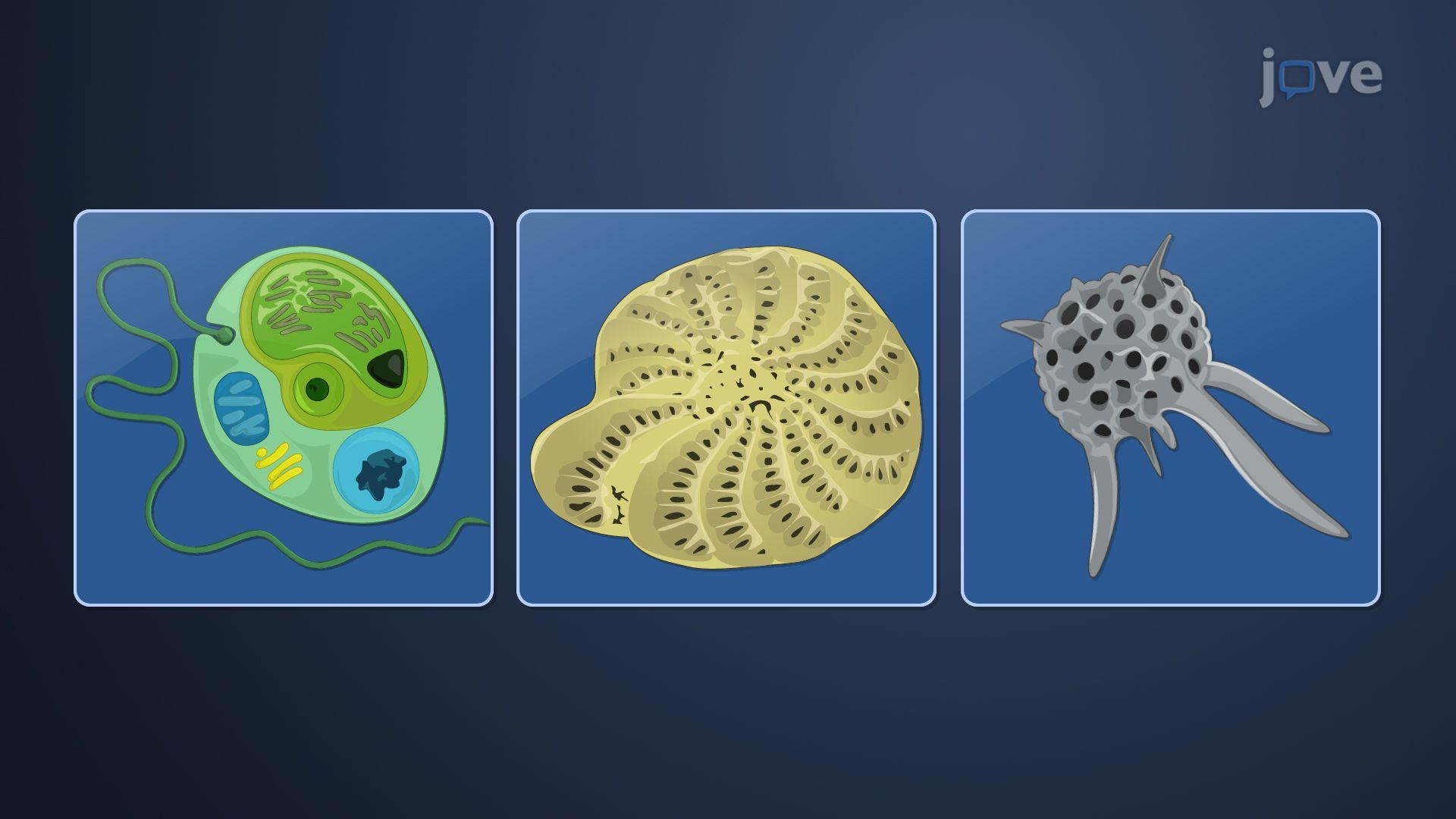
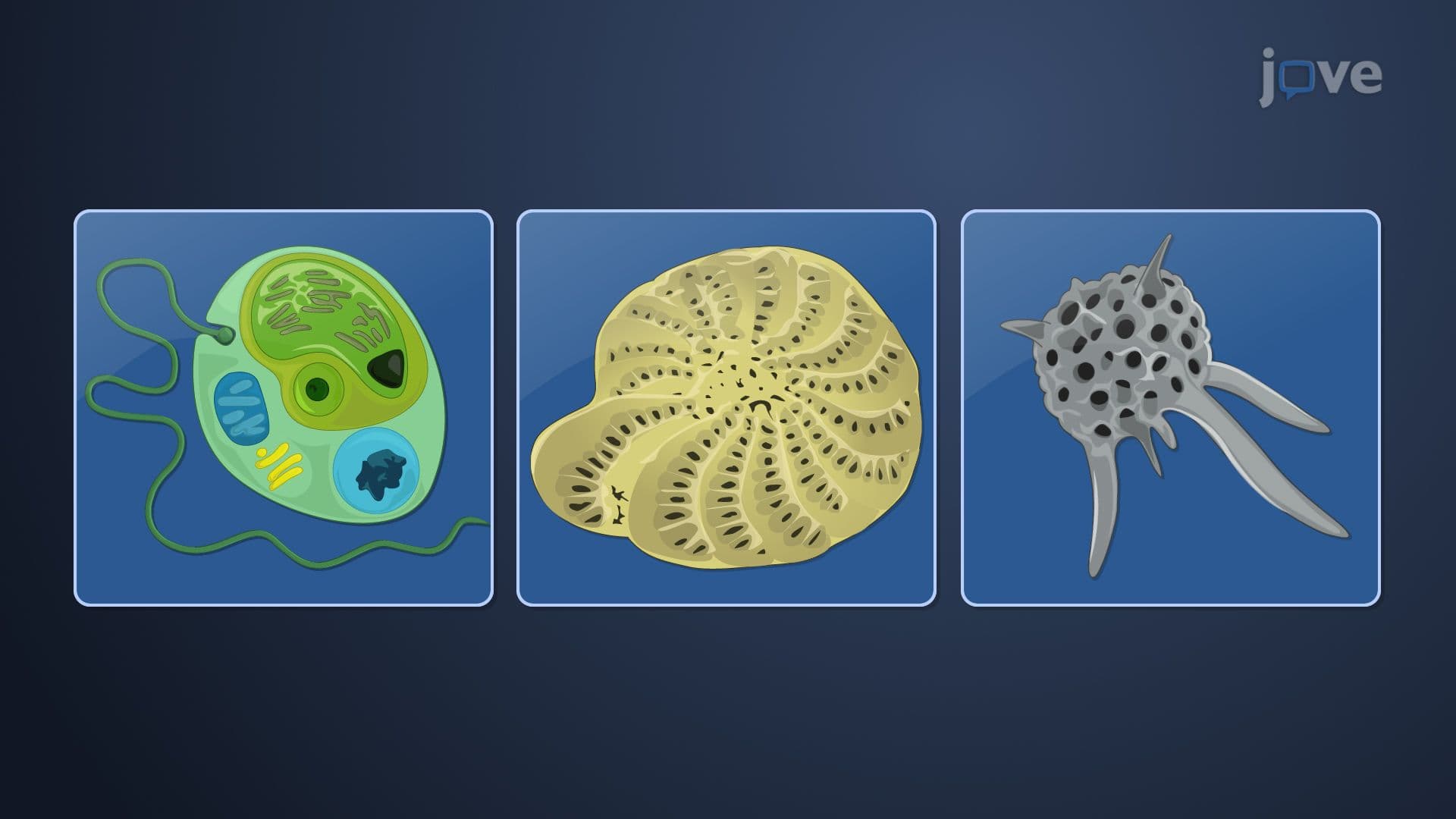
The diversity of protists reaches remarkable complexity within Rhizaria, a supergroup characterized by their distinctive threadlike pseudopodia called filopodia or reticulopodia. Unlike the broad, flowing pseudopodia of amoebas, these structures are thin, branching projections that create intricate networks for feeding and locomotion. This diversity of protists definition explained encompasses three major lineages that have conquered different marine niches through specialized adaptations.
Rhizaria demonstrate how evolutionary innovation drives ecological success. Their threadlike pseudopodia provide increased surface area for nutrient absorption while maintaining structural efficiency-a principle that appears frequently on AP Biology exams when discussing surface area-to-volume ratios in cellular biology.
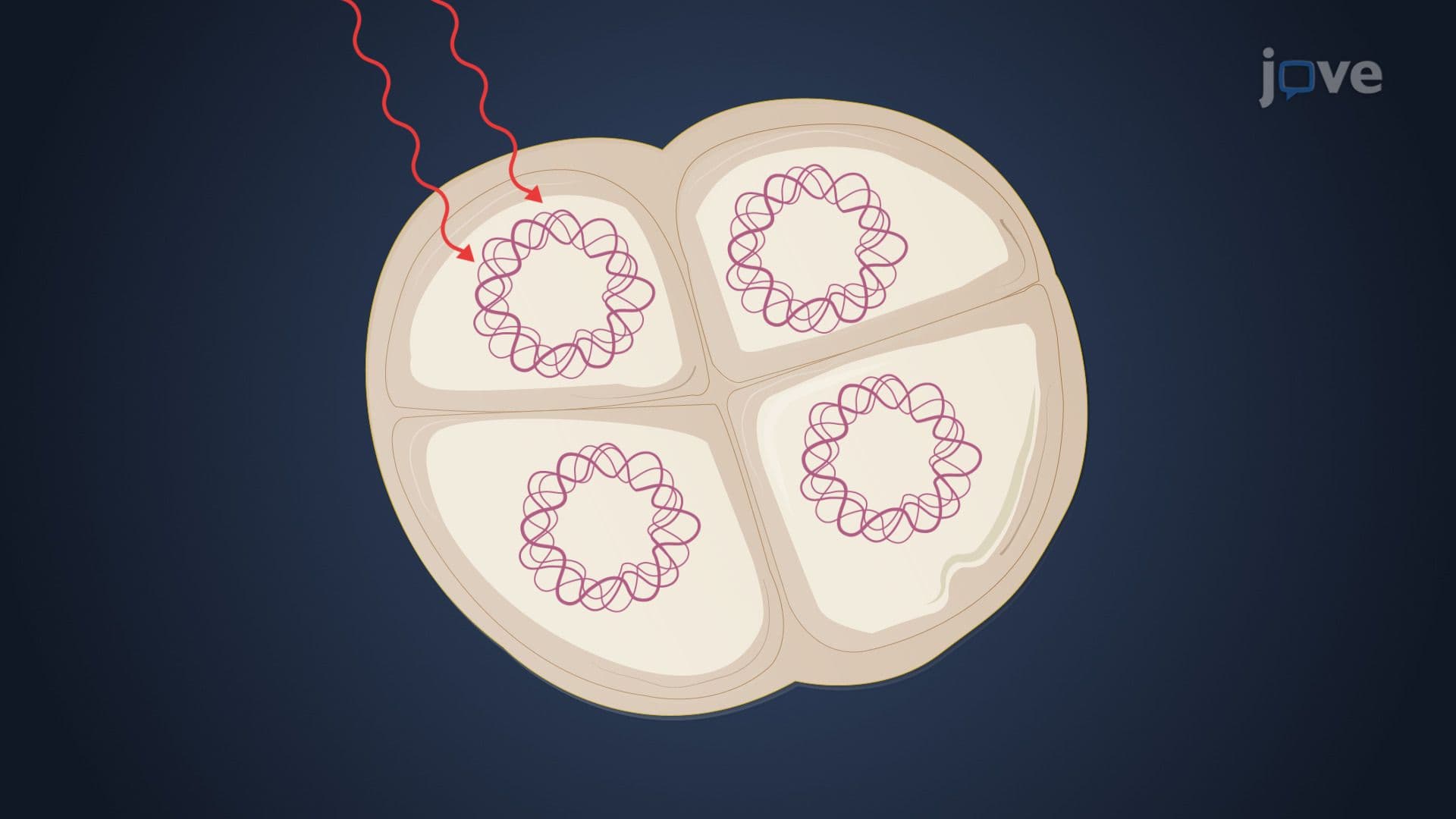
Chlorarachniophyta represent a fascinating example of evolutionary complexity within protist diversity. These organisms acquired their photosynthetic capability through secondary endosymbiosis-essentially, they engulfed another protist that had already engulfed a cyanobacterium. This process created chloroplasts surrounded by four membranes rather than the typical two found in primary endosymbionts.
Students preparing for college-level biology courses should understand this concept thoroughly, as secondary endosymbiosis questions frequently appear on MCAT practice exams. The four-membrane structure provides evidence for the evolutionary history of these organisms, making them living fossils of cellular evolution.
Foraminiferans showcase remarkable diversity in their shell construction and ecological strategies. These marine protists create elaborate tests from calcium carbonate, often incorporating sand grains and other materials. Their shells accumulate on ocean floors, forming limestone deposits that can be observed in formations across the Texas Hill Country and Florida's geology.
Planktonic foraminiferans host endosymbiotic algae, creating a mutualistic relationship where the algae provide nutrients through photosynthesis while receiving protection and inorganic compounds. This relationship exemplifies the interconnectedness of marine ecosystems and frequently appears in college-level ecology coursework.
Radiolarians demonstrate how diversity of protists includes some of nature's most geometrically perfect organisms. Their silica-based tests create intricate patterns that inspired Victorian-era artists and continue to fascinate researchers today. These organisms maintain their position in the upper 100 meters of ocean through specialized adaptations including lipid droplets for buoyancy and large cytoplasmic vacuoles that reduce overall density.
Understanding radiolarian ecology helps students grasp marine food web dynamics-a common topic in AP Environmental Science and introductory oceanography courses at universities like UC San Diego and Woods Hole Oceanographic Institution.
Related Micro-courses