Loading subject page…


13,350 views


Video Summary: What Is Diversity of Protists Iv
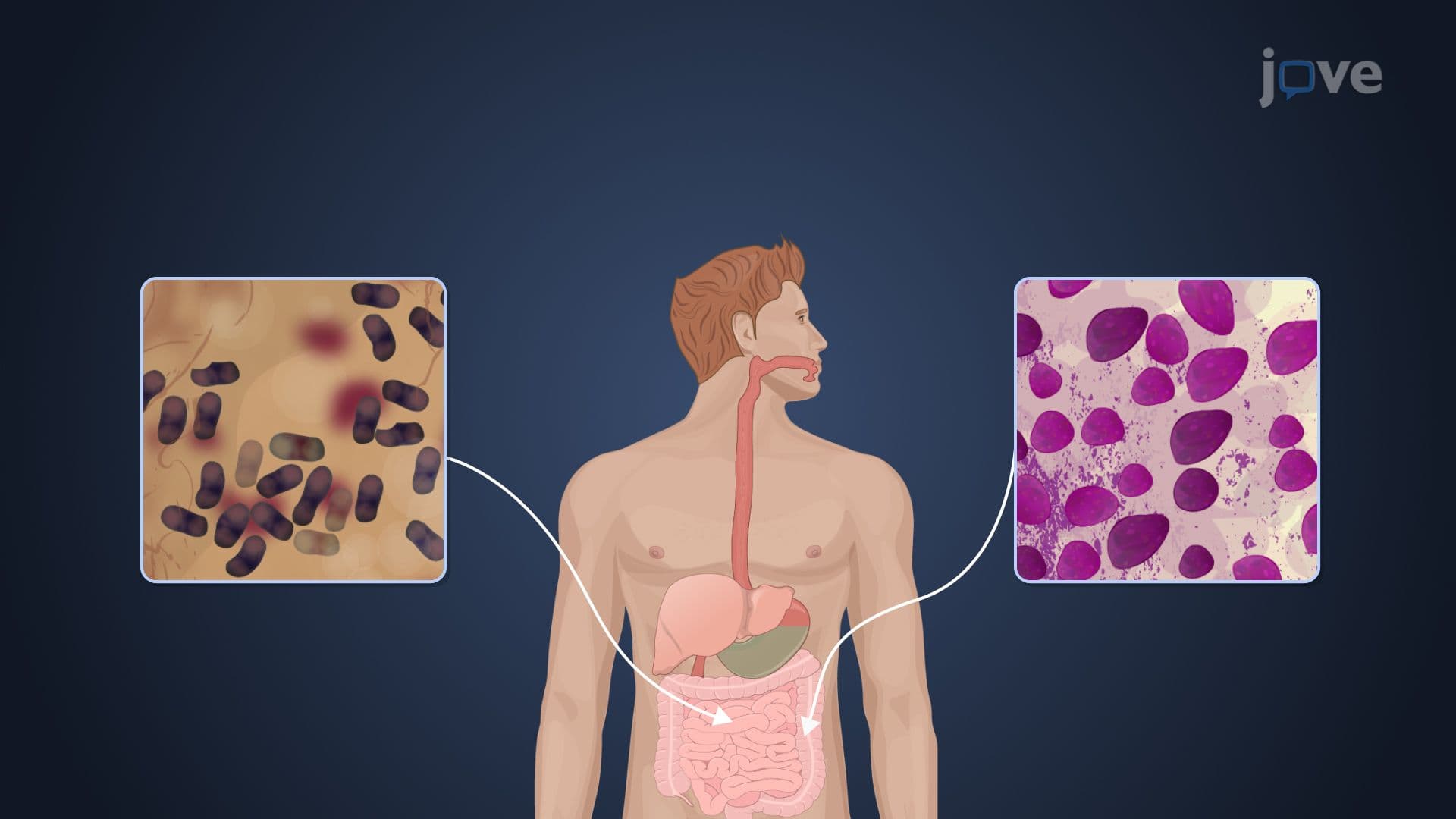
Did you know that the deadly parasite behind "traveler's diarrhea" belongs to the same group as the harmless amoebas you've seen in biology class? The diversity of protists includes fascinating Amoebozoa, characterized by their distinctive lobe-shaped pseudopodia used for movement and feeding. From free-living Amoeba species found in American pond water to the pathogenic Entamoeba histolytica causing amebic dysentery in humans, What is Diversity of Protists IV reveals the remarkable variety within this single protist supergroup. Watch the full video on JoVE Coach to master this concept with expert-led visuals and step-by-step explanations.
What is Diversity of Protists IV centers on Amoebozoa, a fascinating supergroup united by their characteristic lobe-shaped pseudopodia. Unlike the thread-like pseudopodia of other protists, these broad, blunt extensions give Amoebozoa their distinctive flowing movement pattern. This morphological feature reflects their shared evolutionary history and provides the foundation for understanding their remarkable diversity.
Gymnamoebas represent the classic "amoeba" most students encounter in introductory biology courses. Species like Amoeba proteus thrive in freshwater environments across the United States, from Minnesota lakes to Florida everglades. These single-celled organisms play crucial ecological roles as both predators and prey, consuming bacteria and smaller protists while serving as food for larger organisms. For AP Biology students, gymnamoebas provide excellent examples of osmoregulation through contractile vacuoles, a concept frequently tested on exams. Their simple yet effective feeding mechanism-engulfing prey through phagocytosis-demonstrates fundamental cellular processes that appear throughout college-level cell biology courses.
The transition from free-living to parasitic lifestyle marks a critical evolutionary adaptation within Amoebozoa. Entamoeba histolytica, responsible for amebic dysentery, affects millions globally and presents significant public health challenges in the United States, particularly among travelers and immunocompromised individuals. Medical students preparing for the USMLE encounter this pathogen frequently, as it exemplifies how protist diversity impacts human health. The CDC reports thousands of cases annually in the US, making this a relevant example for students studying parasitology and infectious diseases.
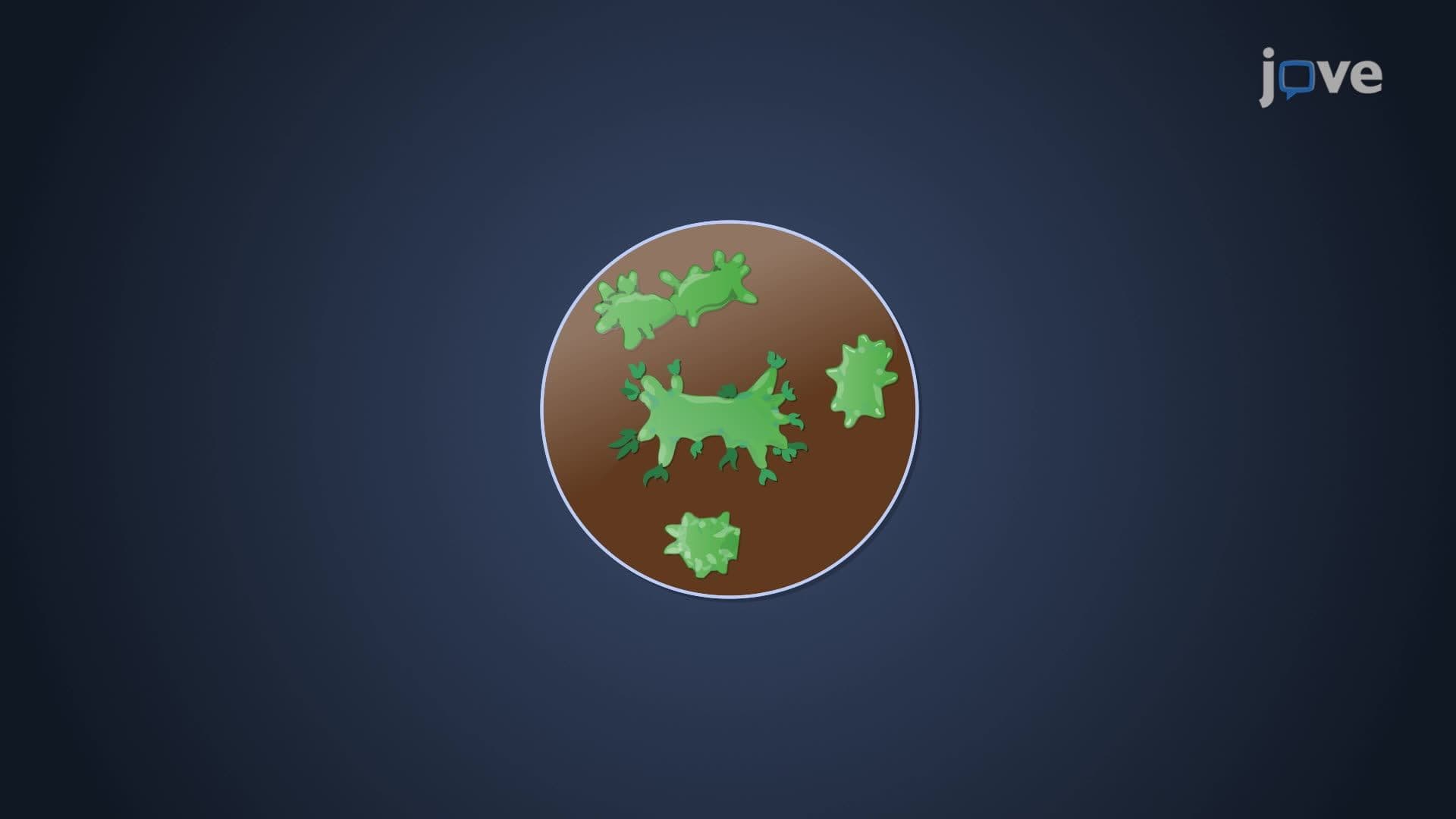
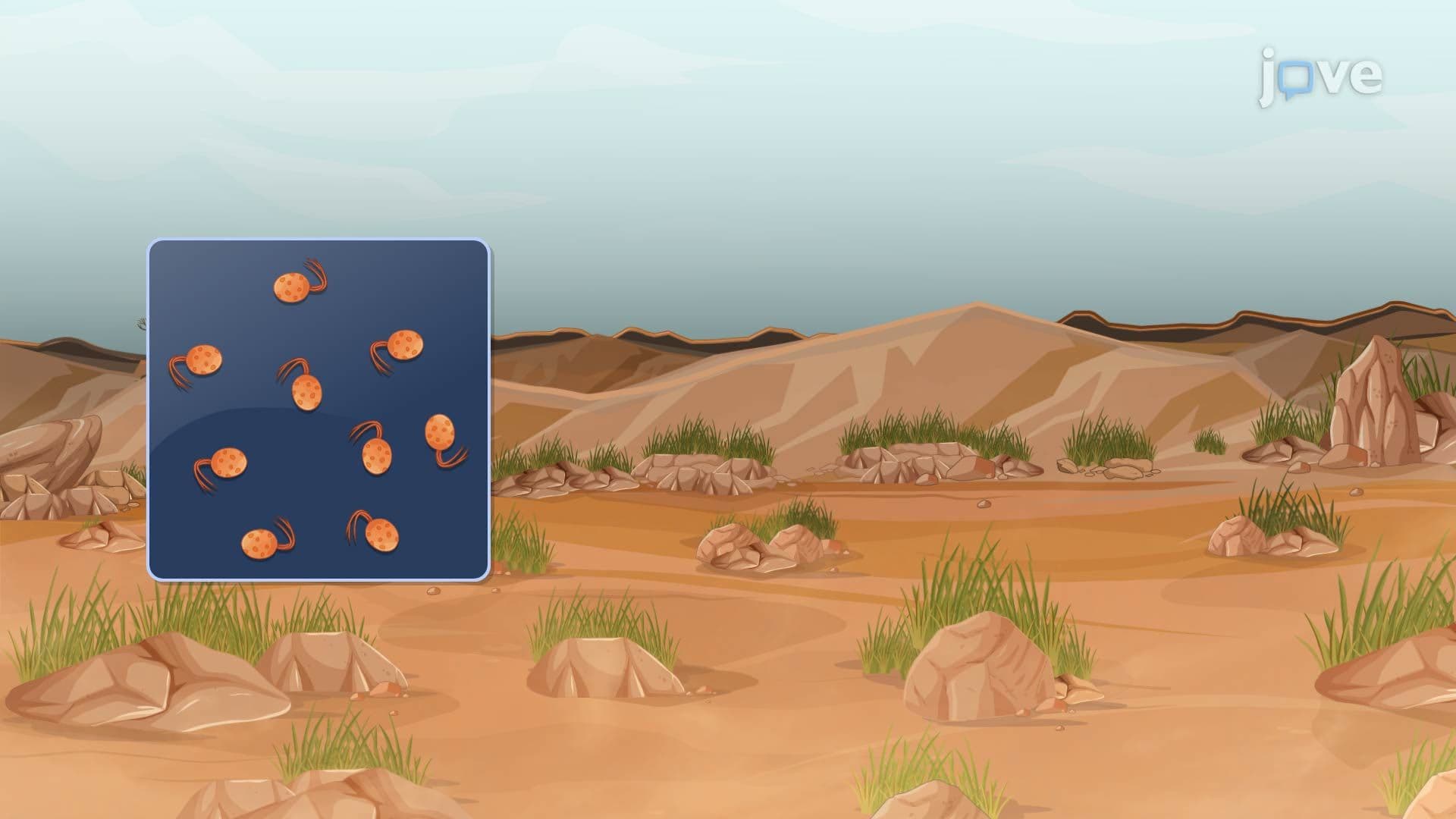
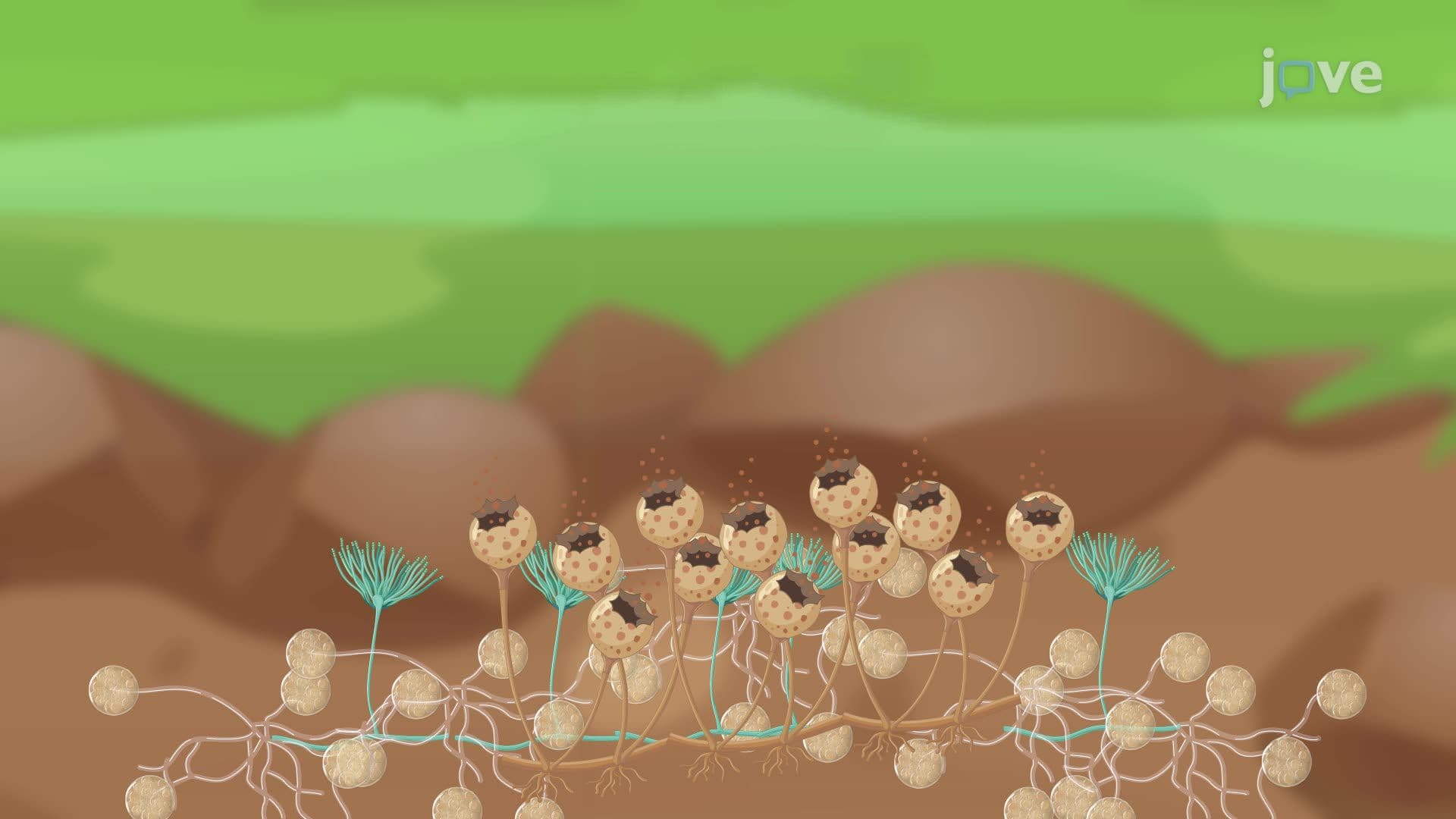
Perhaps the most intriguing members of Amoebozoa are the slime molds, which challenge traditional biological classifications. Plasmodial slime molds like Physarum polycephalum demonstrate complex behaviors despite lacking a nervous system, making them subjects of cutting-edge research at universities like Harvard and MIT. Their life cycle alternates between a motile plasmodium stage and spore-producing fruiting bodies, concepts that appear regularly on college biology midterms. Cellular slime molds such as Dictyostelium discoideum serve as model organisms in developmental biology research, illustrating how individual cells can coordinate to form multicellular structures-a phenomenon students explore in advanced biology courses.
Related Micro-courses