Loading subject page…

13,352 views

Video Summary: What Is Fungal Group Zygomycota
Ever wonder why bread gets moldy so quickly in humid conditions? The fungal group Zygomycota includes common molds like black bread mold (*Rhizopus stolonifer*) that rapidly colonize carbohydrate-rich foods in American kitchens. These terrestrial fungi are essential decomposers with unique coenocytic hyphae that allow efficient nutrient transport throughout their structure. Watch the full video on JoVE Coach to master this concept with expert-led visuals and step-by-step explanations.
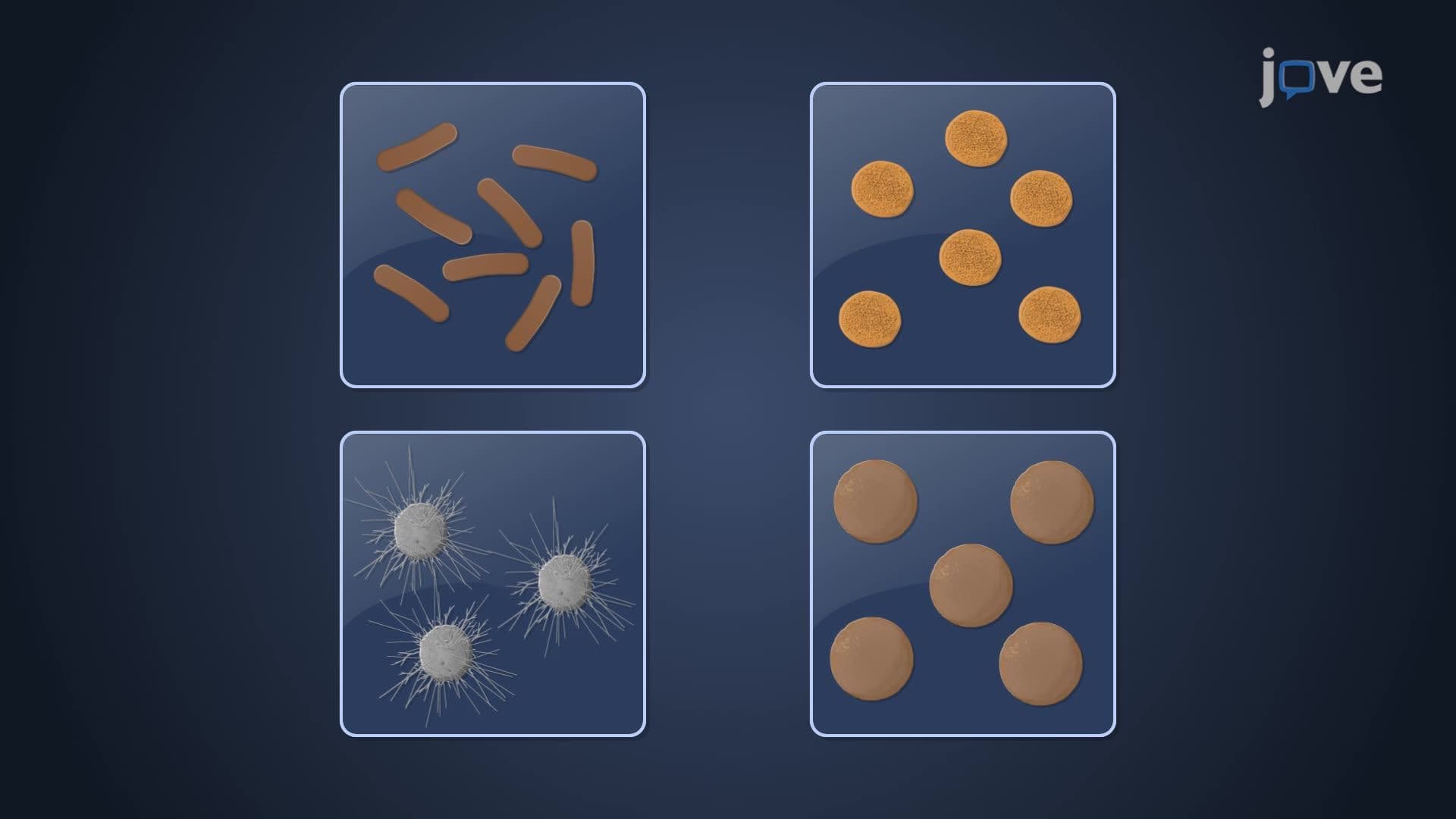
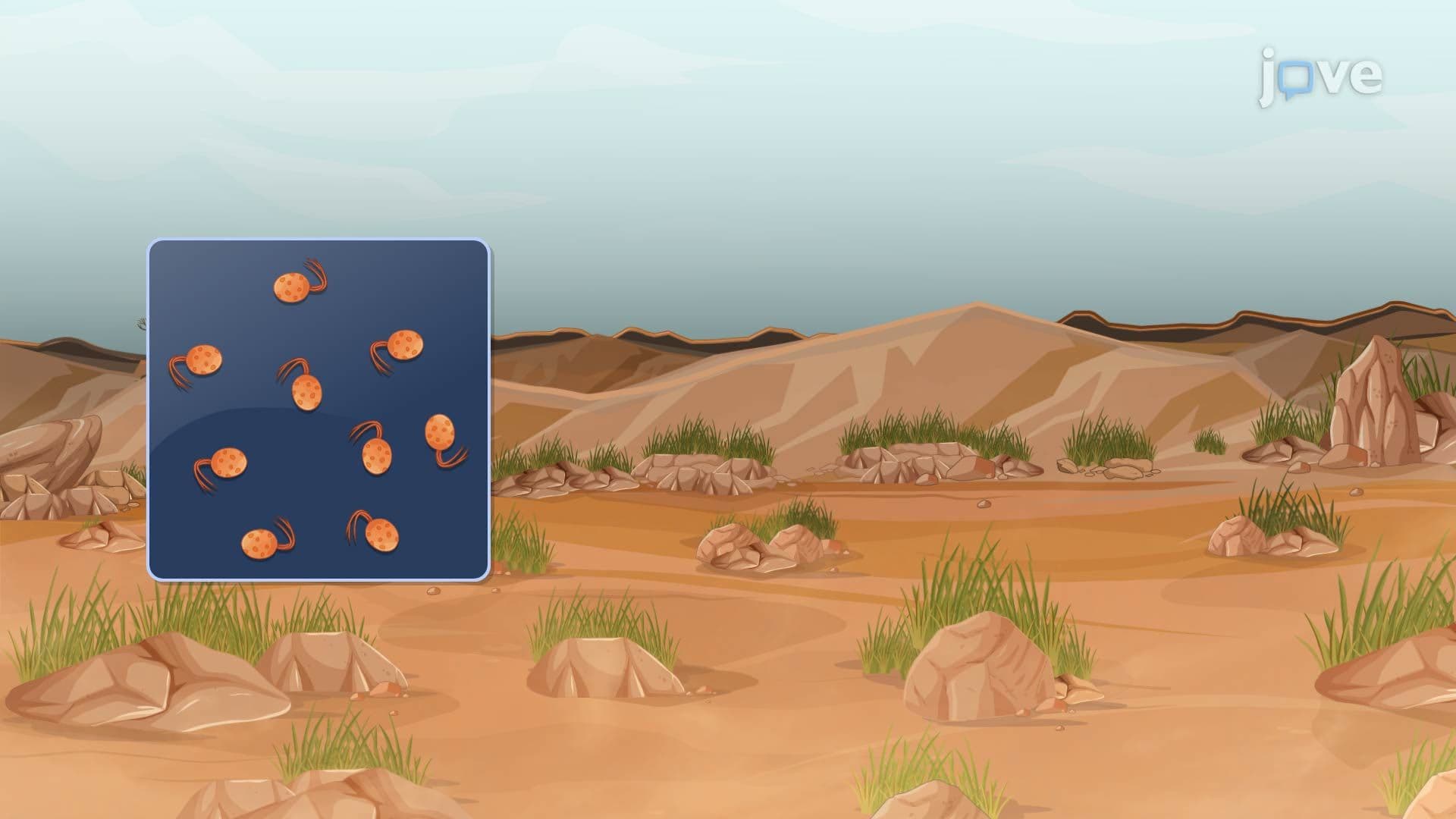
The fungal group Zygomycota represents a diverse assemblage of terrestrial fungi that play crucial ecological roles as decomposers in ecosystems across the United States. Modern phylogenetic analysis has revealed that traditional Zygomycota actually comprises two distinct evolutionary lineages: Mucoromycota and Zoopagomycota. This reclassification reflects our improved understanding of fungal evolution and has important implications for students studying mycology in AP Biology or college-level courses.
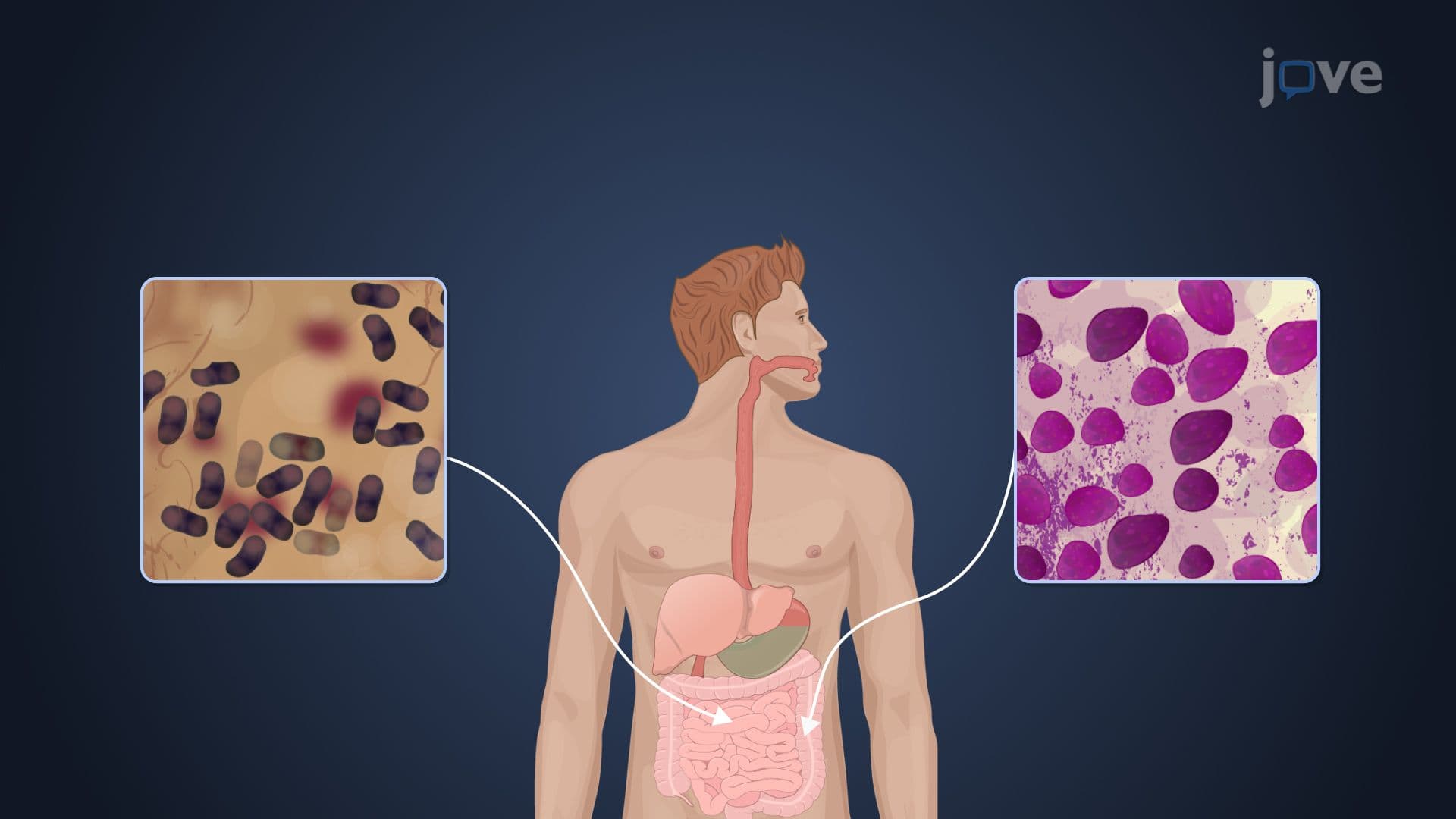
Mucoromycota includes many familiar saprophytic species and some that form beneficial symbiotic relationships with plants. In contrast, Zoopagomycota consists primarily of parasitic and pathogenic fungi that target other organisms. This distinction is particularly relevant for pre-med students preparing for the MCAT, as understanding fungal pathogenesis patterns helps in clinical microbiology contexts.
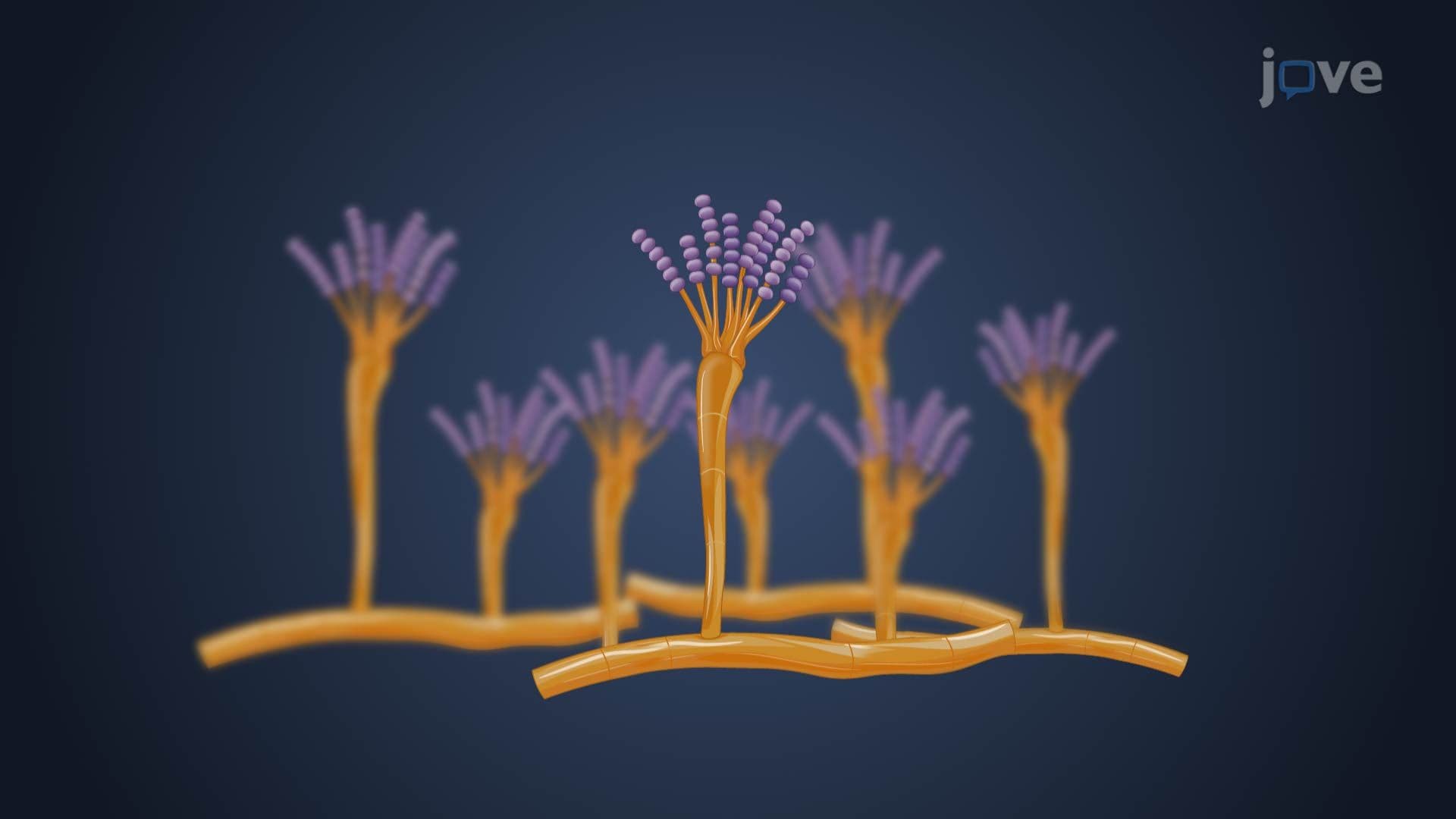
The defining structural feature of Zygomycota is their coenocytic hyphae-multinucleate filaments lacking the cross-walls (septa) found in other fungal groups. This architectural adaptation creates a continuous cytoplasmic network that facilitates rapid and efficient nutrient distribution throughout the organism. For students tackling college biology exams, this concept frequently appears in questions comparing fungal structural diversity.
This coenocytic organization provides significant competitive advantages in nutrient-rich environments. When *Rhizopus stolonifer* colonizes a slice of bread in a typical American household, its coenocytic hyphae can quickly mobilize resources from areas of high nutrient availability to support growth in new territories, explaining the rapid spread of bread mold.
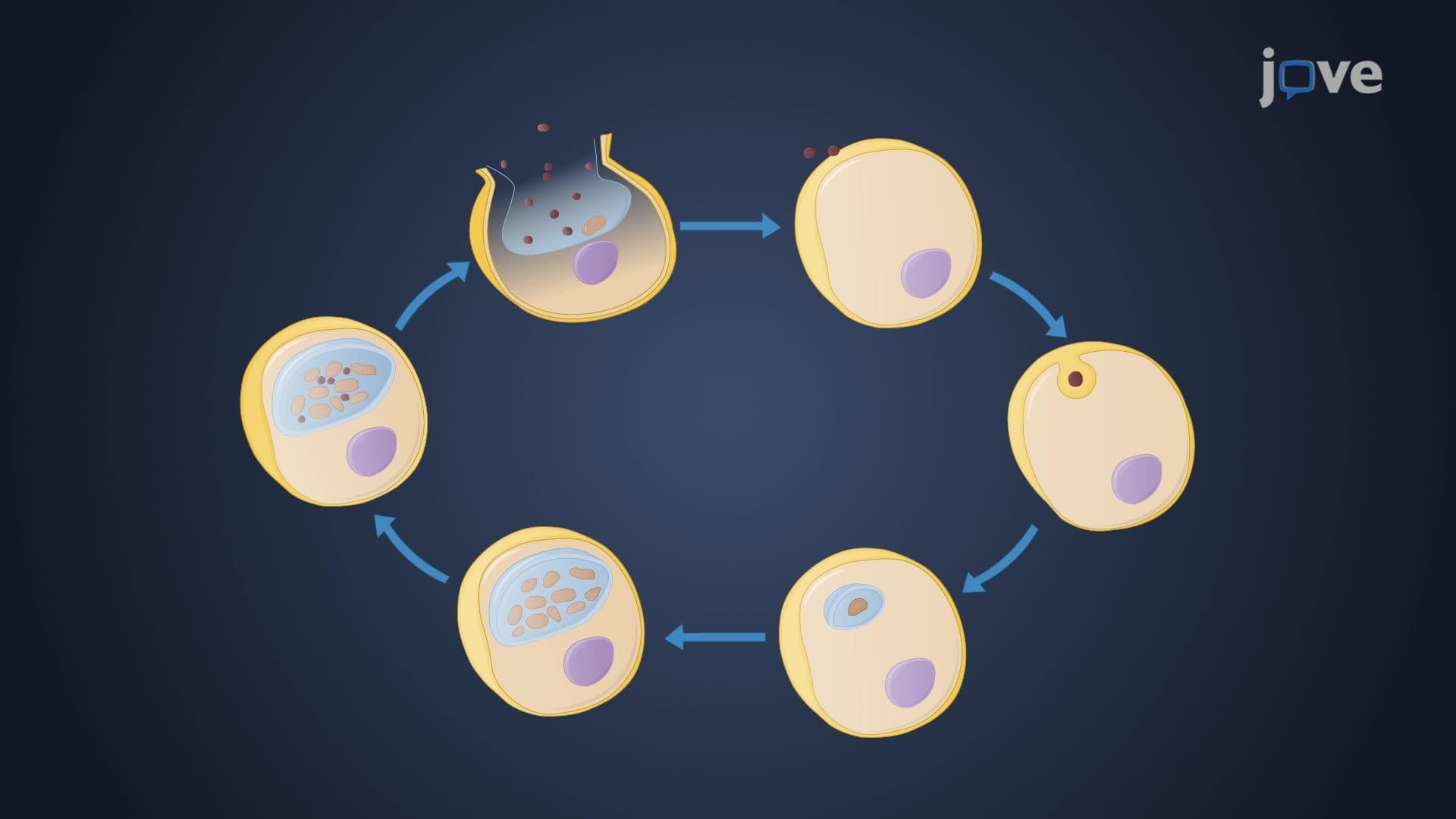
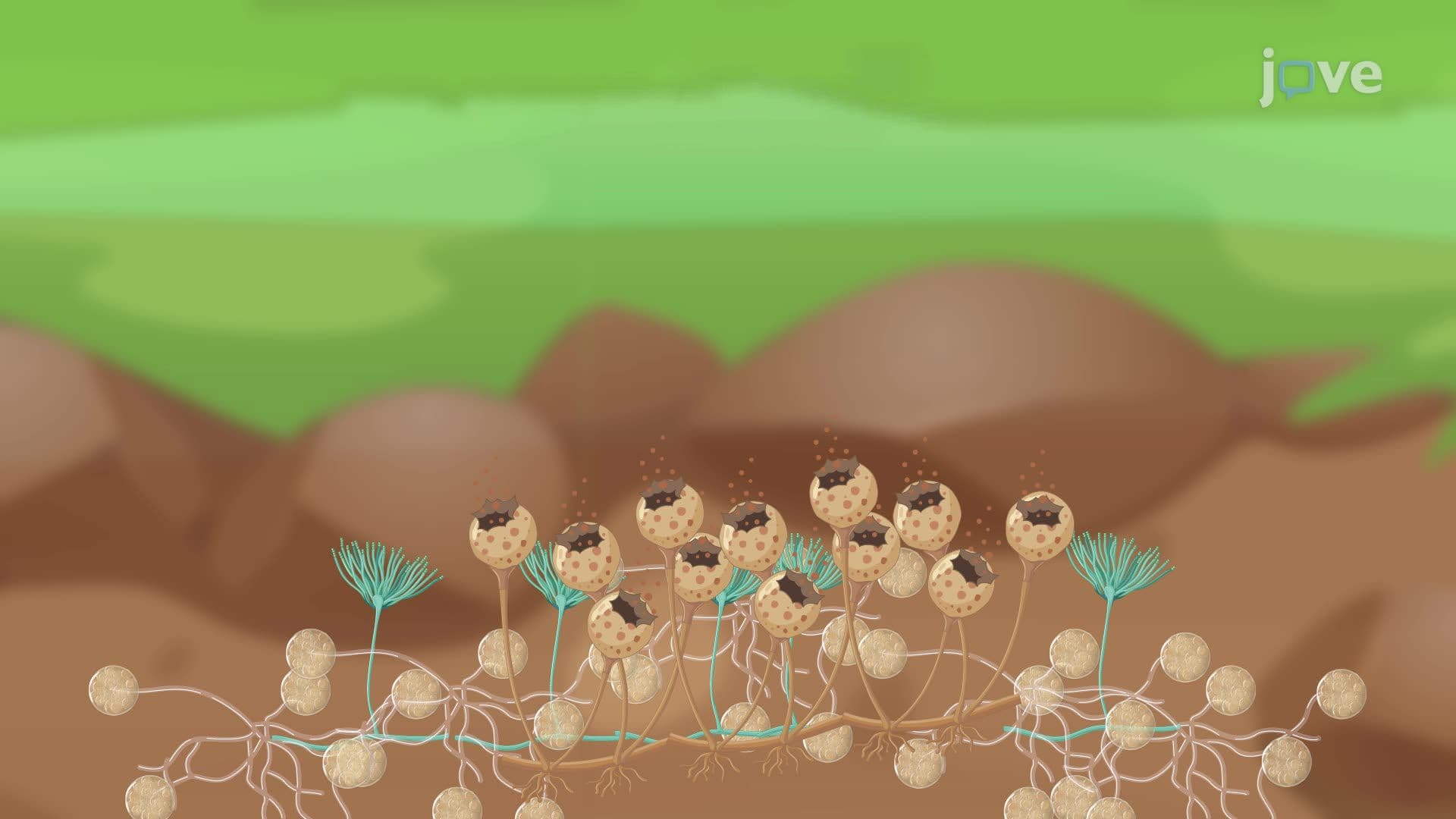
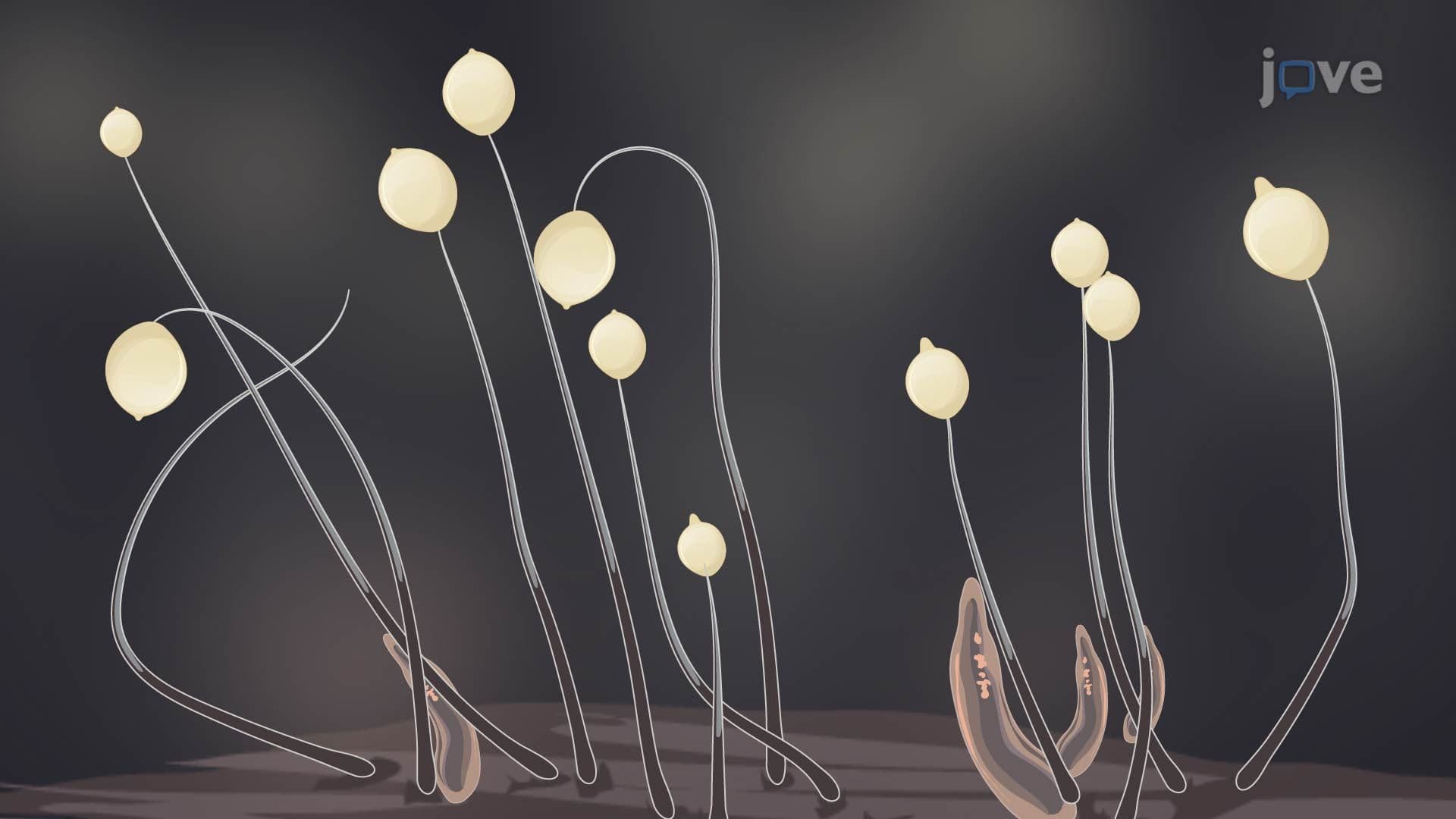
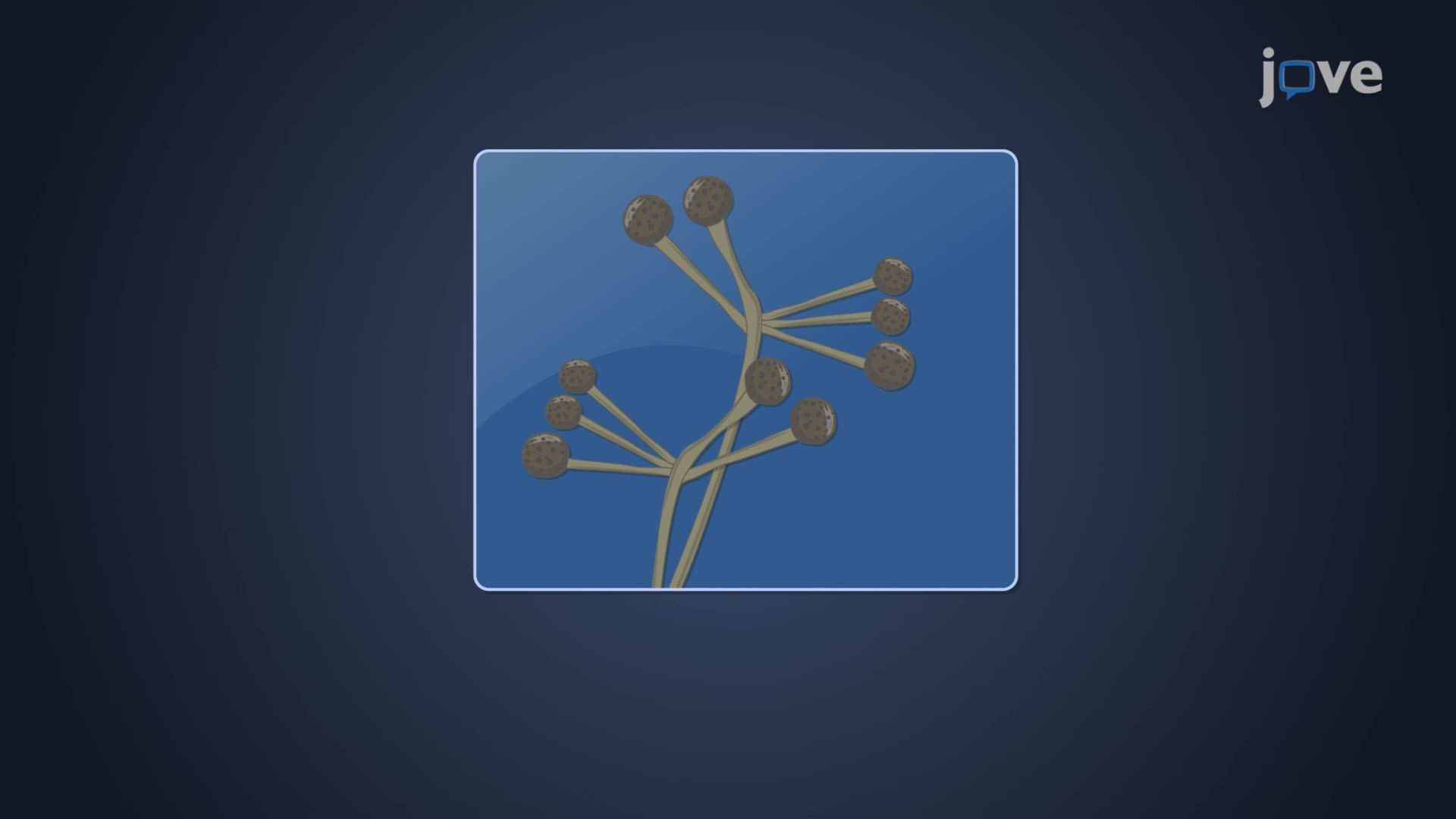
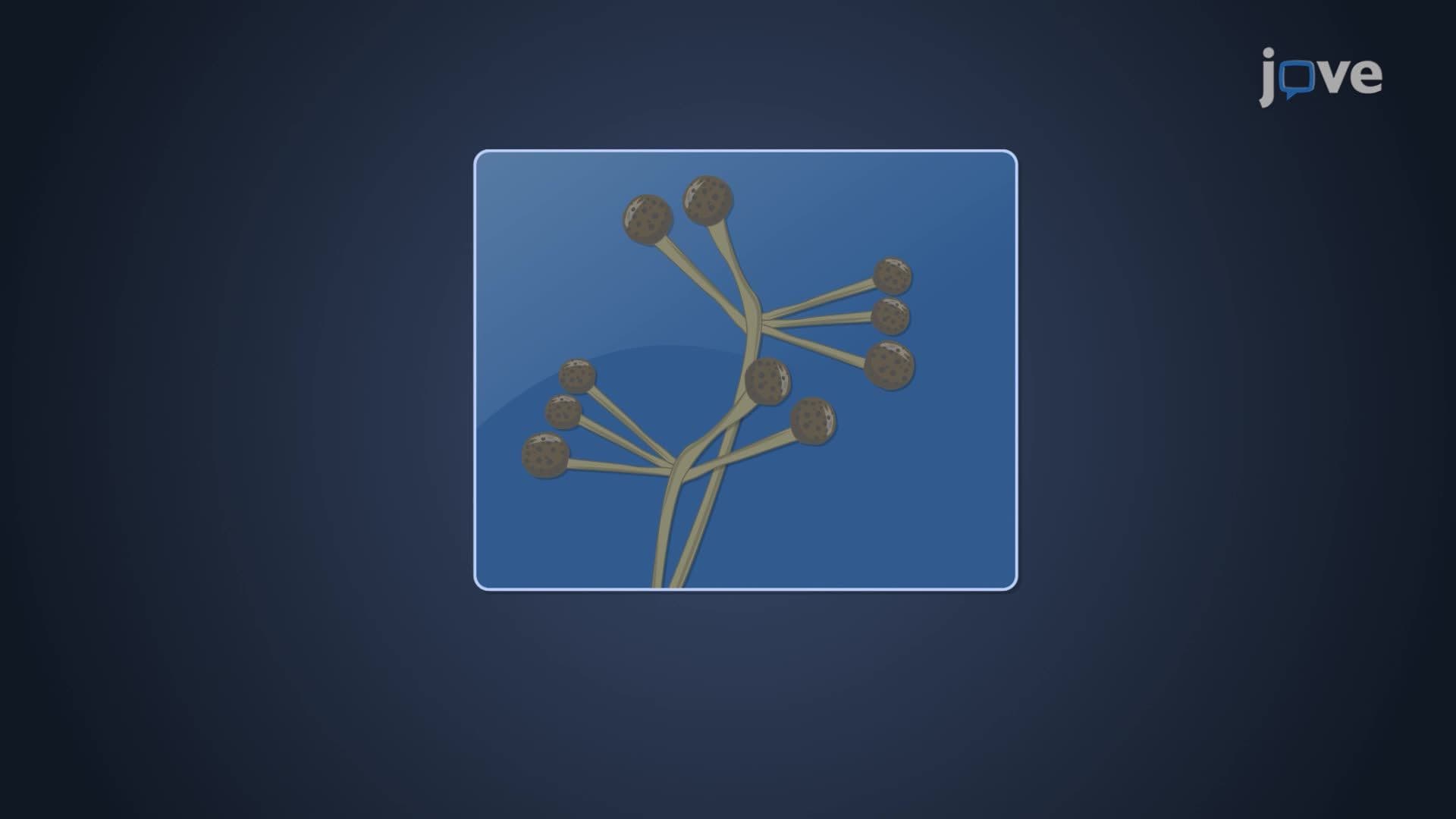
Zygomycota employs both asexual and sexual reproductive strategies, enhancing their ecological success. Asexual reproduction occurs through sporangiospores-spores produced within specialized sac-like structures called sporangia. When environmental conditions are favorable, these sporangia rupture to release thousands of spores that can germinate on suitable substrates.
Sexual reproduction involves the formation of zygosporangium through the fusion of compatible hyphal strains. This thick-walled structure can survive harsh environmental conditions, making it particularly important for species in temperate climates like those found across the continental United States. The resulting zygospore undergoes meiosis when conditions improve, producing genetically diverse offspring that enhance population survival-a concept frequently tested in AP Biology free-response questions about fungal life cycles.
Many Zygomycota species have significant economic impact in the United States. While *Rhizopus stolonifer* causes substantial food spoilage losses in American agriculture and food service industries, other species like *Rhizopus oligosporus* are commercially valuable for producing fermented foods such as tempeh. Additionally, certain *Mucor* and *Rhizopus* species are recognized as opportunistic pathogens, particularly relevant for nursing students studying for NCLEX examinations and medical students preparing for USMLE Step 1.
Related Micro-courses