Loading subject page…

13,350 views
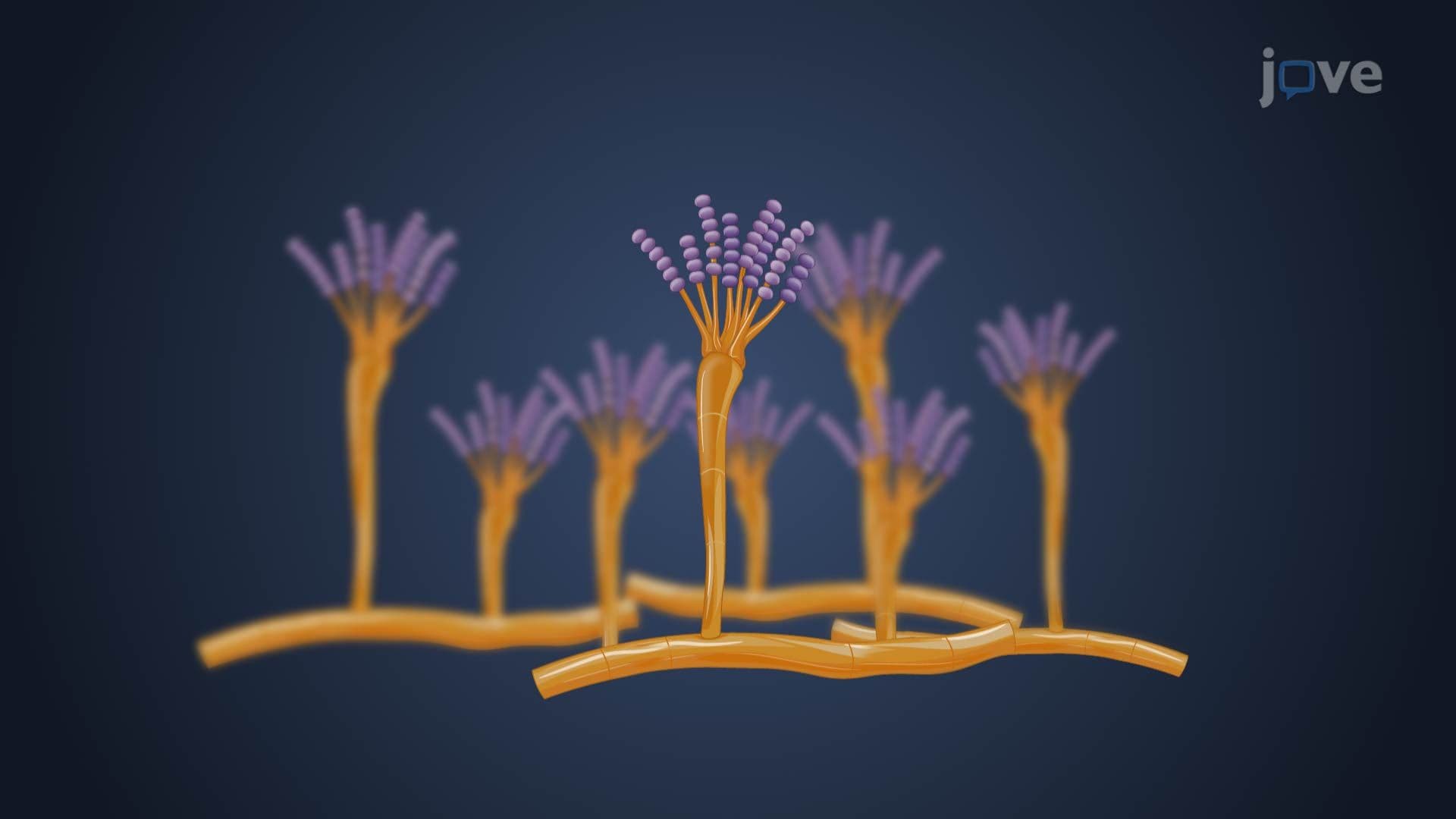

Video Summary: What Is Fungal Phylum Ascomycota
Did you know that the baker's yeast in your kitchen bread belongs to the same fungal phylum ascomycota as the expensive truffles served in high-end restaurants? This diverse group, representing the largest phylum of fungi, includes everything from Saccharomyces cerevisiae used in American breweries to Candida albicans causing hospital infections. Understanding what is fungal phylum ascomycota reveals how these "sac fungi" reproduce through unique ascus structures and play crucial roles as decomposers, pathogens, and industrial organisms. Watch the full video on JoVE Coach to master this concept with expert-led visuals and step-by-step explanations.
Fungal phylum ascomycota, commonly known as sac fungi, represents the largest phylum within the fungal kingdom, encompassing over 64,000 described species. These organisms belong to the subkingdom Dikarya and are distinguished by their unique reproductive structure called the ascus-a sac-like compartment where sexual spores (ascospores) develop. This defining characteristic separates ascomycetes from other major fungal groups and provides the foundation for their taxonomic classification used in AP Biology and college mycology courses.
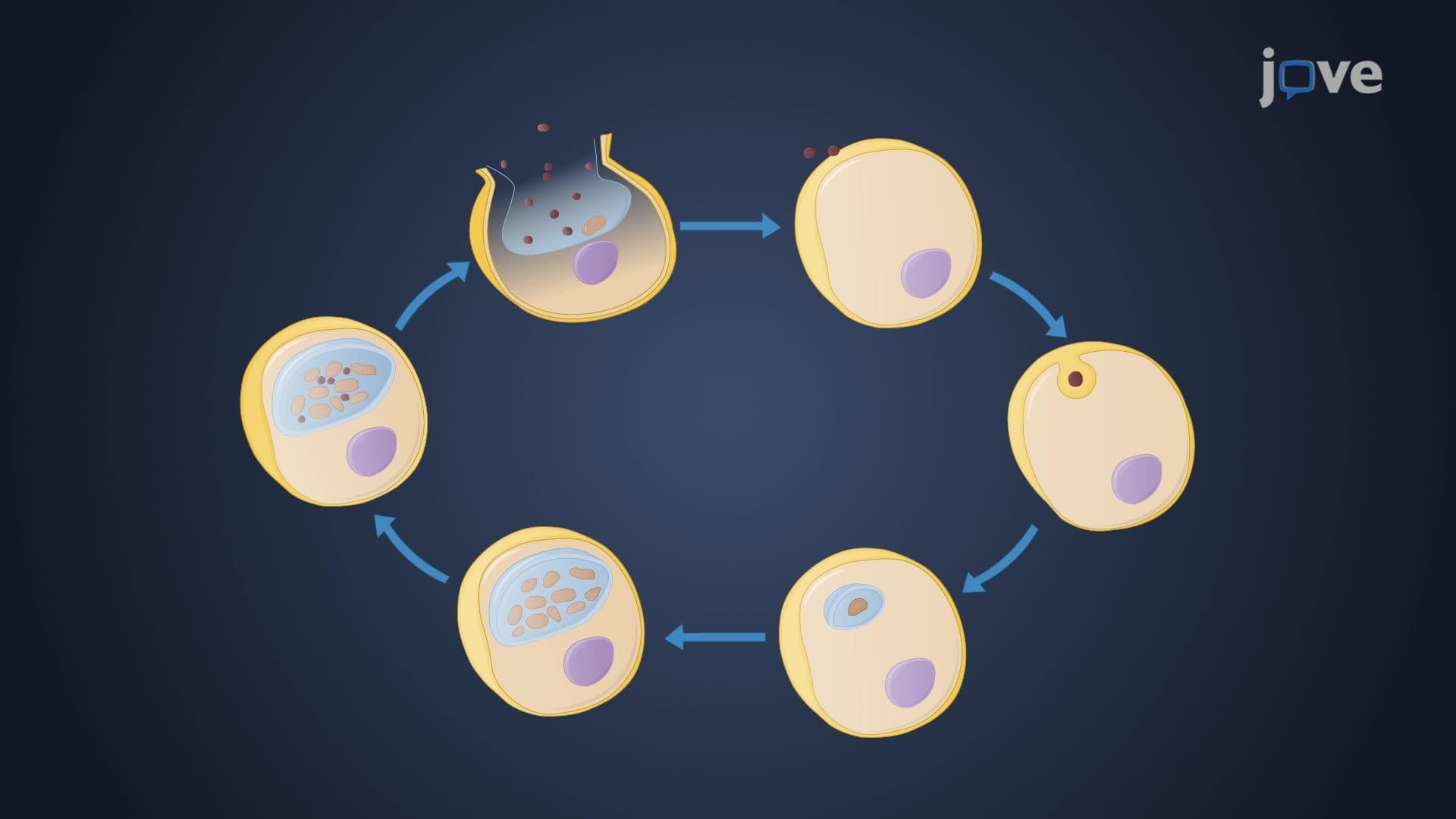
The reproductive versatility of ascomycetes contributes significantly to their evolutionary success. Sexual reproduction begins with hyphal fusion between compatible mating types, leading to the formation of dikaryotic cells containing two nuclei. These nuclei eventually fuse to form diploid cells within the ascus, where meiosis produces four to eight haploid ascospores. This process, frequently tested on MCAT biology sections, demonstrates classical Mendelian genetics principles in fungal systems.
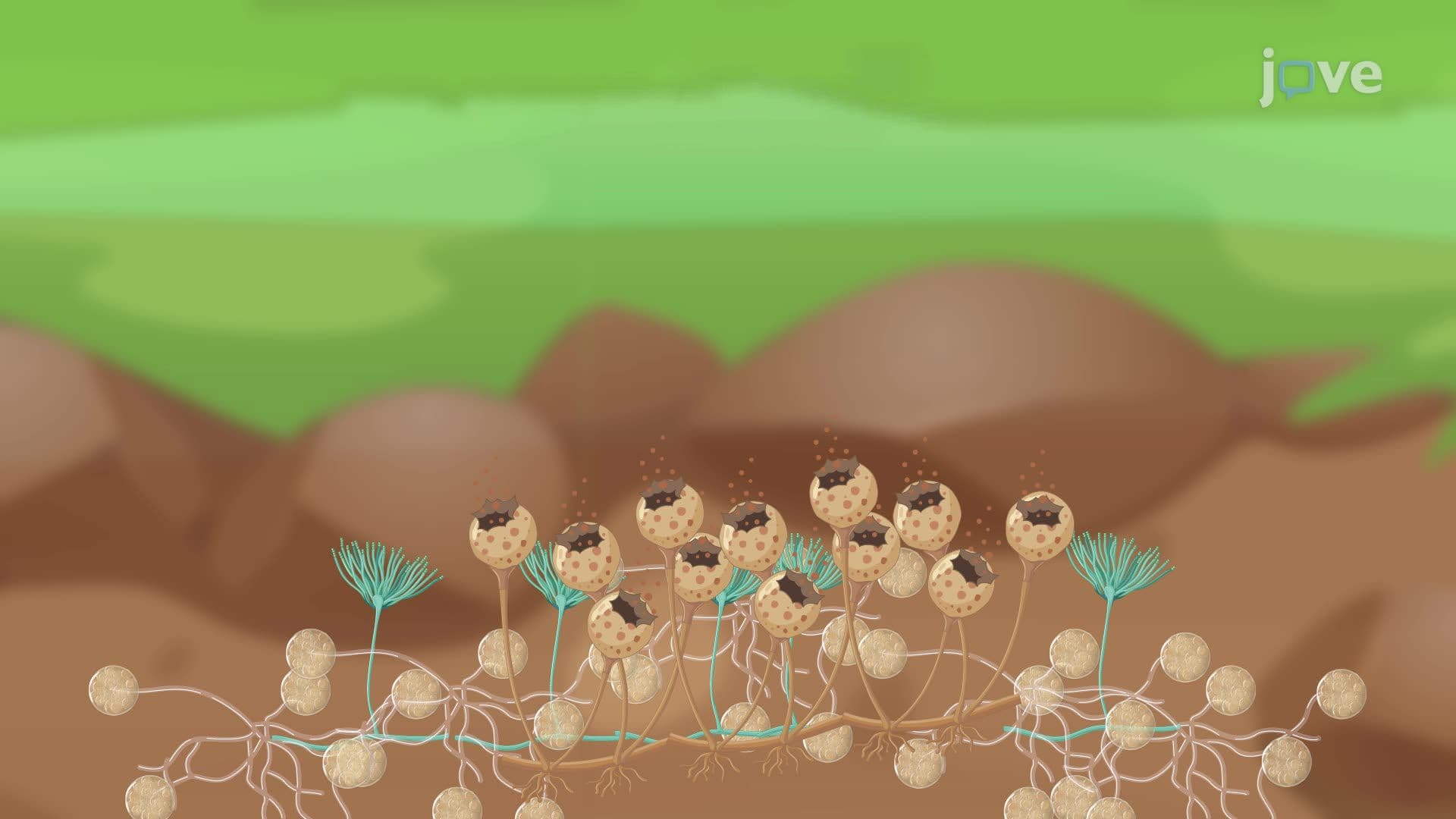
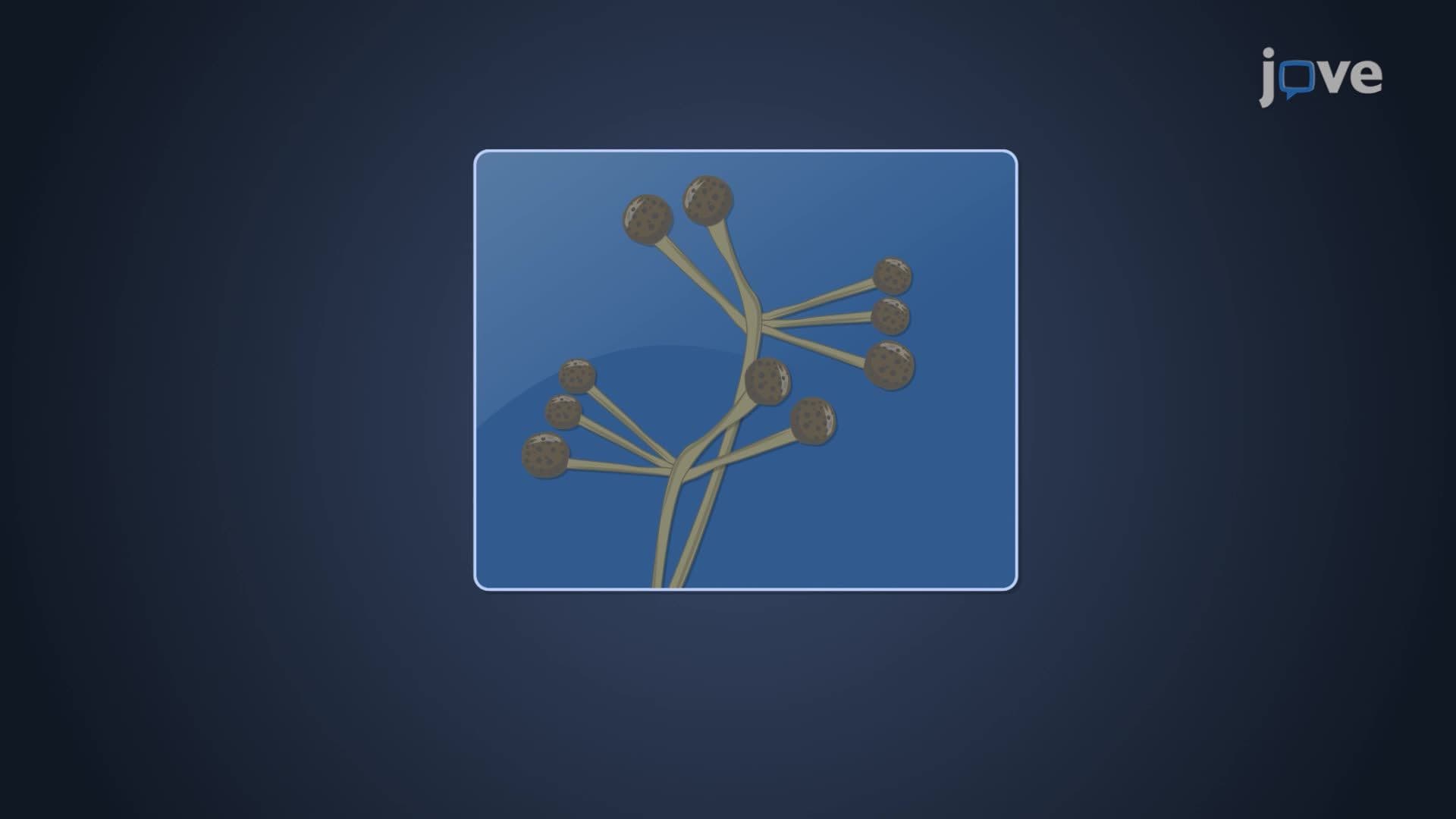
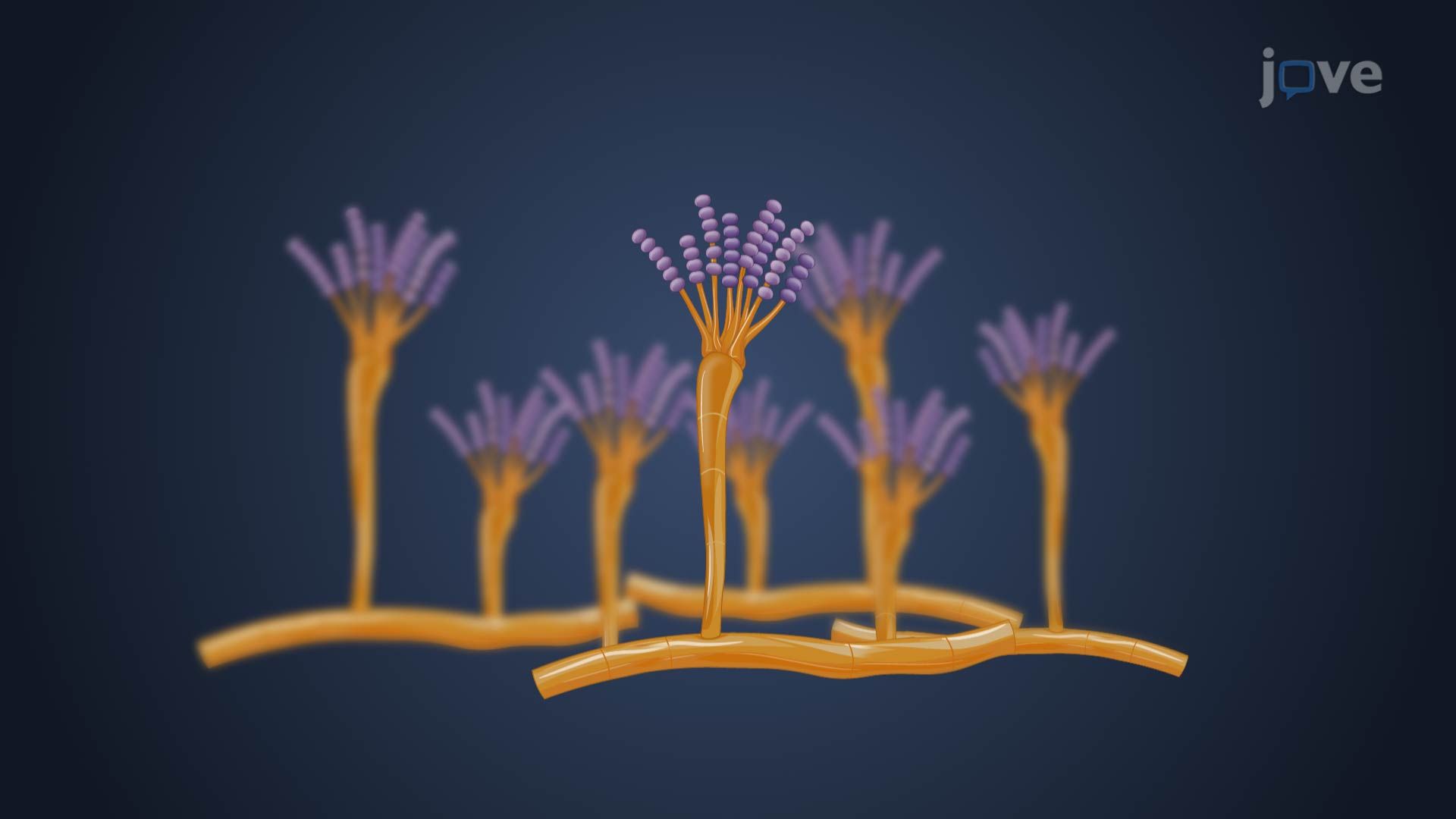
Asexual reproduction occurs through conidia-specialized spores produced at the tips of branching structures called conidiophores. This strategy allows rapid colonization of suitable environments, explaining why bread molds can appear seemingly overnight in American households. The dual reproductive capability provides ascomycetes with both genetic diversity through sexual reproduction and rapid proliferation through asexual means.
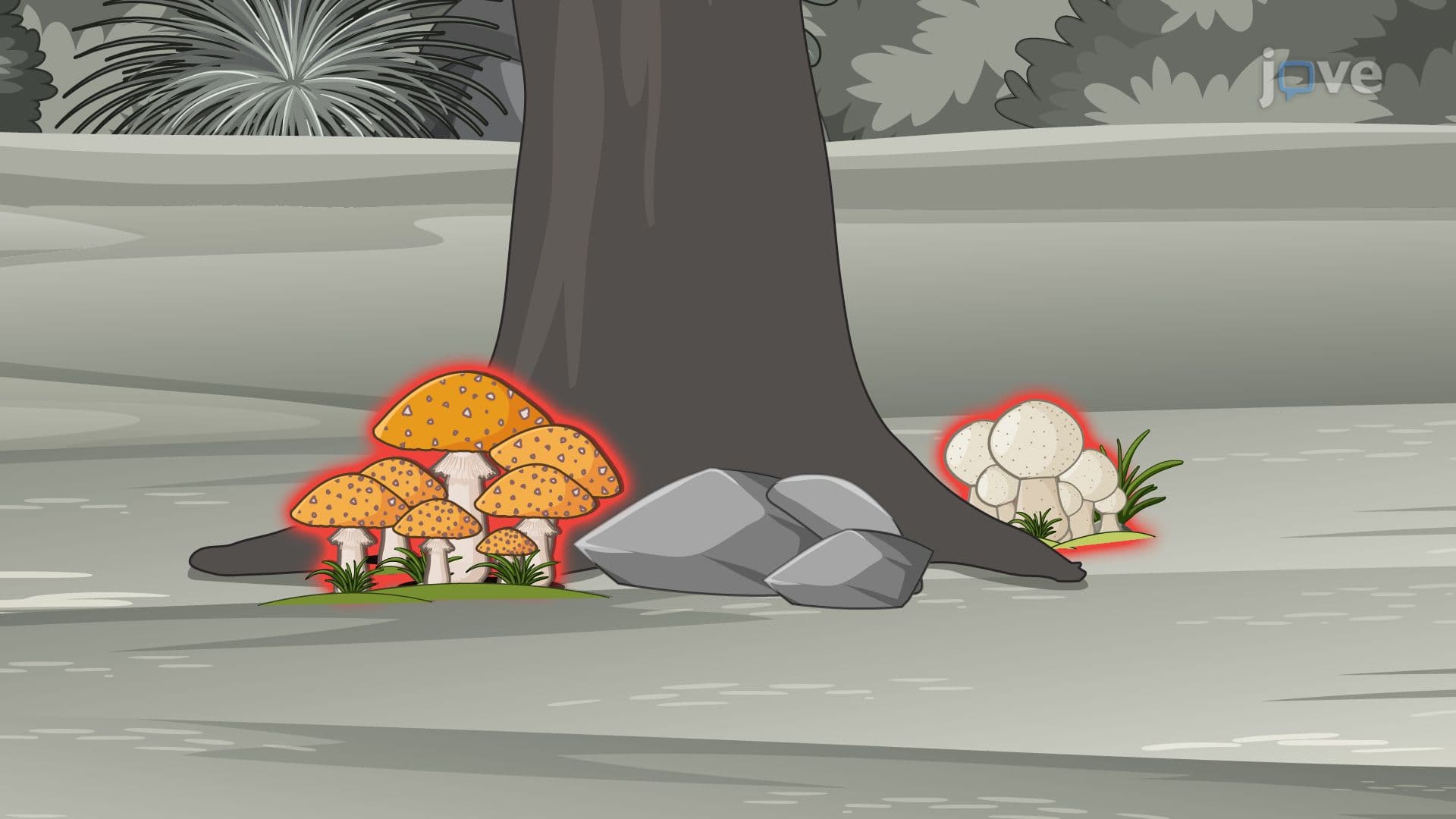
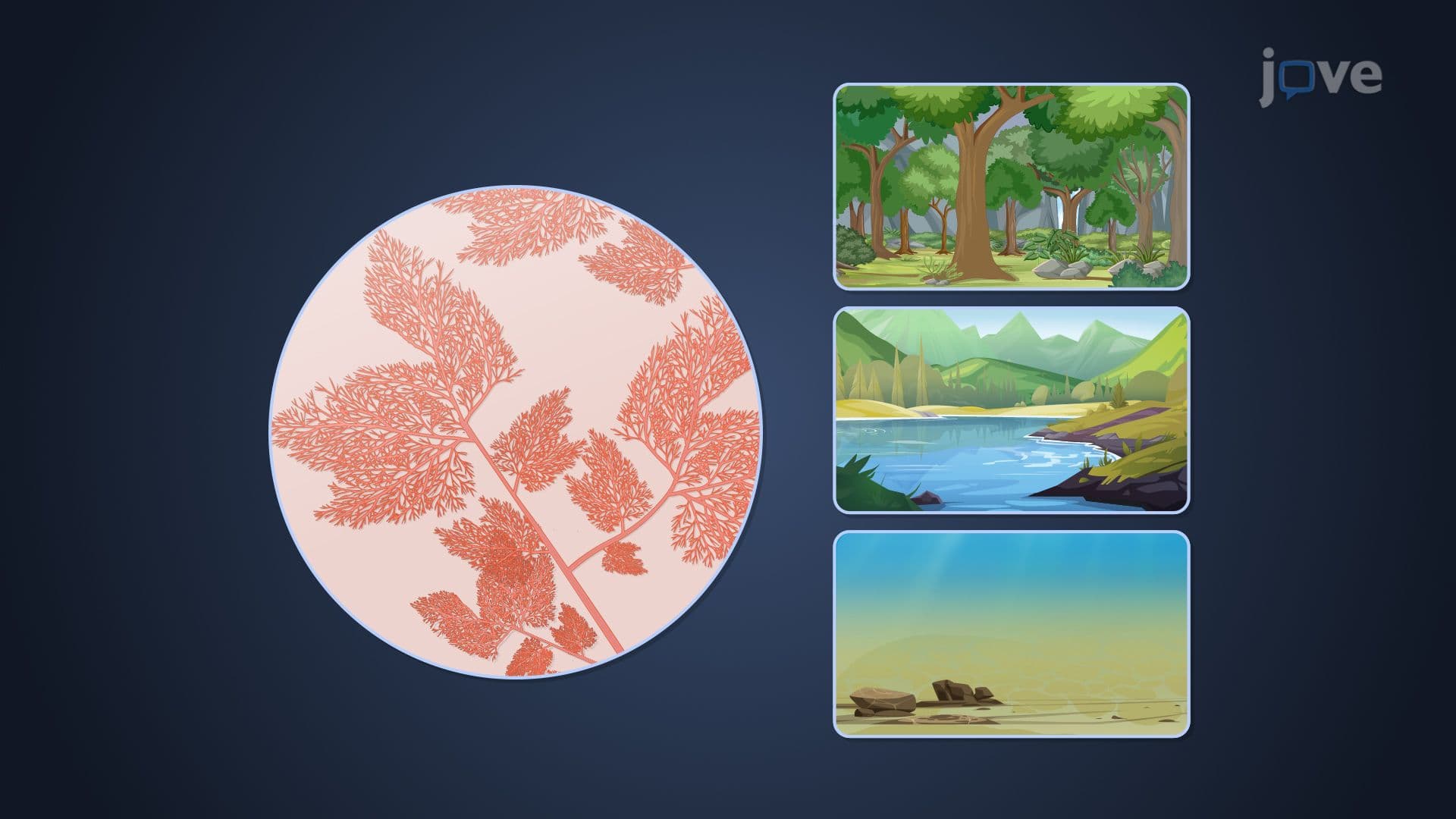
Ascomycetes serve as crucial decomposers in forest ecosystems throughout the United States, breaking down complex organic compounds like cellulose and lignin that other organisms cannot efficiently process. This role makes them essential for nutrient cycling in environments from the Pacific Northwest's coniferous forests to the deciduous woodlands of New England.
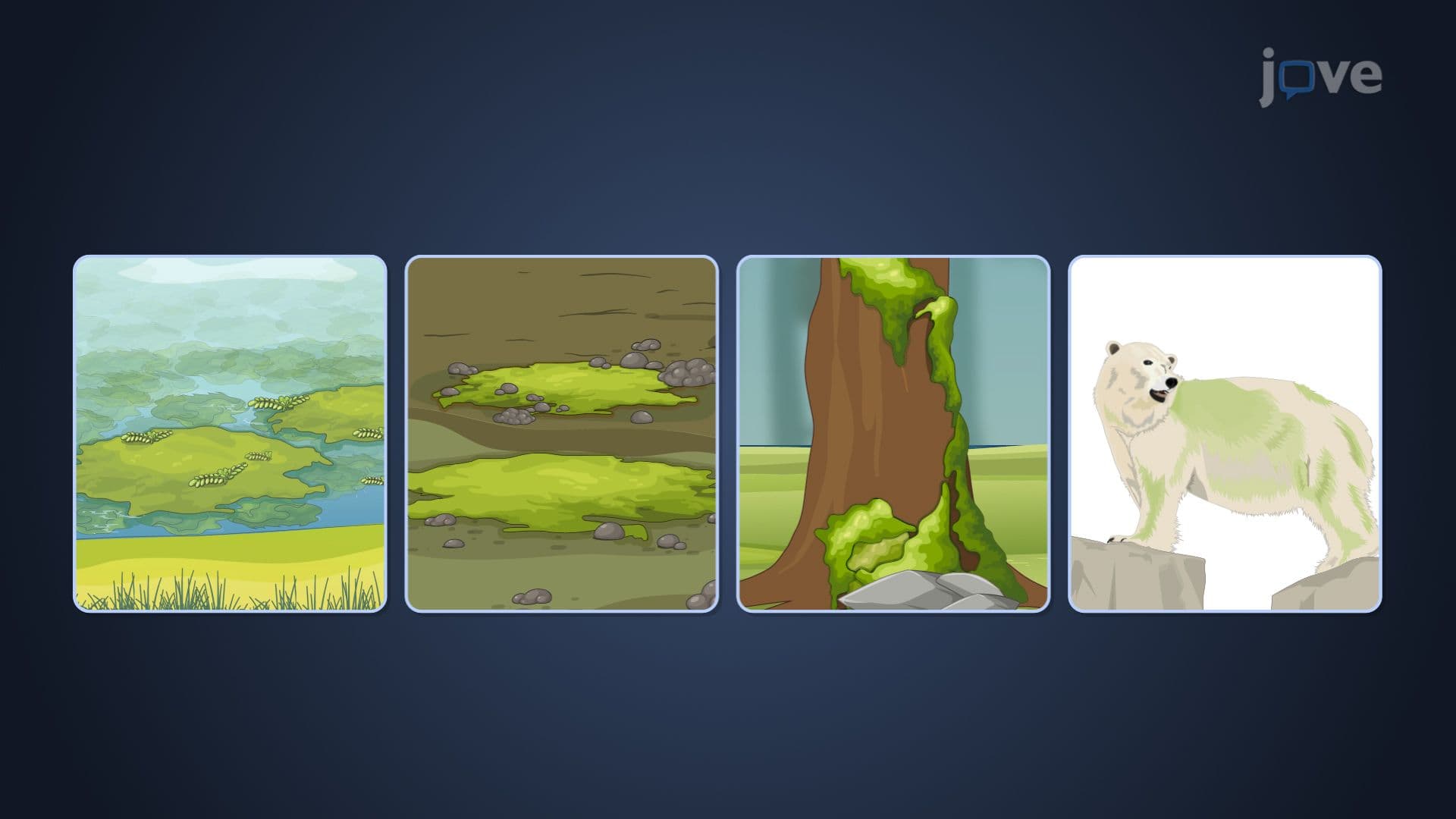
Many ascomycetes form symbiotic relationships with algae, creating lichens that serve as pioneer species in harsh environments and biological indicators of air quality-concepts frequently explored in environmental science courses at American universities. The economic importance extends to food production, with species like Saccharomyces cerevisiae driving the American brewing and baking industries, while gourmet truffles command premium prices in fine dining establishments.
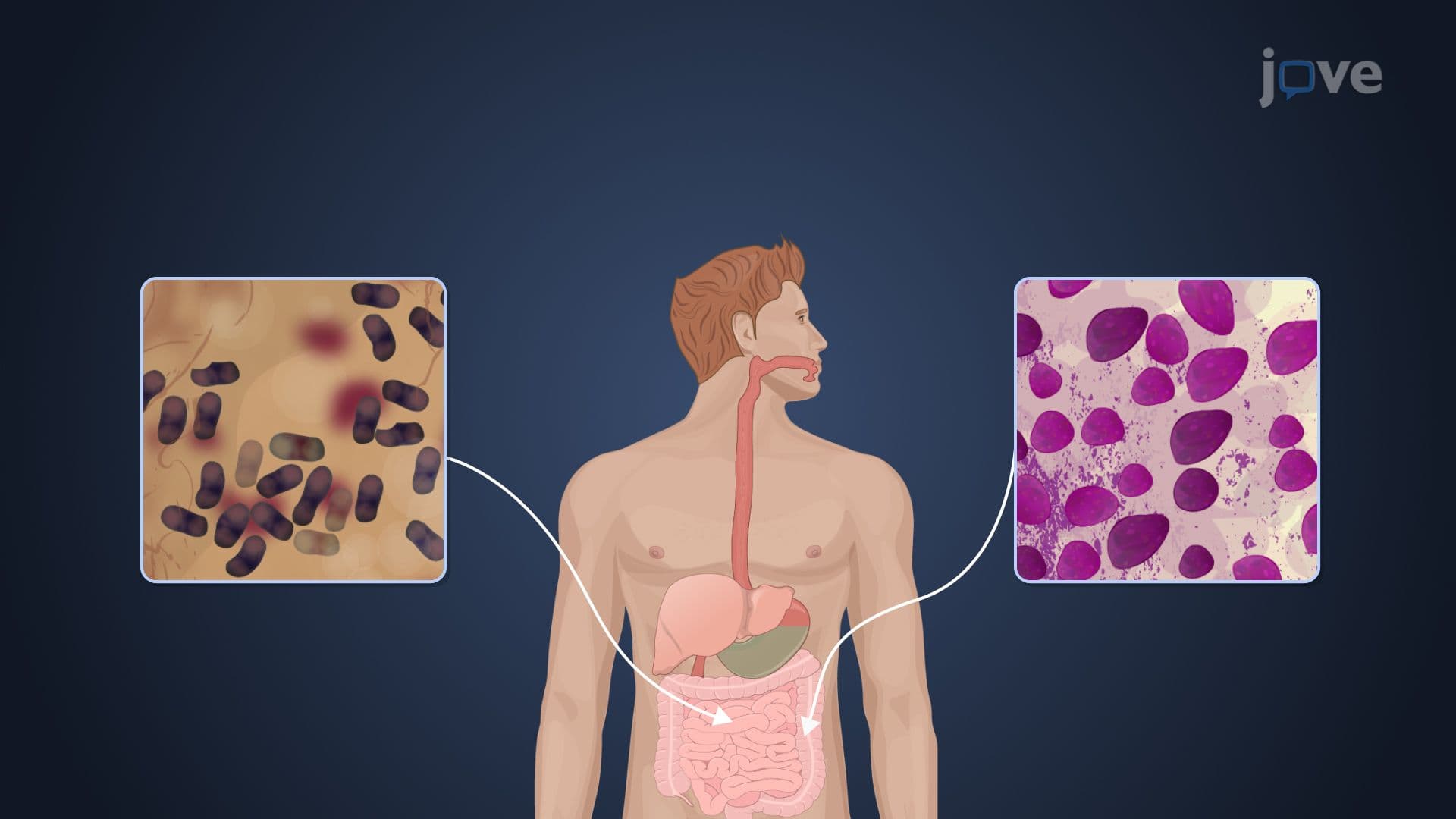
The medical significance of ascomycetes cannot be overstated for pre-med students preparing for the MCAT. Candida albicans represents a major opportunistic pathogen causing infections in immunocompromised patients across American hospitals. Understanding its biology helps explain antifungal resistance mechanisms tested in medical school coursework.
Saccharomyces cerevisiae holds special importance as the first eukaryotic organism with a completely sequenced genome, making it an invaluable model organism for genetic research in American universities and biotechnology companies. Its genetic similarity to human cells allows researchers to study fundamental cellular processes relevant to human health and disease.
Related Micro-courses