Loading subject page…

13,350 views

Video Summary: What Is Fungal Phylum Basidiomycota
Ever wondered why that pizza mushroom or the towering oak tree in your backyard can thrive? Fungal phylum Basidiomycota represents one of nature's most versatile kingdoms, encompassing everything from the common button mushrooms (*Agaricus bisporus*) sold in US grocery stores to the deadly Amanita species found in American forests. These "club fungi" play crucial ecological roles as decomposers, plant partners, and unfortunately, sometimes as pathogens affecting both crops and human health. Understanding what is fungal phylum Basidiomycota reveals the intricate relationships that sustain forest ecosystems from California's redwoods to Maine's maple forests. Watch the full video on JoVE Coach to master this concept with expert-led visuals and step-by-step explanations.
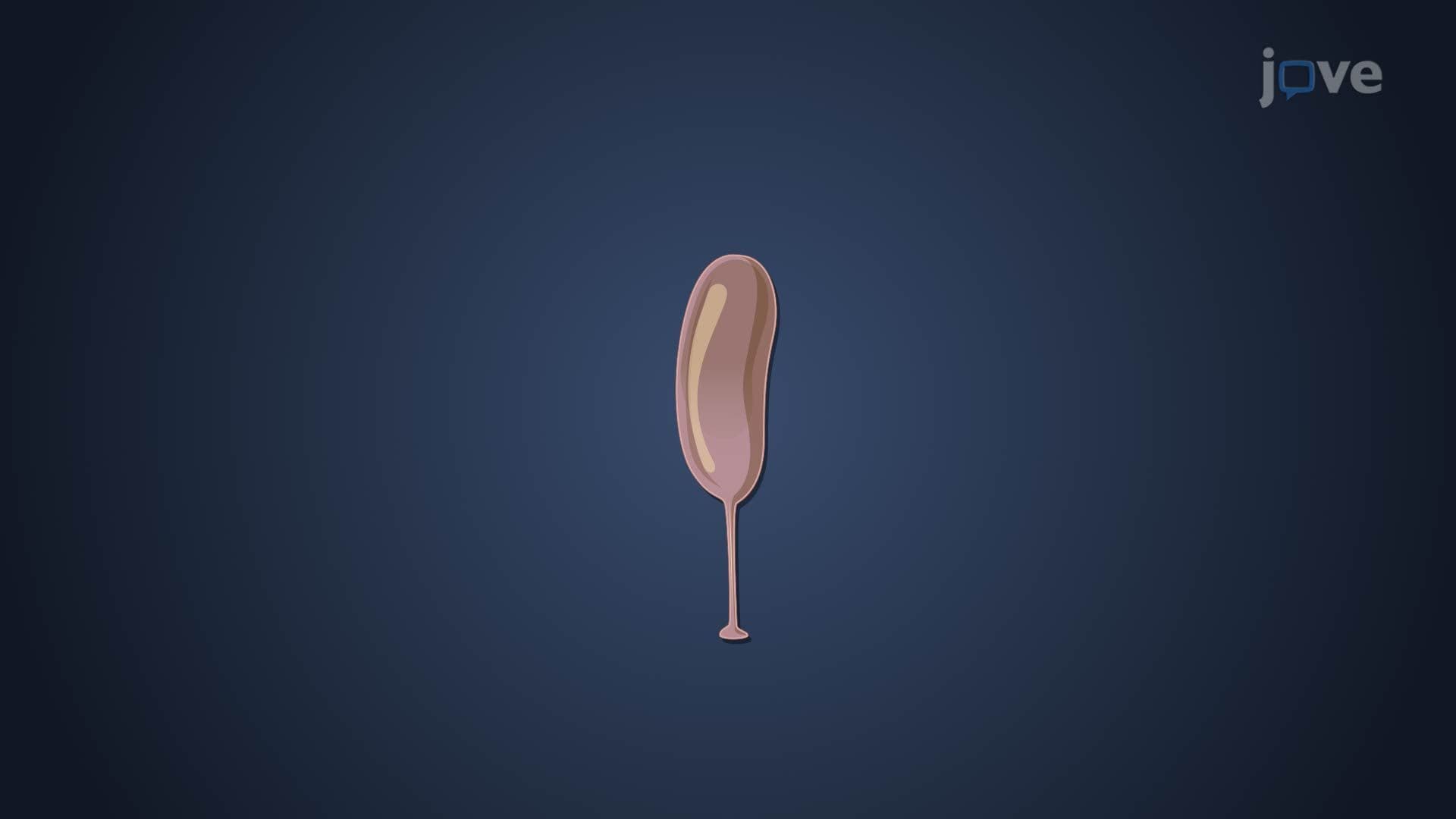
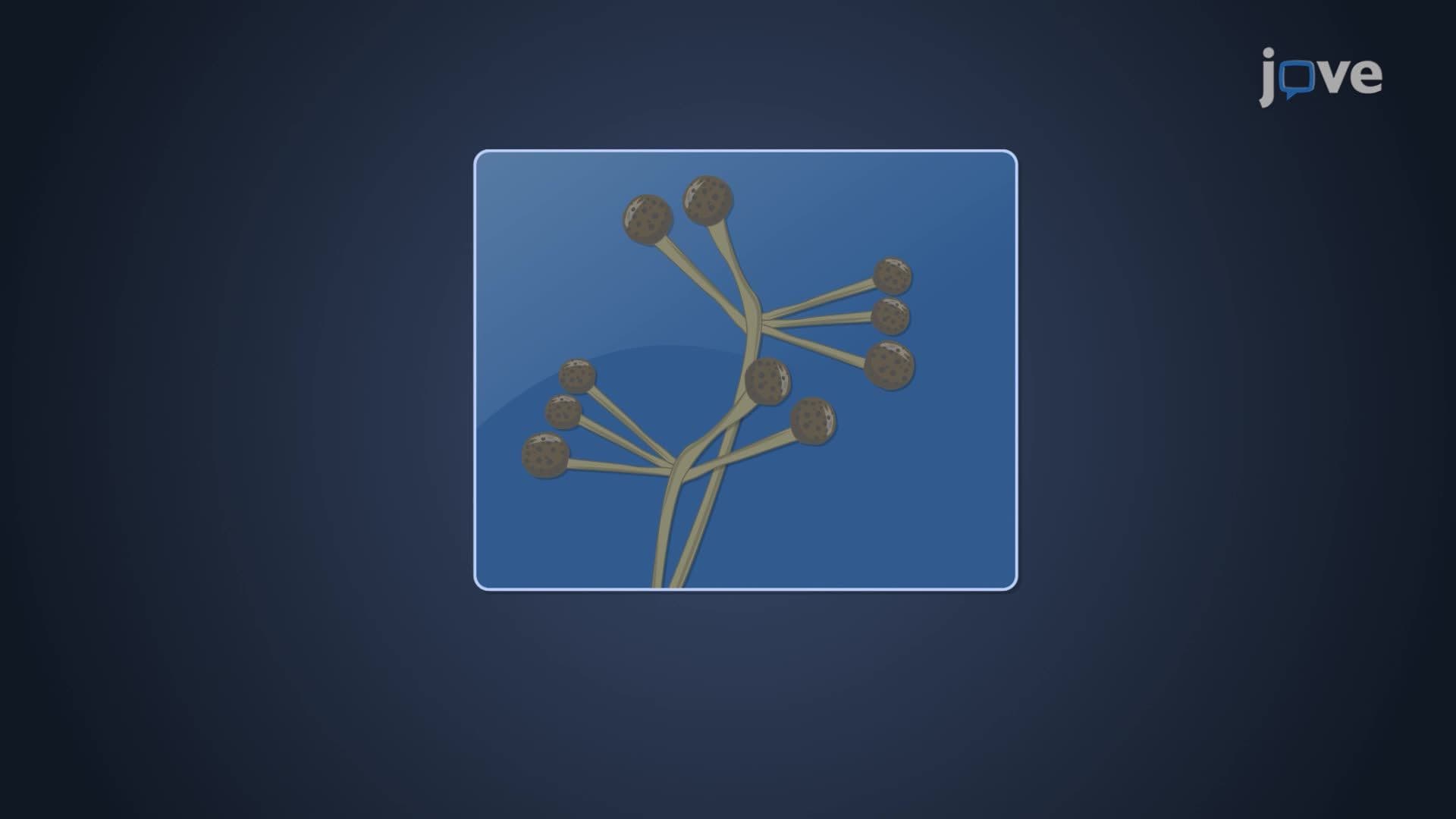
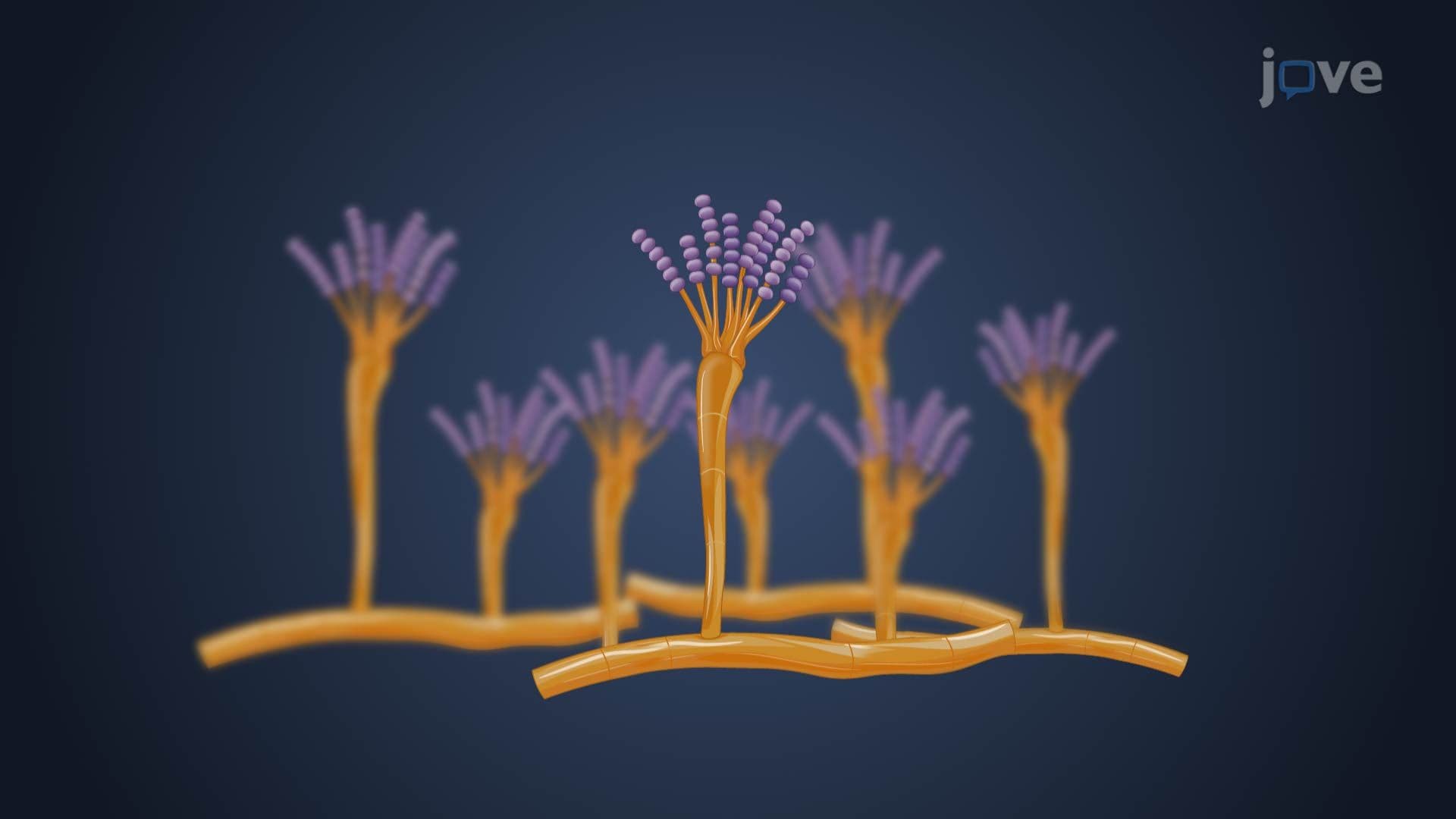
Fungal phylum Basidiomycota represents approximately 37% of all known fungal species, making it one of the largest and most ecologically significant fungal groups. These organisms earned their common name "club fungi" from their distinctive reproductive structures called basidia-club-shaped cells that produce sexual spores. Unlike other fungal phyla, basidiomycetes typically produce four basidiospores per basidium, though this number can vary among species.
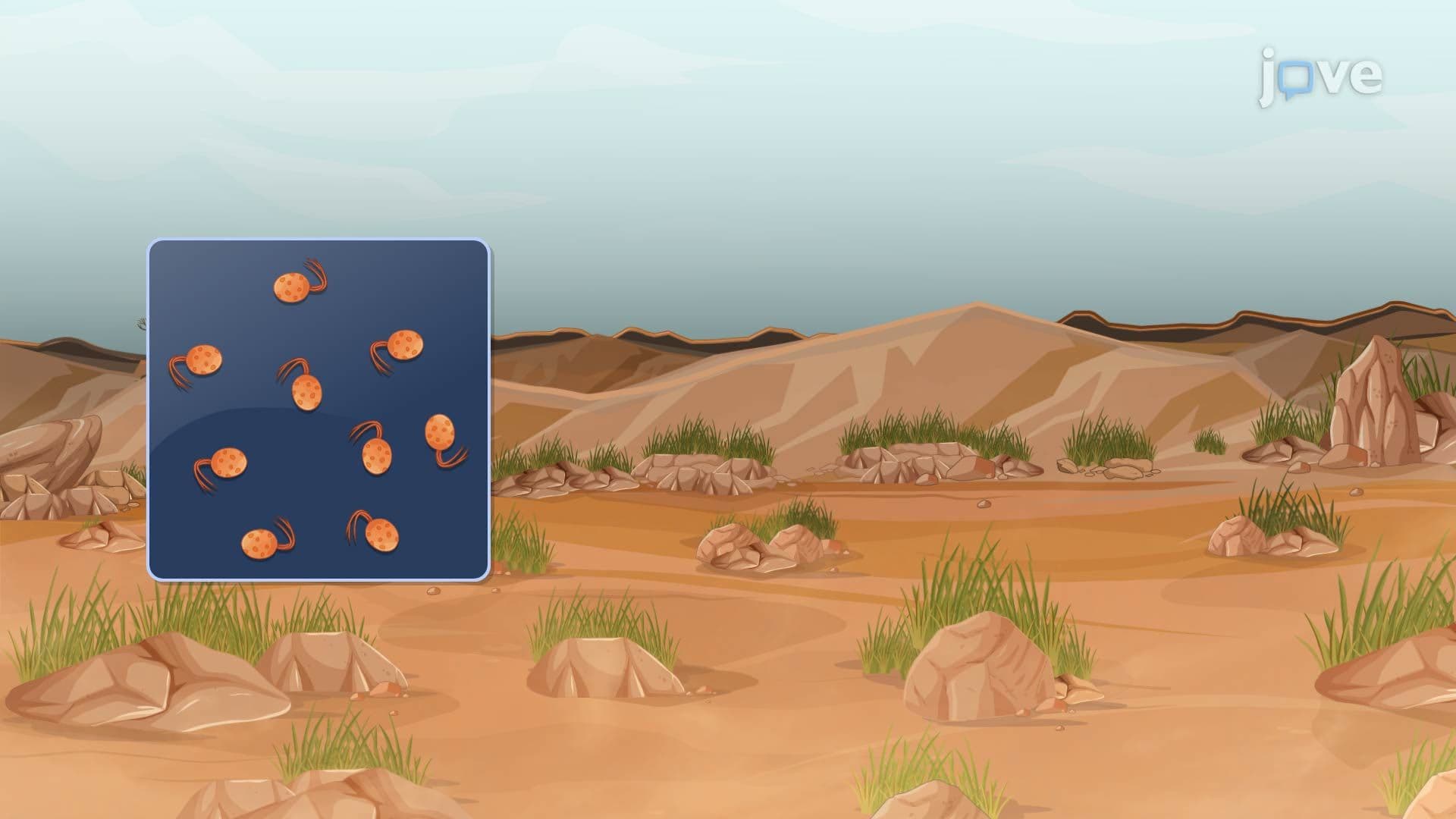
The phylum encompasses an extraordinary diversity of forms, from microscopic yeasts like *Cryptococcus neoformans* to massive bracket fungi that can weigh hundreds of pounds. What unites these seemingly disparate organisms is their shared reproductive mechanism and cellular organization, particularly the presence of clamp connections that maintain the dikaryotic state in their mycelia.
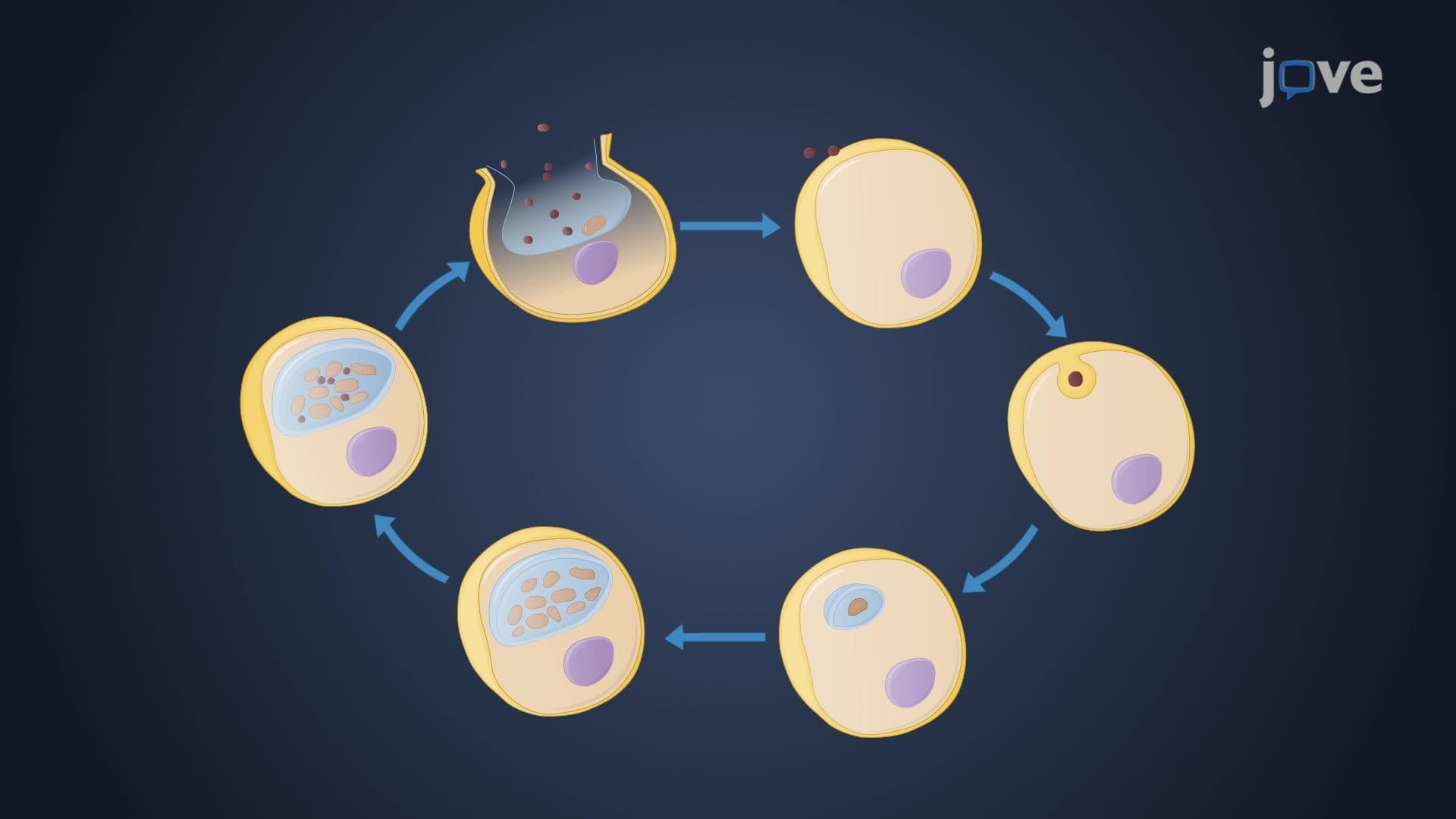
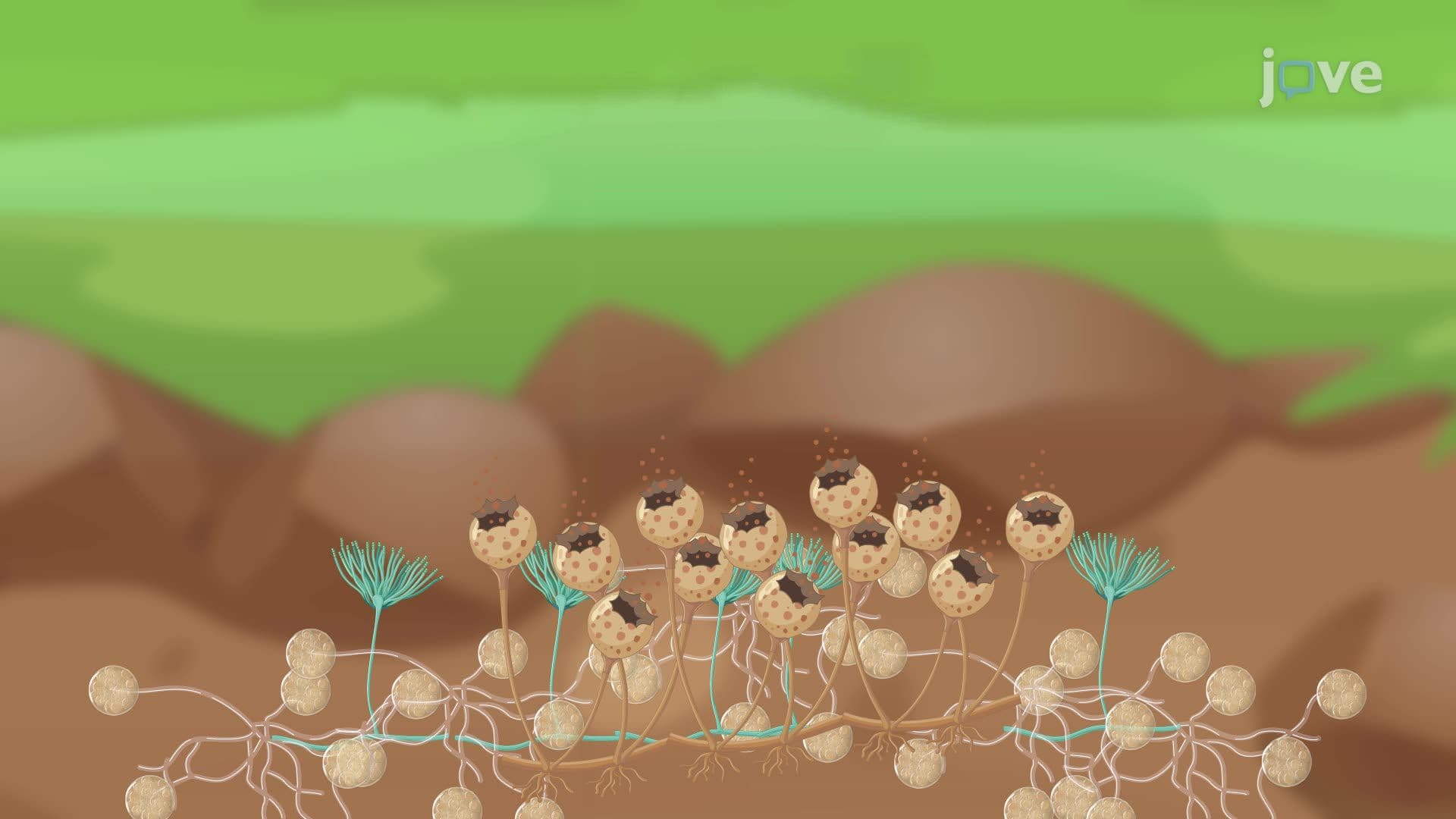
The basidiomycete life cycle represents one of nature's most sophisticated reproductive strategies. It begins when basidiospores germinate to form monokaryotic (single-nucleus) mycelia. These primary mycelia must encounter compatible mating types to fuse and form dikaryotic (two-nuclei) secondary mycelia. This dikaryotic phase can persist for years or even decades, allowing the fungus to colonize extensive areas.
When environmental conditions favor reproduction, the dikaryotic mycelium develops into a basidiocarp-the familiar mushroom or other fruiting body. Within specialized structures called hymenium, the paired nuclei finally fuse (karyogamy) and immediately undergo meiosis, producing genetically diverse basidiospores. This alternation between extended dikaryotic phases and brief diploid moments maximizes genetic diversity while minimizing the metabolic costs of maintaining diploid cells.
Basidiomycetes serve as nature's primary wood decomposers, particularly in temperate and boreal forests across North America. White rot fungi like *Phanerochaete chrysosporium* possess unique enzymes capable of breaking down lignin-the complex polymer that gives wood its strength. This ability makes them essential for carbon cycling in forest ecosystems and has attracted biotechnology interest for applications in pulp bleaching and biofuel production.
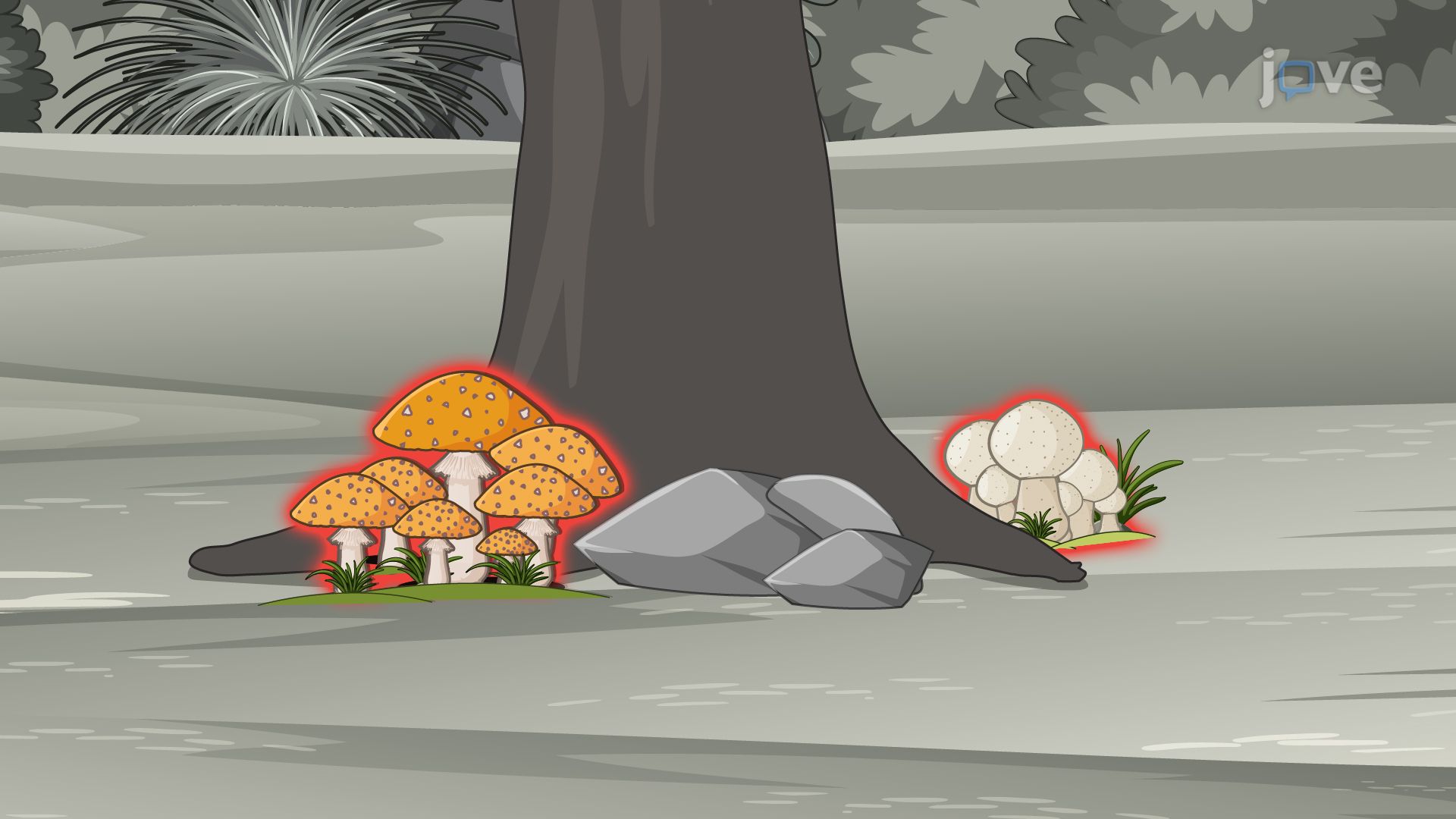
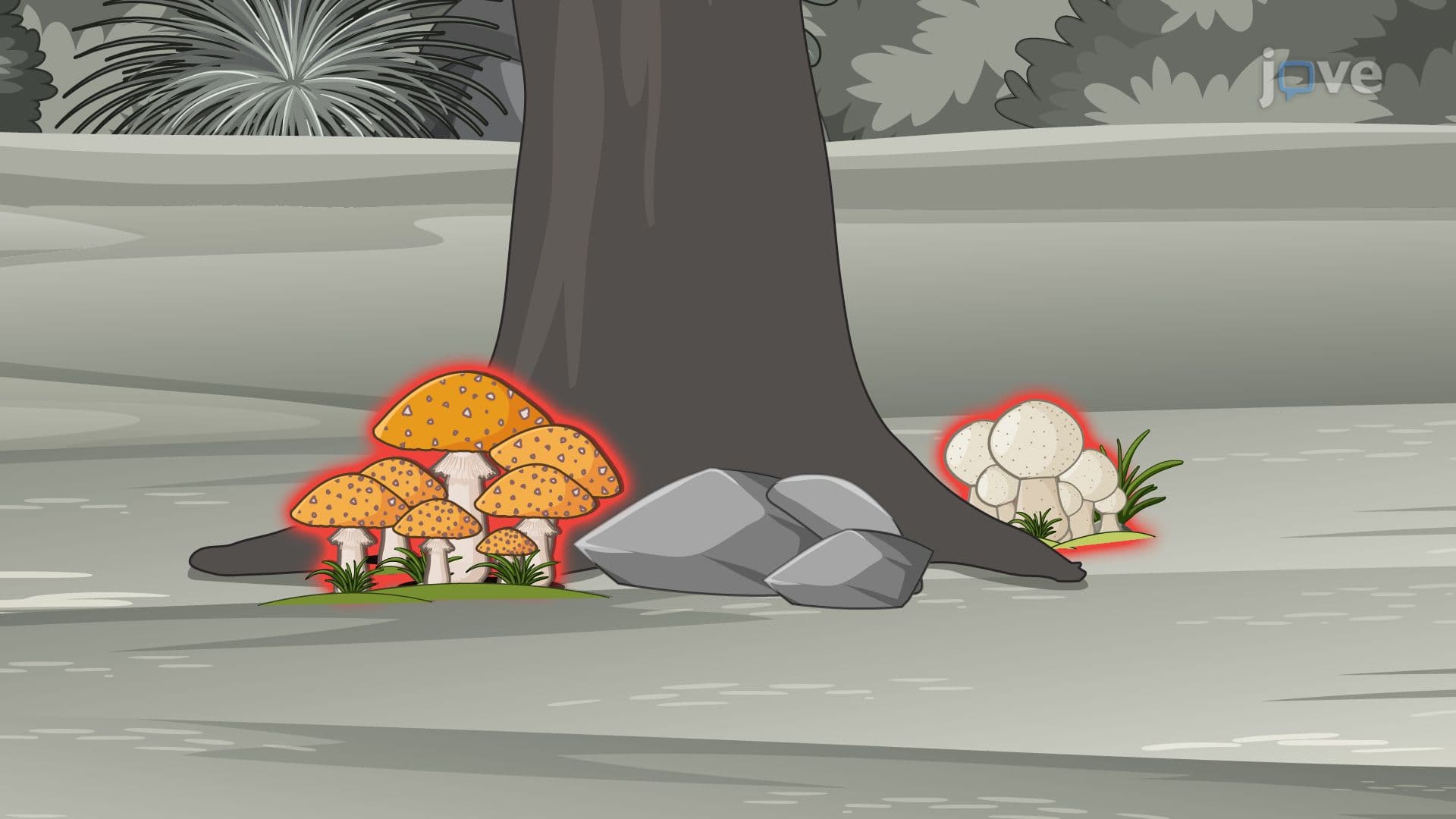
Many basidiomycetes form mycorrhizal associations with plant roots, creating mutually beneficial partnerships crucial for forest health. Ectomycorrhizal fungi like *Amanita* and *Boletus* species form sheaths around tree roots, dramatically increasing the tree's ability to absorb water and nutrients while receiving carbohydrates in return. These relationships are so fundamental that many forest trees, including pines and oaks native to US forests, cannot survive without their fungal partners.
While many basidiomycetes benefit ecosystems, some pose significant challenges to agriculture and human health. Plant pathogenic rusts (*Puccinia* species) cause billions of dollars in crop losses annually in the United States, particularly affecting wheat, corn, and soybean production. These obligate parasites often require alternating host plants to complete their complex life cycles, making disease management particularly challenging for farmers.
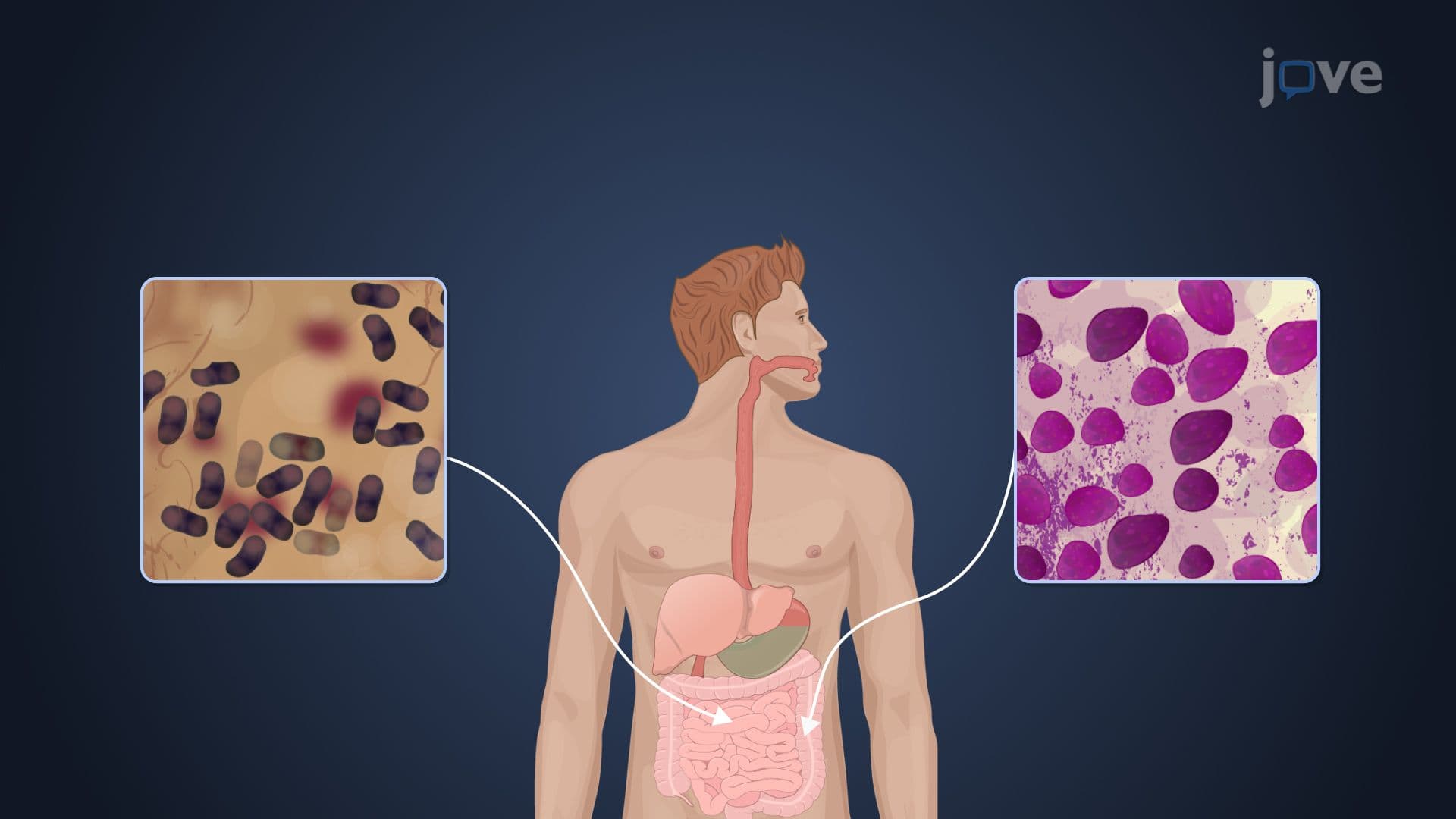
In medical contexts, *Cryptococcus neoformans* represents the most clinically significant basidiomycete pathogen. This encapsulated yeast causes cryptococcal meningitis, particularly in immunocompromised patients with HIV/AIDS or those receiving immunosuppressive therapy. Understanding basidiomycete biology is crucial for students planning careers in medicine, as questions about fungal pathogens frequently appear on the MCAT and in medical school microbiology courses.
Related Micro-courses