Loading subject page…

13,350 views
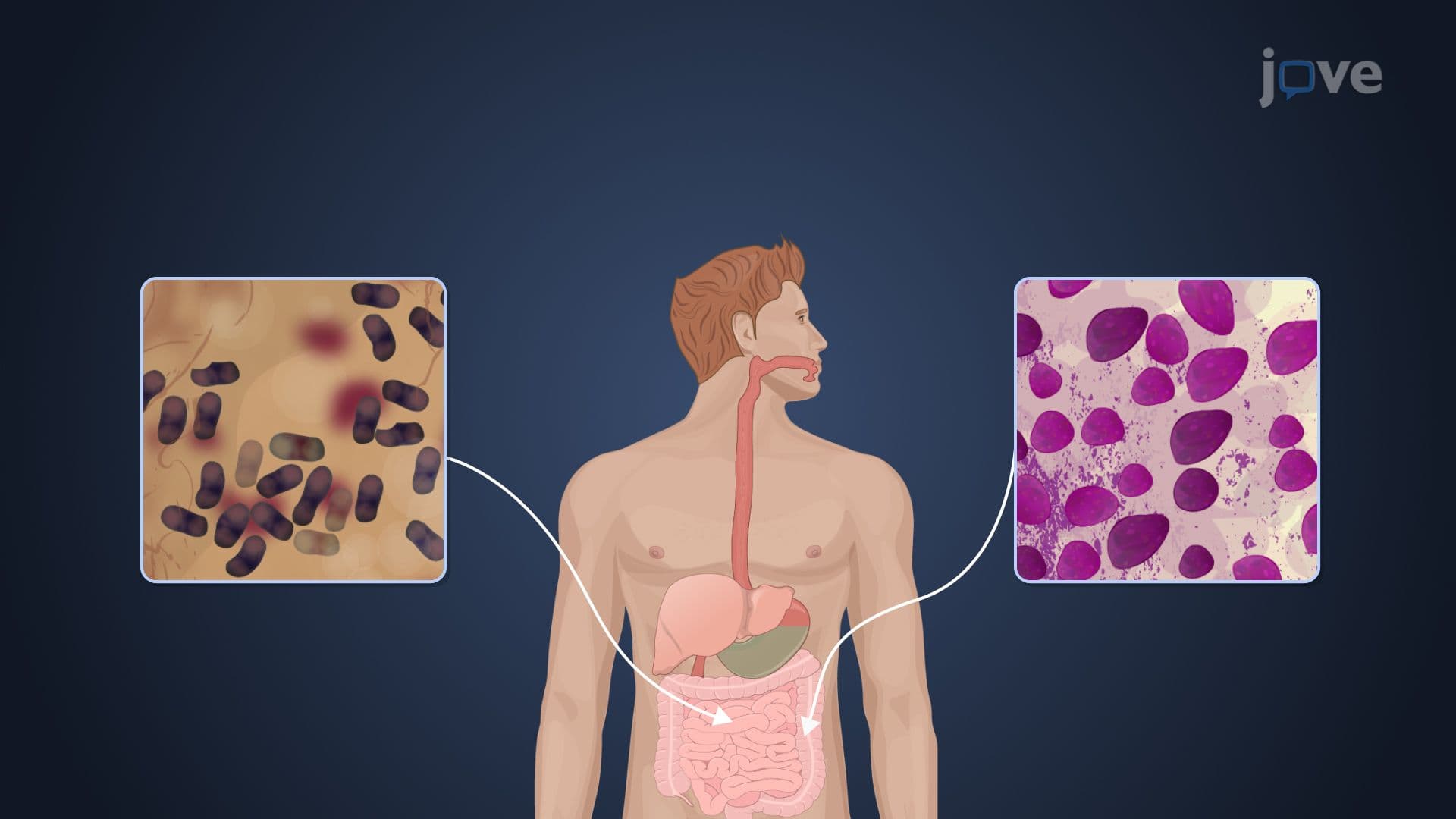

Video Summary: What Is Fungal Phylum Microsporidia
Did you know that some of the smallest fungi on Earth lack the cellular powerhouses (mitochondria) that most life forms depend on? Fungal phylum microsporidia represents a unique group of obligate intracellular parasites that have evolved extreme cellular simplification to survive exclusively inside animal hosts. These microscopic organisms, including species that cause infections in immunocompromised patients at hospitals like Johns Hopkins and Mayo Clinic, demonstrate how what is fungal phylum microsporidia reveals fascinating evolutionary adaptations. Watch the full video on JoVE Coach to master this concept with expert-led visuals and step-by-step explanations.
Fungal phylum microsporidia represents one of the most evolutionarily specialized groups within the fungal kingdom. Despite their unique characteristics, molecular phylogenetic studies have definitively placed microsporidia within the fungi, specifically showing close relationships to Chytridiomycota. This classification revolutionized our understanding of fungal diversity and challenged traditional concepts of what defines a fungus.
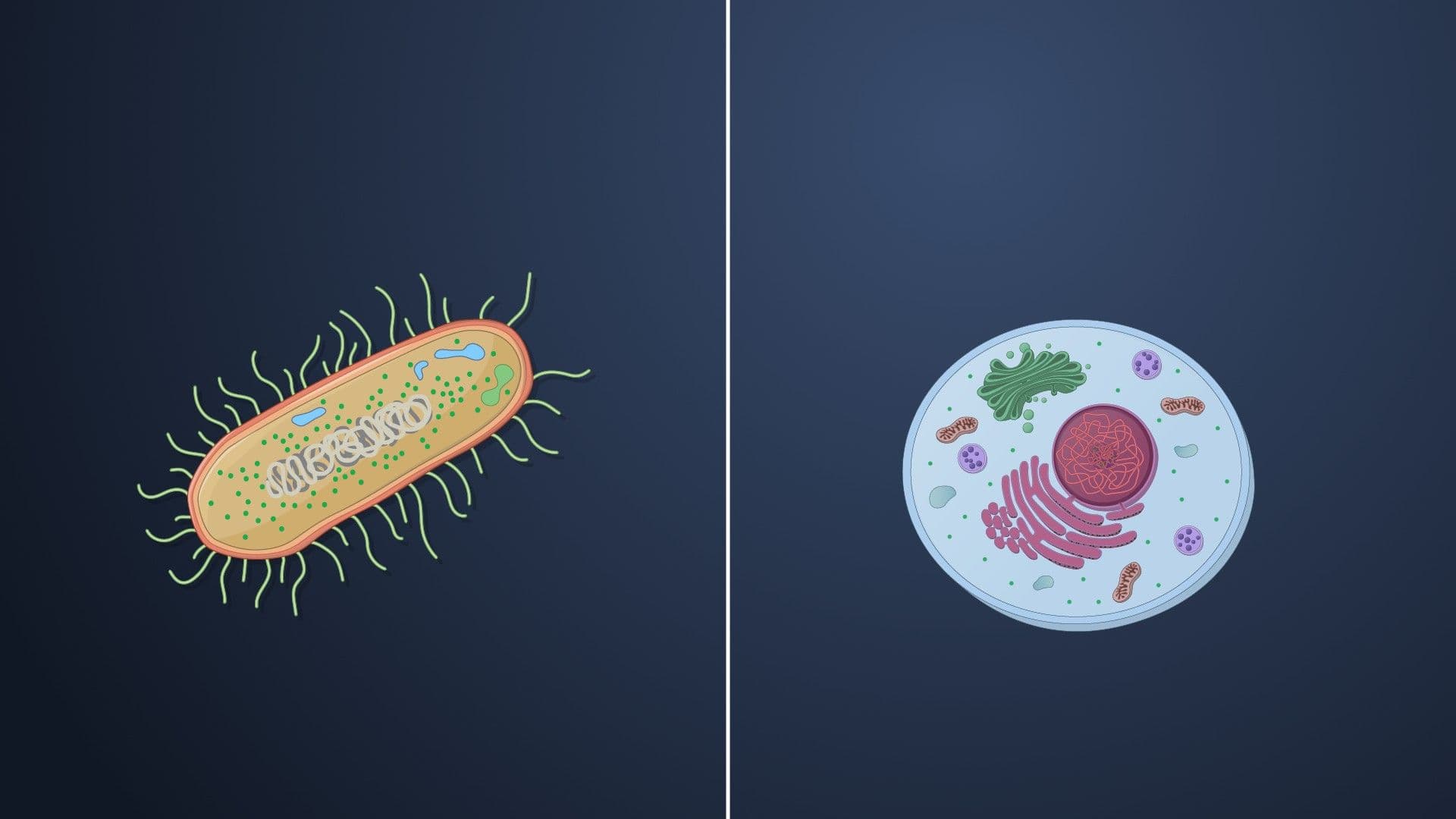
The fungal phylum microsporidia definition explained centers on their extreme cellular simplification. These organisms have undergone reductive evolution, losing essential organelles including mitochondria, hydrogenosomes, and the Golgi apparatus. This streamlined cellular architecture reflects their complete dependence on host cell metabolism. Their genomes, such as the 2.9 megabase pair genome of *Encephalitozoon* species containing roughly 2000 genes, are remarkably compact compared to *Escherichia coli*'s 4.6 megabase pair genome with over 4000 genes.
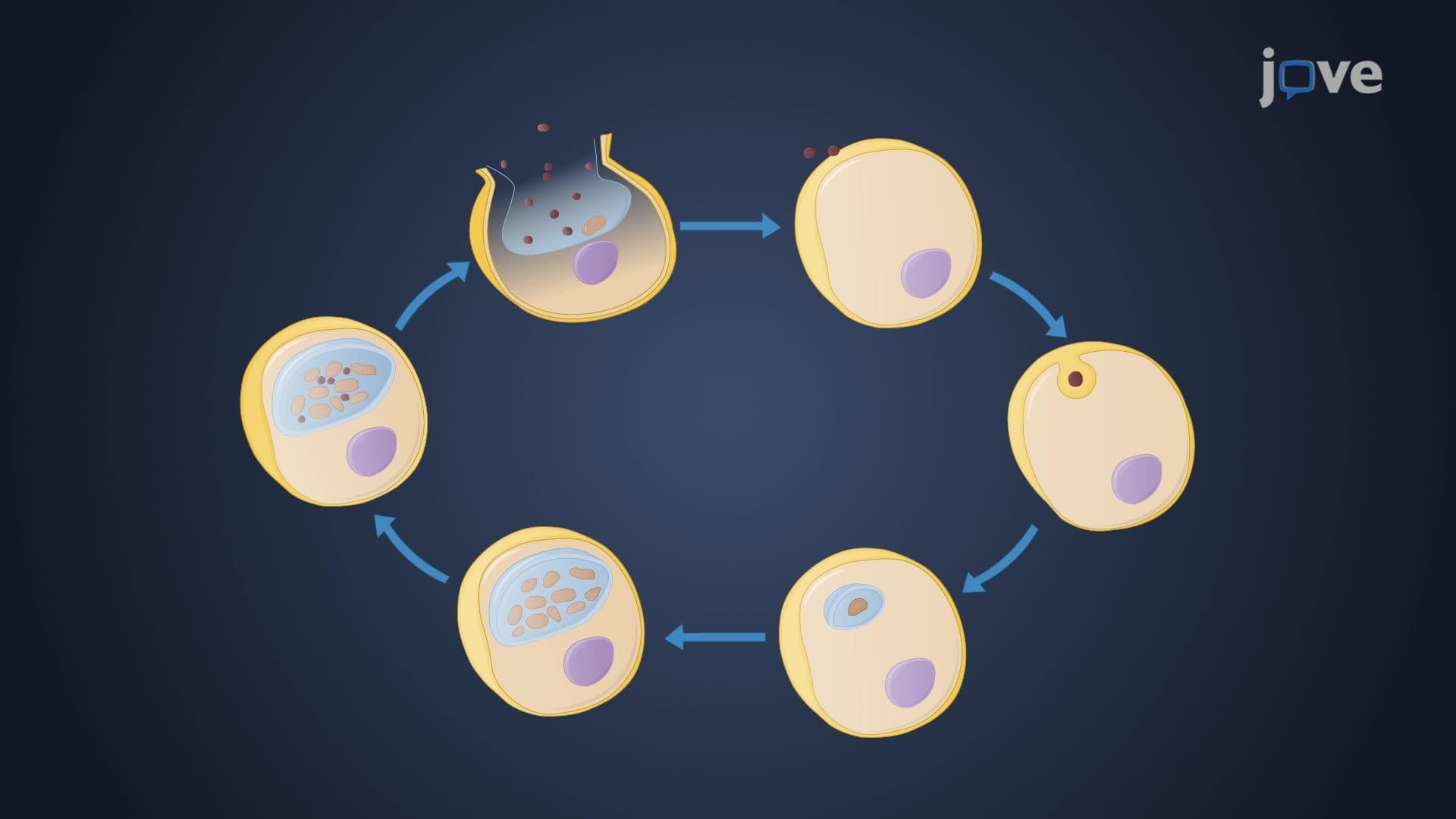
Microsporidia employ a sophisticated infection strategy involving specialized spores equipped with polar tubules. These structures function like microscopic harpoons, allowing the organism to penetrate host cell membranes and inject infectious sporoplasm directly into the cytoplasm. This mechanism bypasses many host defense systems and enables rapid establishment of infection. The subsequent intracellular replication cycle produces new spores that ultimately lyse the host cell, continuing the infectious cycle.
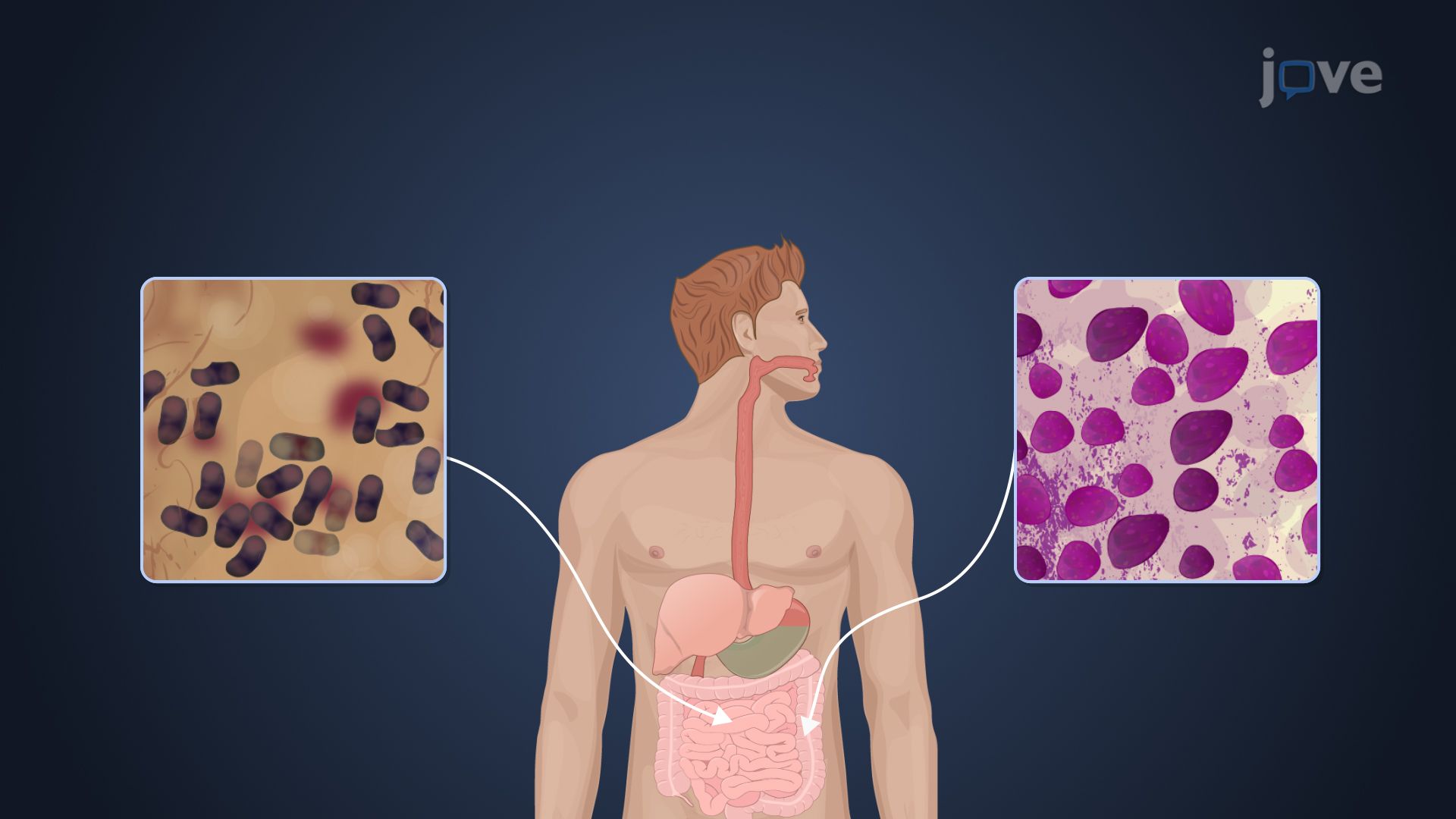
In the United States, microsporidian infections primarily affect immunocompromised populations, including HIV/AIDS patients, organ transplant recipients, and individuals receiving immunosuppressive therapy. Hospitals across major medical centers, from UCLA Medical Center to Massachusetts General Hospital, regularly encounter cases of microsporidiosis. Understanding these organisms is crucial for medical microbiology courses and appears frequently on MCAT and USMLE examinations, particularly in infectious disease and parasitology sections.
Related Micro-courses