Loading subject page…
- Microbiology
- Microbial Diversity
- Overview of Algae
Micro-course: Microbial Diversity
13,350 views
Learn key concepts and earn your certificate.






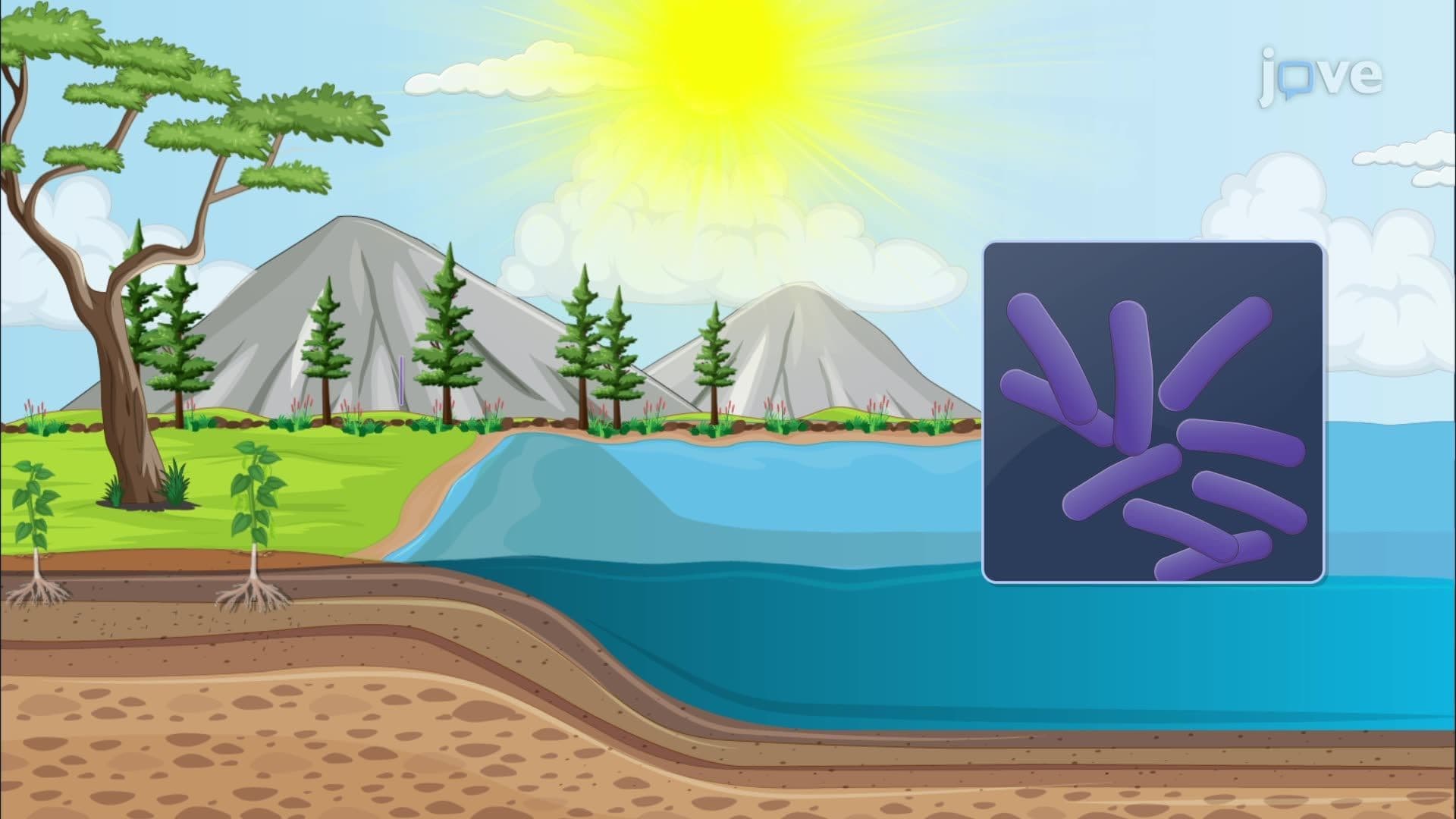
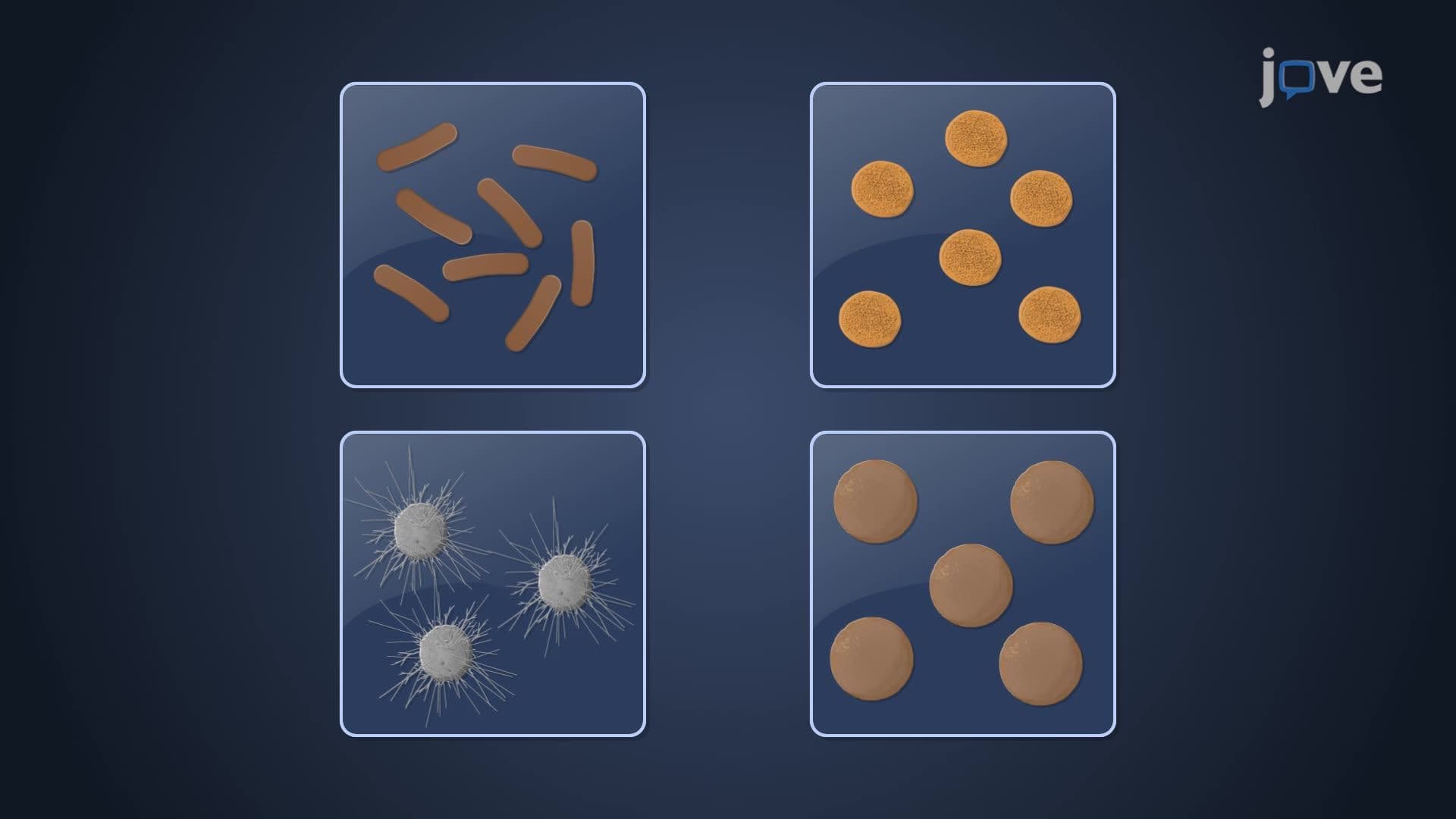
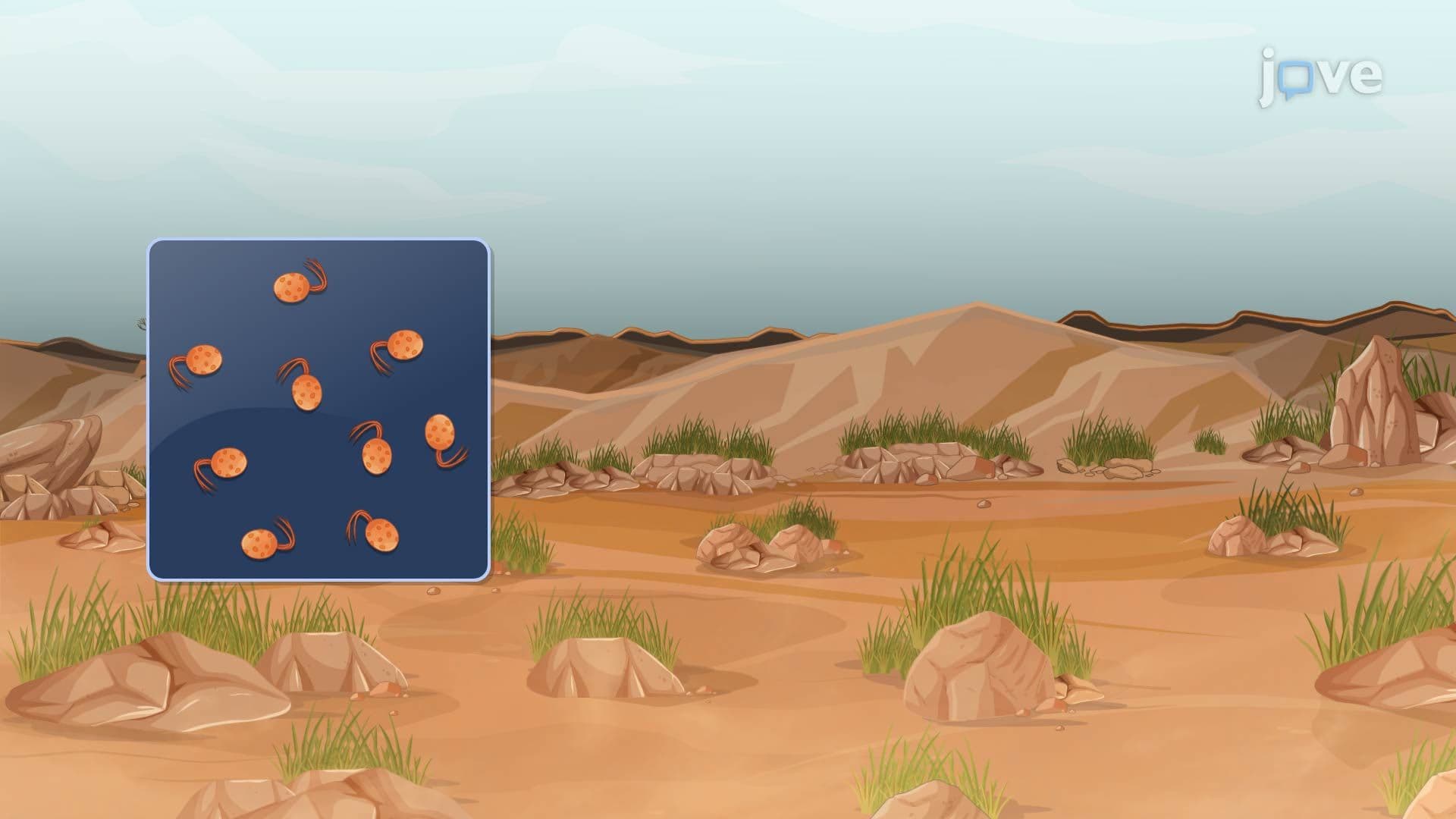
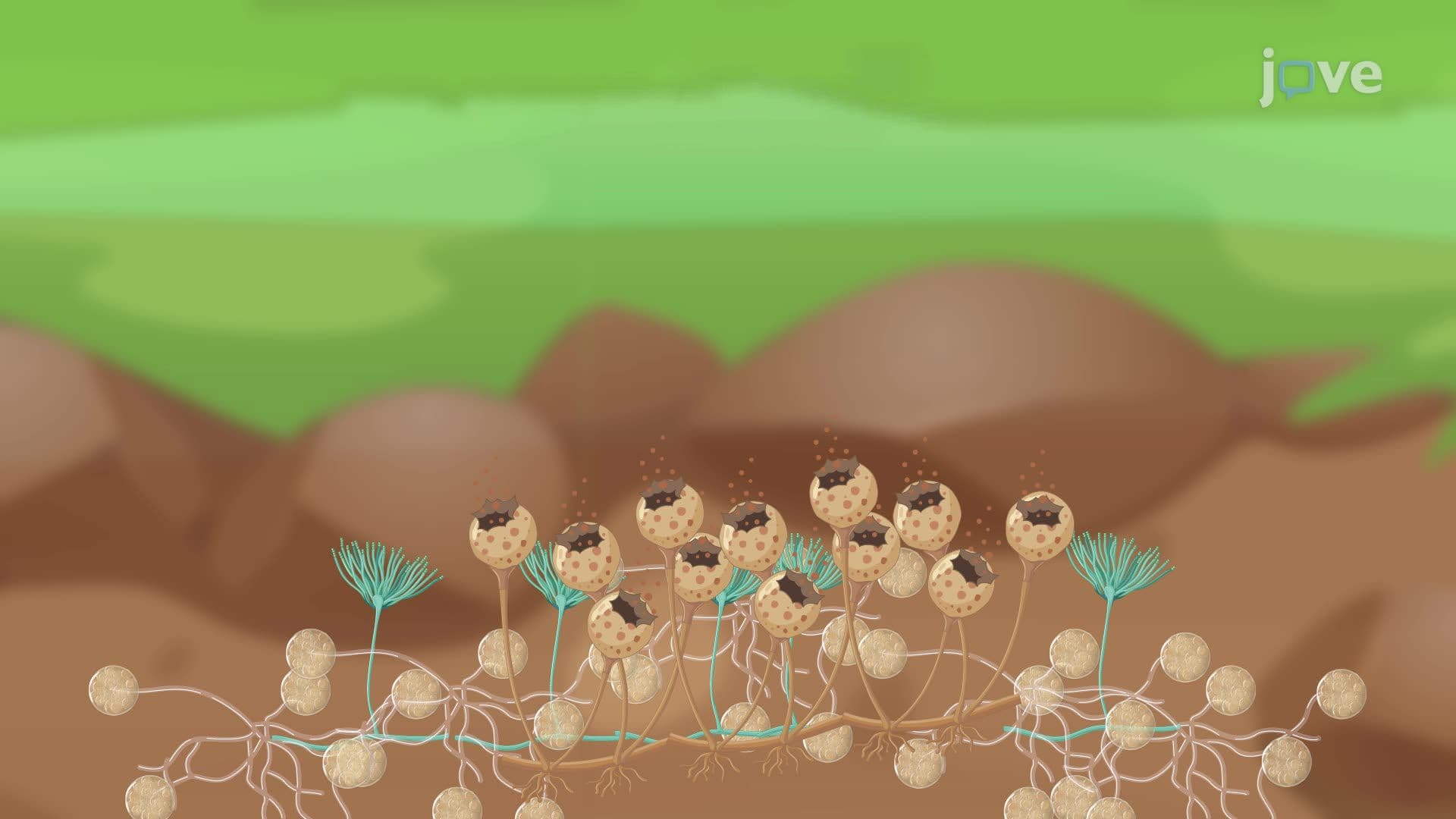

Overview of Algae

00:00
01:28
Video Summary: What Is Overview of Algae
Did you know that the kelp forests off California's coast can grow up to two feet per day, making them among Earth's fastest-growing organisms? This incredible growth showcases the diversity found in an overview of algae, remarkable eukaryotic organisms that lack traditional plant transport systems yet dominate aquatic ecosystems worldwide. From microscopic diatoms in Lake Superior to massive seaweed colonies along the Pacific coastline, understanding what is overview of algae reveals organisms that bridge the gap between simple microbes and complex plants. Watch the full video on JoVE Coach to master this concept with expert-led visuals and step-by-step explanations.
- Understand what is overview of algae by identifying their key characteristics as eukaryotic photoautotrophs lacking xylem and phloem transport systems
- Identify the diverse structural forms of algae, from unicellular organisms to complex multicellular arrangements with specialized parts
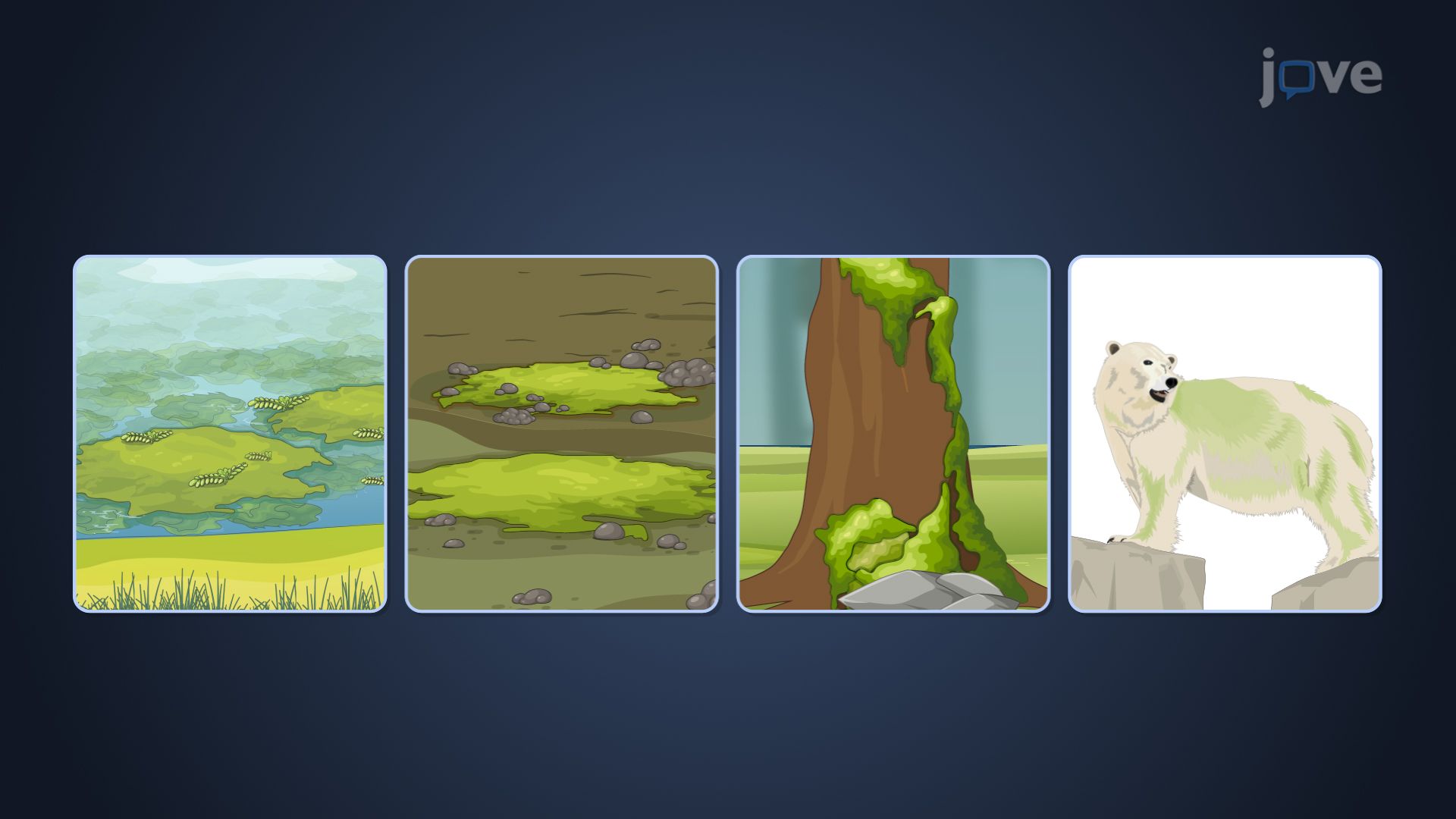
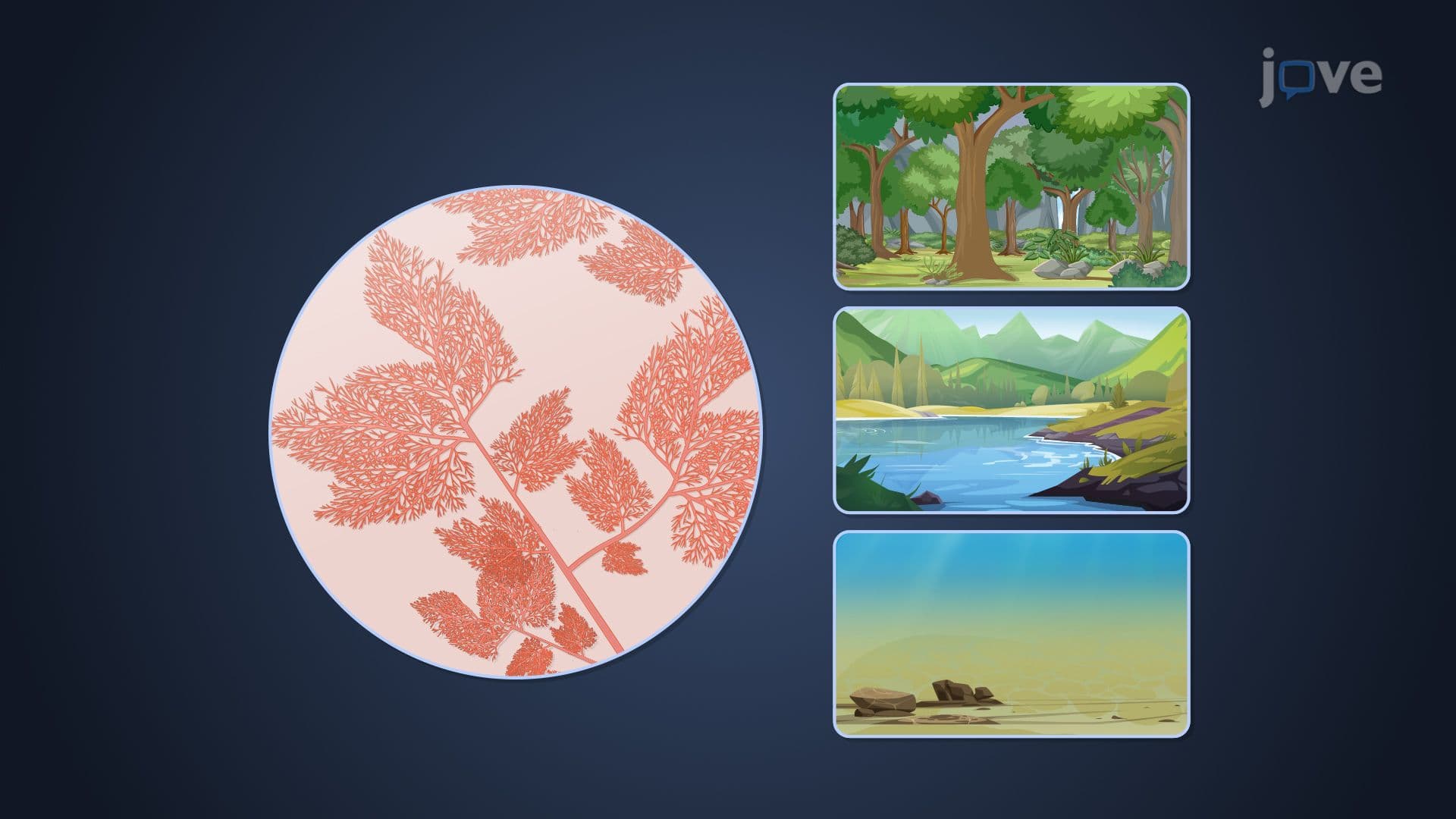
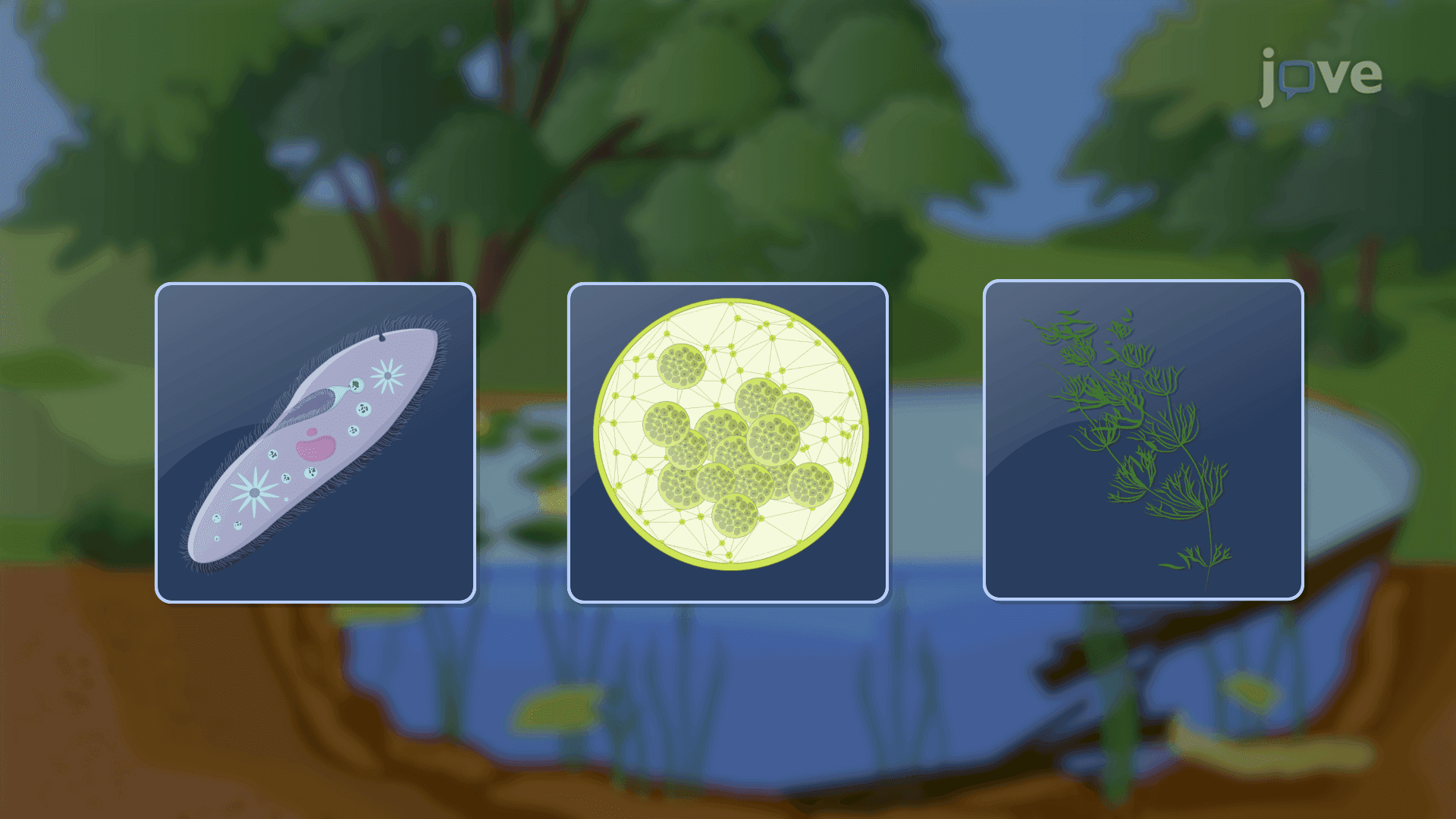
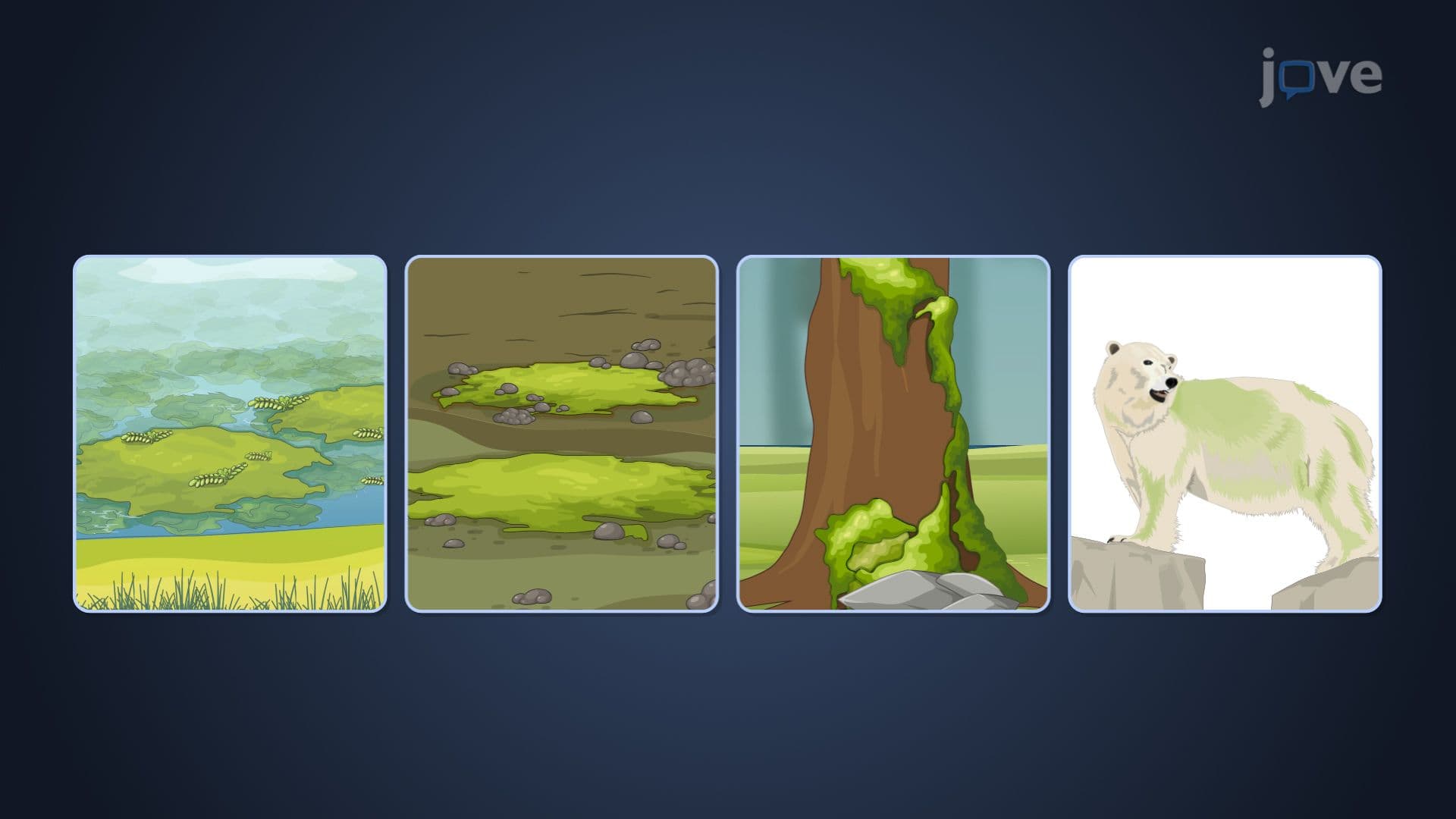
- Analyze how algae adapt to various environments beyond aquatic habitats, including terrestrial and symbiotic relationships
- Compare asexual and sexual reproduction strategies in different algal species, including mitosis, fragmentation, and alternation of generations
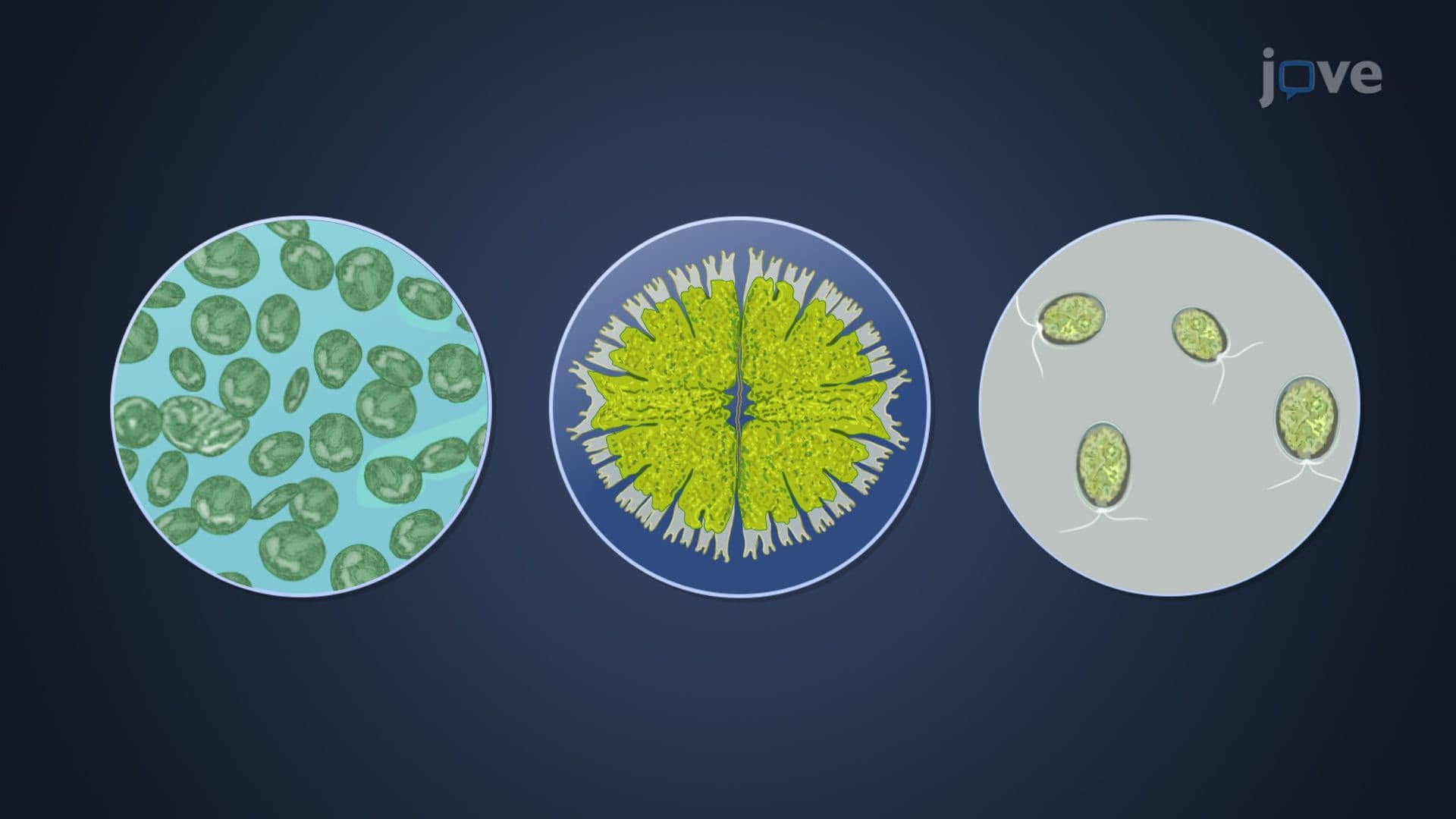
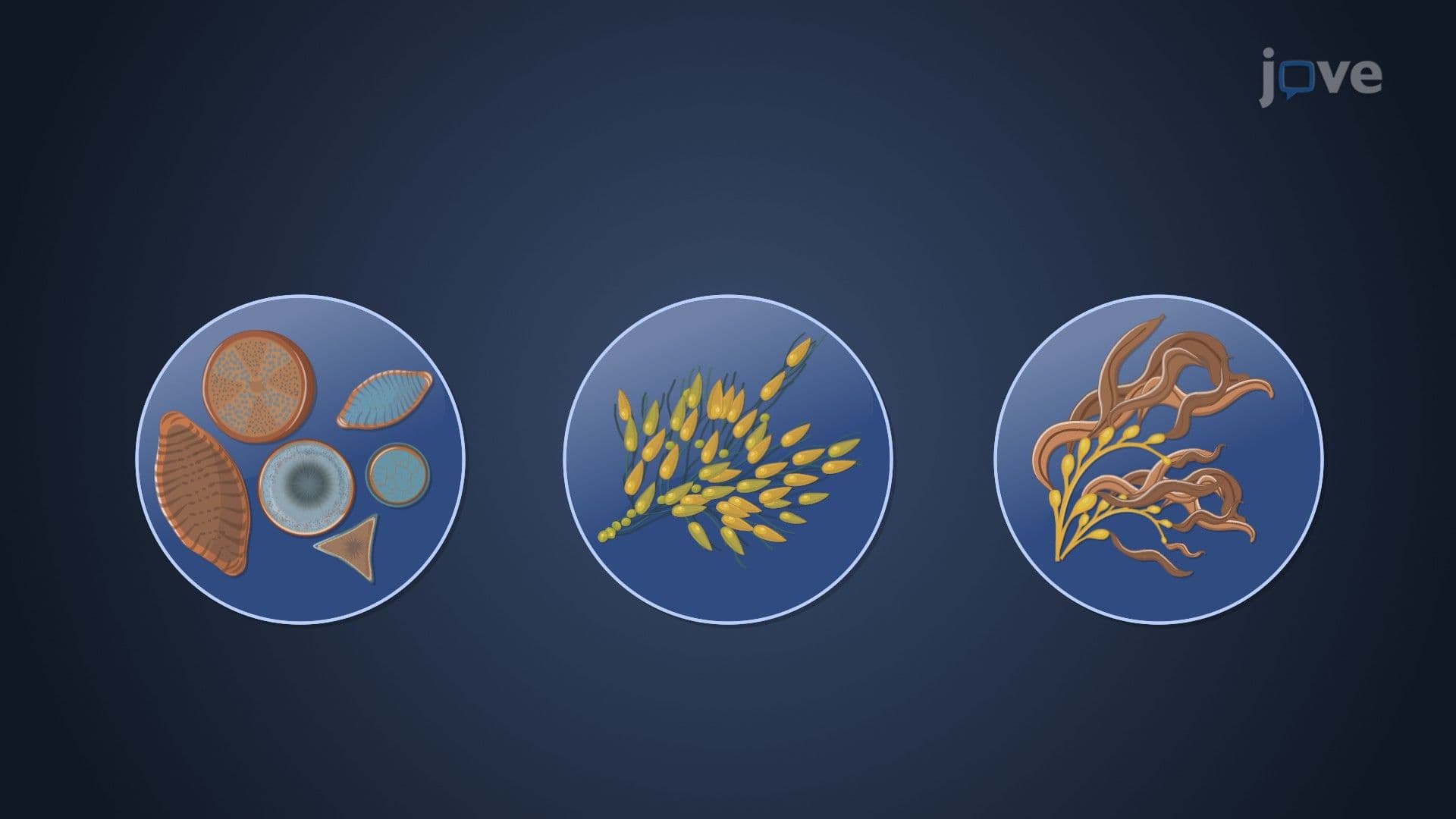
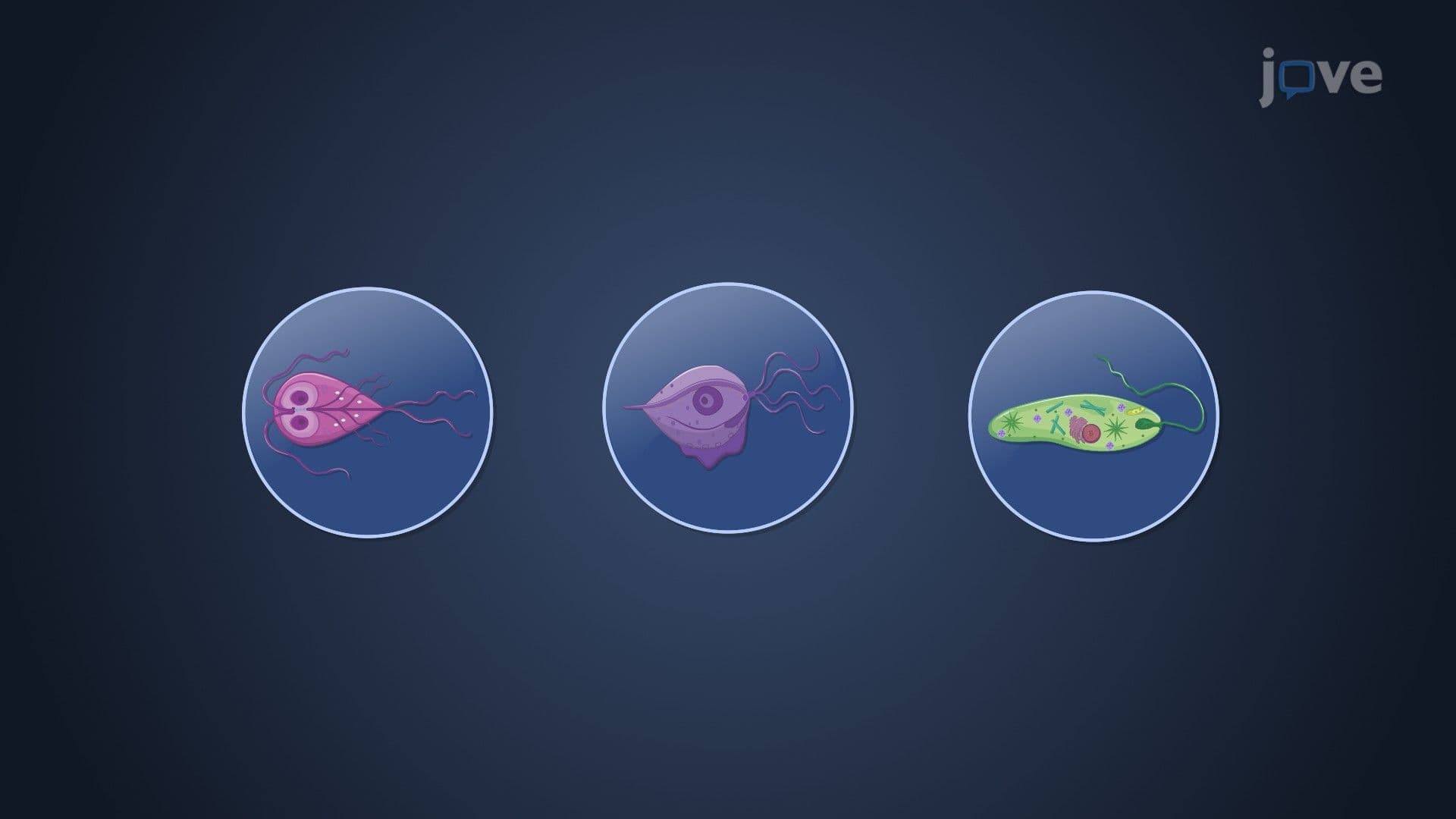
- Evaluate the ecological significance of different algal phyla: brown algae, diatoms, dinoflagellates, water molds, red algae, and green algae
- Apply knowledge of algal structure-function relationships to understand their survival strategies in diverse ecosystems
- Recognize the evolutionary importance of algae as primary producers in aquatic food webs
- Explore how algal classification reflects their phylogenetic relationships and evolutionary adaptations
Understanding the Overview of Algae: Defining Characteristics
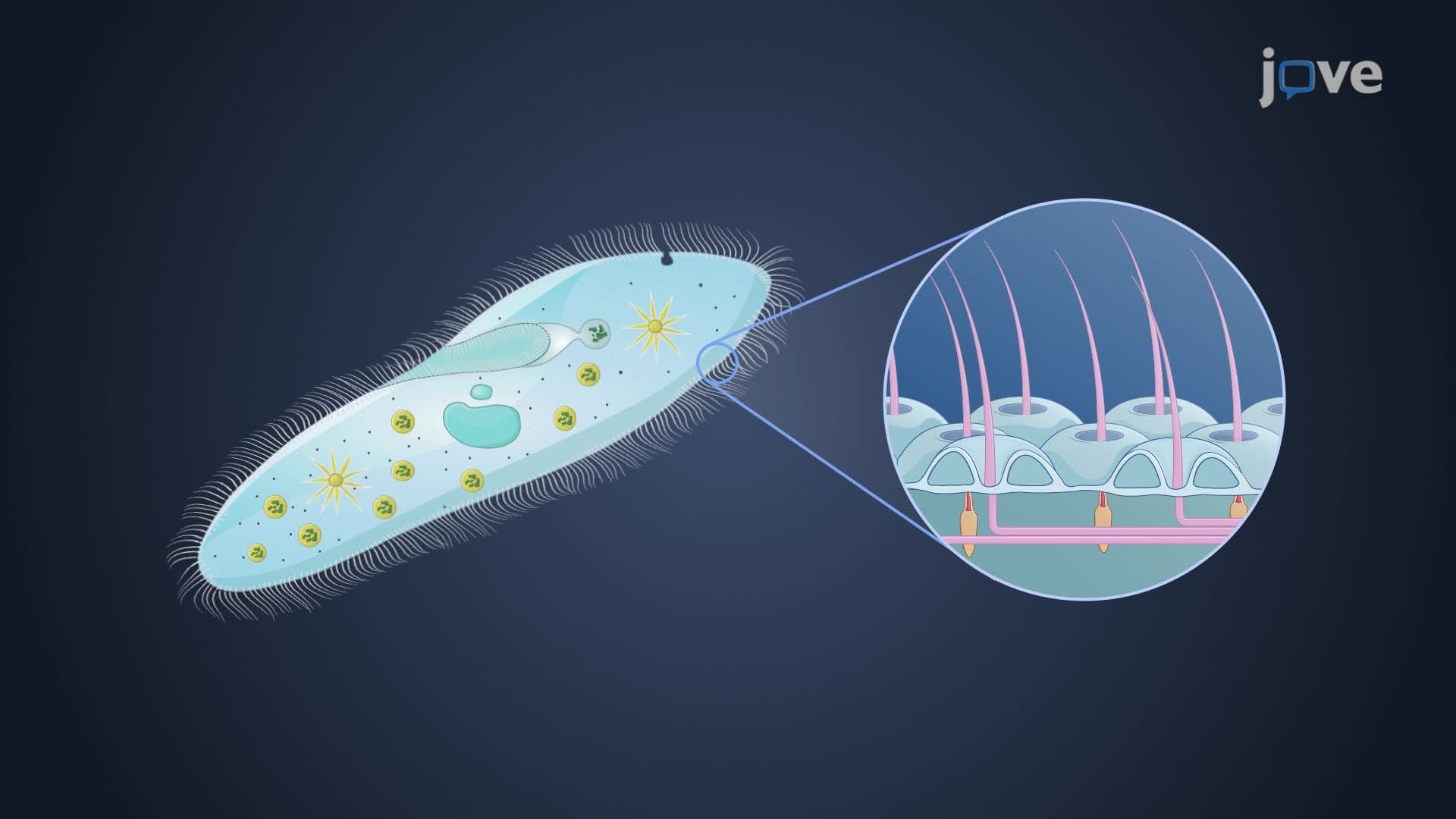
The overview of algae encompasses a fascinating group of organisms that challenge traditional plant classifications. Unlike true plants, algae lack the sophisticated vascular systems (xylem and phloem) that transport water and nutrients throughout plant bodies. Instead, these eukaryotic photoautotrophs have evolved alternative strategies for survival. This distinction becomes crucial when studying for AP Biology exams, where students must differentiate between algae and true plants based on structural complexity.
Structural Diversity: From Microscopic to Macroscopic
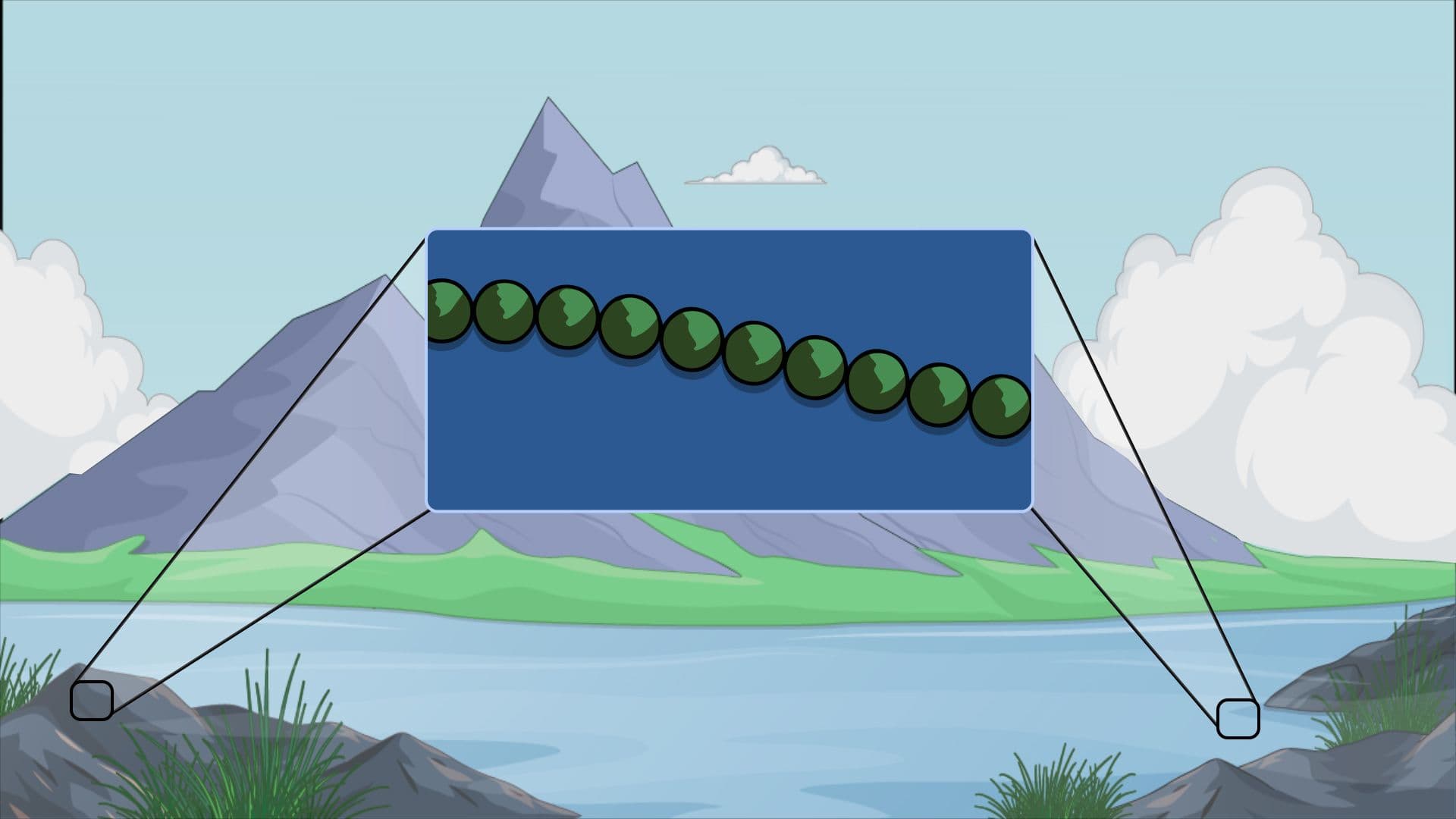
Algal diversity spans an impressive range of organizational complexity. Unicellular forms like *Chlamydomonas* represent the simplest structure, while multicellular giants like California's giant kelp (*Macrocystis pyrifera*) can reach lengths exceeding 200 feet. The kelp's specialized structure demonstrates sophisticated adaptation: holdfasts anchor the organism to rocky substrates, stipes provide flexible support, and blades maximize light capture for photosynthesis. This structural specialization appears frequently in college botany courses and MCAT biology sections.
Reproductive Strategies and Life Cycles
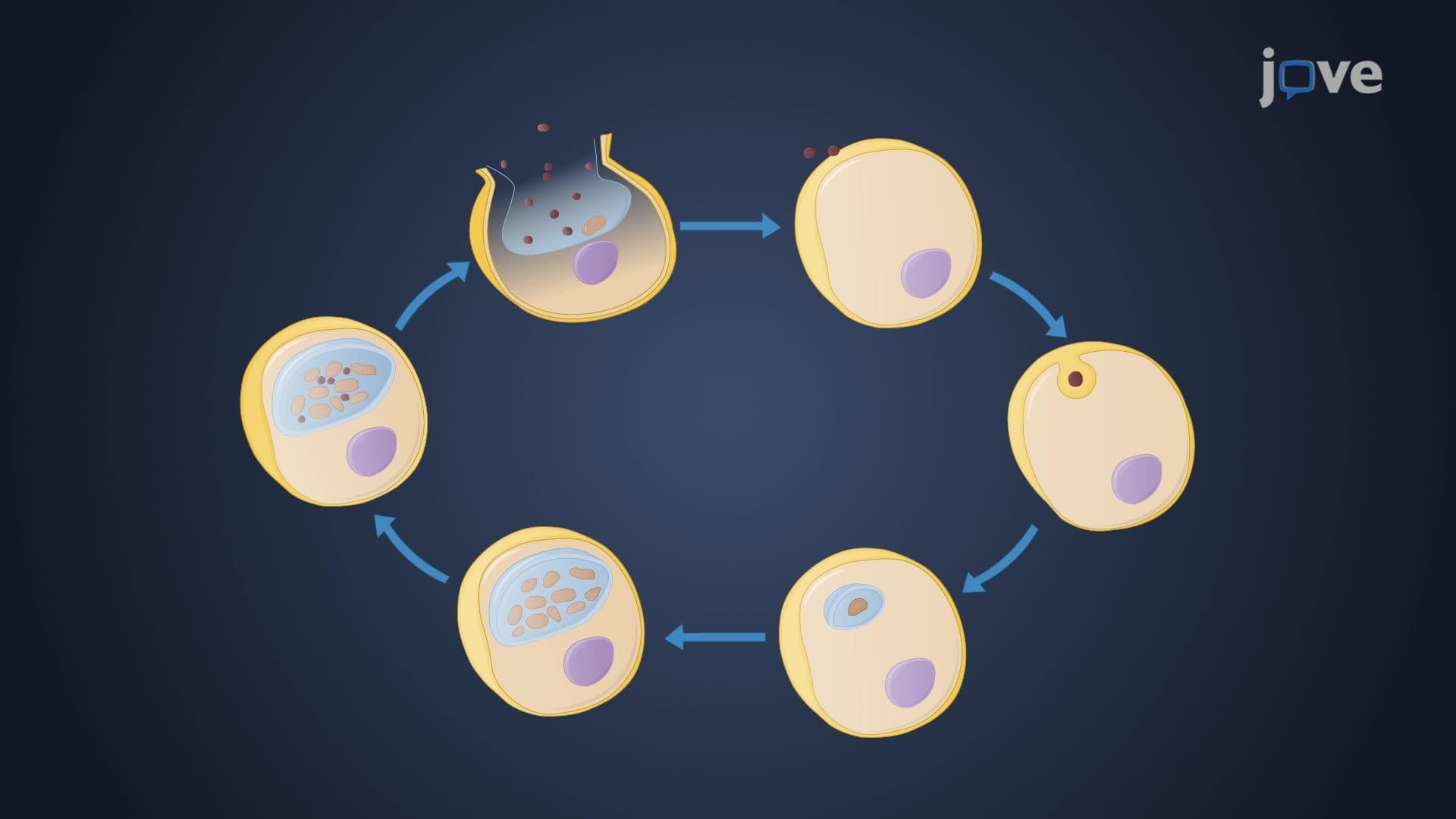
Algal reproduction showcases remarkable flexibility through both asexual and sexual mechanisms. Unicellular species primarily reproduce through mitotic division, enabling rapid population growth under favorable conditions. Multicellular forms often employ fragmentation, where storm damage becomes an opportunity for dispersal and colonization. Sexual reproduction introduces genetic diversity through alternation of generations, a concept that challenges students in introductory biology courses but proves essential for understanding plant evolution.
Ecological Significance and Classification
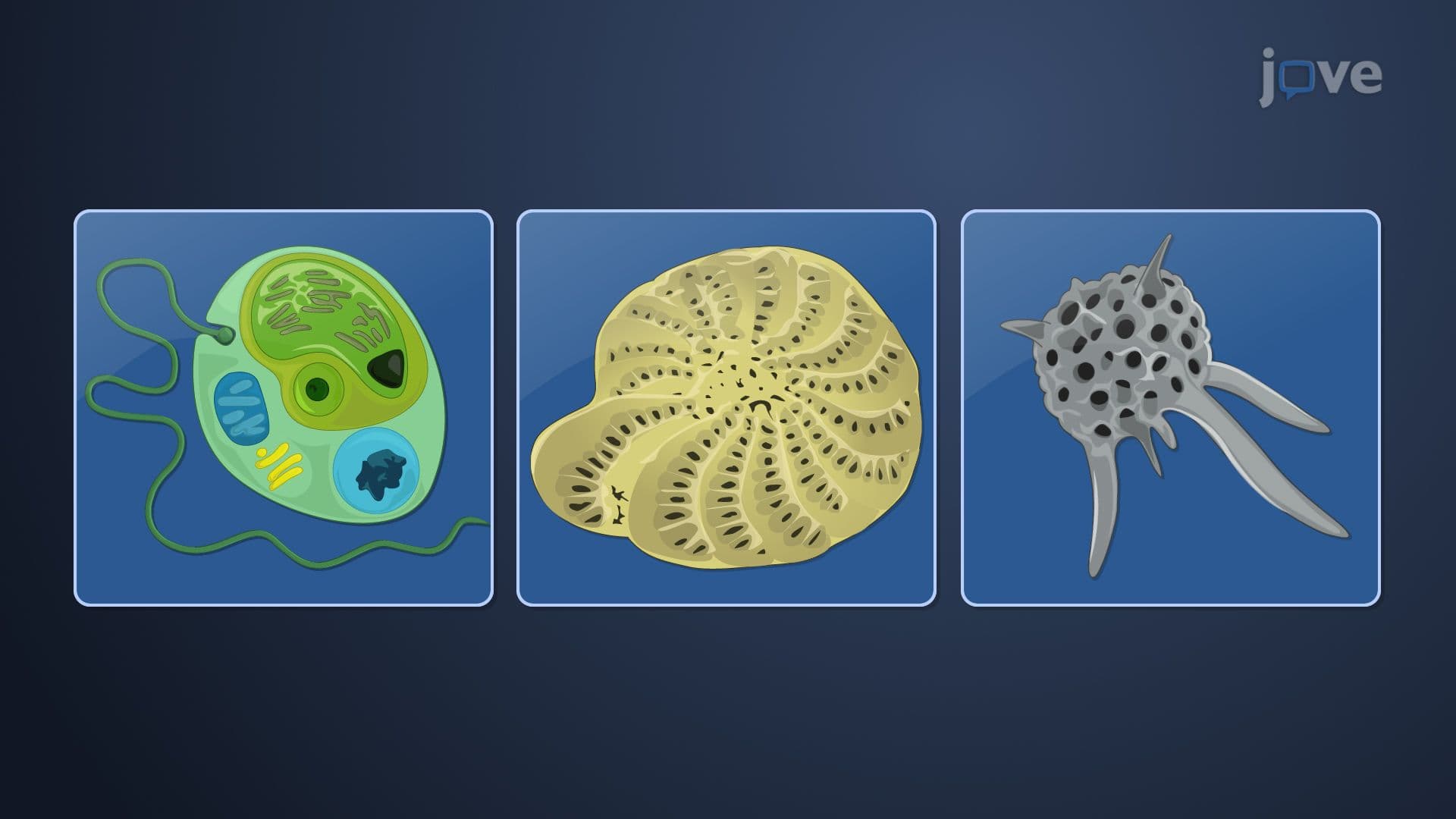
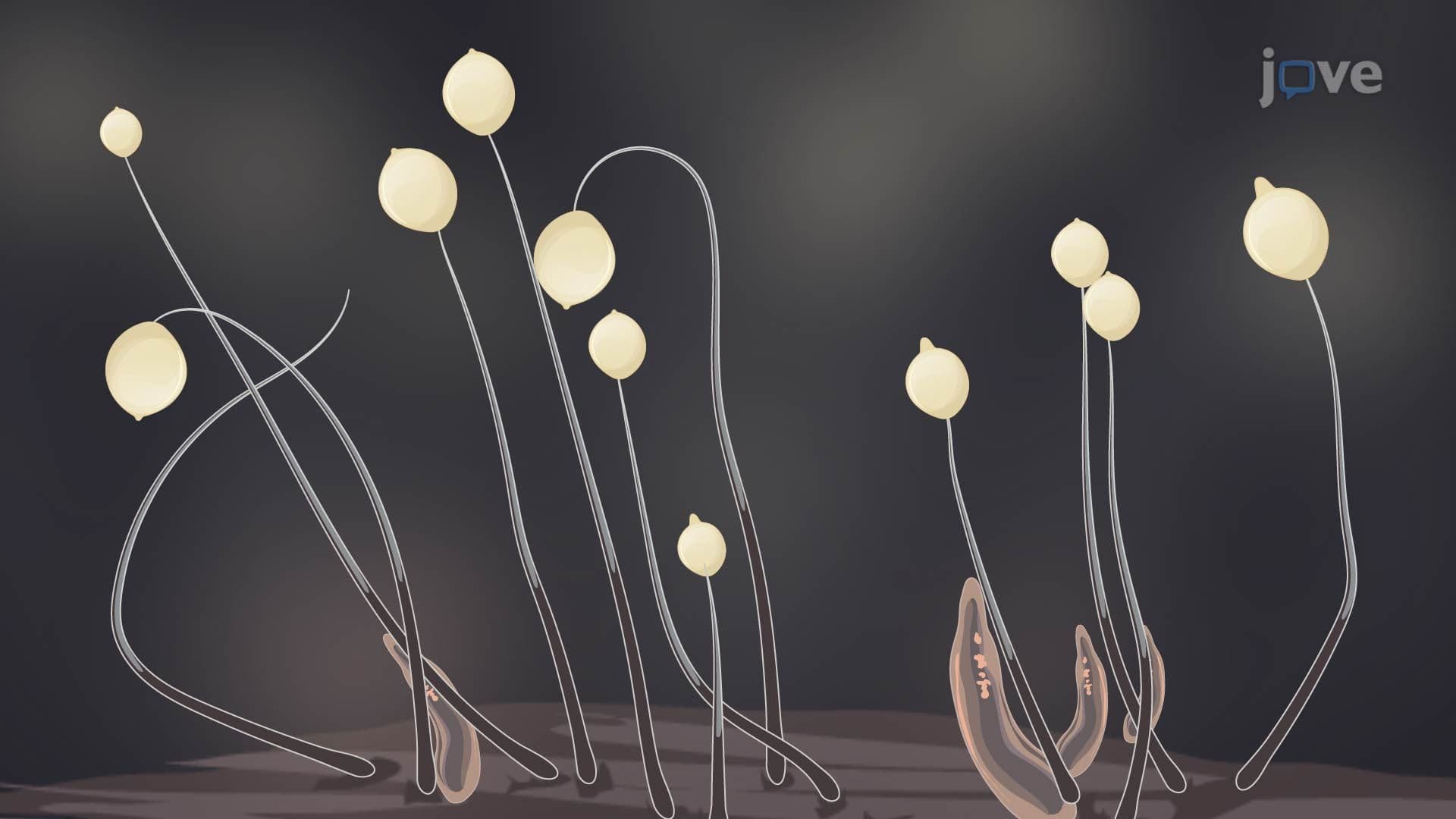
The six major algal phyla each occupy distinct ecological niches. Diatoms, with their intricate glass-like cell walls, dominate marine phytoplankton communities and contribute significantly to global oxygen production. Red algae thrive in deeper waters due to specialized pigments that capture blue light, while green algae represent the ancestral group from which land plants evolved. This phylogenetic relationship frequently appears on standardized tests, requiring students to trace evolutionary connections between aquatic and terrestrial photosynthetic organisms.
Frequently Asked Questions
Algae are eukaryotic photoautotrophs that lack the vascular tissue (xylem and phloem) found in true plants. While both perform photosynthesis, algae rely on water for structural support and nutrient transport, whereas plants have evolved specialized tissues for these functions. This fundamental difference affects their habitat preferences and evolutionary strategies.
AP Biology commonly tests algal classification, reproductive strategies, and their role as primary producers in aquatic ecosystems. Students should focus on understanding alternation of generations, the relationship between algae and plant evolution, and how different algal groups adapted to various aquatic environments. Practice identifying algal structures and their functions.
The MCAT often presents algae within broader ecology and evolution contexts, testing your understanding of photosynthetic pathways, reproductive strategies, and phylogenetic relationships. Expect passages comparing algal and plant characteristics, or questions about their role in aquatic food webs and global carbon cycling.
Algae research drives innovations in renewable energy, with companies like ExxonMobil investing in algal biofuels, while pharmaceutical companies extract compounds from red algae for cancer treatments. Additionally, algae serve as environmental indicators, monitoring algal blooms in the Great Lakes helps track water quality and climate change impacts.
No advanced chemistry background is required for introductory algae concepts. Basic understanding of photosynthesis, cell structure, and biological classification provides sufficient foundation. Most high school biology courses cover the necessary prerequisites, making algae accessible to students with standard biology preparation.
Create visual associations linking each algal group to distinctive characteristics: brown algae with kelp forests, red algae with deep-water adaptations, and green algae with plant ancestry. Use mnemonic devices connecting pigment colors to habitat preferences, and practice drawing simplified life cycles to reinforce reproductive strategies.
Explore algal biochemistry, particularly photosynthetic pigments and their light-harvesting efficiency across different wavelengths. Investigate algal symbiosis, such as the relationship between zooxanthellae and coral reefs, which connects to broader ecology and climate change topics relevant in advanced biology courses.
Algae classification is moderately challenging, requiring memorization of six major phyla and their characteristics. However, the logical connection between structure and environment makes it more manageable than topics like biochemical pathways. Focus on understanding functional adaptations rather than memorizing isolated facts for better retention.
Related Micro-courses
10 Concepts

11 Concepts

13 Concepts