Loading subject page…

13,350 views

Video Summary: What Is Overview of Archaea
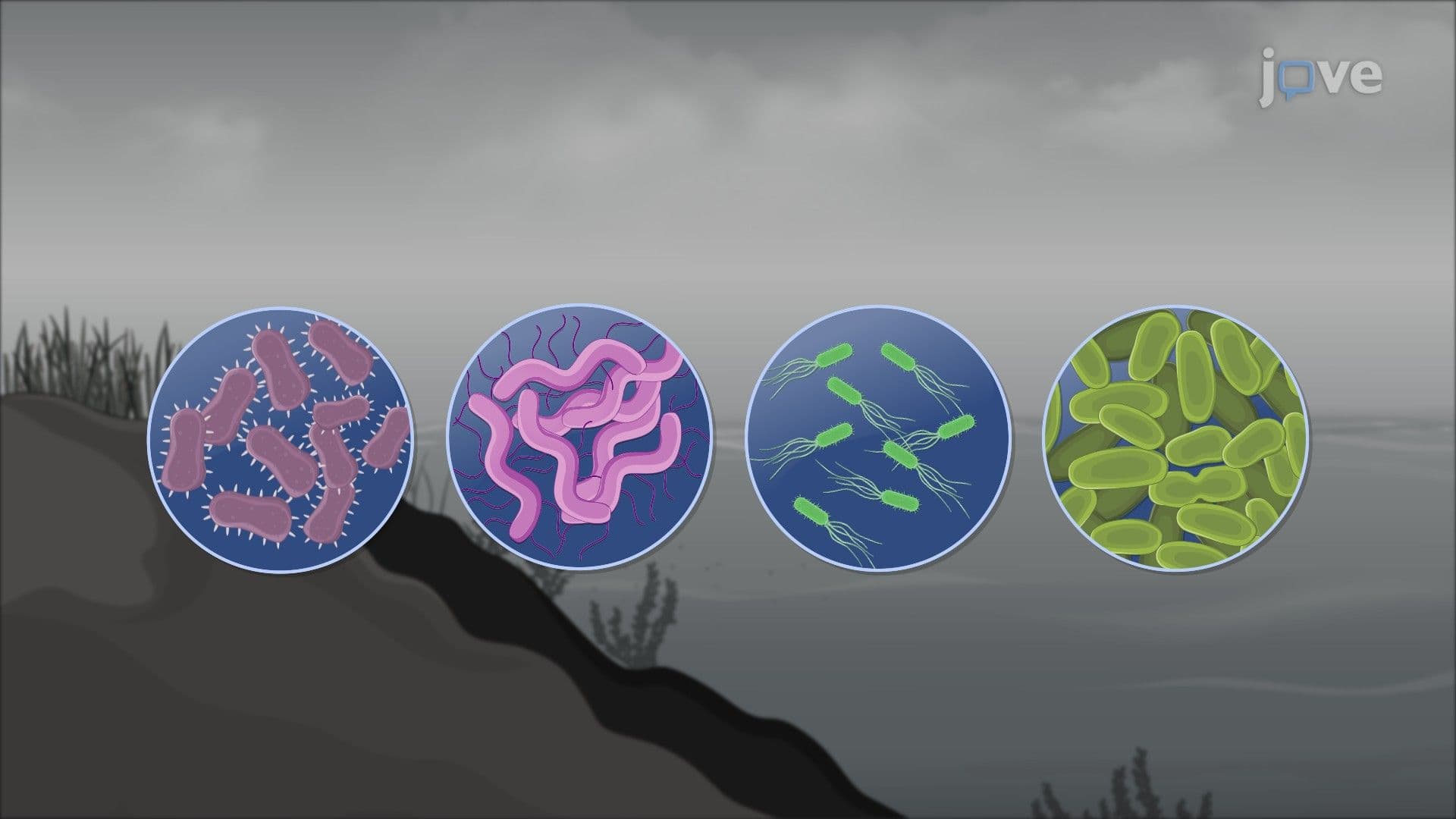
Did you know that some of the toughest microorganisms on Earth can survive in boiling water at Yellowstone National Park's hot springs? This overview of archaea reveals how these remarkable prokaryotes form an entirely separate domain of life, distinct from bacteria and eukaryotes. Unlike bacteria, archaea possess unique ether-linked membrane lipids and can thrive in extreme environments that would kill most other organisms. Watch the full video on JoVE Coach to master this concept with expert-led visuals and step-by-step explanations.
The overview of archaea begins with recognizing these organisms as one of life's three fundamental domains, alongside Bacteria and Eukarya. Discovered relatively recently through molecular analysis, archaea were initially mistaken for bacteria due to their prokaryotic nature. However, extensive research has revealed they represent a distinct evolutionary lineage with unique characteristics that set them apart from all other life forms.
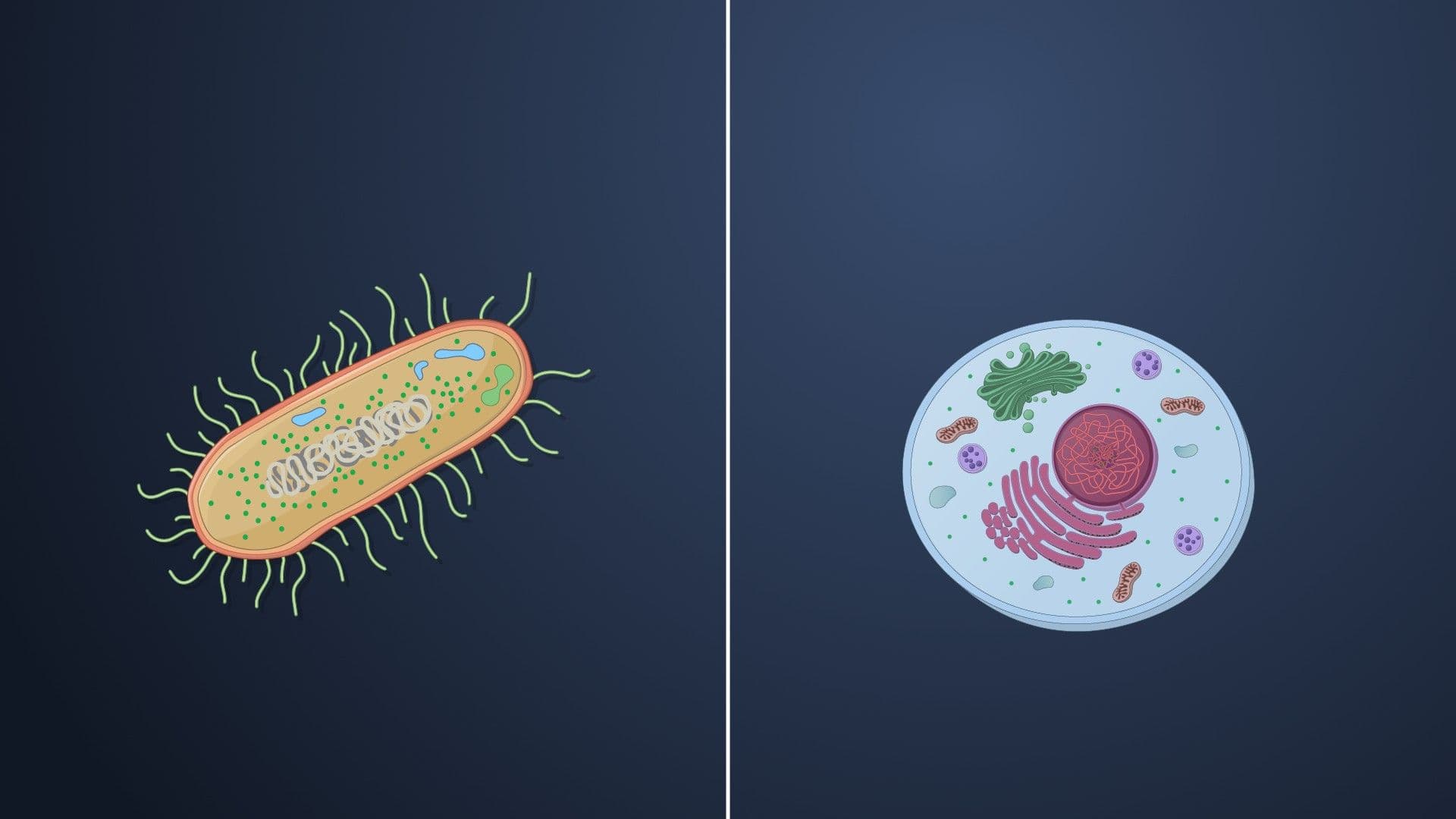
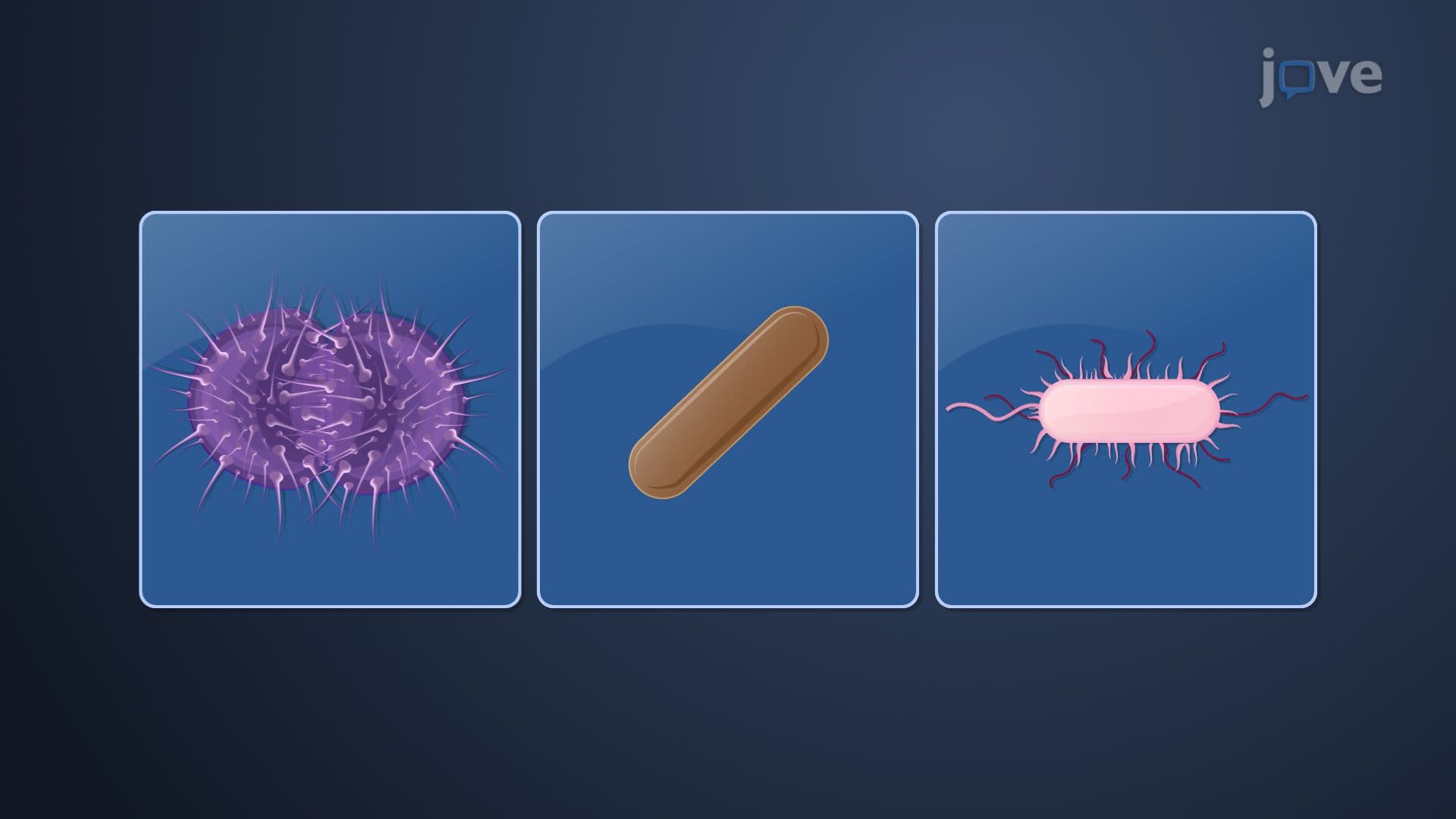
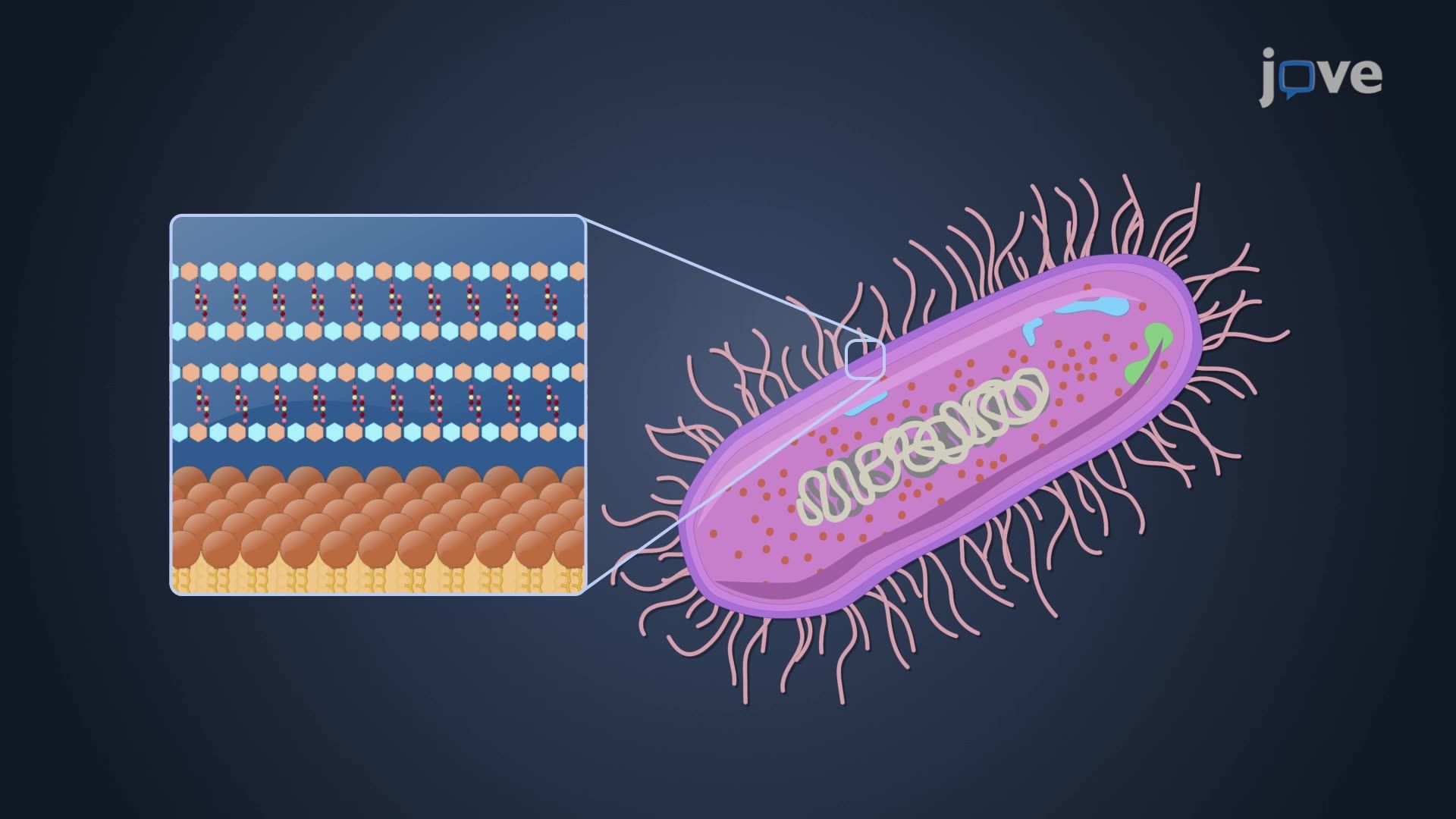
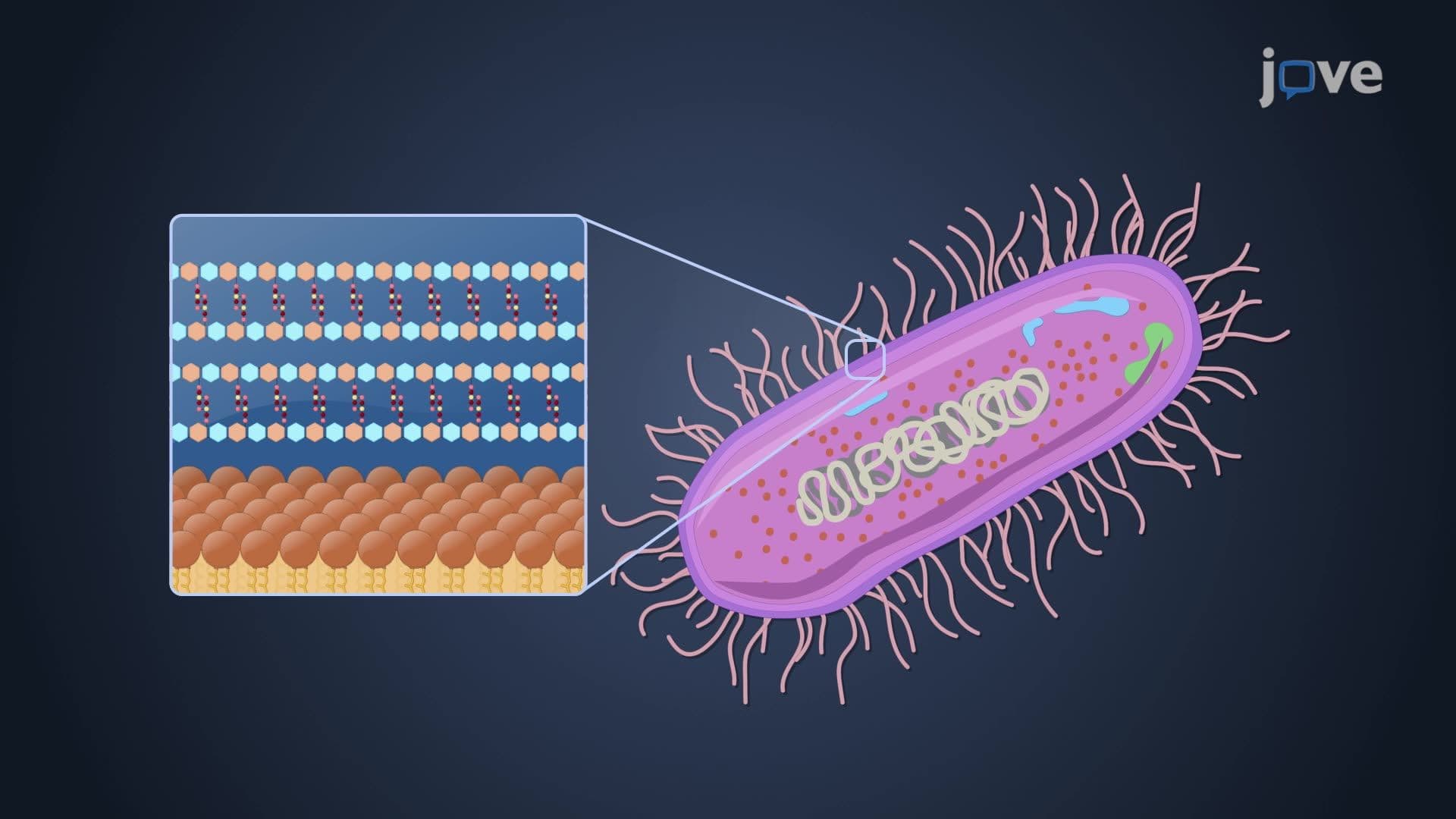
Archaeal cell structure showcases remarkable differences from bacterial counterparts. While both lack membrane-bound nuclei, archaea possess fundamentally different cell wall compositions. Instead of peptidoglycan found in bacterial cell walls, many archaea contain pseudomurein-a structurally similar but chemically distinct polymer. This difference has significant implications for antibiotic resistance, as drugs targeting peptidoglycan synthesis prove ineffective against archaea.
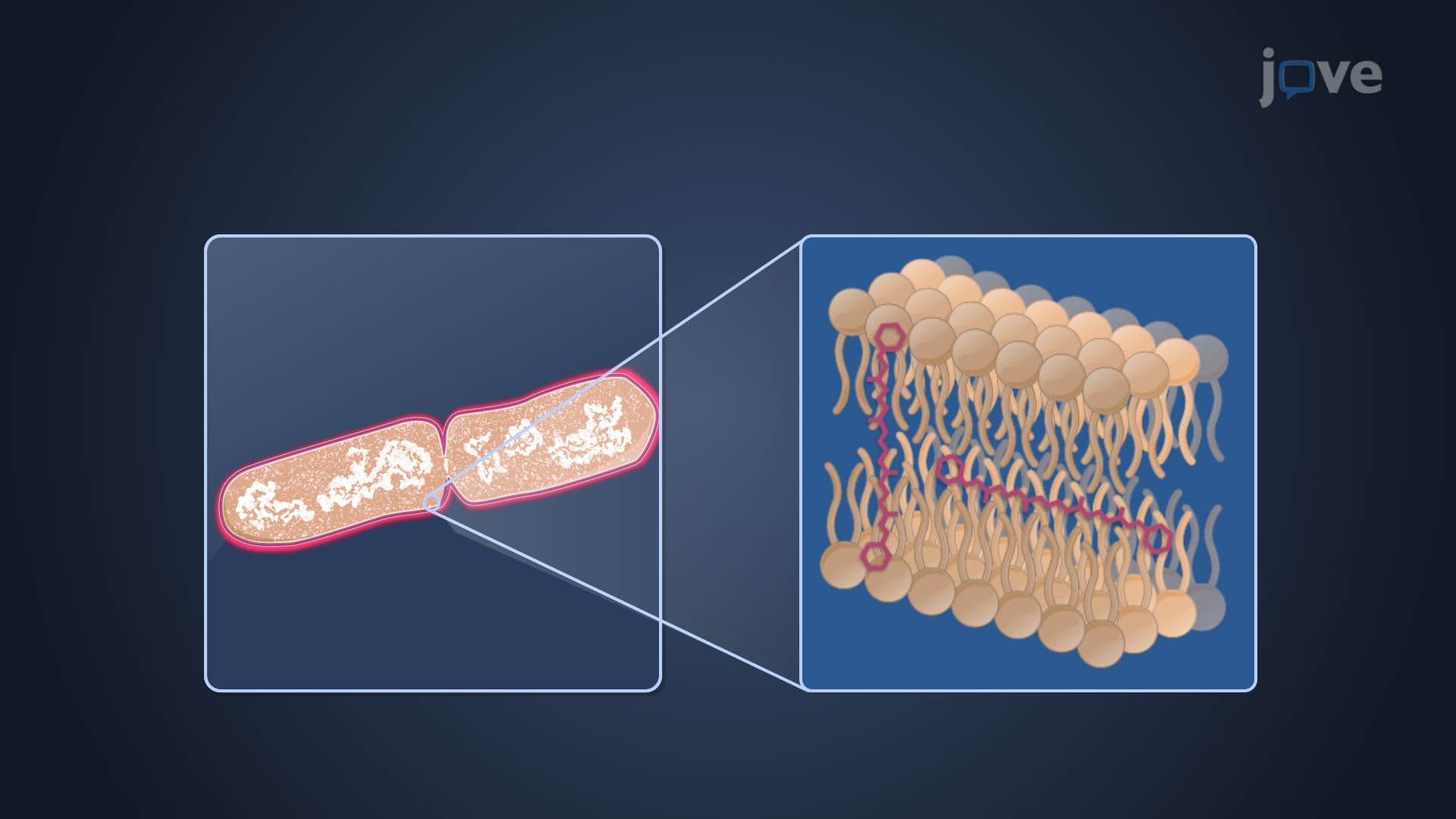
The most striking biochemical feature involves archaeal membrane lipids. Unlike the ester-linked fatty acids in bacterial and eukaryotic membranes, archaea utilize ether-linked isoprenoid chains. This unique membrane chemistry contributes to their extraordinary stability under extreme conditions, allowing survival in environments that would destroy conventional cellular membranes.
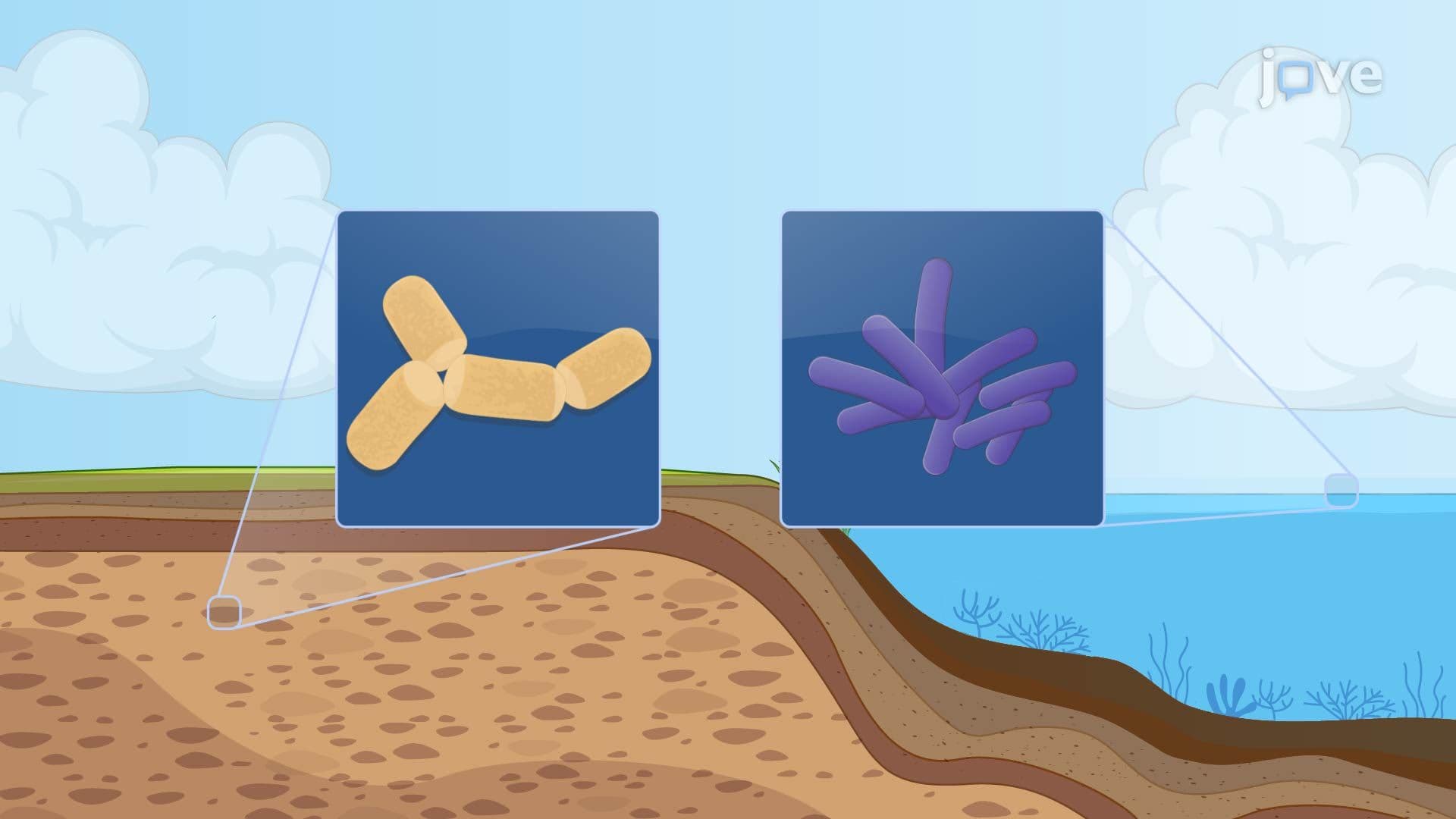
Archaea demonstrate incredible metabolic versatility through various energy-generating strategies. Chemoorganotrophic archaea oxidize organic compounds like glucose for energy, similar to many familiar organisms. However, chemolithotrophic species derive energy from inorganic compounds, oxidizing substances like sulfur, ammonia, or hydrogen. This metabolic flexibility enables colonization of diverse ecological niches.
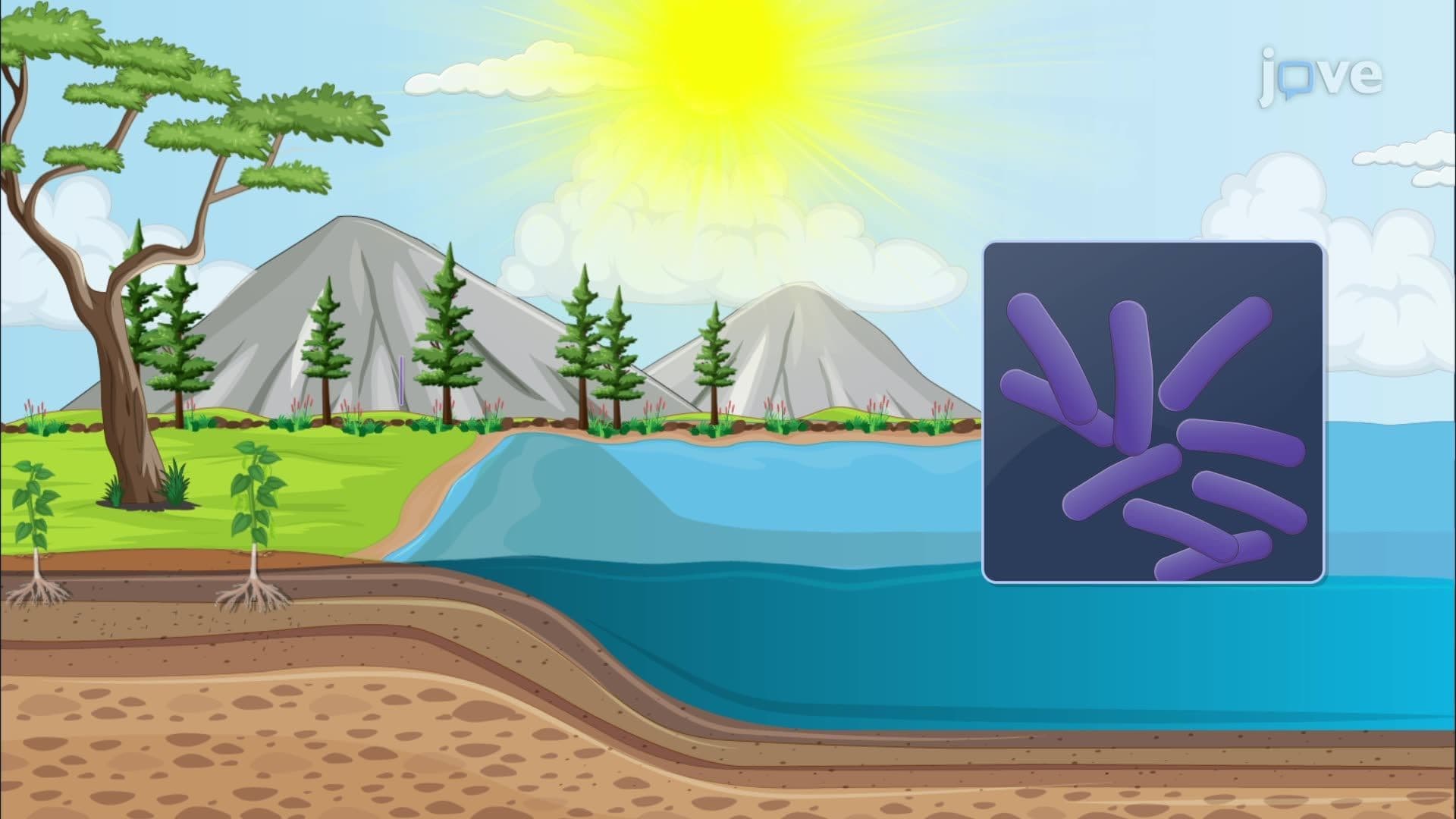
Methanogenic archaea represent a particularly important group, producing methane as a metabolic byproduct. These organisms play crucial roles in carbon cycling and contribute significantly to atmospheric methane levels. Students studying environmental science or preparing for AP Environmental Science exams should understand methanogens' impact on greenhouse gas production and global climate patterns.
Despite their prokaryotic organization, archaea share surprising molecular similarities with eukaryotes. Their RNA polymerases and transcription initiation factors more closely resemble eukaryotic versions than bacterial counterparts. This relationship provides crucial insights into evolutionary biology and supports hypotheses about eukaryotic origins. For students taking college-level molecular biology courses or preparing for the MCAT, understanding these phylogenetic relationships proves essential for questions about evolutionary relationships and cellular organization.
Related Micro-courses