Loading subject page…

13,352 views
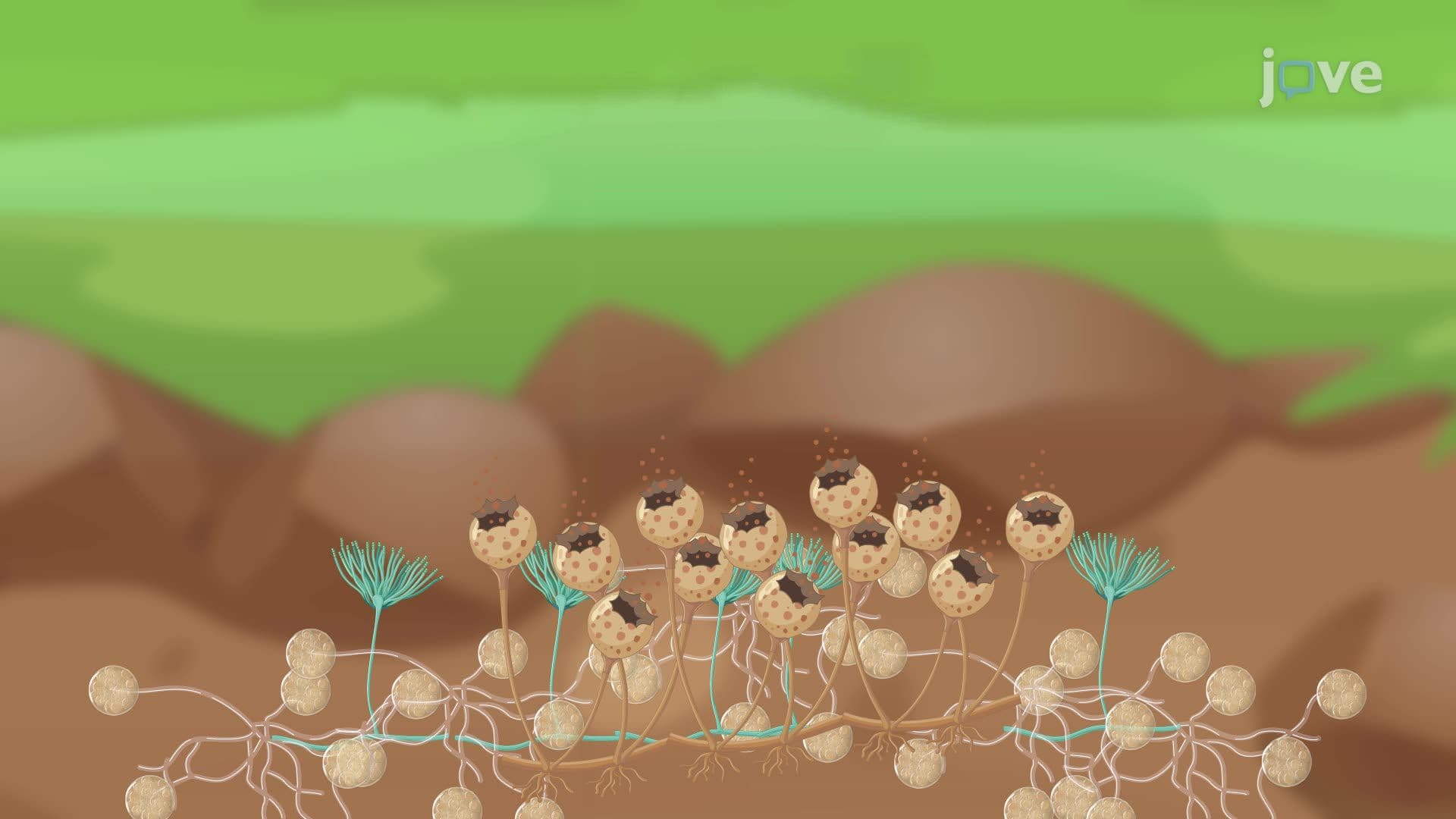

Video Summary: What Is Overview of Fungi
Did you know the antibiotic penicillin that saved millions of American lives comes from a fungus? An overview of fungi reveals these remarkable organisms as chemoheterotrophic eukaryotes with chitin-reinforced cell walls, forming vast underground networks called mycelia. From the bread mold in your kitchen to the mushrooms in Pacific Northwest forests, fungi play essential roles as decomposers, symbionts, and producers of life-saving medicines. Watch the full video on JoVE Coach to master this concept with expert-led visuals and step-by-step explanations.
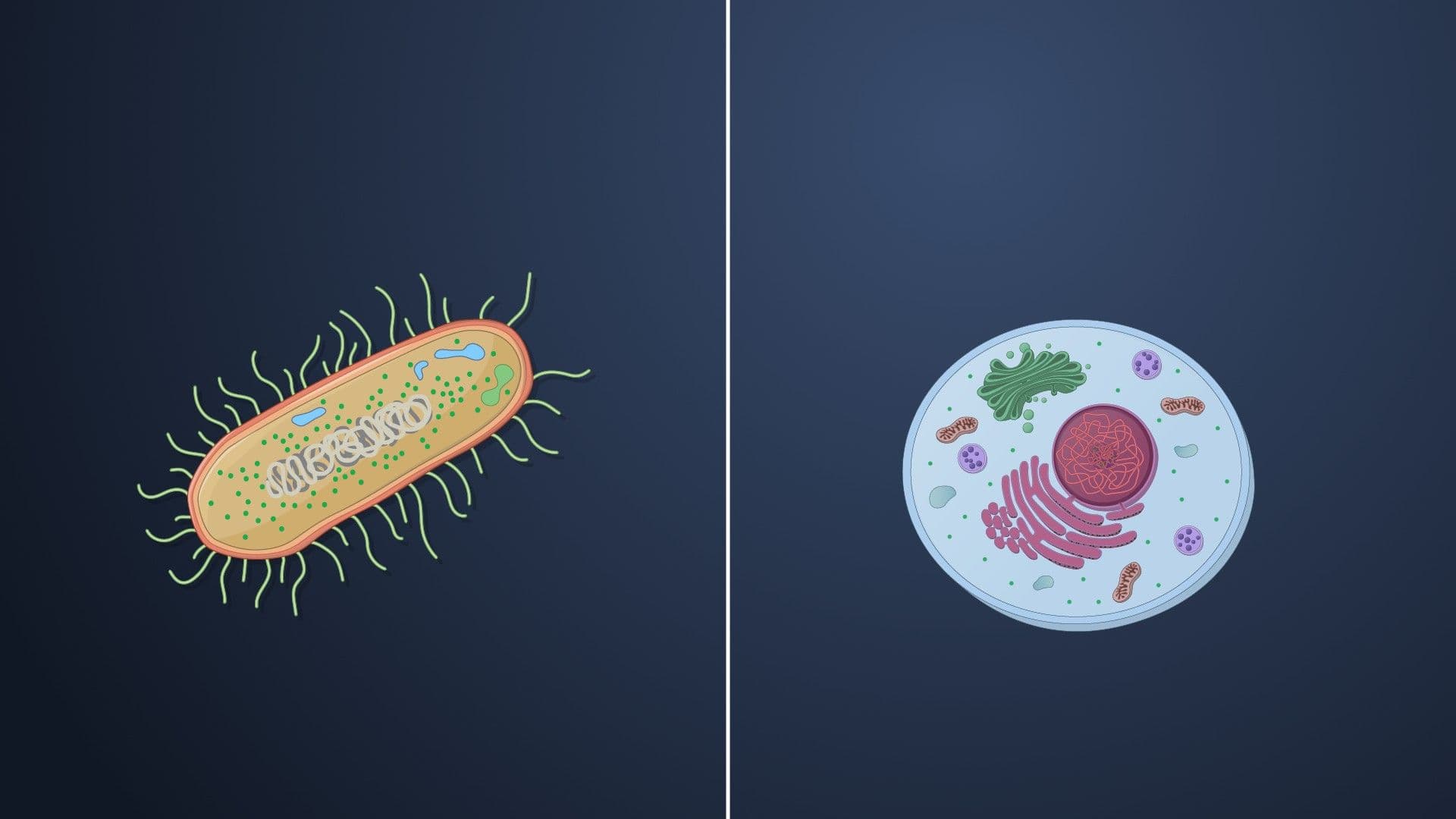
An overview of fungi begins with recognizing these organisms as a distinct kingdom of eukaryotes that share more genetic similarity with animals than plants. Unlike plants, fungi cannot photosynthesize and must obtain nutrients as chemoheterotrophs, breaking down organic matter in their environment. This fundamental difference shapes their entire biology and ecological role.
The fungal cell wall represents a marvel of biological engineering, combining chitin-the same polymer found in insect exoskeletons-with glucans for structural integrity and flexibility. This composition allows fungi to withstand harsh environmental conditions, including the acidic pH levels (often below 7) they prefer and high osmotic pressures that would damage other organisms.
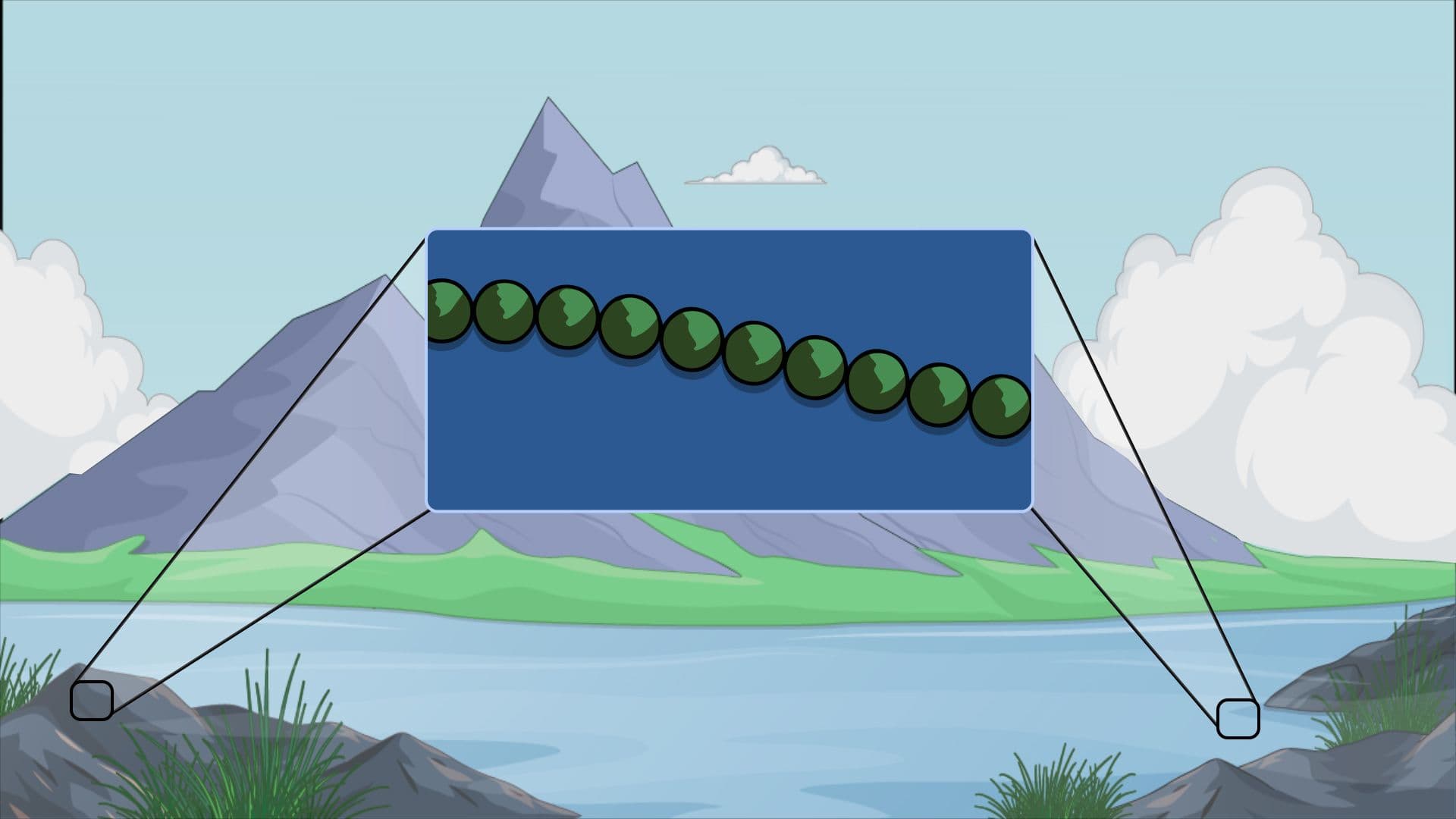
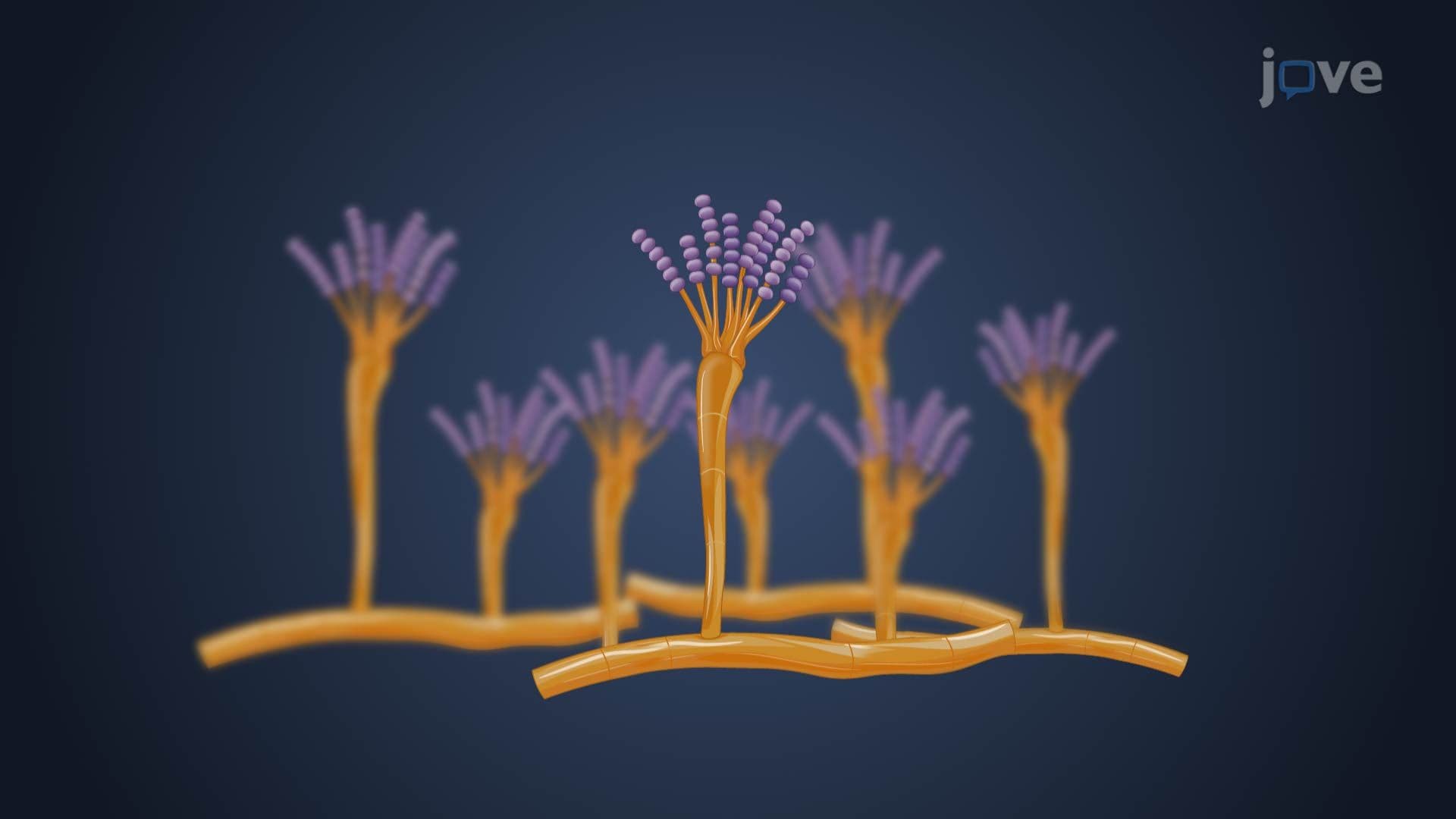
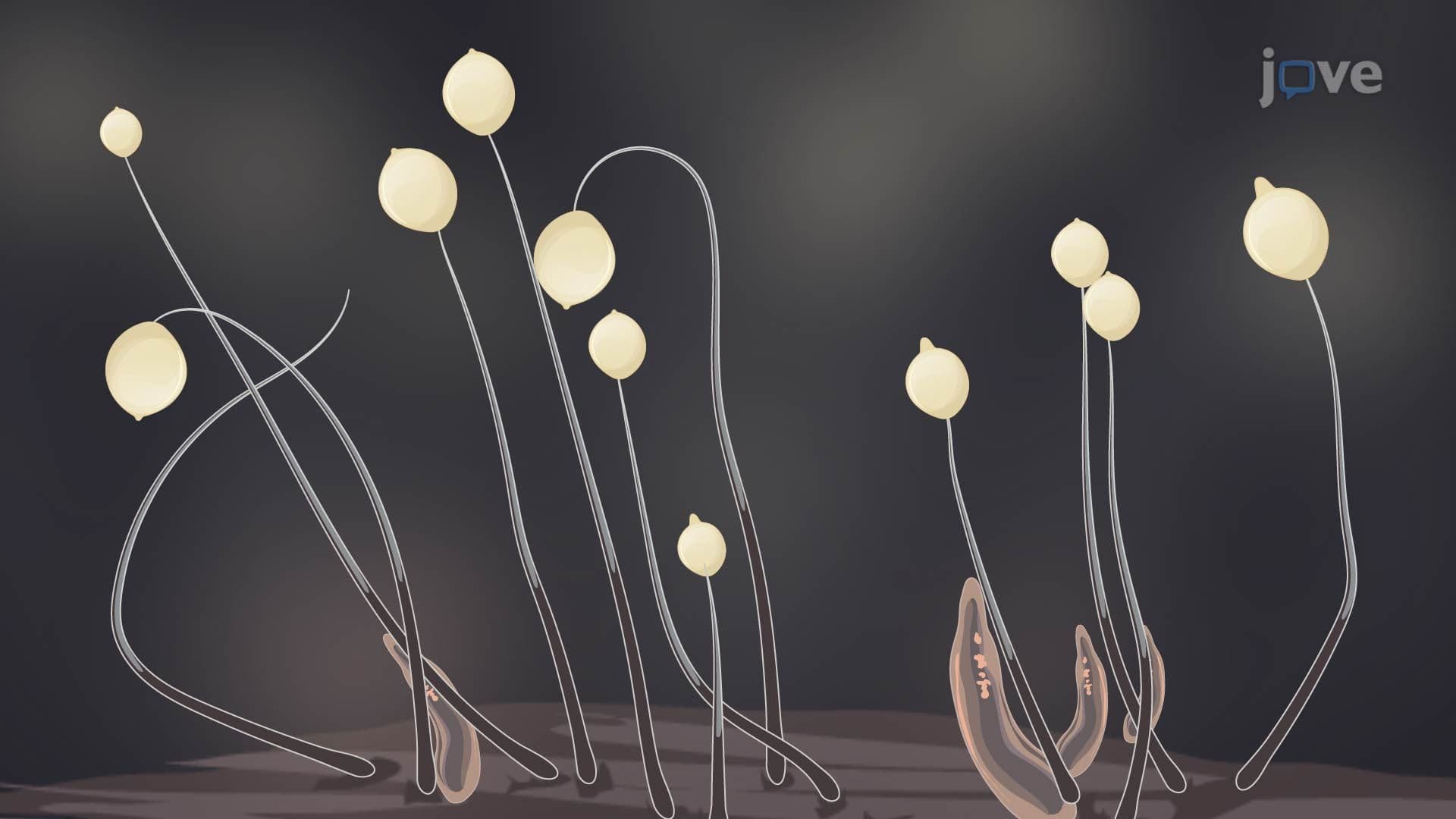
While yeasts like *Saccharomyces cerevisiae* (used in American breweries and bakeries) remain unicellular, most fungi develop into intricate multicellular structures. The basic building block is the hypha-a thread-like filament that extends through substrates, absorbing nutrients along its length. These hyphae collectively form a mycelium, creating vast underground networks that can span acres in forests like those in Oregon's Blue Mountains.
The distinction between septate and coenocytic hyphae reflects different evolutionary strategies. Septate hyphae contain cross-walls that compartmentalize the filament, allowing for specialized cellular functions and damage control. Coenocytic hyphae lack these divisions, creating continuous multinucleated tubes that facilitate rapid nutrient transport but offer less protection against injury.
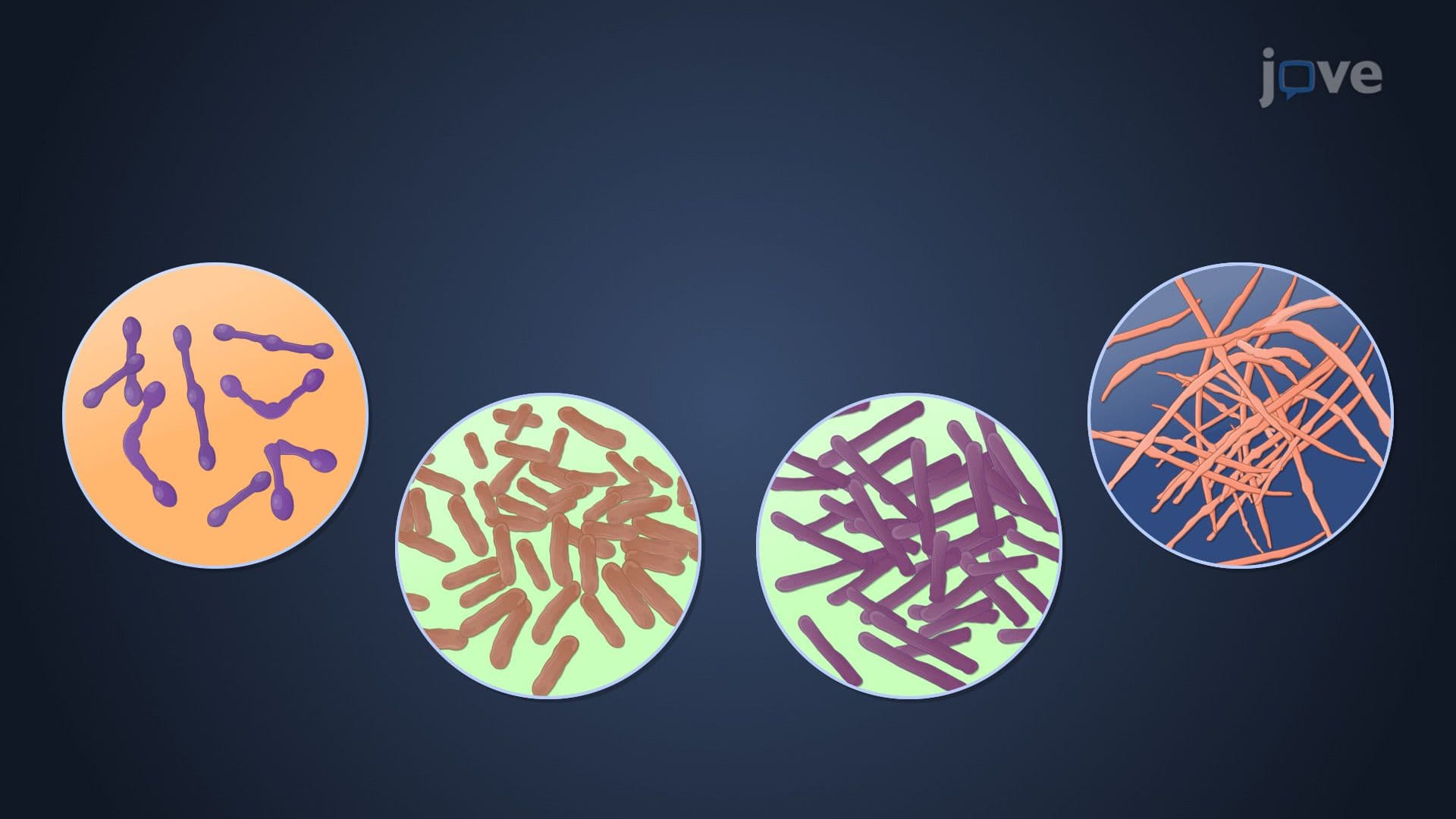
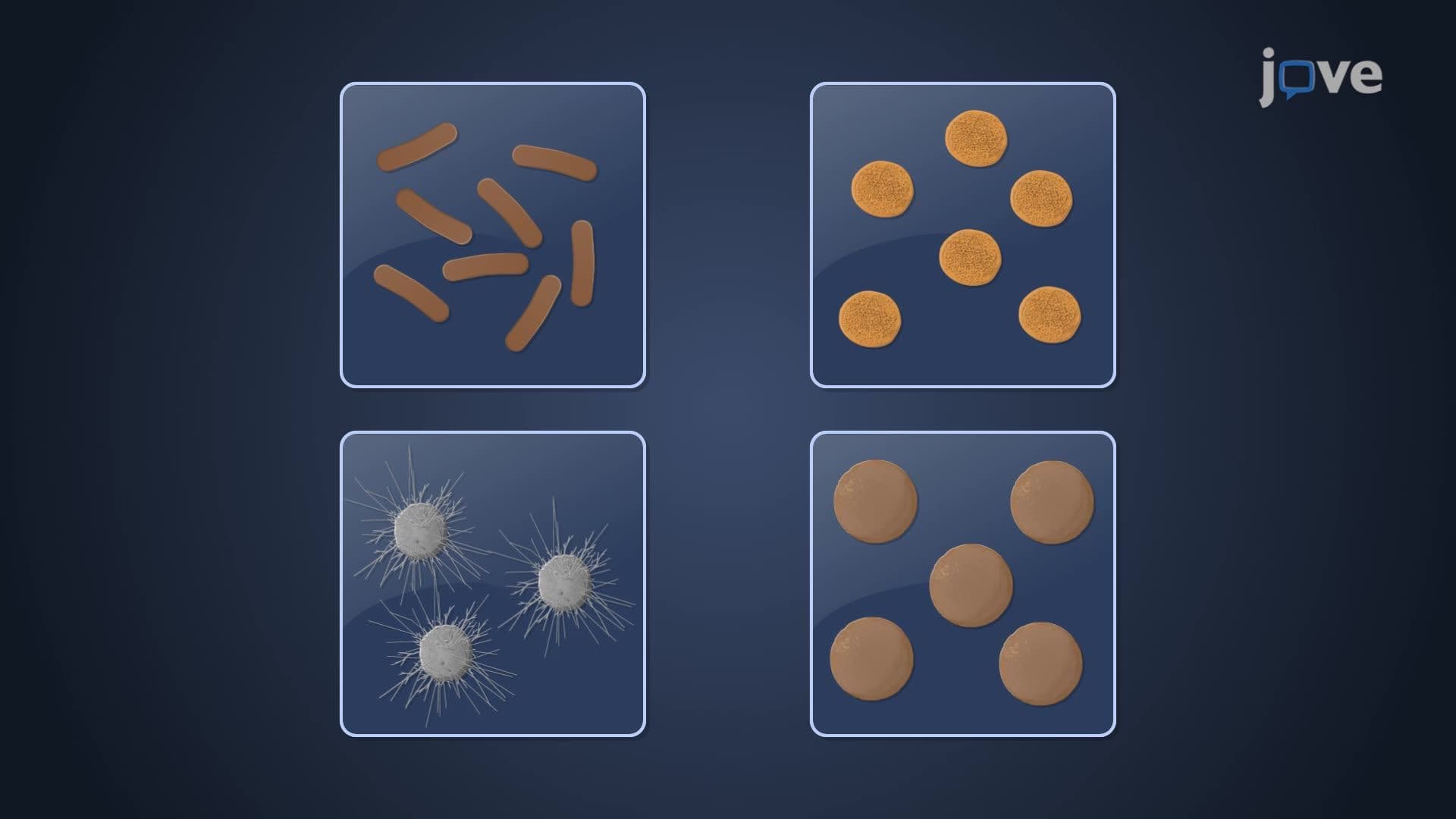
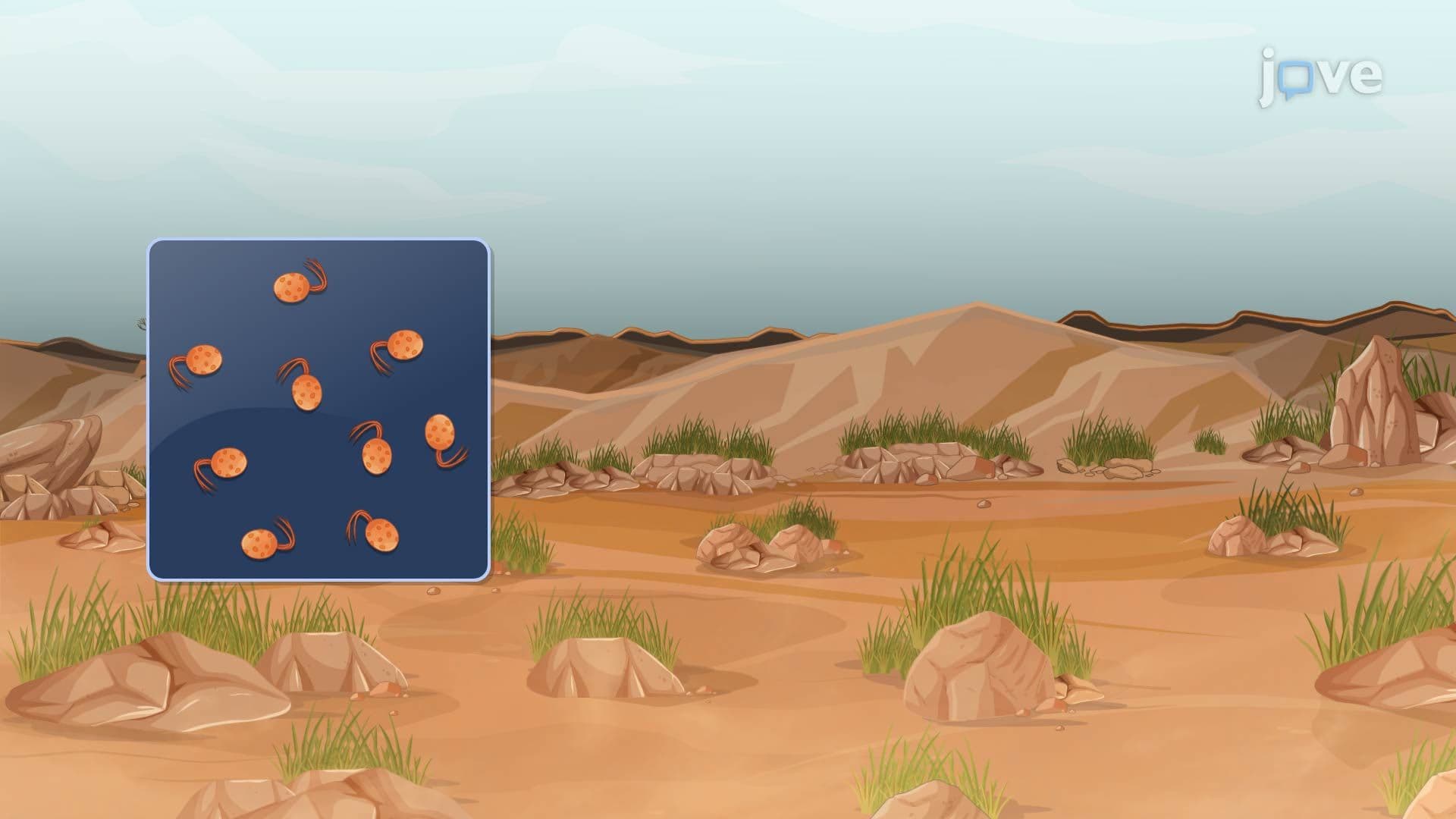
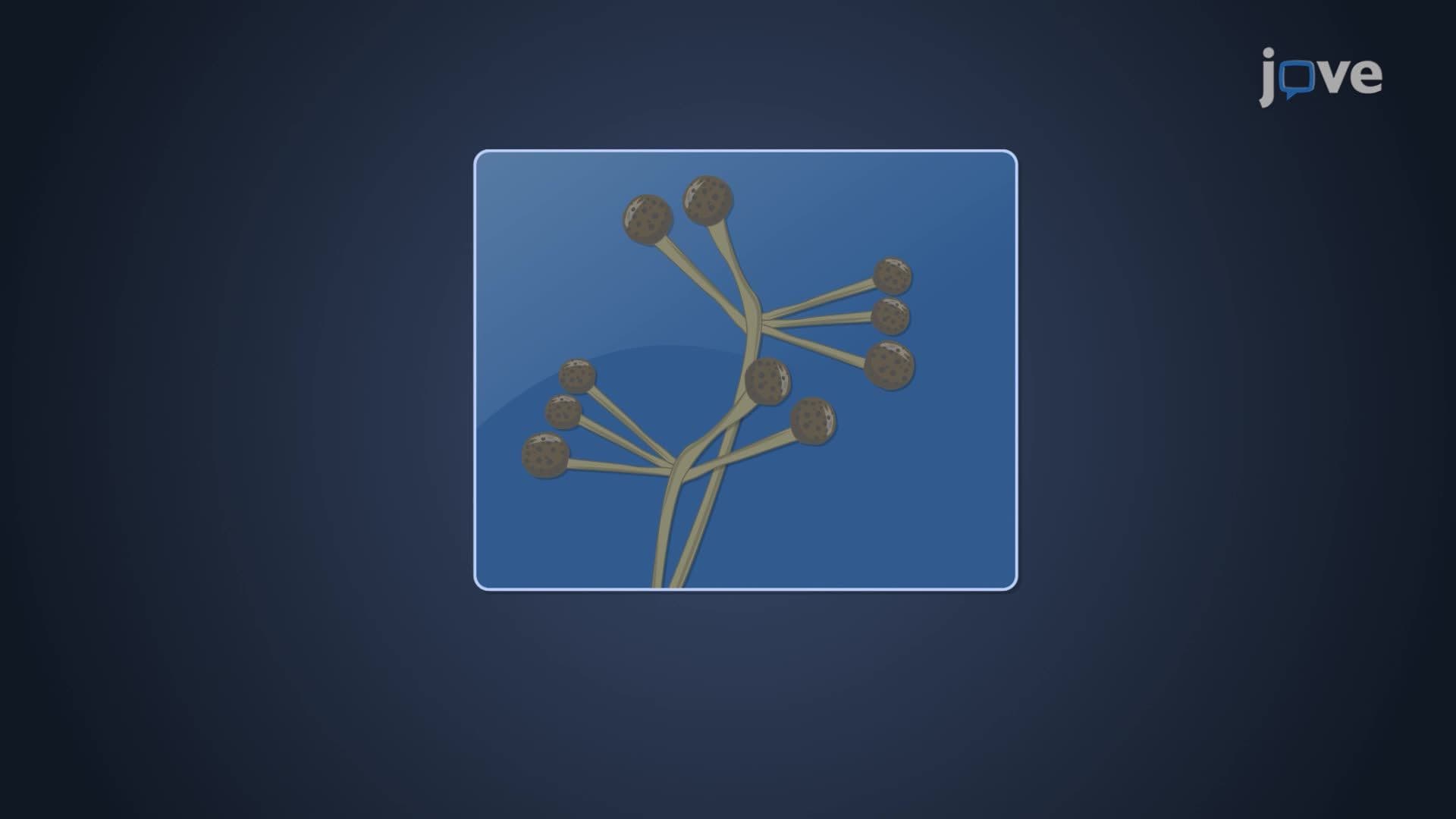
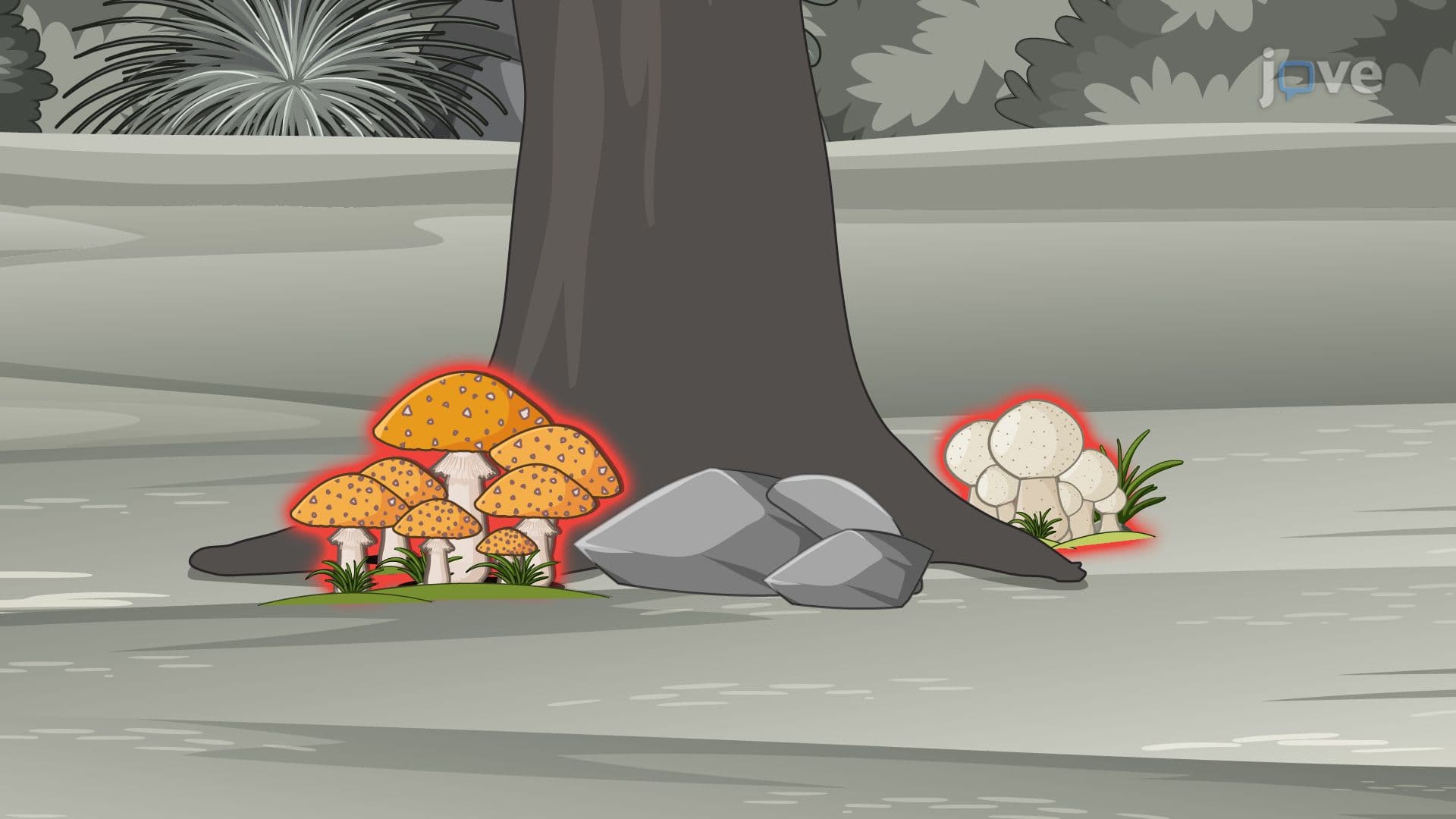
Traditional fungal classification relies heavily on reproductive structures and spore characteristics-knowledge essential for AP Biology exams and college mycology courses. The major phyla include Chytridiomycota (primitive aquatic fungi), Zygomycota (bread molds), Glomeromycota (mycorrhizal partners), Ascomycota (including *Penicillium* species), and Basidiomycota (mushrooms and bracket fungi).
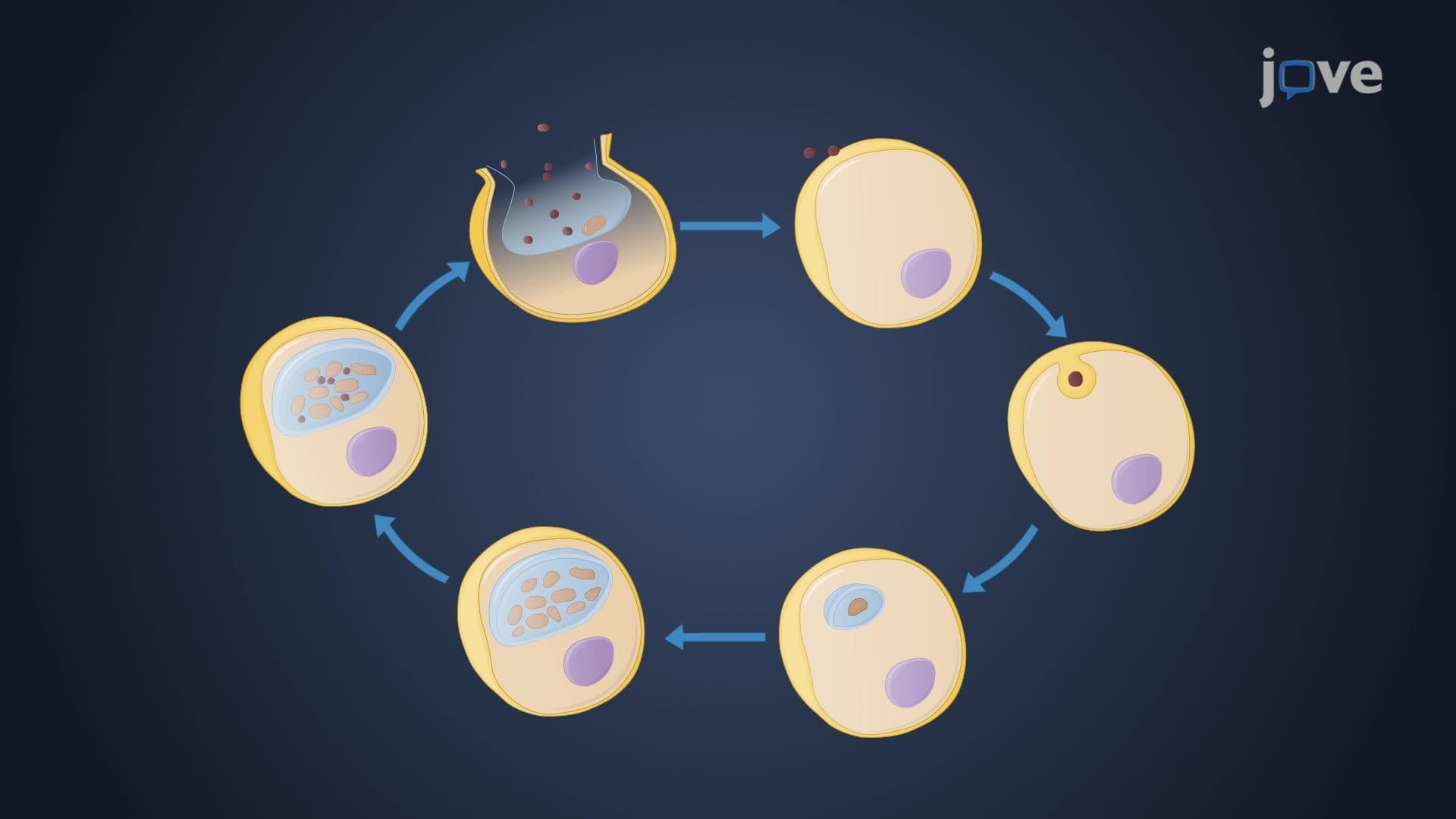
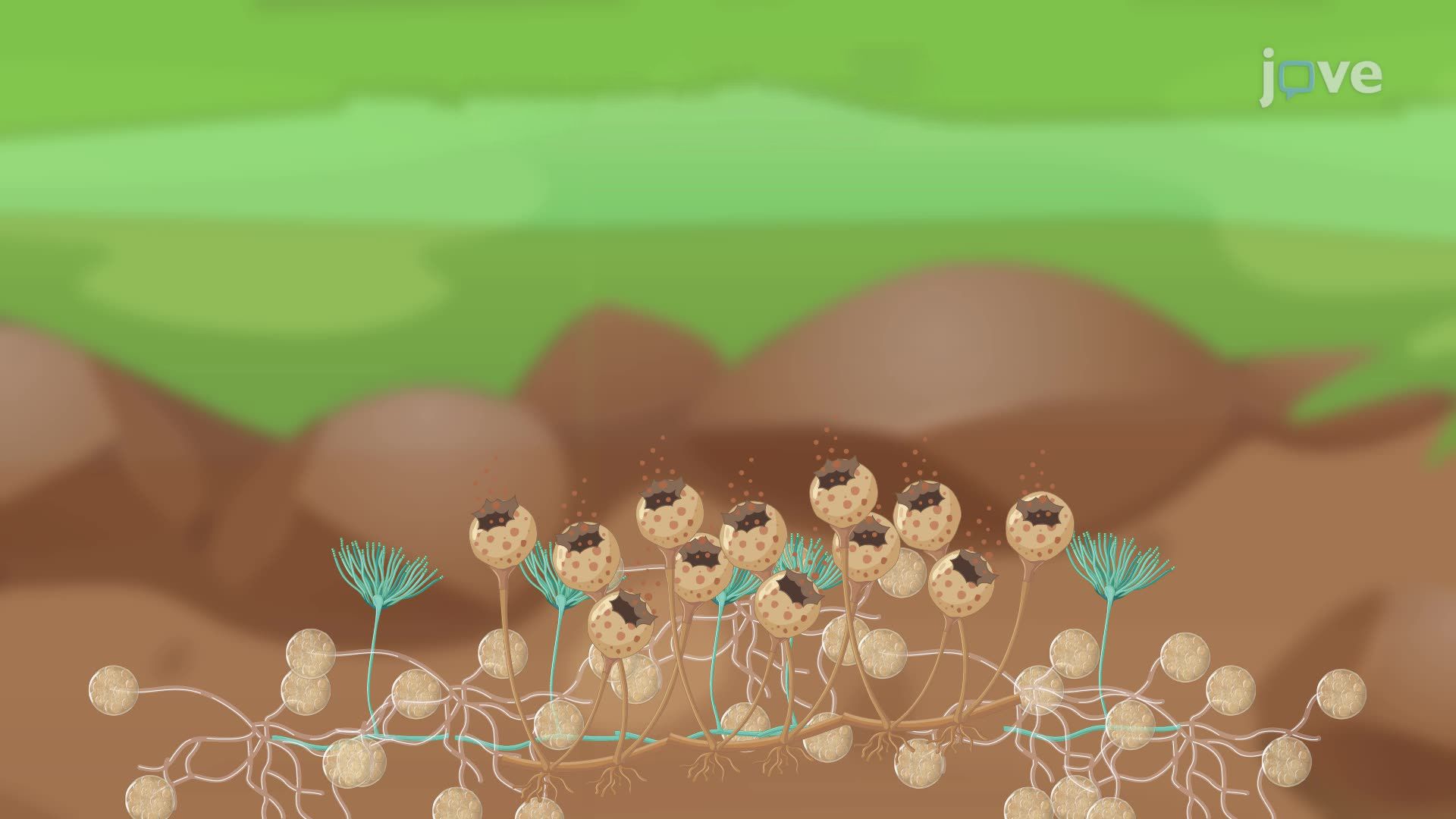
Fungal reproduction showcases remarkable diversity. Asexual reproduction through spores allows rapid colonization-observe how quickly *Aspergillus* species can overtake stored grains in American agricultural facilities. Sexual reproduction involves the complex fusion of compatible nuclei, often producing distinctive fruiting bodies that aid in species identification for field biology students.
Fungi serve as nature's recyclers, decomposing organic matter and returning nutrients to ecosystems. Their symbiotic relationships, particularly mycorrhizal associations with plant roots, support approximately 90% of plant species, including major American crops like corn and soybeans. However, fungi also cause significant agricultural losses-wheat rust fungi alone cost American farmers hundreds of millions annually.
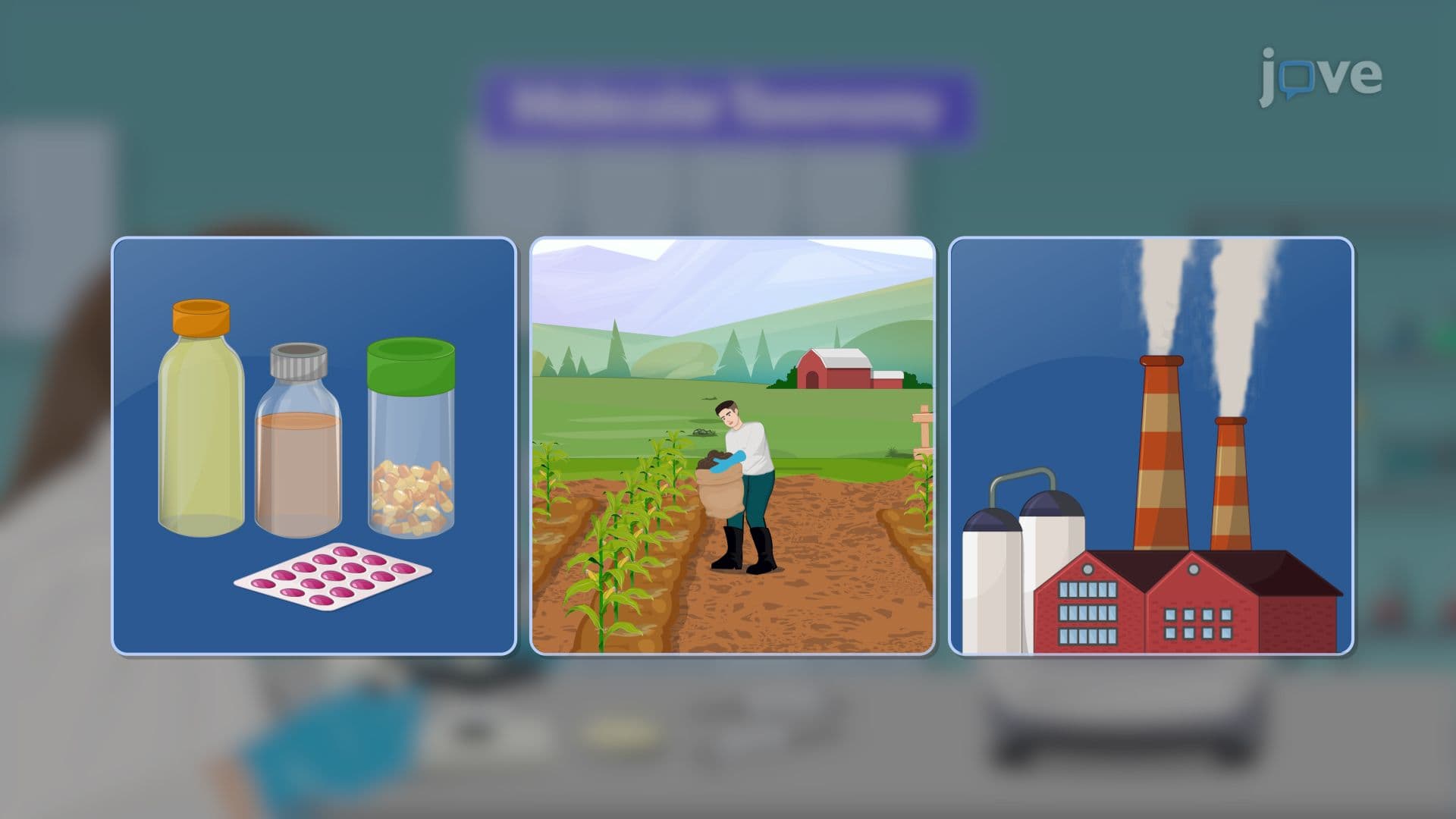
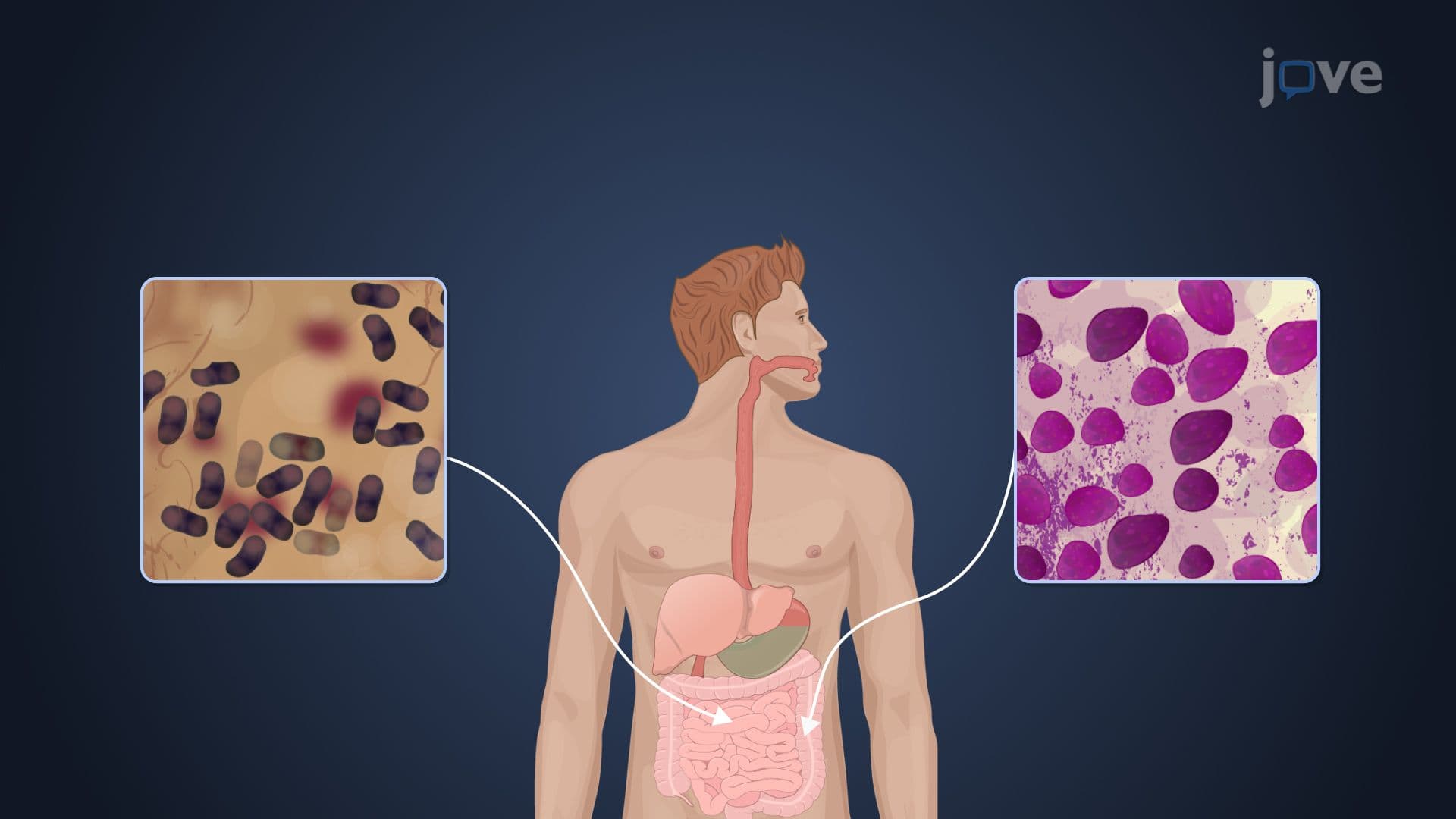
The biotechnology applications of fungi extend far beyond Alexander Fleming's accidental penicillin discovery. Modern pharmaceutical companies cultivate fungi to produce immunosuppressants, cholesterol-lowering drugs, and cancer treatments, making this knowledge relevant for students considering careers in biotechnology or medicine.
Related Micro-courses