Loading subject page…
- Microbiology
- Microbial Diversity
- Overview of Protists
Micro-course: Microbial Diversity
13,350 views
Learn key concepts and earn your certificate.

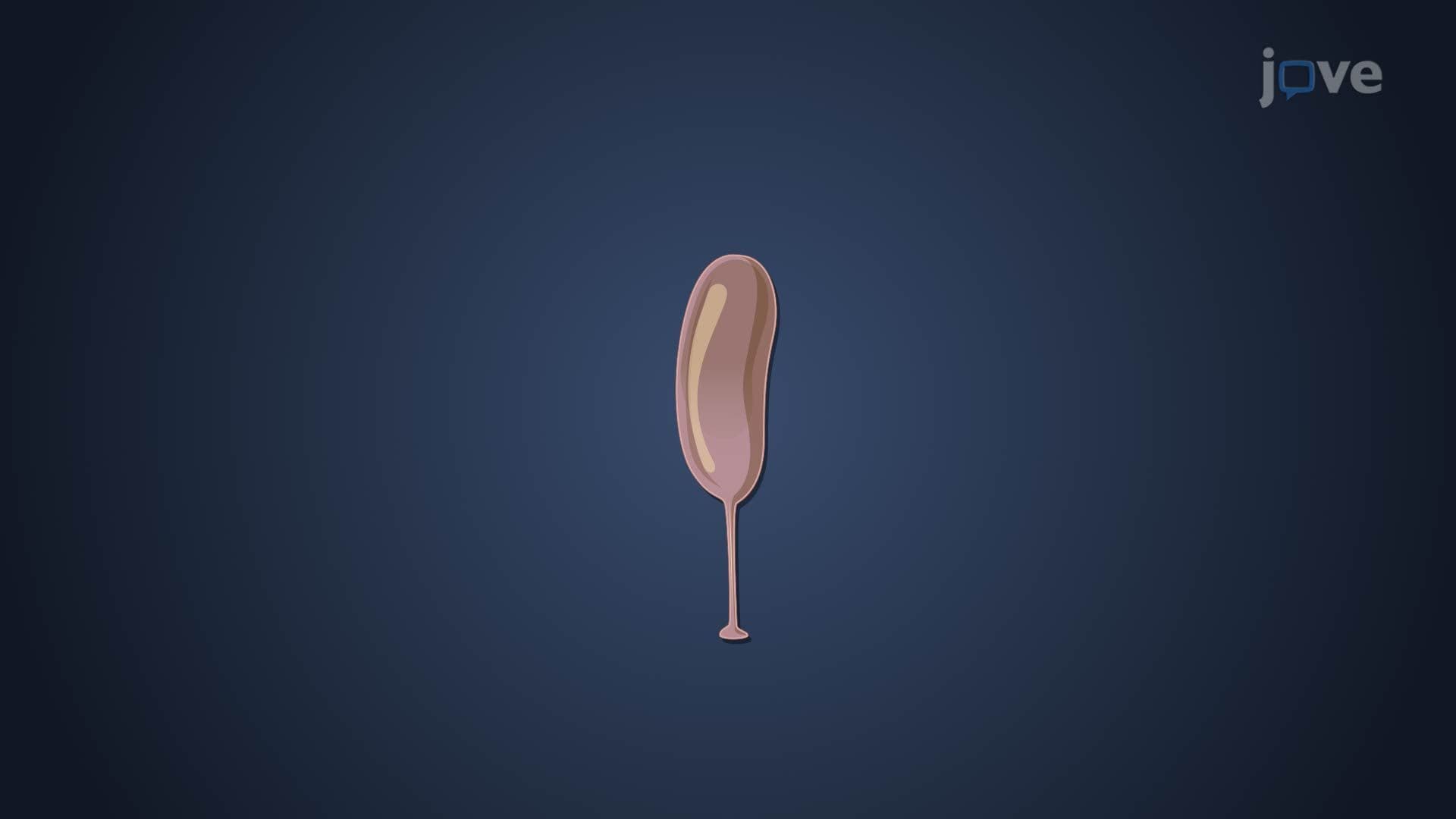
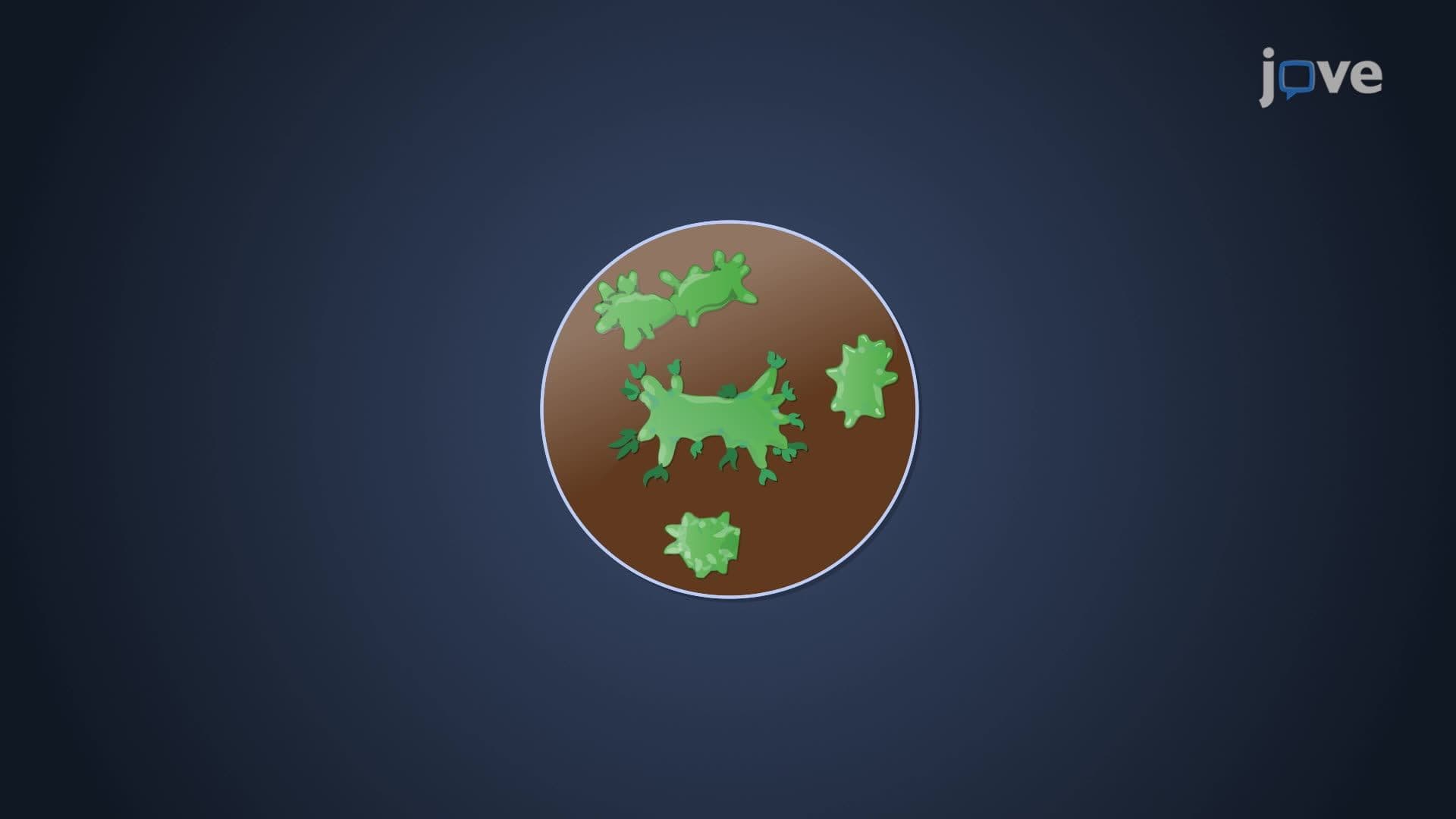
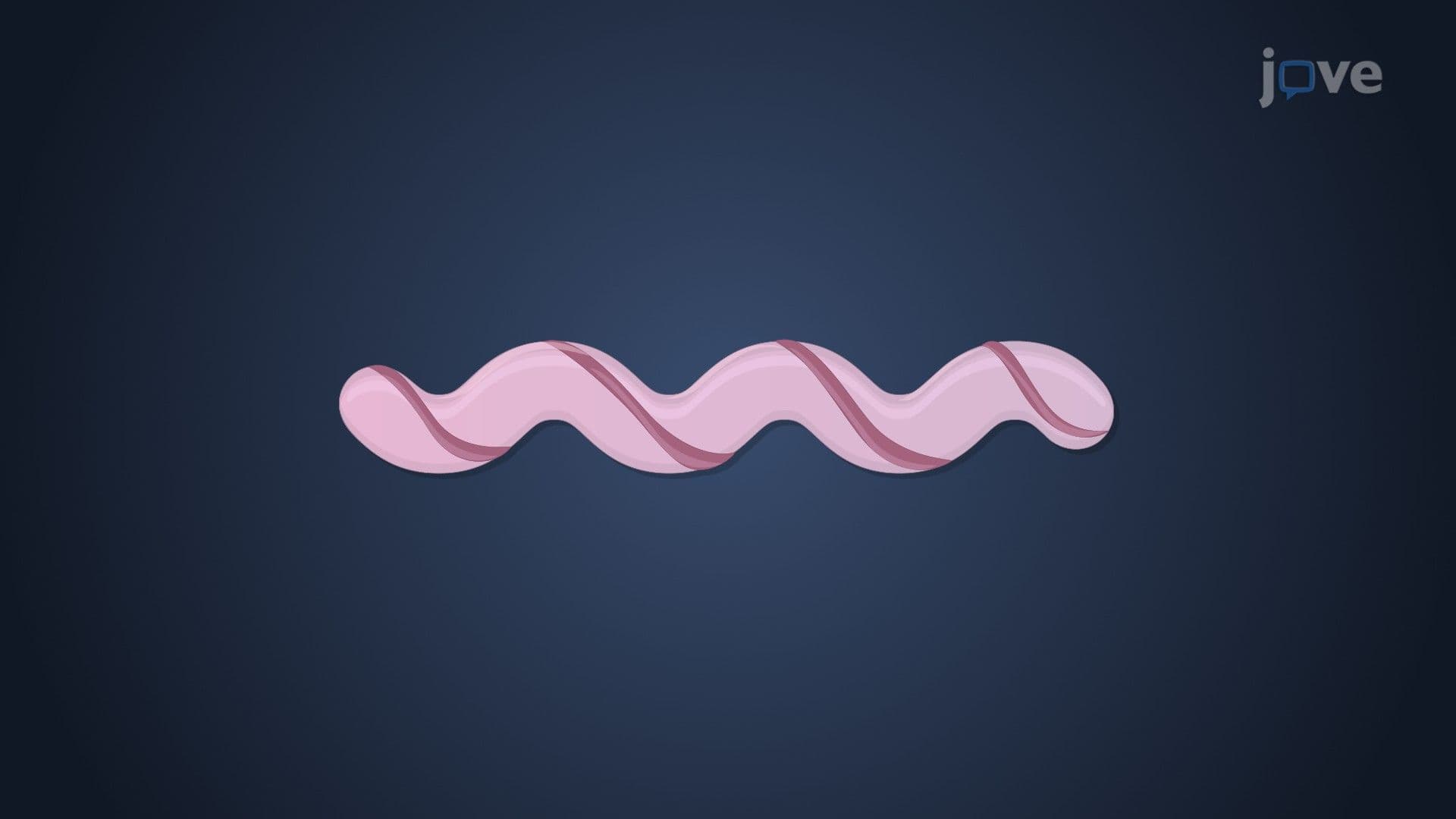
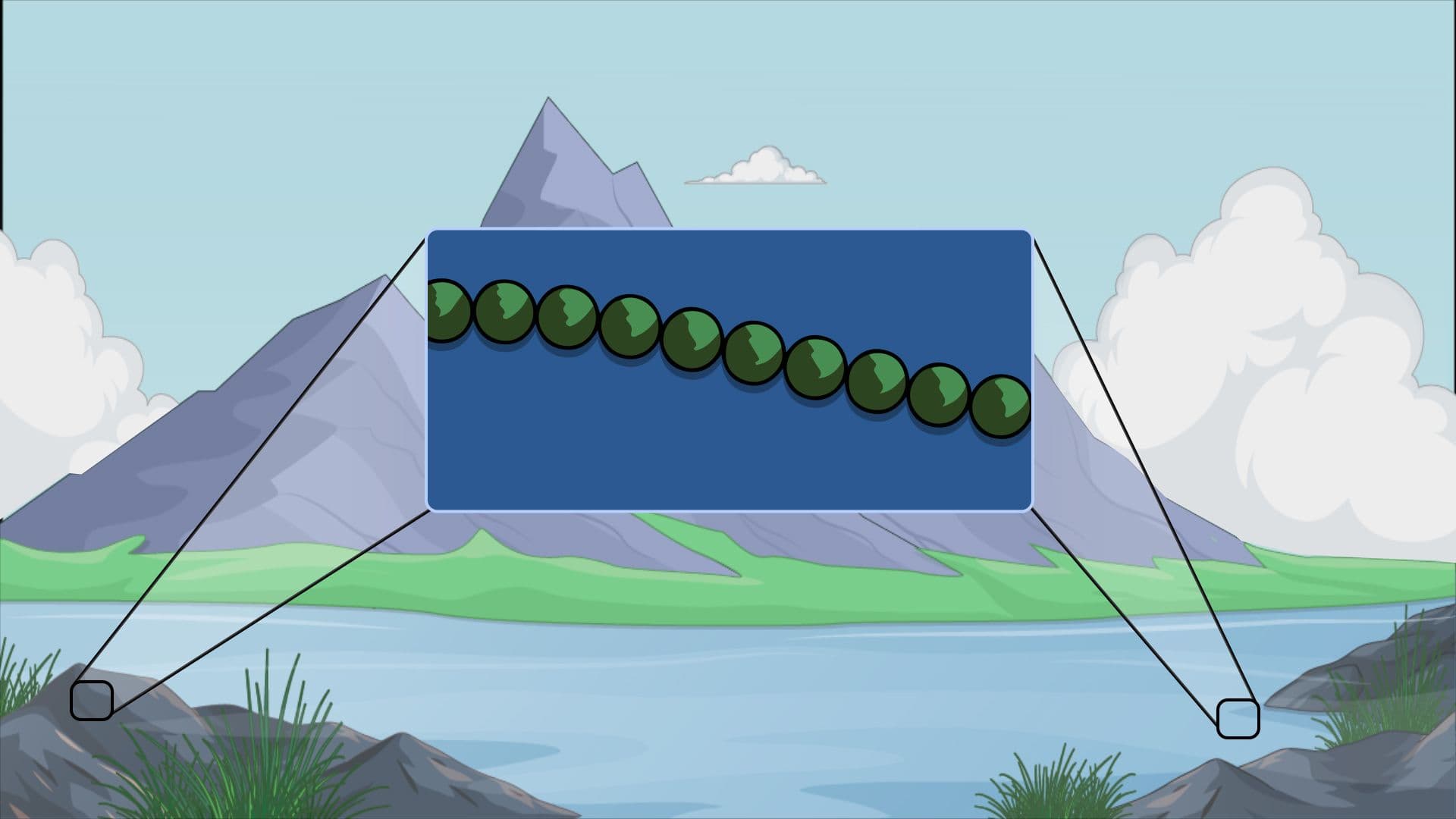
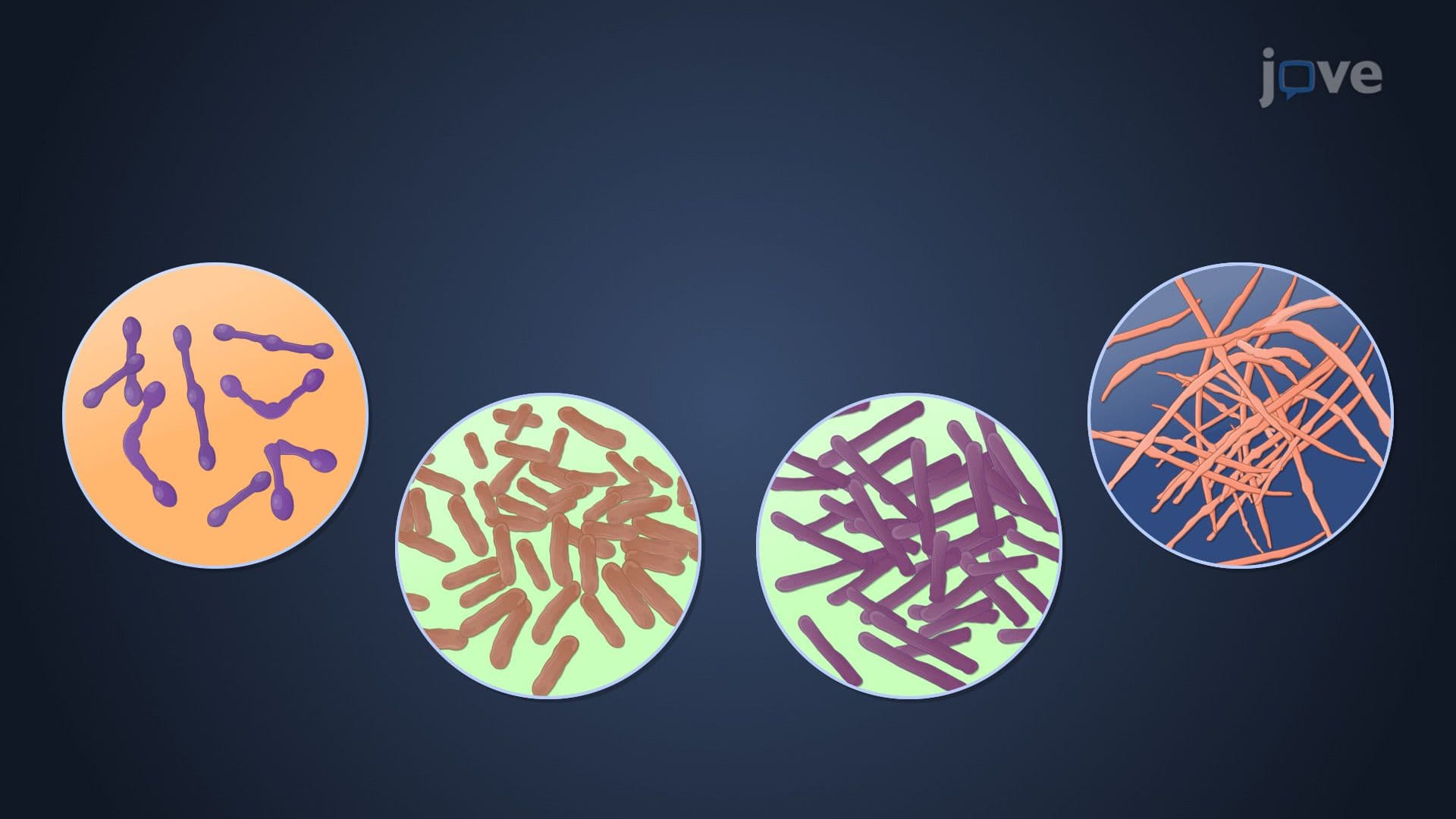
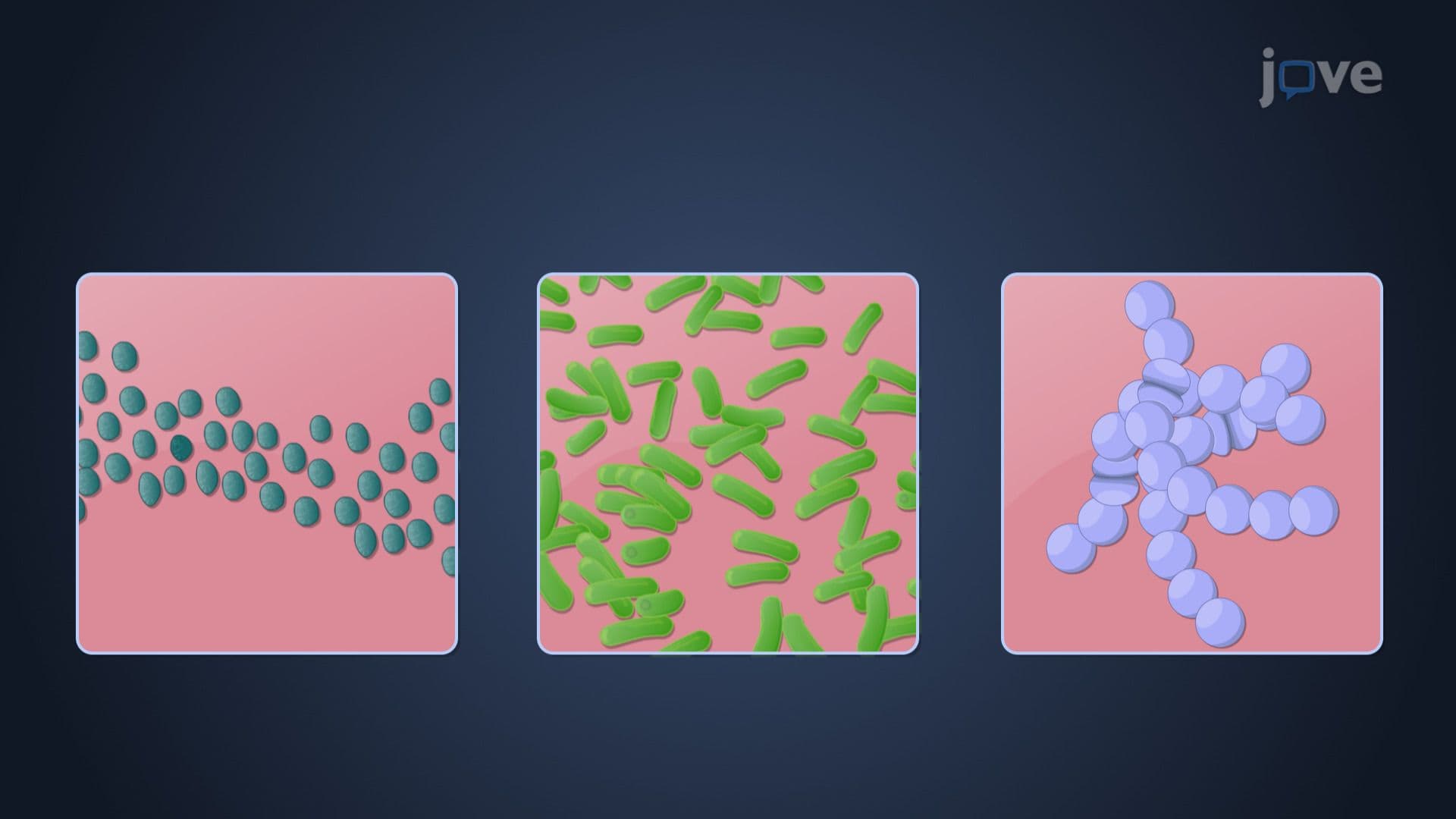
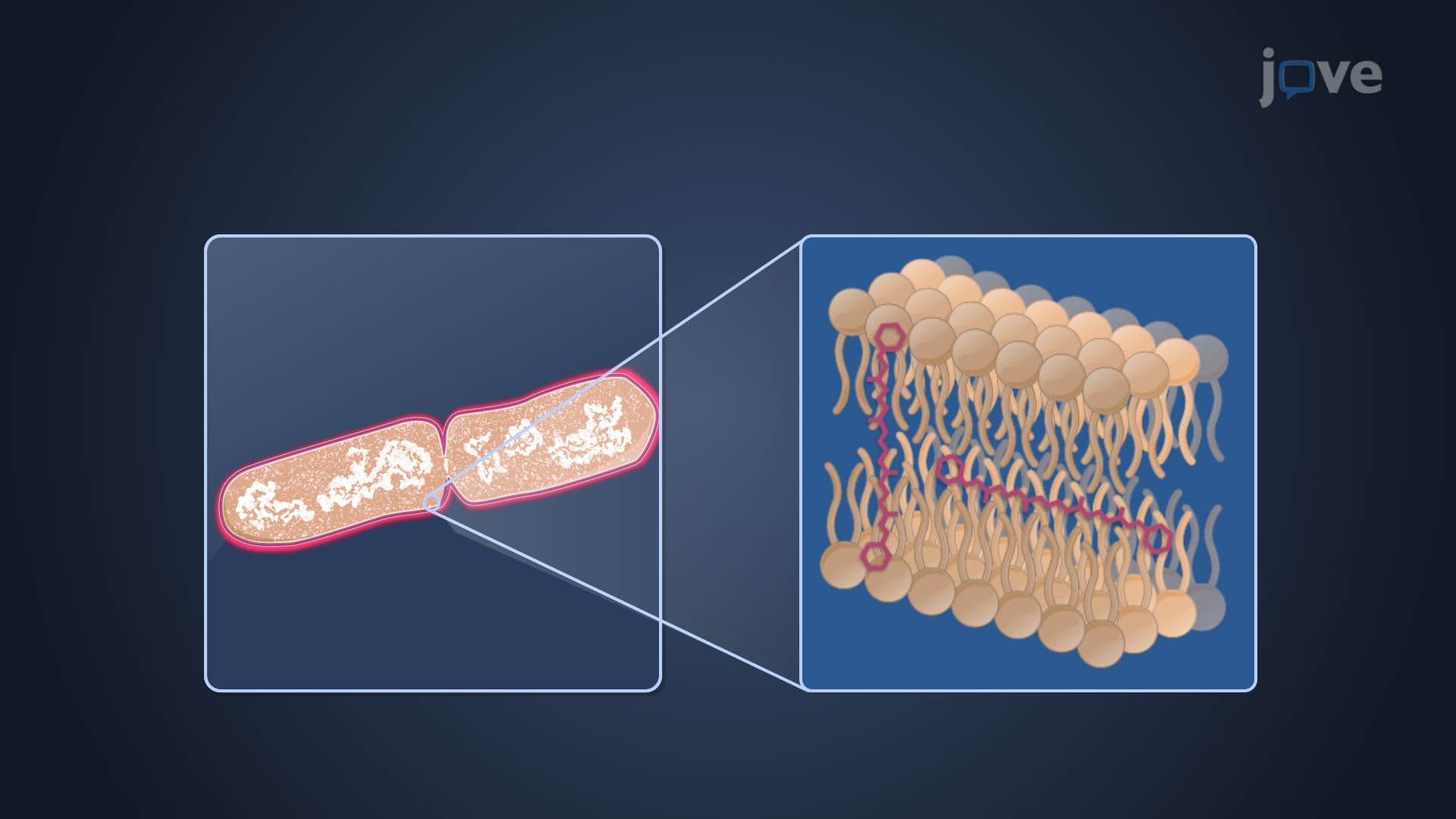
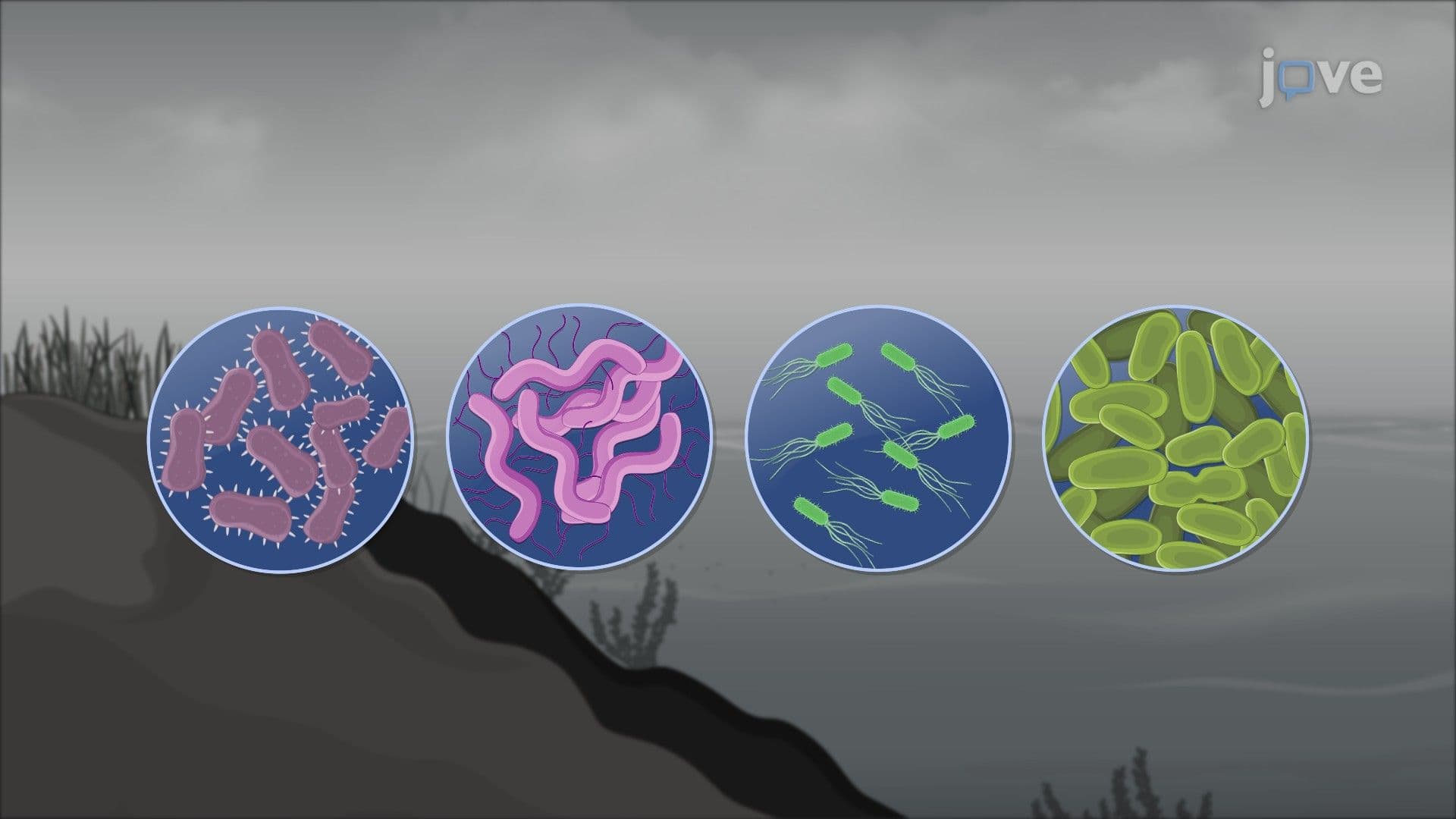
Overview of Protists

00:00
01:27
Video Summary: What Is Overview of Protists
Did you know that the algae causing harmful blooms in Lake Erie are actually protists, not plants? An overview of protists reveals these diverse microorganisms as some of Earth's most adaptable life forms, serving as primary producers, decomposers, and sometimes dangerous parasites in aquatic ecosystems across the United States. These eukaryotic organisms showcase incredible evolutionary diversity through their animal-like, plant-like, and fungus-like characteristics. Watch the full video on JoVE Coach to master this concept with expert-led visuals and step-by-step explanations.
- Understand what an overview of protists encompasses, including their classification as unicellular, colonial, or multicellular eukaryotic microorganisms
- Identify the three main functional groups of protists based on their feeding mechanisms: animal-like, plant-like, and fungus-like characteristics
- Analyze the evolutionary relationships between protists across major supergroups including Archaeplastida, SAR clade, Excavata, and Amoebozoa
- Compare different reproductive strategies in protists, from asexual reproduction to sexual reproduction and alternation of generations
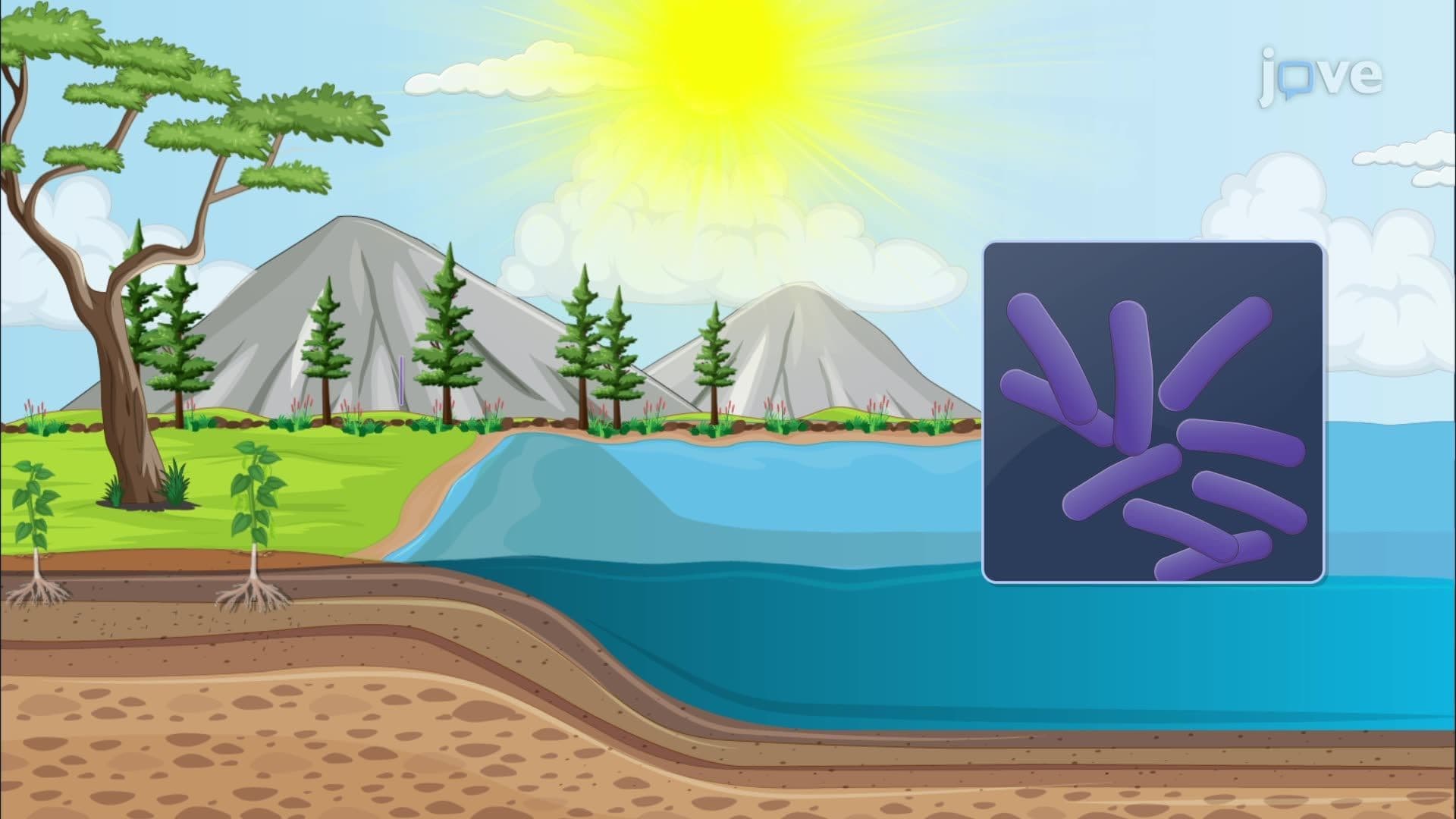
- Evaluate the ecological roles protists play as primary producers, decomposers, and parasites in aquatic and moist environments
- Recognize specialized cellular structures like cilia, flagella, pseudopodia, contractile vacuoles, and food vacuoles in protist movement and survival
- Apply knowledge of endosymbiosis theory to explain the presence of mitochondria and chloroplasts in many protist species
- Explore survival mechanisms including cyst formation that allow protists to withstand harsh environmental conditions
Understanding the Overview of Protists: Defining Earth's Most Diverse Microorganisms
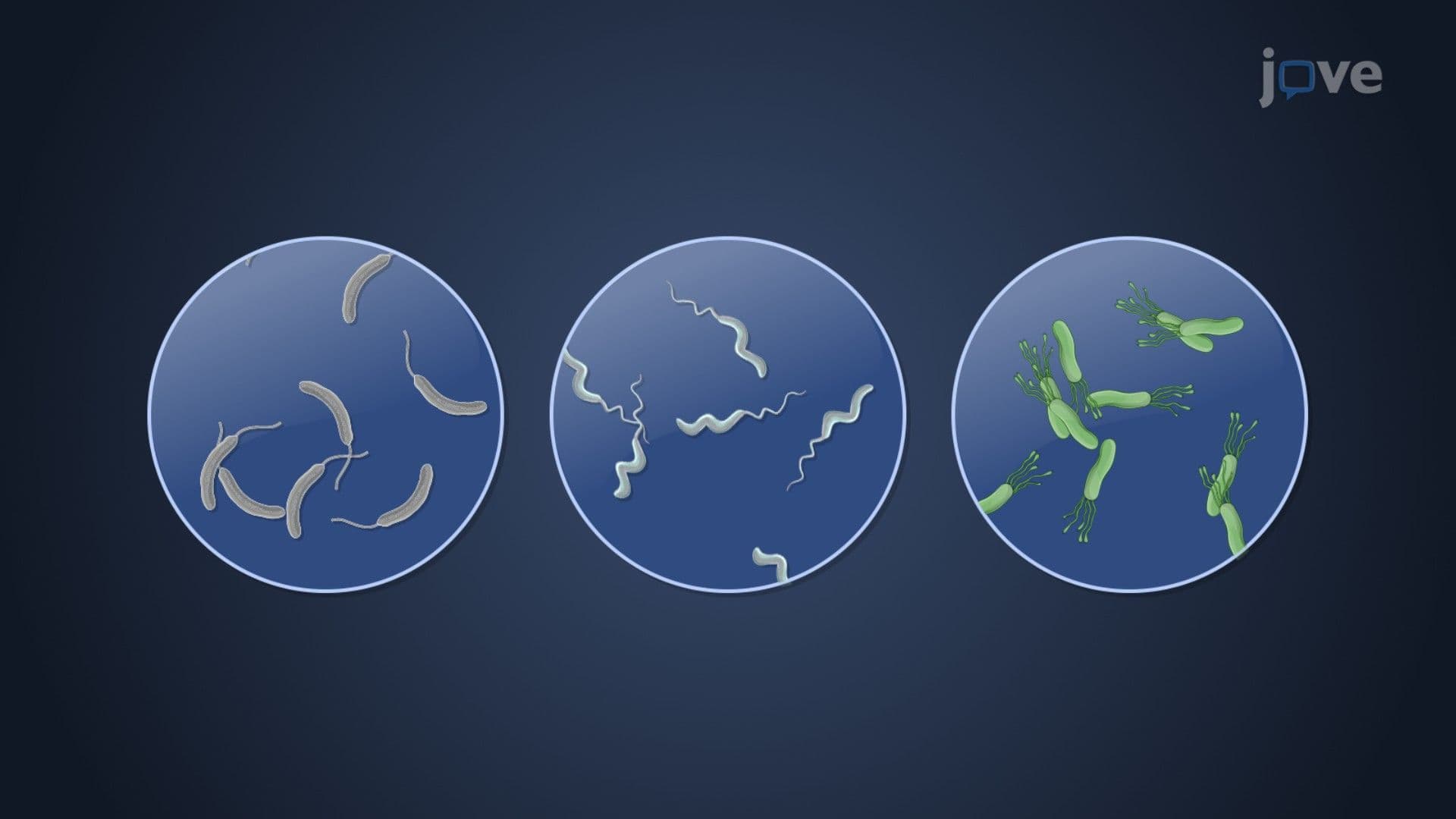
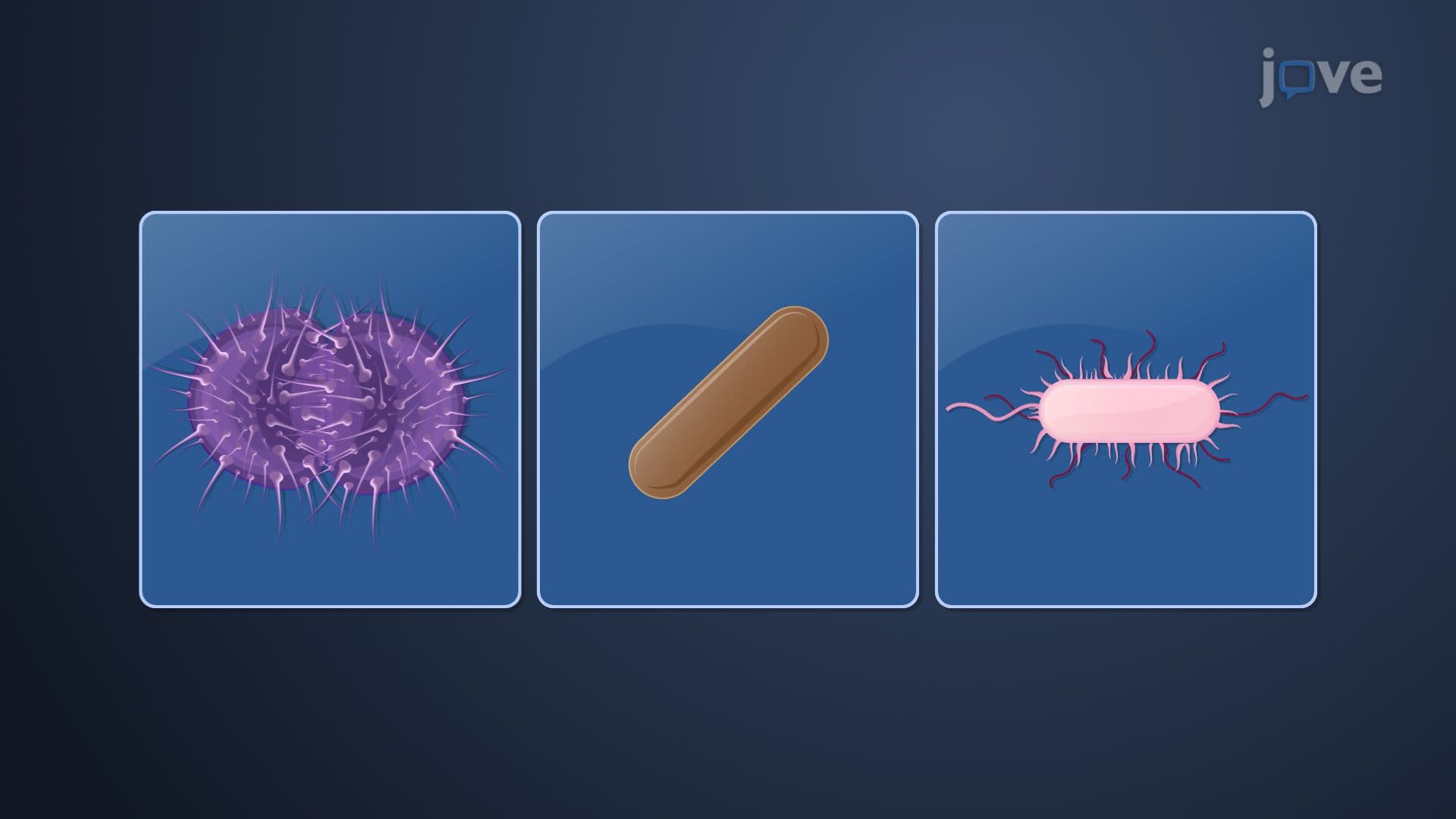
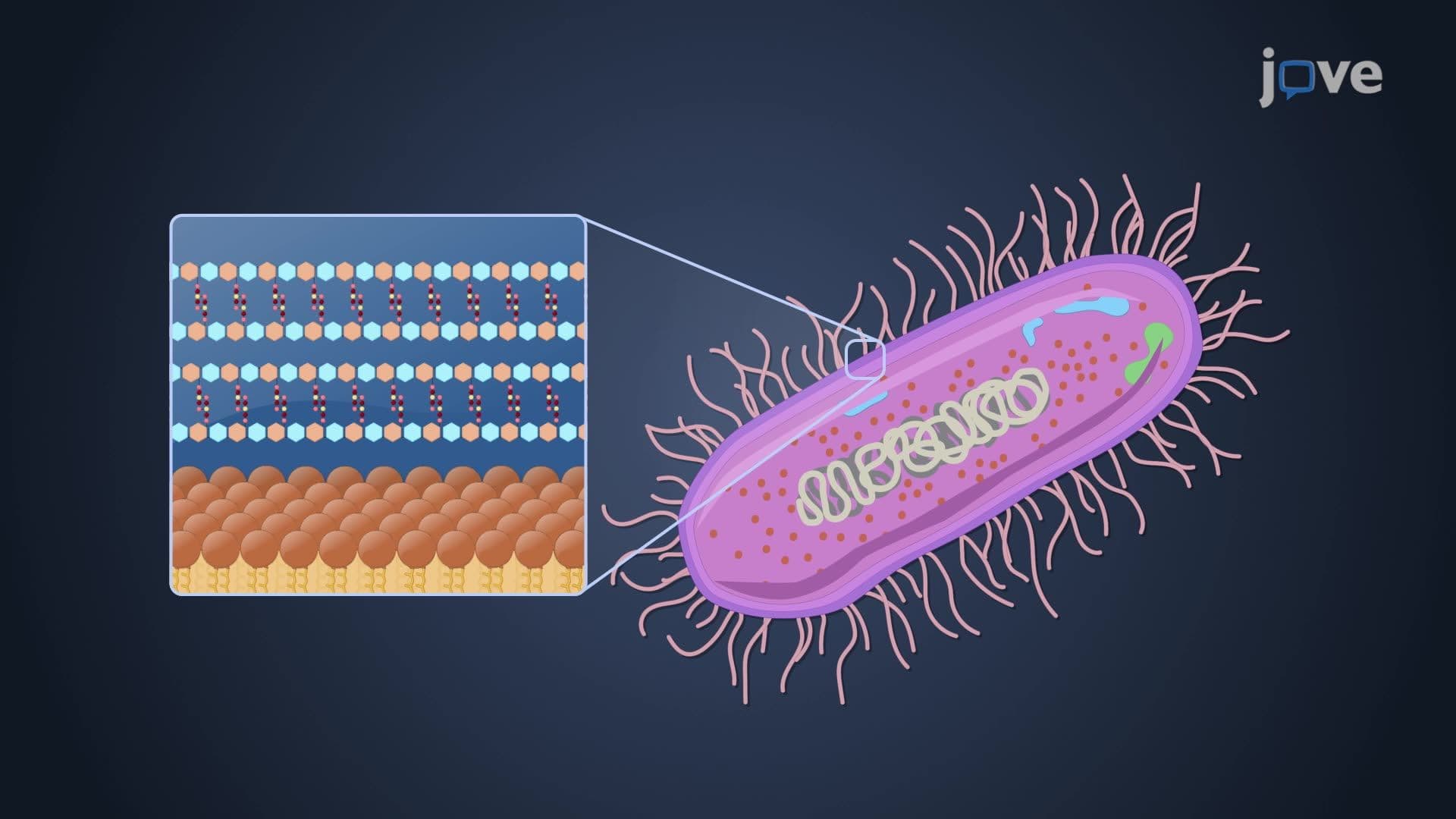
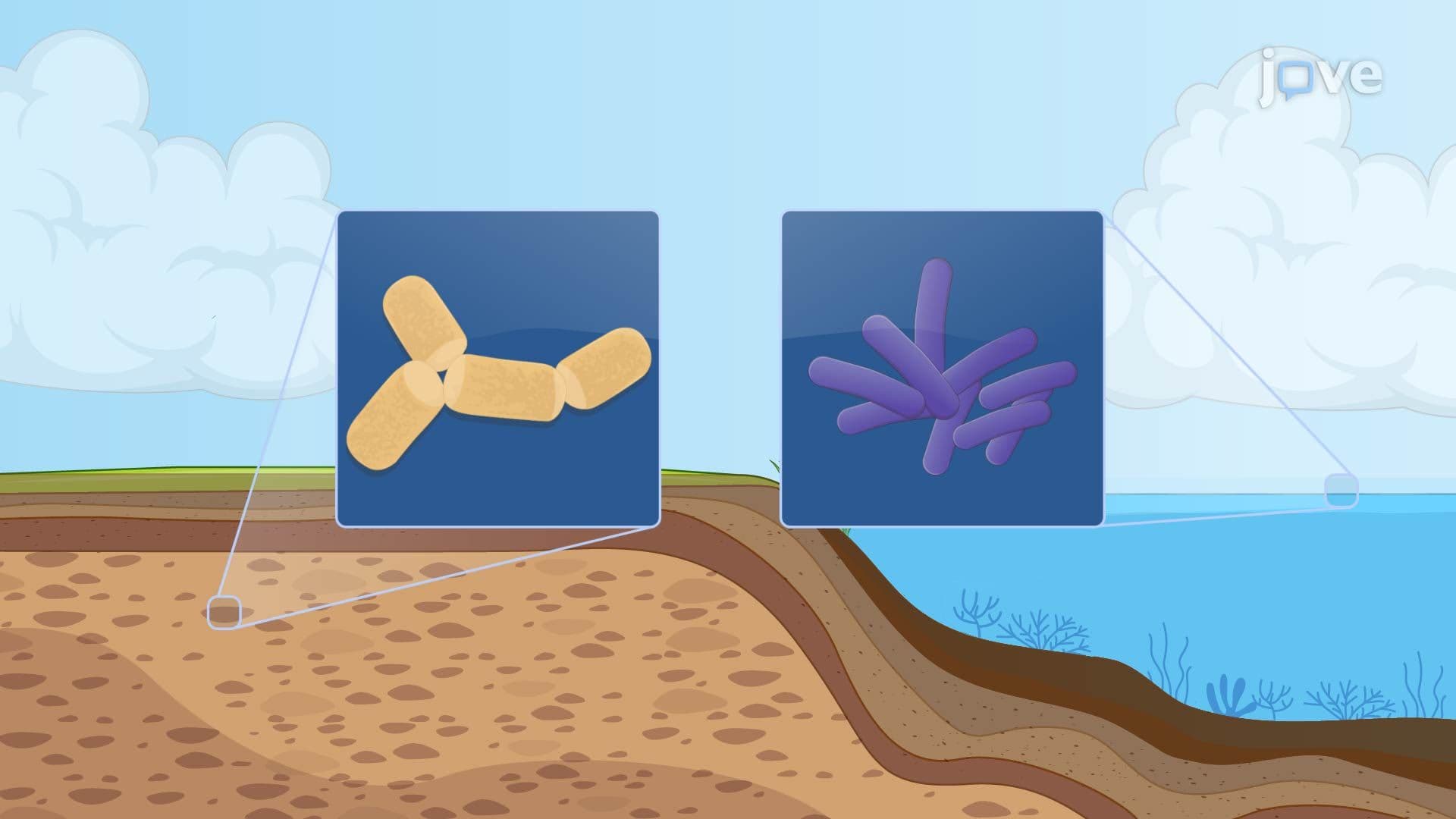
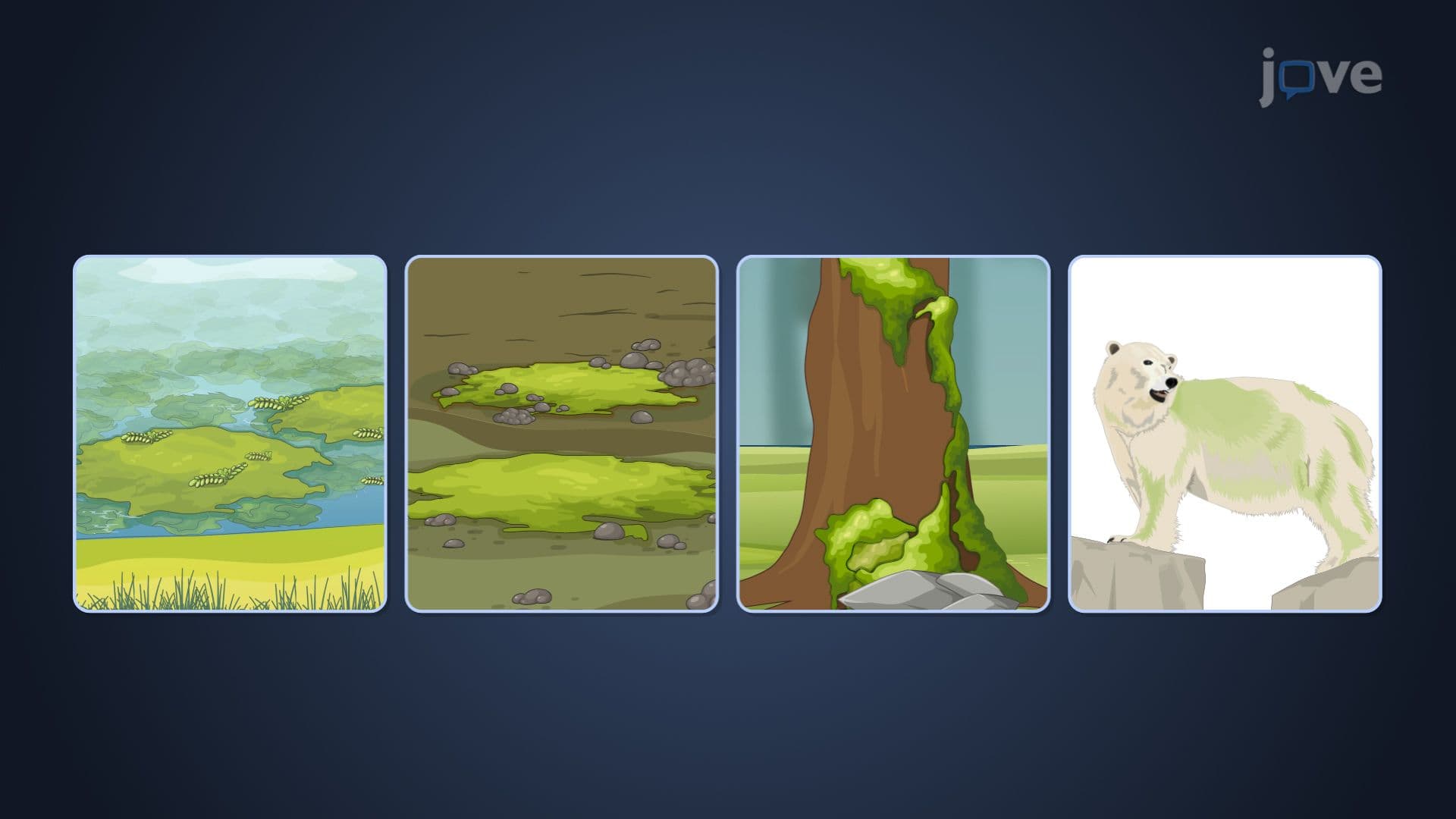
Protists represent one of the most fascinating and diverse groups in the tree of life, challenging traditional biological classifications. These eukaryotic organisms encompass everything from microscopic amoebas in freshwater ponds to massive kelp forests off the California coast. Unlike bacteria or archaea, protists possess membrane-bound organelles, yet they don't fit neatly into plant, animal, or fungal categories.
Functional Classification: Animal-Like, Plant-Like, and Fungus-Like Protists
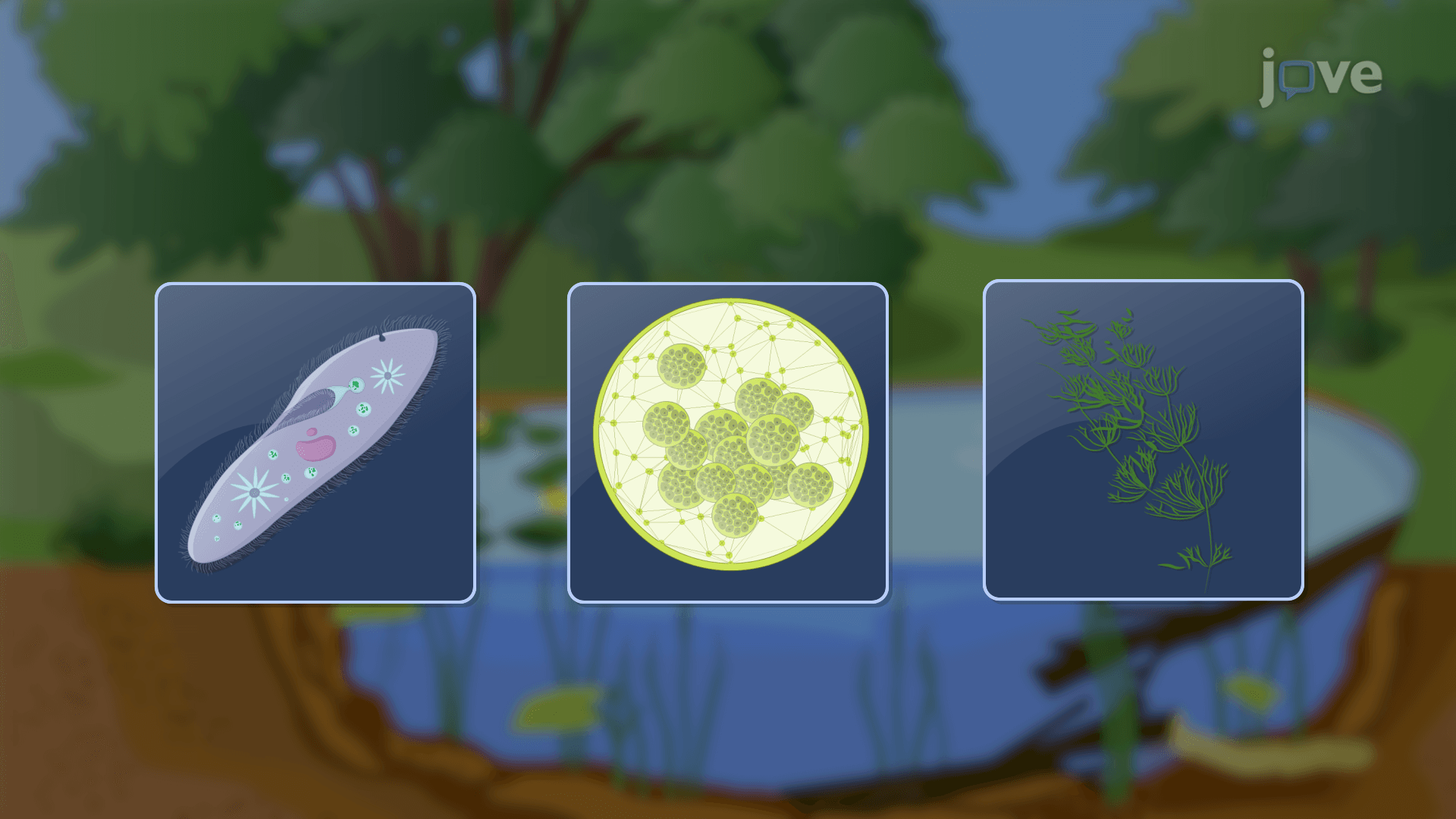
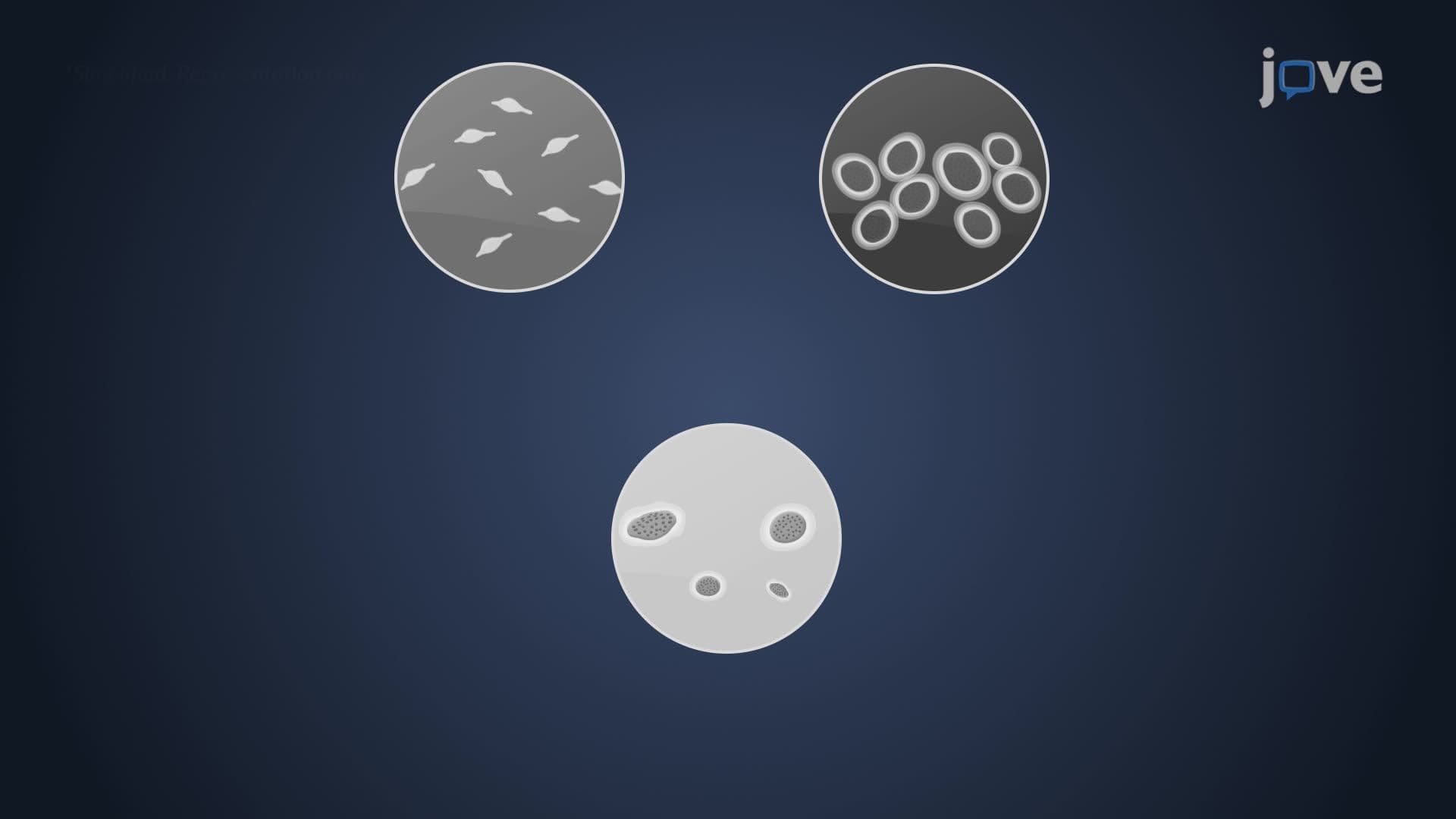
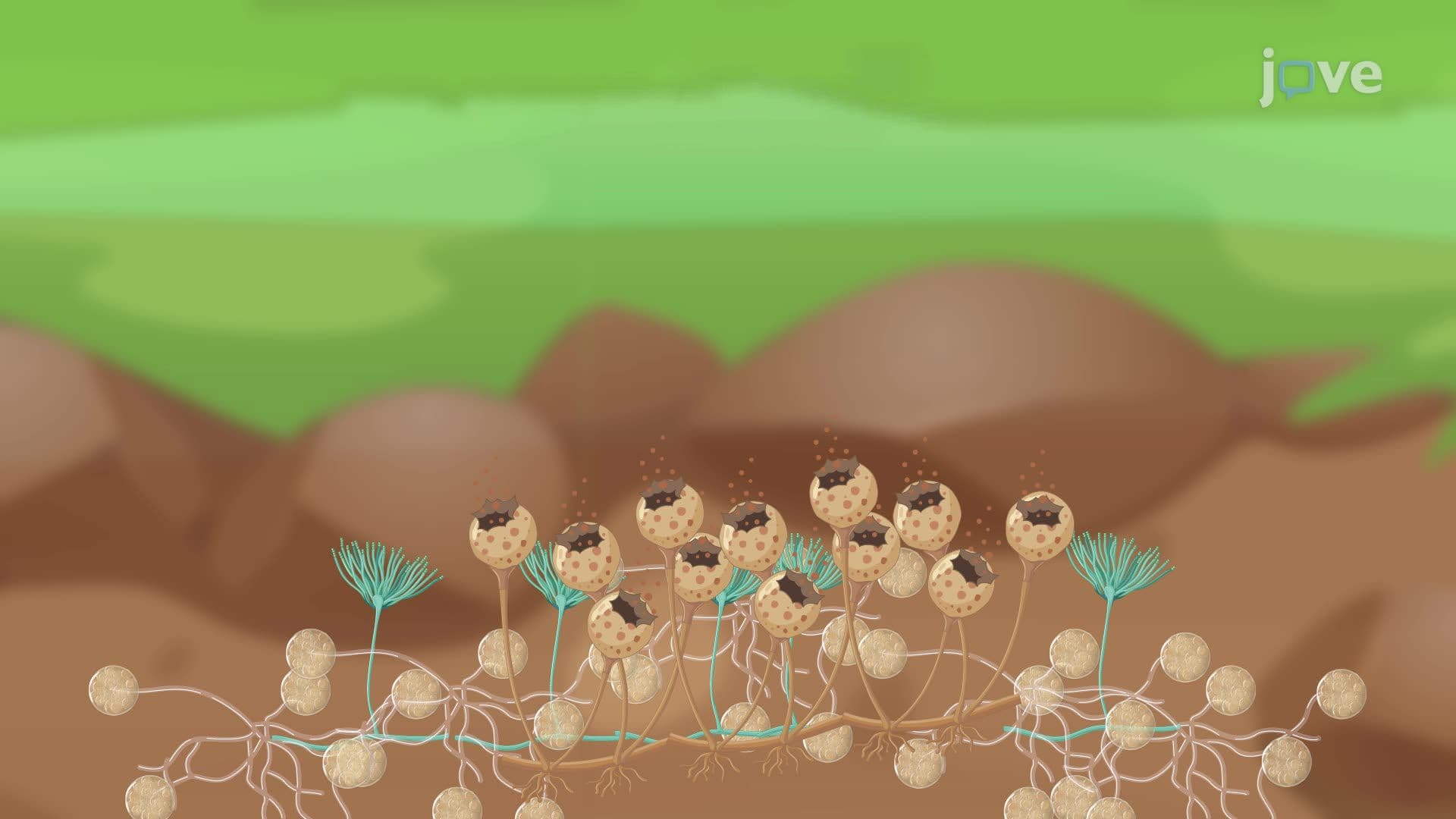
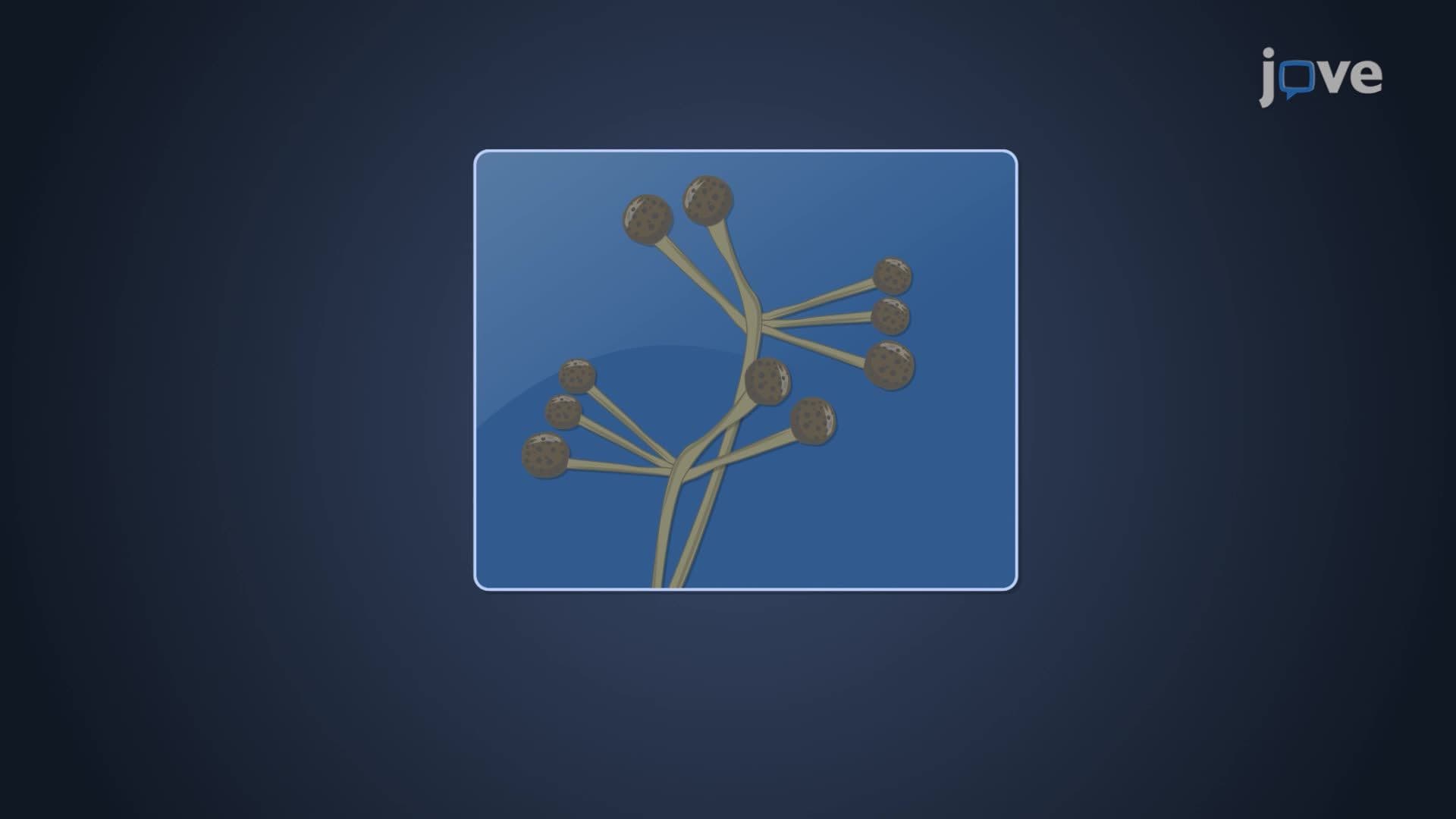
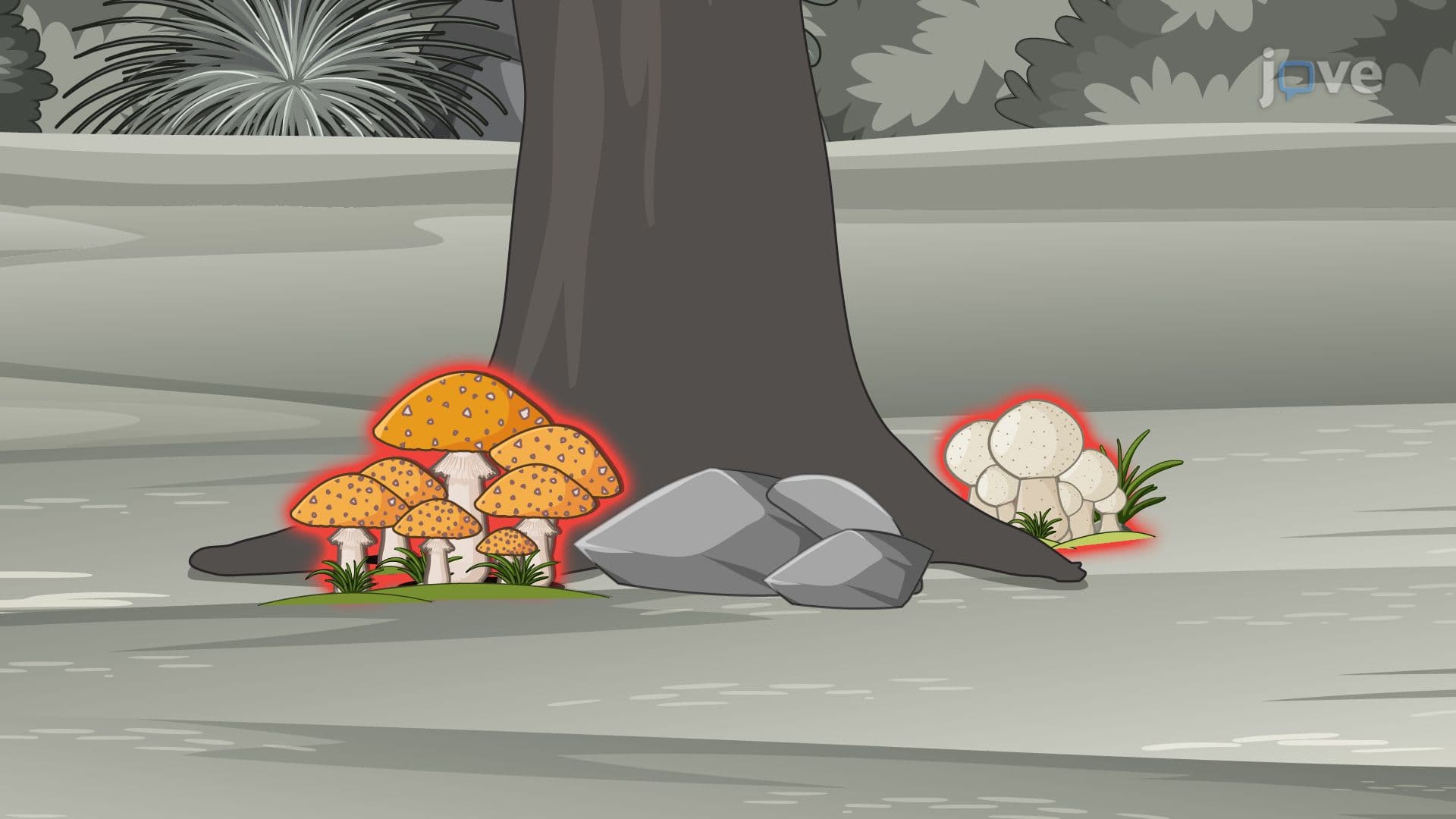
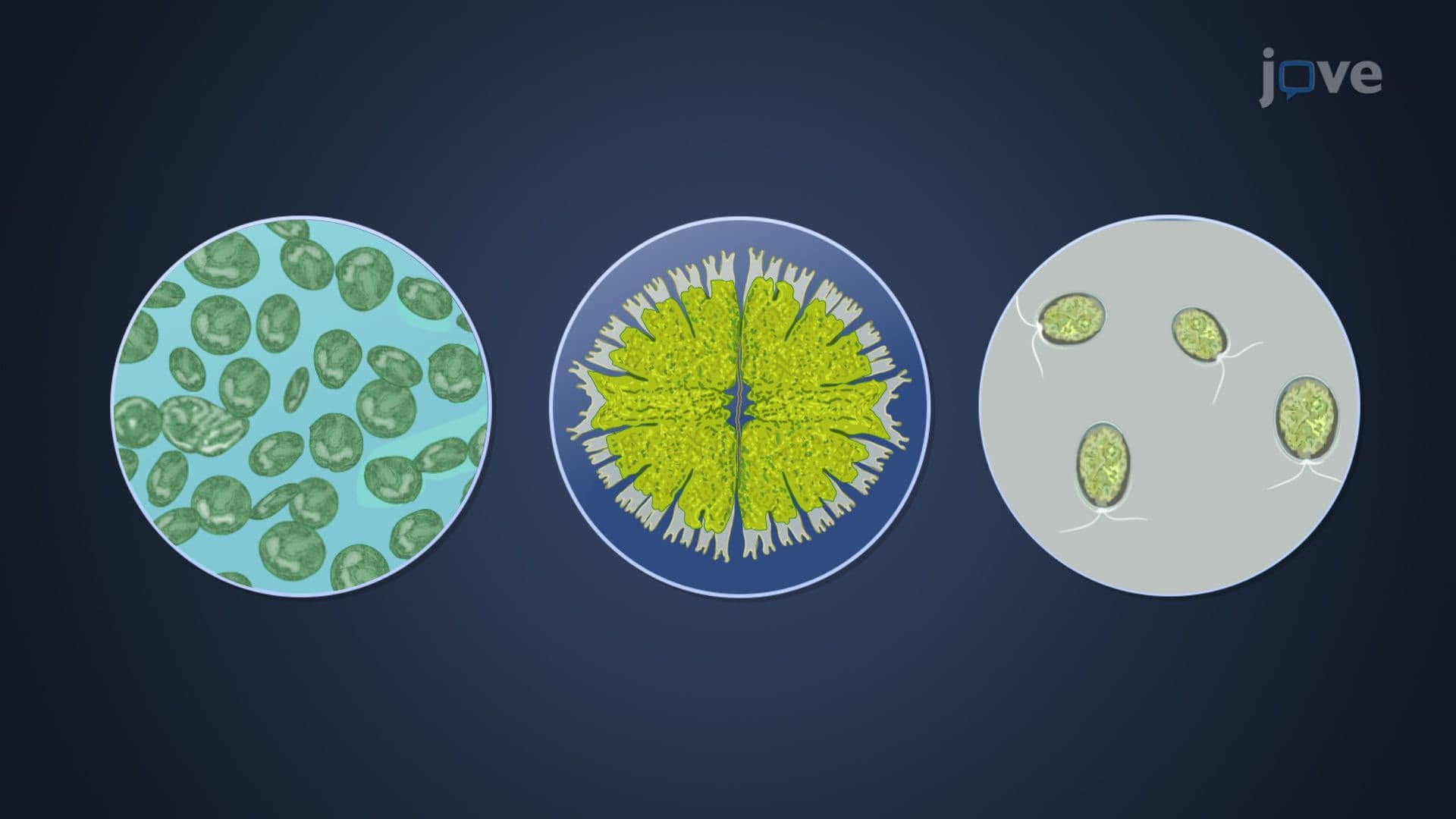
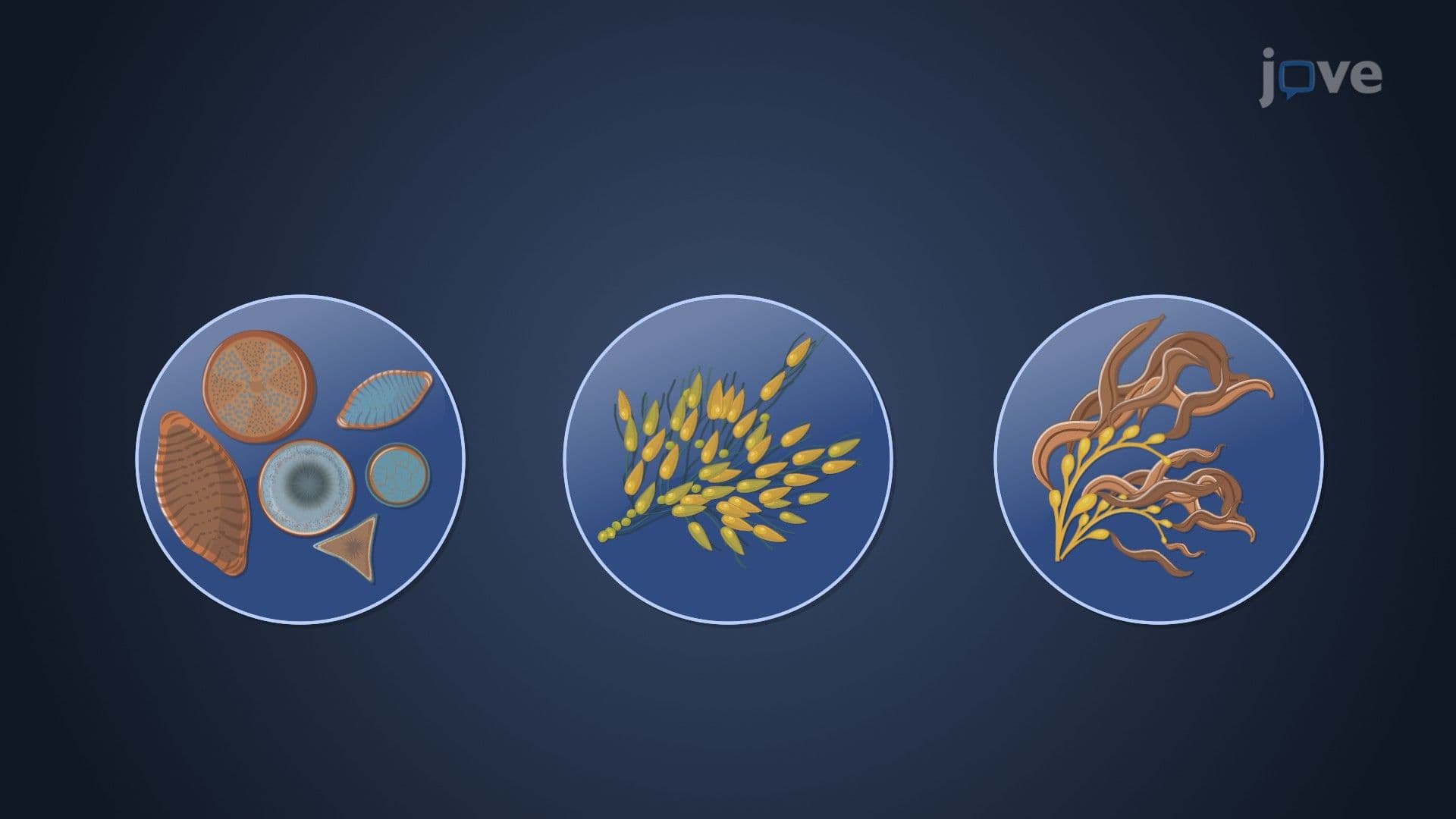
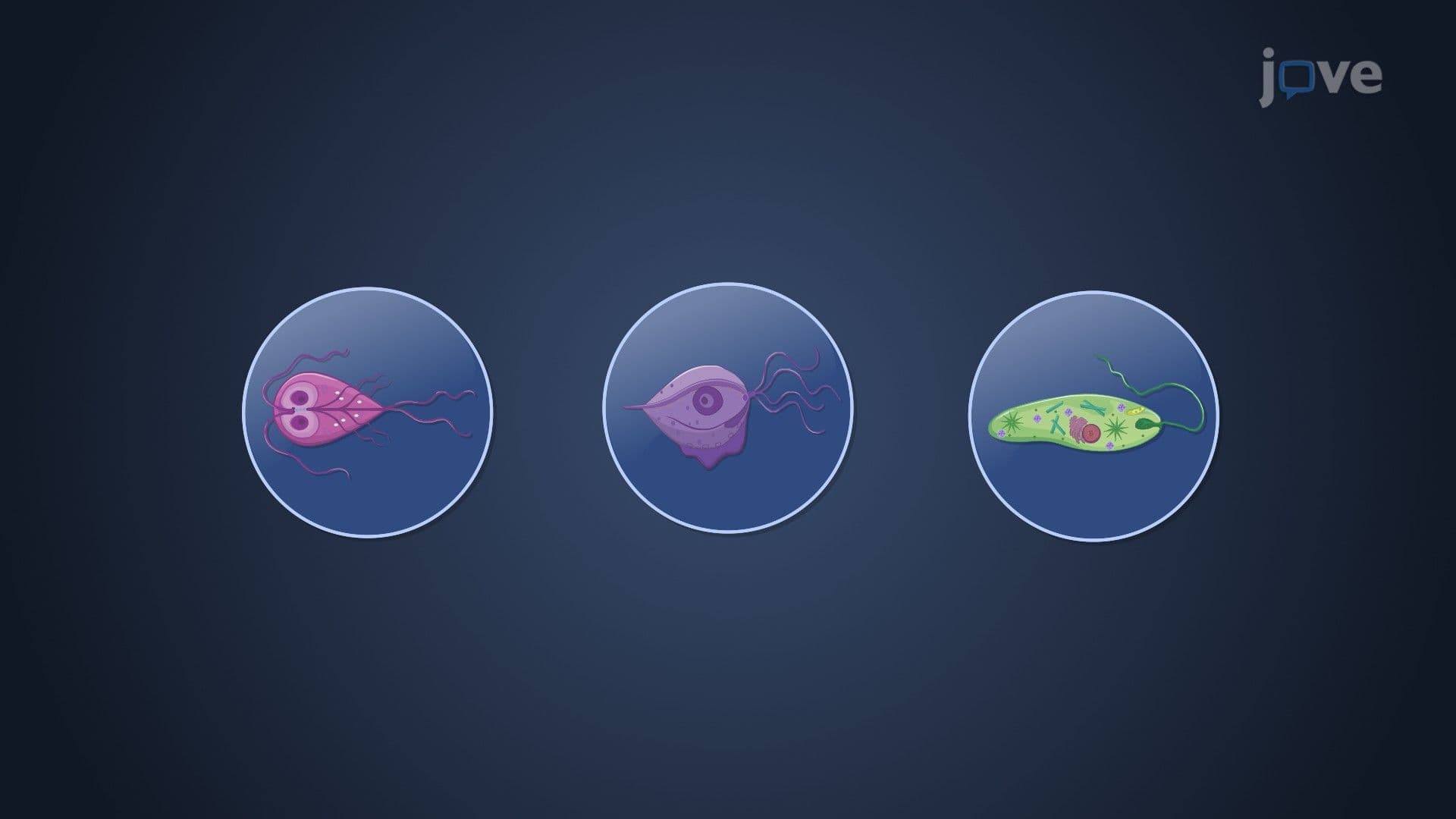
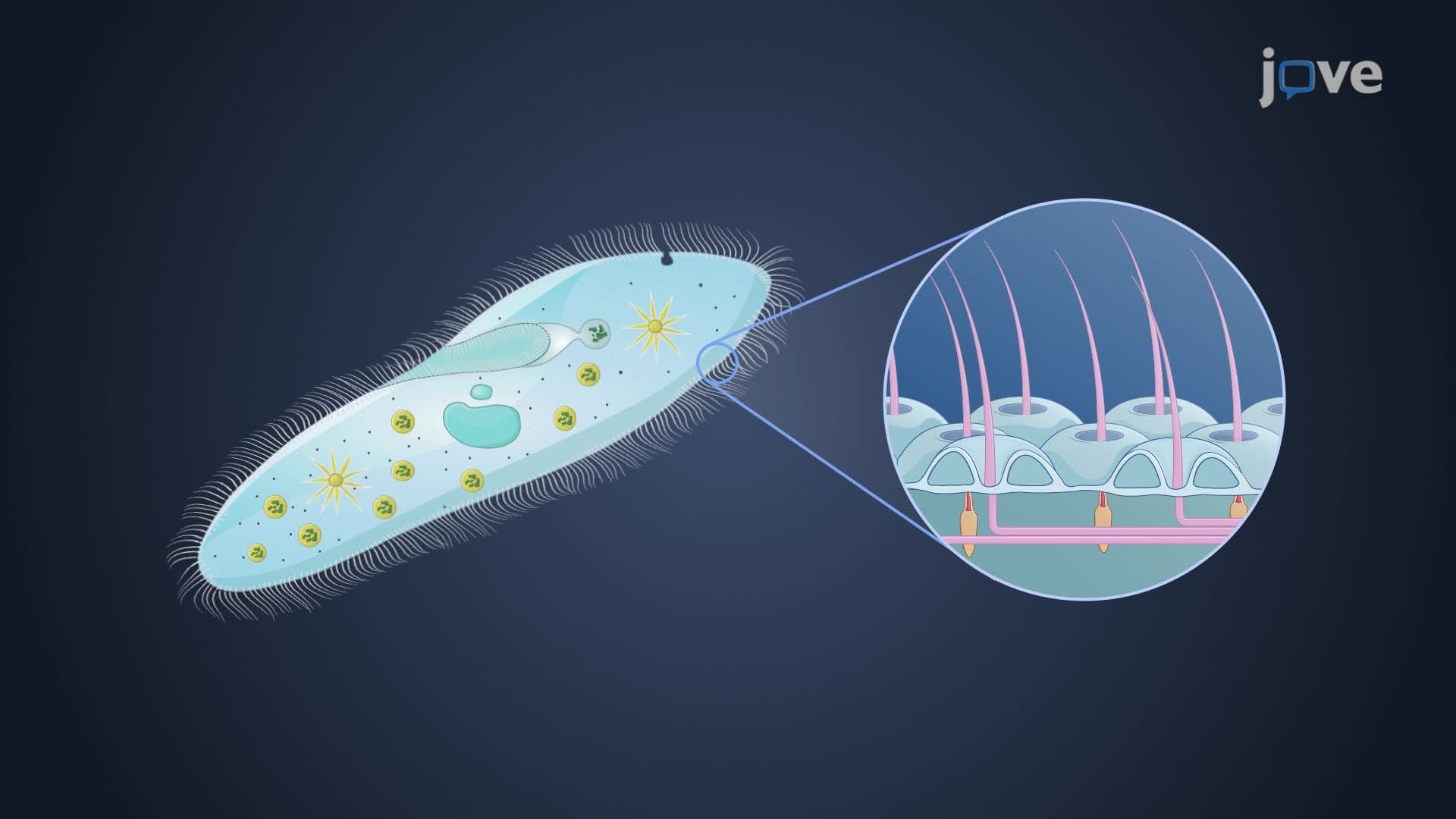
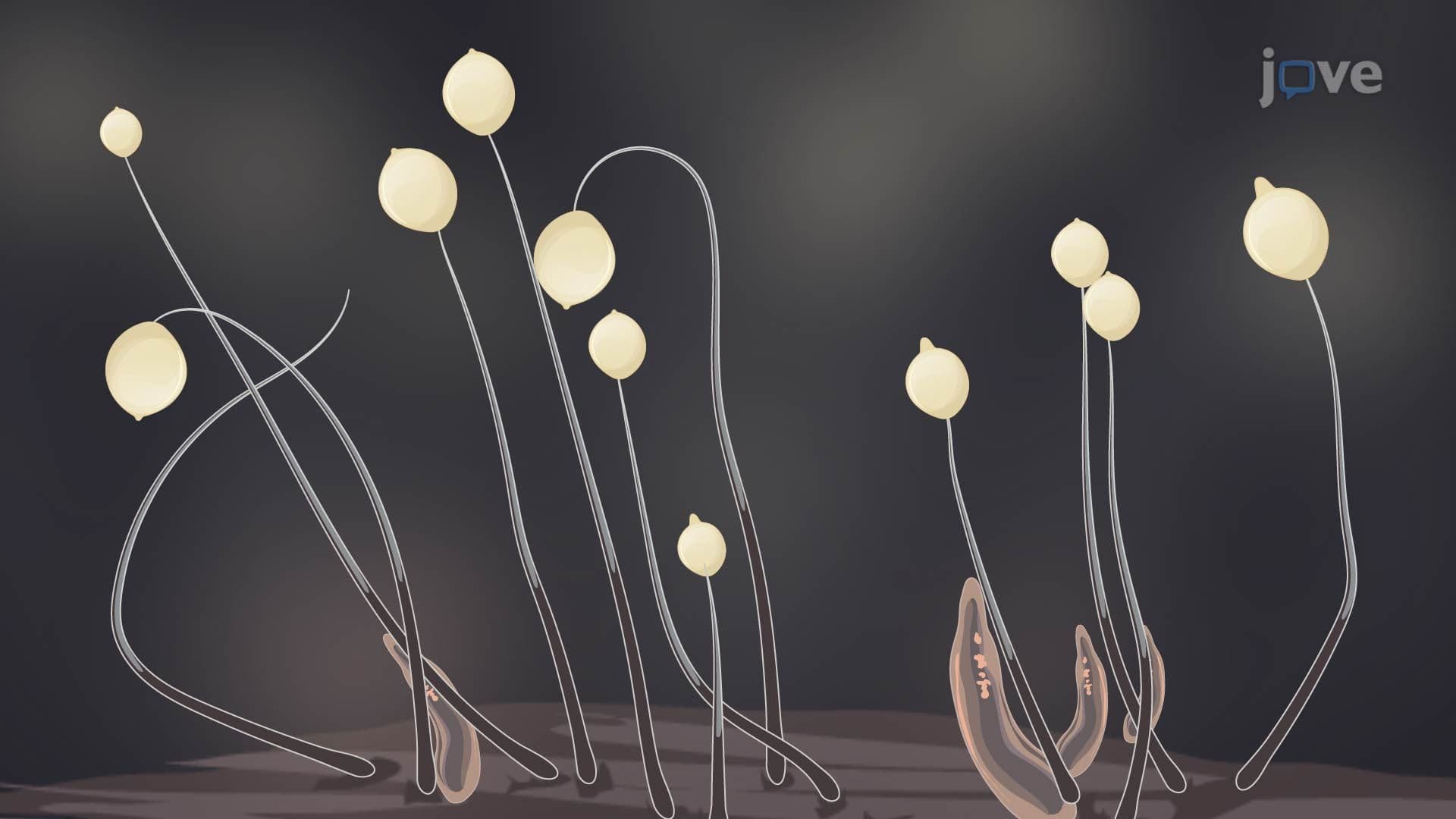
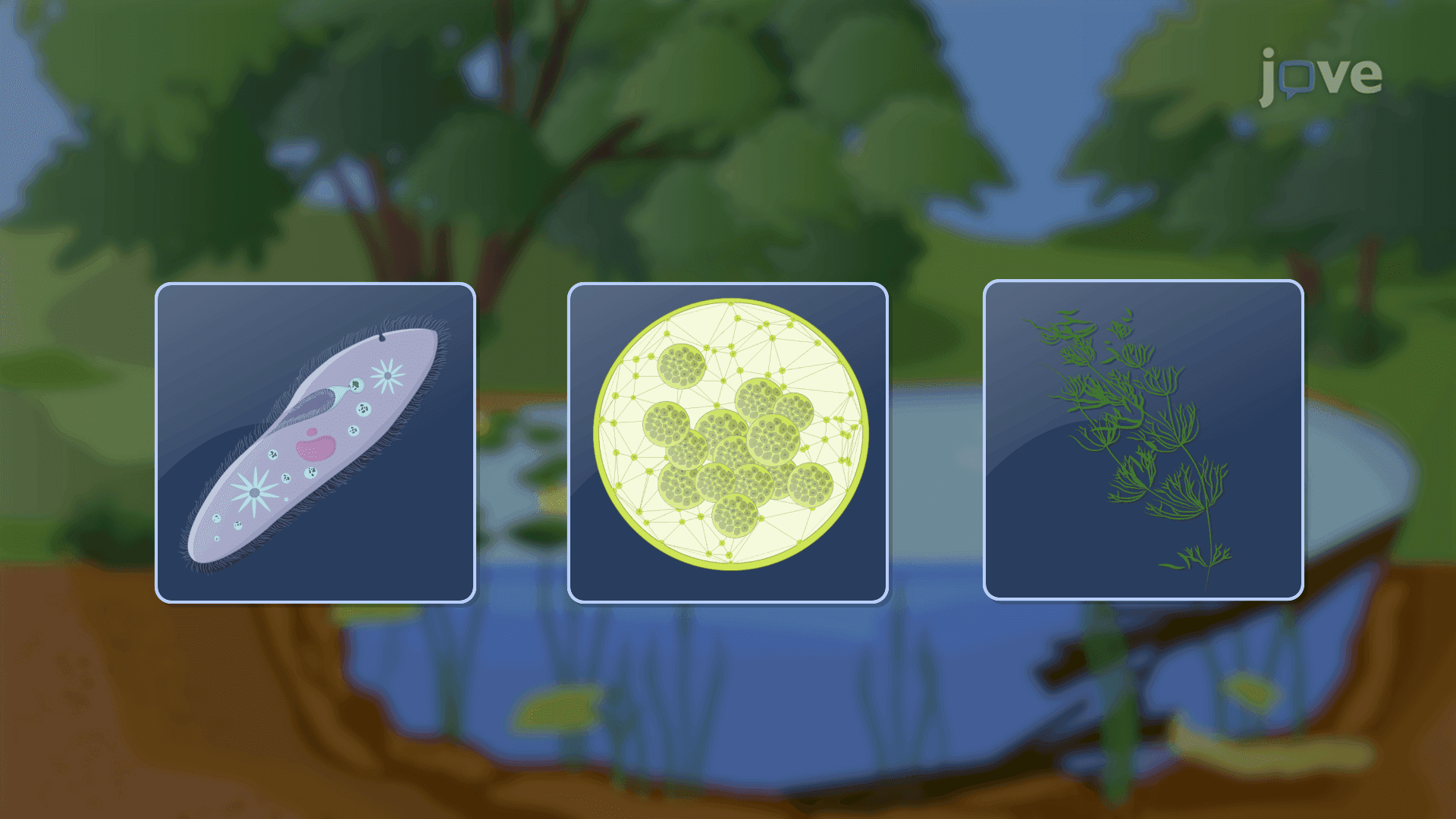
The functional approach to protist classification focuses on how these organisms obtain nutrients and energy. Animal-like protists (protozoans) like *Paramecium* and *Amoeba* are heterotrophs that actively hunt and consume other organisms. You might encounter these in pond water samples during AP Biology labs. Plant-like protists (algae) perform photosynthesis-think of the diatoms that create the silvery sheen on ocean surfaces or the *Euglena* commonly studied in high school biology courses. Fungus-like protists, including slime molds found decomposing logs in American forests, absorb nutrients from their environment while displaying remarkable problem-solving abilities that have attracted researchers at institutions like Princeton University.
Evolutionary Relationships and Supergroup Organization
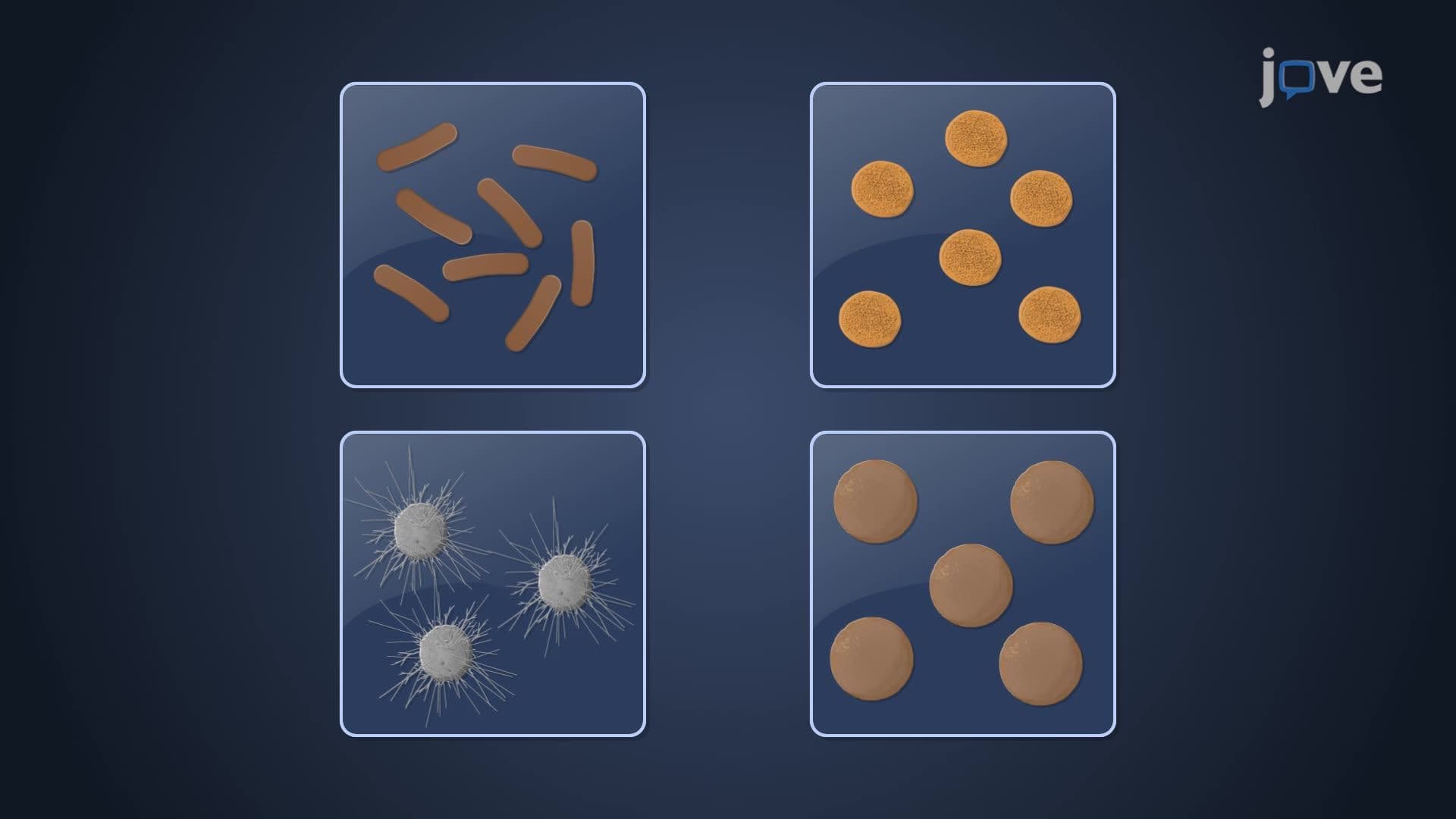
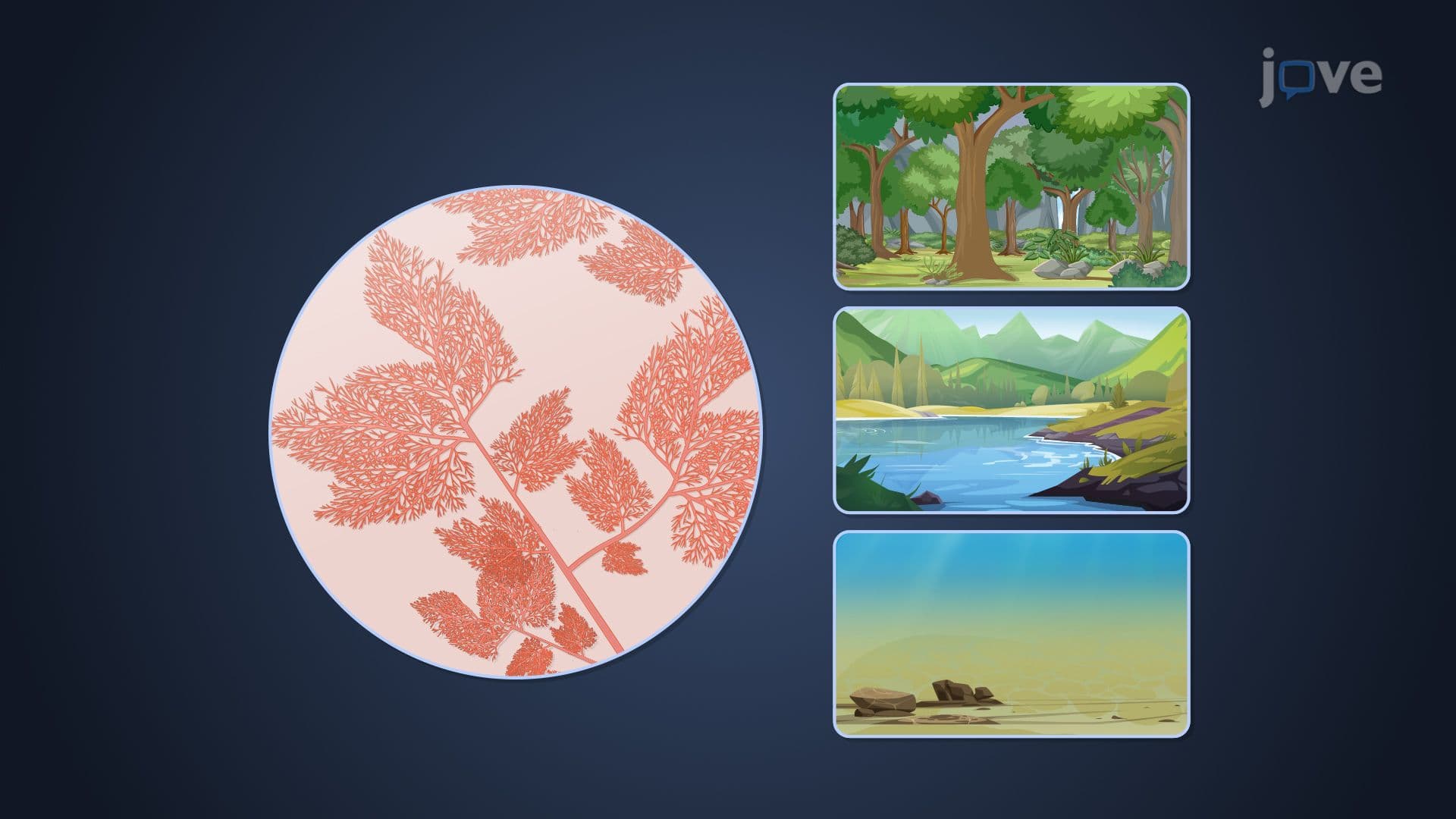
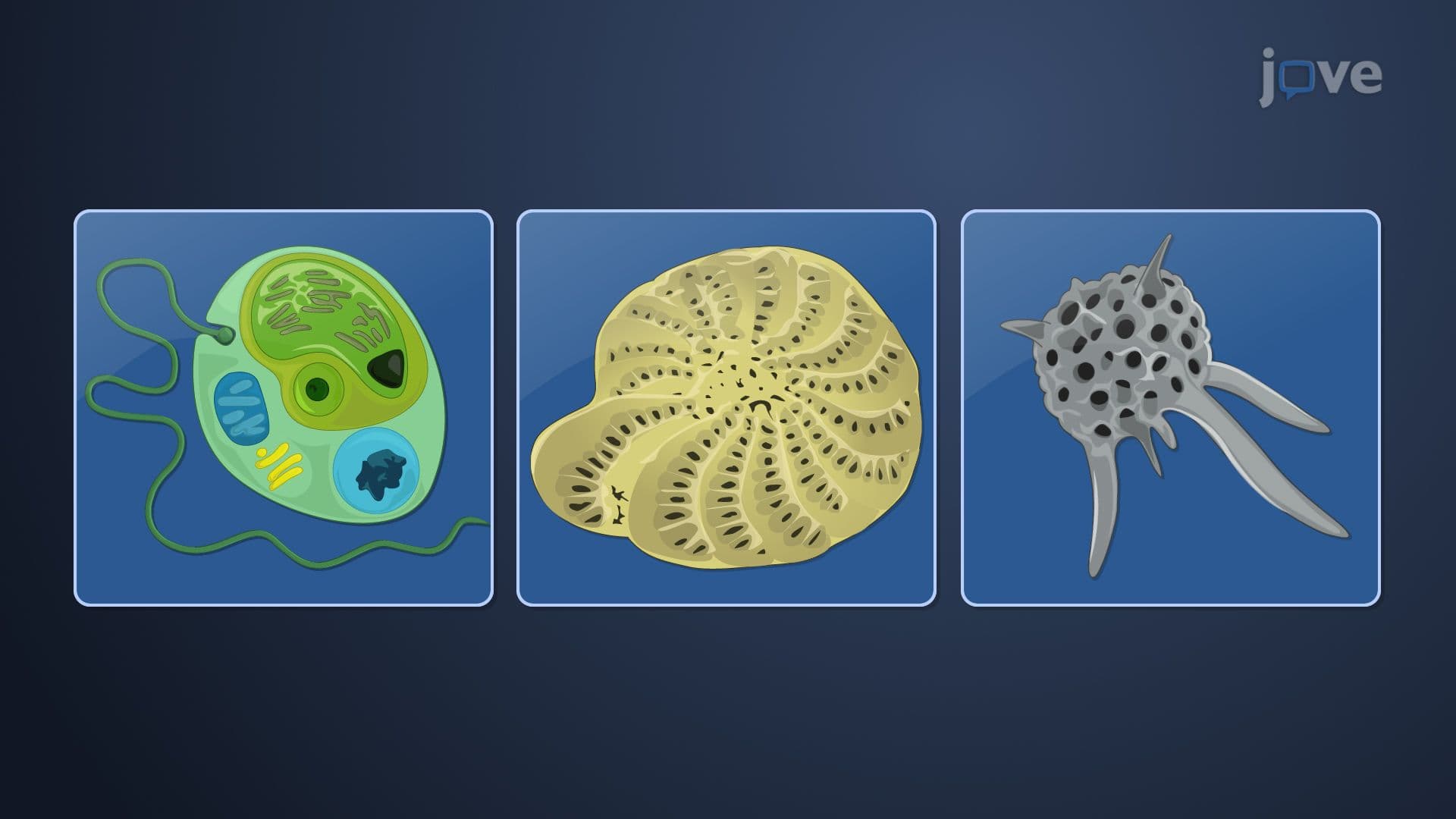
Modern molecular techniques have revolutionized our understanding of protist evolution, organizing them into several supergroups. The Archaeplastida includes red and green algae, ancestors of land plants. The SAR clade encompasses stramenopiles (like brown algae), alveolates (including disease-causing *Plasmodium*), and rhizarians (featuring intricate shell-forming organisms). These evolutionary relationships frequently appear on MCAT biology sections and college-level evolution exams.
Cellular Adaptations and Survival Mechanisms
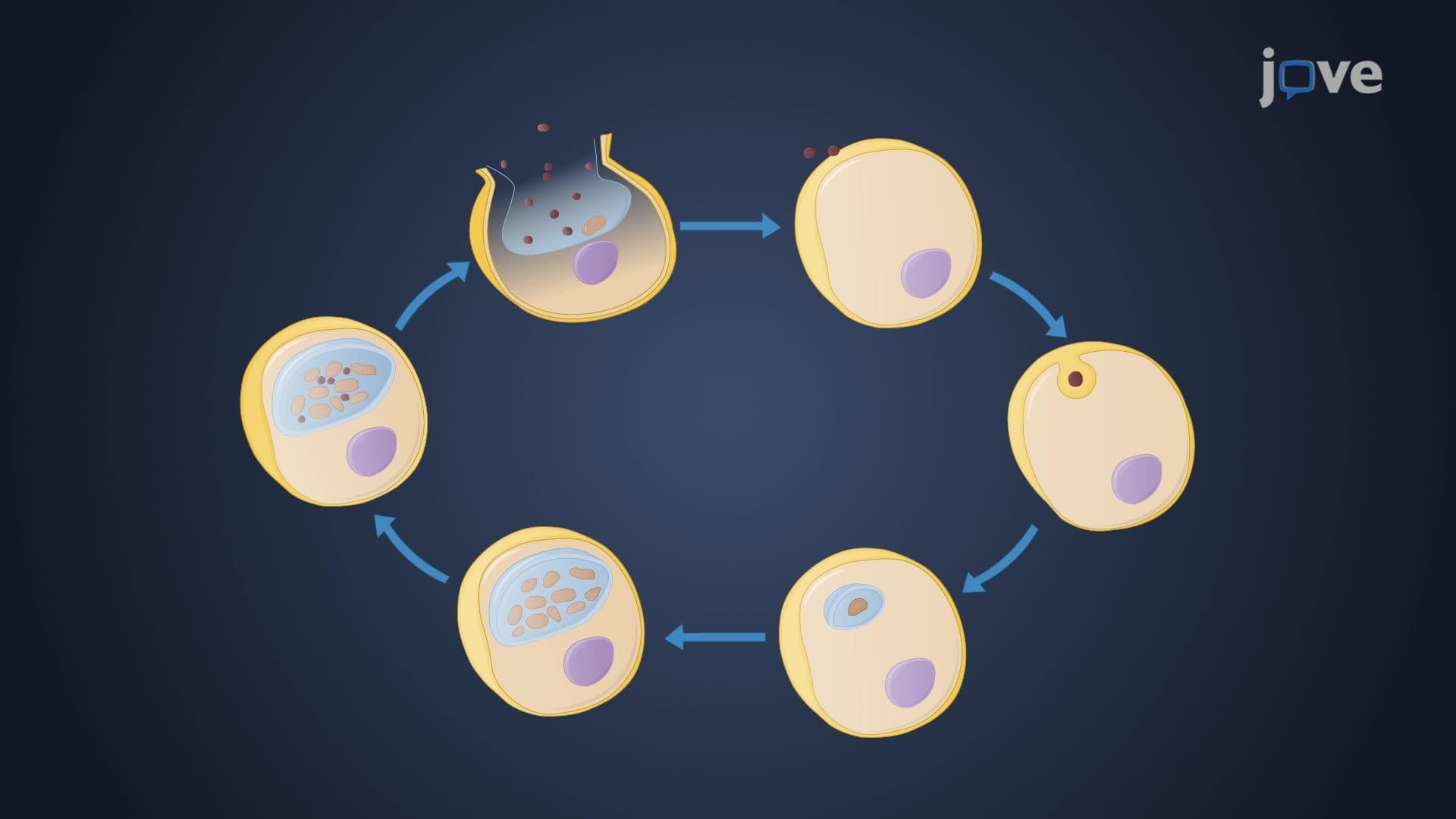
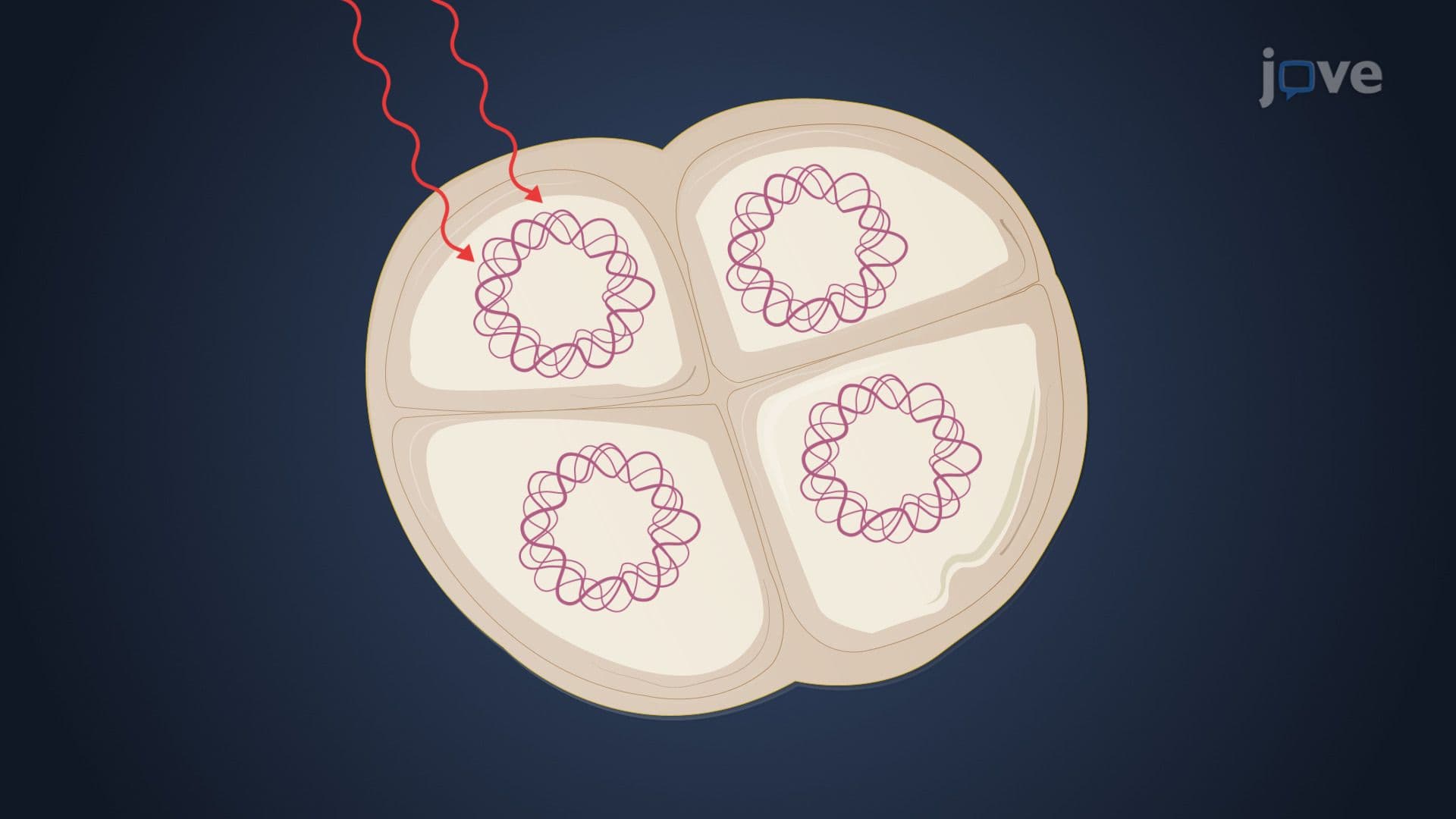
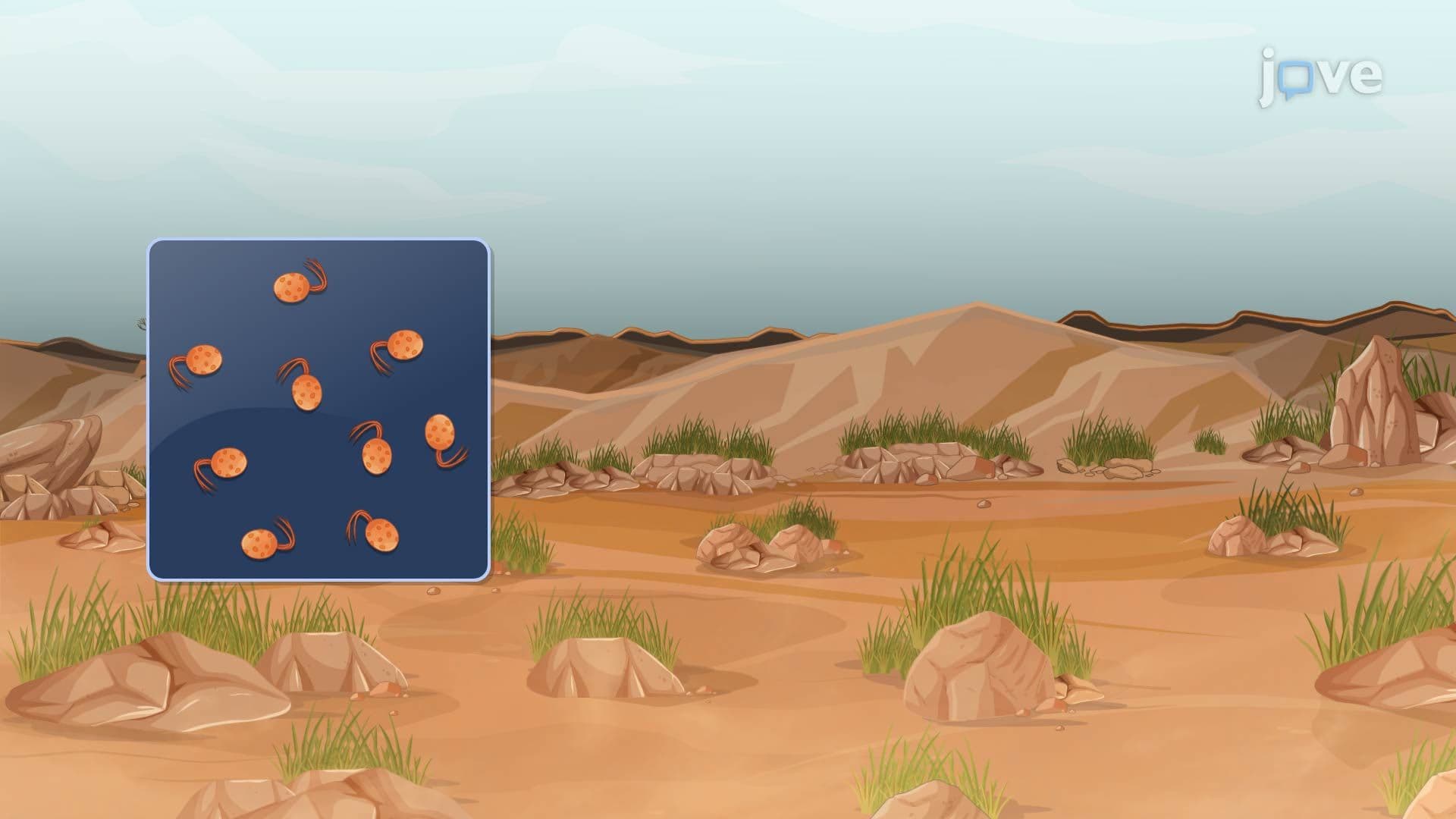
Protists showcase remarkable cellular innovations. Contractile vacuoles pump out excess water in freshwater species-a concept that regularly appears on AP Biology exams when discussing osmoregulation. Many protists form protective cysts during adverse conditions, explaining how they survive harsh winters in American lakes and ponds. The endosymbiosis theory, supported by protist mitochondria and chloroplasts, demonstrates how complex cells evolved-a fundamental concept tested on standardized biology assessments.
Frequently Asked Questions
An overview of protists encompasses the study of diverse eukaryotic microorganisms that don't fit into plant, animal, or fungal kingdoms. They're crucial because they form the base of most aquatic food webs, produce significant amounts of Earth's oxygen, and include both beneficial species and dangerous pathogens. Understanding protists helps explain fundamental biological processes like evolution, symbiosis, and ecosystem dynamics that appear frequently on biology exams.
Protists appear in multiple AP Biology units, particularly in evolution, ecology, and cell biology sections. Expect questions about endosymbiosis theory, protist classification systems, and their ecological roles. College biology courses often include lab practicals identifying different protist species under microscopes. The MCAT frequently tests protist-related concepts in passages about disease vectors or evolutionary biology.
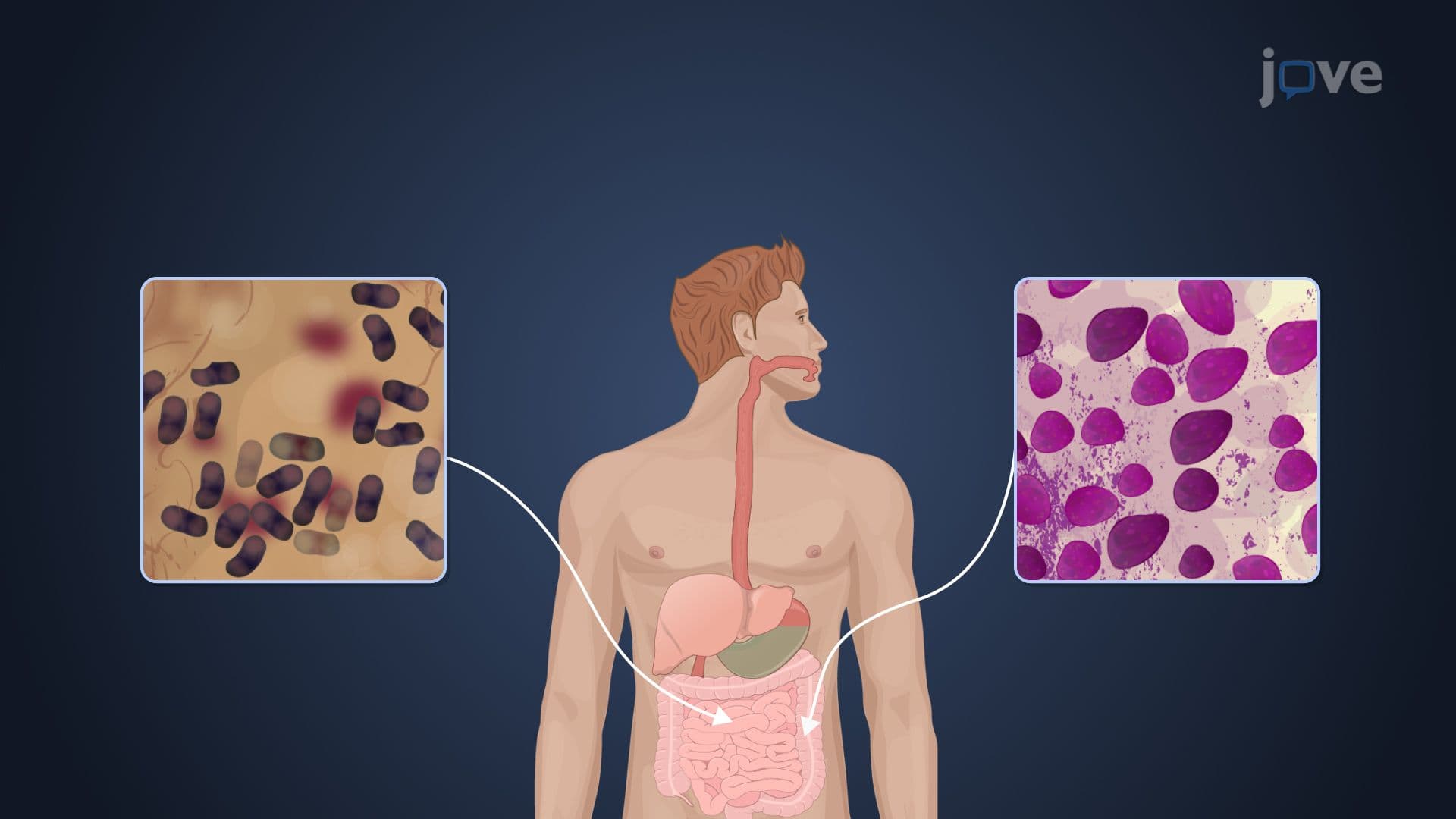
Key protist diseases include malaria (caused by Plasmodium), sleeping sickness (Trypanosoma), and giardiasis (Giardia). These examples commonly appear on MCAT passages and AP Biology questions about parasitism and public health. Understanding their life cycles helps explain concepts like host-parasite relationships and disease transmission that are tested on standardized biology assessments.
Protists can seem challenging initially because of their diversity, but they become manageable when you focus on key patterns. Start with the three functional groups (animal-like, plant-like, fungus-like) before diving into evolutionary relationships. Most high school biology courses introduce protists gradually, building from basic cell biology concepts you already know.
Create visual diagrams linking protist examples to their supergroups and characteristics. Practice with microscope images and focus on distinguishing features like movement mechanisms and feeding strategies. Use flashcards for key species that commonly appear on exams, and connect each group to broader biological concepts like evolution and ecology.
You encounter protists daily-they produce much of the oxygen you breathe and form the base of aquatic food chains supporting American fisheries. Harmful algal blooms in the Great Lakes, red tide events along Florida coasts, and even the diatomaceous earth used in pool filters all involve protists. These real-world connections help make abstract concepts more memorable for exams.
Build on protist knowledge by exploring plant evolution (how green algae gave rise to land plants) and animal diversity (how protozoans relate to early animal evolution). Study symbiosis in greater detail, as protist examples provide excellent models for mutualistic relationships. Advanced topics might include protist biochemistry and their roles in global nutrient cycling.
Related Micro-courses
10 Concepts
11 Concepts

13 Concepts