Loading…
Loading video…

152,900 views
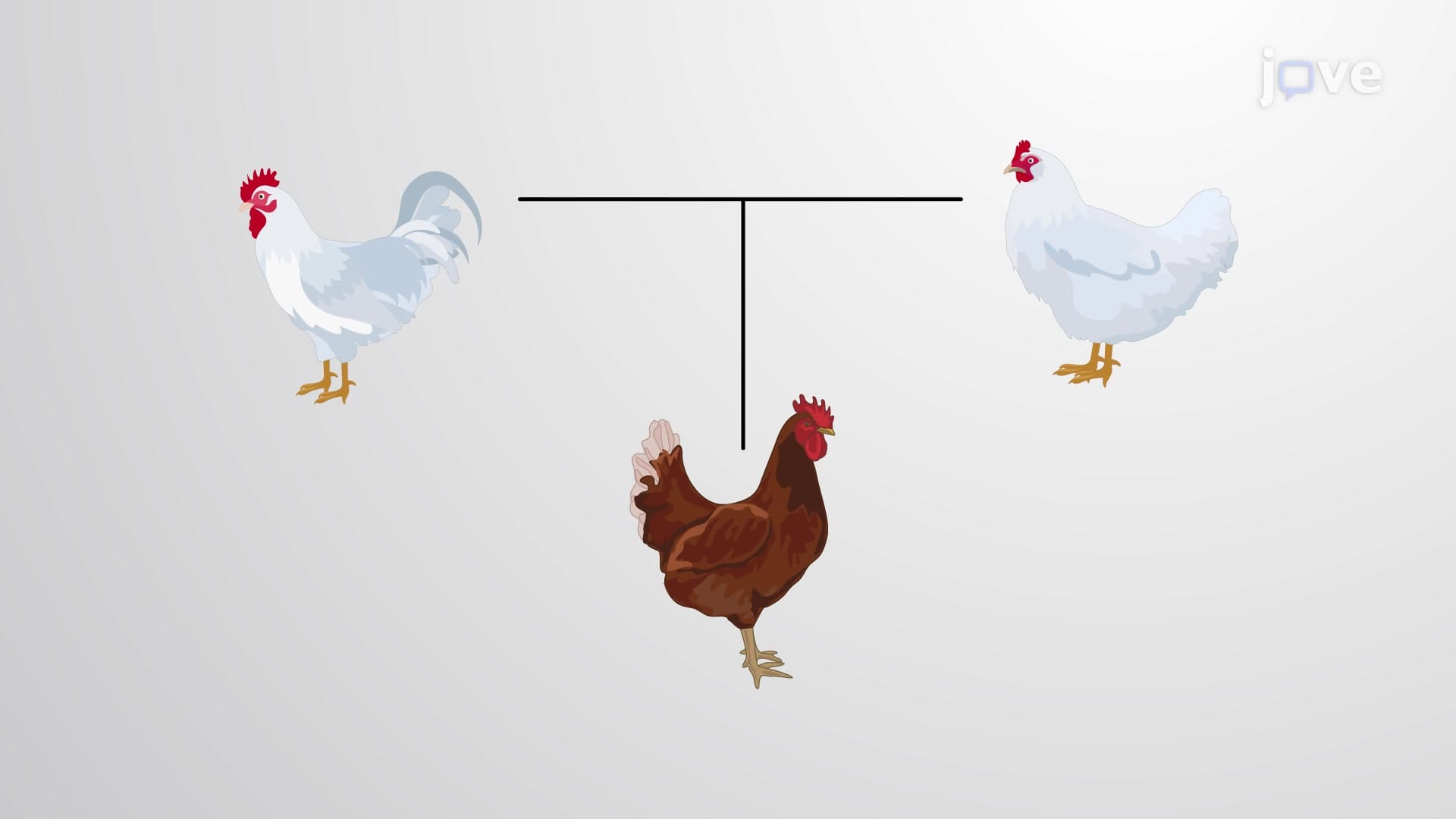
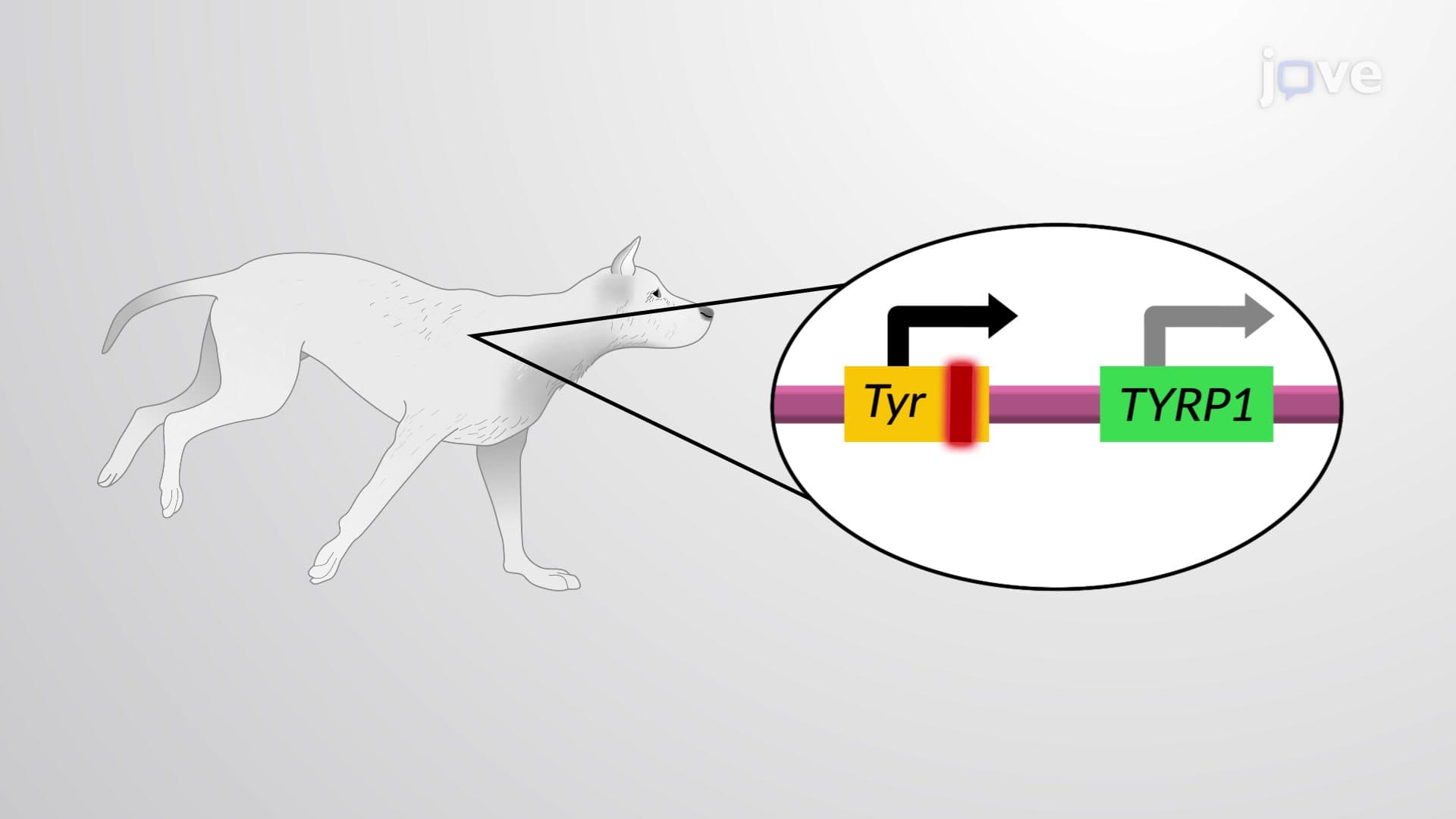
Did you know that seemingly identical white chickens at poultry farms across the United States might actually carry mutations in completely different genes? Complementation tests help scientists determine whether two organisms with the same observable trait have mutations in the same gene or different genes. This powerful genetic technique is essential for understanding heredity patterns in everything from agricultural breeding programs to human genetic disorders. What are complementation tests reveals how geneticists decode the molecular basis of inherited traits. Watch the full video on JoVE Coach to master this concept with expert-led visuals and step-by-step explanations.
Complementation tests represent one of the most elegant and powerful tools in classical genetics, allowing researchers to determine whether mutations causing similar phenotypes occur in the same gene or different genes. This fundamental technique bridges the gap between observable traits and underlying molecular mechanisms, making it essential knowledge for students pursuing careers in genetics, medicine, or biotechnology.
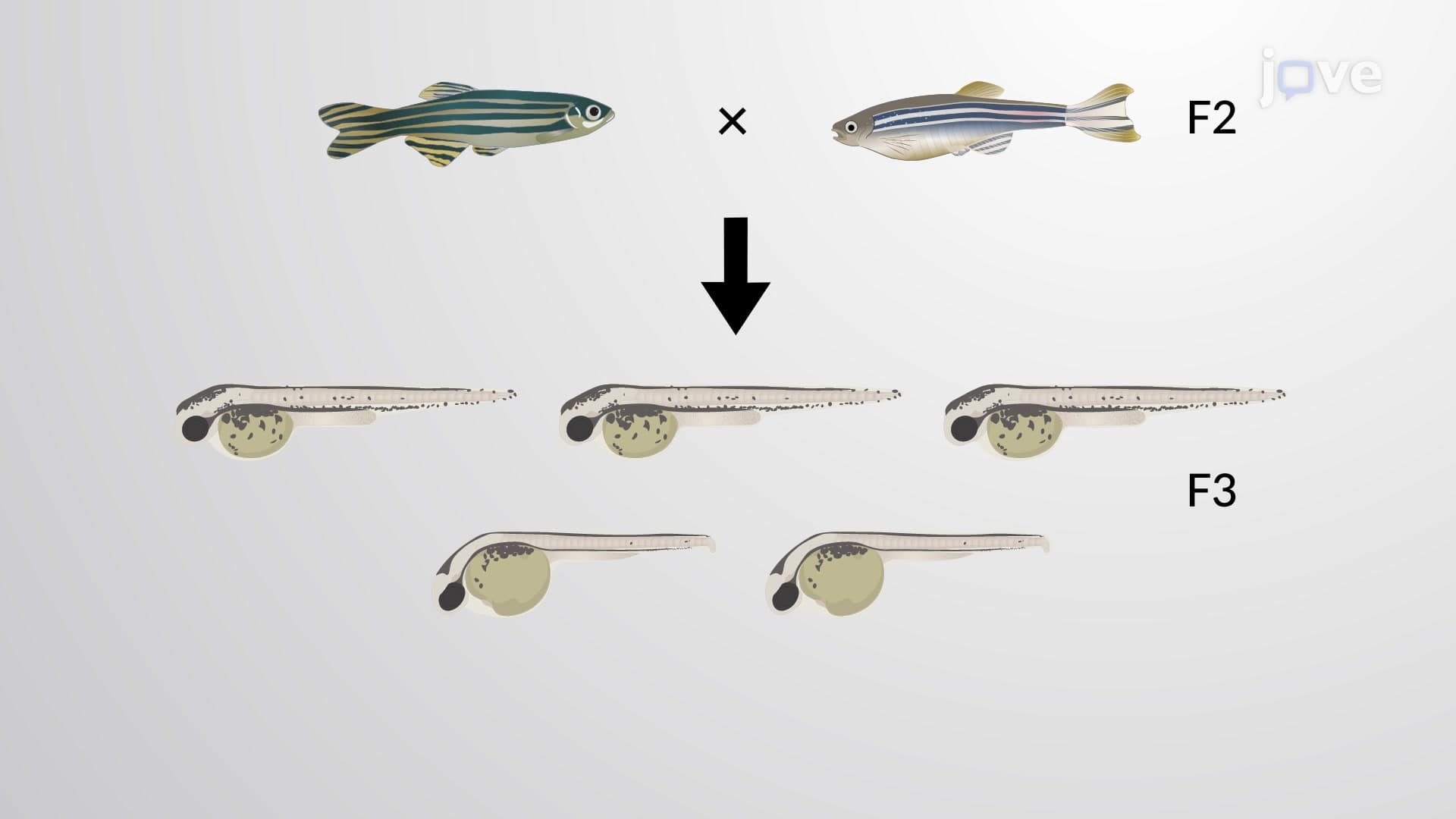
When two organisms carrying recessive mutations are crossed, the resulting offspring reveal critical information about gene relationships. If mutations occur in different genes (non-allelic), each parent contributes a functional copy of the gene that is mutated in the other parent. This rescue effect, called complementation, restores wild-type phenotype in the offspring. Conversely, if both mutations affect the same gene (allelic), no functional gene copy exists to compensate, resulting in continued expression of the mutant phenotype.
Complementation analysis takes several forms depending on the experimental system. In classical breeding experiments with organisms like Drosophila or corn, researchers cross mutant strains and observe F1 offspring phenotypes. Molecular complementation tests use genetic transformation to introduce wild-type genes into mutant organisms. Functional complementation assays measure whether introduced genes restore specific cellular activities. These approaches are particularly valuable in AP Biology laboratory exercises and college genetics courses, where students learn to interpret inheritance patterns.
Complementation testing plays a crucial role in human genetic studies, particularly for understanding genetic diseases. For example, researchers studying cystic fibrosis have used complementation analysis to identify different genes involved in chloride channel function. Similarly, complementation studies in cancer research help distinguish between mutations in tumor suppressor genes versus oncogenes. Students preparing for the MCAT will encounter complementation concepts when studying genetic diseases and inheritance patterns, making this knowledge essential for medical school preparation.
Frequently Asked Questions
A complementation test determines whether two mutations causing the same phenotype occur in the same gene or different genes. When mutations are in different genes, crossing the mutants produces wild-type offspring through complementation. This technique is fundamental for genetic analysis and gene mapping studies.
AP Biology frequently includes complementation problems in genetics units, typically asking students to interpret cross results and determine gene relationships. Students must analyze offspring phenotypes to conclude whether mutations complement each other. Practice with Drosophila and plant genetics examples prepares students for these exam questions.
Complementation occurs when mutations are in different genes, producing wild-type offspring because each parent provides a functional copy of the gene mutated in the other. Non-complementation happens when mutations affect the same gene, resulting in continued mutant phenotype since no functional gene copy exists.
MCAT genetics passages often present complementation scenarios requiring students to analyze experimental data and determine gene relationships. Questions may involve metabolic pathways, enzyme function, or genetic disease mechanisms. Understanding complementation helps answer questions about allelic versus non-allelic mutations.
Agricultural researchers at universities like Cornell and UC Davis use complementation tests to study crop traits such as disease resistance in corn or color variations in tomatoes. These studies help plant breeders understand whether beneficial mutations can be combined in single varieties, improving crop development programs.
Complementation concepts are very accessible to high school students with basic genetics knowledge covering dominant/recessive alleles and Punnett squares. The logical framework builds naturally on these foundations. Visual examples using model organisms like fruit flies make the concept concrete and memorable for students.
Focus on practice problems involving different scenarios: same gene mutations, different gene mutations, and pathway analysis. Create flowcharts showing decision trees for interpreting results. Work through examples from college genetics textbooks and AP Biology review materials to build pattern recognition skills.
Complementation understanding leads naturally to epistasis analysis, genetic pathway mapping, and suppressor mutations. Students can explore how complementation relates to protein complex assembly and metabolic pathway organization, preparing them for advanced genetics and biochemistry courses.
Related Micro-courses
Related Subjects