Loading subject page…

730 views

Video Summary: Rate Limiting Step Approximation of Reaction Mechanisms
Why does a chain move only as fast as its slowest link? The same logic governs chemistry. The rate-limiting step approximation of reaction mechanisms explains how one sluggish elementary step controls the speed of an entire multi-step reaction. In US pharmaceutical labs, this principle determines how fast a drug synthesis can realistically run. Understanding Rate-limiting Step Approximation of Reaction Mechanisms helps chemists write accurate rate laws and validate proposed mechanisms. Watch the full video on JoVE Coach to master this concept with expert-led visuals and step-by-step explanations.
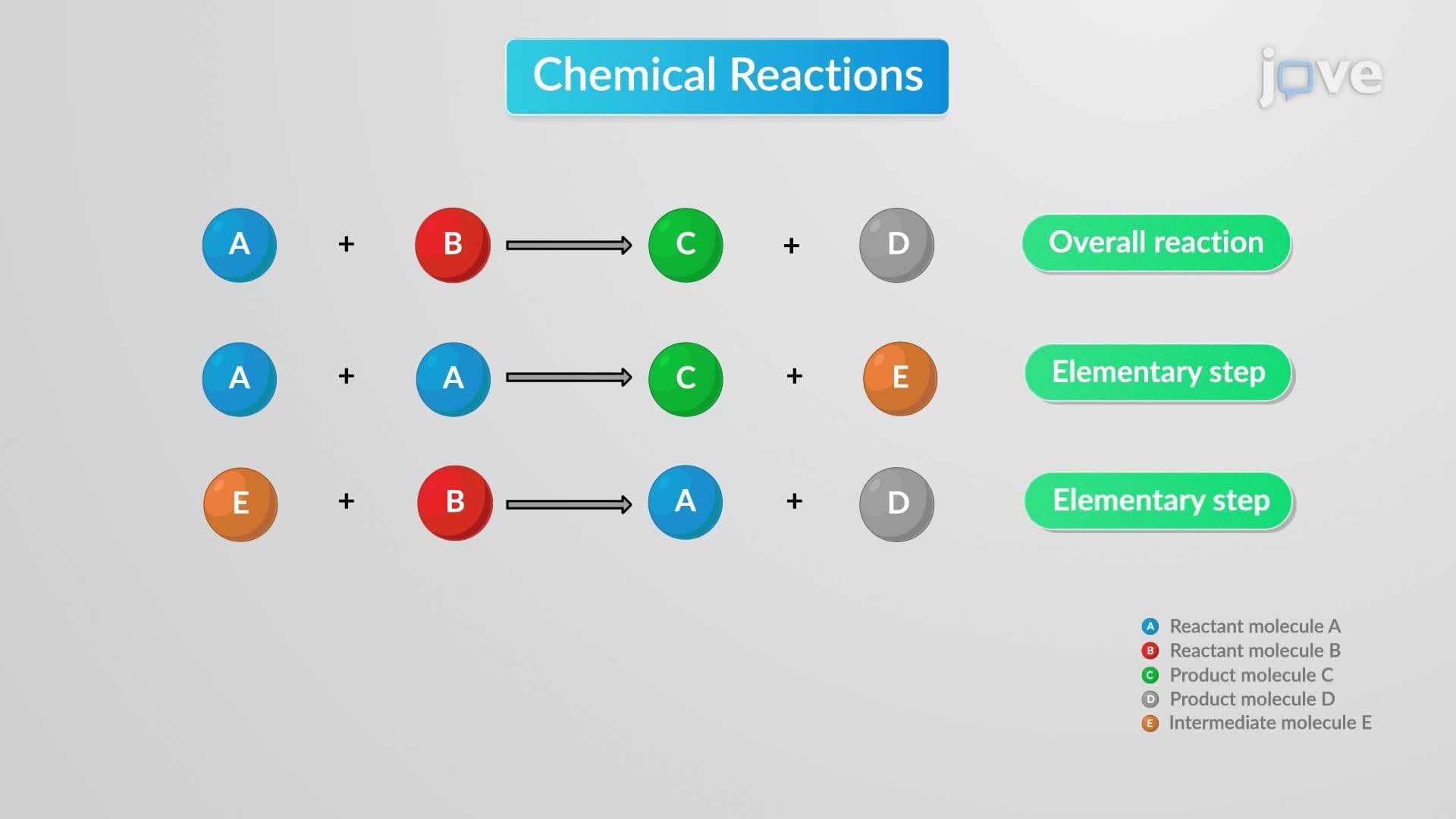
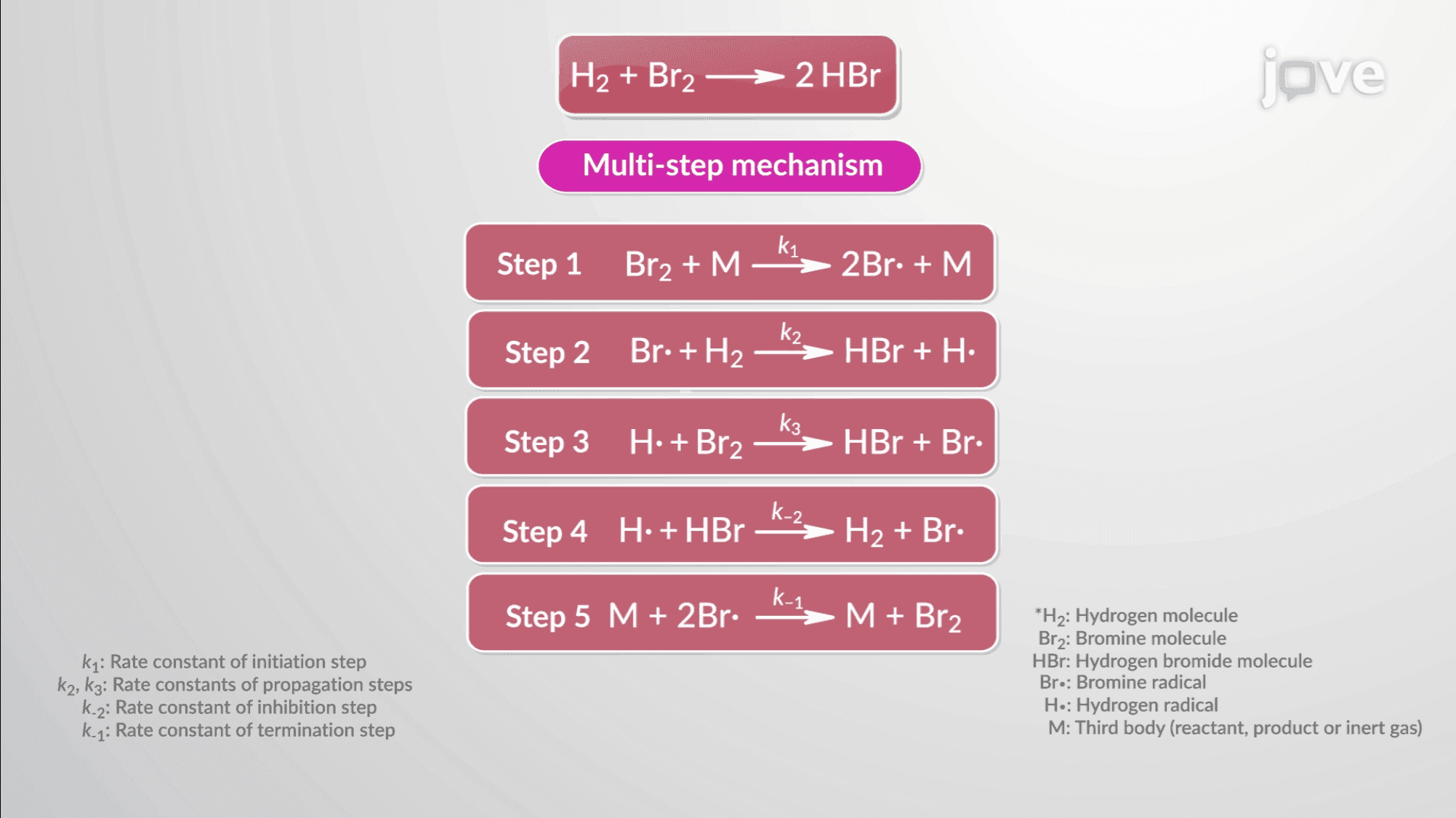
Most chemical reactions do not happen in a single collision. They unfold through a sequence of elementary steps, each with its own rate constant and energy requirement. The Rate-limiting Step Approximation of Reaction Mechanisms is the principle that one of those steps, the slowest one, dictates the pace of the entire reaction, much like a single slow cashier determines how quickly a grocery line moves. Understanding this concept is foundational in AP Chemistry, college general chemistry, and MCAT preparation.
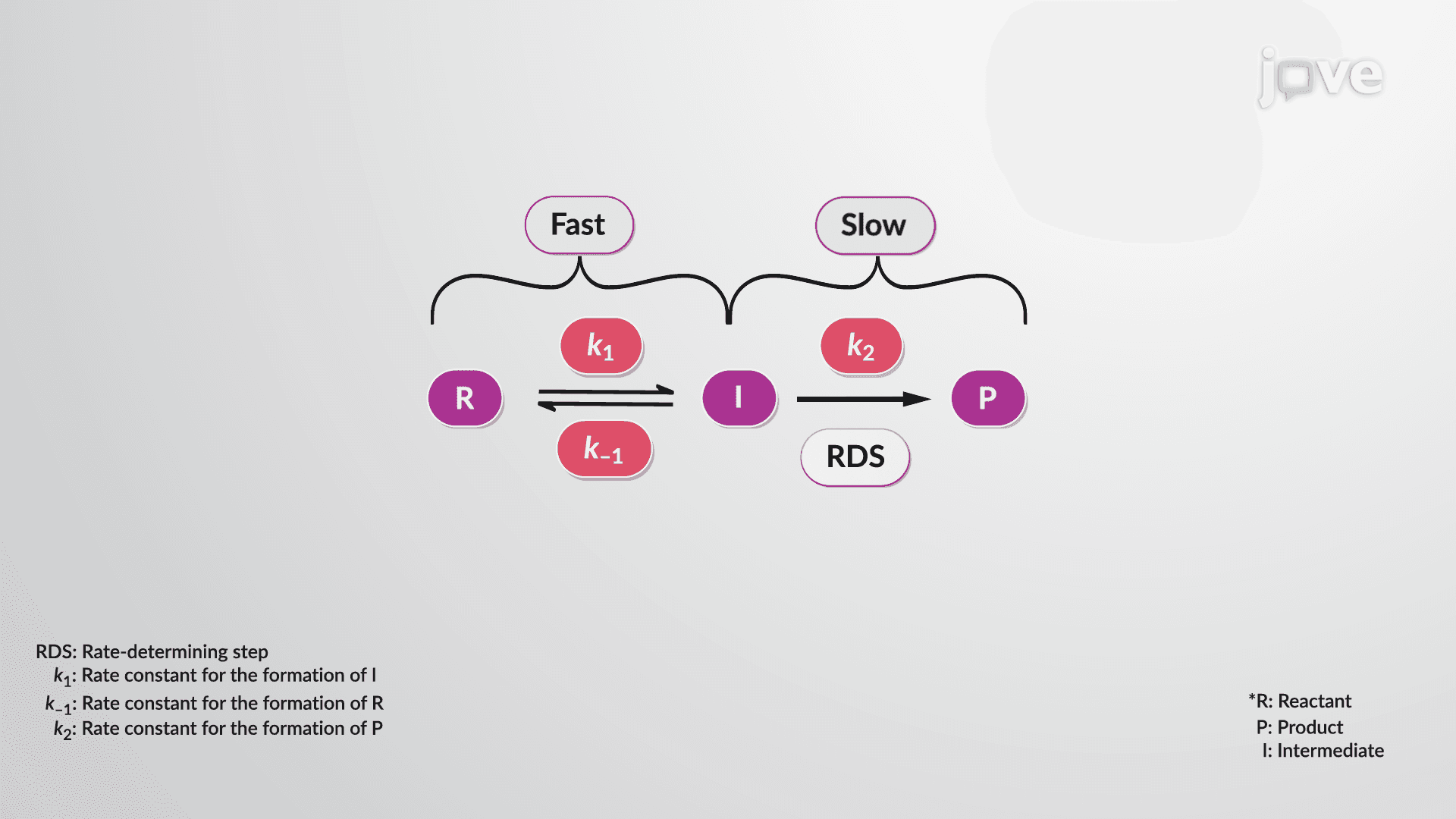
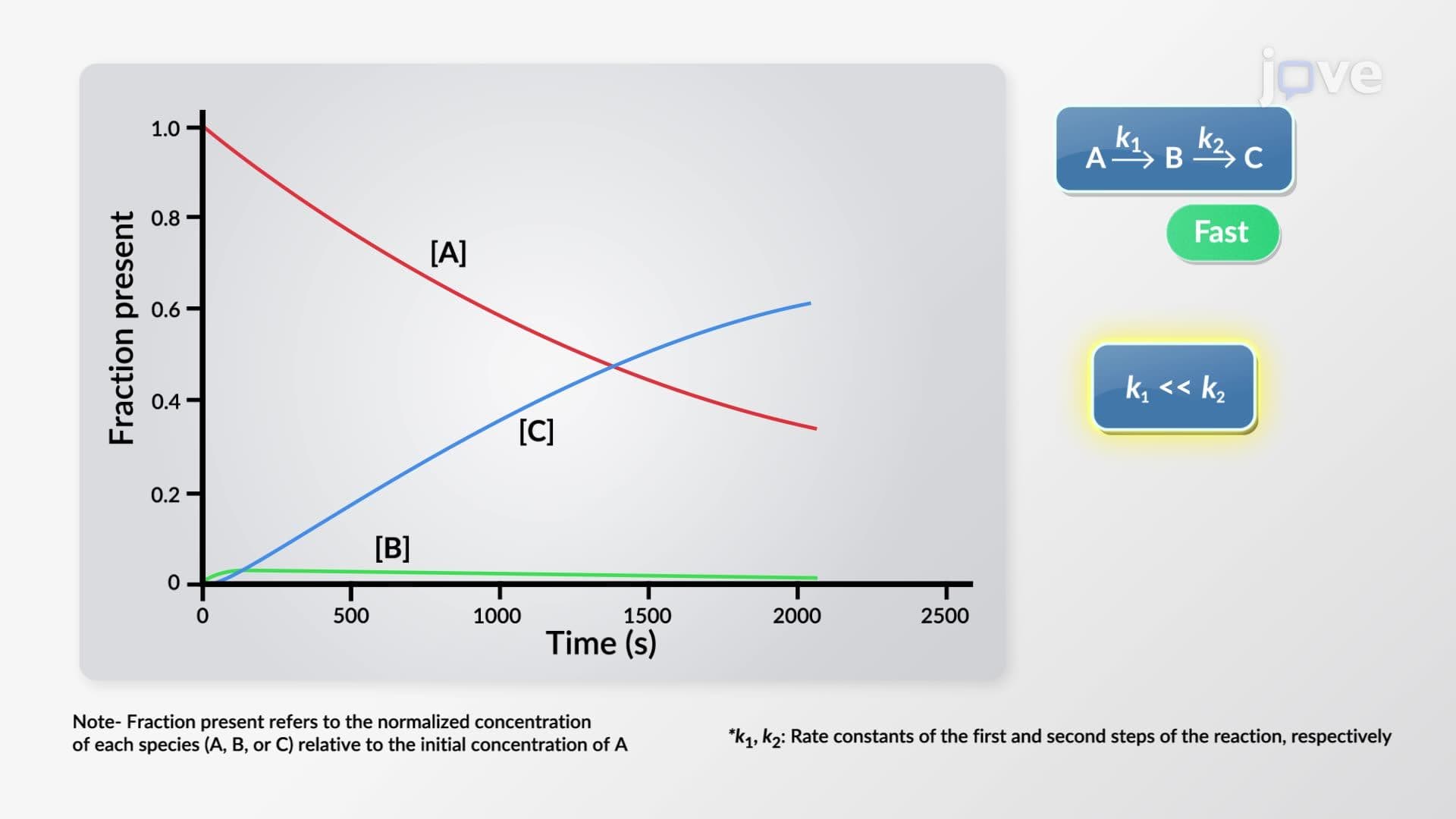
The rate-determining step is the elementary step with the highest activation energy and the smallest rate constant relative to all other steps in the mechanism. Because reactants cannot bypass this step, it acts as a kinetic bottleneck. The overall rate law for the reaction is therefore written based on the stoichiometry and species present in the RDS, not the balanced overall equation. This is a critical distinction that confuses many students on AP Chemistry free-response questions and college midterms.
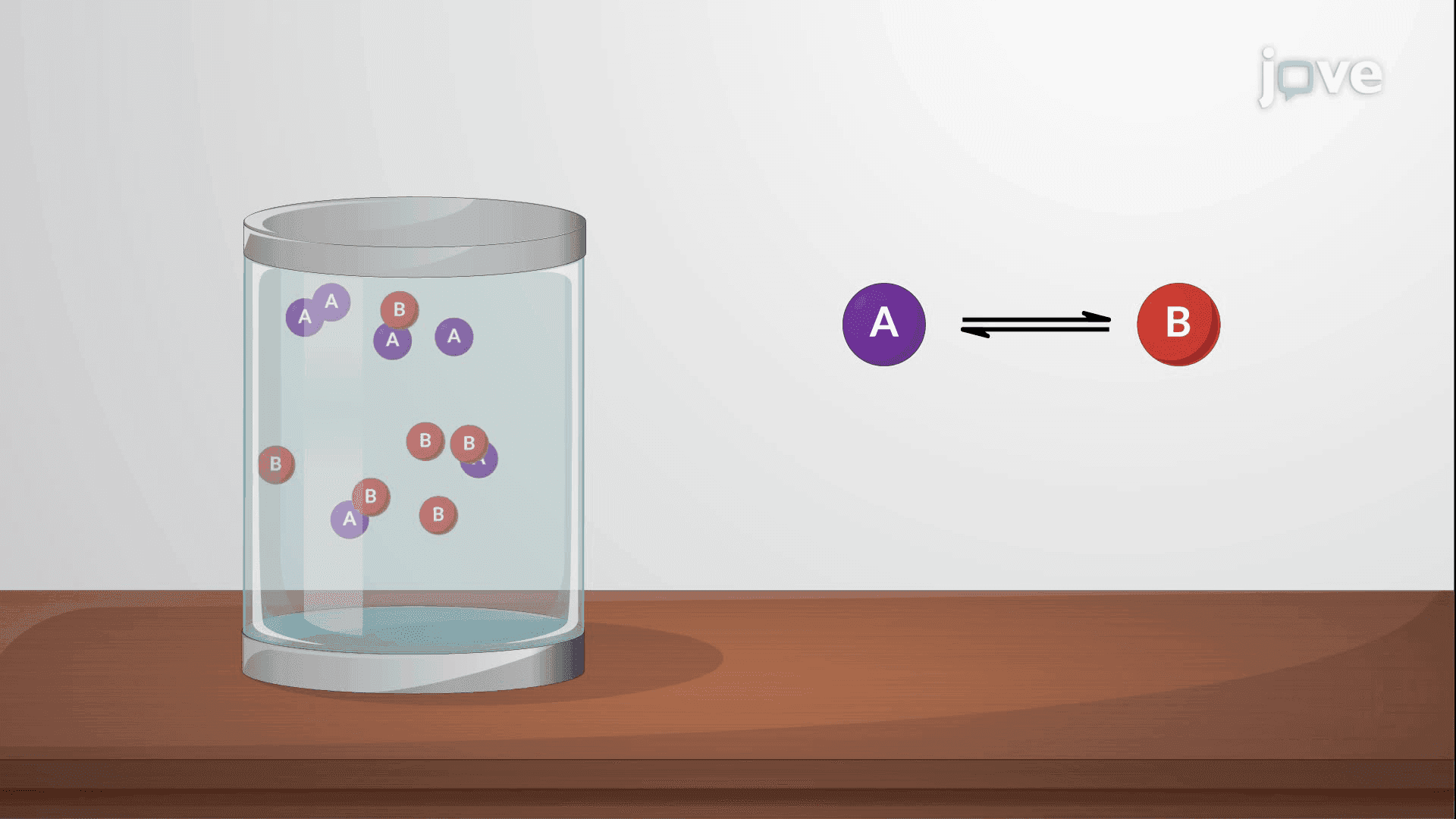
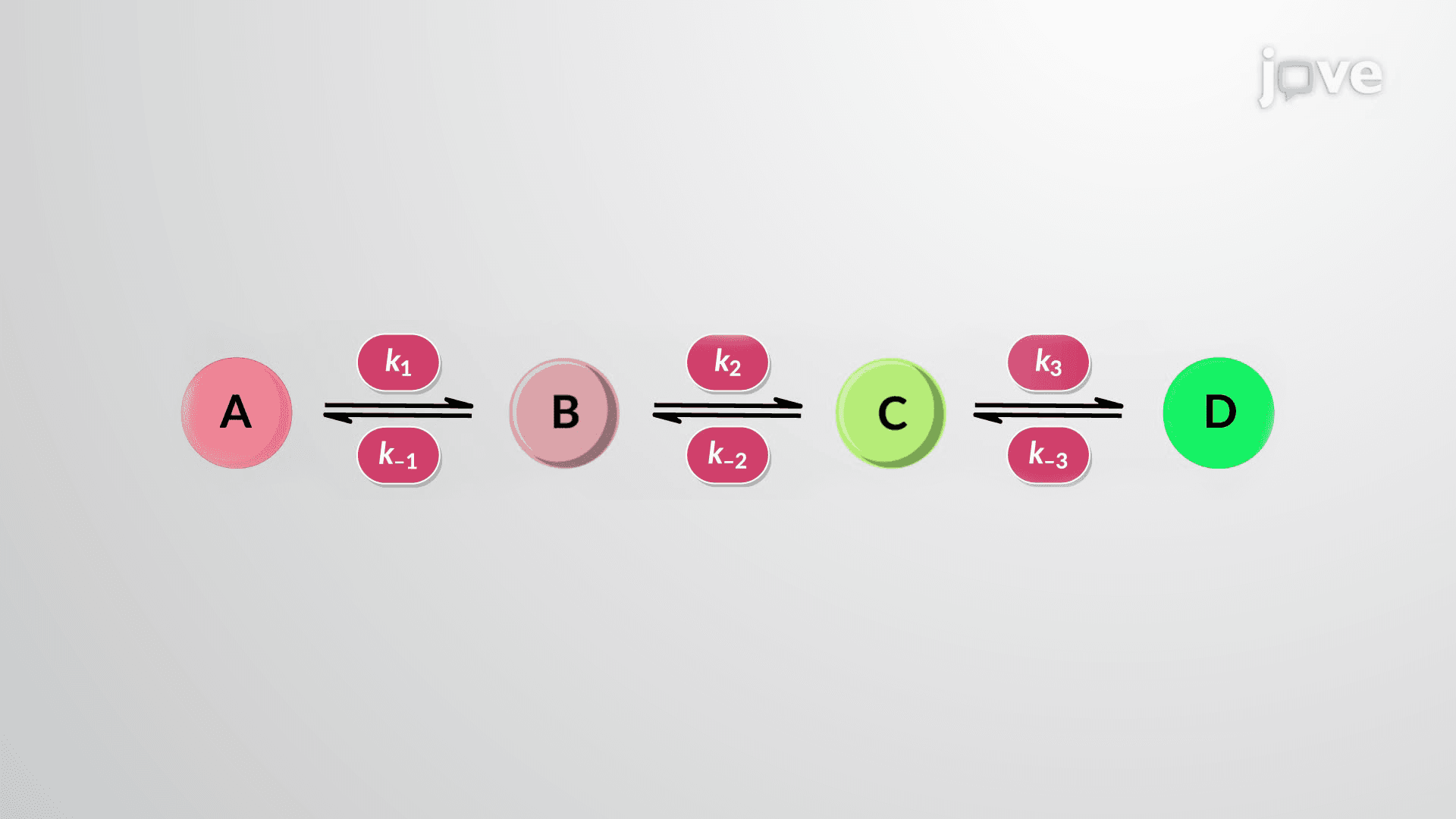
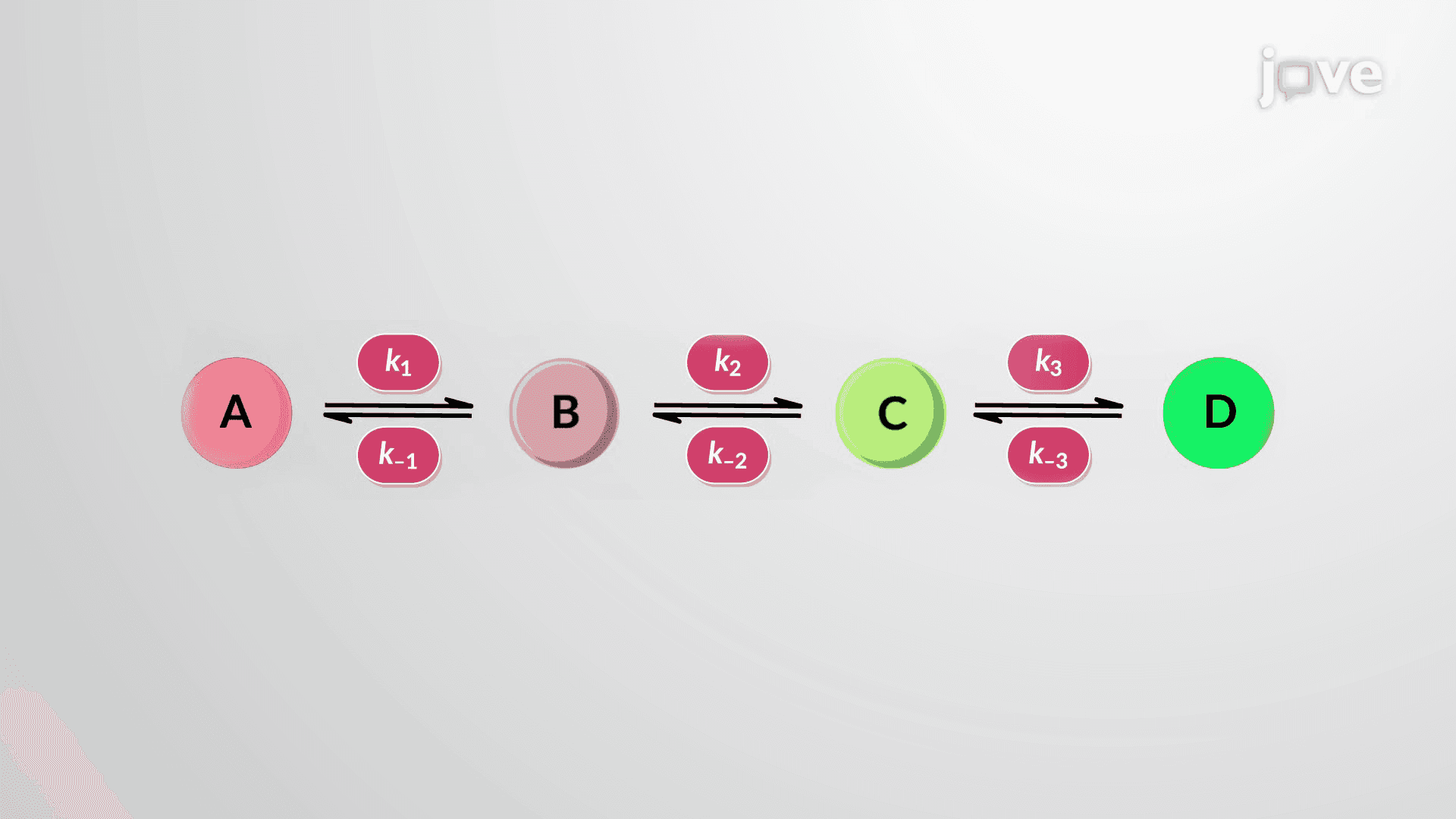
A powerful tool paired with the RDS concept is the equilibrium approximation (also called the pre-equilibrium approximation). Consider a three-step unimolecular reaction where step two is the RDS. For this to hold, the reverse rate constant of step one must be much larger than the forward rate constant of step two, meaning intermediate B collapses back to A far more quickly than it proceeds forward through the bottleneck. This establishes a rapid equilibrium between A and B before the slow step ever occurs.
This equilibrium allows chemists to express the concentration of an unstable intermediate in terms of stable, measurable reactants using the equilibrium constant expression. The result is a clean, experimentally testable rate law, a cornerstone of physical chemistry lab courses at universities like MIT, Stanford, and across the UC system.
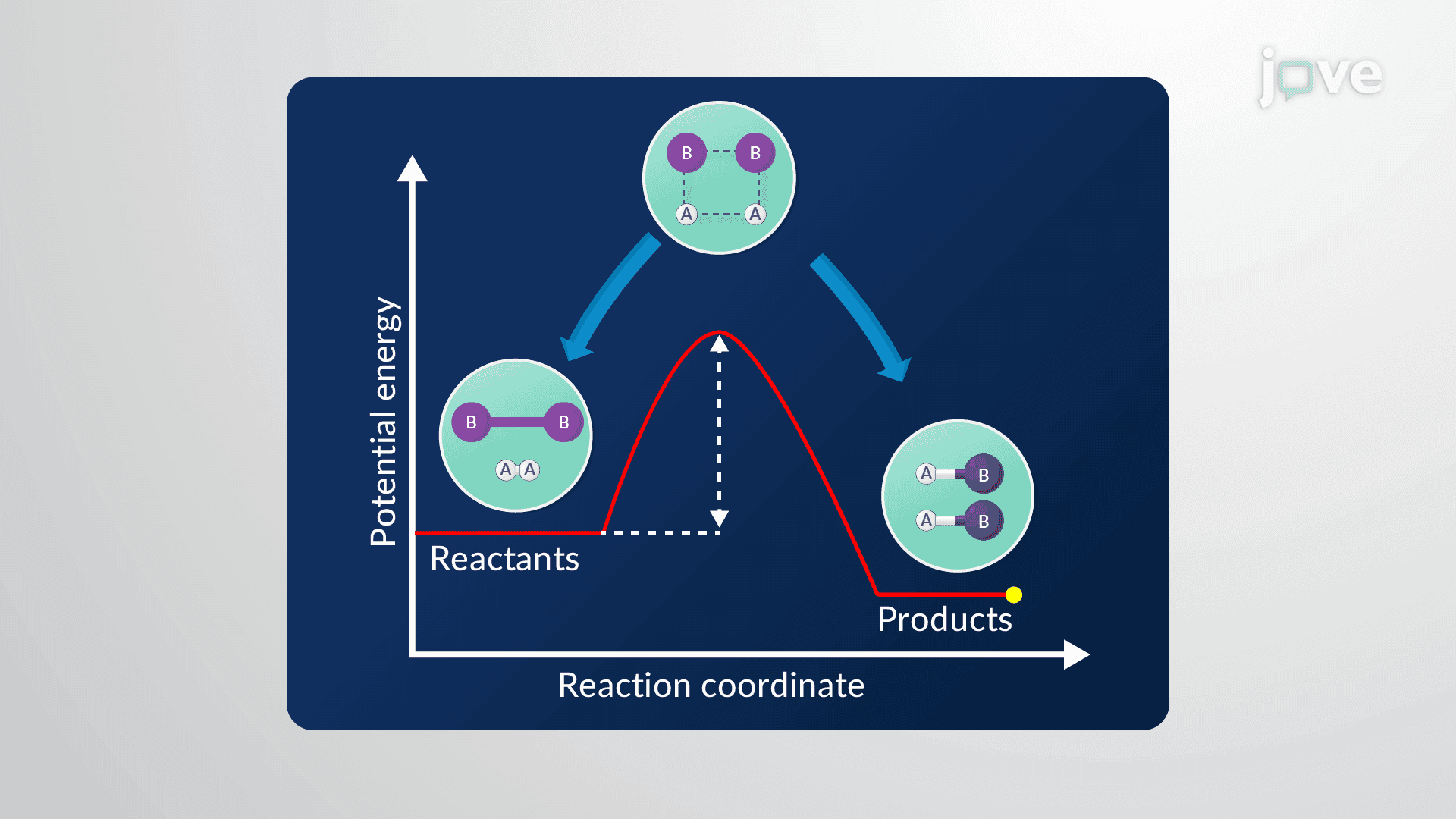
The relationship between the RDS and the Arrhenius equation (k = Ae^(−Ea/RT)) is direct: the step with the largest activation energy (Ea) has the smallest rate constant k, making it the slowest. Temperature changes affect all steps, but they disproportionately accelerate steps with high activation energies, which is why raising temperature can sometimes shift which step becomes rate-limiting. This nuance appears frequently in MCAT biochemistry passages discussing enzyme-catalyzed reactions.
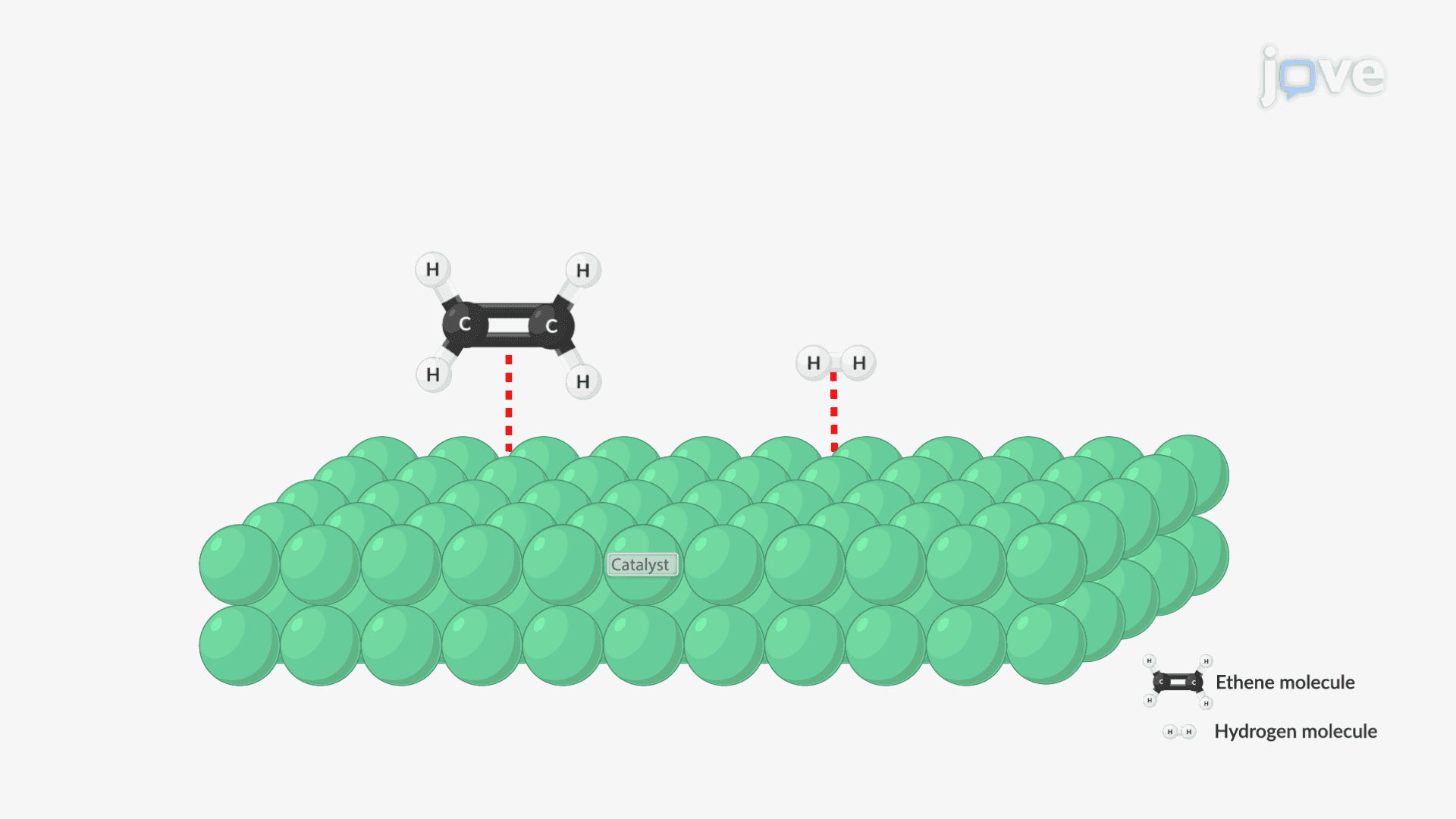
In catalysis, a catalyst lowers the activation energy of the RDS specifically, which is why catalysts are so effective, they attack the weakest link in the chain. Industrial examples include the Haber-Bosch process for ammonia synthesis, where US chemical engineers optimize catalysts to speed up the rate-limiting surface adsorption step.
A common exam trap is equating the overall reaction order with molecularity. The order of a reaction is determined experimentally from the rate law (often derived from the RDS), while molecularity refers to the number of molecules colliding in a single elementary step. A bimolecular RDS produces a second-order rate law for that step, but the overall observed order may differ once pre-equilibrium concentrations are substituted. Mastering this distinction is essential for AP Chemistry Unit 5 and college-level kinetics exams.
Related Micro-courses