Loading video…

 9 Concepts
 730 views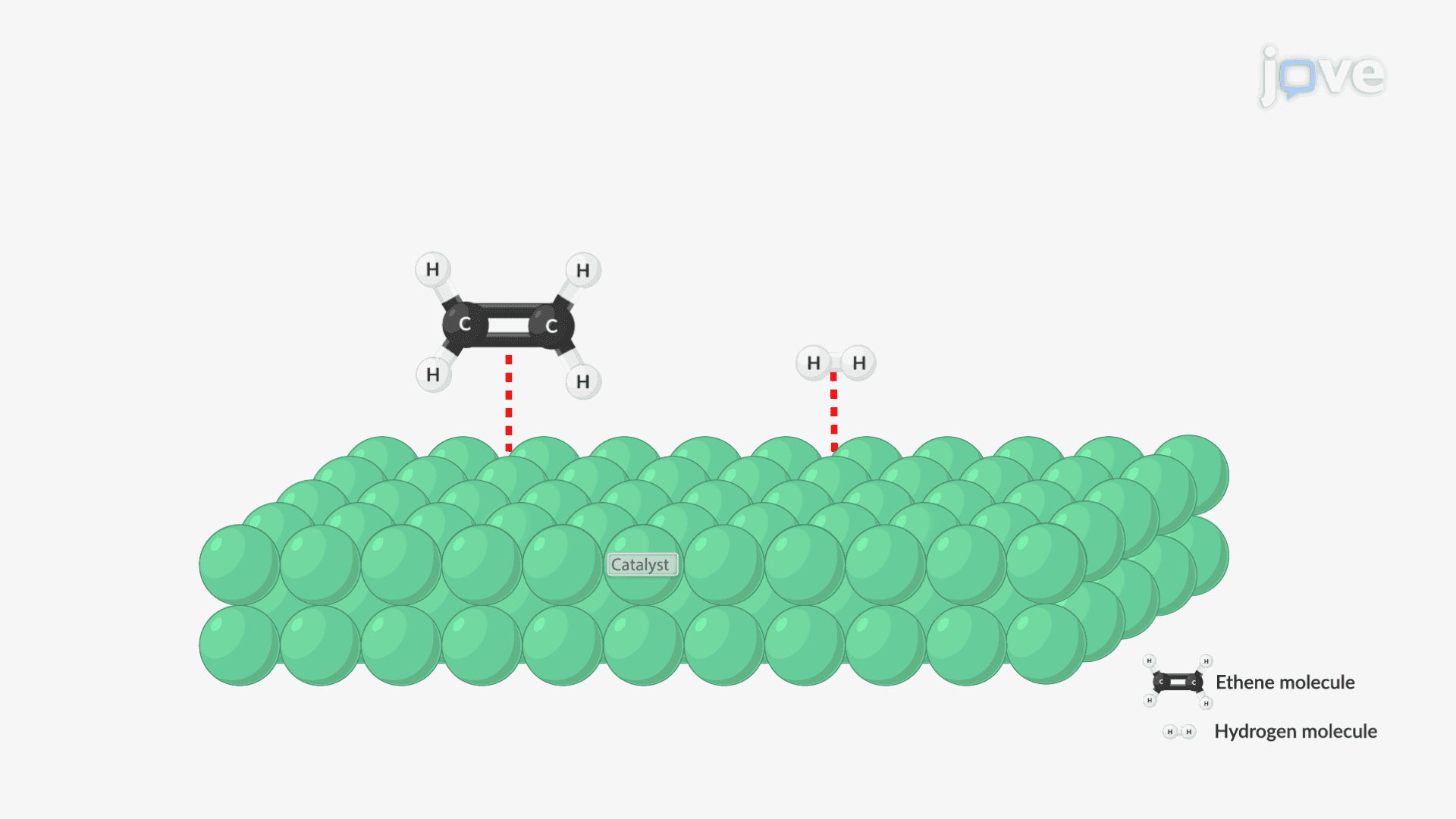

Video Summary: What Is Catalysis
Did you know your car's catalytic converter prevents millions of tons of toxic emissions every year, without ever being used up? That's the power of catalysis at work. Catalysis is the process by which a catalyst accelerates a chemical reaction while remaining chemically unchanged. From industrial ammonia production to ozone layer chemistry in Earth's stratosphere, this concept shapes real-world science. Watch the full video on JoVE Coach to master this concept with expert-led visuals and step-by-step explanations.
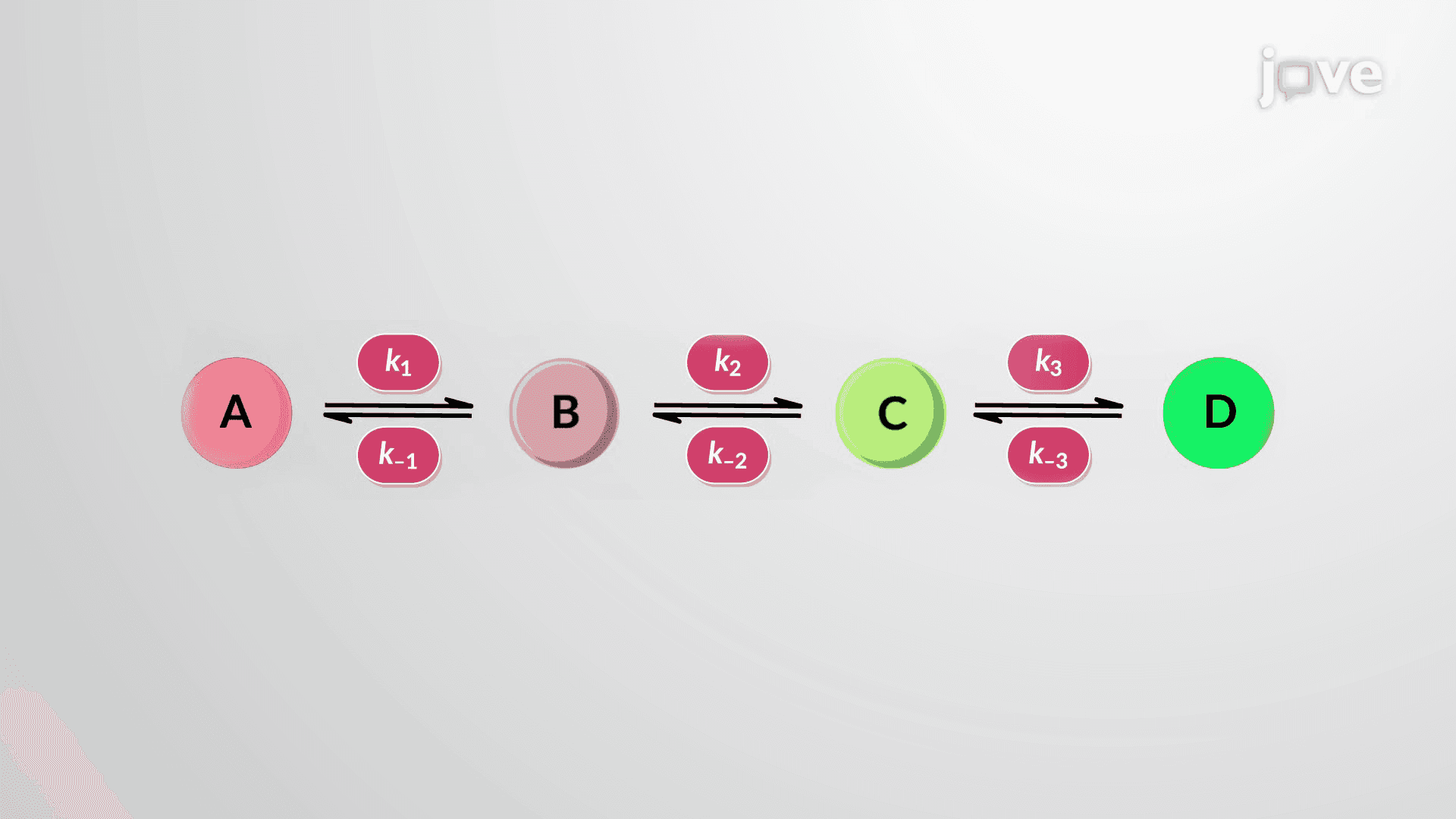
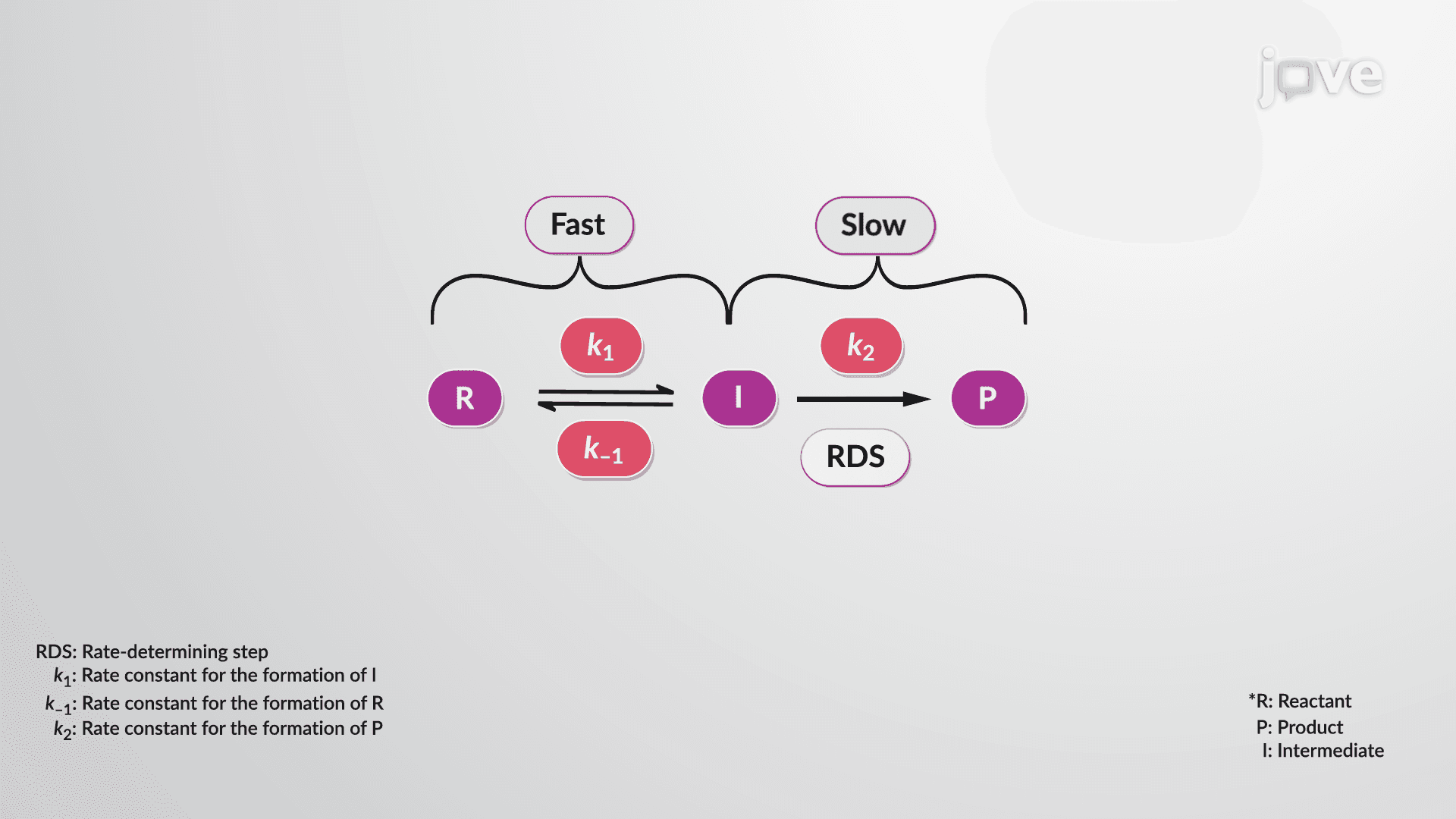
Catalysis is one of the most important and elegant concepts in chemistry. At its core, catalysis refers to the process by which a substance called a catalyst speeds up a chemical reaction without being consumed in the overall process. The catalyst participates in intermediate steps of the reaction mechanism, but it is regenerated by the end of the cycle, meaning it can catalyze the same reaction over and over again.
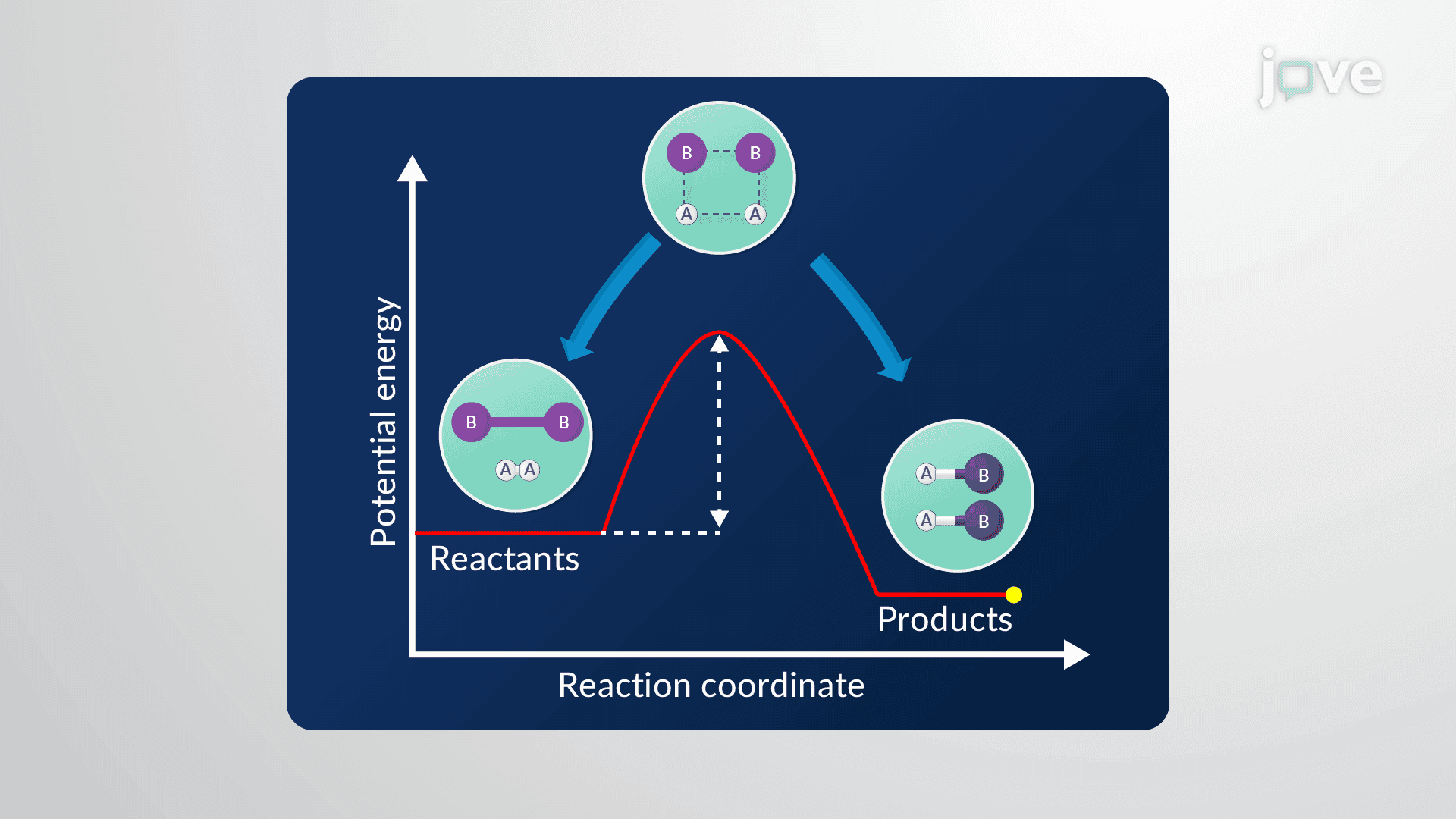
To understand why this matters, consider activation energy, the minimum energy required for a reaction to occur. The Arrhenius equation, written as k = A × e^(−Ea/RT), shows that the rate constant k increases as activation energy (Ea) decreases. Catalysts work precisely by providing an alternative reaction pathway with a lower activation energy, which dramatically increases the reaction rate without changing the thermodynamics (the overall energy difference between reactants and products).
A classic example studied in AP Chemistry and college general chemistry courses is the decomposition of hydrogen peroxide (H2O2) in the presence of bromide ions (Br−). The reaction proceeds in two distinct steps:
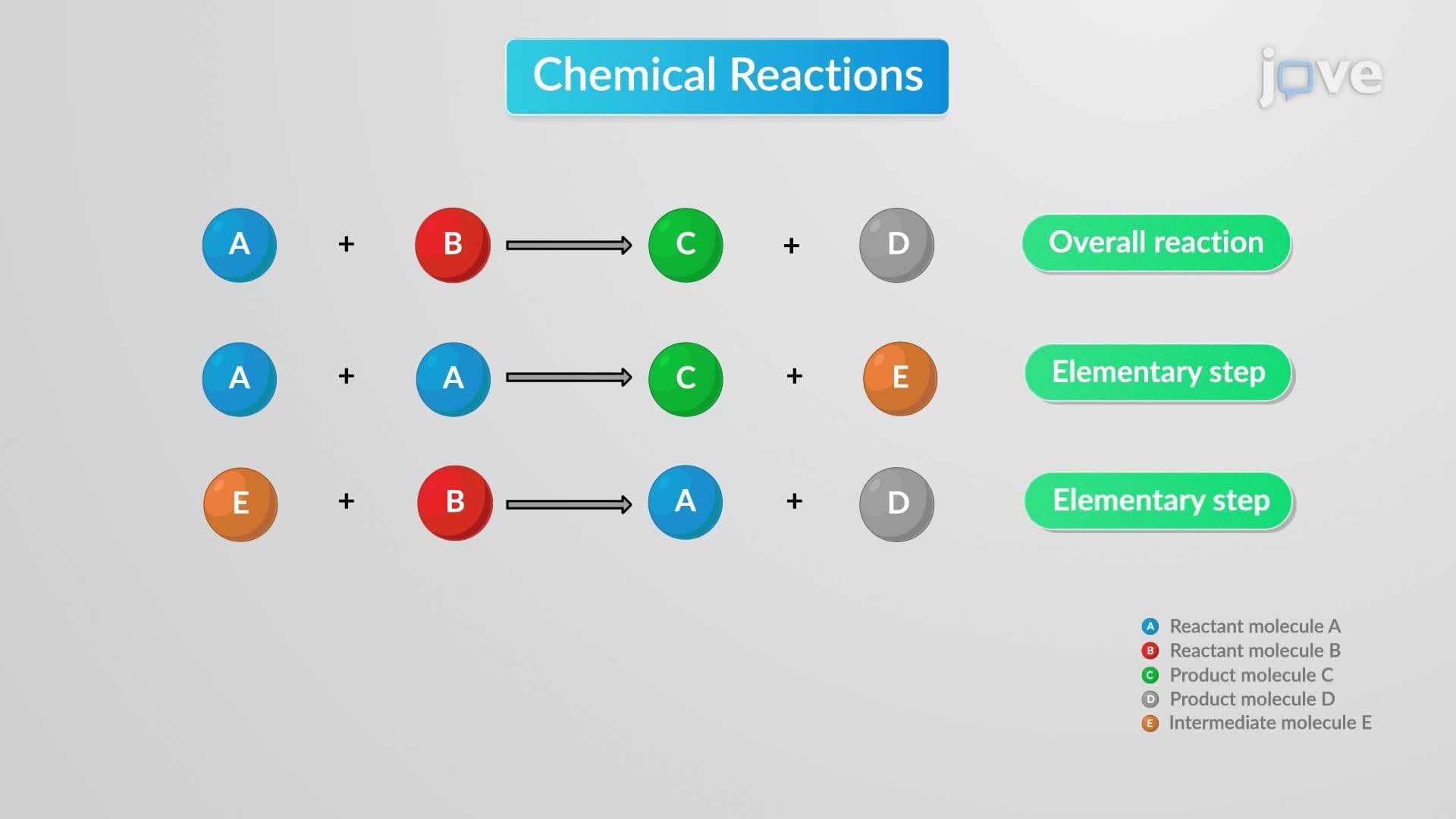
1. Activation step: Bromide ions react with hydrogen peroxide and hydrogen ions to form bromine (Br2) and water. 2. Regeneration step: Bromine then reacts with another molecule of hydrogen peroxide to produce oxygen gas (O2) and regenerate the bromide ions.
Notice that Br− is consumed in step one but fully restored in step two, this is the defining feature of a true catalyst. Understanding this two-step mechanism also helps students identify reaction intermediates (substances produced in one step and consumed in another), which is a common topic on AP Chemistry free-response questions and college midterms.
One of the most tested distinctions in chemistry courses is the difference between the two major types of catalysis:
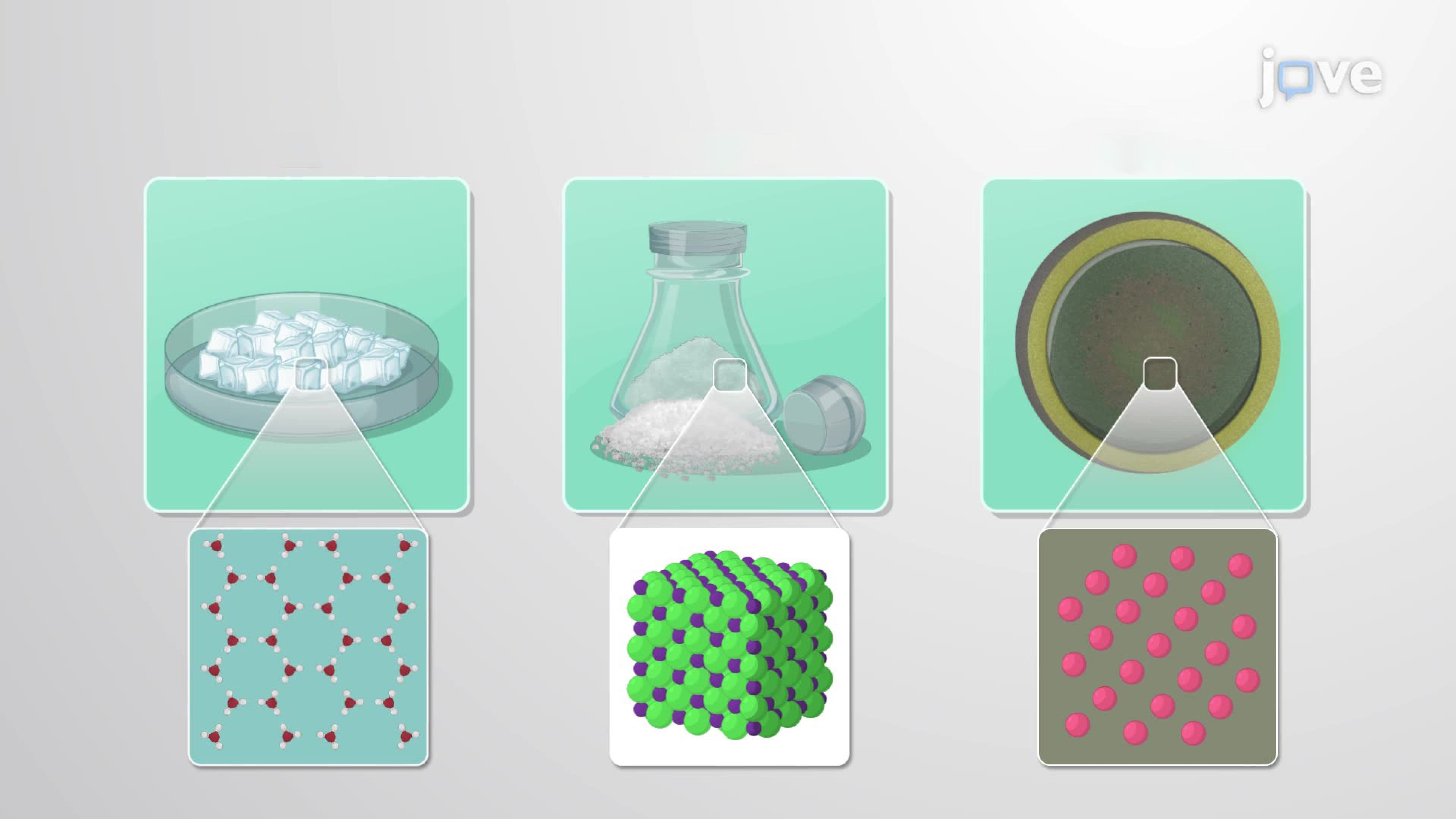
Homogeneous catalysis occurs when the catalyst and reactants exist in the same phase (e.g., all dissolved in aqueous solution or all in the gas phase). This arrangement allows efficient molecular-level interactions and often provides high selectivity, especially at low reactant concentrations. A striking real-world example is ozone depletion in Earth's stratosphere, where chlorine radicals, released from chlorofluorocarbons (CFCs) once widely used in US refrigerants and aerosols, catalyze the breakdown of ozone (O3) into oxygen (O2). A single chlorine radical can destroy thousands of ozone molecules before being permanently deactivated.
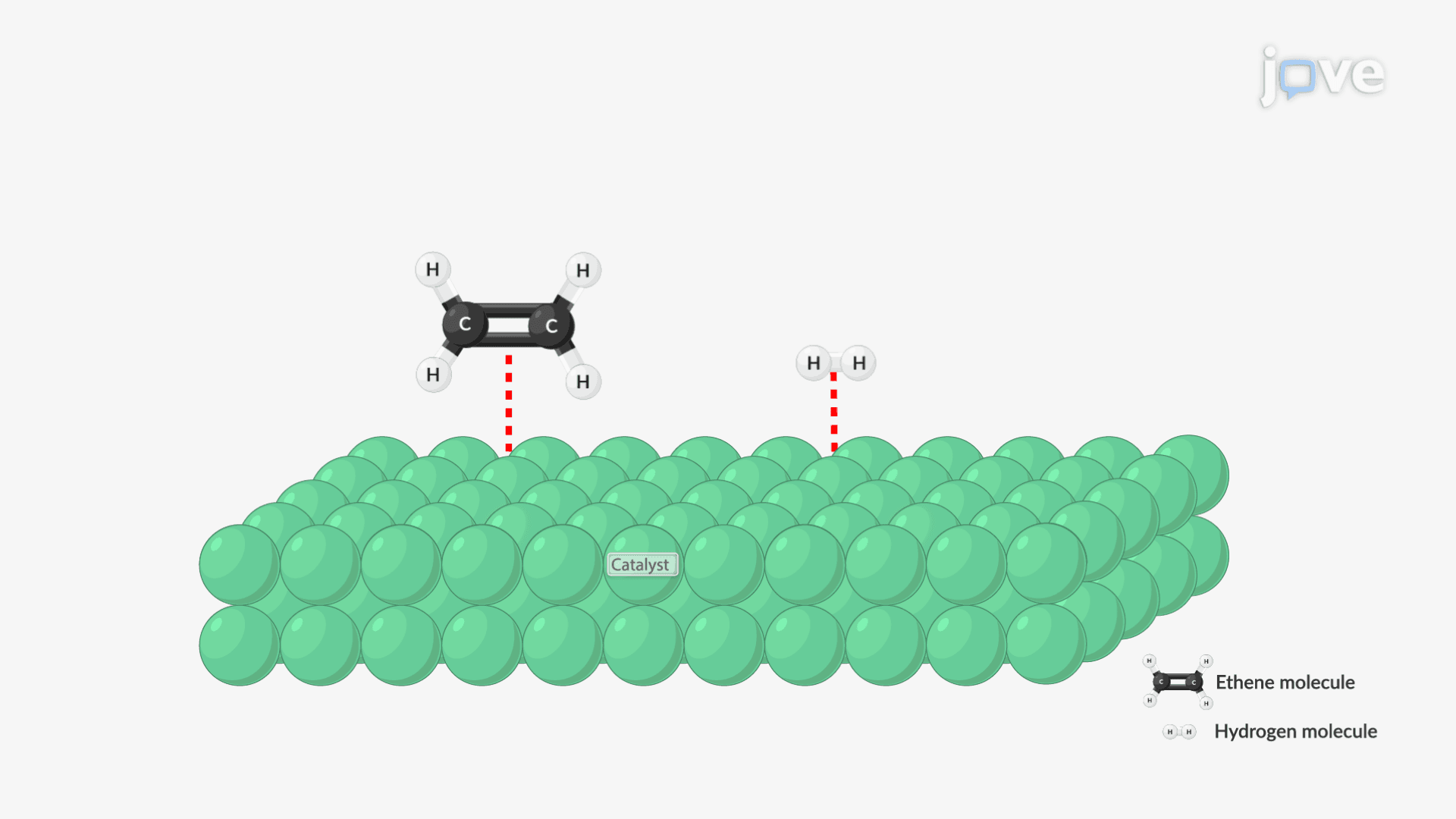
Heterogeneous catalysis involves the catalyst and reactants existing in different phases, most commonly a solid catalyst with gaseous or liquid reactants. The reaction occurs at the surface of the catalyst. For example, in industrial hydrogenation, used widely in US food manufacturing to produce margarine and shortening, gaseous hydrogen and ethene react on the surface of a finely divided solid metal catalyst (such as nickel or platinum) to form ethane. The product leaves the surface, freeing the catalyst for the next reaction cycle. A major practical advantage of heterogeneous catalysis is the easy separation of products from the catalyst, which simplifies industrial-scale processing.
On the AP Chemistry exam, catalysis appears in the context of reaction mechanisms, rate laws, and activation energy. Students are expected to explain how a catalyst changes the rate of a reaction without shifting the equilibrium position, identify intermediates versus catalysts from a reaction mechanism, and use the Arrhenius equation to compare catalyzed and uncatalyzed reactions. On the MCAT, catalysis is critical in biochemistry, enzymes are biological catalysts, and understanding enzyme kinetics (including concepts like Km and Vmax) builds directly on the foundational principles of catalysis covered here. Recognizing how temperature, concentration, and surface area affect catalytic efficiency also connects to broader questions about how to measure reaction rates and the half-life of a reaction.
Related Micro-courses