Loading video…

 9 Concepts
 730 views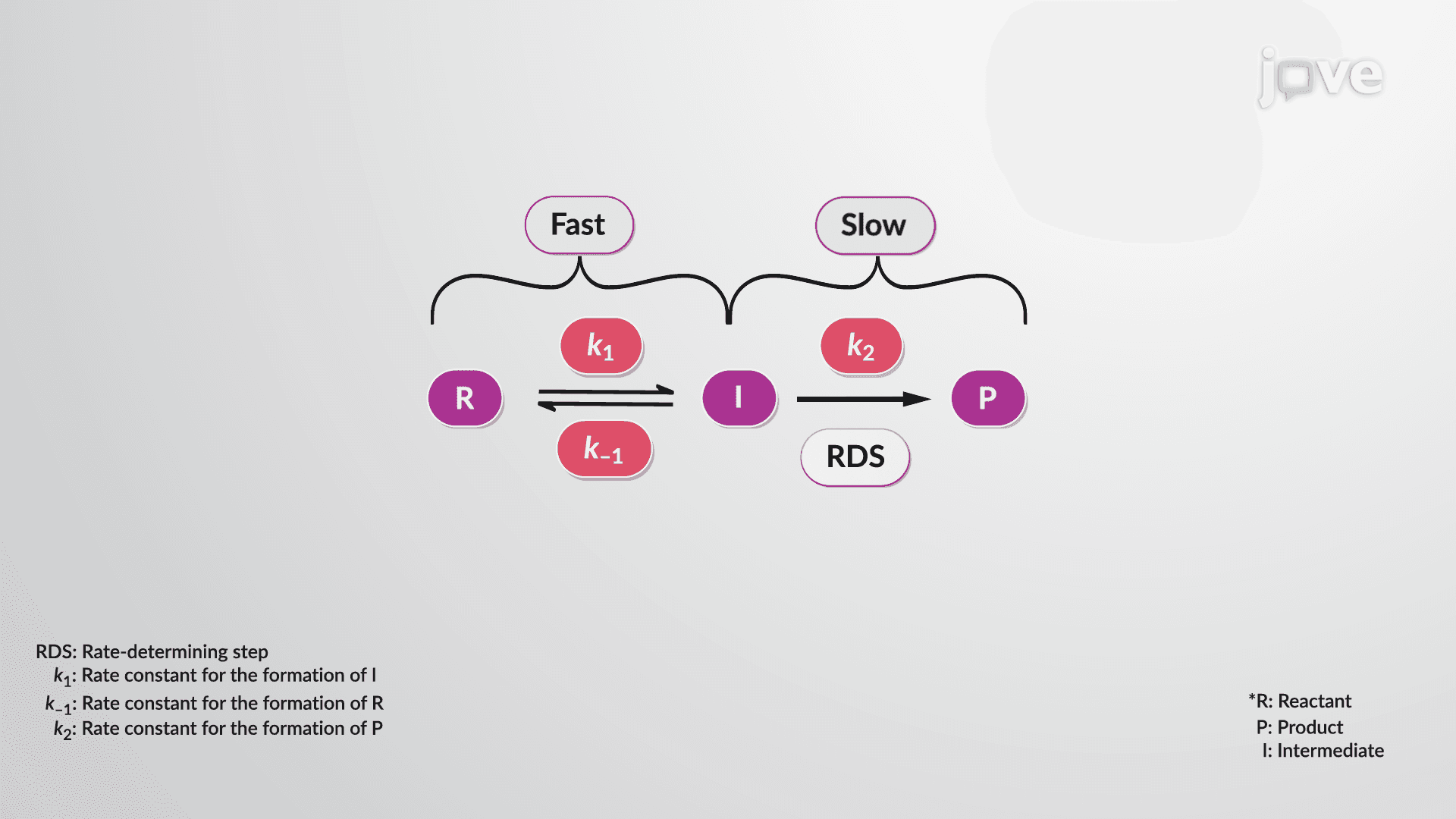

Video Summary: The Steady State Approximation of Reaction Mechanisms
Why do some chemical reactions seem to follow surprisingly simple rate laws despite involving multiple hidden steps? The steady-state approximation of reaction mechanisms unlocks this mystery. Used in AP Chemistry and college biochemistry courses across the US, this concept explains how reactive intermediates, like those in enzyme-catalyzed drug metabolism, remain at nearly constant, negligible concentrations. Watch the full video on JoVE Coach to master this concept with expert-led visuals and step-by-step explanations.
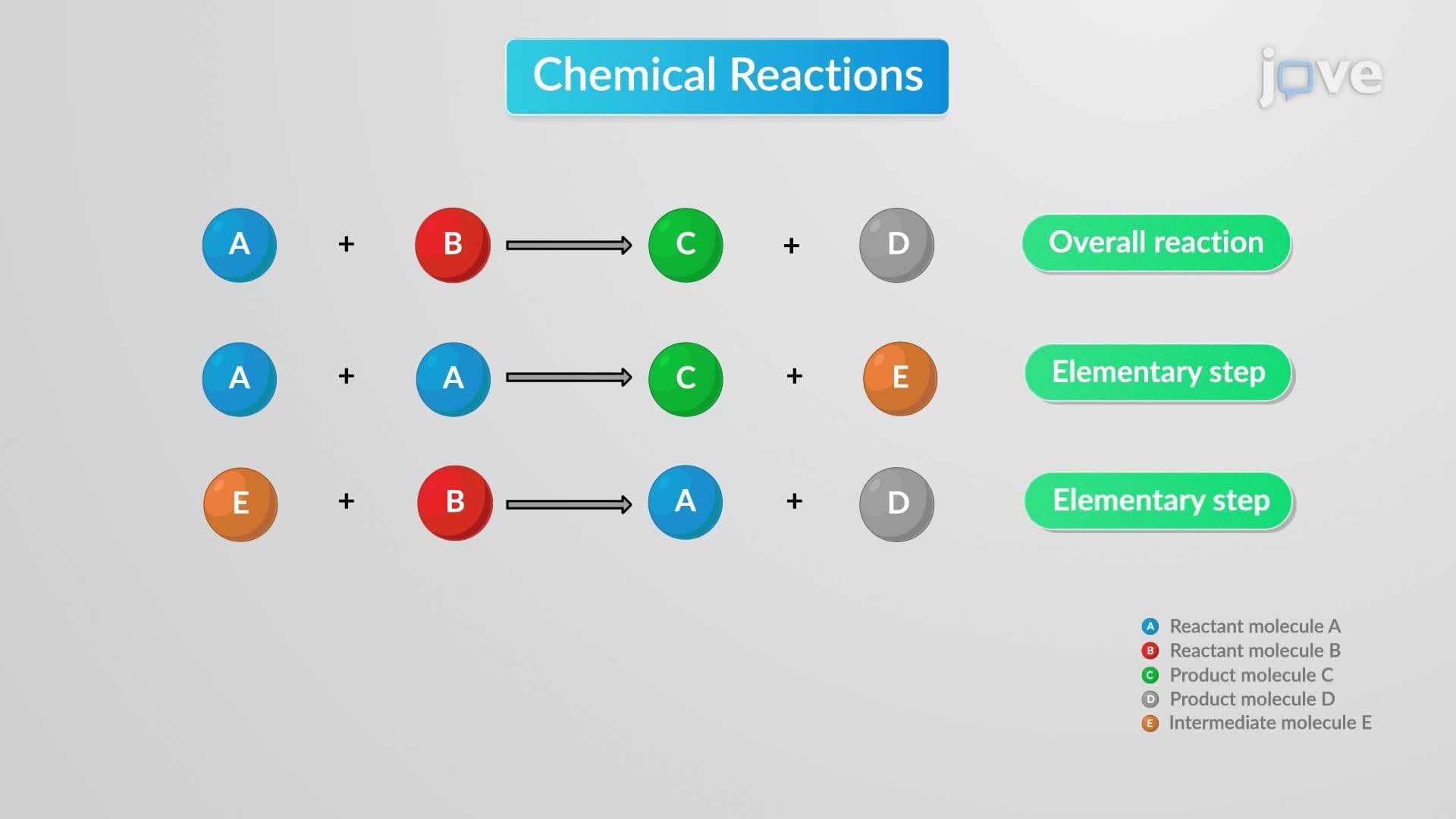
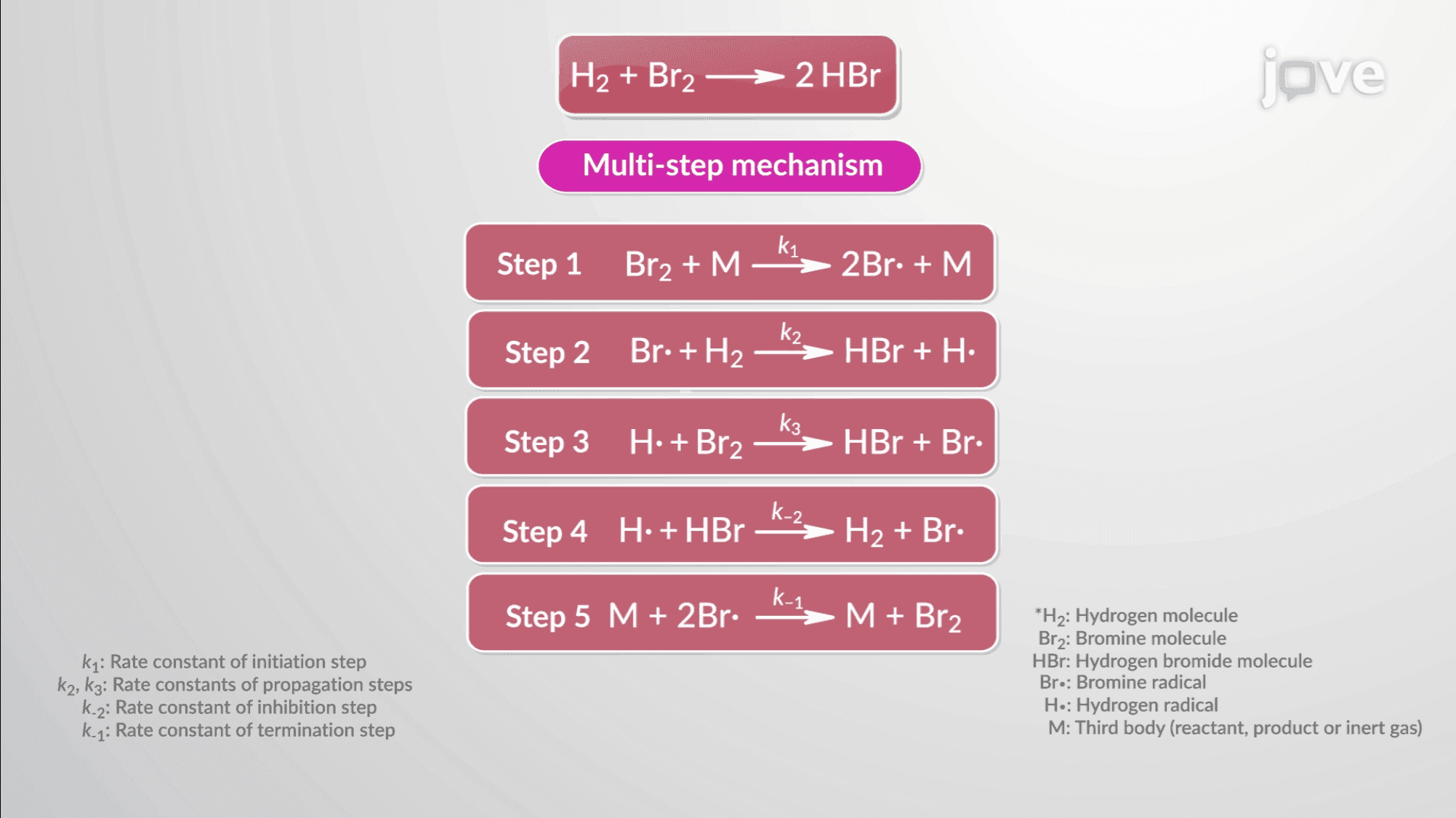
Most chemical reactions you encounter in AP Chemistry or college general chemistry do not happen in a single step. Instead, reactants pass through one or more short-lived, high-energy species called reactive intermediates before becoming products. The steady-state approximation of reaction mechanisms is the mathematical strategy chemists use to handle these intermediates and produce a clean, testable rate law.
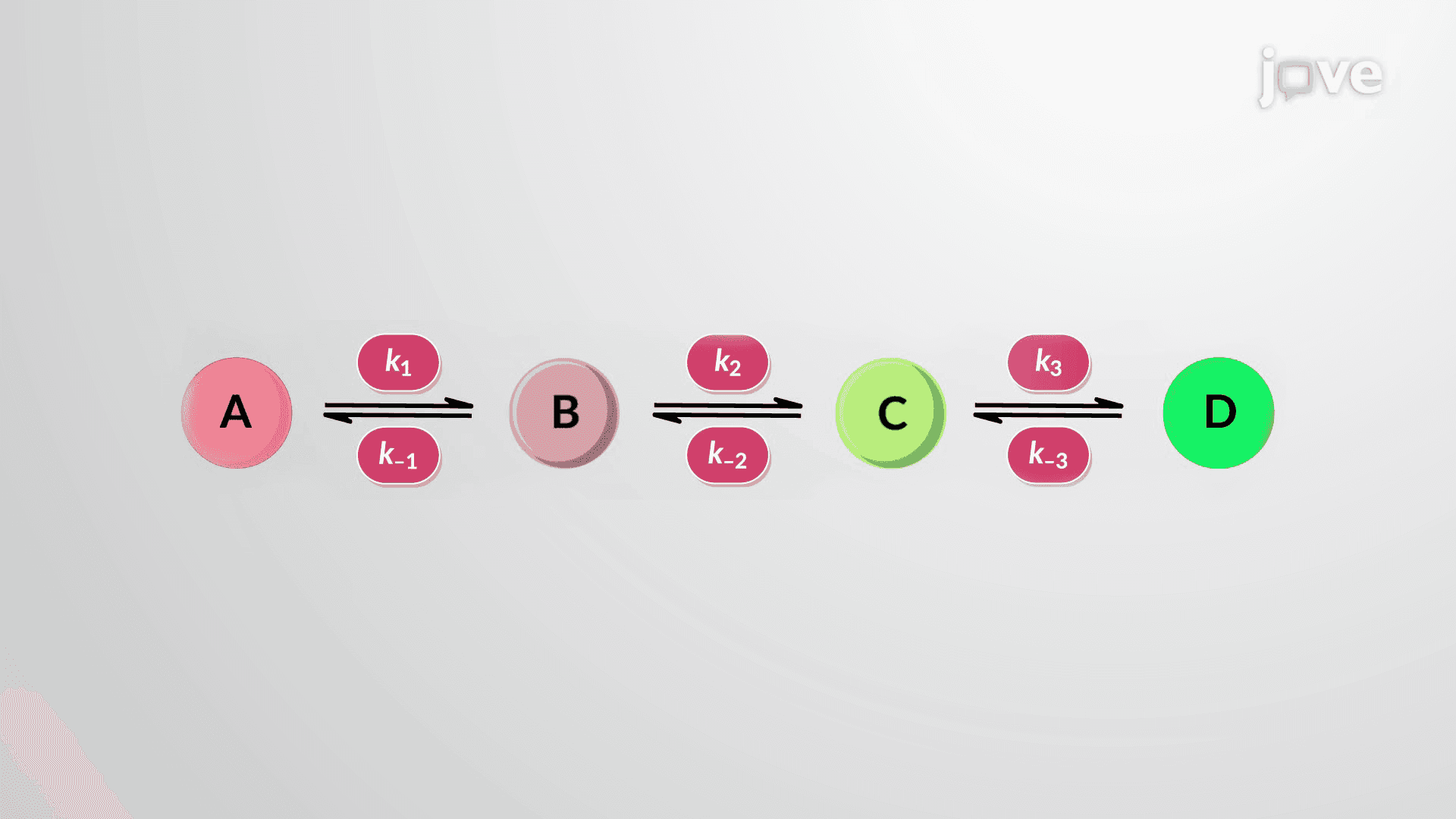
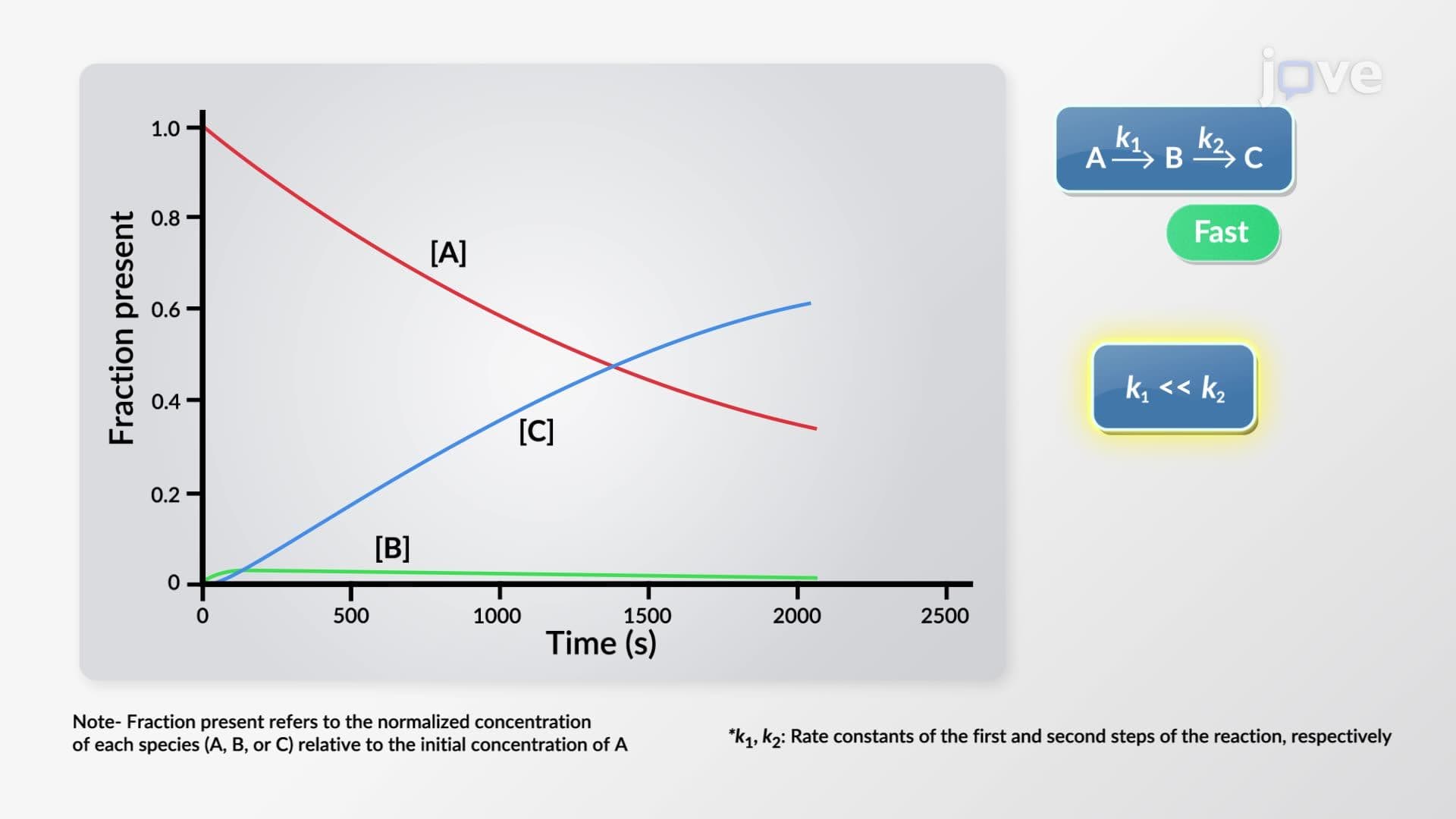
When a reaction begins, the concentration of an intermediate rises sharply as it is produced in the first elementary step. However, because the intermediate is highly reactive, it is rapidly consumed, either by reversing back into reactants or by moving forward through a slow, rate-determining step. The net result is that the intermediate's concentration quickly plateaus at an extremely small, nearly constant value. This plateau is the "steady state." In practical terms, the intermediate is present in such tiny amounts that its buildup or depletion does not measurably change the overall reaction rate.
The core mathematical assumption is straightforward: rate of formation of the intermediate = rate of consumption of the intermediate. Writing this balance equation allows you to solve algebraically for the intermediate's concentration in terms of actual reactants, species whose concentrations you can measure in the lab. Once you substitute this expression into the overall rate equation, the intermediate disappears from the final rate law entirely. This is enormously useful because intermediates cannot be directly measured in most experimental setups.
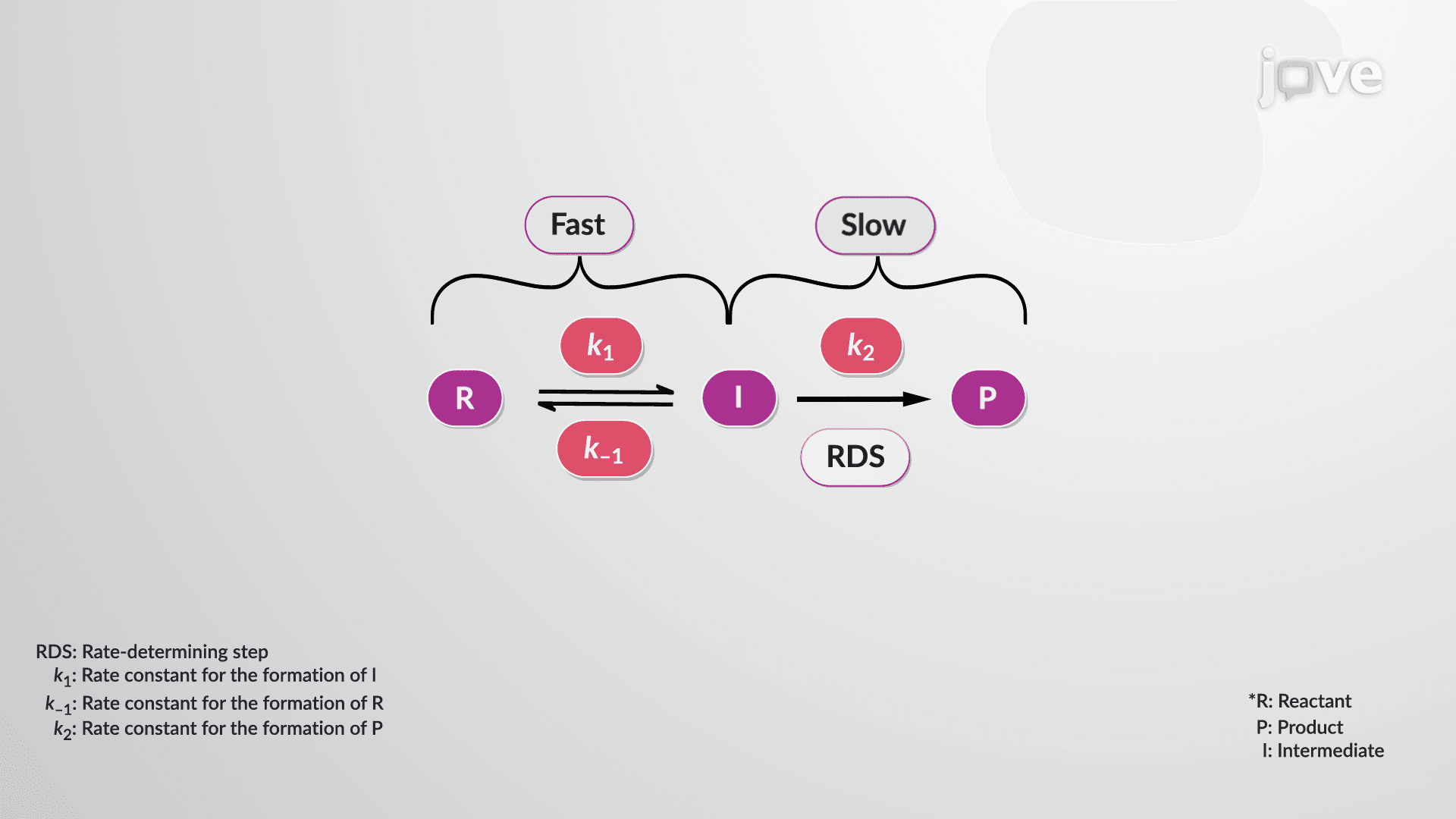
For example, in a two-step mechanism where step 1 (fast, reversible) produces intermediate I, and step 2 (slow) consumes I to form product P, the steady-state balance gives:
k1[R] = k(-1)[I] + k2[I]
Solving for [I]: [I] = k1[R] / (k(-1) + k2)
Substituting back yields the observable rate law in terms of [R] alone.
The steady-state approximation is not just a textbook exercise. It is the foundation of Michaelis-Menten enzyme kinetics, a framework used in US pharmaceutical research and medical biochemistry to describe how enzymes catalyze reactions in the body. When a drug is metabolized by liver enzymes, like the cytochrome P450 system, the enzyme-substrate complex is treated as a steady-state intermediate. Understanding this helps pharmacologists at institutions like the NIH design drugs with predictable dosing intervals and half-lives.
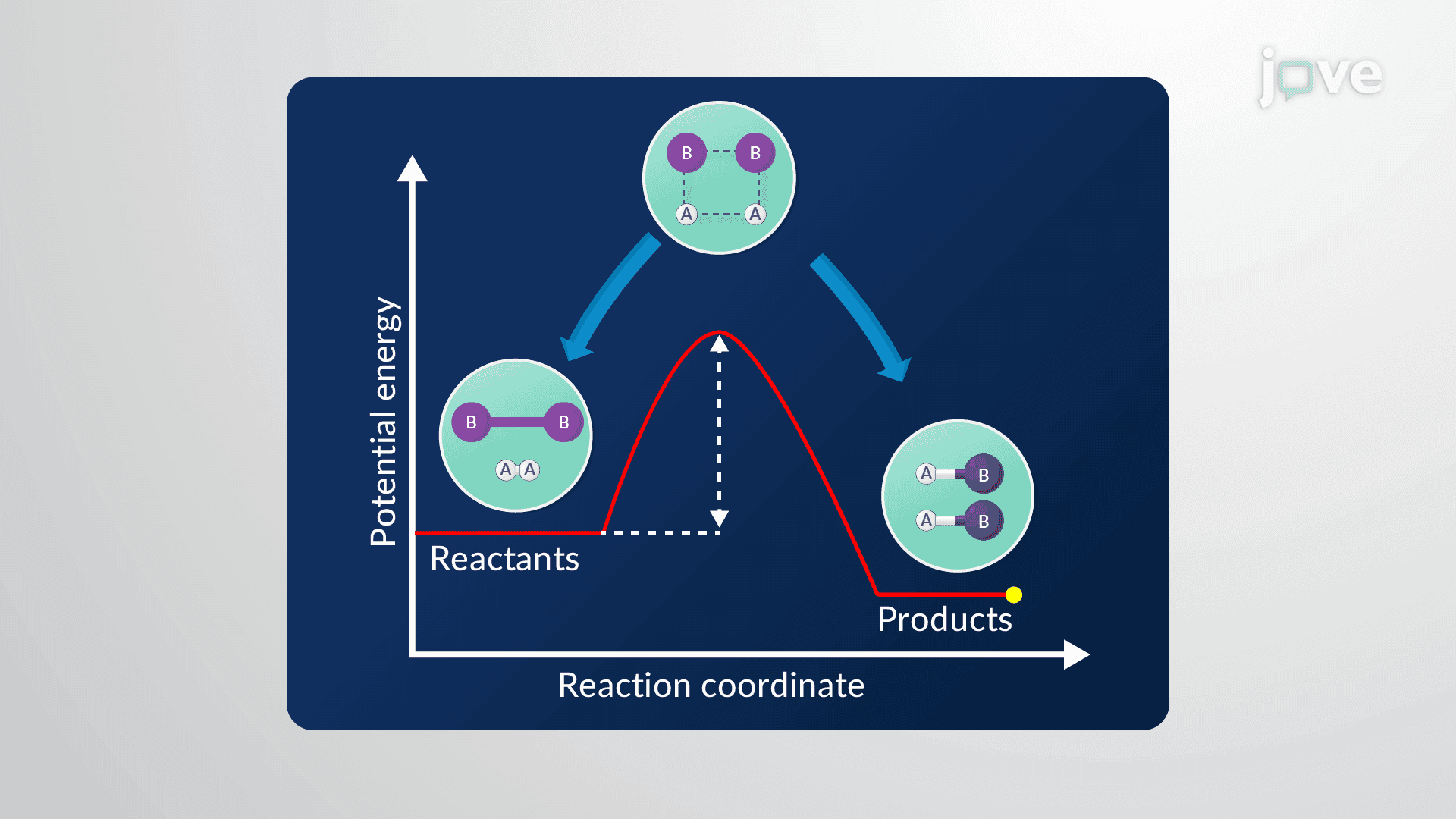
On the AP Chemistry exam, students are expected to derive rate laws from proposed mechanisms and justify which step is rate-determining. The steady-state approximation appears in college-level general and physical chemistry courses and is a tested concept on the MCAT within the context of enzyme kinetics and biochemical reaction rates. Mastering this topic also reinforces related concepts, the Arrhenius equation, activation energy, catalysis, and the difference between the order and molecularity of a reaction, all of which appear on standardized exams and college midterms.
Related Micro-courses