Loading video…


 8 Concepts
 3K views

Video Summary: Average Value of a Function Explained
How do you find a single number that truly represents a function's constantly changing values? The average value of a function is a foundational calculus concept that answers exactly that. Imagine a thermostat logging greenhouse temperatures across a full 24-hour cycle at a US research farm, one meaningful average replaces thousands of data points. Average Value of a Function Explained shows how definite integrals make this possible. Watch the full video on JoVE Coach to master this concept with expert-led visuals and step-by-step explanations.
The Average Value of a Function is one of the most intuitive and practically powerful ideas in integral calculus. In everyday life, you calculate averages by adding up values and dividing by how many there are. But what happens when a quantity, like outdoor temperature, car speed, or electrical voltage, changes *continuously* over time? You can't simply list every value. This is precisely where calculus steps in with an elegant solution using definite integrals.
For a continuous function f(x) defined on a closed interval [a, b], the average value is expressed as:
f(avg) = (1 / (b − a)) × ∫[a to b] f(x) dx
This formula divides the total area under the curve, captured by the definite integral, by the width of the interval. Geometrically, the result is the height of a horizontal rectangle that has the same base (b − a) and the same area as the region under f(x). This rectangle interpretation is not just a visual aid; it is the conceptual backbone of the formula and appears frequently on AP Calculus AB and BC exams.
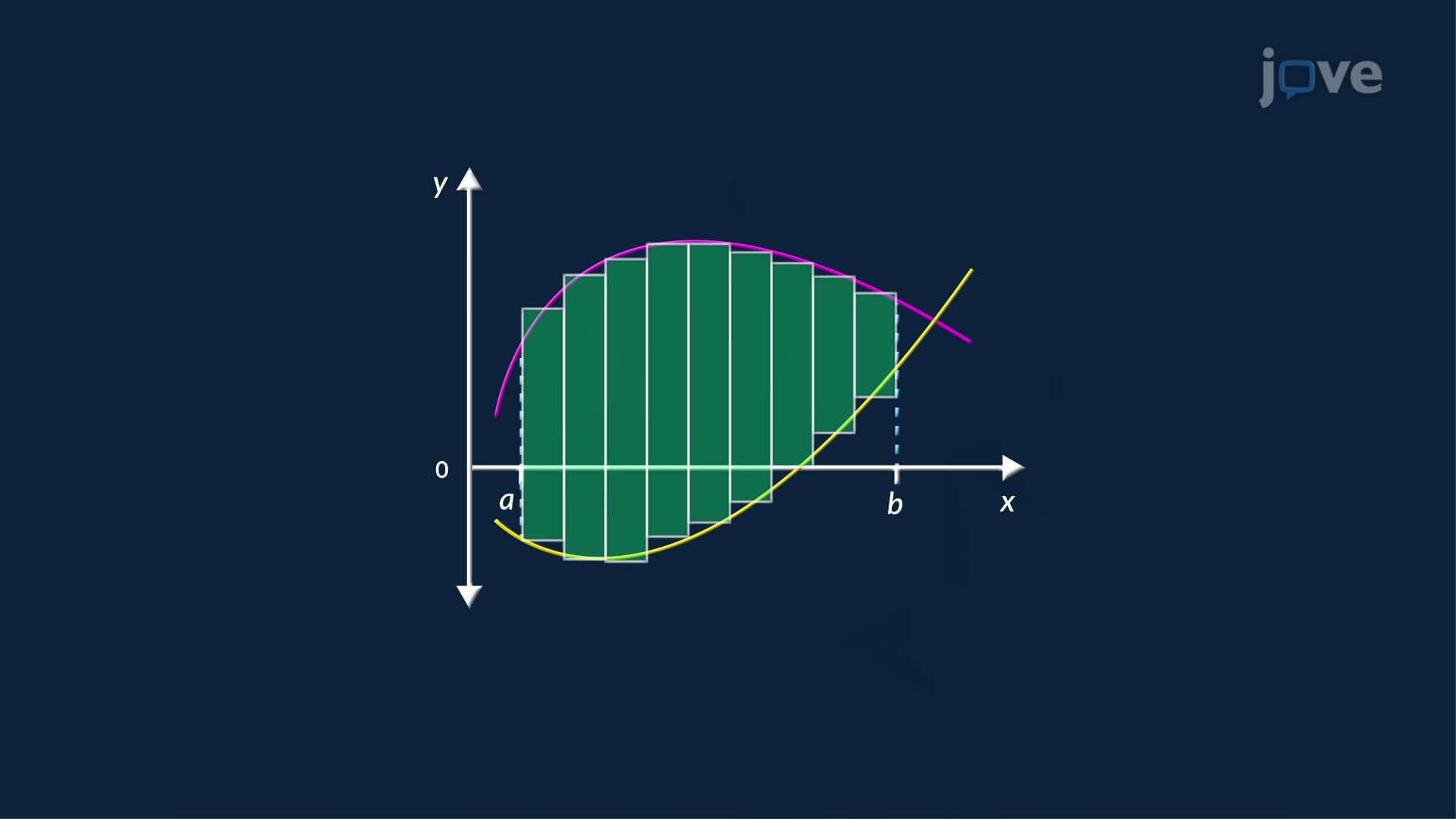
The average value formula doesn't appear out of nowhere, it is built directly from the logic of Riemann sums. Divide the interval [a, b] into n equal subintervals, each with width Δx = (b − a) / n. On each subinterval, pick a representative value of the function and treat it as the height of a thin rectangle. The average of those n representative heights is:
f(avg) ≈ (1/n) × Σ f(x(i))
Since Δx = (b − a) / n, this can be rewritten as:
f(avg) ≈ (1 / (b − a)) × Σ f(x(i)) Δx
As n approaches infinity, the Riemann sum converges to the definite integral, giving the exact average value formula. This progression, from discrete averages to continuous integration, is a key conceptual thread in AP Calculus and college-level Calculus I courses across US universities.
Closely related to the average value formula is the Mean Value Theorem for Integrals, which states that if f(x) is continuous on [a, b], then there exists at least one point c in (a, b) where f(c) equals the average value of the function. In other words, the function *actually hits* its average, it doesn't just hover near it. This theorem is a common topic on AP Calculus free-response questions and college midterm exams, where students are asked to identify or verify the value of c.
The average value concept appears across multiple disciplines studied in US classrooms and professional fields:
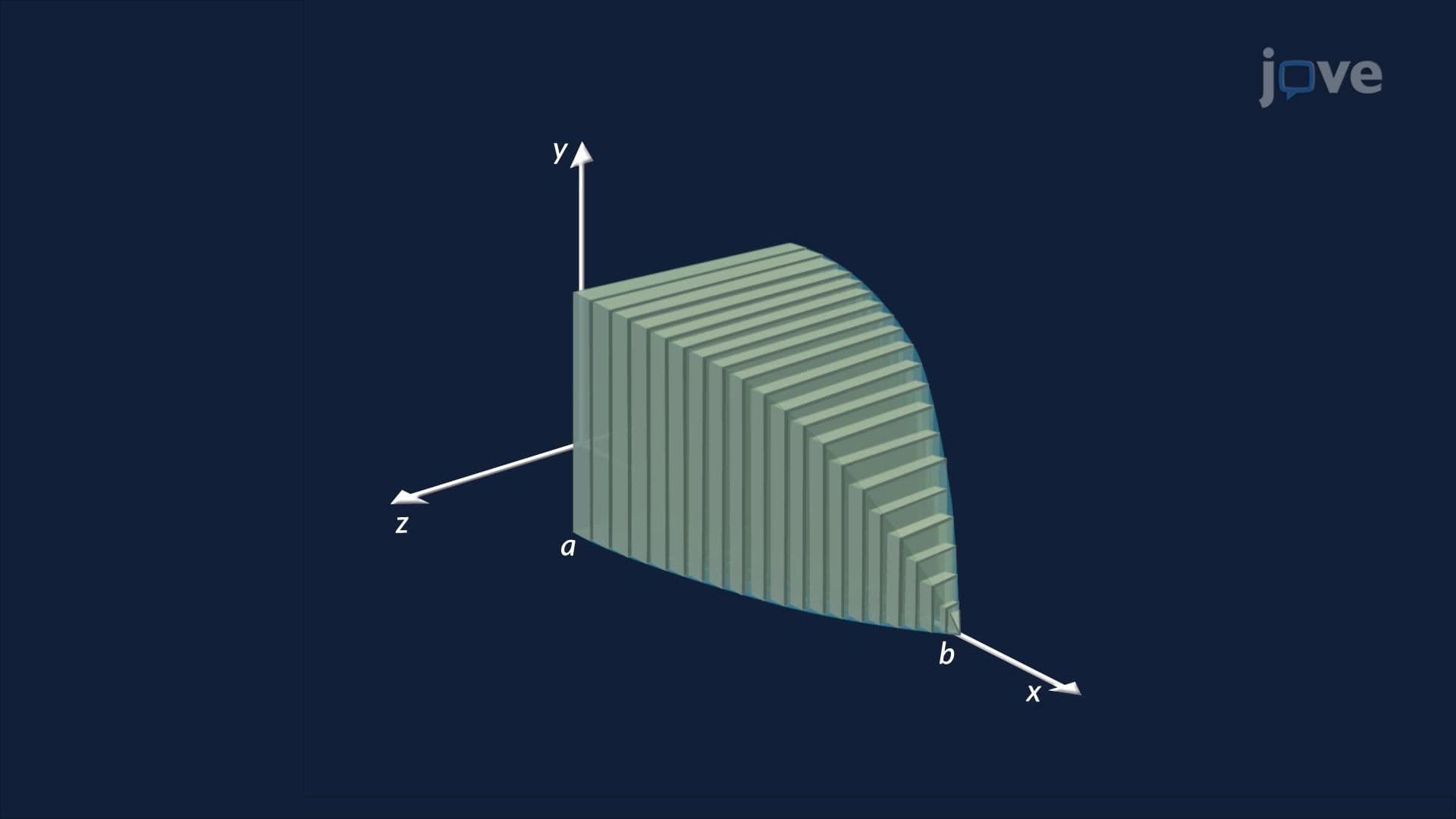
Understanding the average value of a function also builds the foundation for exploring arc length, surface area of revolution, center of mass, and volume by slicing, all topics where integration is the central tool. Mastering this concept early gives students a major advantage in any calculus-based course.
Related Micro-courses