Loading video…

 14 Concepts
 4.7K views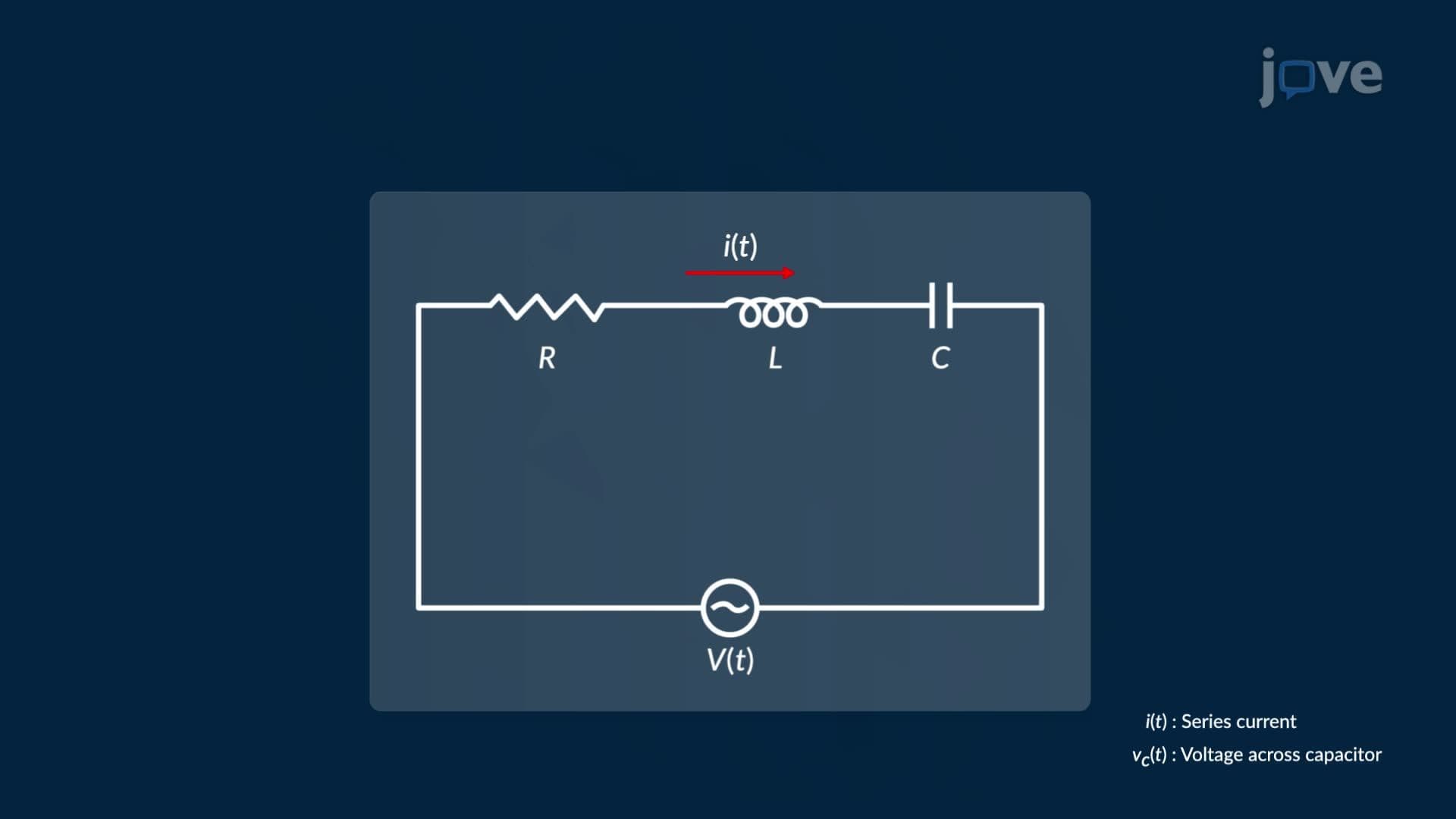

Video Summary: Indefinite Integrals in Integration by Parts
Ever wonder how engineers calculate voltage in AC circuits when current behaves like a product of two mathematical functions? That's where indefinite integrals in integration by parts becomes essential. This powerful technique breaks complex integrands into manageable pieces using a formula rooted in the product rule of differentiation. From electrical engineering labs to AP Calculus classrooms across the US, mastering indefinite integrals in integration by parts basics unlocks a new level of problem-solving. Watch the full video on JoVE Coach to master this concept with expert-led visuals and step-by-step explanations.
Indefinite integrals in integration by parts represent one of the most important and widely used integration techniques in calculus. While basic integration handles simple functions directly, many real-world problems involve integrands that are products of two different types of functions, for example, x·cos(x) or x·eˣ. These cannot be solved with standard power rules or basic antiderivatives. Integration by parts provides a systematic method to handle exactly these situations.
The formula is derived from the product rule of differentiation. Recall that if u and v are both functions of x, then the derivative of their product is: d(uv)/dx = u·(dv/dx) + v·(du/dx). Integrating both sides with respect to x and rearranging gives the classic integration by parts formula:
∫ u dv = uv − ∫ v du
This elegant equation transforms a difficult integral into a (hopefully) simpler one by redistributing the complexity between the two chosen components.
One of the most common challenges students face is deciding which part of the integrand to call u and which to call dv. A practical and widely taught guideline used in US college calculus courses is the LIATE rule, which ranks function types in this order:
The function that appears earlier in the LIATE list is generally chosen as u, because it simplifies nicely when differentiated. The remaining term becomes dv and is integrated. For instance, in ∫ x·cos(x) dx, x is algebraic and cos(x) is trigonometric, so u = x and dv = cos(x) dx. This choice leads cleanly to a solvable result.
Here is a structured walkthrough for ∫ x·cos(x) dx:
1. Assign: u = x → du = dx; dv = cos(x) dx → v = sin(x) 2. Apply the formula: ∫ x·cos(x) dx = x·sin(x) − ∫ sin(x) dx 3. Evaluate the remaining integral: ∫ sin(x) dx = −cos(x) 4. Final answer: x·sin(x) + cos(x) + C
The constant of integration, C, is always included for indefinite integrals. This process becomes second nature with practice, and it scales to more complex problems, including cases where integration by parts must be applied twice in succession (called repeated integration by parts).
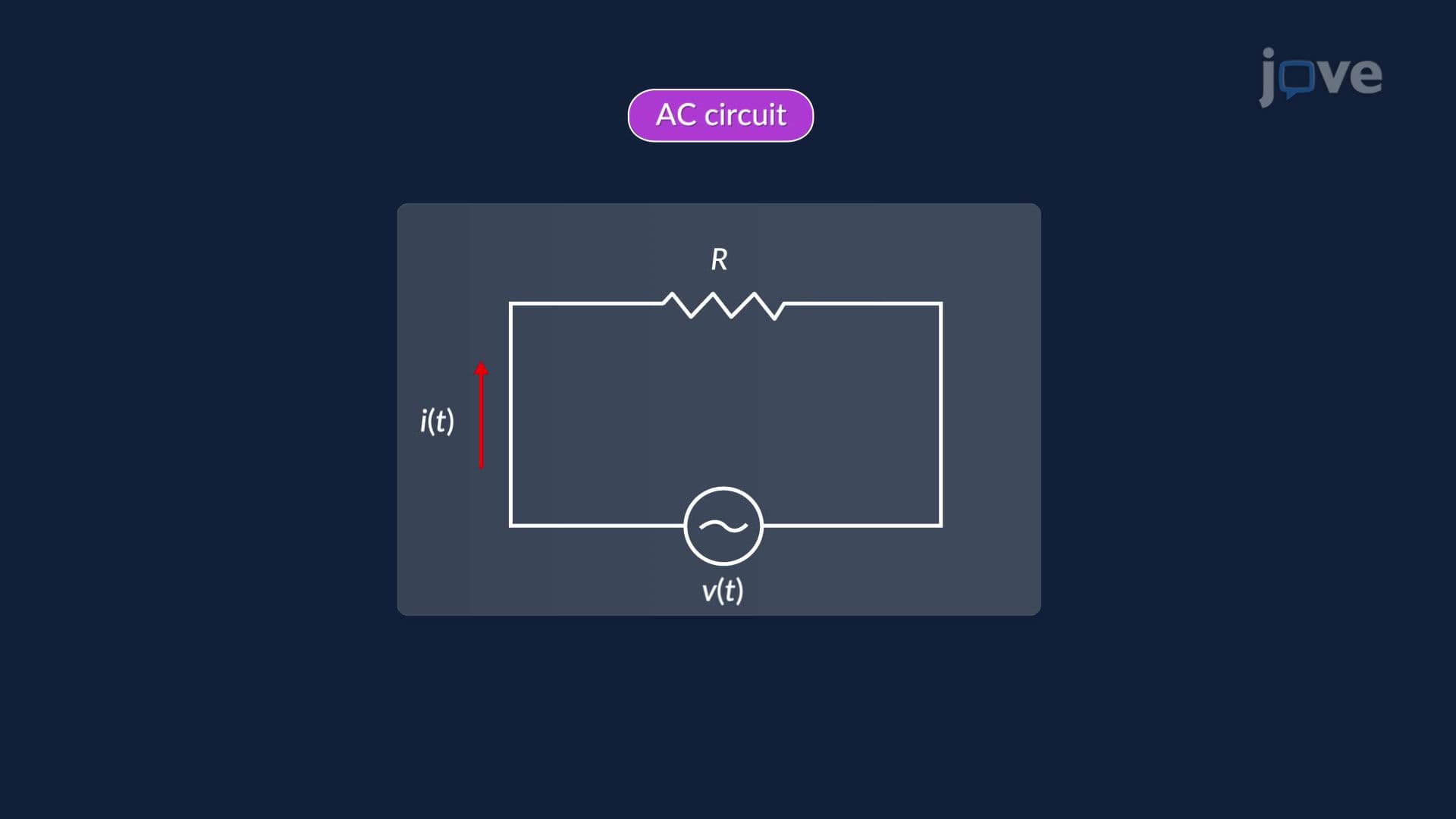
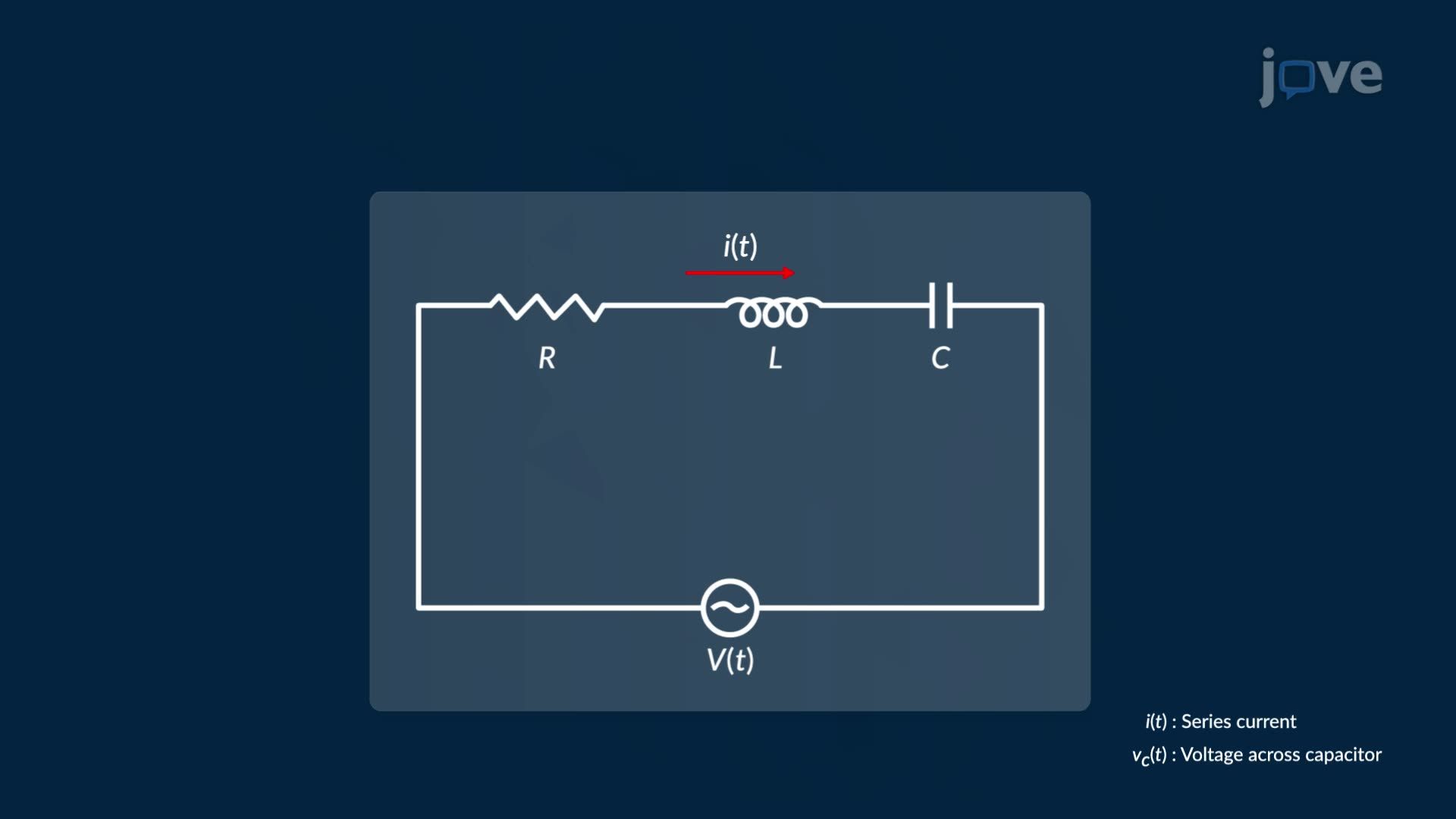
In US electrical engineering programs, from MIT to community colleges offering EE fundamentals, integration by parts appears in circuit analysis. Consider an AC circuit where current is expressed as a product of an algebraic and a trigonometric function, such as i(t) = t·sin(t). To find the charge stored on a capacitor, you integrate current over time: q = ∫ i(t) dt = ∫ t·sin(t) dt. This is solved directly using integration by parts, making the technique indispensable for future engineers and physicists.
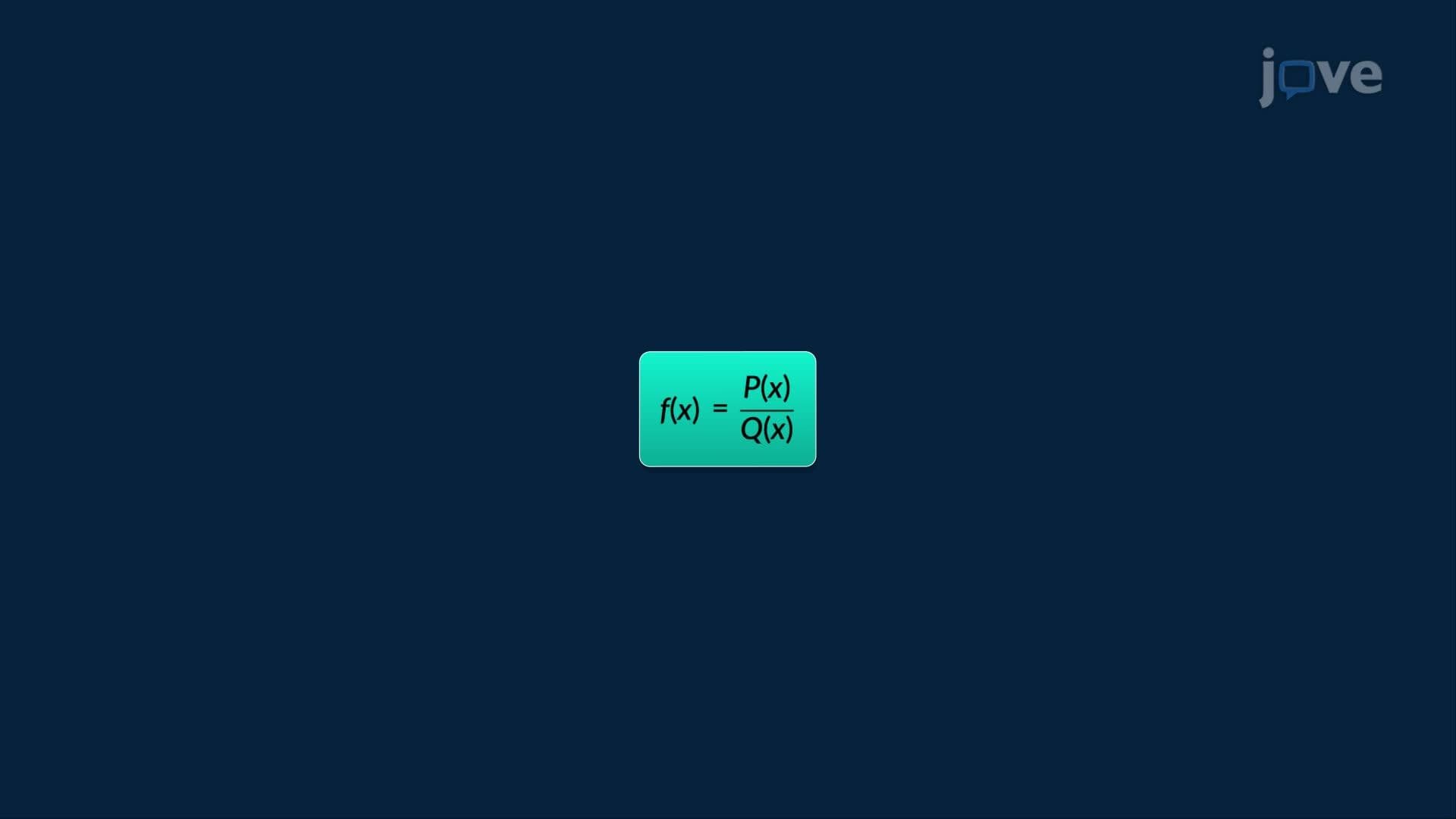
On AP Calculus BC exams and college calculus midterms, integration by parts frequently appears in free-response questions requiring students to not only compute the integral but also justify their method selection. Understanding when to use this technique, versus trigonometric substitution, partial fractions, or trigonometric integrals for rational functions integration, is a critical exam skill that distinguishes high-performing students.
Related Micro-courses