Loading video…

 14 Concepts
 4.7K views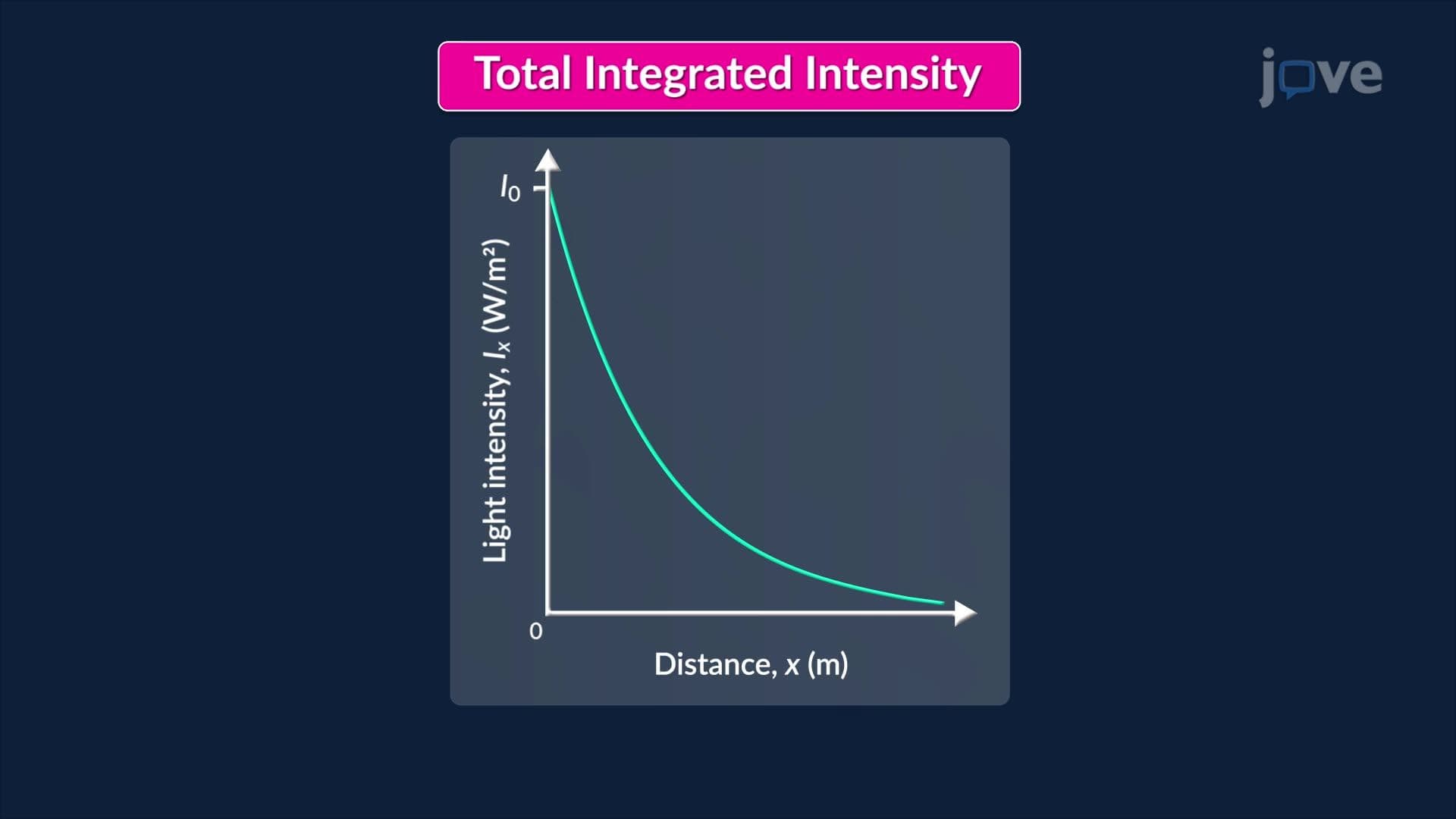

Video Summary: Infinite Intervals in Improper Integrals
Can an infinite region actually have a finite area? Surprisingly, yes, and infinite intervals in improper integrals explain exactly how. When integration limits extend to infinity, mathematicians replace the bound with a variable and take a limit. A classic US physics example: calculating total light intensity through fog over an infinite distance. Watch the full video on JoVE Coach to master this concept with expert-led visuals and step-by-step explanations.
A standard definite integral assumes both limits of integration are finite real numbers. But many real-world phenomena, from signal decay to probability distributions, require integrating over an infinite domain. That's precisely where Infinite Intervals in Improper Integrals come in. An integral is called improper due to an infinite interval when one or both limits of integration are ±∞. Because you cannot directly substitute infinity into an antiderivative, a limit-based approach is required. This topic is a cornerstone of AP Calculus BC and first-year college calculus courses across the United States.
The standard procedure follows three clear steps:
1. Replace the infinite bound with a finite variable, commonly written as *t*. 2. Evaluate the definite integral from the finite bound to *t* using standard antiderivative rules. 3. Take the limit as *t* → ∞ (or *t* → −∞ for a lower infinite bound).
If that limit equals a finite number, the integral converges. If the limit grows without bound or fails to exist, the integral diverges. For example, the integral of e^(−x) from 0 to ∞ converges to 1, while the integral of 1/x from 1 to ∞ diverges, a classic contrast that students encounter on AP Calculus BC free-response questions and college midterms alike.
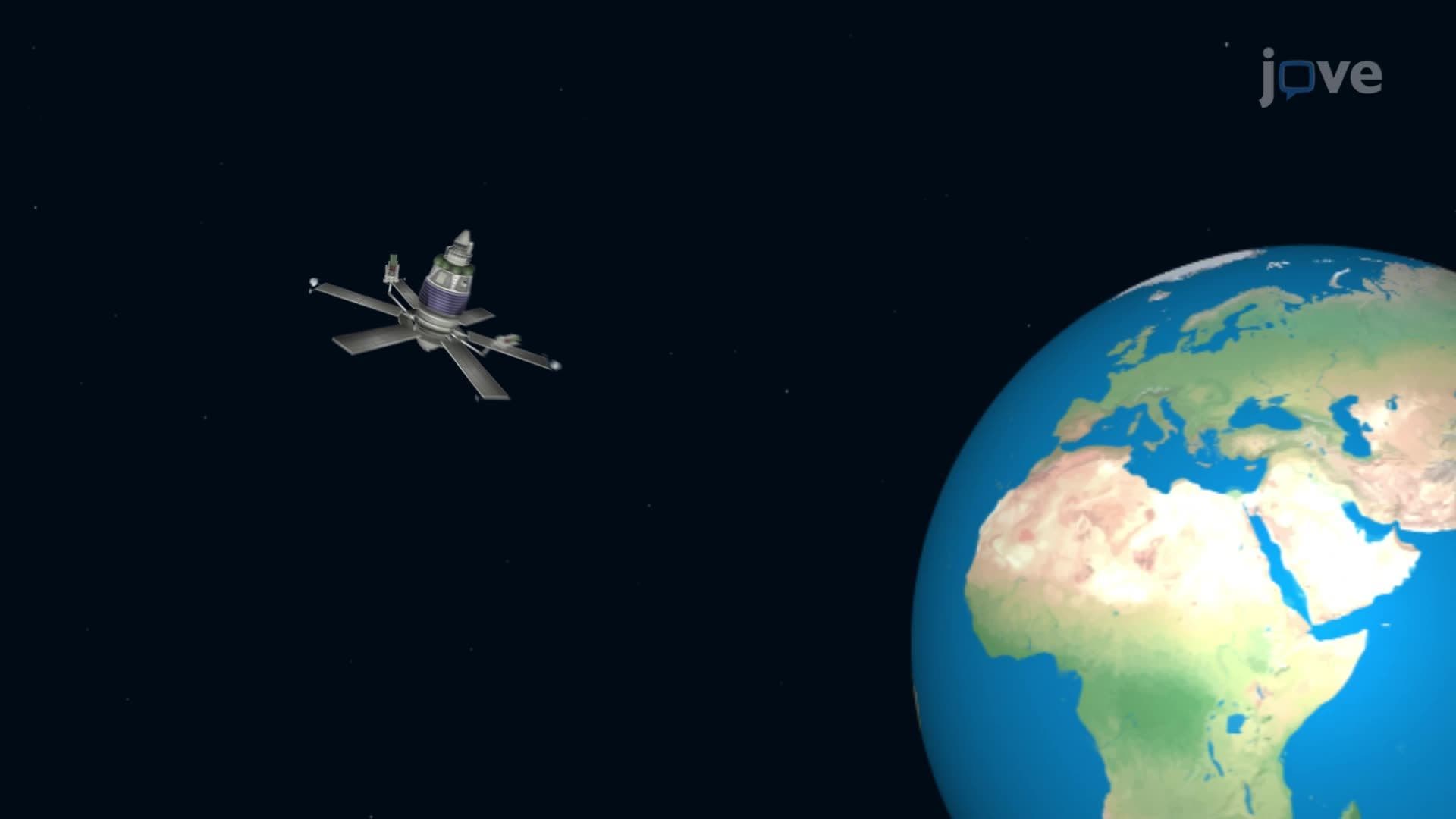
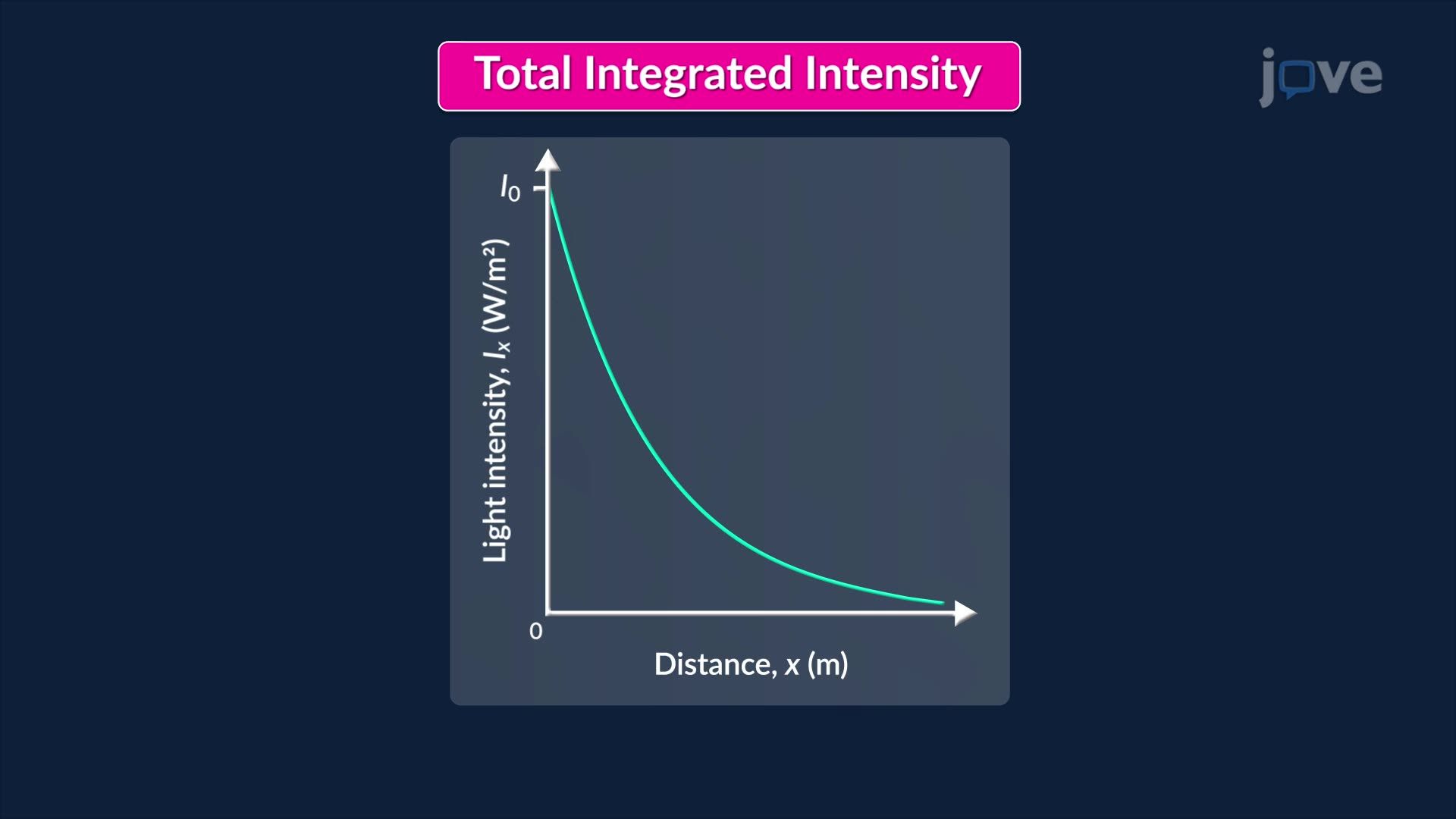
One compelling US-context example involves modeling the total integrated light intensity as a beam travels through a uniform medium like fog or murky water. Light intensity decreases exponentially with distance, following a pattern described by exponential decay: I(x) = I(0) · e^(−kx), where *k* is the absorption coefficient of the medium. To find the total intensity accumulated over an infinite path, you set up an improper integral with an upper limit of infinity. Replacing the upper limit with *t*, integrating the exponential function, substituting bounds, and then taking the limit as *t* → ∞ yields a finite answer. This confirms something non-intuitive: even though the light travels infinitely far, the total accumulated intensity remains bounded. This same mathematical structure appears in modeling drug concentration over time in pharmacokinetics, a concept tested on the MCAT in the context of first-order elimination kinetics.
Before applying the limit process, you often need to simplify the integrand using one of several core techniques:
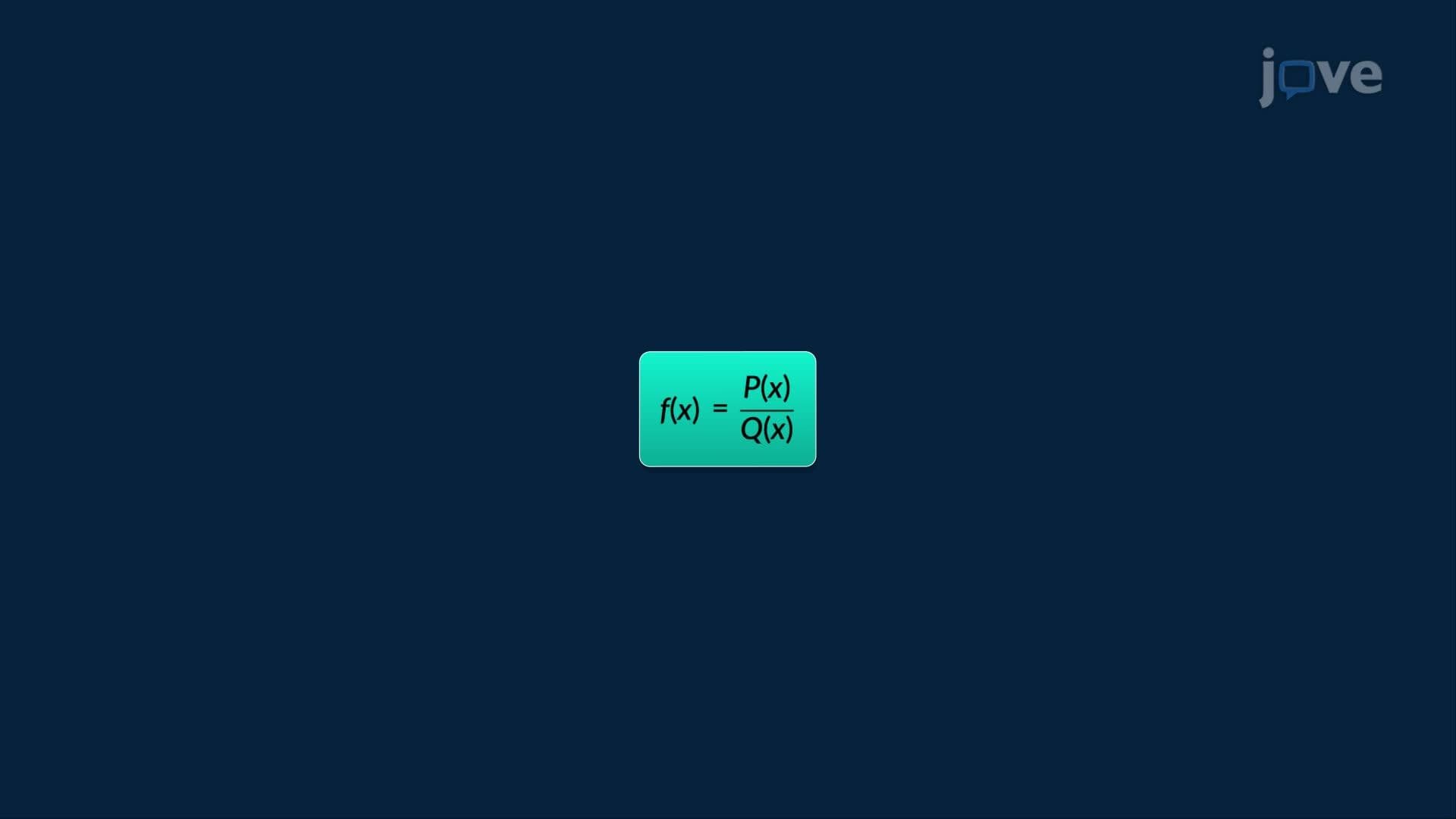
Understanding how to choose an integration technique is itself a critical skill. A good rule of thumb: look at the structure of the integrand first, identify its function type (exponential, rational, trigonometric, or product), then match it to the appropriate method before setting up the limit. This strategic thinking is exactly what AP Calculus BC exam graders, and college professors, reward in free-response work.
Related Micro-courses