Loading video…

 14 Concepts
 4.7K views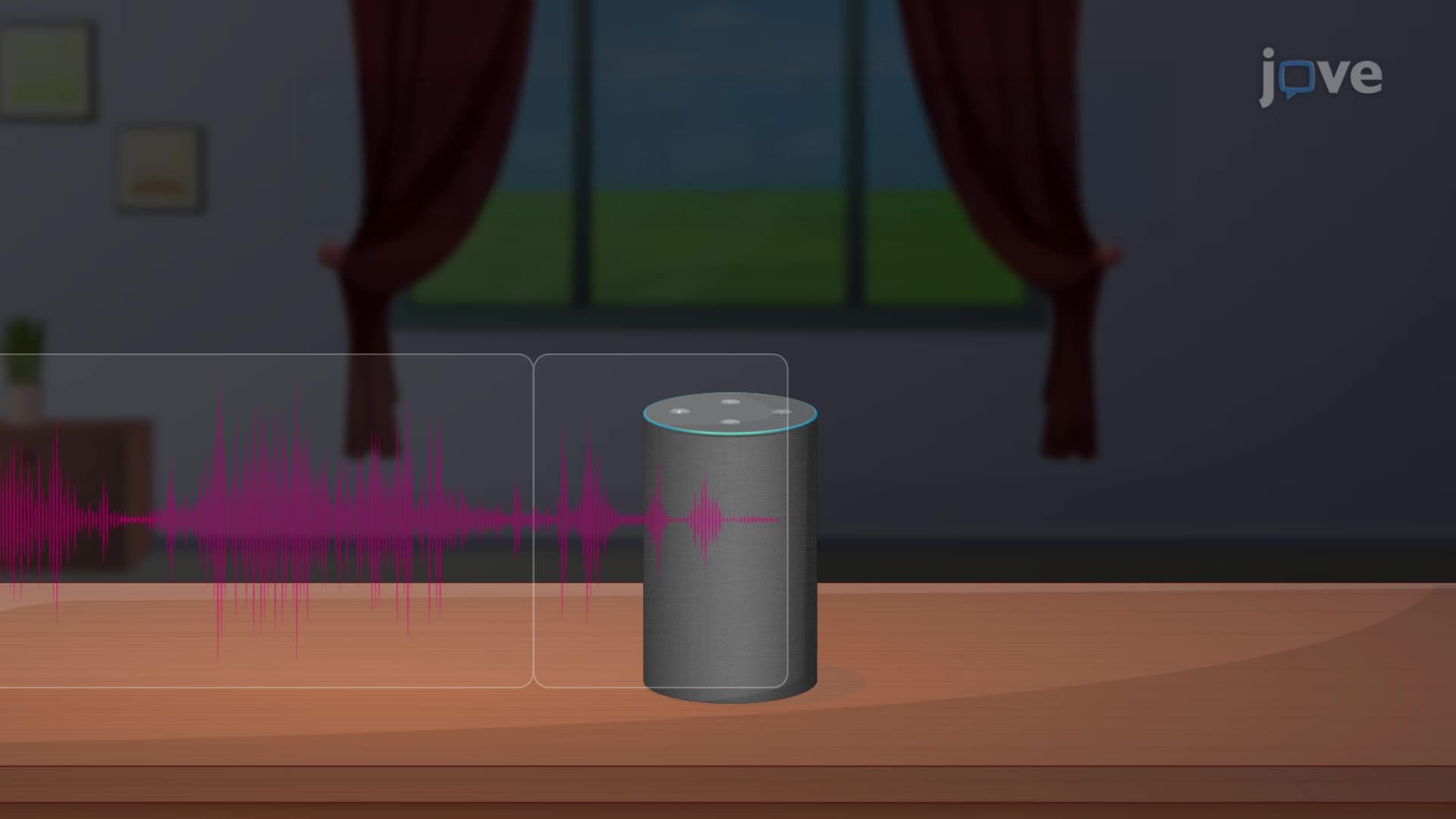

Video Summary: Problem Solving in Integration by Parts
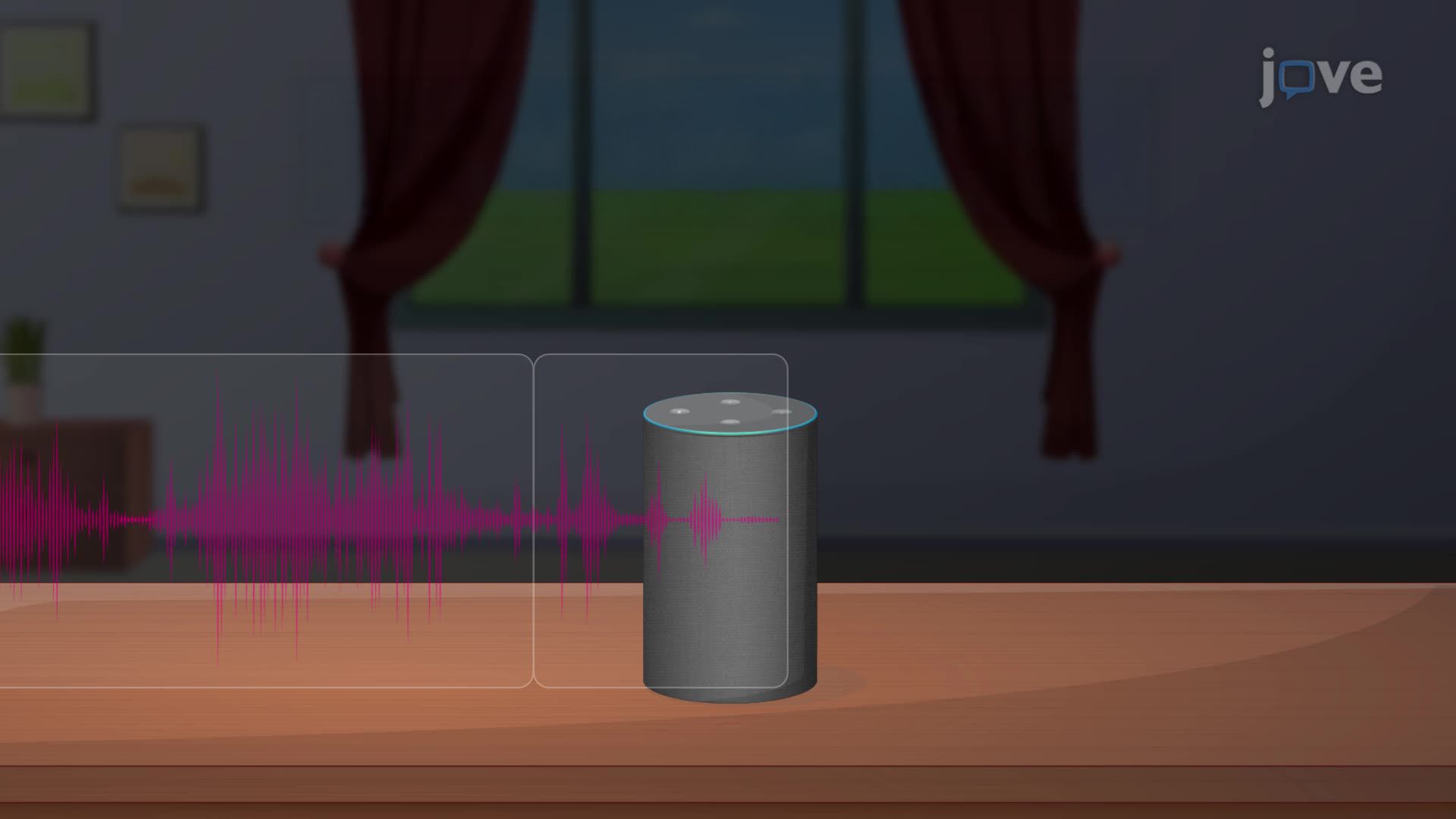
Did you know smart speakers like Amazon Echo decode your voice by solving calculus problems in real time? Problem solving in integration by parts becomes essential when audio signals, modeled as piecewise functions, are multiplied by cosine terms and integrated. This technique, called Problem Solving in Integration by Parts, powers everyday US technology. Watch the full video on JoVE Coach to master this concept with expert-led visuals and step-by-step explanations.
Integration by parts is one of the most powerful tools in calculus, yet many students treat it as a last resort. In reality, mastering Problem Solving in Integration by Parts opens the door to solving a wide class of integrals, from college homework sets to AP Calculus BC free-response questions. The technique is derived directly from the product rule of differentiation and is expressed as:
integral of u dv = uv minus integral of v du
The challenge is not the formula itself, it's knowing *when* and *how* to apply it strategically.
The most common stumbling block in integration by parts is selecting which part of the integrand to differentiate (u) and which to integrate (dv). The LIATE rule offers a reliable priority order:
The function appearing *earlier* in LIATE is typically chosen as u (to be differentiated), while the remaining function becomes dv (to be integrated). For example, when integrating x^3 times cos(x), the algebraic term x^3 is selected for differentiation because repeated differentiation reduces its degree to zero, making the integral progressively simpler.
This aligns with the AP Calculus BC curriculum, where students are expected to recognize integrand structure and justify their choice of technique.
When the algebraic component requires multiple rounds of differentiation before it disappears, the tabular method dramatically speeds up the process. Instead of reapplying the integration by parts formula three or four times, students construct a table with three columns:
1. Derivatives column, repeatedly differentiate the algebraic function (u) until reaching zero 2. Signs column, alternate between plus and minus, starting with positive 3. Integrals column, repeatedly integrate the trigonometric function (dv) down the column
The antiderivative is then built by multiplying diagonally across each row and applying the alternating sign. This method is especially useful in college-level Calculus II courses across US universities, where problems involving cubic or quartic polynomials paired with sine or cosine are common on midterms and finals.
Integration by parts is not just an abstract exercise, it is foundational to Fourier analysis, a mathematical framework used in audio engineering, telecommunications, and medical imaging. US companies like Apple, Google, and Bose rely on Fourier-based algorithms to process sound in devices from iPhones to noise-canceling headphones.
When an audio signal is modeled as a piecewise function, engineers integrate its product with cosine functions at specific frequencies to isolate individual sound components. This is exactly the operation performed in integration by parts problems involving piecewise integrands. Students in electrical engineering programs at US universities, including MIT, Georgia Tech, and UC Berkeley, encounter these exact integrals in signals and systems coursework.
On a more immediate level, understanding how to split a piecewise integral, apply the correct technique to each piece, and evaluate definite integrals with limits prepares students for AP Calculus BC exam questions, college Calculus II assessments, and even MCAT quantitative reasoning sections that test mathematical fluency.
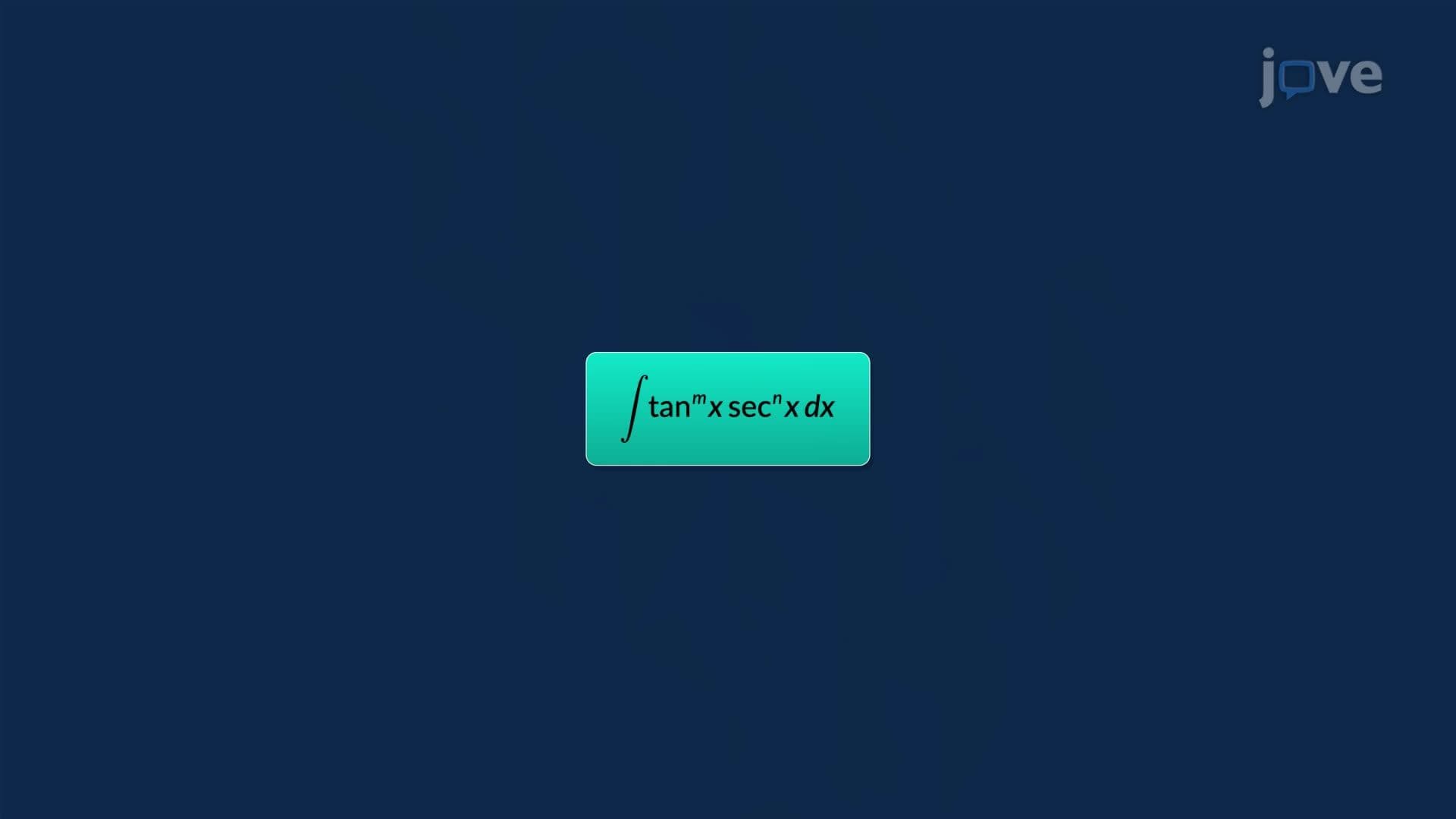
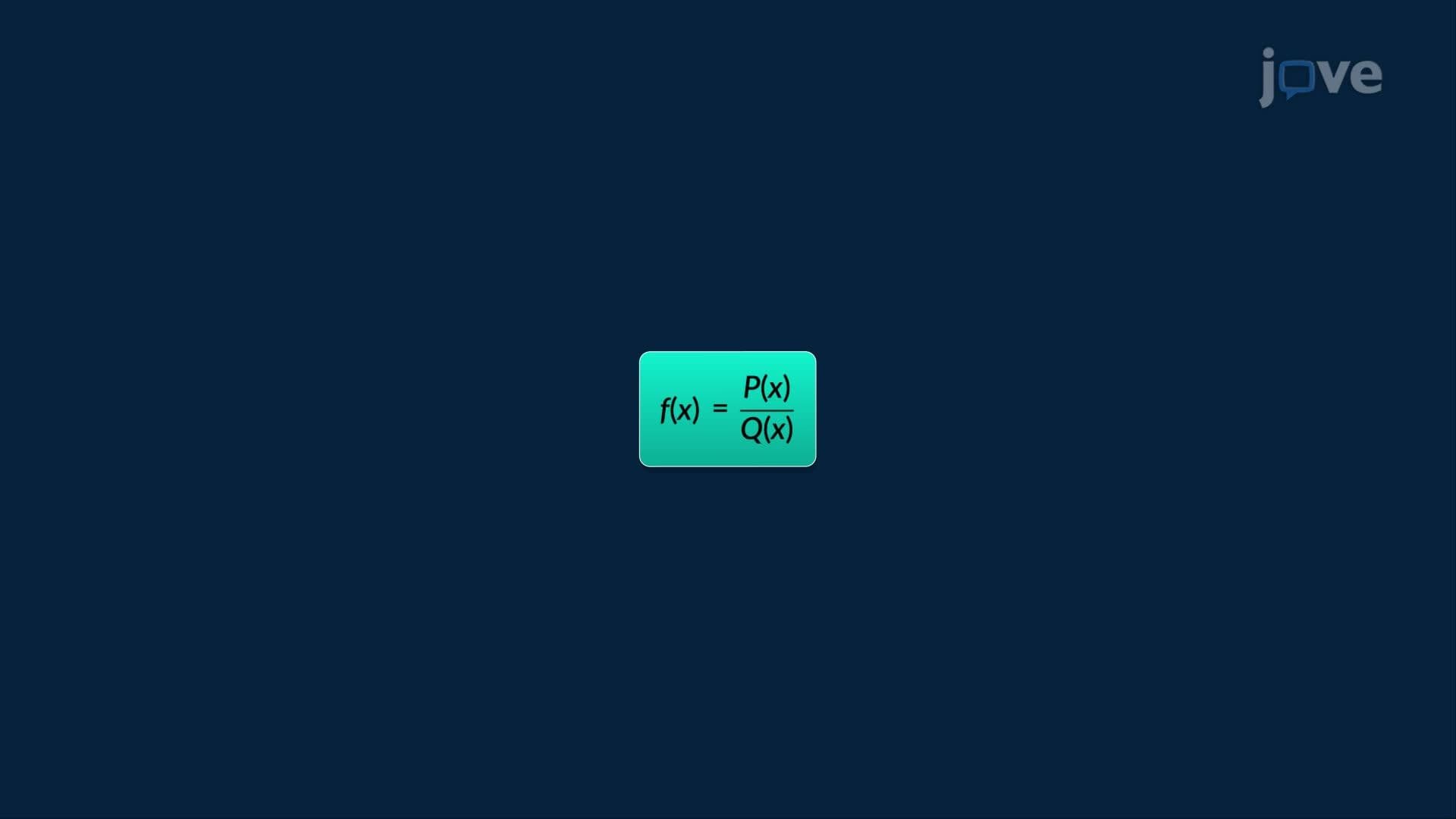
Knowing *how* to integrate by parts is only half the battle, knowing *when* to use it versus other methods is equally important. Use this quick reference:
Building fluency in recognizing these patterns is a core skill tested on AP Calculus BC, college Calculus II exams, and standardized tests that assess quantitative reasoning.
Related Micro-courses