Loading video…

 14 Concepts
 4.7K views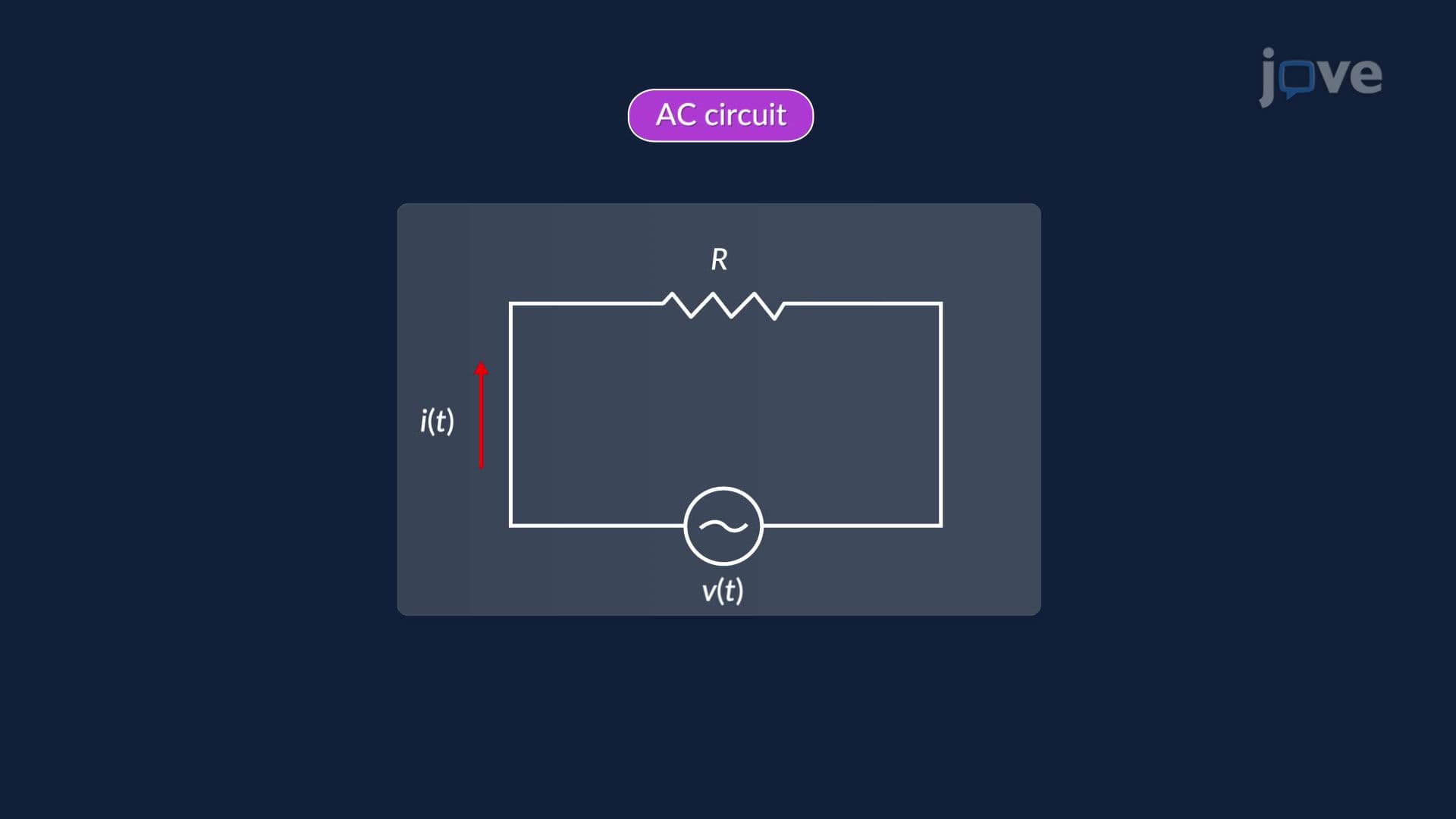

Video Summary: Integrals of Powers of Sine and Cosine Explained
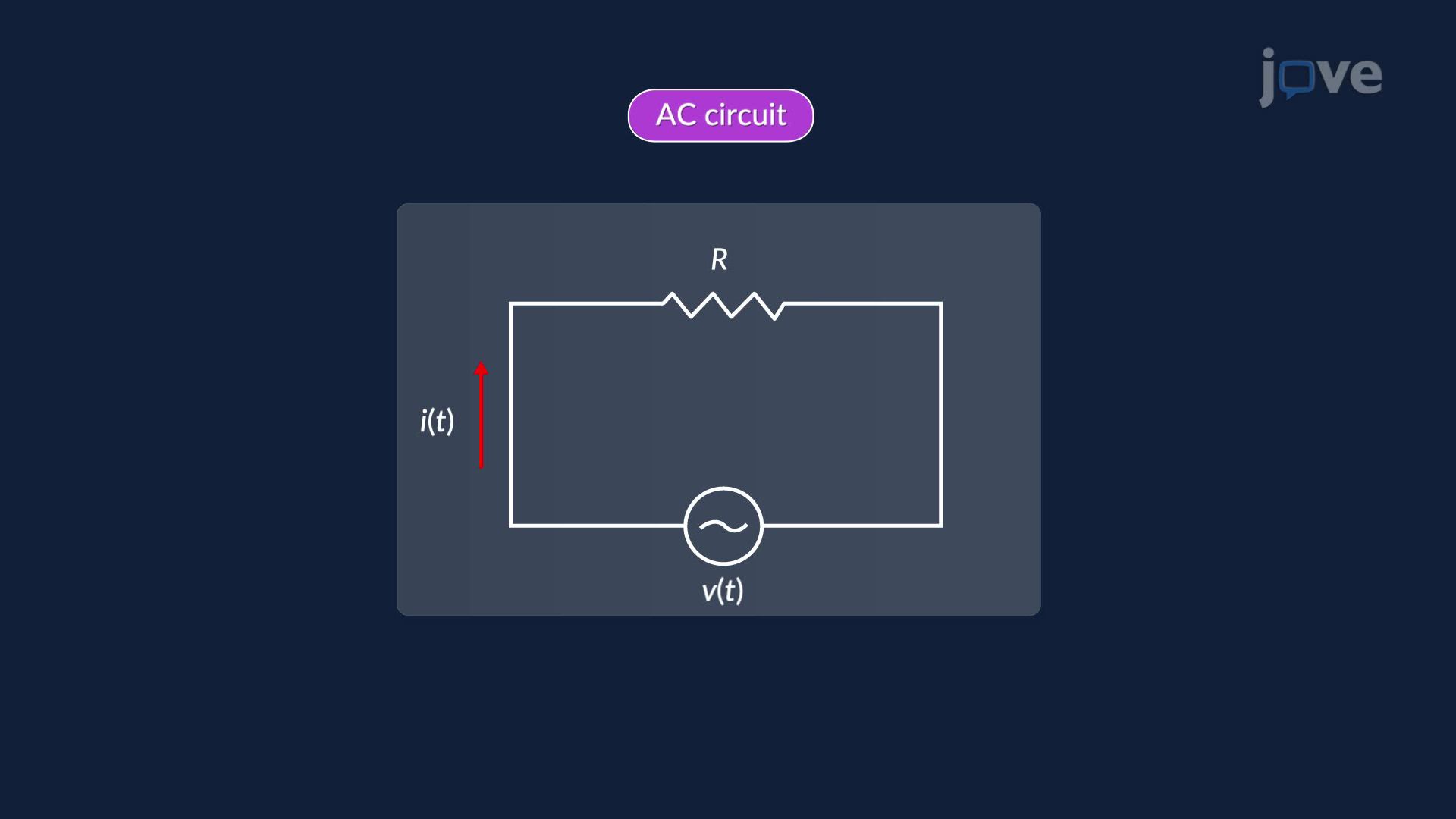
Did you know that calculating the power consumed by a resistor in an AC circuit requires solving integrals involving products of sine and cosine? Mastering integrals of powers of sine and cosine is the key to unlocking these real-world problems. This concept, central to *Integrals of Powers of Sine and Cosine Explained*, uses odd-exponent substitution or half-angle identities depending on the powers involved. Watch the full video on JoVE Coach to master this concept with expert-led visuals and step-by-step explanations.
Evaluating integrals of the form ∫ sin^m(x) · cos^n(x) dx is one of the most frequently tested skills in calculus. Rather than memorizing isolated formulas, students who understand the *why* behind each strategy will solve these problems reliably, on AP Calculus exams, college midterms, and beyond. There are two core cases, and choosing correctly between them is half the battle.
When either m or n is odd, u-substitution is the go-to technique. The process follows three clean steps:
1. Factor out one copy of the odd-powered function, for example, pull out a single cos(x) from cos^n(x), leaving an even-powered expression cos^(n−1)(x). 2. Convert the remaining even power using the Pythagorean identity sin²(x) + cos²(x) = 1, rewriting everything in terms of the *other* trigonometric function. 3. Set u equal to that function, typically u = sin(x), so that du = cos(x) dx absorbs the factored-out term.
The result is a straightforward polynomial in u, which integrates easily. After integrating, substitute back to return the answer in terms of x. This technique is closely related to general trigonometric substitution strategies used throughout Calculus II.
Example: For ∫ sin³(x) · cos²(x) dx, factor out sin(x), rewrite sin²(x) as 1 − cos²(x), then let u = cos(x). The integral becomes −∫ (1 − u²) · u² du, a simple polynomial.
When both m and n are even, u-substitution does not directly apply because no single factor can be cleanly isolated. Instead, apply the half-angle identities:
These identities reduce the degree of the integrand, converting squared trig functions into expressions involving cos(2x), which integrate directly. For higher even powers, this process may need to be applied more than once, a common challenge on college midterms and AP Calculus BC free-response questions.
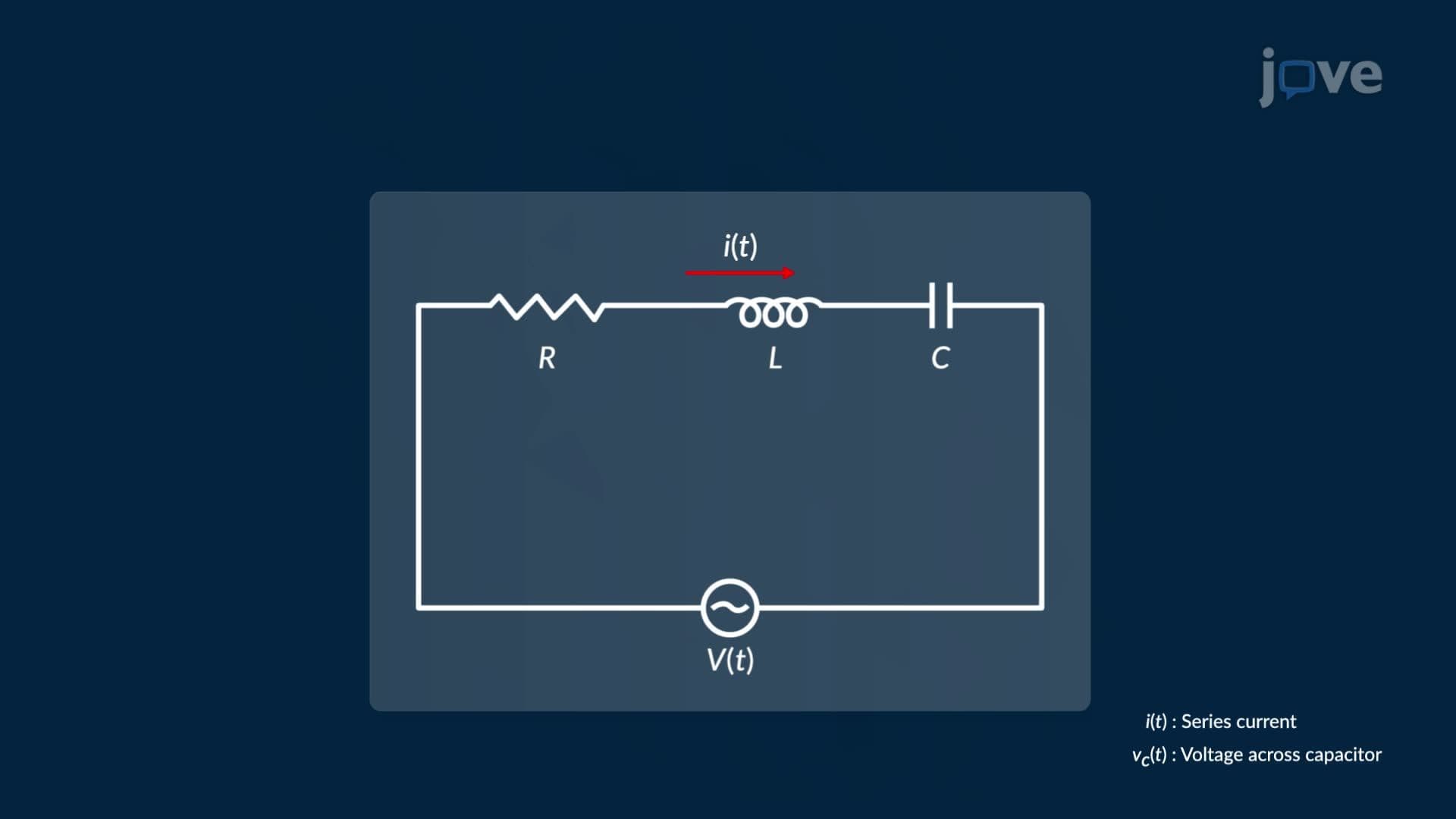
One compelling US engineering application is computing average power in a resistive AC circuit. If voltage is V(t) = V₀ · sin(ωt) and the current follows the same phase, average power involves integrating sin²(ωt) over one full cycle. Since both voltage and current contribute even powers of sine, the half-angle identity is used to evaluate the integral and obtain the familiar result: P(avg) = (V₀²) on (2R). This calculation appears in introductory electrical engineering courses at universities across the US, including standard curricula at MIT OpenCourseWare and similar institutions.
Understanding integrals of powers of sine and cosine builds a strong foundation for more advanced topics. Integration by parts is sometimes used in combination with trigonometric integrals, particularly for integrals like ∫ x · sin(x) dx. Rational functions integration and partial fractions become relevant when trigonometric substitution converts algebraic integrands into rational forms. Students preparing for AP Calculus BC, college Calculus II, or STEM-track courses will encounter all these techniques working together. Building fluency with trig integrals early makes every subsequent technique more approachable.
Related Micro-courses