Loading video…


 15 Concepts
 8.3K views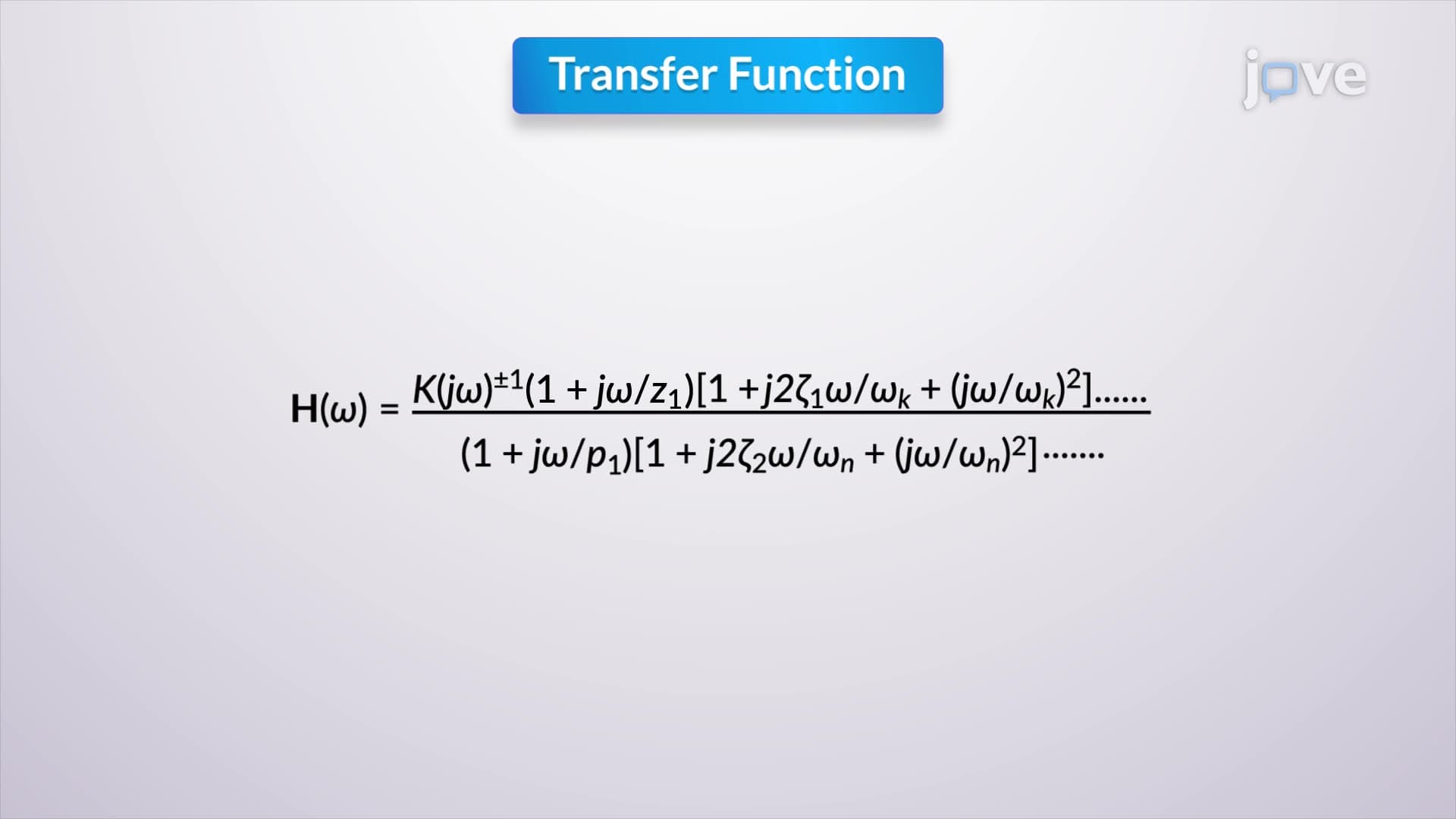

Video Summary: Transfer Function and Bode Plots I Explained
Did you know that the frequency response of Boeing 737's autopilot system can be visualized using the same mathematical tools you'll learn in control systems? Understanding transfer function and bode plots ii reveals how engineers predict system behavior across different frequencies, from simple RC circuits in your smartphone to complex feedback loops in NASA's Mars rover navigation. This fundamental concept bridges theoretical mathematics with real-world engineering applications. Watch the full video on JoVE Coach to master this concept with expert-led visuals and step-by-step explanations.
Transfer functions serve as the mathematical foundation for analyzing linear time-invariant systems in engineering. When expressed in standard form, these functions reveal critical information about system behavior through their poles, zeros, and gain constants. The beauty of this approach lies in its systematic breakdown of complex systems into manageable components that can be analyzed individually before combination.
The treatment of constant gain terms in transfer function analysis demonstrates fundamental principles. Positive constant gains maintain constant magnitude across all frequencies with zero phase shift, representing ideal amplification without frequency-dependent distortion. This behavior appears in operational amplifier circuits used in audio equipment and instrumentation. Conversely, negative constant gains introduce a 180° phase shift while maintaining constant magnitude, a characteristic seen in inverting amplifier configurations common in analog signal processing circuits used by companies like Texas Instruments and Analog Devices.
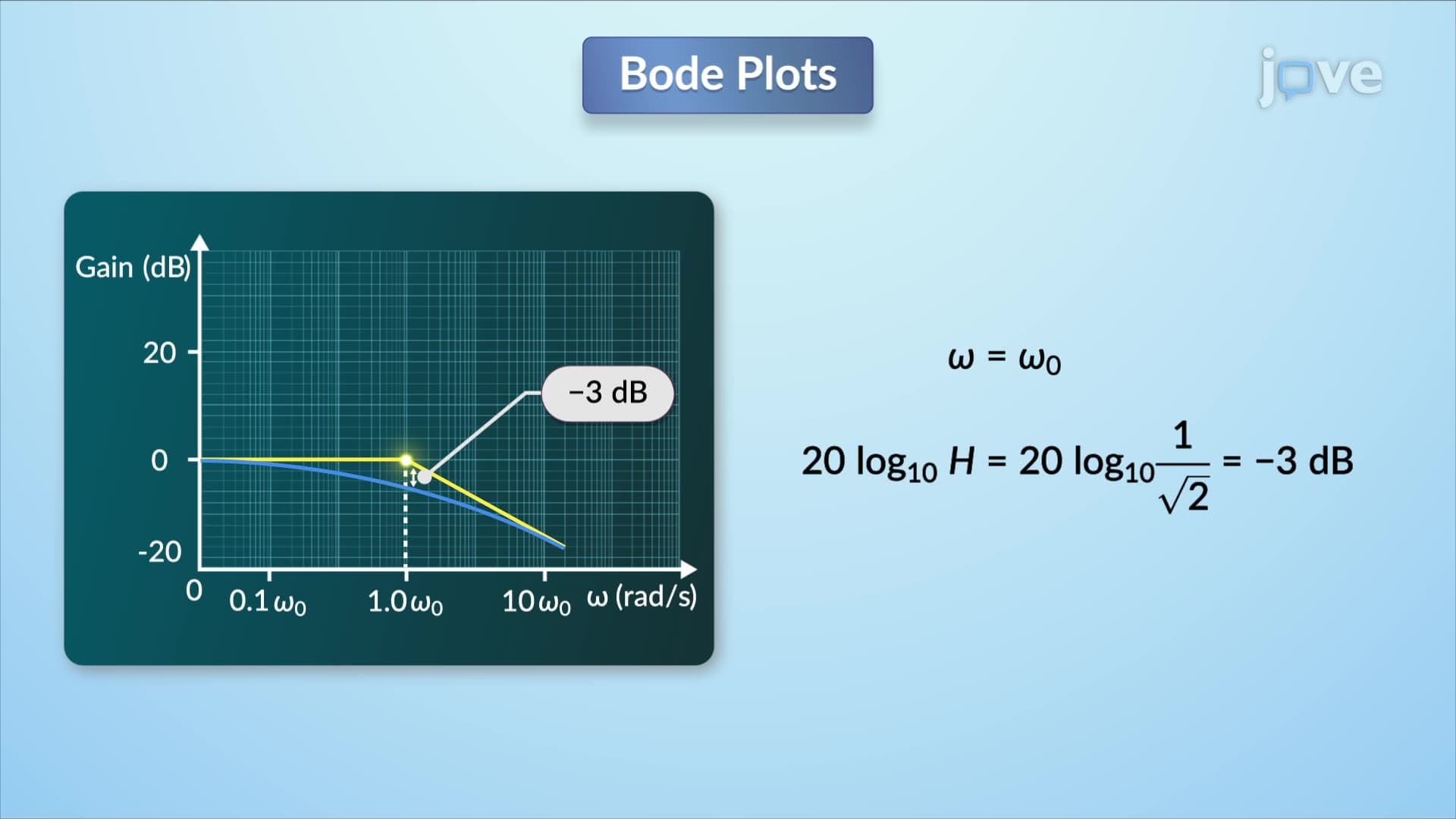
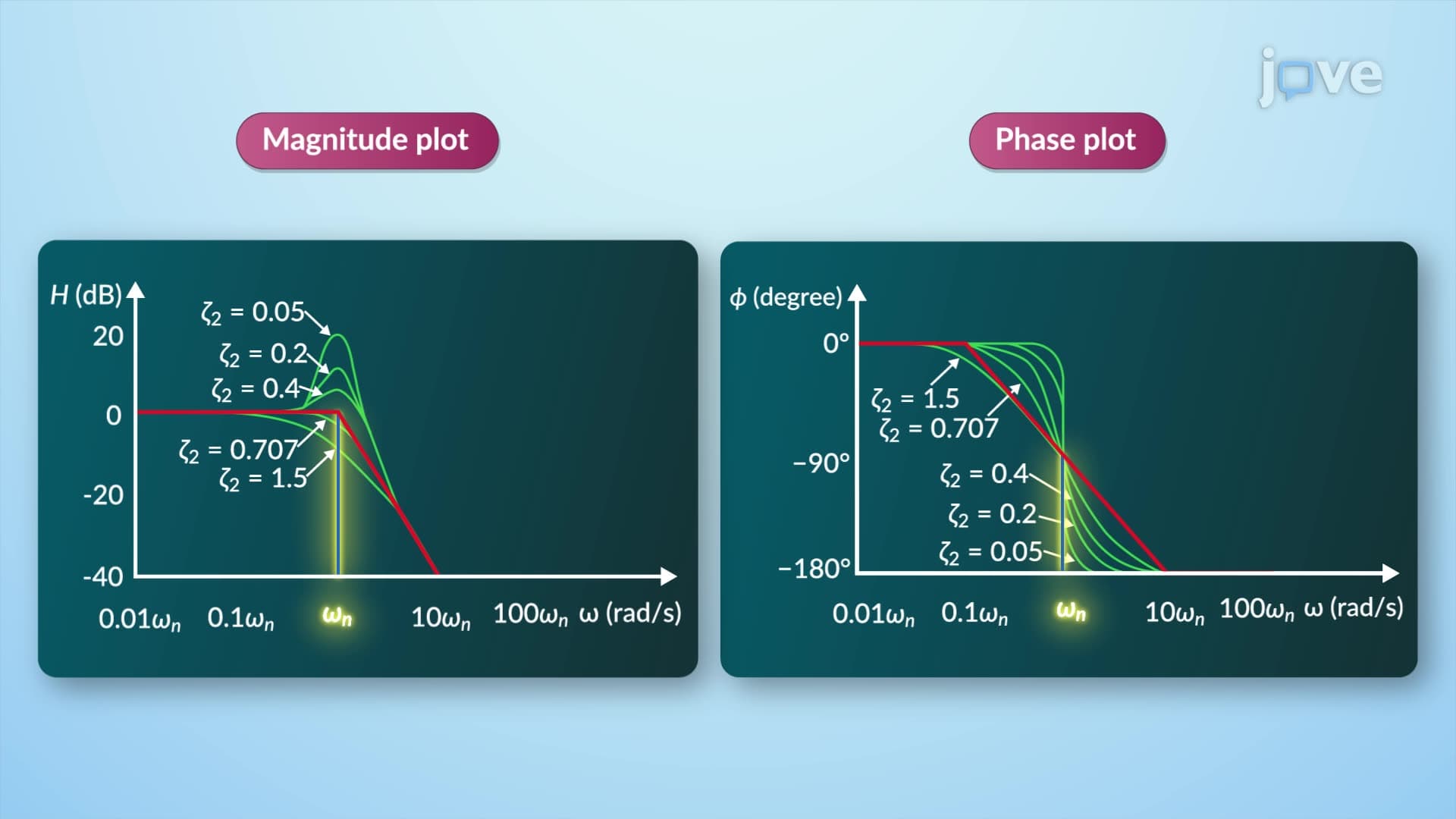
Zeros and poles at the origin create distinctive Bode plot signatures that control systems engineers recognize immediately. A zero at the origin produces a +20 dB/decade slope in magnitude and a constant +90° phase shift, behavior exhibited by differentiating circuits in electronic systems. Meanwhile, poles at the origin create -20 dB/decade magnitude slopes with -90° phase shifts, characteristic of integrating circuits found in control systems for automotive cruise control and HVAC temperature regulation.
When transfer functions contain multiple poles or zeros at the origin, their effects multiply proportionally. Two poles at the origin produce -40 dB/decade slopes and -180° phase shifts, while three zeros create +60 dB/decade slopes and +270° phase shifts. This multiplication principle proves essential for analyzing higher-order systems like those found in aerospace guidance systems and industrial process control applications.
Students preparing for AP Physics, college-level controls courses, or engineering fundamentals exams should practice identifying these components and sketching their individual contributions before combining them graphically. This systematic approach builds the foundation for advanced topics like stability analysis and controller design that appear in upper-level engineering coursework and professional practice.
Related Micro-courses