Loading video…


 15 Concepts
 8.3K views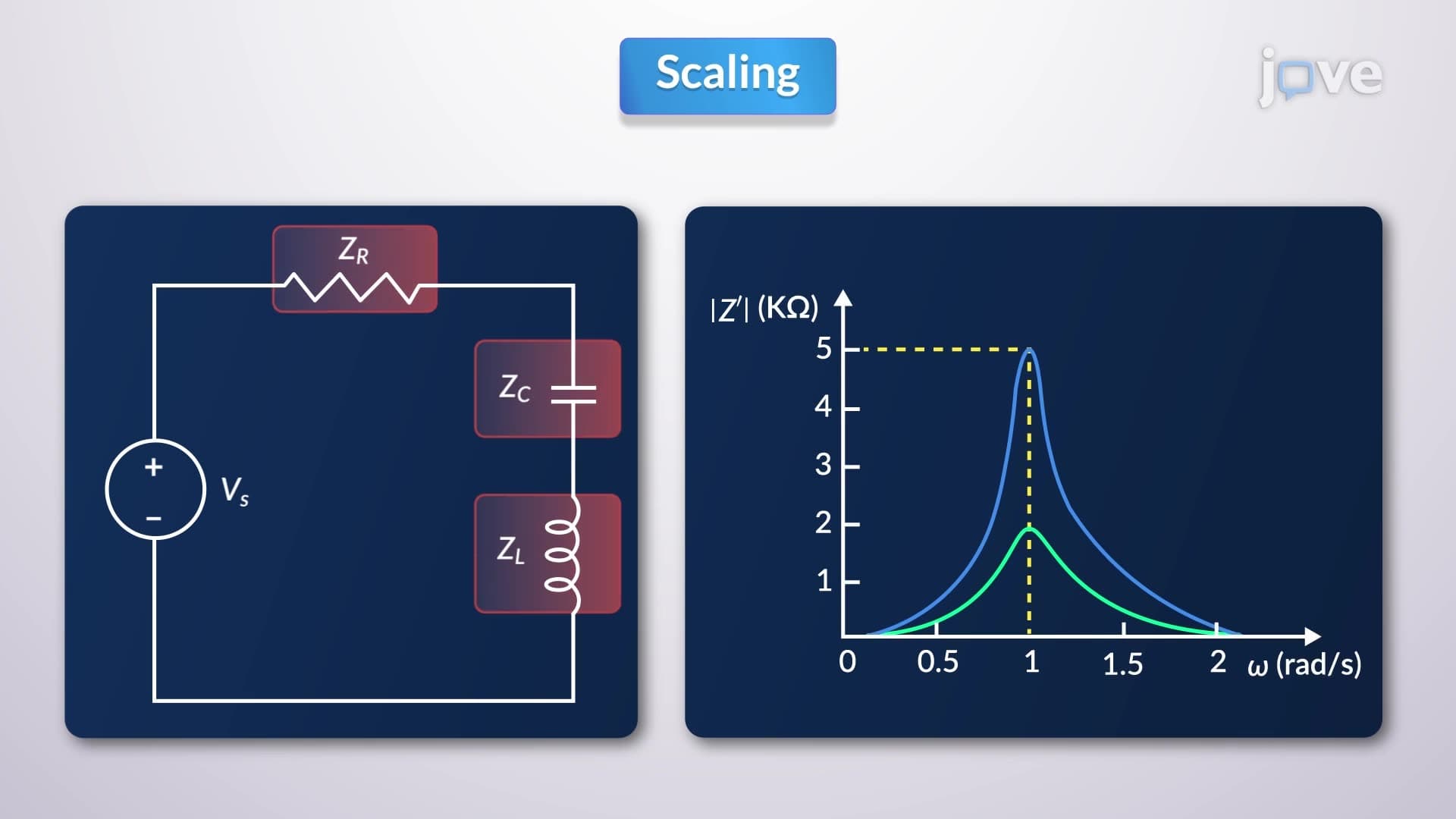

Video Summary: What Is Scaling
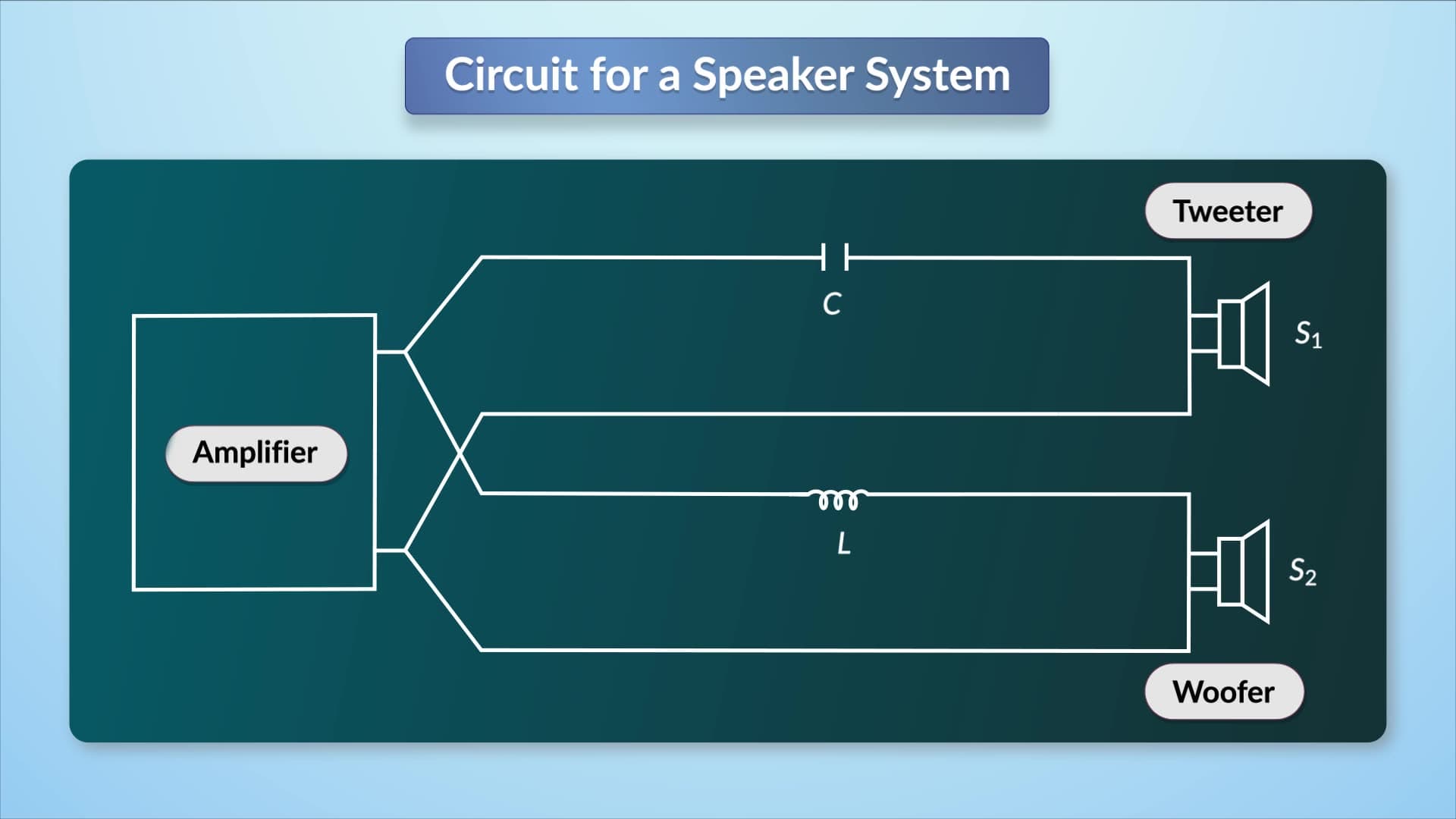
Ever wondered how engineers design filters for everything from your smartphone to hospital equipment without starting from scratch every time? A design example in circuit scaling demonstrates how magnitude and frequency scaling transforms complex filter designs into practical, buildable circuits. Take Texas Instruments' audio processing chips - engineers use scaling techniques to adapt laboratory prototypes into mass-producible components that fit inside your headphones. What is scaling becomes clear when you see how it maintains circuit performance while adjusting component values to real-world manufacturing constraints. Watch the full video on JoVE Coach to master this concept with expert-led visuals and step-by-step explanations.
What is scaling forms the foundation of practical filter design, enabling engineers to bridge the gap between theoretical circuits and real-world implementations. This powerful technique allows designers to modify circuit parameters systematically while maintaining essential performance characteristics. In electrical engineering curricula across US universities like MIT and Stanford, scaling represents a cornerstone concept that students encounter in courses ranging from introductory circuit analysis to advanced filter design.
Magnitude scaling involves multiplying all impedances in a circuit by a constant scaling factor, typically denoted as Km. This process proves invaluable when adapting circuits to match standard impedance levels used in industry. For instance, telecommunications equipment often requires 50-ohm or 75-ohm impedance matching, while audio equipment may use different standards. When engineers at companies like Qualcomm design RF filters, they frequently scale laboratory prototypes that might use 1-kilohm resistors down to practical values like 50 ohms for smartphone applications.
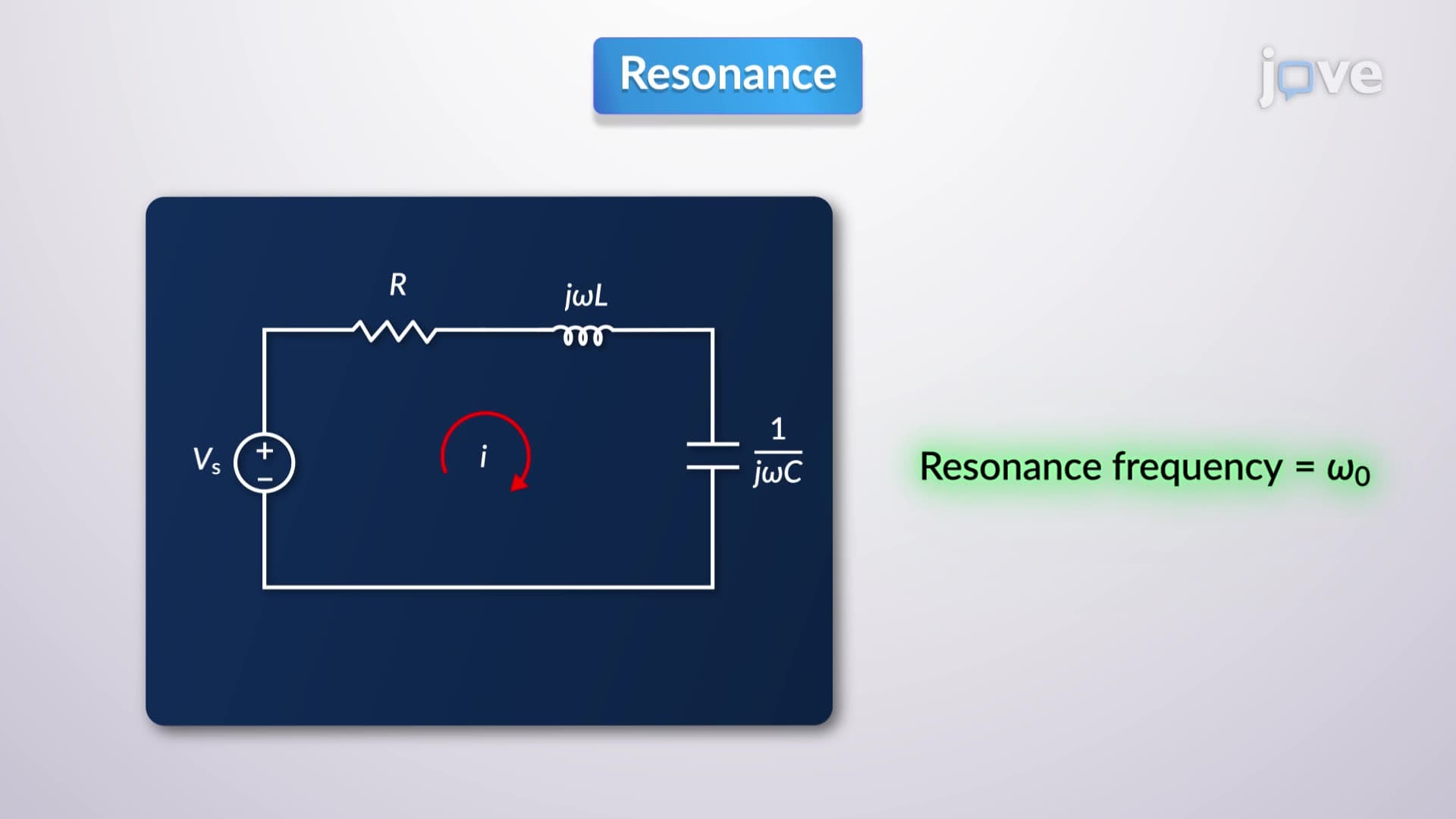
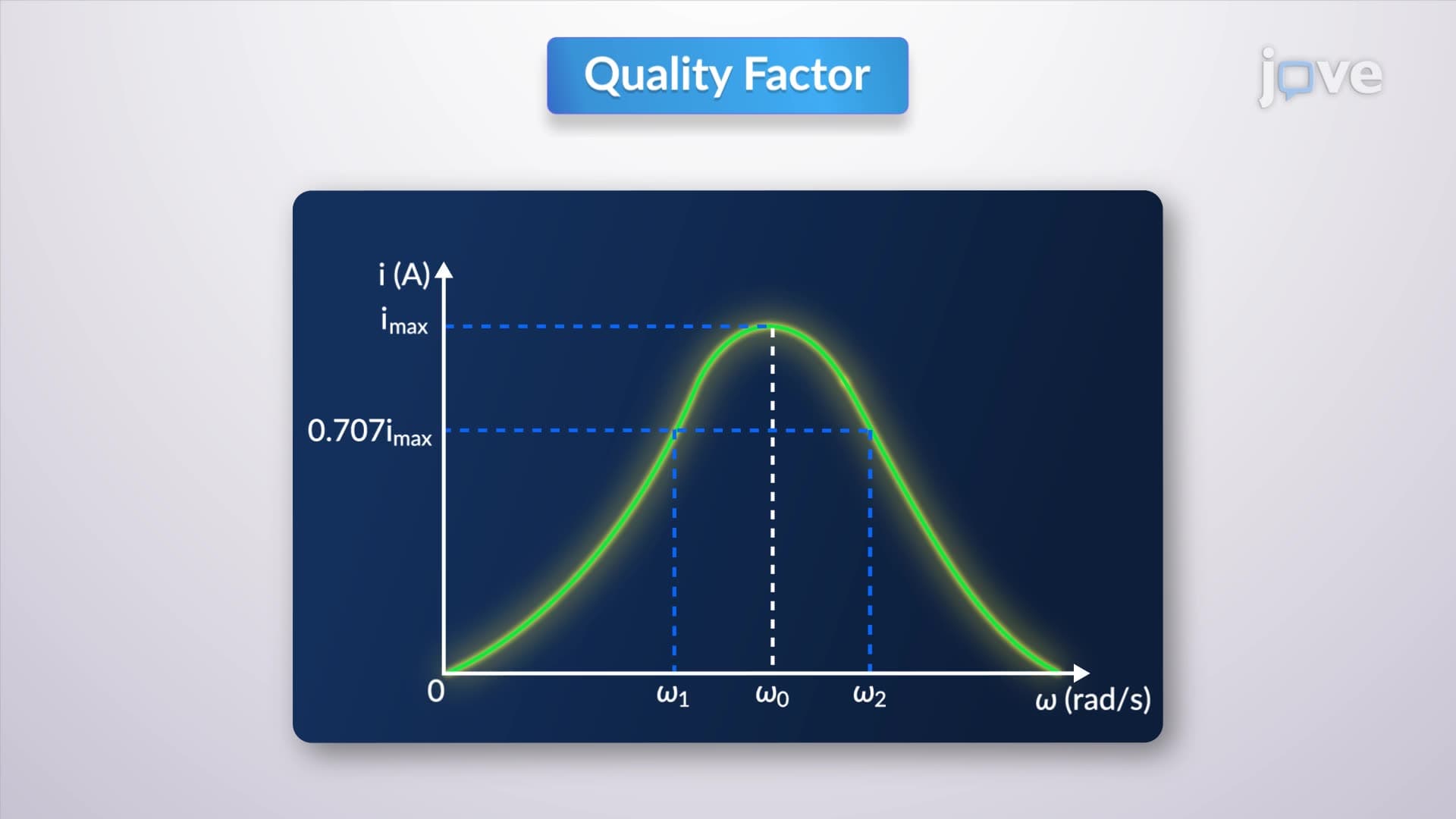
The beauty of magnitude scaling lies in its preservation of frequency-dependent behavior. Resonant frequencies, quality factors, and transfer function shapes remain identical to the original design. Students preparing for the AP Physics C exam or engineering entrance exams should note that this invariance property makes magnitude scaling a powerful design tool that appears frequently in standardized test problems.
Frequency scaling multiplies all frequencies by a scaling factor Kf, effectively shifting the entire frequency response along the frequency axis. This technique proves essential when adapting filter designs for different applications. Consider how Analog Devices engineers might take a low-pass filter designed for audio frequencies (20 Hz to 20 kHz) and scale it for radio frequency applications (megahertz range) used in wireless communication systems.
Unlike magnitude scaling, frequency scaling affects only reactive components - capacitors and inductors. Resistor values remain unchanged, while capacitor and inductor values are divided by the frequency scaling factor. This selective modification enables precise control over where the filter operates in the frequency spectrum while maintaining impedance relationships.
Real engineering projects often require simultaneous magnitude and frequency scaling to meet multiple design constraints. Texas Instruments' filter design software incorporates both scaling types, allowing engineers to optimize circuits for specific applications. Students should understand that when Km = 1, no magnitude scaling occurs, and when Kf = 1, no frequency scaling takes place - concepts that frequently appear in college midterm examinations and professional engineering licensing exams.
Related Micro-courses