Loading video…


 15 Concepts
 8.3K views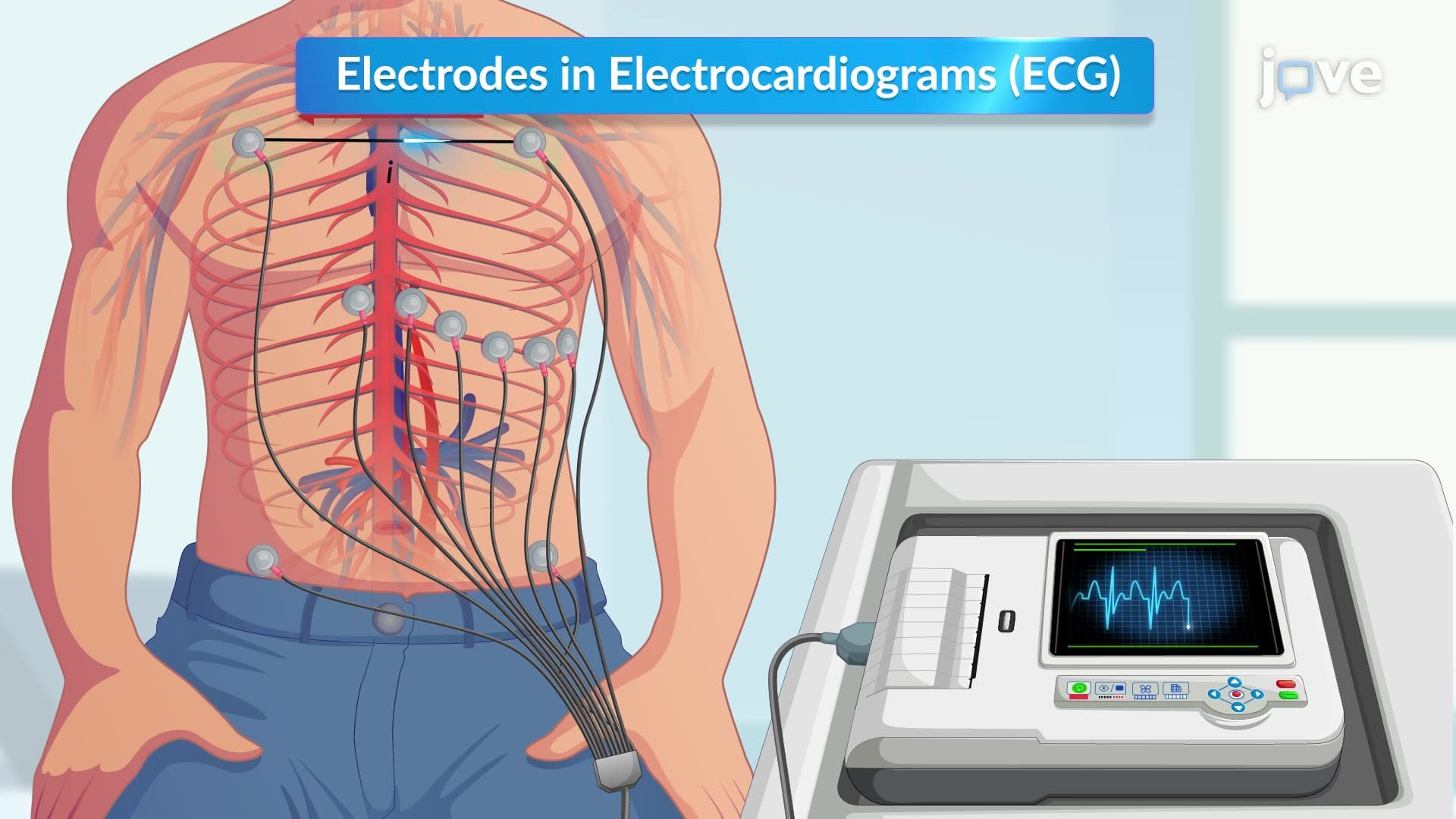

Video Summary: What Is Bode Plots Construction
Ever wondered how medical devices like ECG machines accurately measure your heart's electrical activity? Series resonance plays a crucial role in the electrode-tissue interface that makes this possible. In cardiac monitoring systems used across US hospitals, understanding What is Bode Plots Construction helps engineers optimize the frequency response of these life-saving devices. This fundamental concept bridges electrical engineering principles with real-world biomedical applications. Watch the full video on JoVE Coach to master this concept with expert-led visuals and step-by-step explanations.
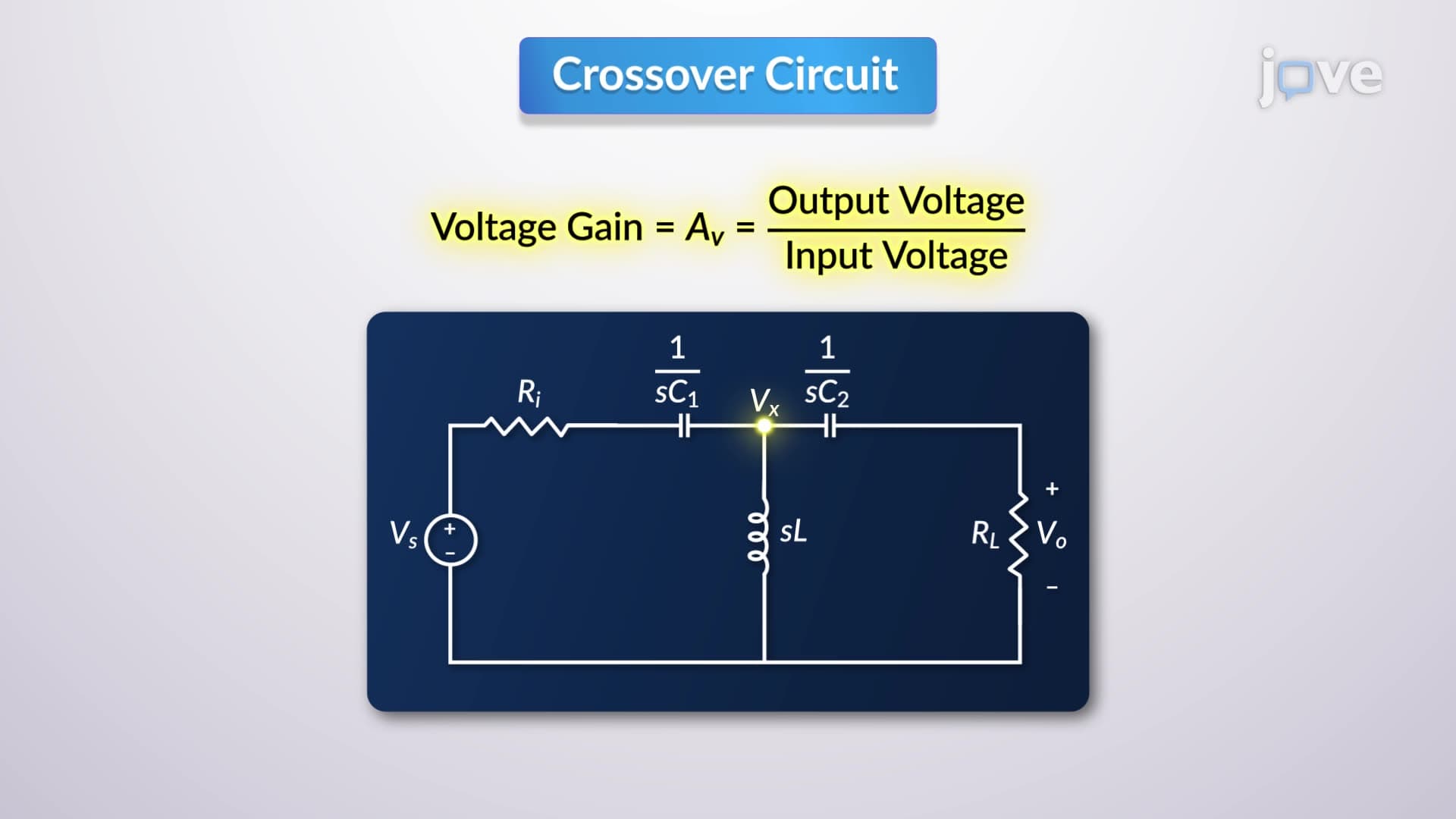
Bode plots construction represents a systematic approach to visualizing how electrical systems respond across different frequencies. When we examine the series resonance definition, we discover it's the foundation for understanding complex impedance behaviors in circuits like those found in medical monitoring equipment. This graphical technique transforms complex mathematical relationships into intuitive visual representations that engineers and students can easily interpret.
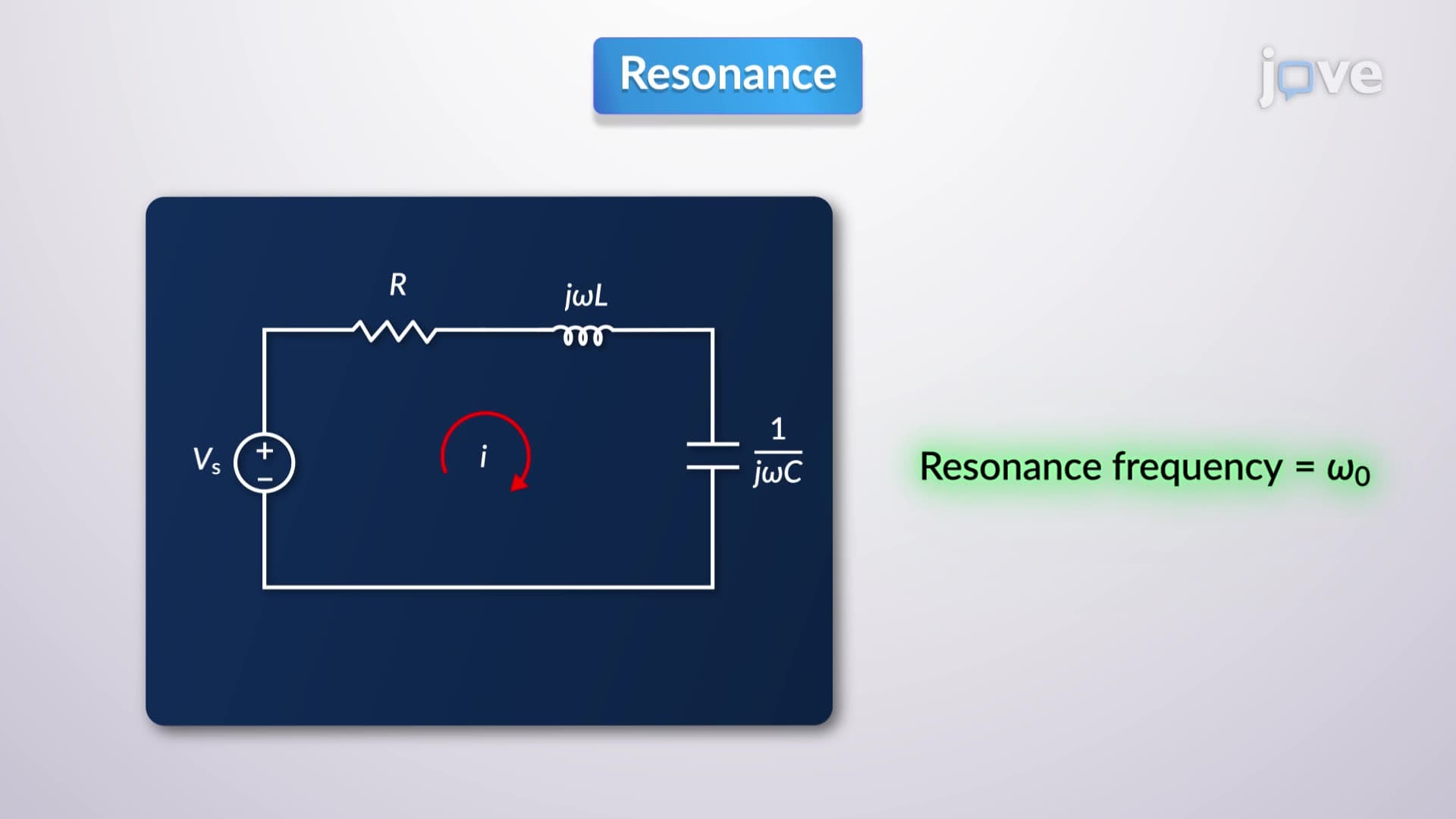
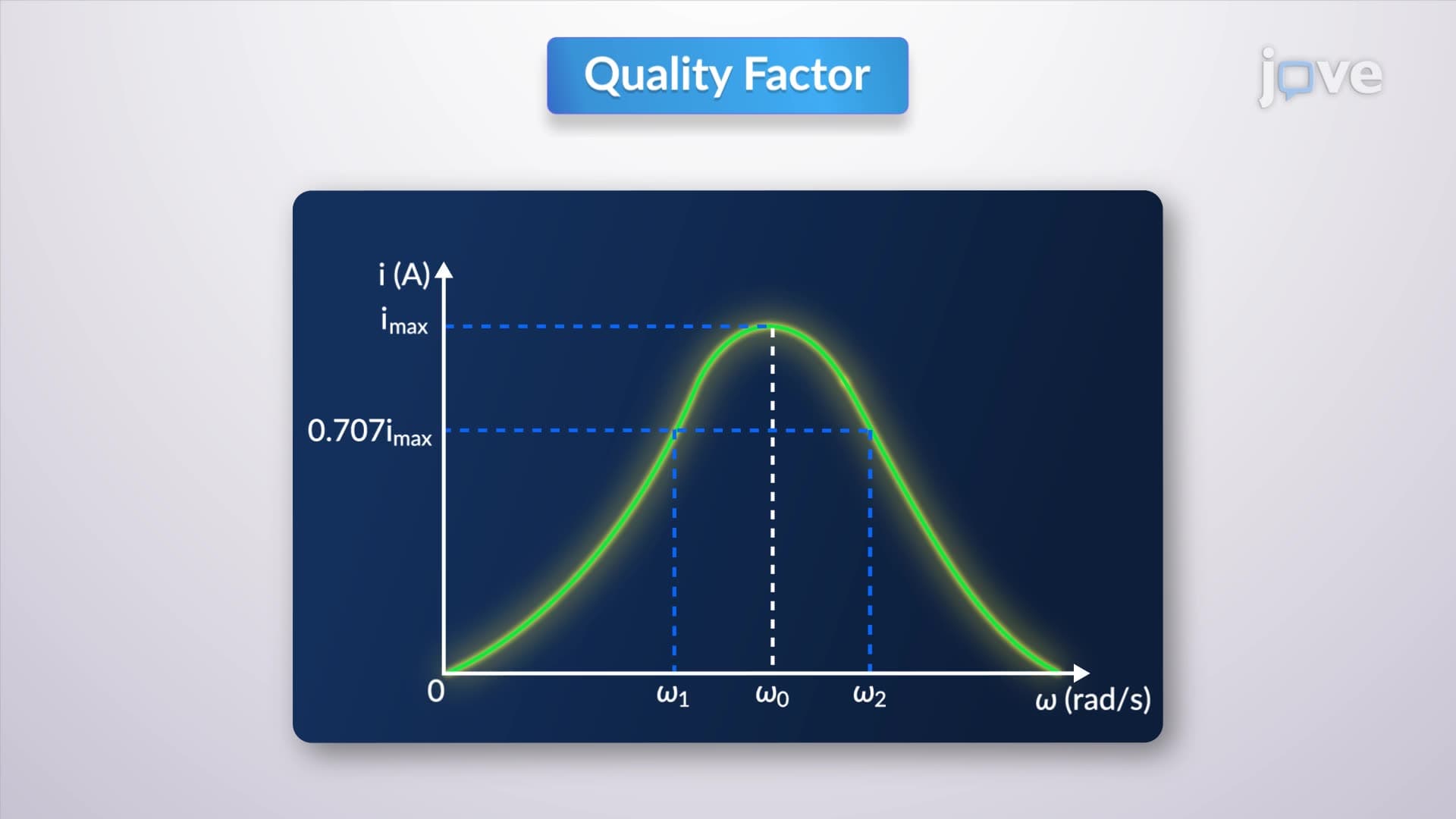
What is series resonance in detail? It occurs when the reactive components in a circuit cancel each other out, creating a purely resistive pathway at a specific frequency. In ECG electrode systems, this phenomenon directly impacts signal quality and measurement accuracy. The electrode-tissue interface acts as a complex circuit where resistance and capacitance interact, creating frequency-dependent impedance characteristics that must be carefully analyzed.
Students preparing for AP Physics or college-level electrical engineering courses will encounter series resonance in multiple contexts. The concept appears frequently on MCAT physics sections, particularly in questions about biomedical devices and electrical circuits. Understanding series resonance basics helps students tackle complex problems involving impedance matching and signal processing in medical equipment.
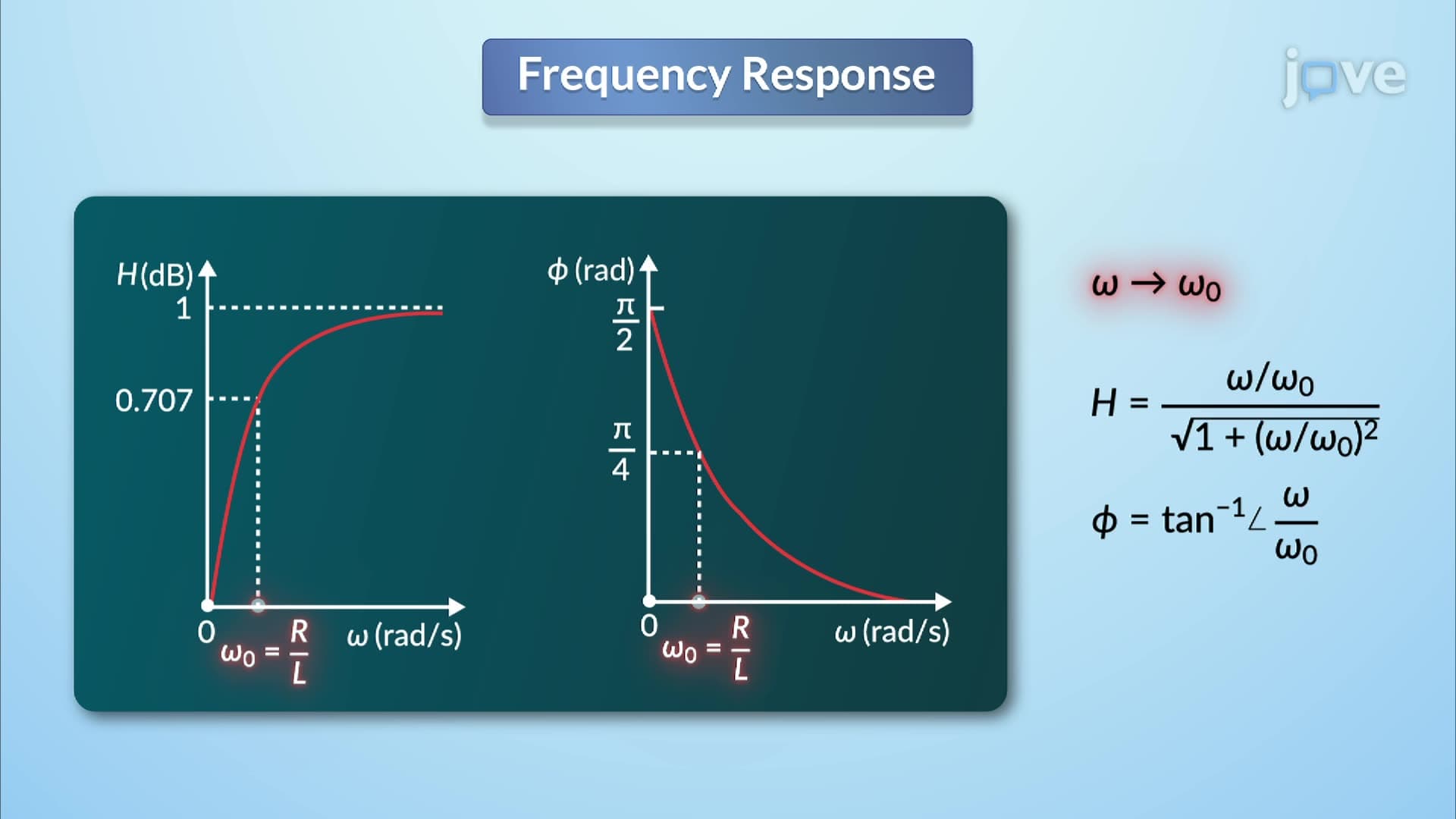
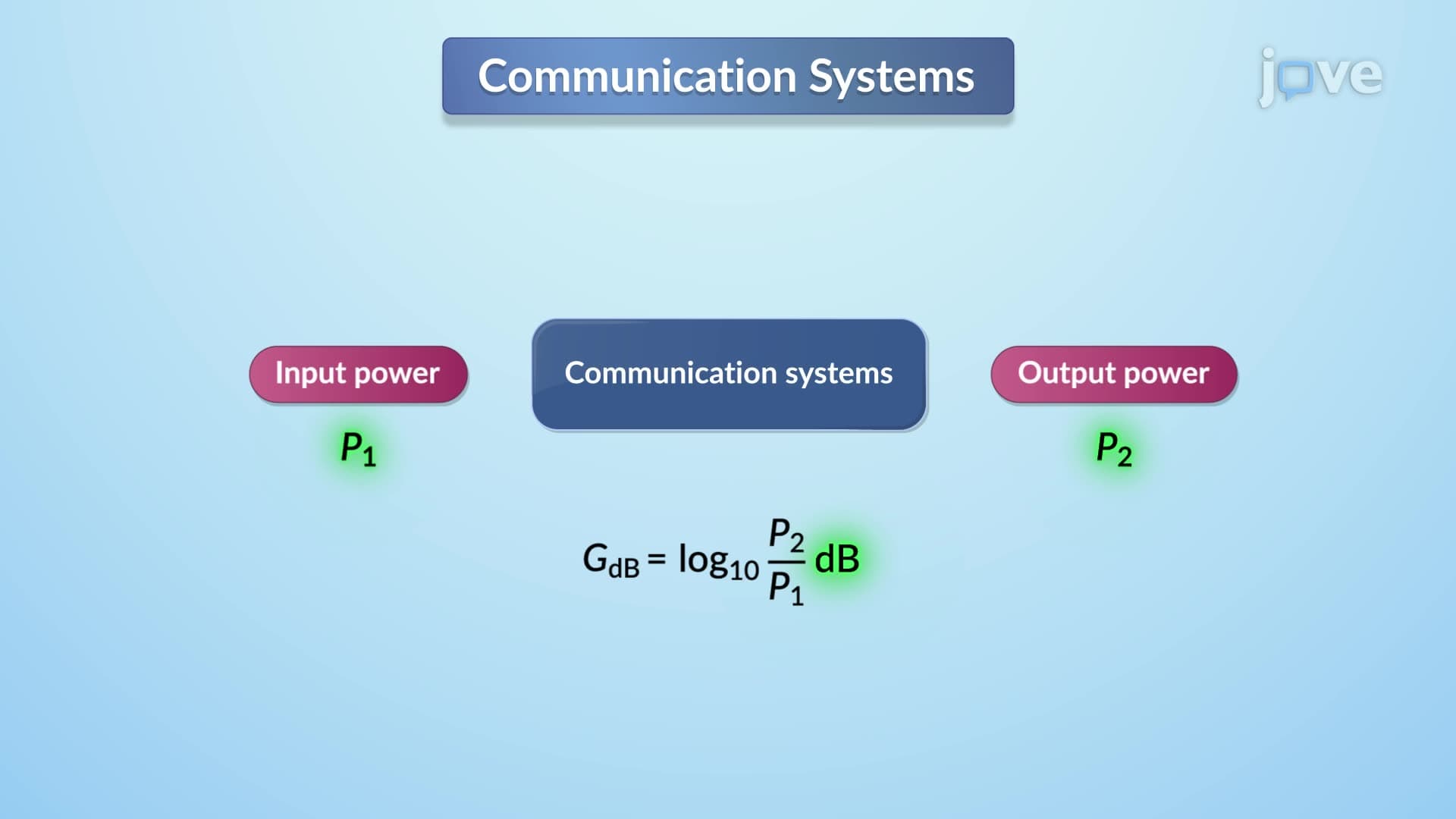
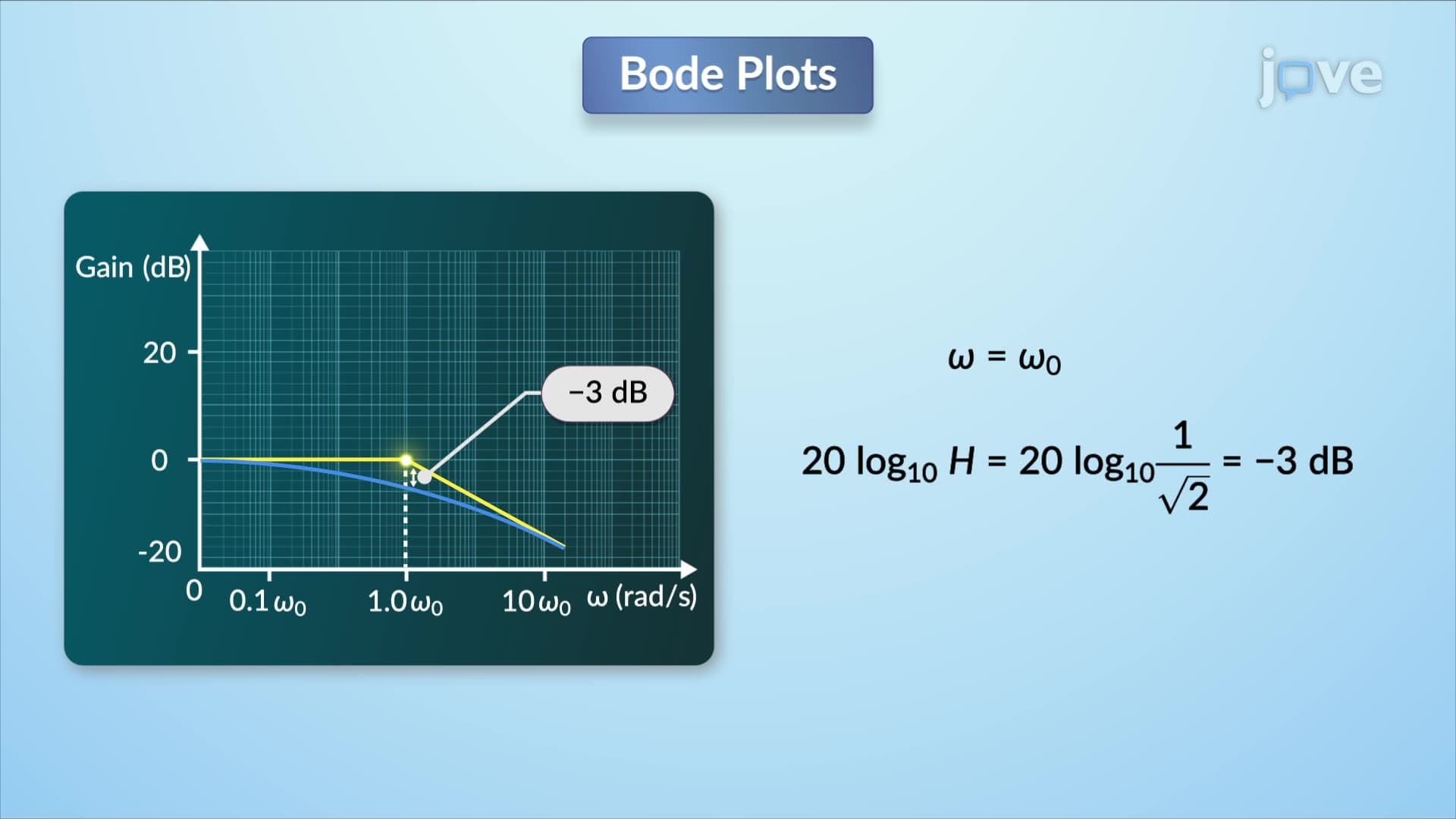
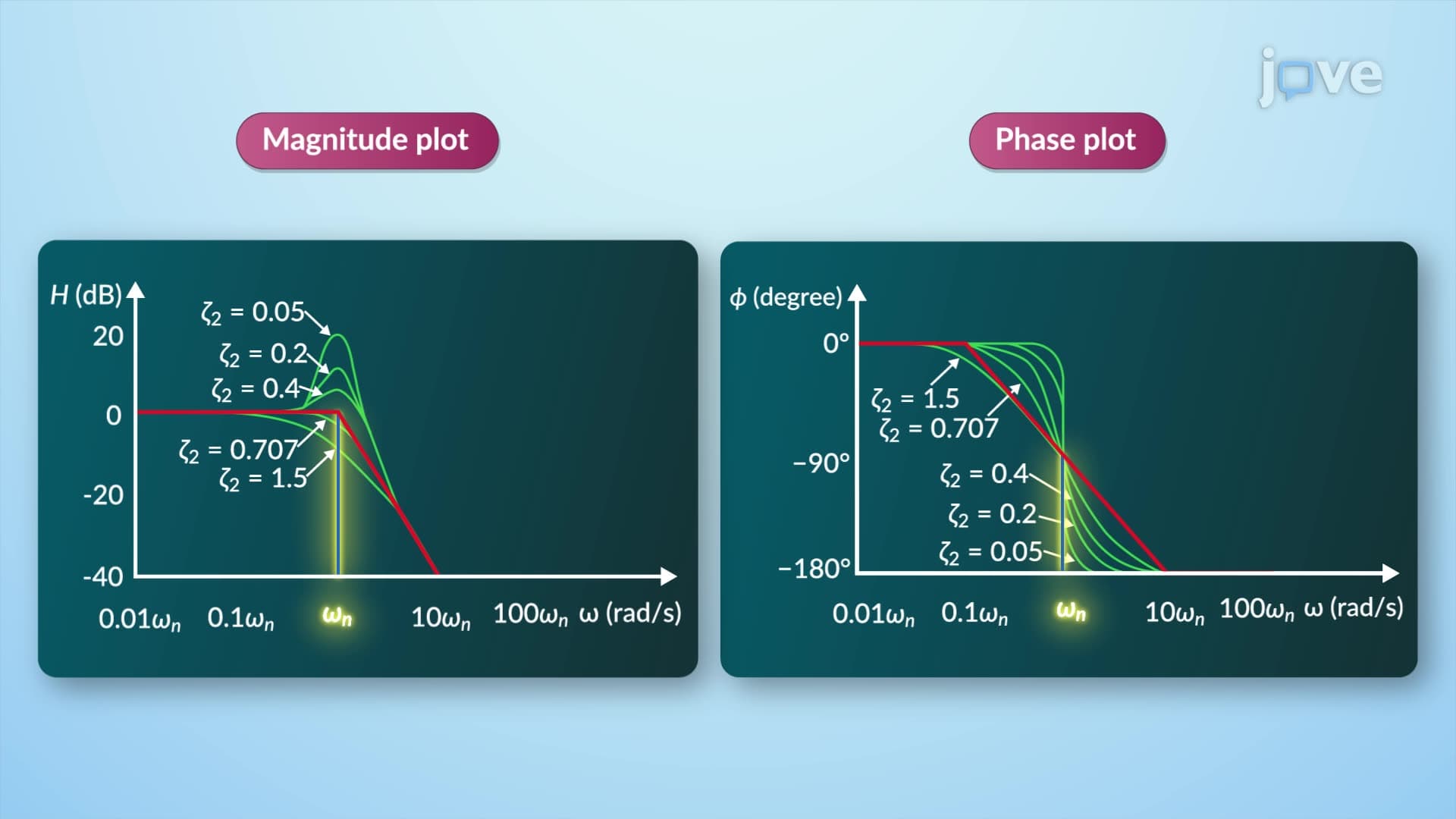
The construction of Bode plots involves plotting logarithmic gain (in decibels) against frequency (in radians per second) on semi-logarithmic axes. This series resonance overview reveals three distinct regions: low-frequency asymptotes showing constant gain, high-frequency asymptotes with different constant gains, and intermediate frequency ranges displaying characteristic 20-decibel-per-decade slopes.
In US medical facilities, ECG machines rely on these principles to filter noise and amplify heart signals effectively. The frequency response characteristics determine how well these devices can distinguish between actual cardiac activity and electrical interference from other hospital equipment. Engineers use Bode plot analysis to optimize electrode designs, ensuring reliable measurements across the typical frequency range of human heart rhythms (0.5-100 Hz).
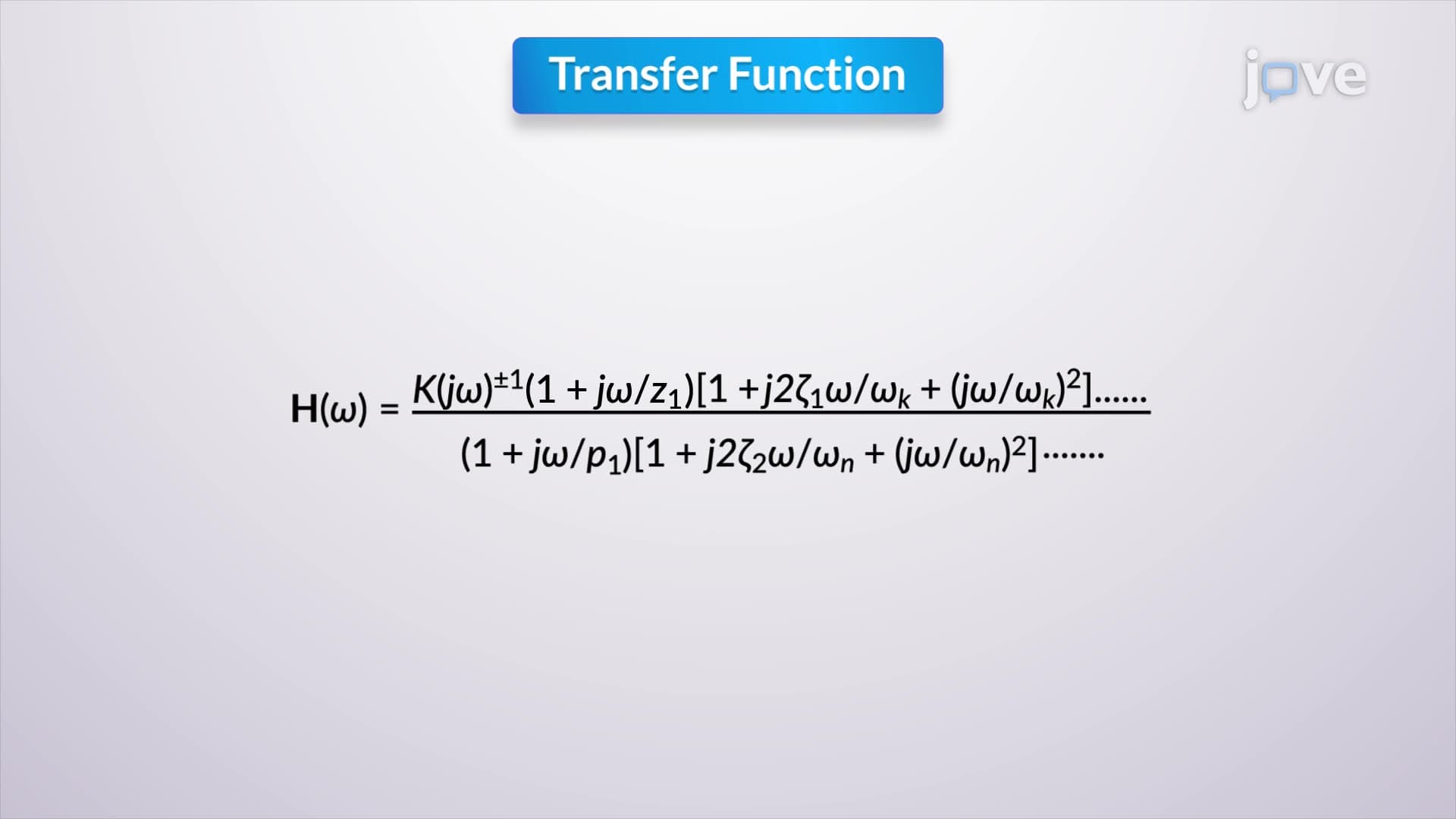
This series resonance concept extends beyond biomedical applications into power systems, audio equipment, and telecommunications. Students studying for college midterms or standardized tests should focus on understanding how transfer functions relate to physical circuit behavior. The mathematical relationship between input and output phasors provides the foundation for more advanced topics in signal processing and control systems that appear in upper-level engineering courses.
Related Micro-courses