Loading video…


 15 Concepts
 8.3K views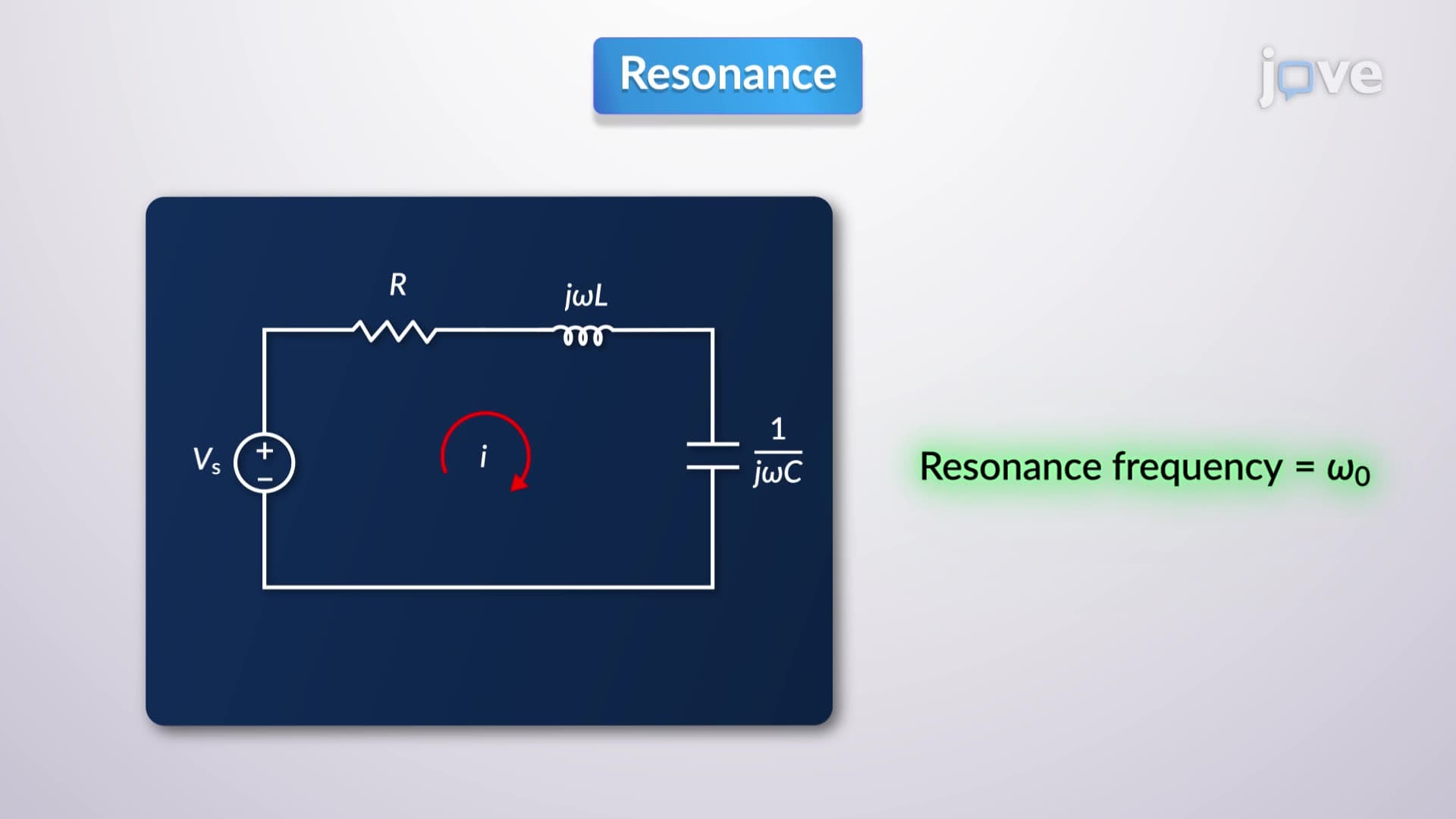

Video Summary: What Is Series Resonance
Ever wonder how your car radio locks onto your favorite station among hundreds of frequencies? The characteristics of series resonant circuit make this possible through a fascinating electrical phenomenon called series resonance. In AM/FM radio tuners across the United States, RLC circuits precisely filter specific broadcast frequencies by achieving resonance when inductive and capacitive reactances cancel each other out. What is Series Resonance reveals how this condition creates maximum current flow and unity power factor. Watch the full video on JoVE Coach to master this concept with expert-led visuals and step-by-step explanations.
What is Series Resonance occurs in AC circuits containing resistance (R), inductance (L), and capacitance (C) connected in series when the circuit's reactive components cancel each other out. At this special frequency, called the resonant frequency, the inductive reactance (XL) exactly equals the capacitive reactance (XC), creating a purely resistive circuit condition.
The resonant frequency formula is: fr = 1 / (2π√(LC))
This mathematical relationship shows that resonant frequency depends inversely on both inductance and capacitance values. Students preparing for AP Physics exams should memorize this formula, as it frequently appears in circuit analysis problems.
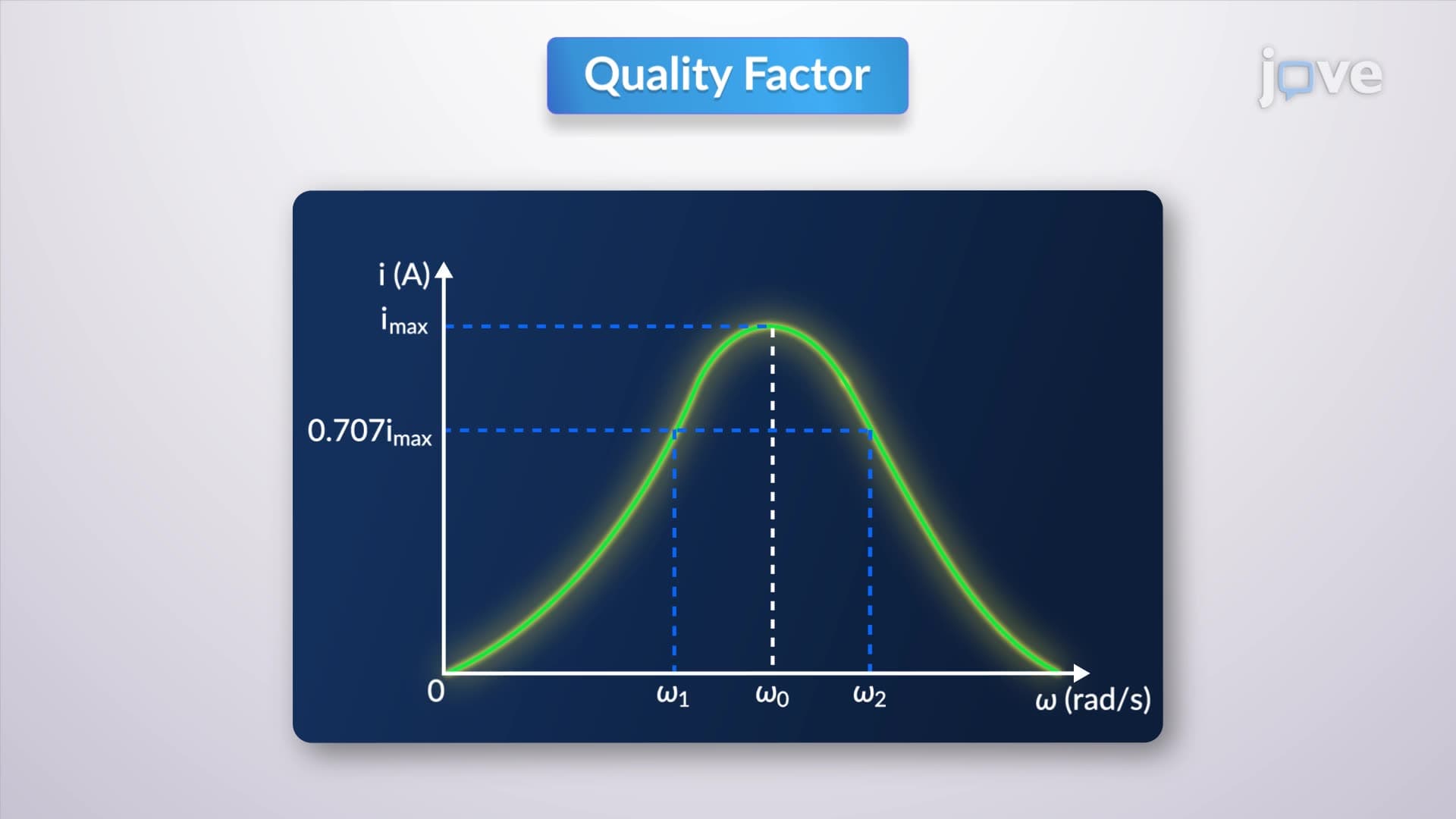
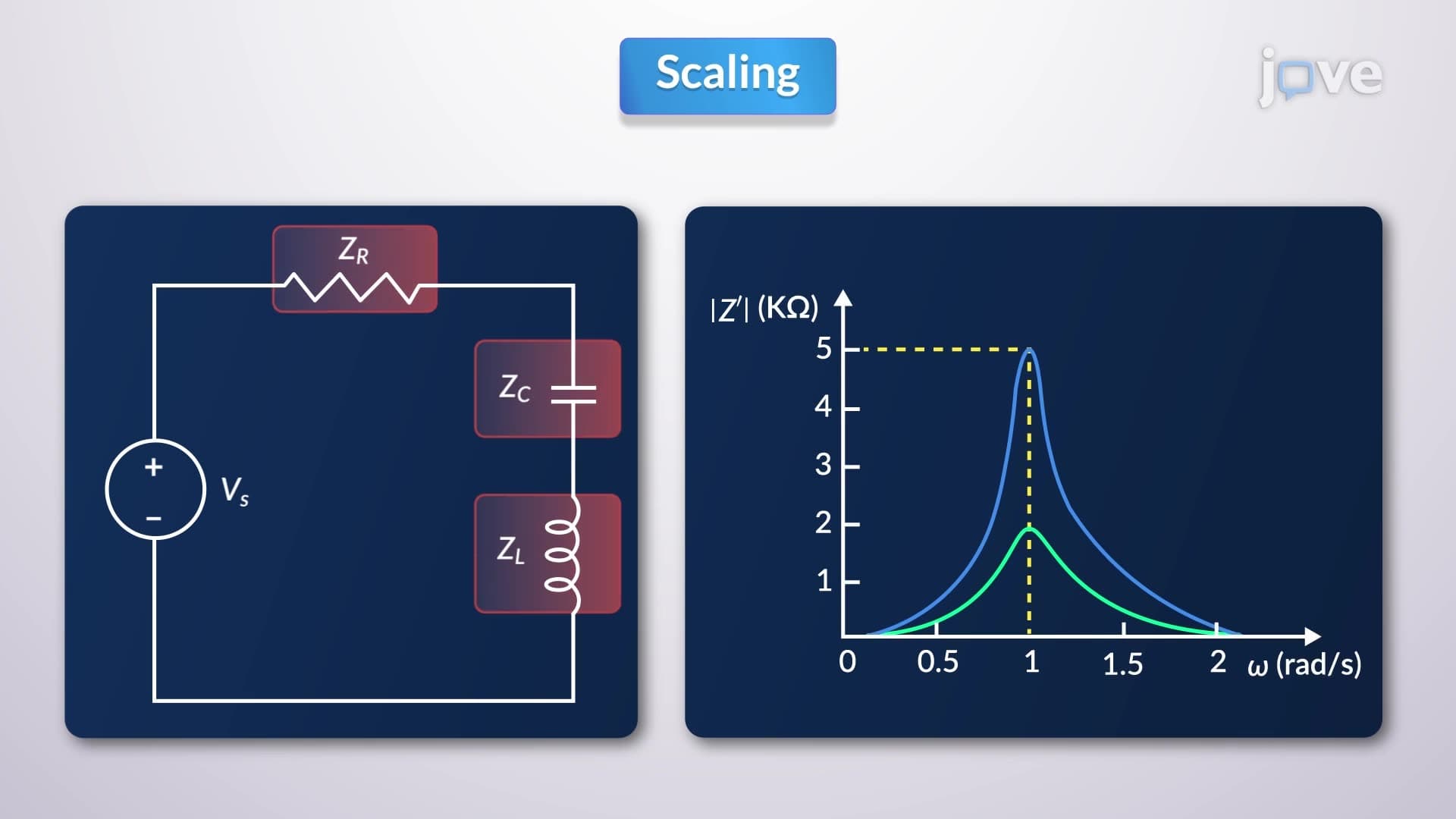
At resonance, the total circuit impedance reaches its minimum value, equaling only the resistance: Z = R. This occurs because the reactive components (XL and XC) are equal in magnitude but opposite in phase, effectively canceling each other. Consequently, the circuit draws maximum current from the source, following Ohm's law: I = V/R.
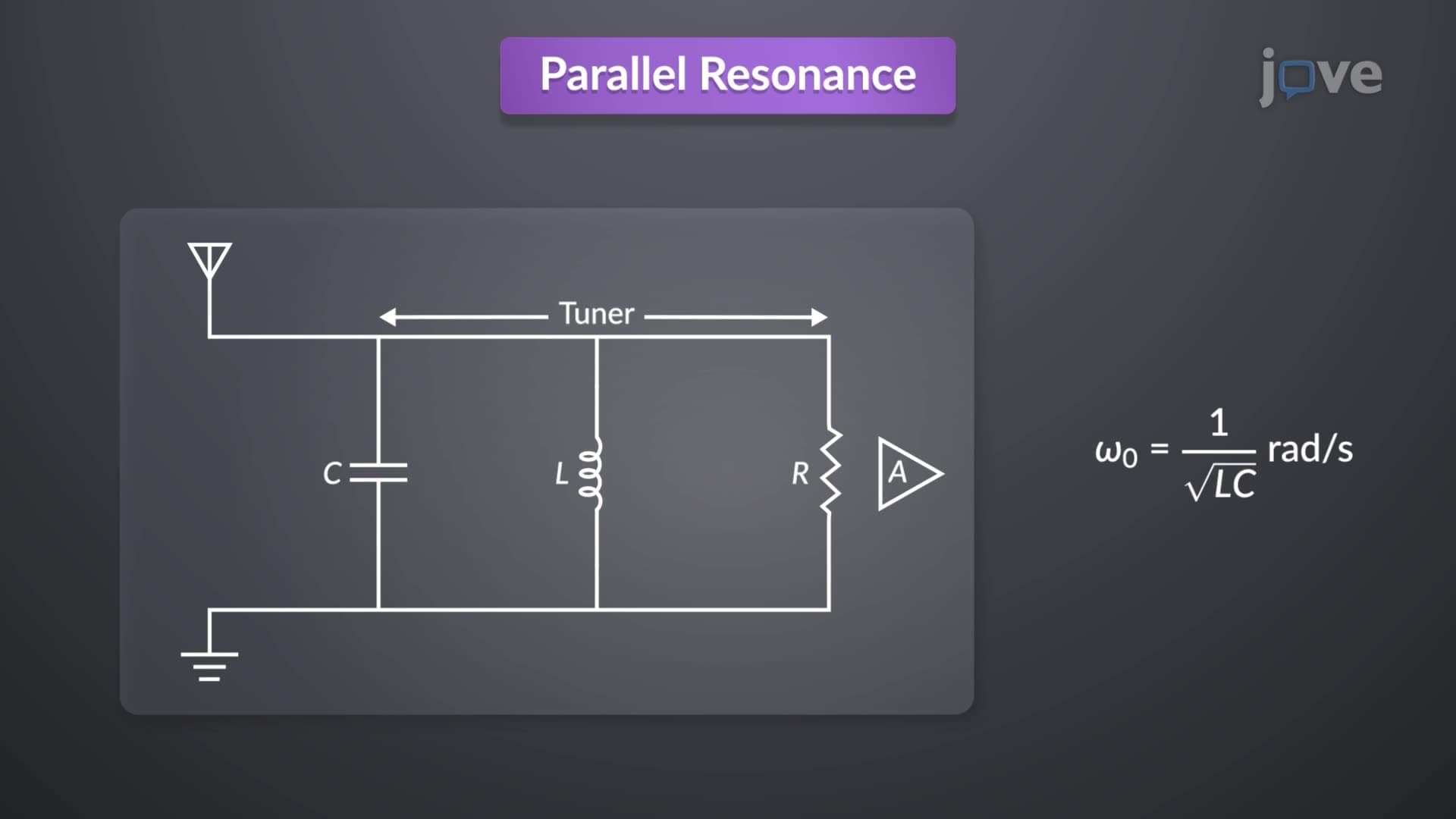
This principle underlies the operation of radio receivers throughout American broadcasting systems. AM radio stations operate between 535-1605 kHz, while FM stations broadcast from 88-108 MHz. Radio tuning circuits adjust their LC values to achieve resonance at the desired station frequency.
A remarkable characteristic of series resonant circuits is that voltages across the inductor and capacitor can exceed the source voltage significantly. These voltages are equal in magnitude but 180 degrees out of phase, creating a phenomenon called voltage magnification. The Q-factor (quality factor) determines this magnification: Q = XL/R = XC/R.
At resonance, voltage and current are in phase, creating a unity power factor (cos φ = 1). This means the circuit consumes only real power, with no reactive power component. College-level electrical engineering courses emphasize this concept in power system analysis.
Series resonance finds extensive applications in telecommunications, medical equipment, and consumer electronics across the United States. MRI machines use resonant circuits for precise frequency control, while cell phone towers employ resonant circuits for signal filtering.
For MCAT preparation, understanding resonance helps explain electromagnetic radiation absorption in biological tissues. AP Physics C students encounter series resonance in both mechanics (oscillations) and electricity/magnetism sections, making this concept particularly valuable for standardized test success.
Related Micro-courses