Loading video…


 15 Concepts
 8.3K views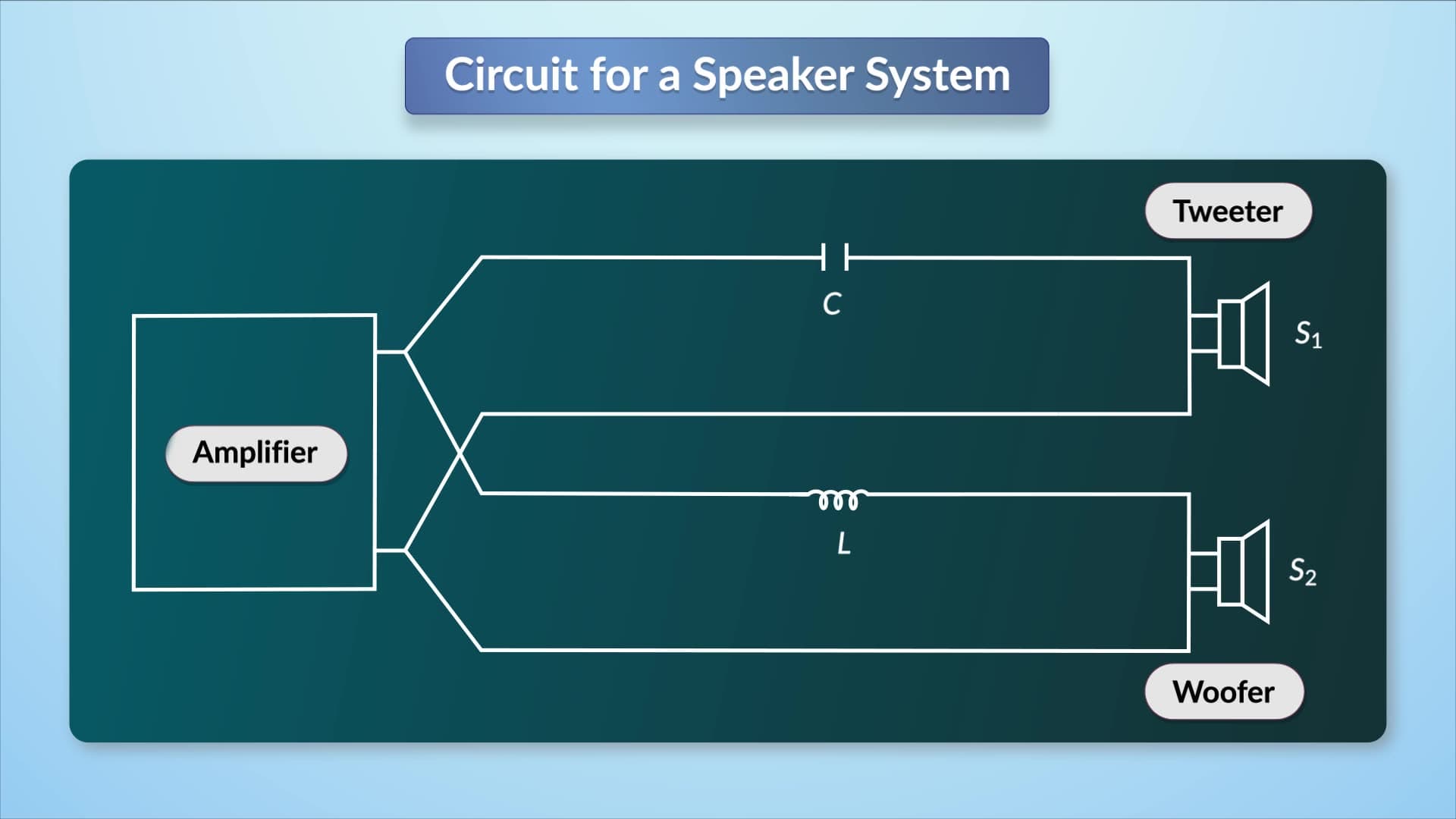

Video Summary: What Is Design Example
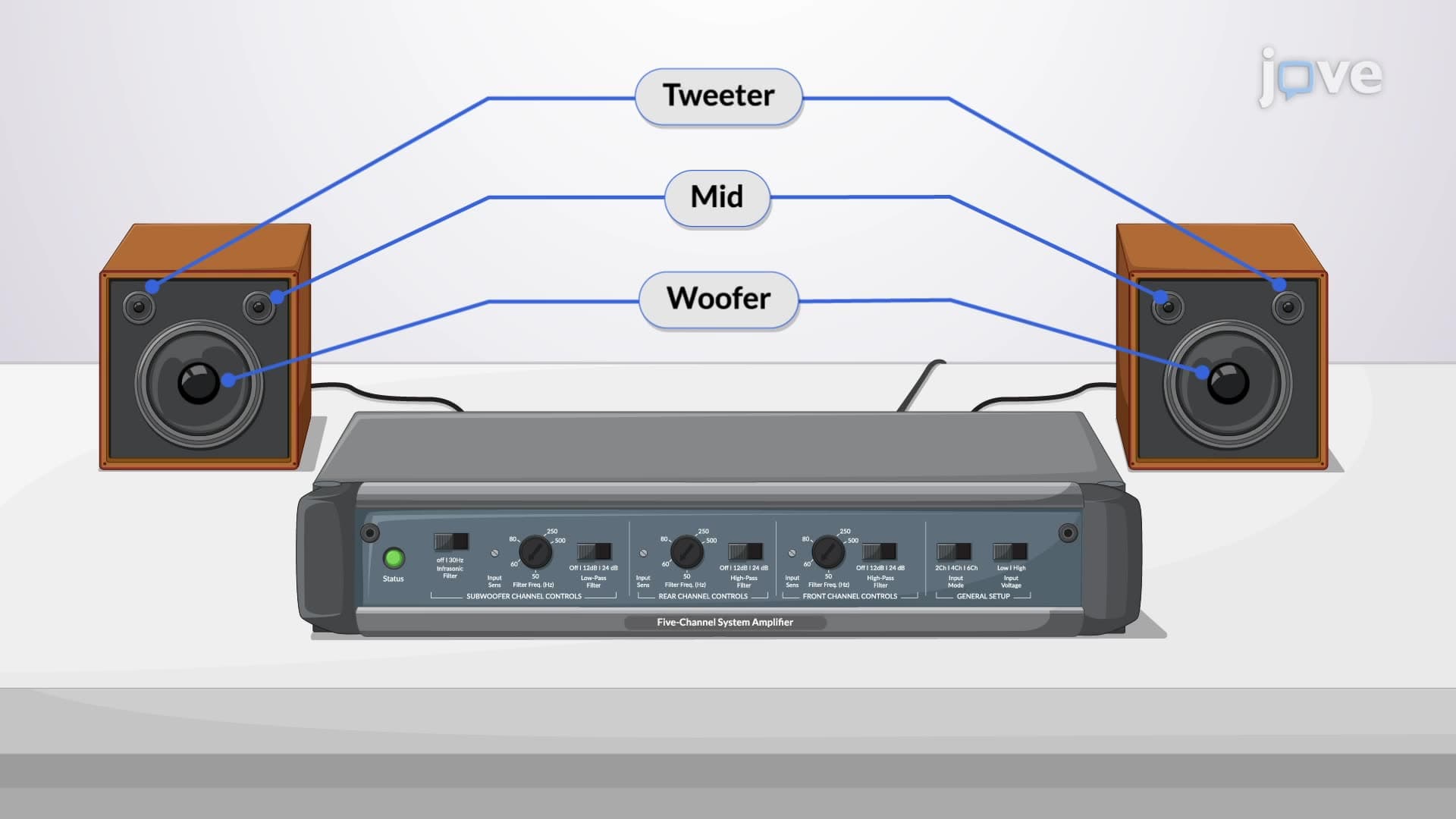
Ever wondered how your smartphone speaker delivers crisp highs and deep bass simultaneously? Energy bands in solids determine how electrons behave in the materials that make modern electronics possible. Consider how silicon chips in Apple's latest iPhone processors rely on precise energy band engineering to control electrical conductivity. What is Design Example demonstrates how engineers apply these fundamental principles to create functional electronic devices by manipulating electron energy states within solid materials. Watch the full video on JoVE Coach to master this concept with expert-led visuals and step-by-step explanations.
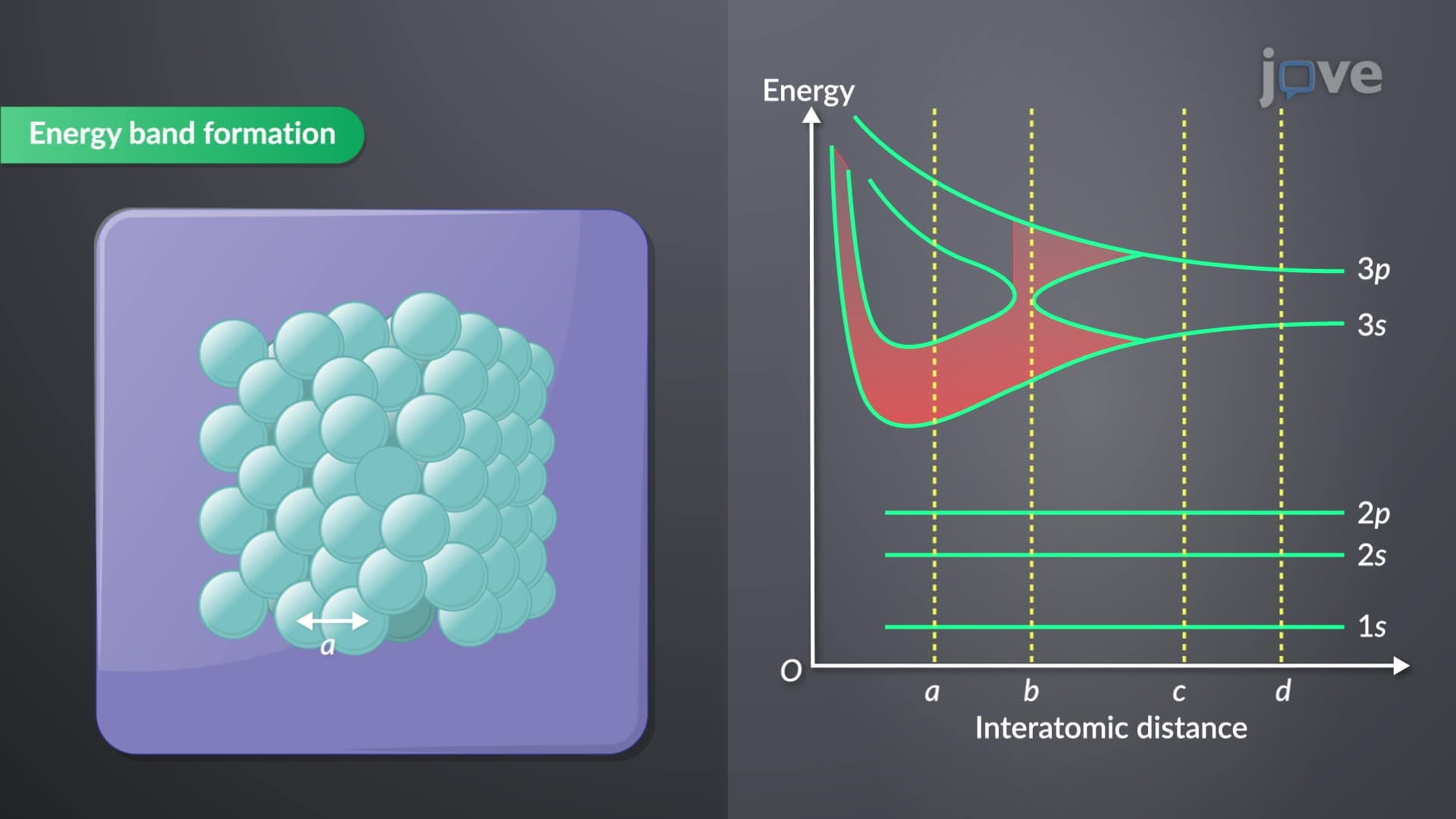
Energy bands in solids form the theoretical foundation for all modern electronic design, from simple audio circuits to complex microprocessors. When engineers design electronic systems, they leverage the unique energy band structures of different materials to achieve desired electrical properties. The energy bands in solids concept explains how electrons occupy specific energy levels within crystalline structures, creating distinct zones where electrons can or cannot exist.
The types of energy bands in solids include valence bands, conduction bands, and forbidden energy gaps. Valence bands contain electrons bound to atoms, while conduction bands hold free electrons that can carry electrical current. The energy gap between these bands determines whether a material acts as a conductor, semiconductor, or insulator. Silicon, used in audio amplifier chips, has a 1.1 eV bandgap that makes it ideal for controlled conductivity through doping processes.
What are energy bands in solids overview encompasses both the quantum mechanical origins and practical applications. In audio crossover networks, designers select capacitors with specific dielectric materials based on their energy band properties. Ceramic capacitors use materials with large bandgaps for stable performance, while semiconductor components in active filters exploit narrow bandgaps for precise frequency control. Understanding energy bands in solids helps predict how materials respond to different frequencies and voltages.
Major US companies like Texas Instruments and Analog Devices rely on energy bands in solids study guide principles when developing audio processing chips. Students preparing for AP Physics exams encounter energy band diagrams that explain semiconductor behavior. College-level electronics courses at institutions like MIT and Stanford emphasize how energy band engineering enables everything from smartphone audio systems to electric vehicle power electronics. The understanding energy bands in solids concept directly connects to career opportunities in the $500 billion US semiconductor industry, where engineers design circuits that manipulate electron flow through carefully selected materials with specific energy band characteristics.
Related Micro-courses