Loading video…


 15 Concepts
 8.3K views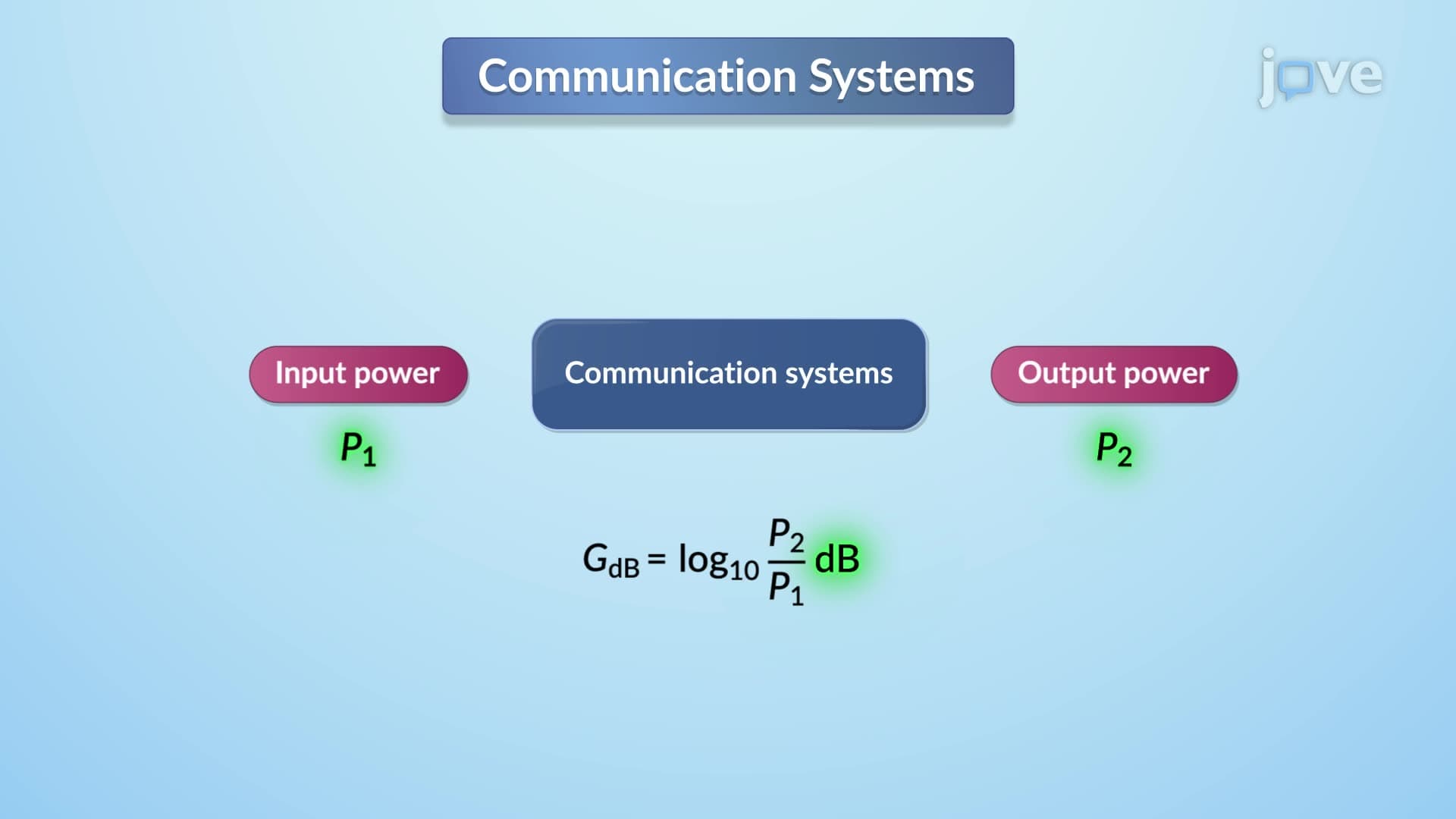

Video Summary: What Is Gain
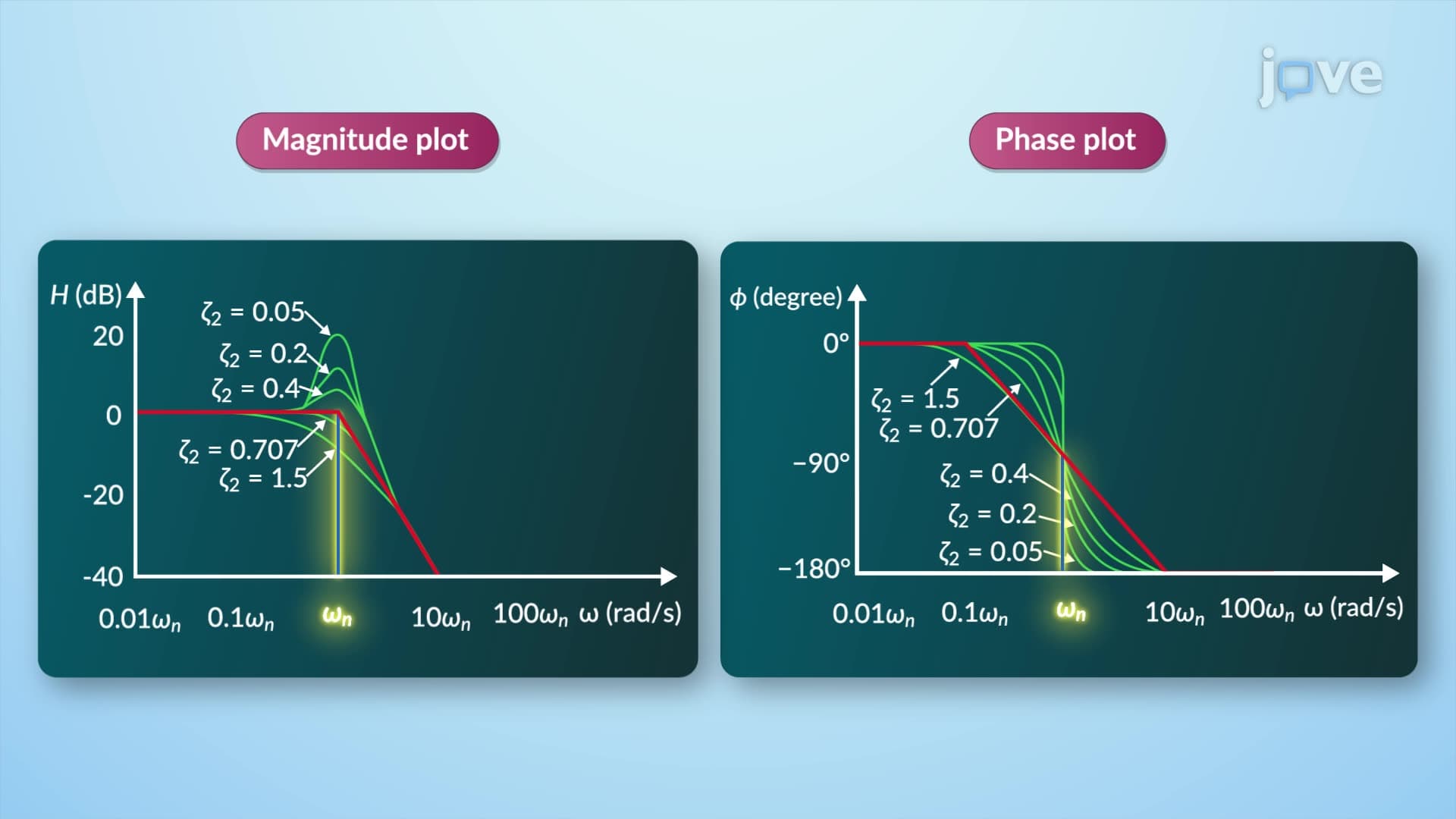
Ever wonder why your smartphone amplifier can make tiny electrical signals loud enough to fill a room? Bode plots help engineers visualize and analyze signal gain across different frequencies in communication systems. From NASA's Deep Space Network antennas to Tesla's electric vehicle control systems, understanding gain measurements in decibels determines whether signals get amplified or attenuated. What is gain becomes crucial when designing circuits that must maintain signal integrity across various operating conditions. Watch the full video on JoVE Coach to master this concept with expert-led visuals and step-by-step explanations.
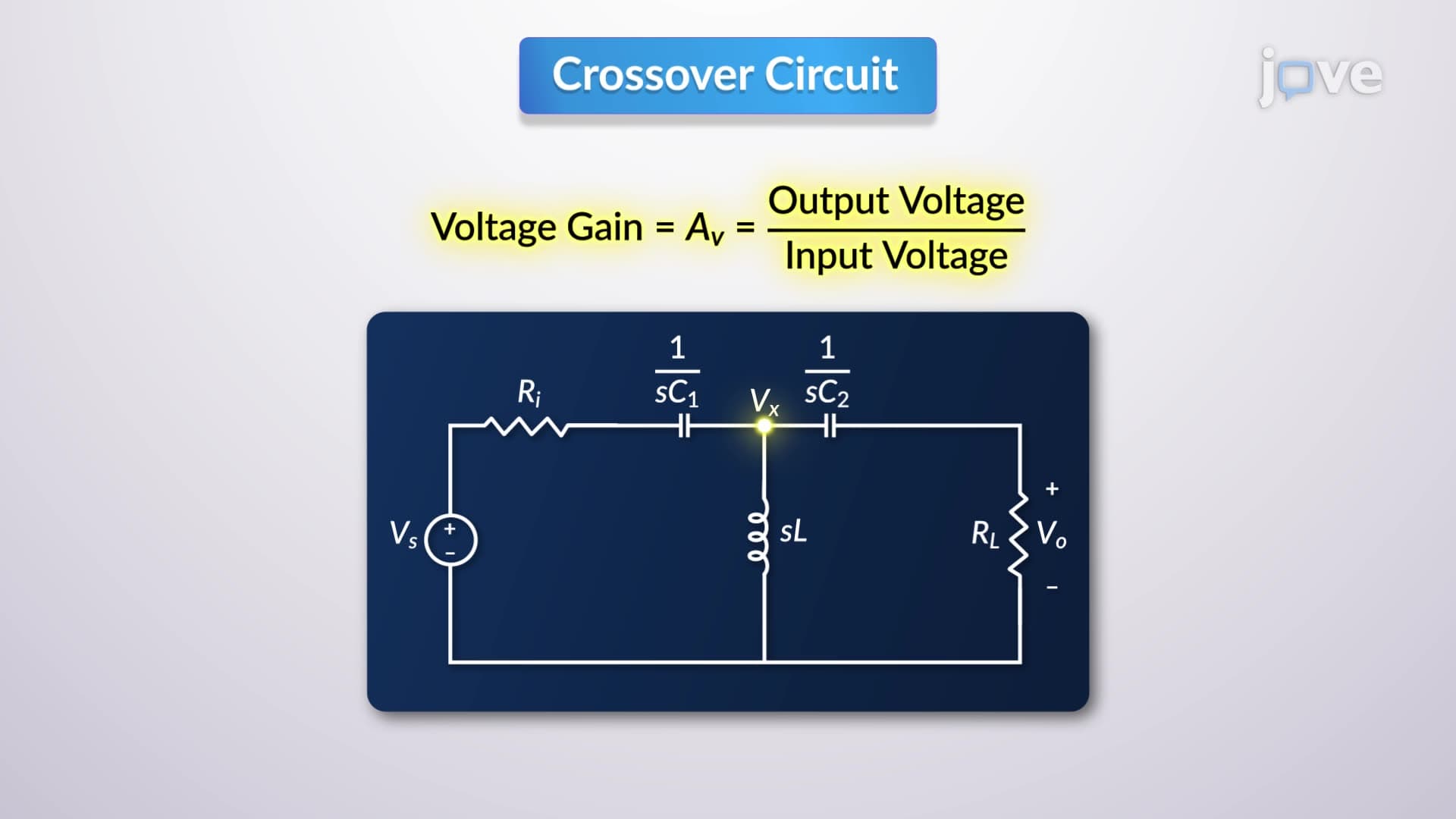
What is gain represents one of the most fundamental concepts in electrical engineering and signal processing. Gain quantifies how much a system amplifies or attenuates an input signal, providing engineers with a standardized method to characterize system performance. Unlike simple multiplication factors, gain measurements use logarithmic scales that make complex calculations more manageable and intuitive for practical applications.
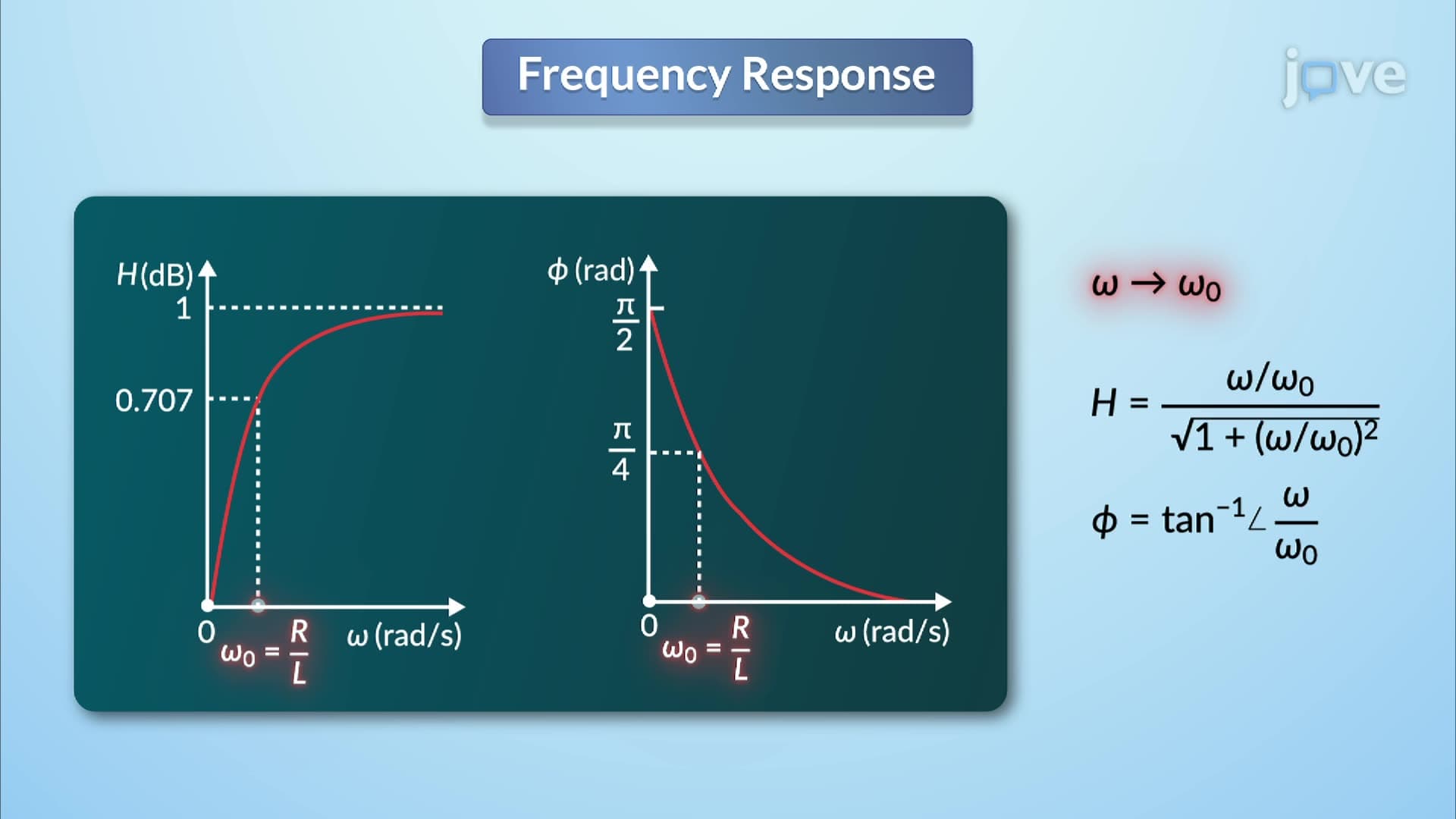
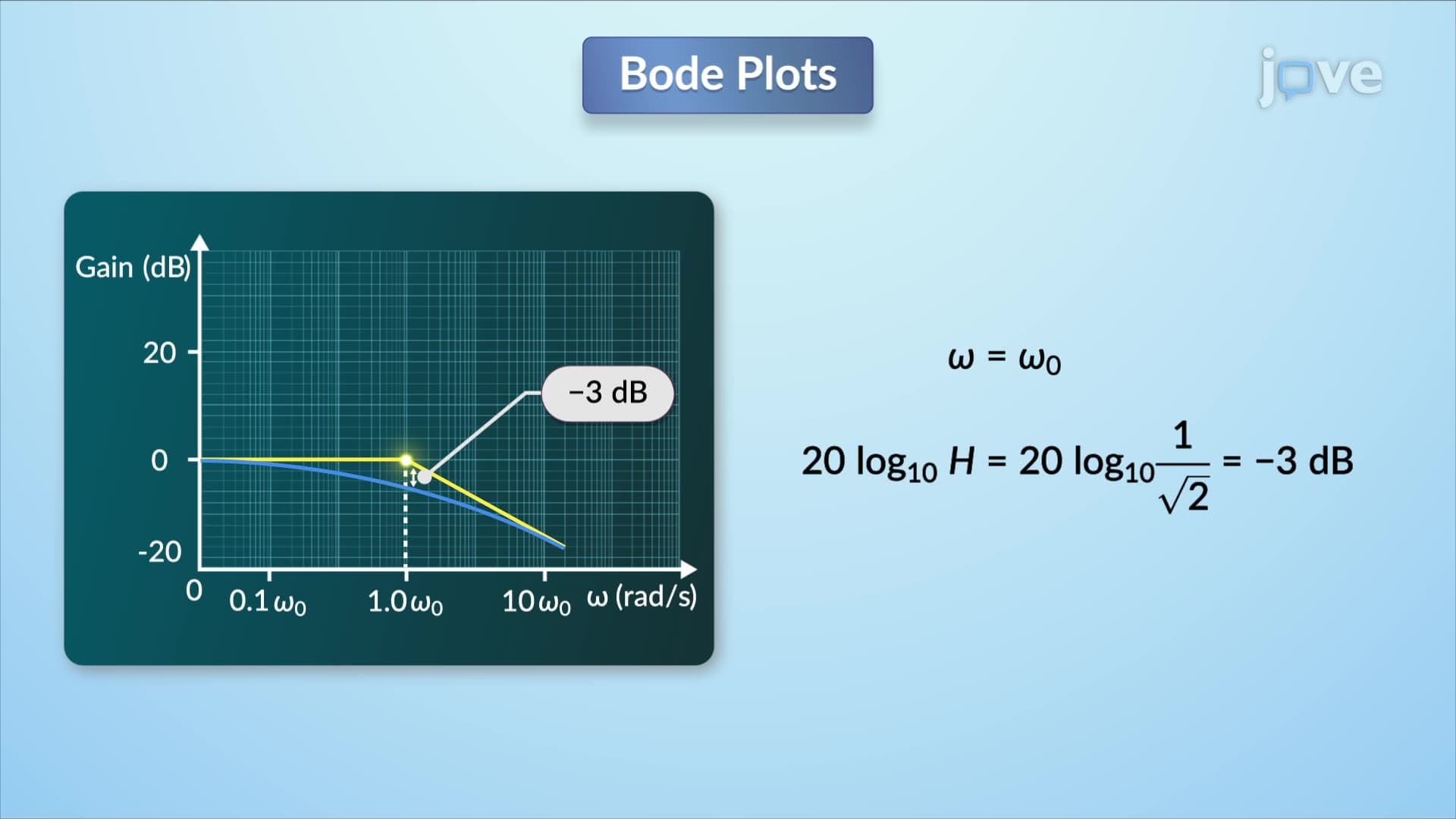
The decibel (dB) serves as the industry standard for expressing gain because it compresses wide dynamic ranges into manageable numbers. When output power equals input power, the system exhibits 0 dB gain-neither amplification nor attenuation occurs. A +3 dB gain indicates the output power doubles the input power, while -3 dB means the output power drops to half the input power. These specific values appear frequently in bode plots definition contexts because they represent half-power points in frequency response analysis.
Consider practical applications: Qualcomm's 5G chipsets in smartphones must maintain precise gain control across multiple frequency bands. When designing these systems, engineers use bode plots overview techniques to ensure consistent performance from 600 MHz to 39 GHz frequencies. The logarithmic nature of decibel measurements allows engineers to add gains in cascaded systems rather than multiply them, simplifying complex circuit analysis.
Understanding bode plots requires grasping how gain relates to voltage and current measurements. When input resistance equals load resistance (matched conditions), power gain directly correlates with the square of the voltage ratio. This relationship becomes crucial in RF applications like those used by SpaceX's Starlink satellite communication systems, where impedance matching ensures maximum power transfer.
The mathematical relationship follows: Power Gain (dB) = 20 × log10(Vout/Vin) under matched conditions. This formula appears regularly on AP Physics exams and college-level circuits courses. Students preparing for the MCAT's physics section encounter similar concepts when analyzing biological signal amplification in neural networks.
Major US companies leverage gain calculations daily. Intel's processor designs require precise gain control in amplification stages to maintain signal integrity across billions of transistors. Similarly, medical device manufacturers like Medtronic use bode plots concept principles when designing cardiac pacemakers, ensuring reliable signal amplification across varying physiological conditions.
For students taking SAT Subject Tests or college engineering courses, understanding these gain relationships provides foundation knowledge for advanced topics like control systems, filter design, and communication theory. The bode plots study guide approach emphasizes both theoretical understanding and practical problem-solving skills essential for engineering careers.
Related Micro-courses