Loading video…


 15 Concepts
 8.3K views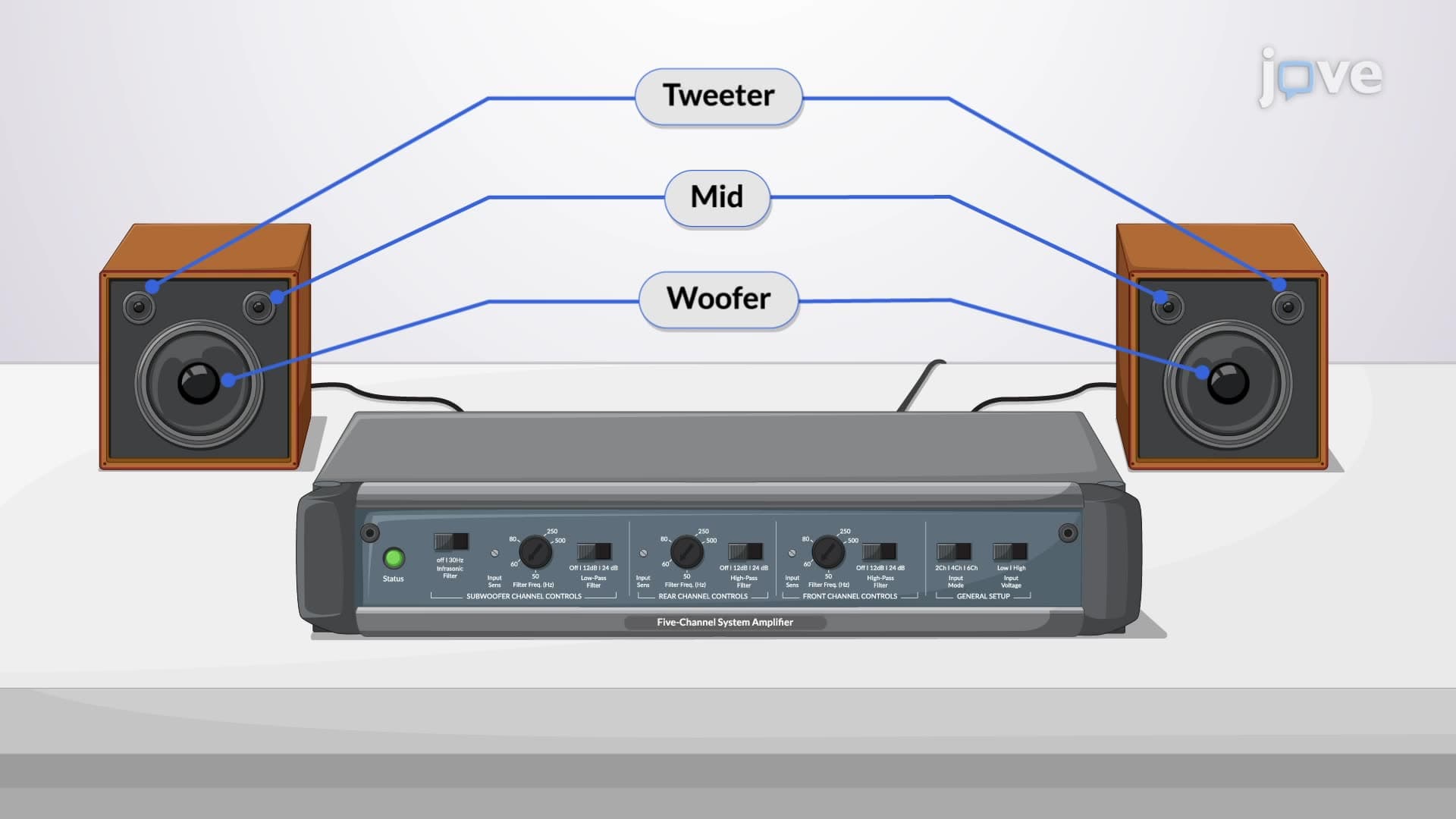

Video Summary: What are Passive Filters
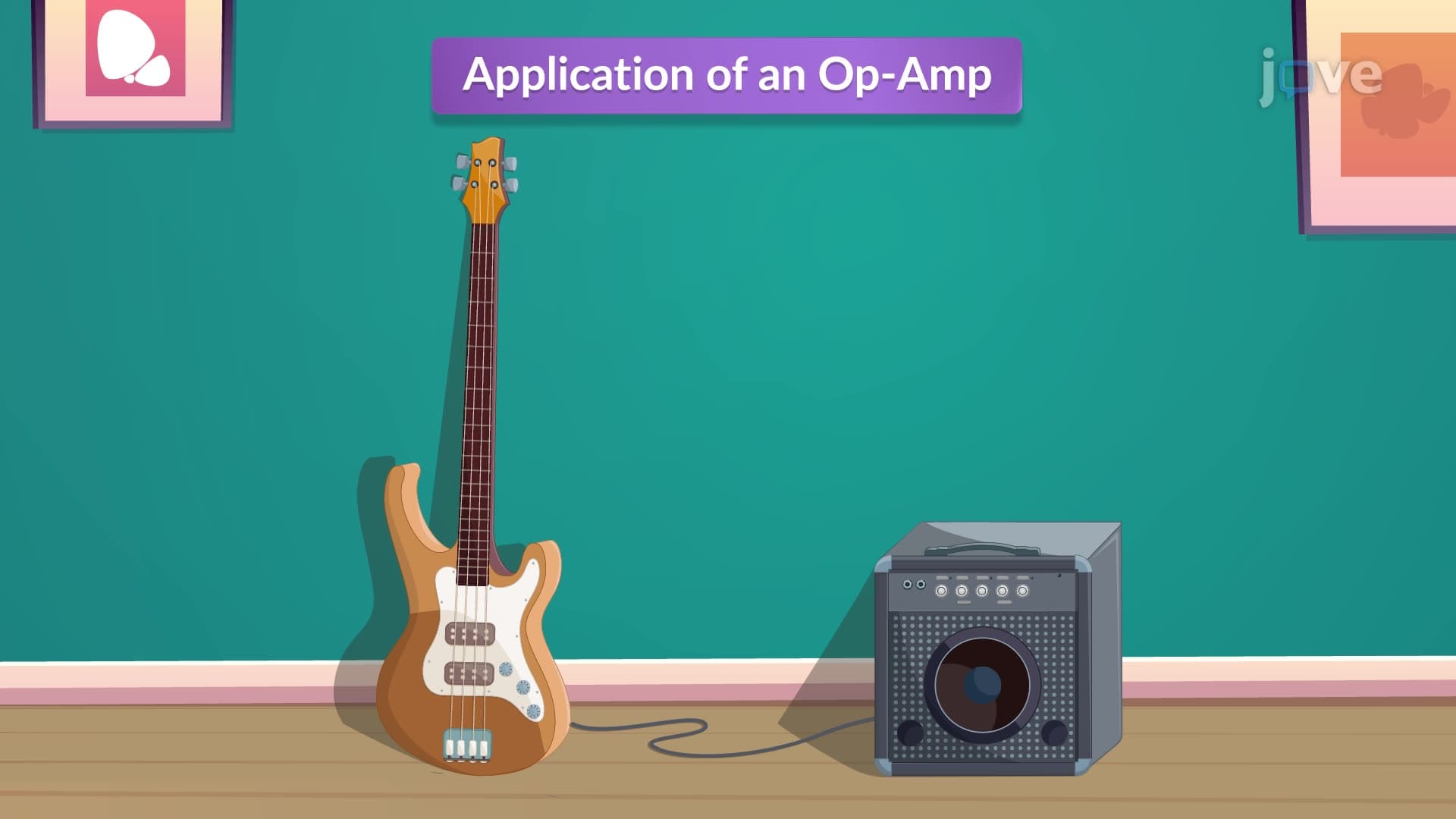
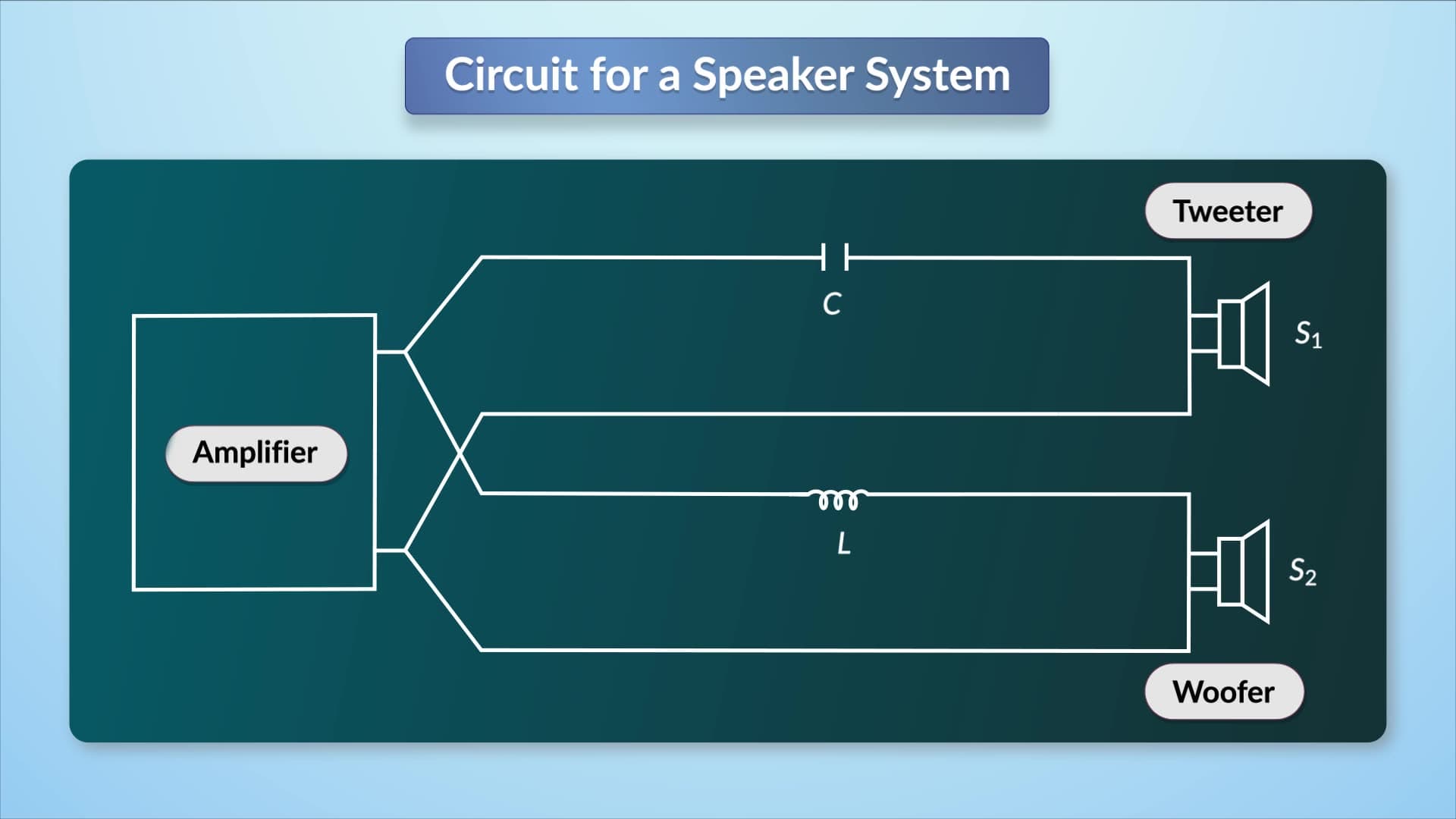
Did you know that every time you listen to music through speakers, passive filters are working behind the scenes to deliver crystal-clear sound? Active filters use operational amplifiers and external power sources to process electrical signals, unlike their passive counterparts that rely solely on resistors, inductors, and capacitors. In professional audio systems like those used in recording studios across Nashville and Los Angeles, engineers carefully design filter circuits to separate bass, midrange, and treble frequencies for optimal sound reproduction. Watch the full video on JoVE Coach to master this concept with expert-led visuals and step-by-step explanations.
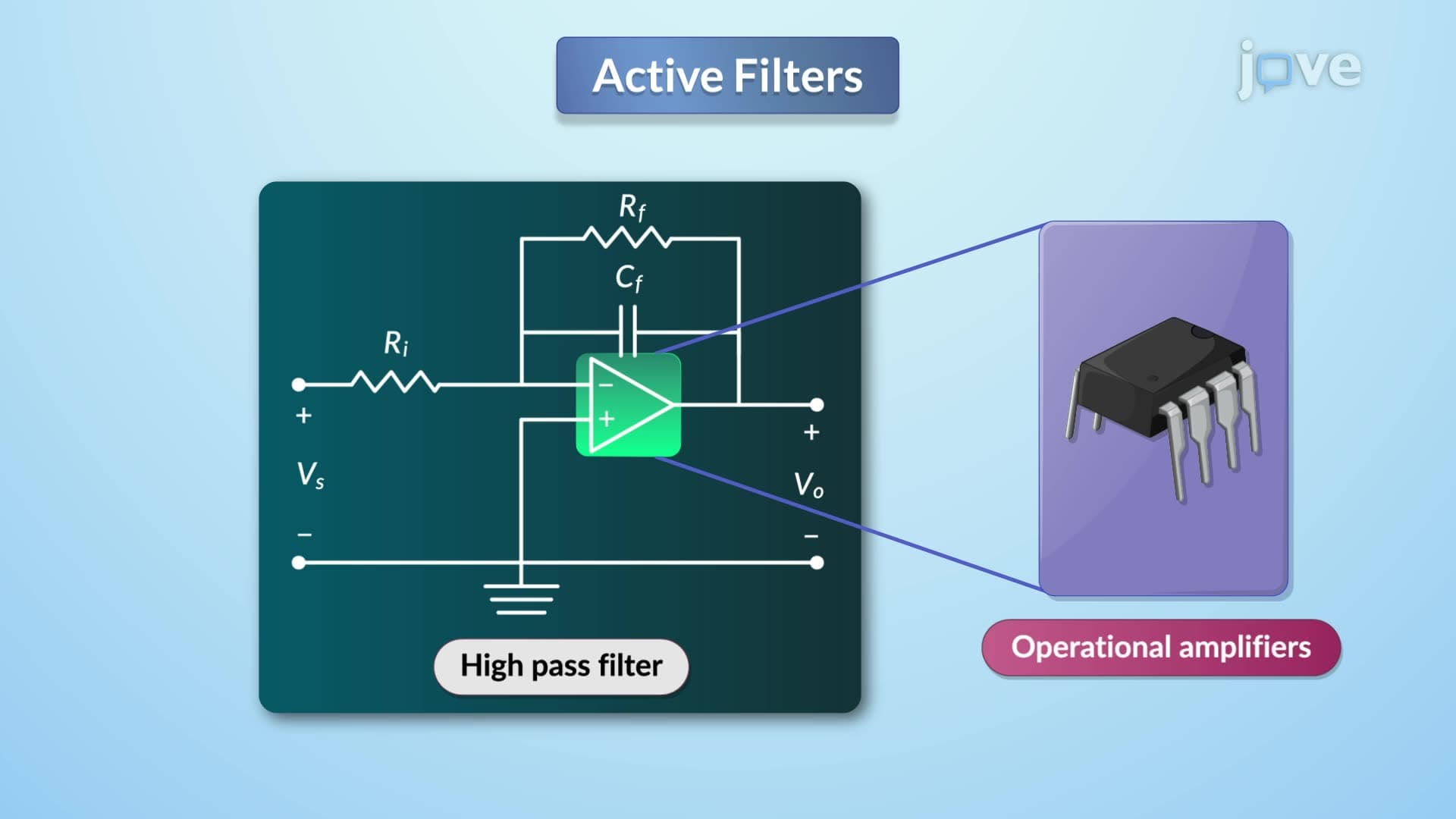
While passive filters rely exclusively on resistors, inductors, and capacitors, active filters incorporate operational amplifiers (op-amps) and require external power sources to function. This fundamental difference gives active filters several advantages: they can provide signal amplification, offer better impedance matching, and maintain consistent performance across varying load conditions. Active filters have become essential in modern electronics because they don't suffer from the insertion loss that plagues passive designs.
The four primary types of active filters serve distinct purposes in signal processing applications. Low-pass active filters allow frequencies below the cutoff point to pass while attenuating higher frequencies, making them ideal for anti-aliasing in digital audio systems used by companies like Apple and Spotify. High-pass active filters perform the opposite function, blocking low frequencies while passing high frequencies, crucial for eliminating power line interference in sensitive medical equipment used in hospitals across the United States.
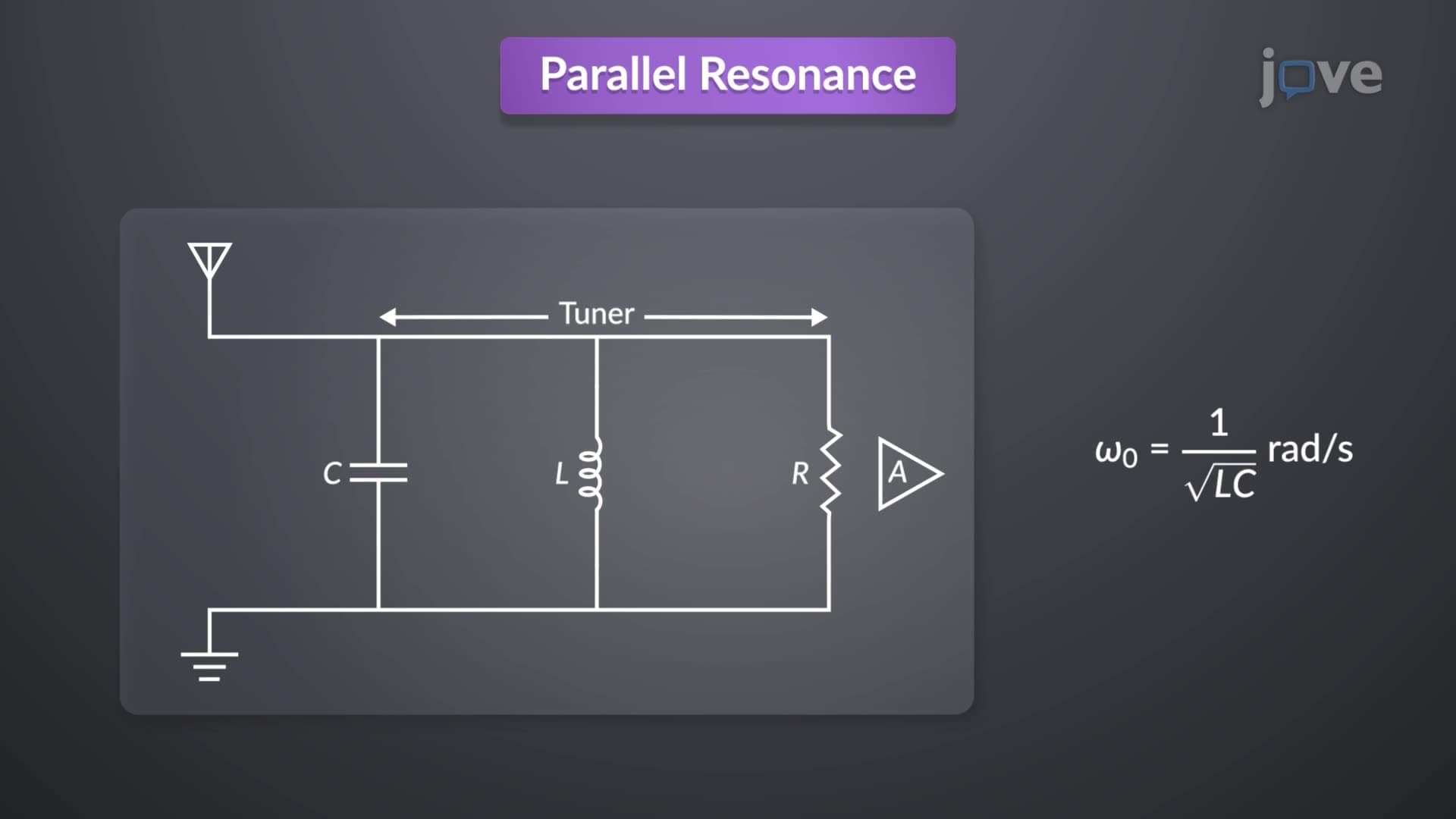
Band-pass active filters combine low-pass and high-pass characteristics to isolate specific frequency ranges. These filters are extensively used in radio communication systems, including those operated by the Federal Communications Commission (FCC) for spectrum management. Band-stop (or notch) filters block a narrow range of frequencies while allowing all others to pass, commonly employed in power supply circuits to eliminate 60 Hz hum in sensitive laboratory instruments.
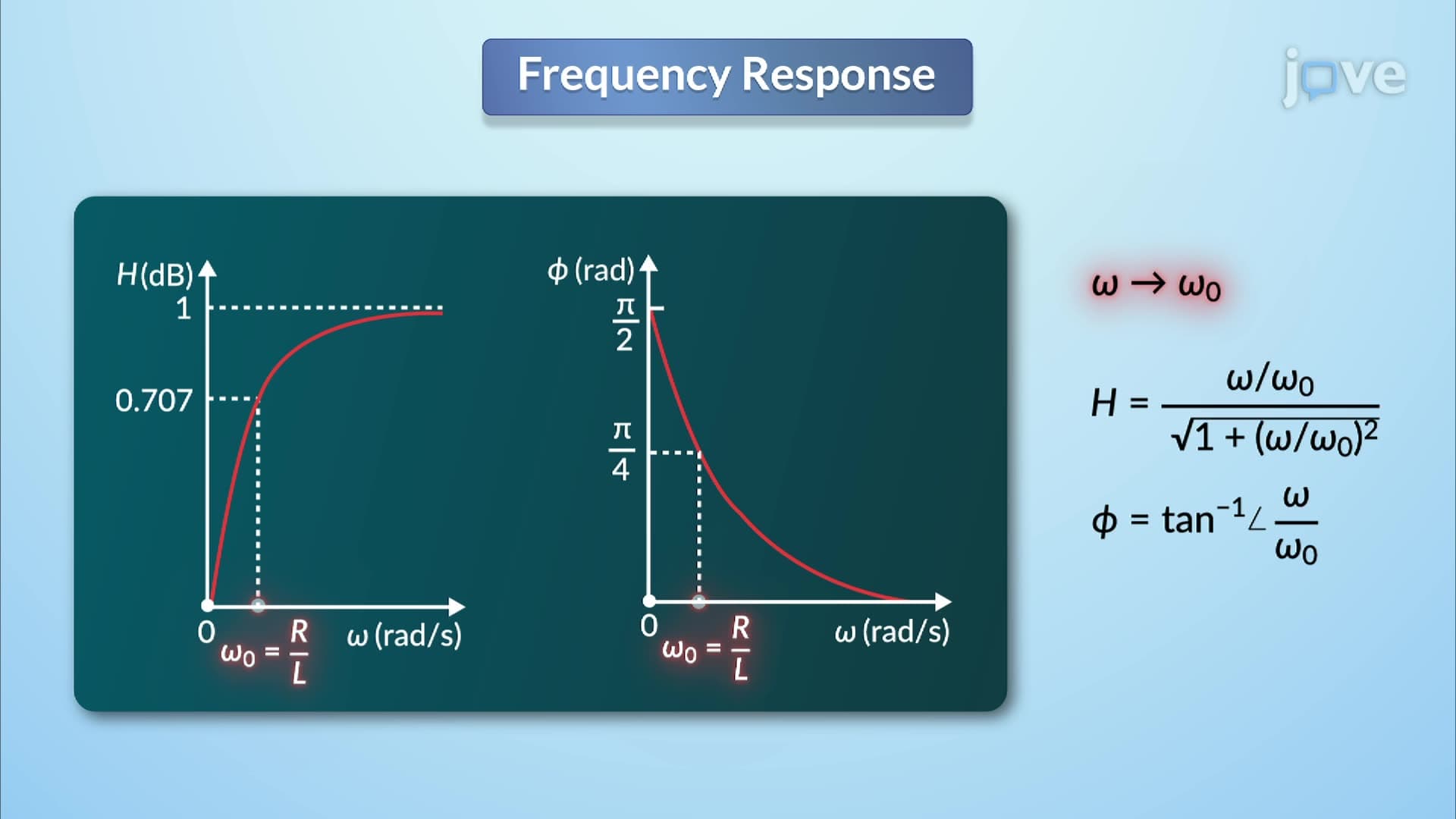
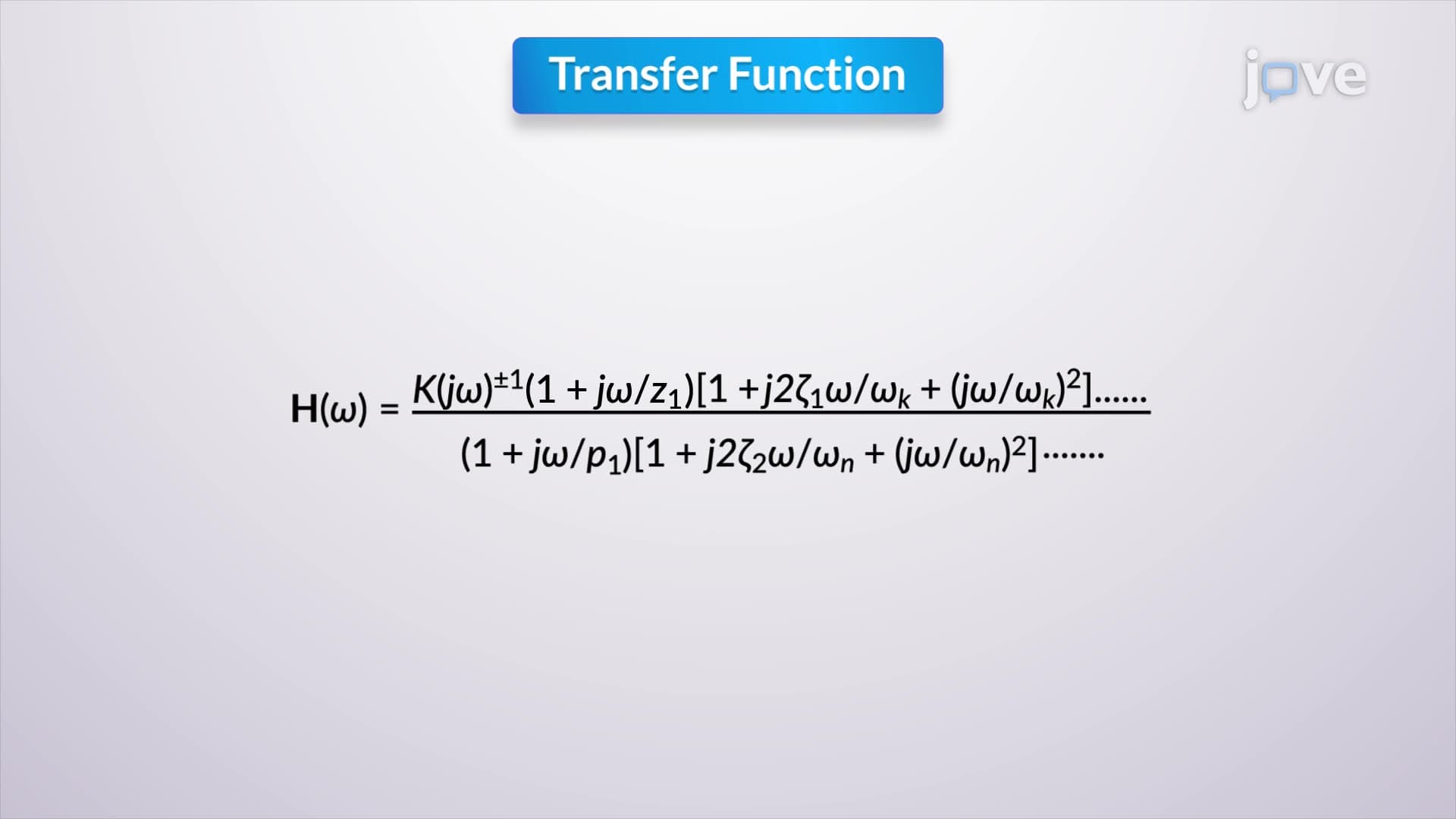
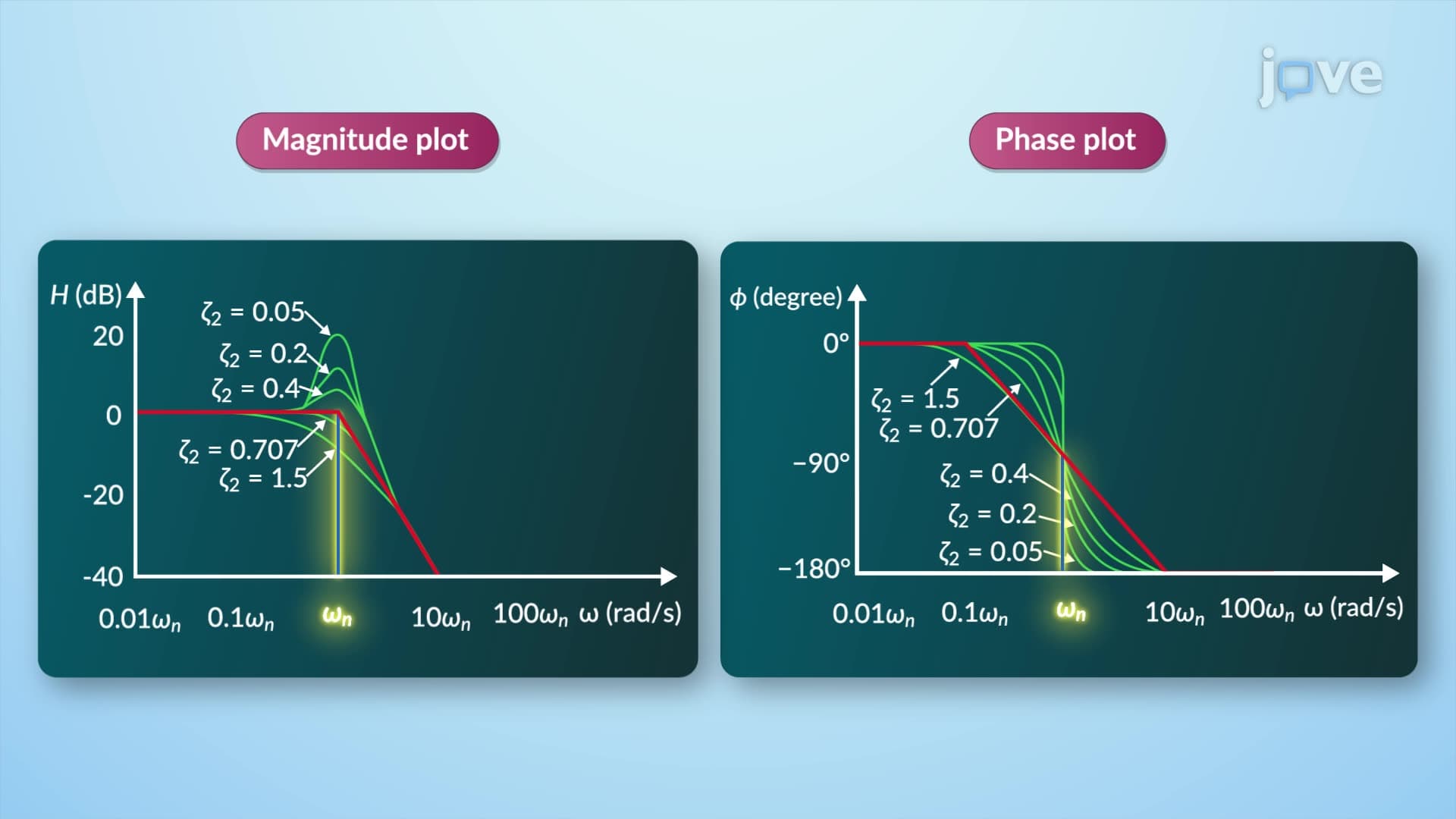
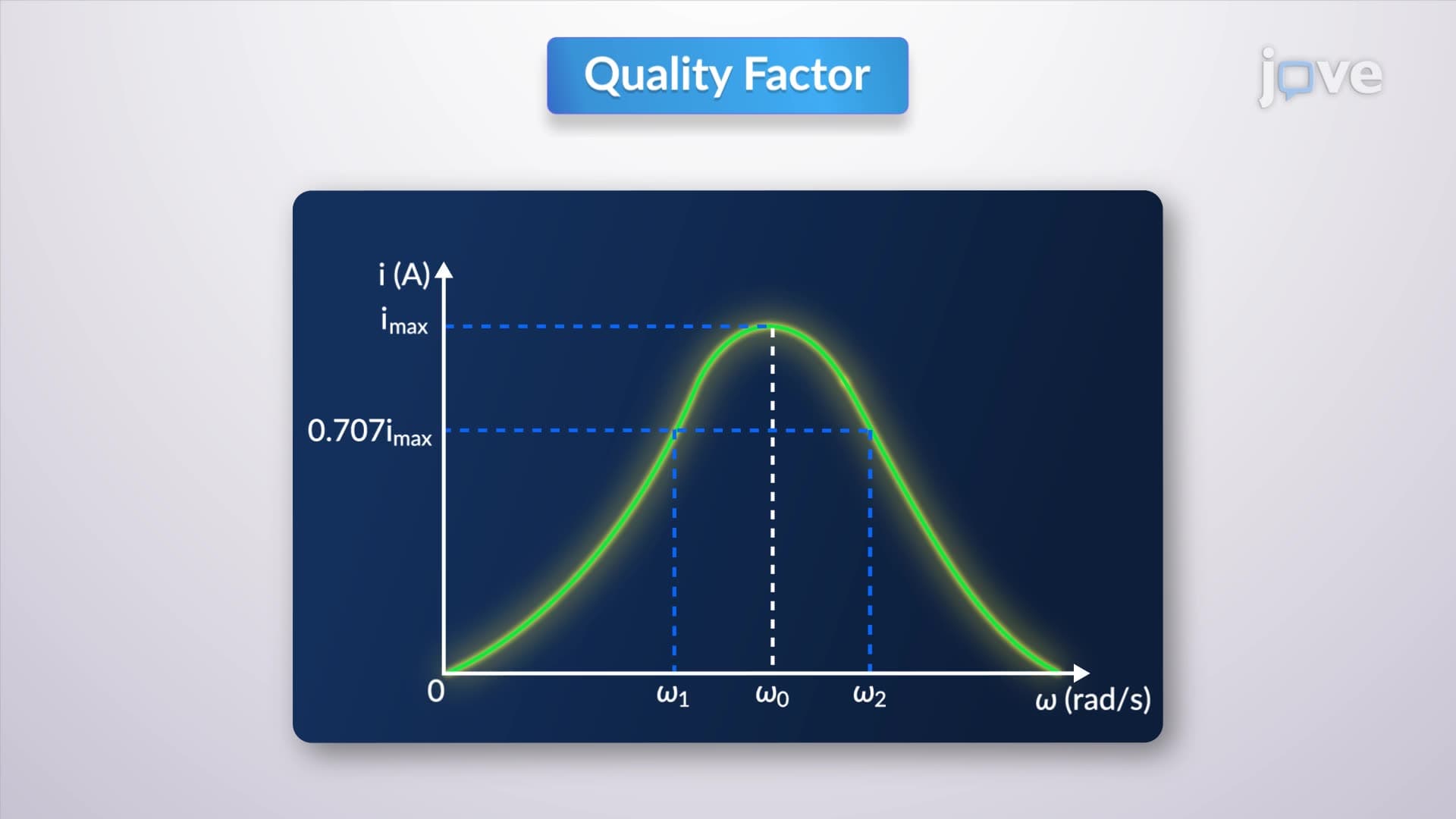
The transfer function H(jω) = Vout/Vin describes how an active filter modifies input signals across different frequencies. Unlike passive filters, active filters can achieve transfer function magnitudes greater than unity, providing both filtering and amplification simultaneously. The quality factor (Q) determines the sharpness of the frequency response, with higher Q values producing steeper roll-off characteristics essential for precision applications in aerospace and defense industries.
Active filters appear frequently on standardized exams including the AP Physics C exam and college-level electrical engineering coursework. Students should master concepts like op-amp behavior, feedback mechanisms, and frequency response analysis. In practice, companies like Texas Instruments and Analog Devices manufacture specialized active filter ICs used in everything from smartphone audio processing to automotive sensor systems, making this knowledge directly applicable to career paths in electrical engineering and signal processing.
Related Micro-courses