Loading…
Loading video…

201,008 views
Ever wonder why your coffee sloshes backward when an airplane accelerates down the runway? Accelerating fluids behave differently than stationary liquids, creating fascinating pressure distributions that affect everything from NASA fuel tanks during rocket launches to hydraulic systems in construction equipment. When fluids experience acceleration, the traditional hydrostatic pressure equations no longer apply, requiring modified calculations that account for the additional forces. Understanding what are accelerating fluids reveals the physics behind countless engineering applications across aerospace, automotive, and industrial sectors. Watch the full video on JoVE Coach to master this concept with expert-led visuals and step-by-step explanations.
Accelerating fluids represent a fundamental concept in fluid mechanics where liquid or gas systems experience non-zero acceleration, creating unique pressure and force distributions that deviate from static conditions. Unlike stationary fluids governed by simple hydrostatic pressure laws, accelerating fluids require modified analysis incorporating inertial effects from Newton's second law.
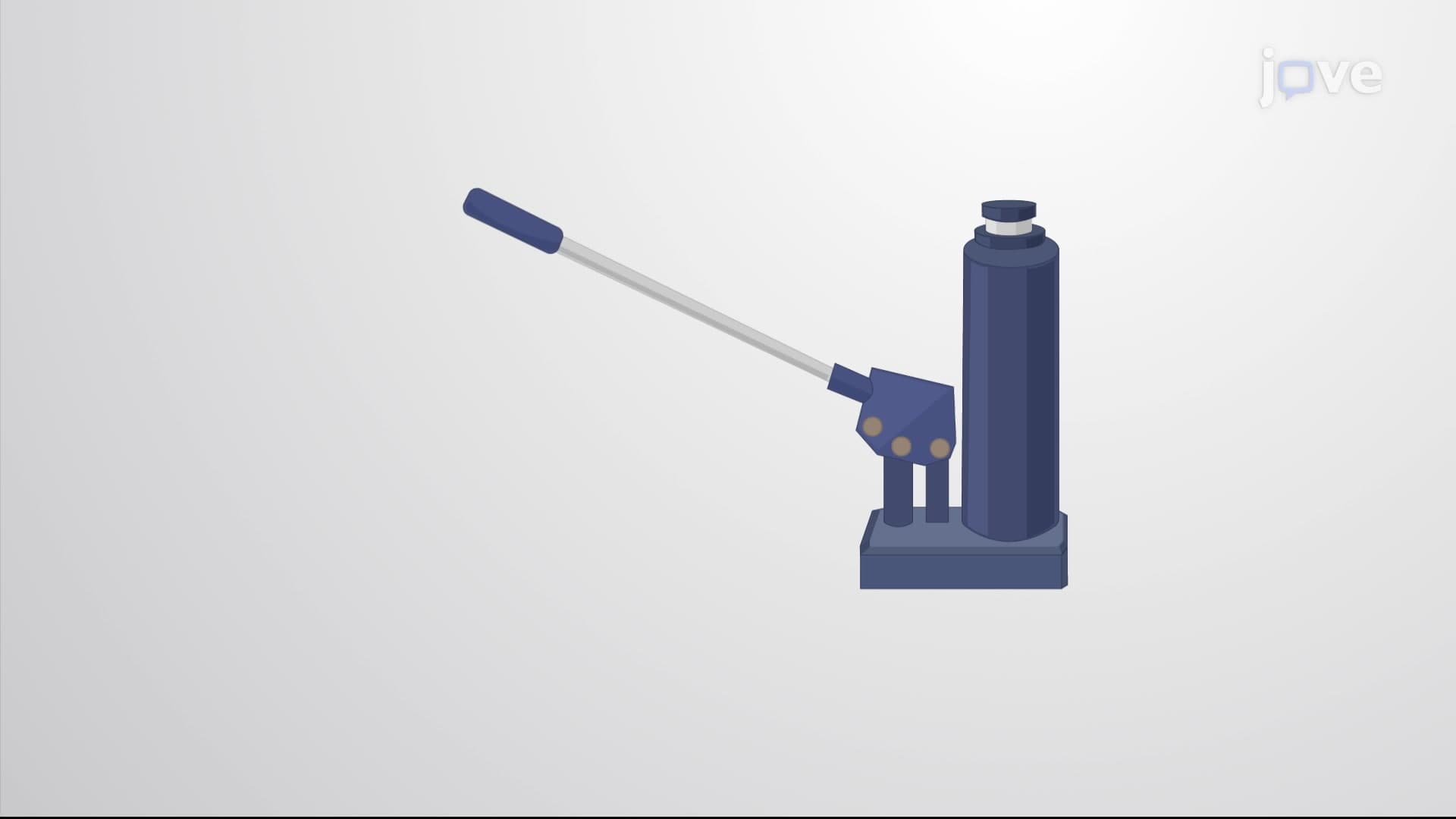
When analyzing fluid elements in accelerating systems, three distinct vertical forces emerge. The upward pressure force results from fluid below pushing against the bottom surface, while the downward pressure force comes from fluid above pressing down on the top surface. Additionally, the gravitational weight acts downward on the fluid element itself. This force balance becomes critical in elevator hydraulics used in skyscrapers like New York's One World Trade Center, where rapid acceleration affects hydraulic fluid behavior.
The mathematical relationship derives from Newton's second law: F = ma. For a fluid element with density ρ, height h, and cross-sectional area A, the net upward force equals mass times acceleration. This yields the pressure difference equation: ΔP = ρ(g + a)h for upward acceleration, where 'a' represents the system's acceleration and 'g' is gravitational acceleration.
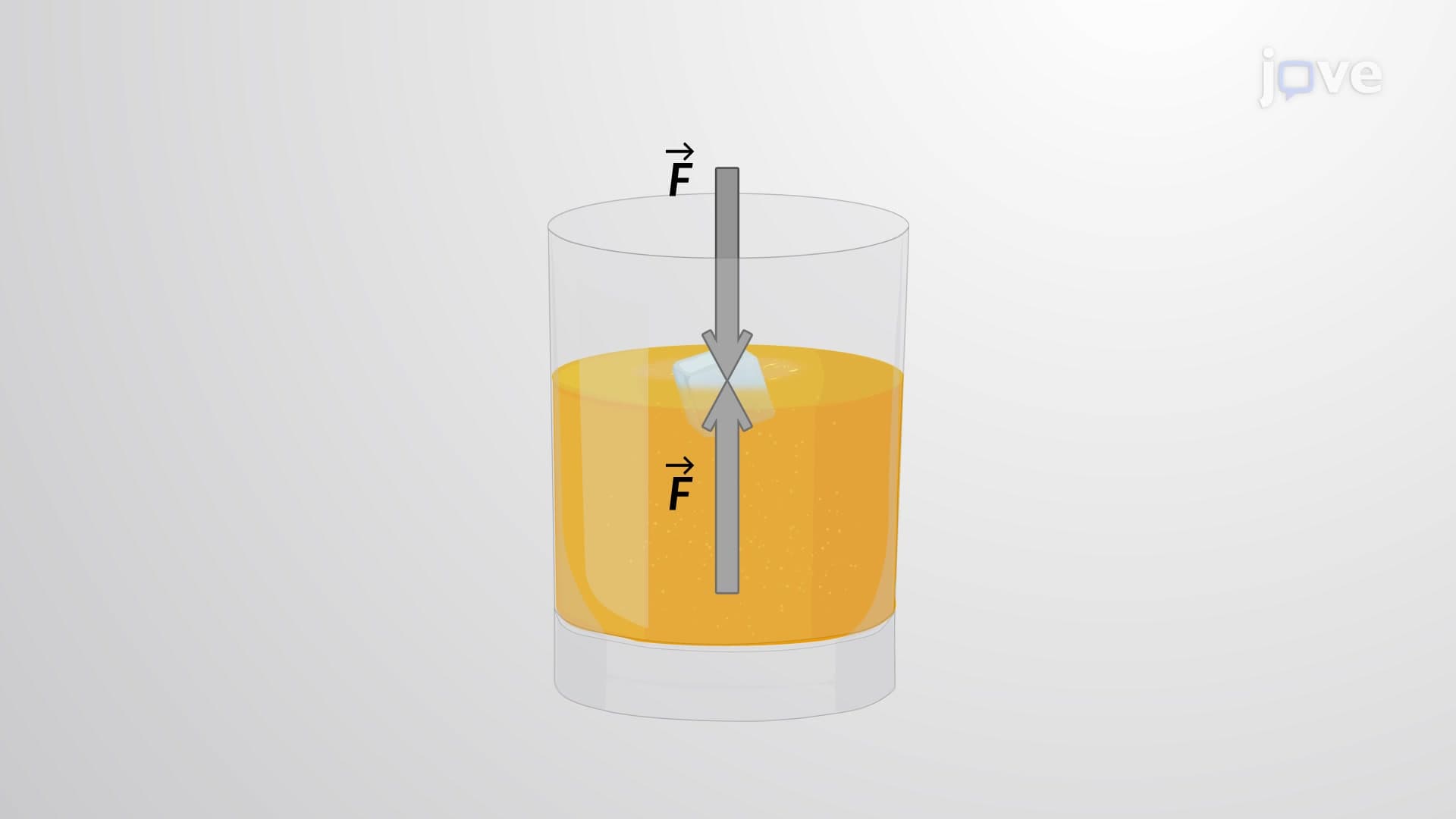
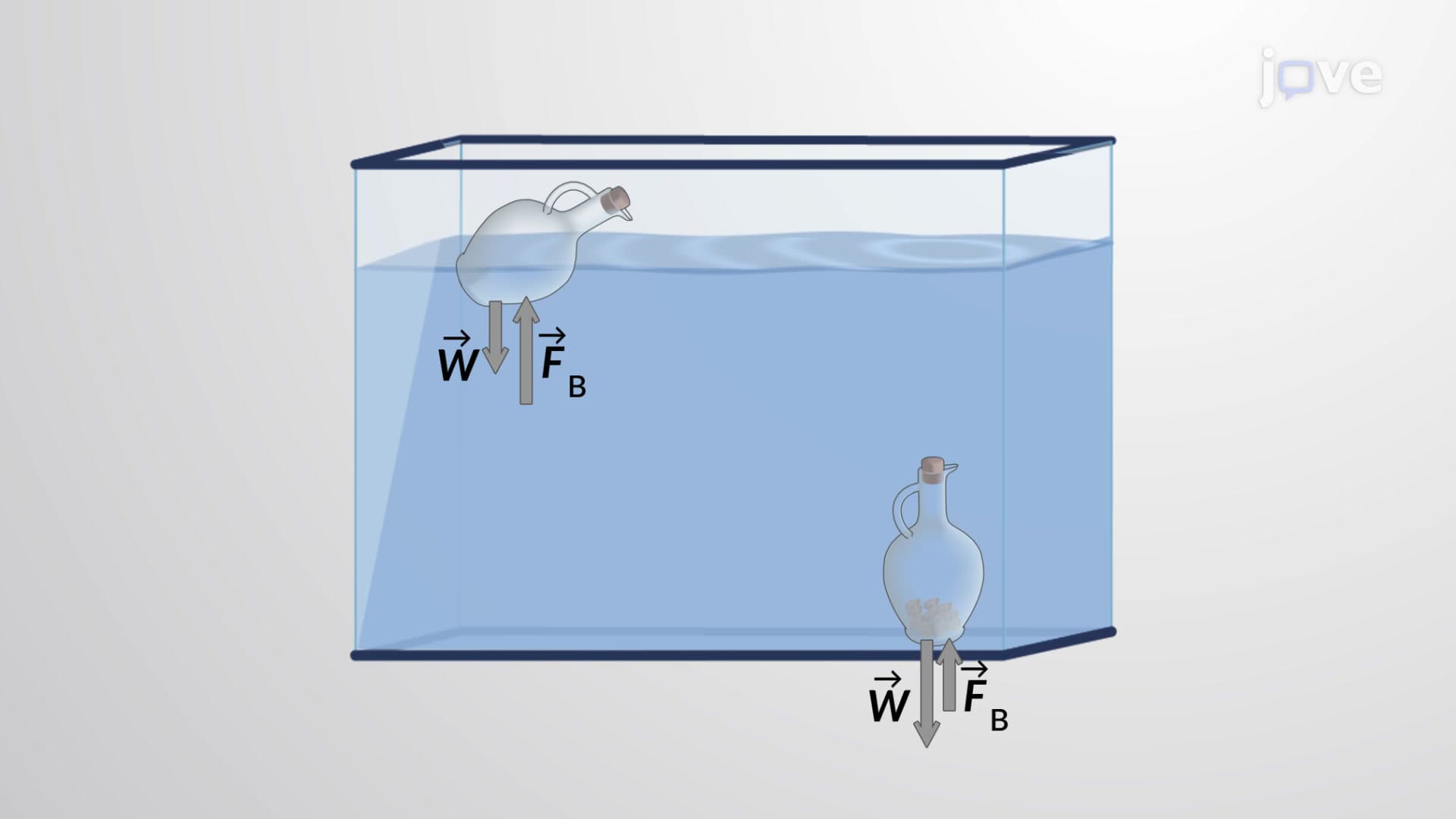
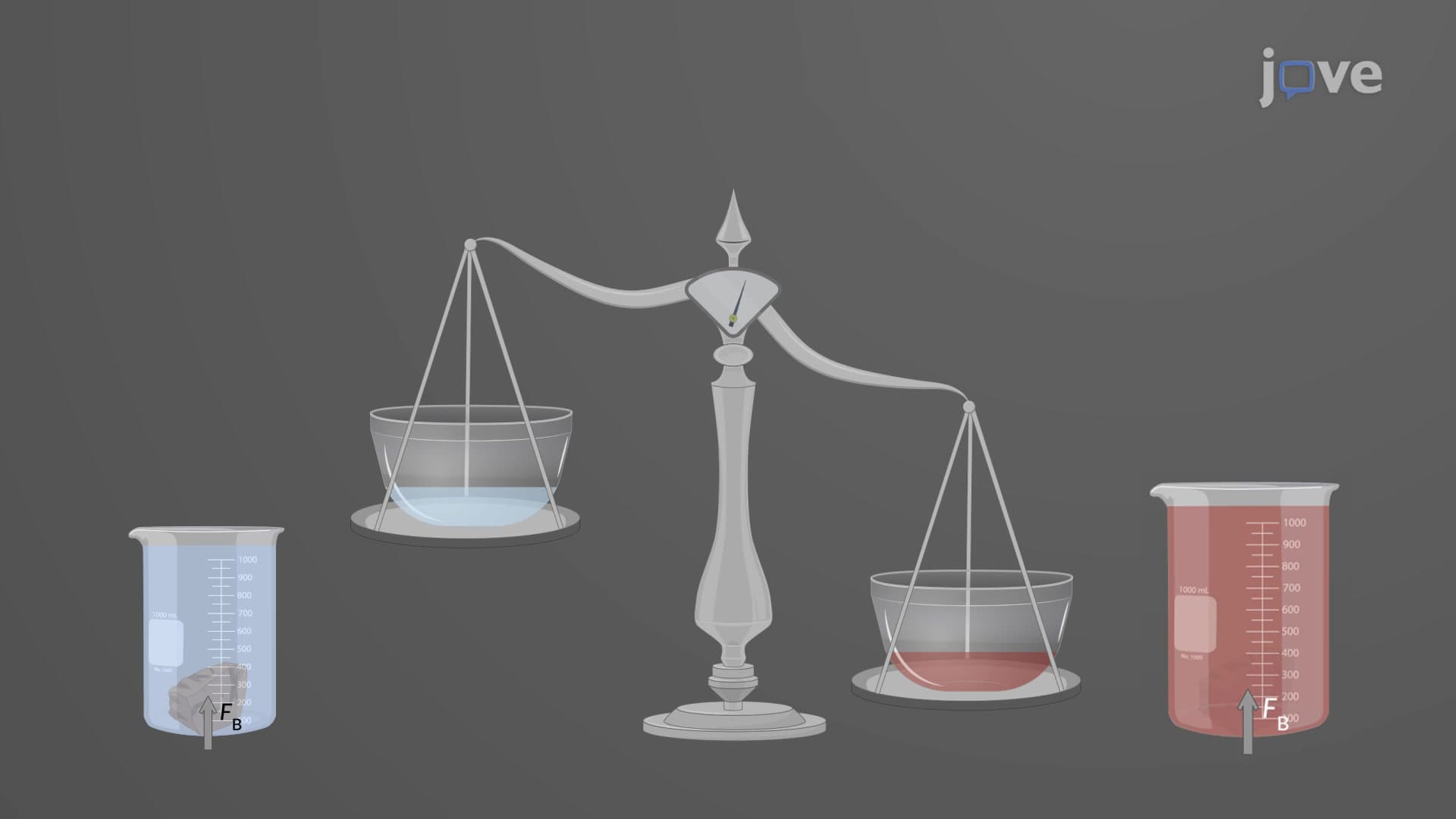
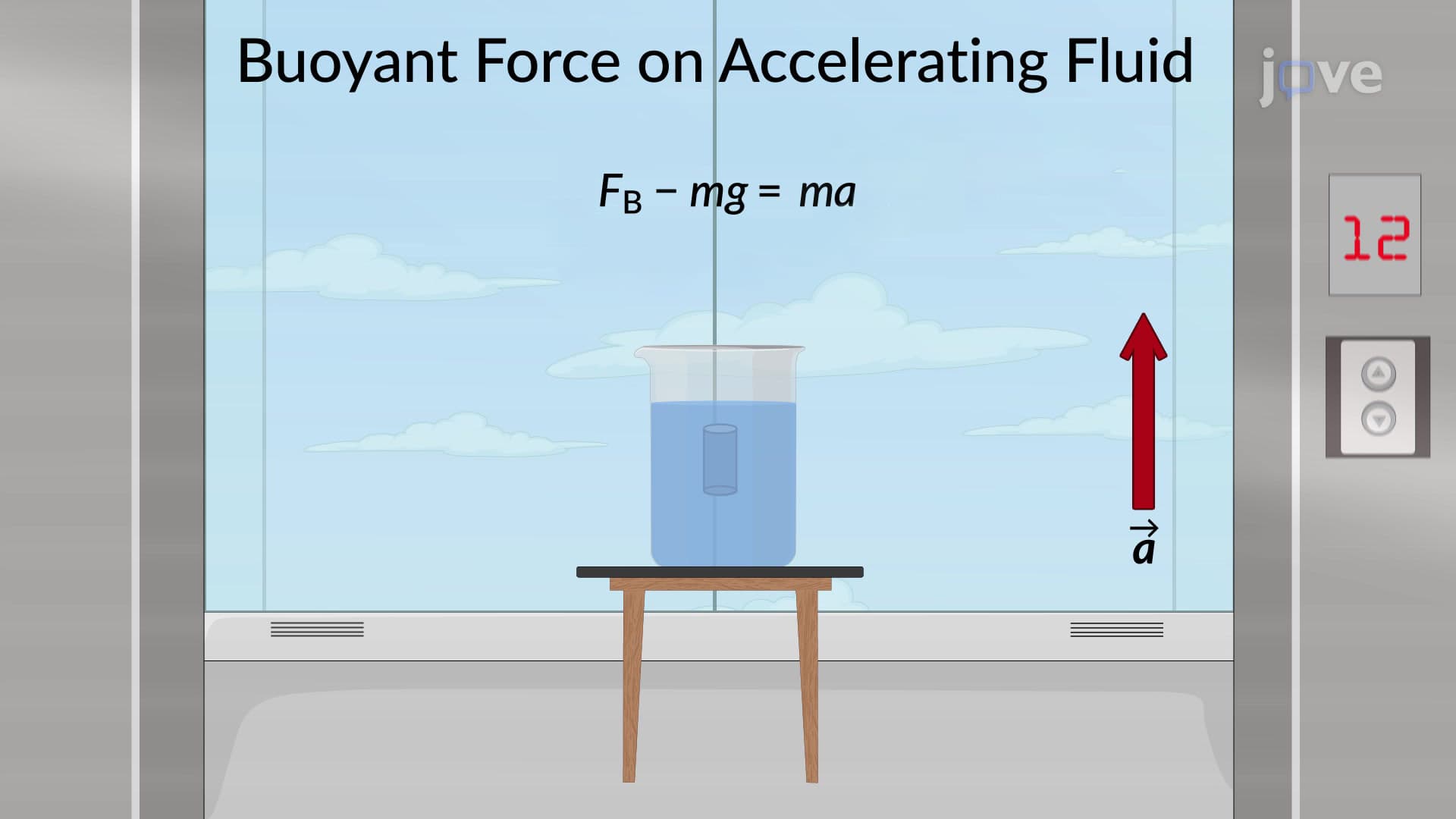
Buoyant forces in accelerating fluids follow modified Archimedes' principles. When objects are submerged in accelerating fluids, the effective gravitational field becomes (g + a) for upward acceleration or (g - a) for downward acceleration. This principle applies in NASA's reduced-gravity aircraft training, where astronauts experience varying buoyant forces as the aircraft follows parabolic flight paths.
The buoyant force equation becomes: F(buoyant) = ρ(fluid) × V(displaced) × (g ± a), depending on acceleration direction. This modified buoyancy affects submarine ballast systems during rapid depth changes and influences fuel tank design in Formula 1 racing cars experiencing high cornering accelerations.
Students encounter accelerating fluid problems on AP Physics exams, college mechanics courses, and MCAT physical sciences sections. Common scenarios include elevator problems, accelerating vehicles with fluid containers, and rotating reference frames. Understanding these concepts prepares students for advanced coursework in aerospace engineering, mechanical engineering, and fluid dynamics.
Industrial applications span from automotive fuel injection systems during rapid acceleration to chemical processing equipment handling fluids under varying acceleration conditions. Oil refineries along the Gulf Coast utilize these principles when designing storage tanks that must account for seismic accelerations and transportation-induced fluid motion.
Frequently Asked Questions
Accelerating fluids are liquid or gas systems experiencing non-zero acceleration, creating modified pressure distributions compared to stationary fluids. Unlike static fluids where pressure varies only with depth (P = ρgh), accelerating fluids require additional terms accounting for inertial forces. The pressure difference becomes ΔP = ρ(g ± a)h, where 'a' represents the system's acceleration. This affects everything from elevator hydraulics to spacecraft fuel systems.
AP Physics C and college mechanics courses frequently test accelerating fluid concepts through elevator problems, vehicle acceleration scenarios, and rotating reference frames. Students typically calculate pressure differences, buoyant forces, and fluid motion in accelerating containers. MCAT physical sciences sections also include these principles when testing fluid mechanics understanding. Practice problems often involve deriving pressure equations and analyzing force balances.
The fundamental equation is ΔP = ρ(g ± a)h for vertical acceleration, derived from Newton's second law applied to fluid elements. For buoyancy, the modified Archimedes' principle becomes F(buoyant) = ρ(fluid) × V(displaced) × (g ± a). The plus sign applies for upward acceleration, minus for downward. These equations appear frequently on physics exams and engineering coursework.
Common examples include elevator hydraulic systems in skyscrapers like Chicago's Willis Tower, automotive fuel systems during rapid acceleration, and NASA spacecraft fuel tanks during launch. Aircraft hydraulics experience acceleration effects during takeoff and landing at airports nationwide. Industrial applications include oil refinery storage tanks designed for seismic acceleration and chemical processing equipment handling fluids under varying motion conditions.
Basic accelerating fluid problems require only algebra and introductory physics principles from Newton's laws. High school students can master fundamental concepts using simple force balance equations and pressure relationships. Advanced applications involving continuous acceleration fields or complex geometries require calculus, but core principles remain accessible to students with solid algebra and basic physics knowledge.
Start by identifying the acceleration direction and magnitude, then apply Newton's second law to fluid elements. Draw clear force diagrams showing pressure forces, weight, and any applied forces. Use the modified pressure equation ΔP = ρ(g ± a)h and remember to adjust buoyant forces for acceleration effects. Practice with elevator problems, accelerating vehicles, and rotating systems to build problem-solving confidence before exams.
Advanced topics include fluid dynamics with varying acceleration fields, rotating reference frames with centrifugal effects, and non-inertial coordinate systems. Students can explore computational fluid dynamics applications, aerospace engineering fluid systems, and advanced buoyancy problems. These concepts prepare for upper-level physics courses, engineering fluid mechanics, and specialized applications in mechanical or aerospace engineering programs.
Related Micro-courses
Related Subjects
 Math Fundamentals 11 micro-courses›
 Statistics 17 micro-courses›