Loading…
Loading video…

201,008 views
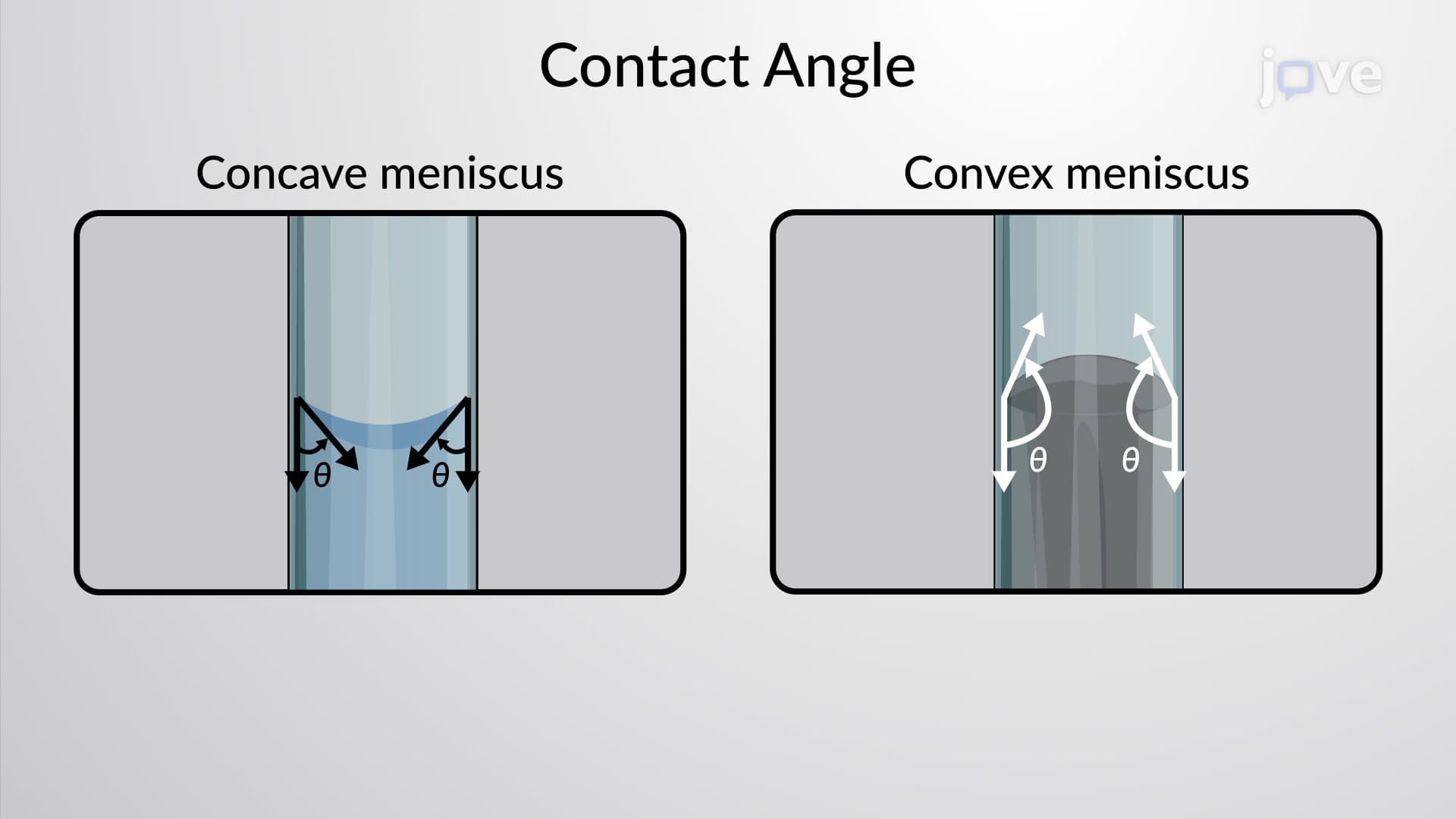
Ever wonder why water beads up on a freshly waxed car but spreads out on glass? The contact angle explains this fascinating phenomenon that occurs when liquids meet solid surfaces. In a laboratory setting, water forms a curved meniscus in test tubes due to these molecular interactions. This concept appears frequently on AP Chemistry and Physics exams, making it essential for college-bound students. Watch the full video on JoVE Coach to master this concept with expert-led visuals and step-by-step explanations.
Contact angle represents the geometric measurement of how a liquid droplet interacts with a solid surface at their interface. When you draw imaginary tangent lines at the three-phase contact point—one along the solid surface toward the liquid and another along the liquid surface away from the solid—the angle between these tangents defines the contact angle.
This measurement ranges from 0° to 180° and serves as a quantitative indicator of wettability. Acute angles (less than 90°) indicate good wetting, where the liquid spreads across the surface. Obtuse angles (greater than 90°) show poor wetting, causing the liquid to form droplets or beads.
The contact angle definition emerges from competing molecular forces at the interface. Adhesive forces act perpendicular to the solid surface, pulling liquid molecules toward the solid. These intermolecular attractions include van der Waals forces, hydrogen bonding, and electrostatic interactions depending on the materials involved.
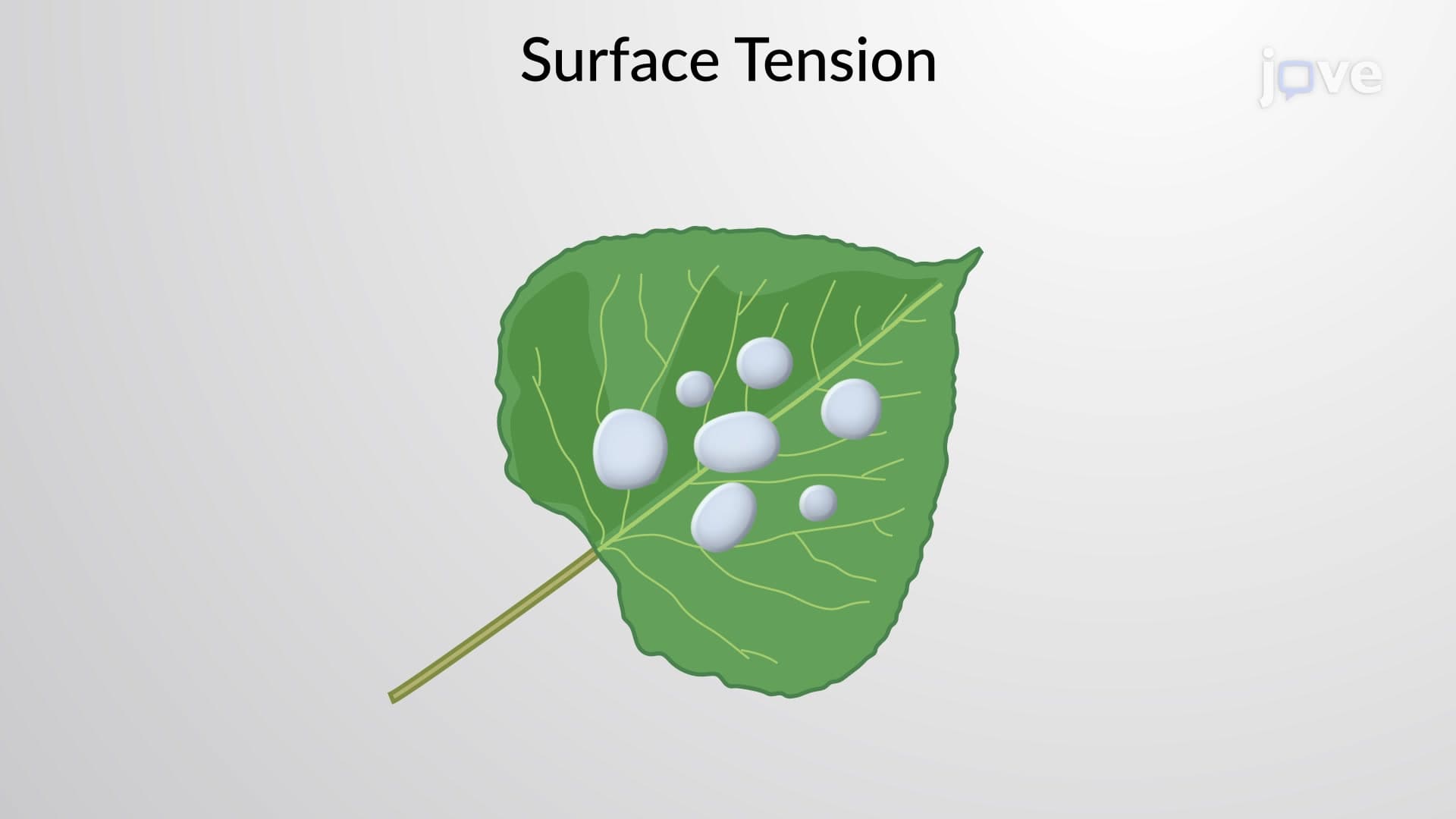
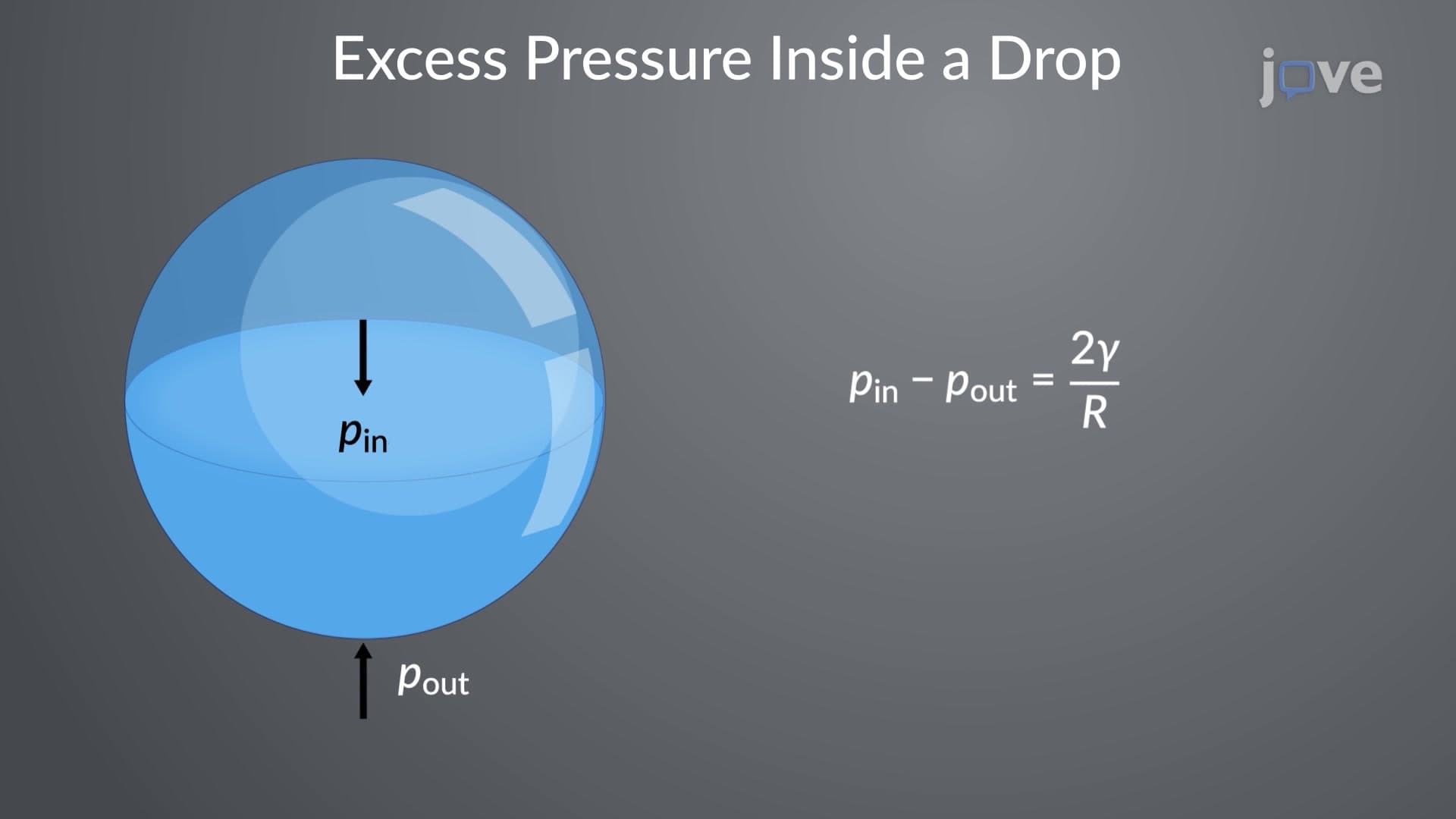
Cohesive forces operate within the liquid, creating surface tension that tends to minimize the liquid's surface area. When adhesive forces dominate, liquids wet the surface effectively (think water on clean glass). When cohesive forces prevail, liquids maintain their shape and resist spreading (like mercury on most surfaces).
In laboratory settings, contact angles directly influence meniscus shape in graduated cylinders and pipettes. Water typically forms concave menisci in glass containers because strong adhesive forces between water and glass overcome water's cohesive forces. This creates the familiar curved surface that rises along the container walls.
Mercury exhibits opposite behavior, forming convex menisci due to weak adhesive forces with glass and strong metallic bonding within the liquid. Understanding these principles helps students accurately read measurements in analytical chemistry labs and explains why different measurement techniques are required for different liquids.
Contact angle principles appear extensively in AP Chemistry, AP Physics, and college-level materials science courses. Students encounter these concepts when studying surface tension, intermolecular forces, and fluid mechanics. The MCAT frequently tests understanding of how molecular interactions affect macroscopic properties.
In biotechnology applications, contact angles determine how well medical implants integrate with body tissues. Hydrophilic surfaces (low contact angles) promote cell adhesion, while hydrophobic surfaces resist protein fouling in diagnostic devices manufactured by companies like Abbott and Thermo Fisher Scientific.
Frequently Asked Questions
Contact angle measures how a liquid droplet sits on a solid surface, ranging from 0° to 180°. It reveals the balance between adhesive forces (liquid-solid attraction) and cohesive forces (liquid-liquid attraction). This concept helps predict liquid behavior in laboratory equipment, industrial processes, and biological systems.
AP Chemistry tests contact angle through intermolecular forces questions, particularly when explaining meniscus formation and surface tension. Students must connect molecular-level interactions to macroscopic observations. Practice problems often involve comparing different liquids in similar containers or explaining why certain combinations wet better than others.
Absolutely—the MCAT Physics and Chemistry sections frequently test surface tension and intermolecular forces concepts. Contact angle knowledge helps answer questions about biological membranes, drug delivery systems, and laboratory techniques. Many passage-based questions connect molecular interactions to physiological processes.
Contact angles determine biocompatibility in medical implants and diagnostic equipment. Hip replacements manufactured by companies like Johnson & Johnson use surface treatments to optimize contact angles for bone integration. Blood analysis devices rely on precise contact angle control for accurate microfluidic sample handling.
No advanced mathematics required—contact angle concepts rely primarily on conceptual understanding of force balance and geometry. High school trigonometry helps with some calculations, but most educational applications focus on qualitative predictions and trends rather than complex computations.
Create comparison charts showing different liquid-solid combinations and their expected contact angles. Practice drawing force diagrams showing adhesive vs. cohesive forces. Use everyday examples like water on different surfaces to reinforce the concepts before tackling laboratory scenarios.
Progress to surface tension quantification, capillary action mechanisms, and Young's equation for three-phase equilibrium. These advanced topics build directly on contact angle fundamentals and appear in upper-level chemistry and materials science courses.
Contact angle integrates with intermolecular forces, thermodynamics, and kinetics. It explains why certain reactions occur preferentially at interfaces and how catalyst surfaces affect reaction rates. The concept also connects to biochemistry when studying membrane interactions and protein folding.
Related Micro-courses
Related Subjects
 Math Fundamentals 11 micro-courses›
 Statistics 17 micro-courses›