Loading video…

- Physics
- Fluid Mechanics
- Density

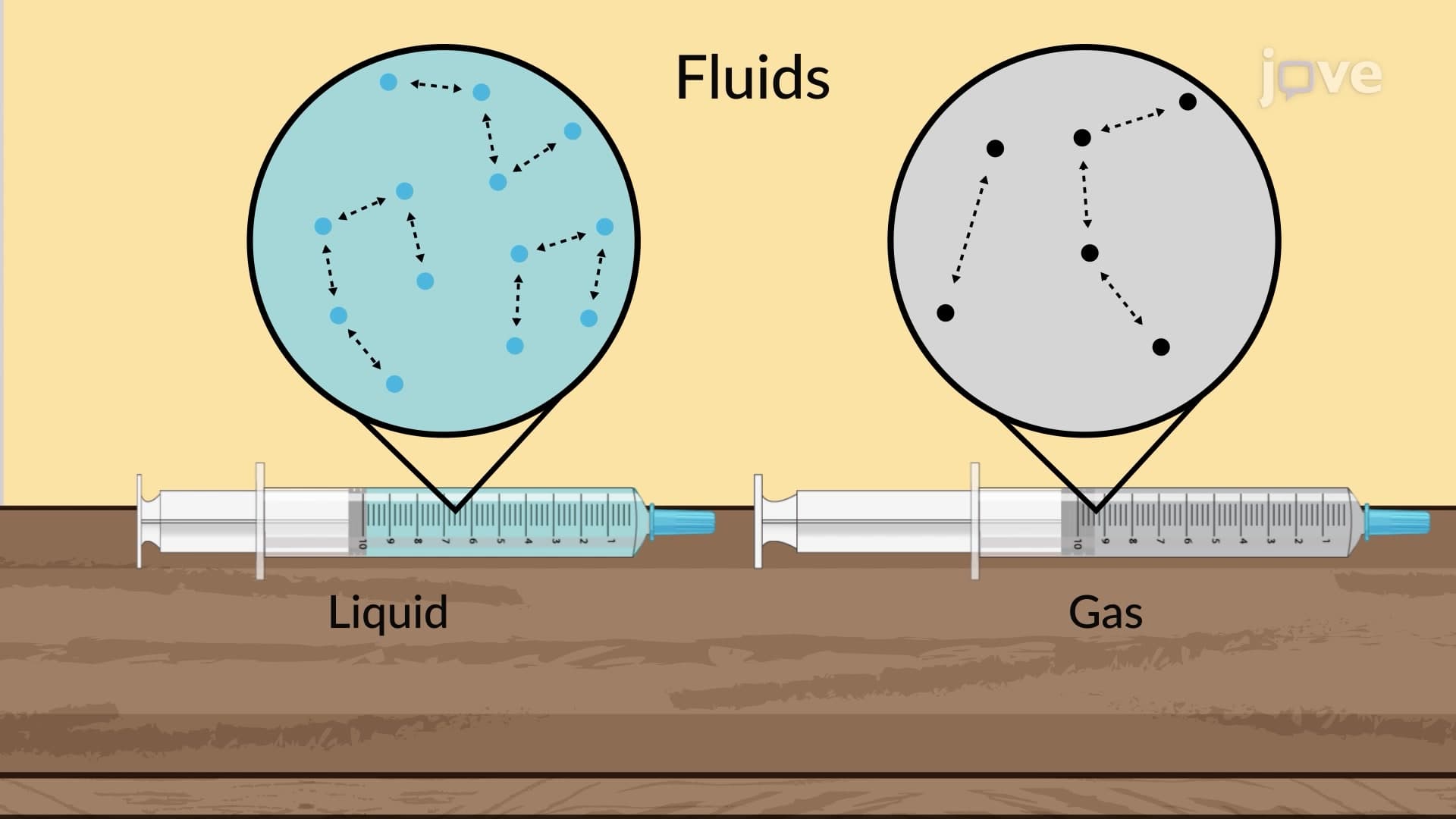

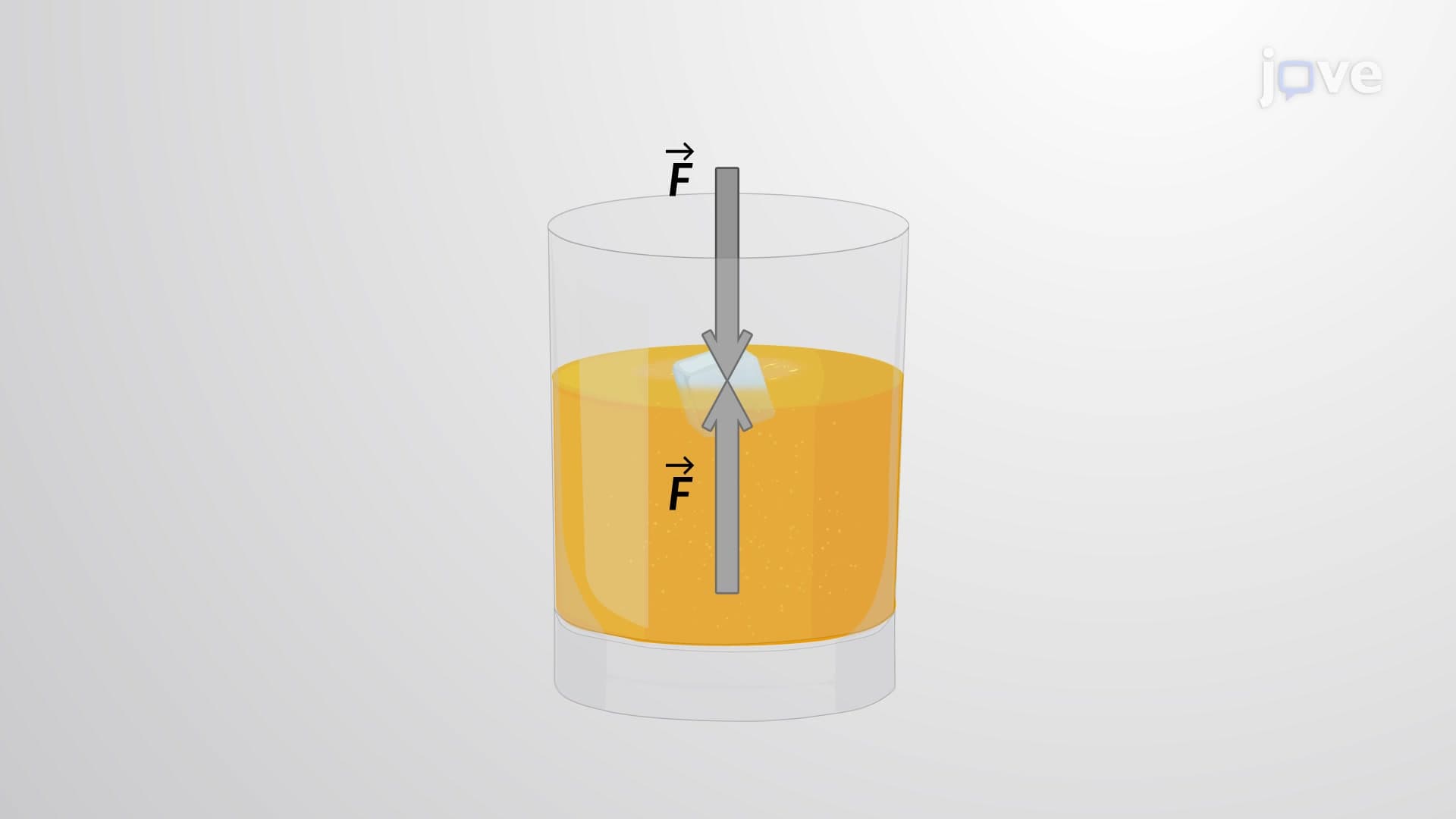
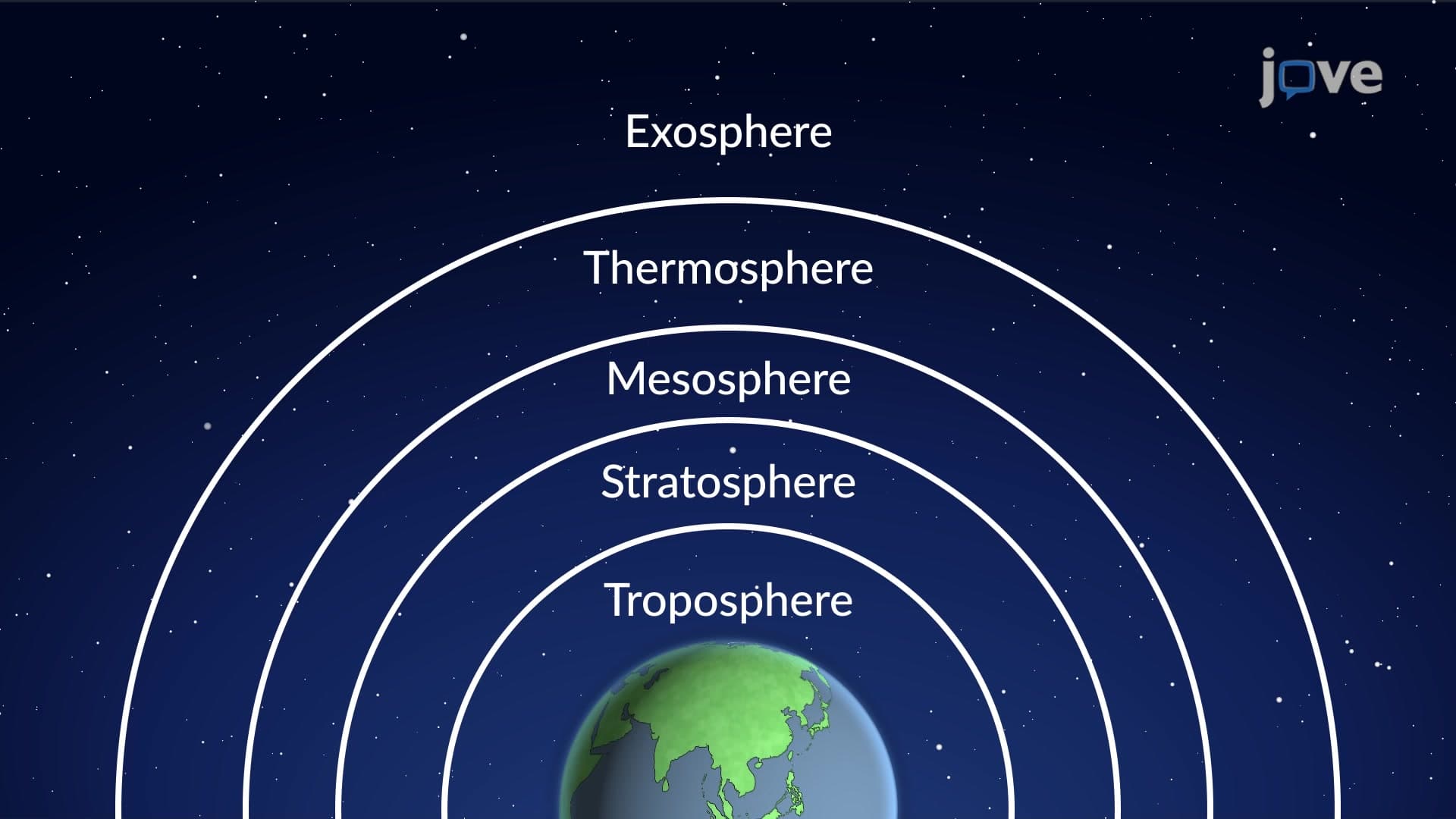


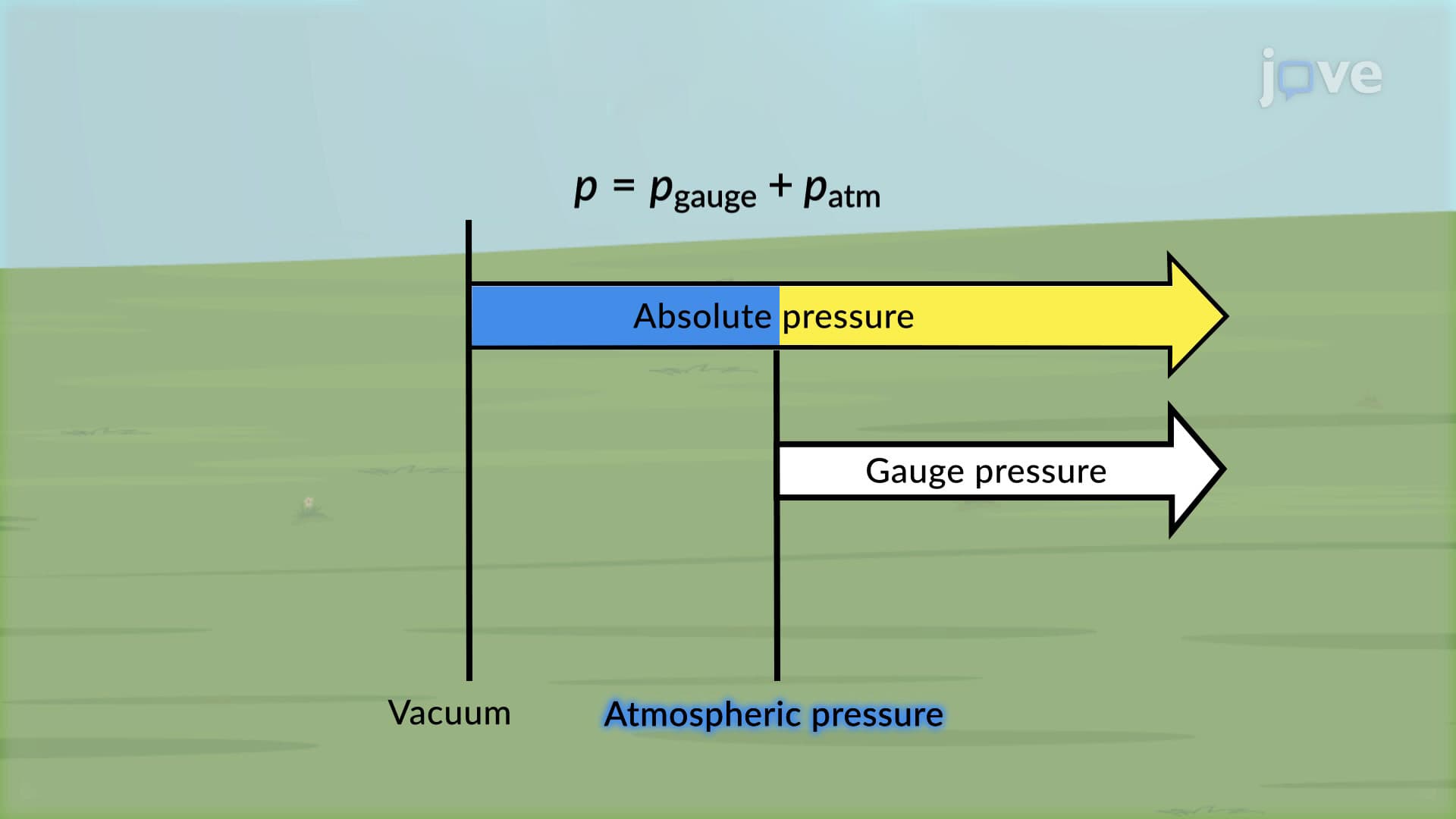
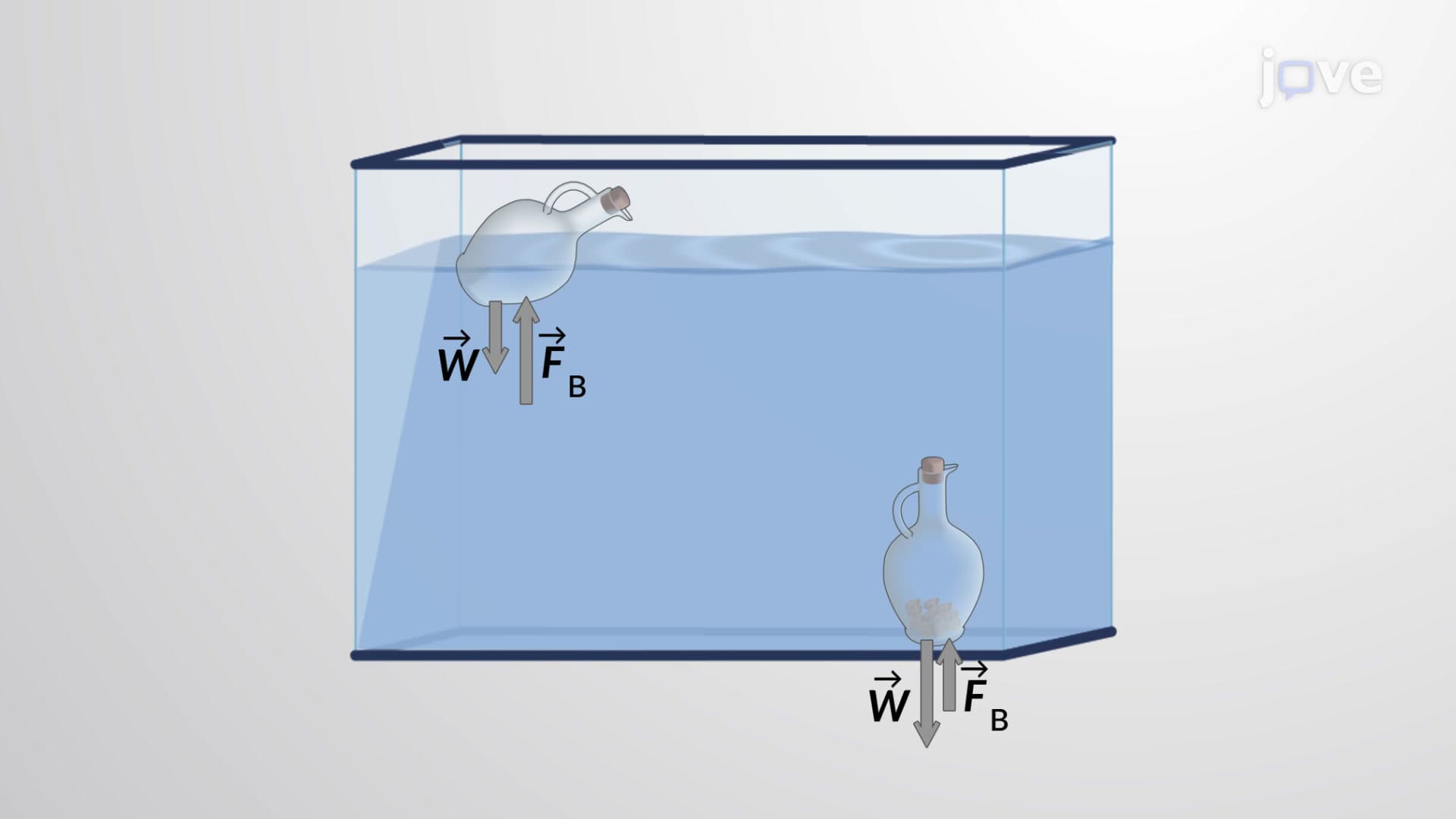
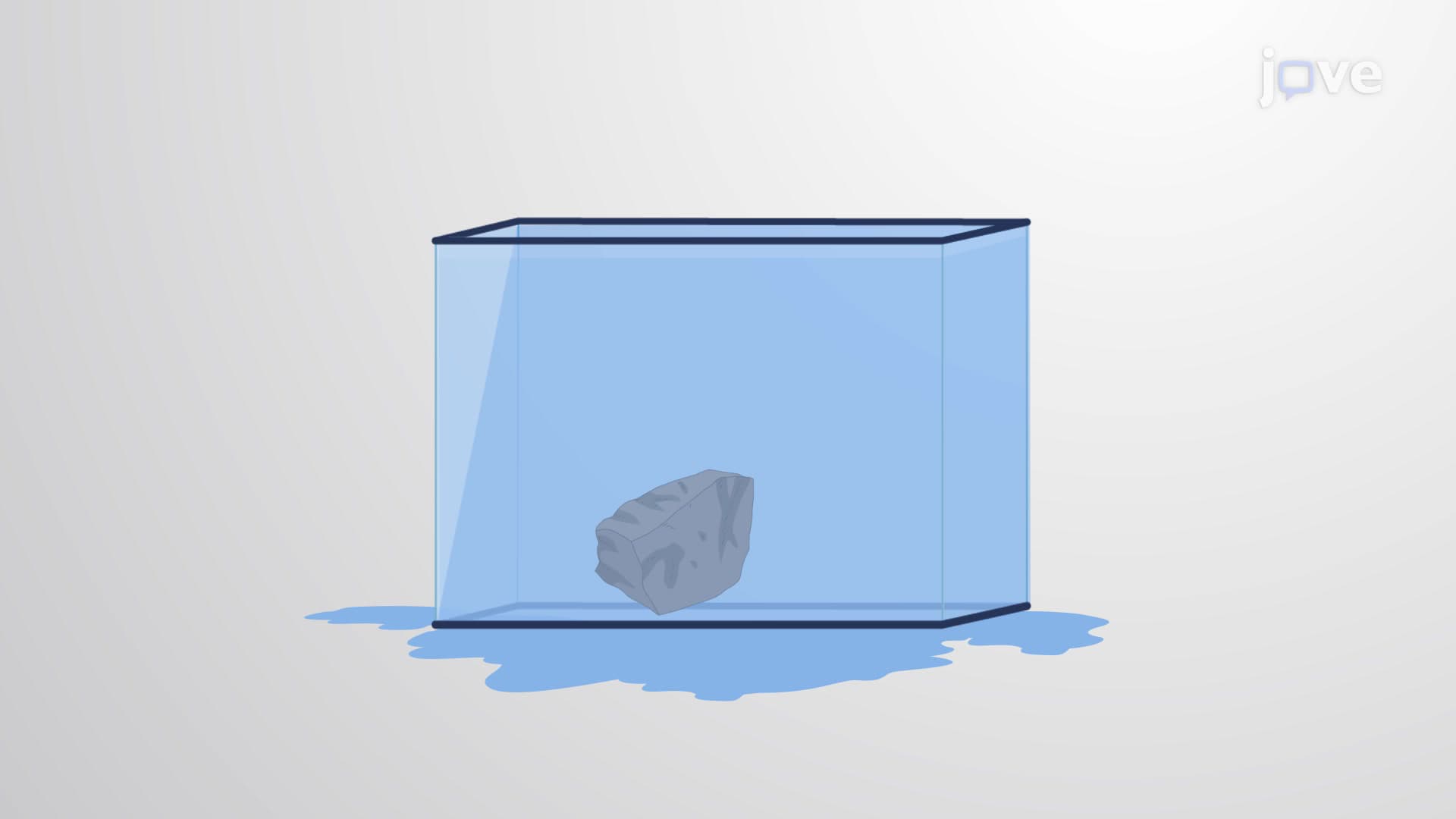
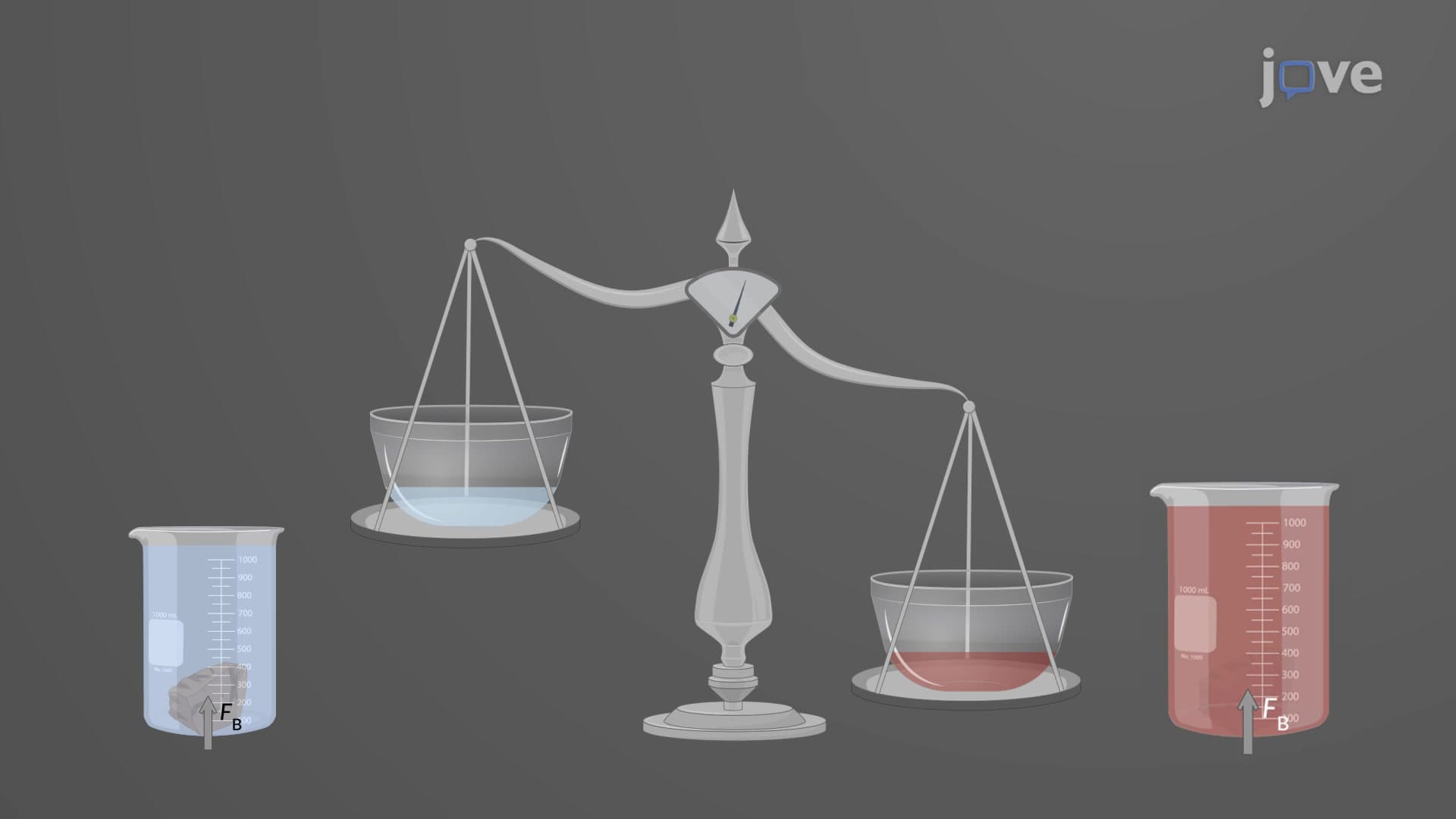
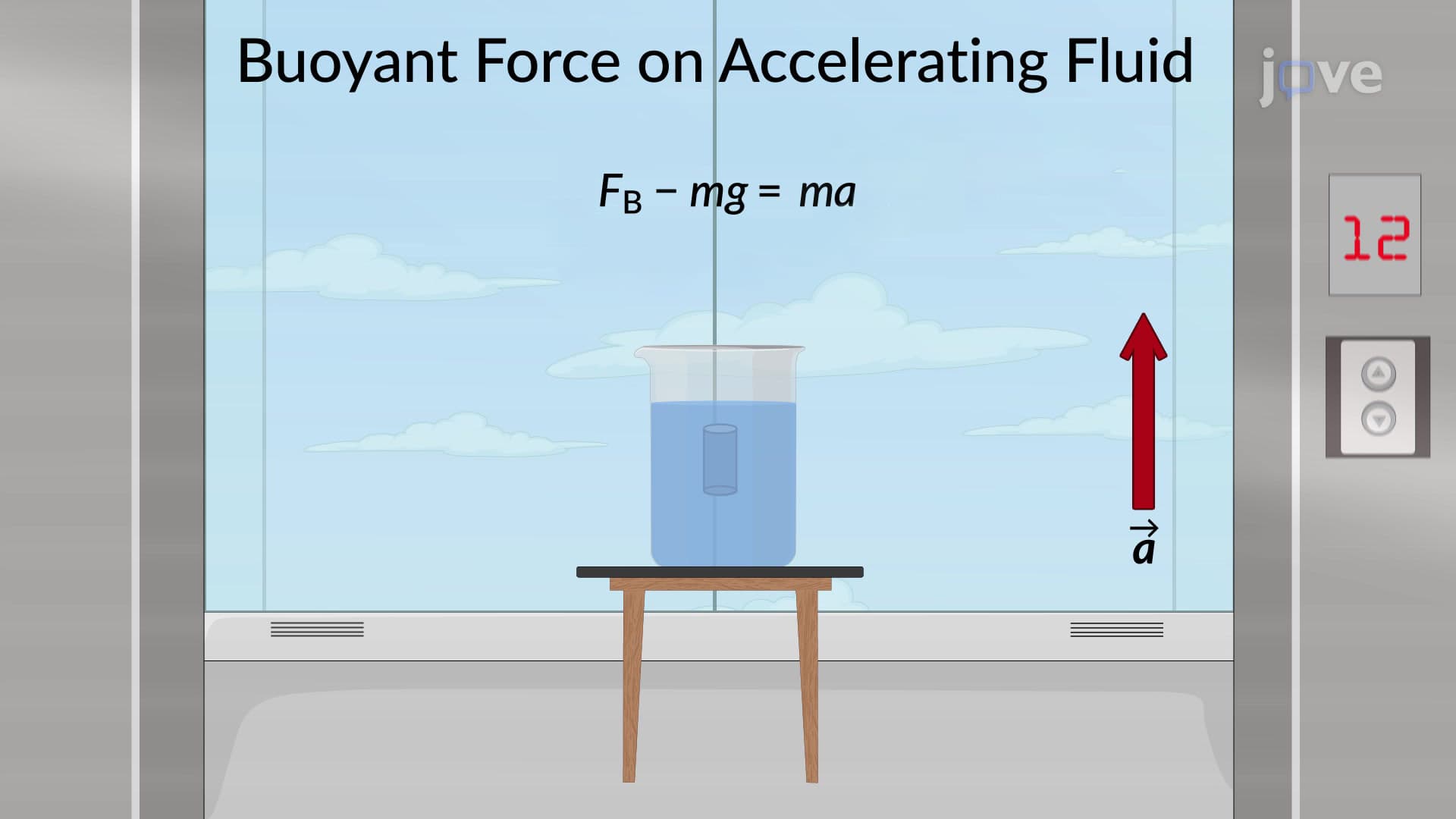


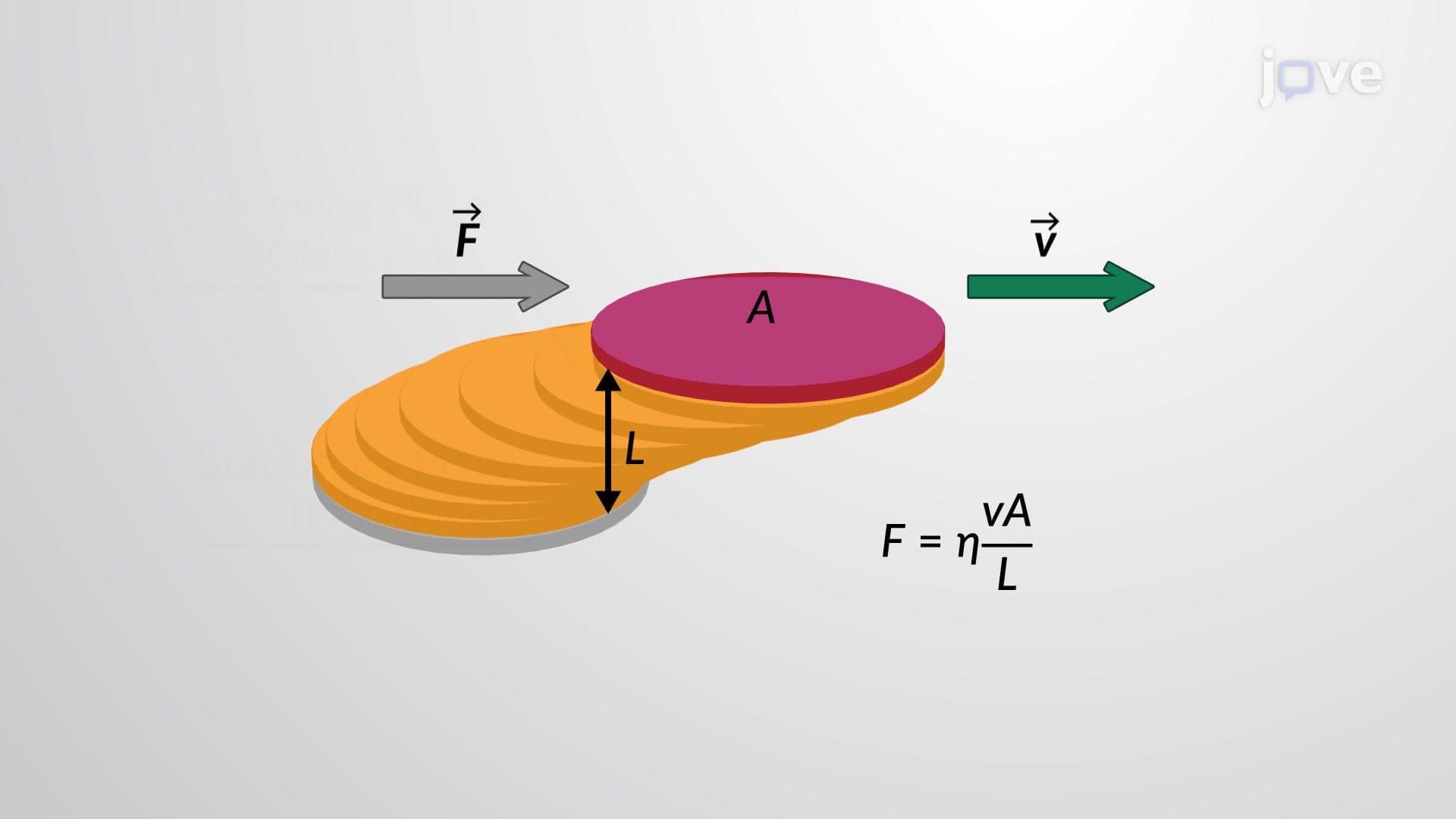
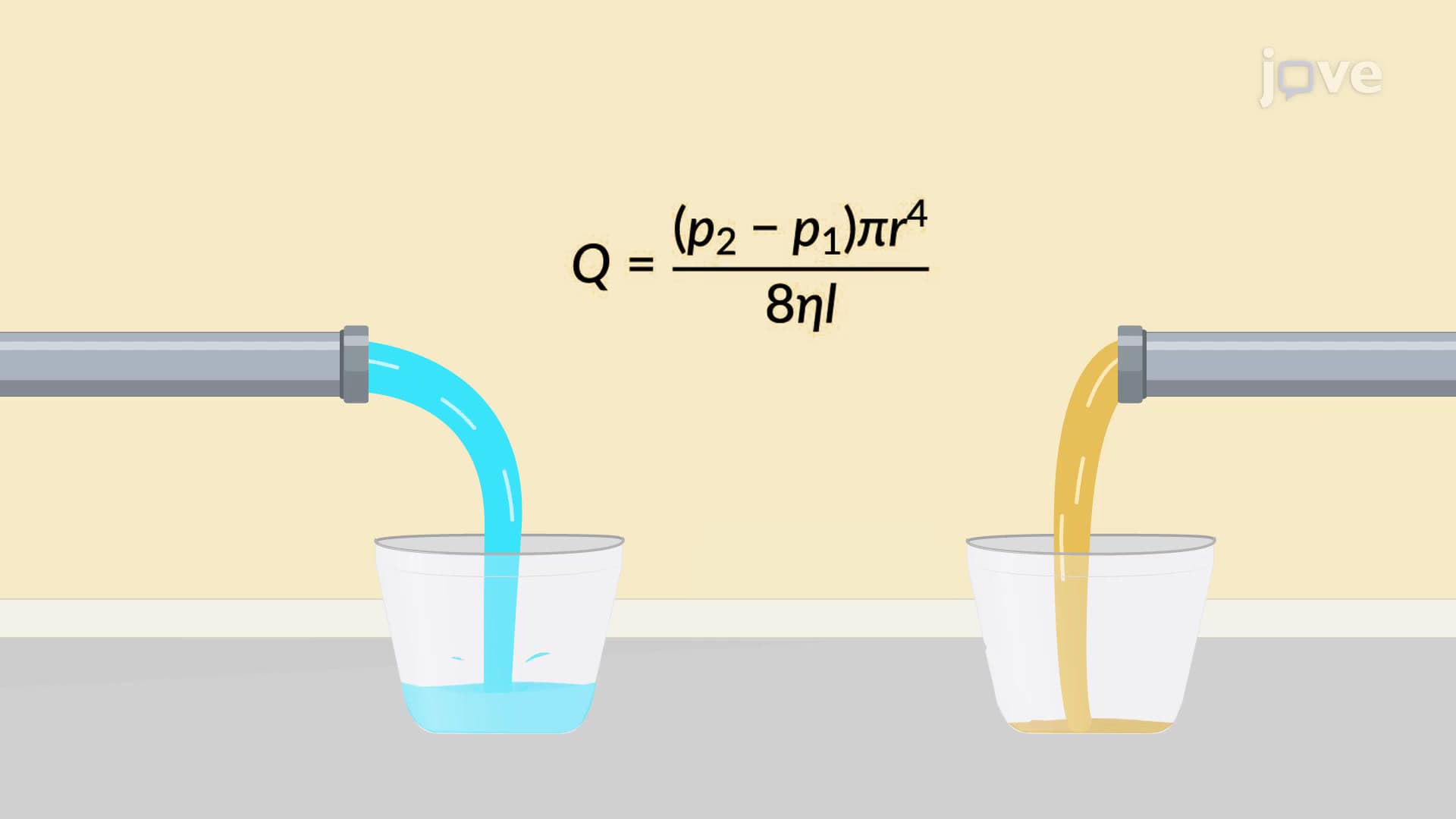
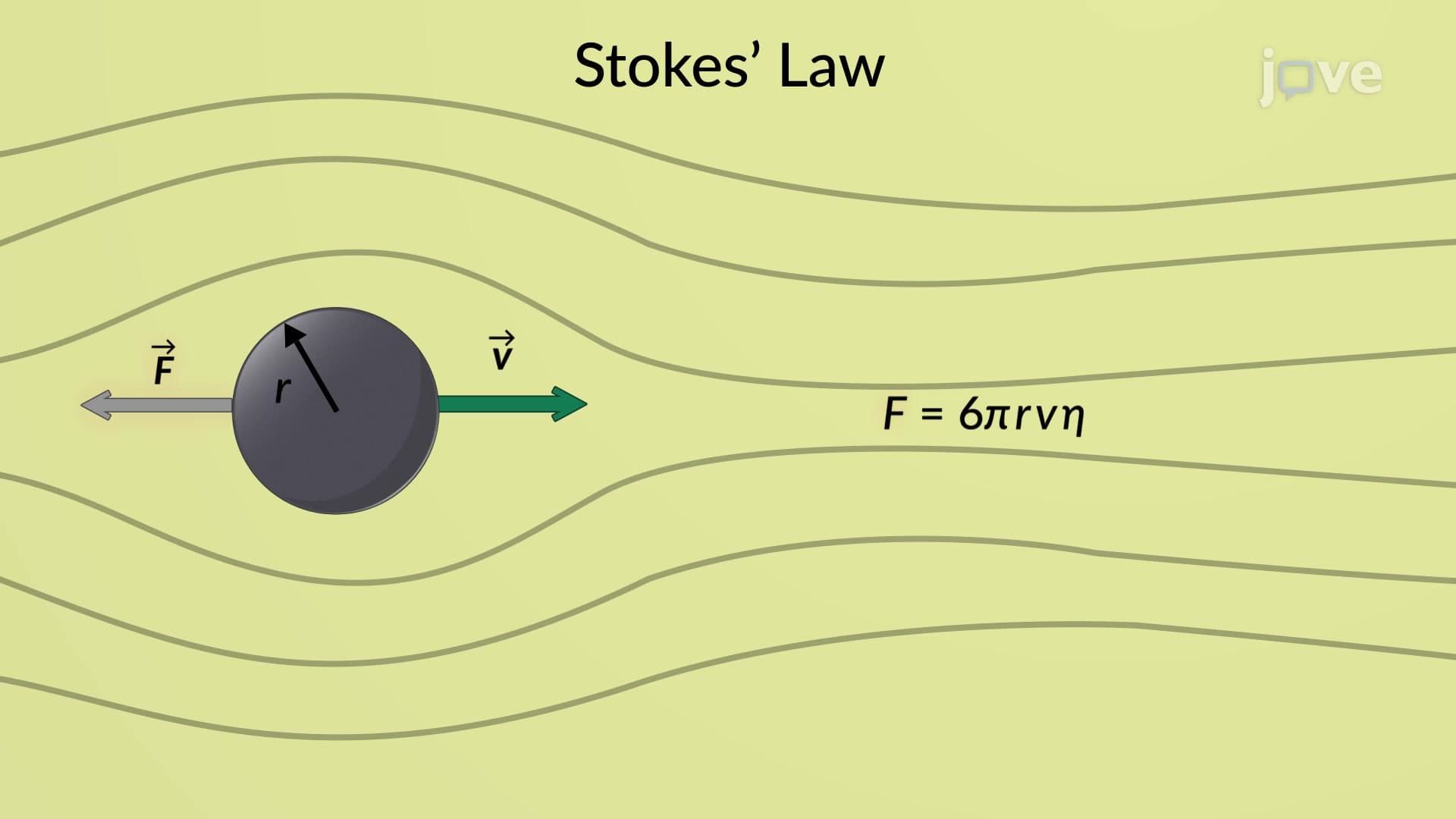
Ever wonder why ice cubes float in your Coca-Cola while pennies sink to the bottom? Density explains this everyday phenomenon that occurs in kitchens across America. This fundamental concept in physics describes how much mass is packed into a given volume of material. Understanding what is density helps predict whether objects will float or sink, from massive oil tankers navigating the Gulf of Mexico to helium balloons rising at Fourth of July celebrations. Watch the full video on JoVE Coach to master this concept with expert-led visuals and step-by-step explanations.
- Understand what is density and how it determines whether objects float or sink in fluids
- Identify the mathematical relationship between mass, volume, and density in problem-solving scenarios
- Analyze why objects made of the same material have identical densities regardless of their size
- Compare the densities of common materials like water, wood, metals, and gases found in everyday life
- Evaluate average density calculations for heterogeneous mixtures and objects with varying composition
- Apply density principles to predict buoyancy behavior in real-world situations
- Recognize how density concepts appear in standardized tests like the AP Physics exam and SAT Subject Tests
- Explore practical applications of density in industries like petroleum, construction, and food science
Understanding What is Density: The Foundation
What is density forms one of the most practical concepts in physics, directly observable in countless daily experiences. Density represents the amount of matter (mass) contained within a specific space (volume), expressed mathematically as density = mass/volume or ρ = m/V. This seemingly simple relationship explains complex phenomena from why the Titanic sank despite its massive steel hull to how hot air balloons achieve lift over Napa Valley vineyards.
The Mathematics Behind Density Calculations
Students preparing for AP Physics or college-level courses must master density calculations using standard SI units. Mass typically measures in kilograms (kg) while volume uses cubic meters (m³), yielding density in kg/m³. However, practical applications often employ grams per cubic centimeter (g/cm³) for convenience. Water serves as the universal reference point with a density of approximately 1.00 g/cm³ at room temperature, making it invaluable for quick mental calculations during exams.
Real-World Applications in American Industries
Understanding density basics proves essential across numerous US industries. Petroleum engineers rely on density measurements to separate crude oil components in Texas refineries, while food scientists use density to determine sugar content in Michigan apple juice. Construction professionals calculate concrete density to ensure structural integrity in California earthquake zones. Even NASCAR teams adjust fuel density considerations for optimal performance at different track elevations.
Average Density and Heterogeneous Materials
When objects contain multiple materials or have varying composition throughout their volume, calculating average density becomes crucial. This density concept frequently appears in standardized testing scenarios. For instance, a typical smartphone contains metals, plastics, and glass with different densities, requiring average density calculations for shipping and design purposes. Students encounter these problems on SAT Physics Subject Tests and college physics midterms.
Density in Academic Success and Exam Preparation
Mastering density study guide materials significantly impacts performance on standardized tests. The MCAT includes density-related passages about biological systems, while AP Physics exams feature density problems involving buoyancy and fluid mechanics. College physics courses extensively cover density applications in thermodynamics and materials science. Understanding these principles provides foundational knowledge for advanced topics in engineering, chemistry, and biological sciences.
Frequently Asked Questions
Density measures how much "stuff" (mass) fits into a given space (volume). Think of it like comparing a packed suitcase versus a loosely filled one of the same size. Materials with high density, like metals, pack more mass into the same volume compared to low-density materials like foam or wood.
Density problems frequently appear on AP Physics 1 and 2 exams, especially in fluid mechanics sections. Students must calculate whether objects float or sink, determine buoyant forces, and solve for unknown masses or volumes. Mastering density calculations typically accounts for 10-15% of mechanics problems on these standardized tests.
The basic formula ρ = m/V remains essential, along with the relationship between density and buoyancy. MCAT passages often involve biological applications like blood density, bone density measurements, or lipid concentrations. Practice converting between units (g/cm³ to kg/m³) since this commonly trips up test-takers.
Water expands when it freezes, creating a unique situation where ice density (0.92 g/cm³) becomes less than liquid water density (1.00 g/cm³). This expansion occurs because water molecules form rigid hexagonal structures in ice, creating more space between molecules than in the liquid state.
Density applications span numerous US industries: oil companies use it for petroleum separation, pharmaceutical companies ensure proper drug formulations, aerospace engineers calculate fuel efficiency, and quality control specialists verify product specifications. Understanding density opens doors to careers in engineering, chemistry, materials science, and manufacturing.
Not at all! Density calculations require only basic algebra and unit conversions that most high school students master easily. The concept builds naturally from everyday observations like objects floating or sinking. With practice, density problems become some of the most straightforward in physics coursework.
Create a reference chart of common material densities (water, aluminum, steel, wood types) for quick comparisons. Practice unit conversions daily, and work through problems involving both regular and irregular shaped objects. Focus on real-world examples that make the abstract concept concrete and memorable.
Build toward fluid dynamics, buoyancy principles, and Archimedes' principle for physics courses. In chemistry, explore molarity and solution concentrations. Engineering students should investigate materials science applications, while pre-med students benefit from studying biological density applications like bone density and body composition analysis.
Related Micro-courses


Related Subjects
 Math Fundamentals 11 micro-courses›
 Statistics 17 micro-courses›