Loading video…


 16 Concepts
 15.9K views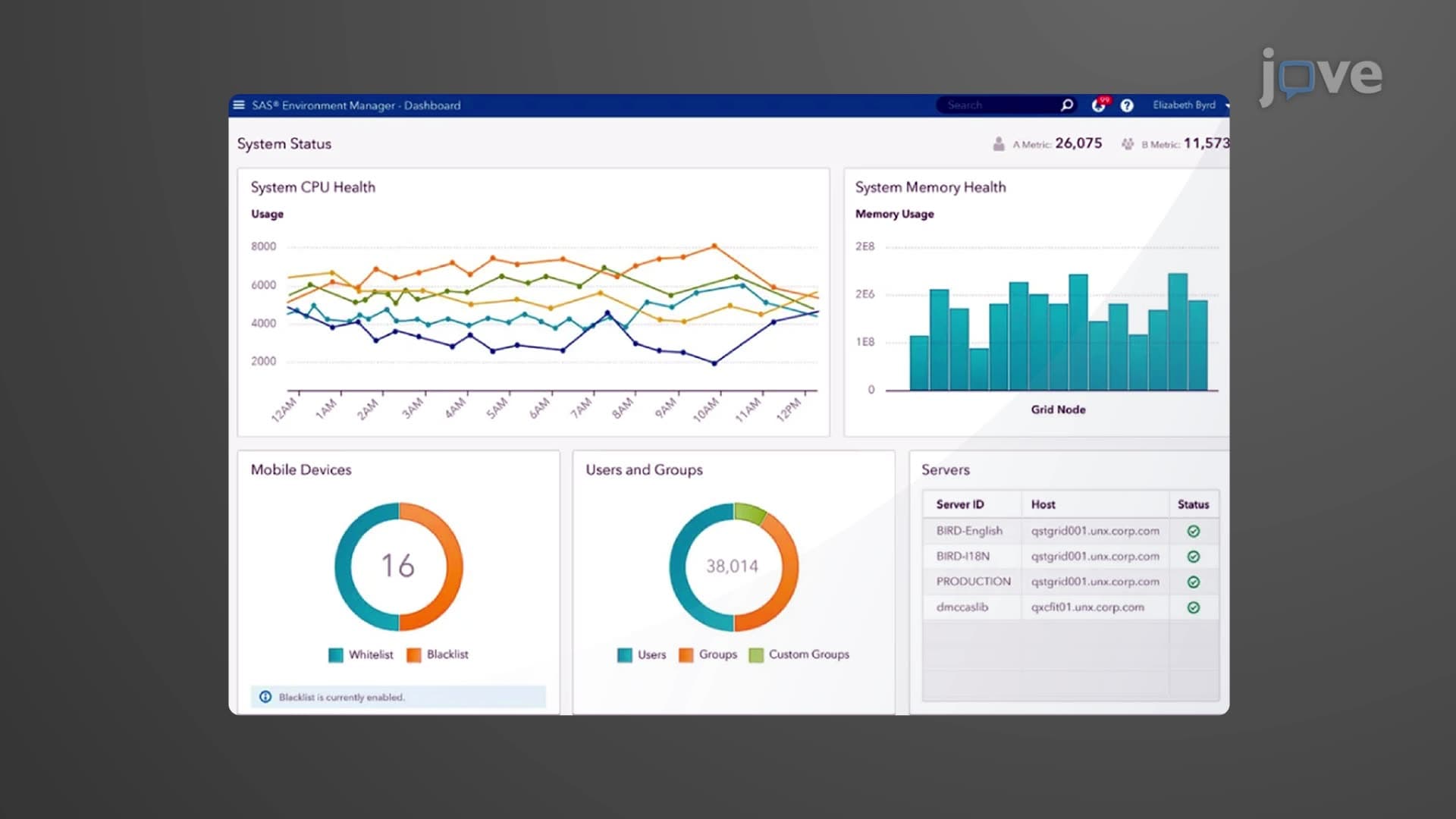

Video Summary: What Is Statistical Analysis System Sas
Did you know that major US hospitals like Mayo Clinic and financial giants like Bank of America rely on the same data analysis tool to make million-dollar decisions? The Statistical Analysis System SAS has been the gold standard for data management and statistical analysis since the 1970s, transforming raw numbers into actionable insights across healthcare, finance, and marketing industries. This powerful software suite enables both programmers and non-programmers to perform complex statistical modeling and predictive analytics on massive datasets. Watch the full video on JoVE Coach to master this concept with expert-led visuals and step-by-step explanations.
Statistical Analysis System SAS represents one of the most influential developments in computational statistics and data science. Developed by the SAS Institute in Cary, North Carolina during the 1970s, this comprehensive software suite emerged from a need to handle increasingly complex statistical analyses that manual calculations couldn't efficiently manage. Unlike simple spreadsheet programs, SAS provides enterprise-level data processing capabilities that can handle millions of records while maintaining accuracy and reliability.
The software's architecture reflects decades of statistical expertise, incorporating proven methodologies used by statisticians worldwide. For students preparing for AP Statistics or college-level data analysis courses, understanding SAS provides insight into professional-grade statistical computing that extends far beyond basic calculator functions or simple software packages.
SAS's modular design allows users to select specific tools based on their analytical needs. Base SAS serves as the foundation, providing essential data management and basic statistical procedures. This component handles data importing, cleaning, and transformation-critical skills emphasized in college statistics and research methodology courses.
SAS/STAT extends capabilities into advanced statistical analysis, including regression modeling, analysis of variance (ANOVA), and multivariate techniques often covered in upper-level undergraduate statistics courses. Students encountering these concepts in AP Statistics or college coursework will find SAS/STAT invaluable for handling real-world datasets that textbook examples rarely capture.
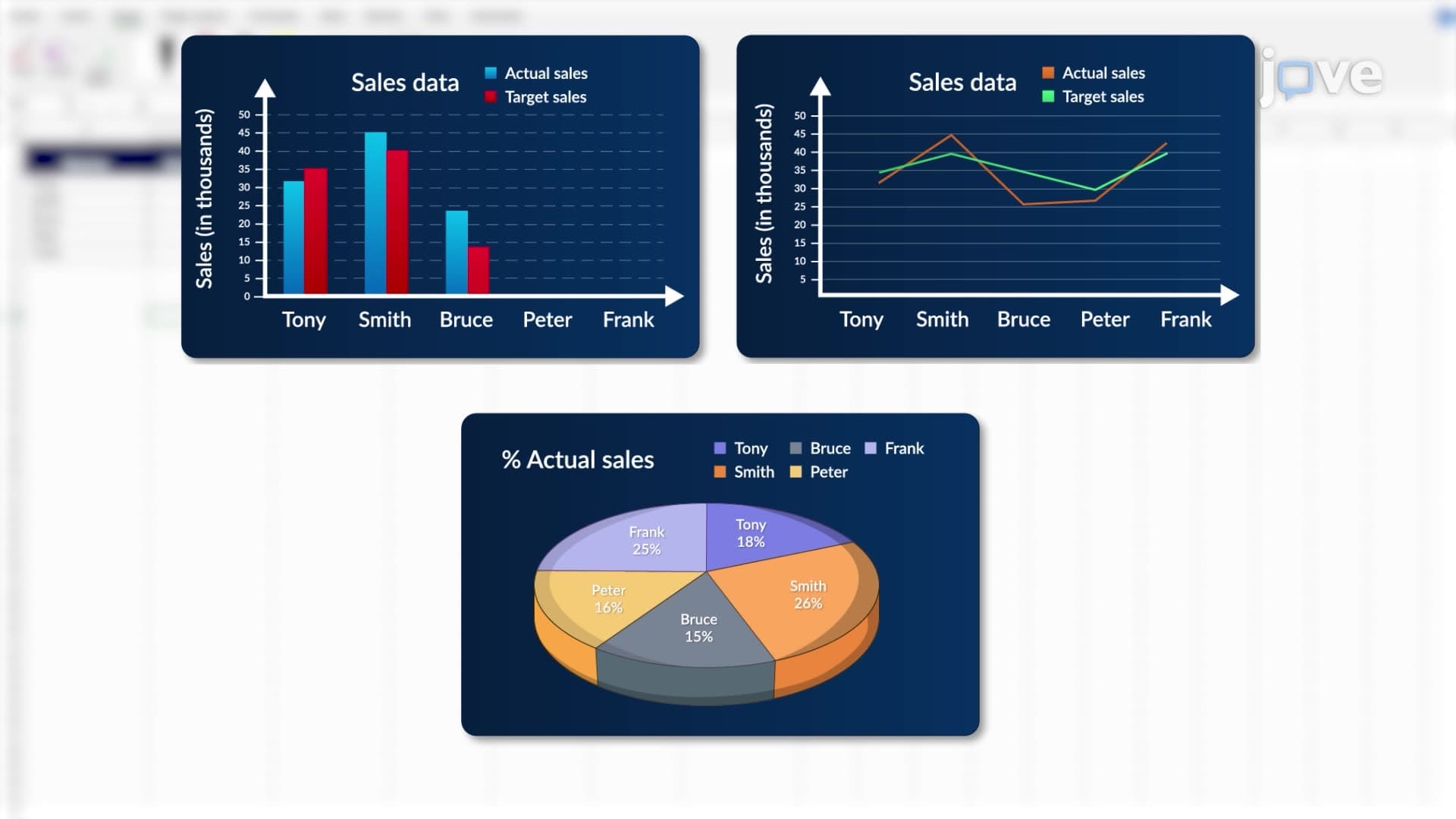
SAS/GRAPH transforms numerical results into compelling visualizations, while SAS Enterprise Miner tackles predictive modeling and machine learning applications increasingly relevant in modern data science curricula. These tools bridge the gap between theoretical statistical knowledge and practical application in fields like epidemiology, market research, and quality control.
Major US healthcare systems, including Cleveland Clinic and Johns Hopkins Hospital, utilize SAS for clinical research and patient outcome analysis. In finance, firms like Wells Fargo and American Express employ SAS for risk assessment and fraud detection. These real-world applications demonstrate why many college programs incorporate SAS training into their statistics and business analytics curricula.
The software's ability to handle regulatory compliance makes it particularly valuable in industries governed by FDA, SEC, or other federal oversight. Students planning careers in pharmaceutical research, clinical trials, or financial services will encounter SAS requirements in job descriptions, making early familiarity advantageous for career development.
Related Micro-courses