Loading video…


 16 Concepts
 6K views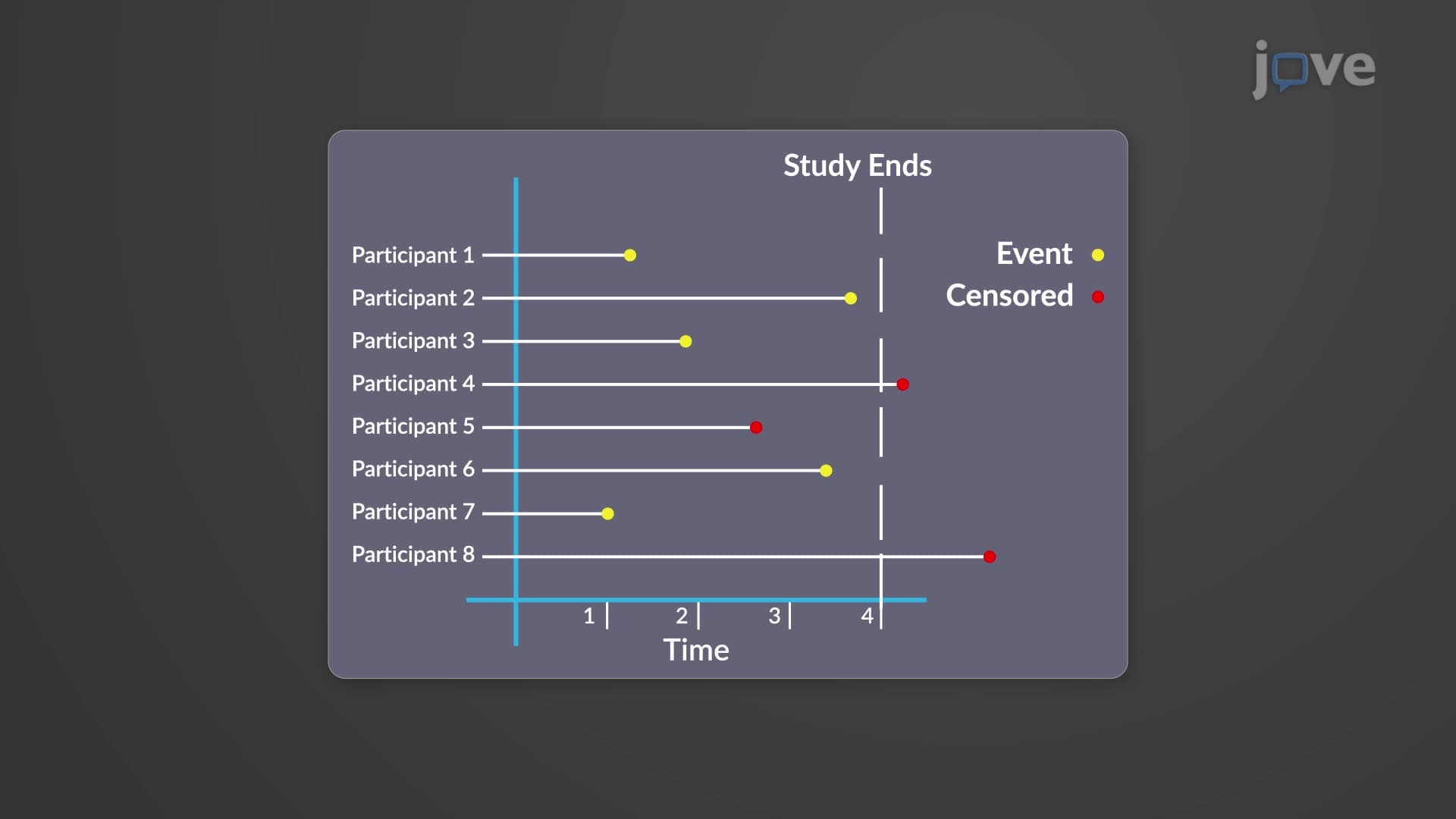

Video Summary: Mantel Cox Log Rank Test for Survival Data Analysis
Did you know that when the FDA approved the breakthrough cancer drug Keytruda, researchers used the Mantel-Cox log-rank test to prove it extended patient survival compared to chemotherapy? The Mantel-Cox log-rank test is a powerful statistical method that compares survival times between different treatment groups, even when some patients are still alive at the study's end. This nonparametric test has revolutionized clinical trials at major US medical centers like Mayo Clinic and Johns Hopkins. Watch the full video on JoVE Coach to master this concept with expert-led visuals and step-by-step explanations.
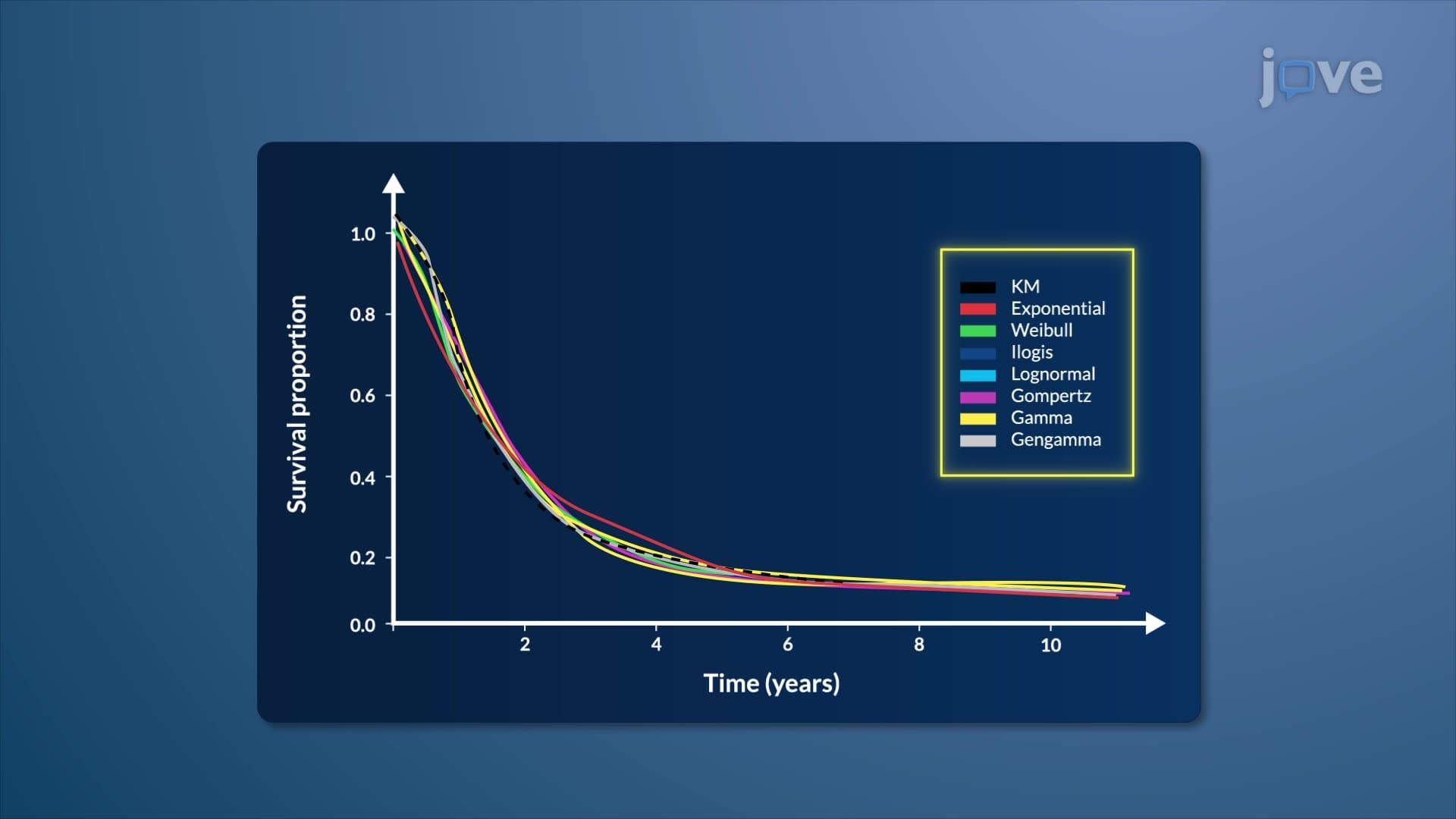
The Mantel-Cox Log-Rank Test for Survival Data Analysis serves as the gold standard for comparing survival experiences between groups in medical research. Unlike traditional statistical tests that require normal distributions, this nonparametric approach makes no assumptions about the shape of survival curves, making it incredibly versatile for real-world clinical data.
The test's power lies in handling censored observations-patients who are still alive at study completion or lost to follow-up. For example, when researchers at MD Anderson Cancer Center compare two chemotherapy regimens, some patients may still be alive after five years. Traditional statistical methods would discard this valuable information, but the log-rank test incorporates it meaningfully.
The test operates by comparing observed events (deaths, relapses, etc.) with expected events at each time point where an event occurs. It calculates a chi-square statistic that follows a known distribution, allowing researchers to determine statistical significance. The beauty of this approach is that it weights each time point equally, regardless of when events occur during the study period.
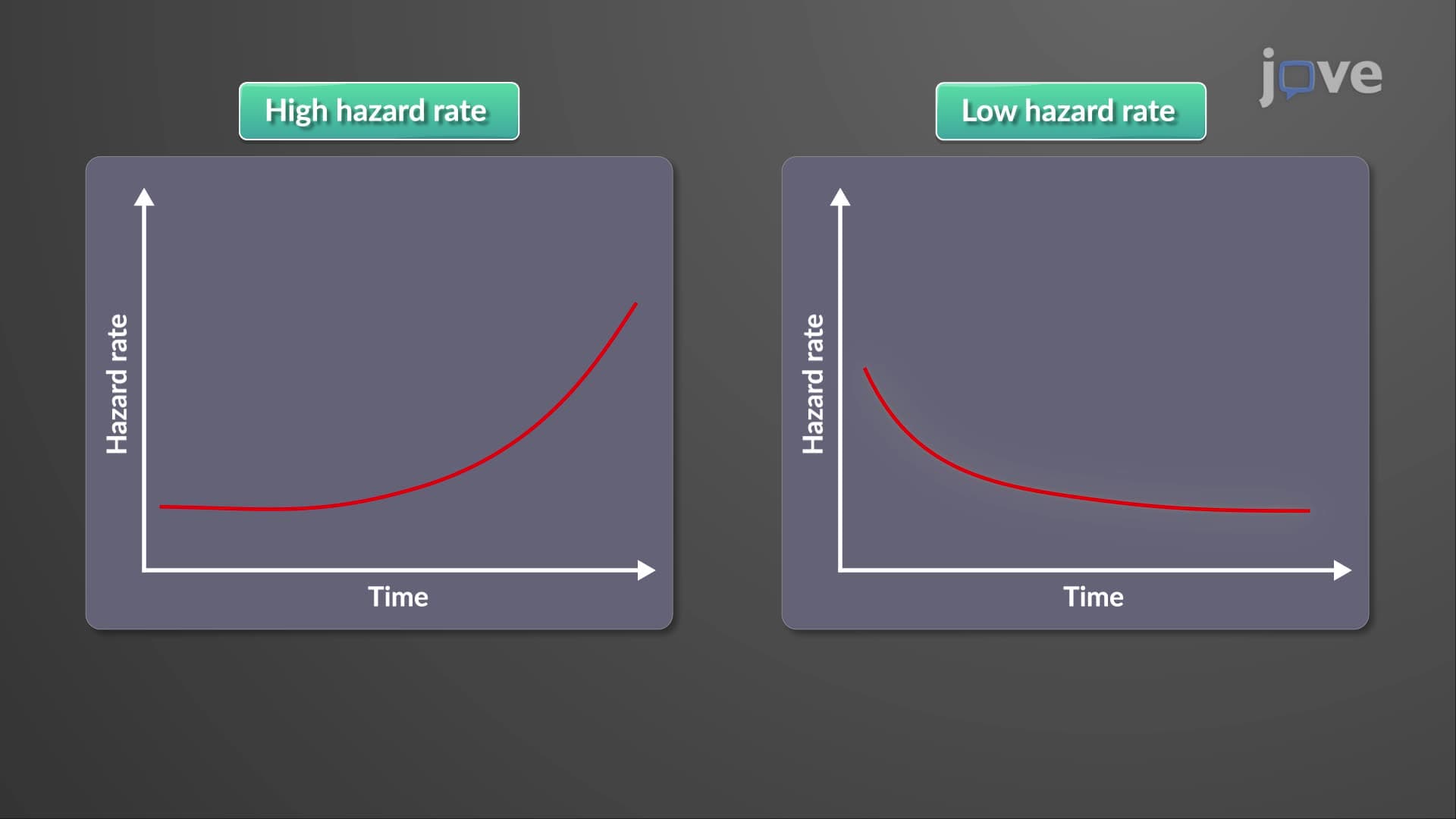
Students preparing for the MCAT or advanced placement statistics exams should understand that the test assumes proportional hazards-meaning the ratio of hazard rates between groups remains constant over time. This assumption is crucial because violations can lead to misleading conclusions, particularly in studies with crossing survival curves.
Major pharmaceutical companies use this test for FDA drug approvals. When Pfizer demonstrated that their breast cancer drug Ibrance extended progression-free survival, the log-rank test provided the statistical evidence. Similarly, when comparing surgical procedures at Cleveland Clinic or evaluating new treatments at Stanford Medicine, researchers rely on this methodology.
The test's versatility extends beyond oncology. Cardiologists use it to compare heart valve replacement techniques, while infectious disease specialists apply it to evaluate antibiotic effectiveness. For college students studying biostatistics or epidemiology, understanding this test opens doors to research opportunities in any medical field.
While powerful, the log-rank test has important limitations that students must recognize. Small sample sizes reduce statistical power, and high censoring rates can compromise reliability. Additionally, the test cannot identify when differences occur-only that they exist. For exam purposes, remember that significant p-values indicate different survival distributions, but don't specify whether one treatment is consistently better throughout the study period.
Related Micro-courses