Loading video…


 16 Concepts
 6K views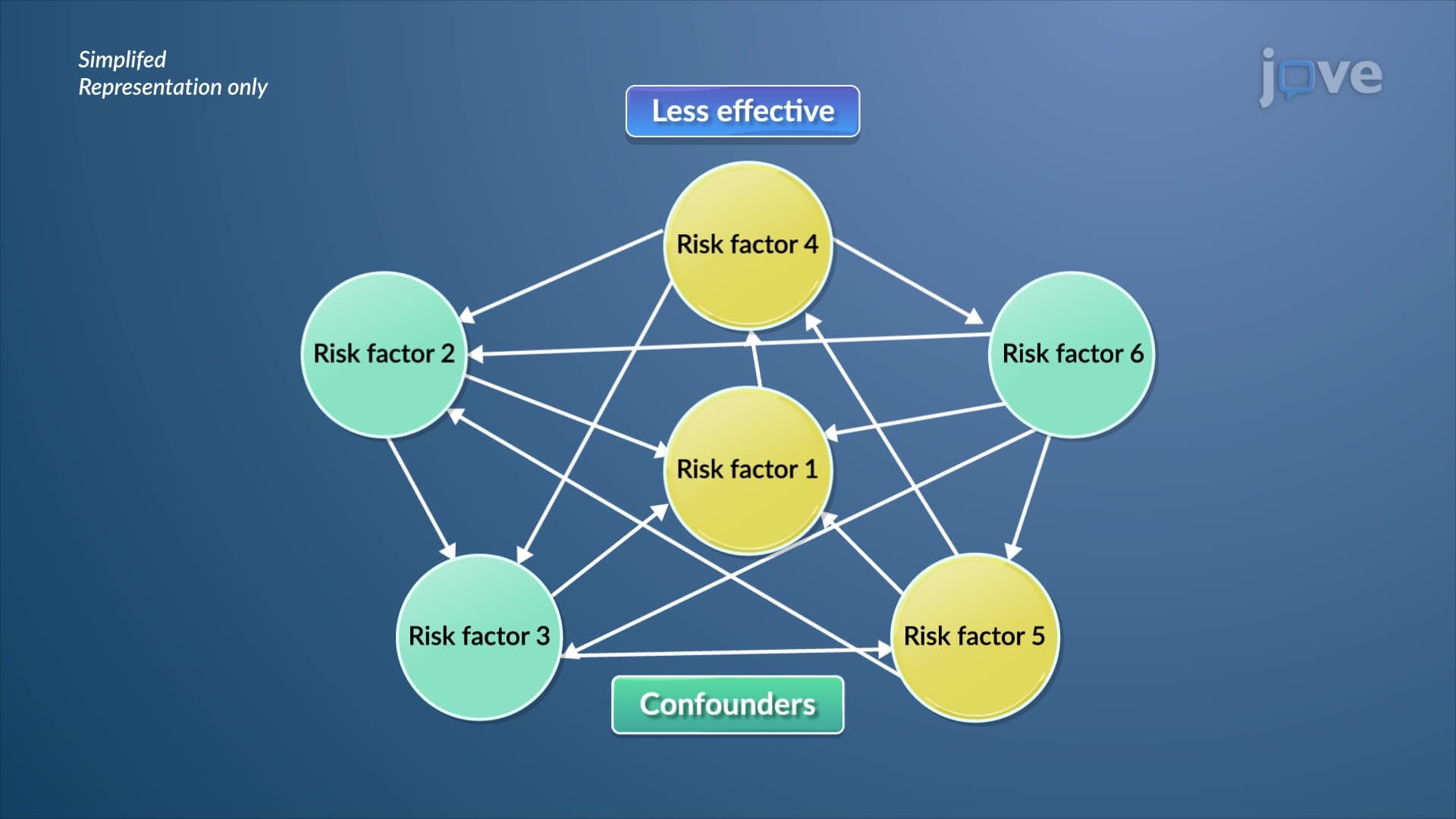

Video Summary: What Is Kaplan Meier Approach
Did you know that half of all cancer patients could be alive five years after diagnosis, but traditional statistics can't tell us which half? The Kaplan Meier approach revolutionizes survival analysis by tracking patients over time, even when some drop out of studies early. For instance, researchers at Johns Hopkins use this method to compare breast cancer treatments, accounting for patients who move away or switch doctors mid-study. This statistical technique transforms incomplete medical data into clear survival curves that guide life-saving treatment decisions. Watch the full video on JoVE Coach to master this concept with expert-led visuals and step-by-step explanations.
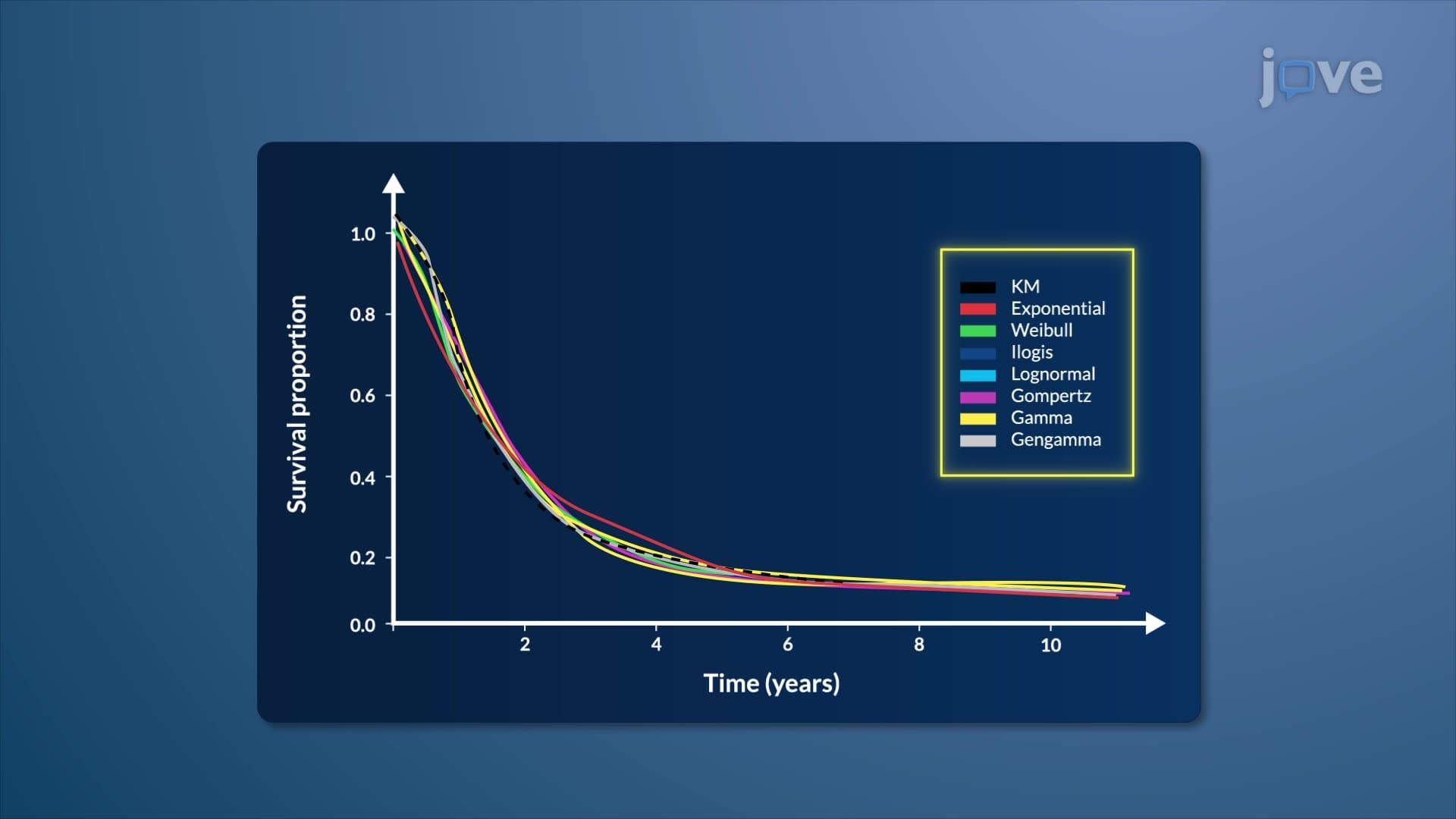
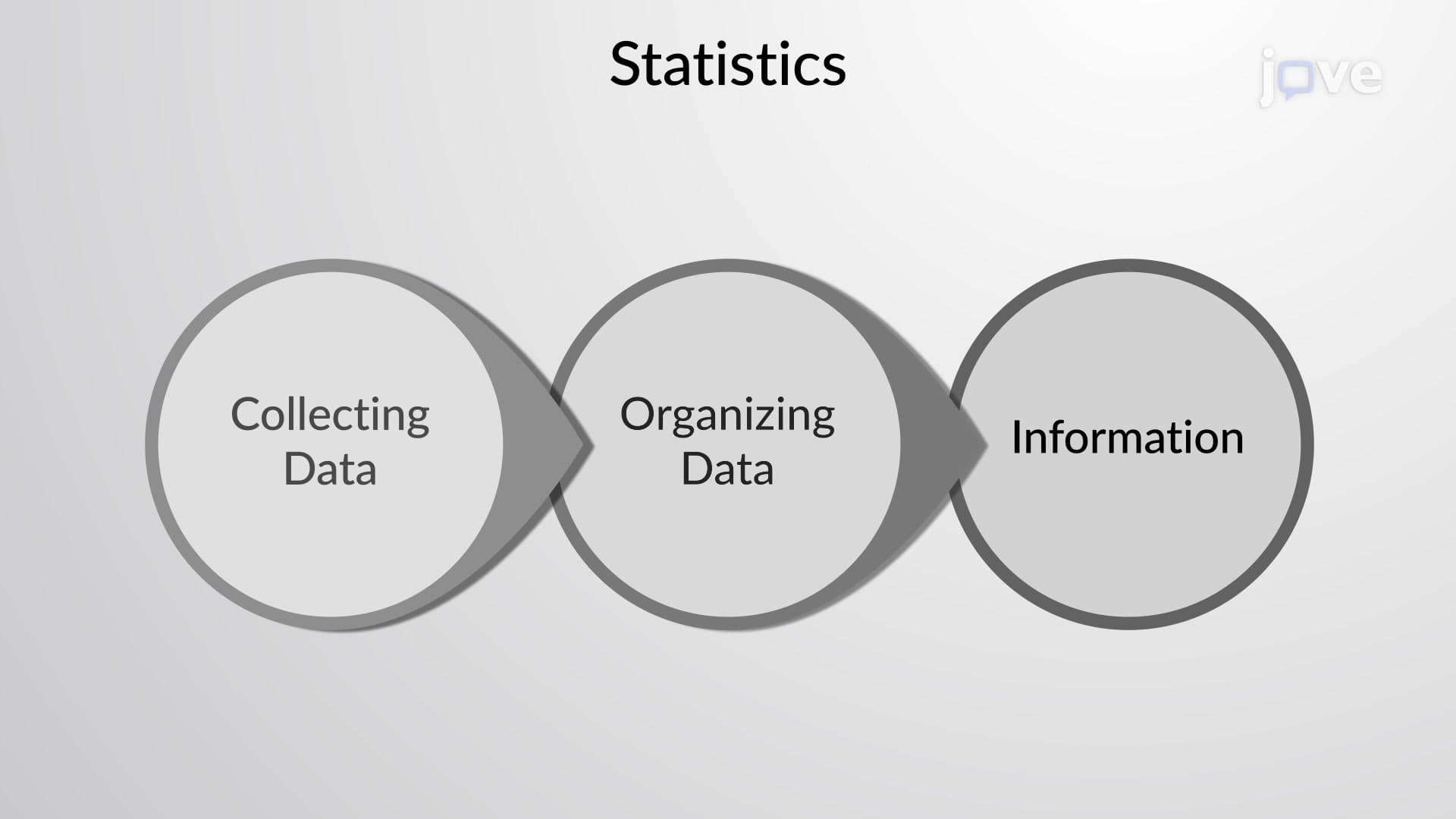
The Kaplan Meier approach represents one of the most important statistical methods in medical research, specifically designed to analyze "time-to-event" data. Unlike simple mortality rates that only show final outcomes, this approach tracks survival probabilities over time, creating a step-function curve that reveals when and how frequently events occur throughout a study period.
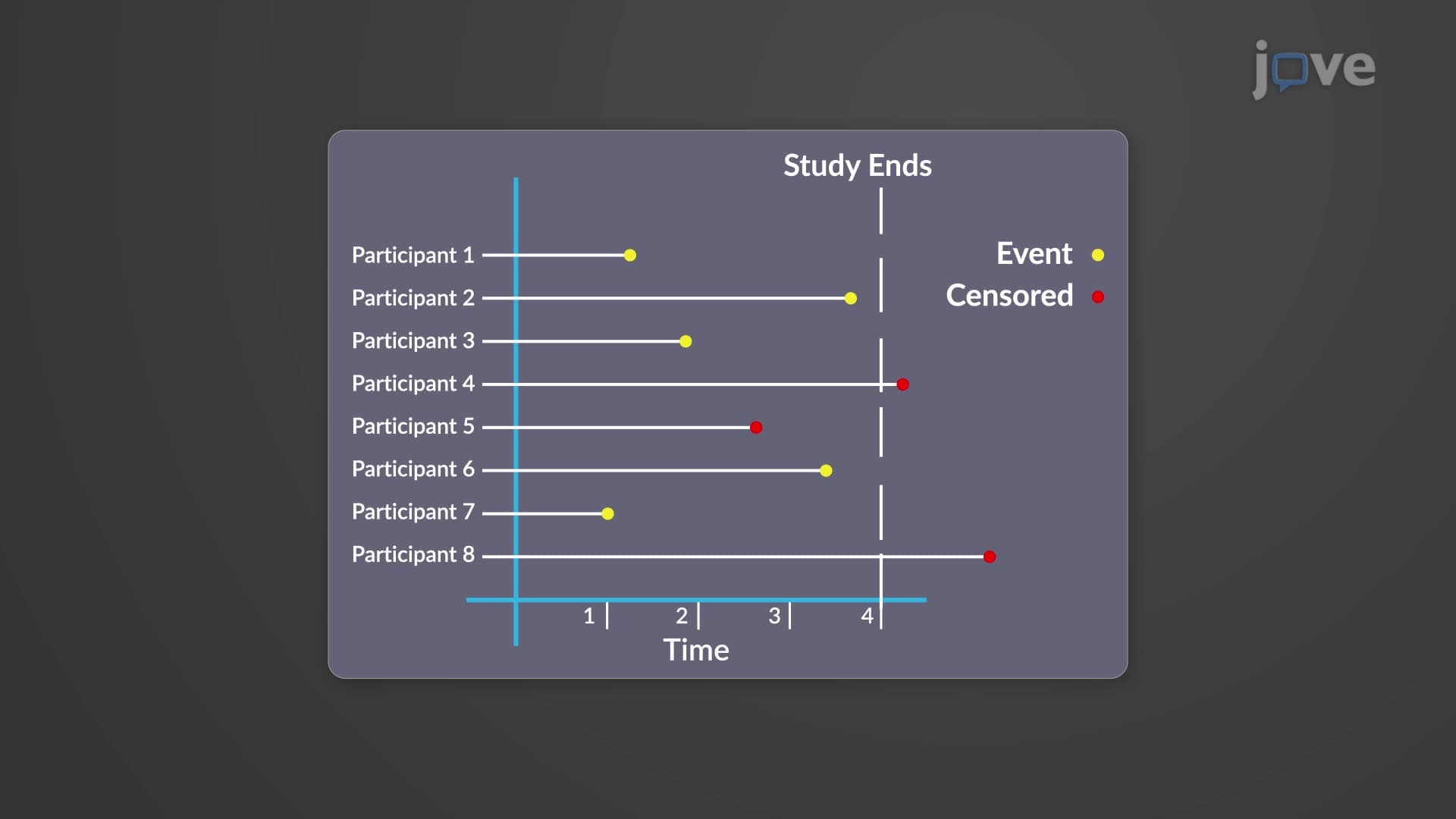
The kaplan meier approach definition centers on three fundamental assumptions that ensure reliable results. First, censored subjects (those who leave the study early) must have the same survival prospects as those who remain under observation. Second, survival probabilities remain consistent regardless of when patients enter the study. Finally, event timing must be recorded accurately. These assumptions become crucial when analyzing real studies, such as the National Cancer Institute's SEER database tracking cancer outcomes across diverse US populations.
What makes the kaplan meier approach concept particularly powerful is its ability to incorporate incomplete information. In medical studies, patients frequently become "censored", they move to different states, switch healthcare providers, or simply miss follow-up appointments. Traditional statistical methods would discard this valuable data, but Kaplan-Meier analysis incorporates these partial observations, maximizing the information extracted from expensive clinical trials.
The kaplan meier approach overview reveals its widespread use across medical specialties. Cardiologists at the Mayo Clinic employ it to compare survival rates after different heart procedures, while oncologists use it to evaluate cancer treatment effectiveness. However, students preparing for the MCAT or AP Statistics should understand its primary limitation: inability to adjust for confounding variables like age, gender, or disease severity. This limitation led to the development of more sophisticated methods like Cox regression analysis.
The visual nature of Kaplan-Meier curves makes them excellent tools for communicating research findings to both medical professionals and patients, transforming complex survival data into intuitive graphical representations that inform critical healthcare decisions.
Related Micro-courses