Loading video…


 16 Concepts
 6K views

Video Summary: What Is Assumptions of Survival Analysis
Ever wondered why some clinical trials get stopped early or why cancer survival rates seem to vary between studies? The assumptions of survival analysis are fundamental statistical principles that ensure reliable medical research outcomes. For instance, when the FDA evaluates new cancer treatments at institutions like Johns Hopkins or Mayo Clinic, researchers must carefully validate these assumptions to produce trustworthy results. Watch the full video on JoVE Coach to master this concept with expert-led visuals and step-by-step explanations.
Assumptions of survival analysis form the statistical foundation that makes this powerful method reliable for analyzing time-to-event data in medical research, clinical trials, and public health studies. These assumptions ensure that when researchers at institutions like the National Cancer Institute or Cleveland Clinic analyze patient survival data, their conclusions are statistically sound and clinically meaningful.
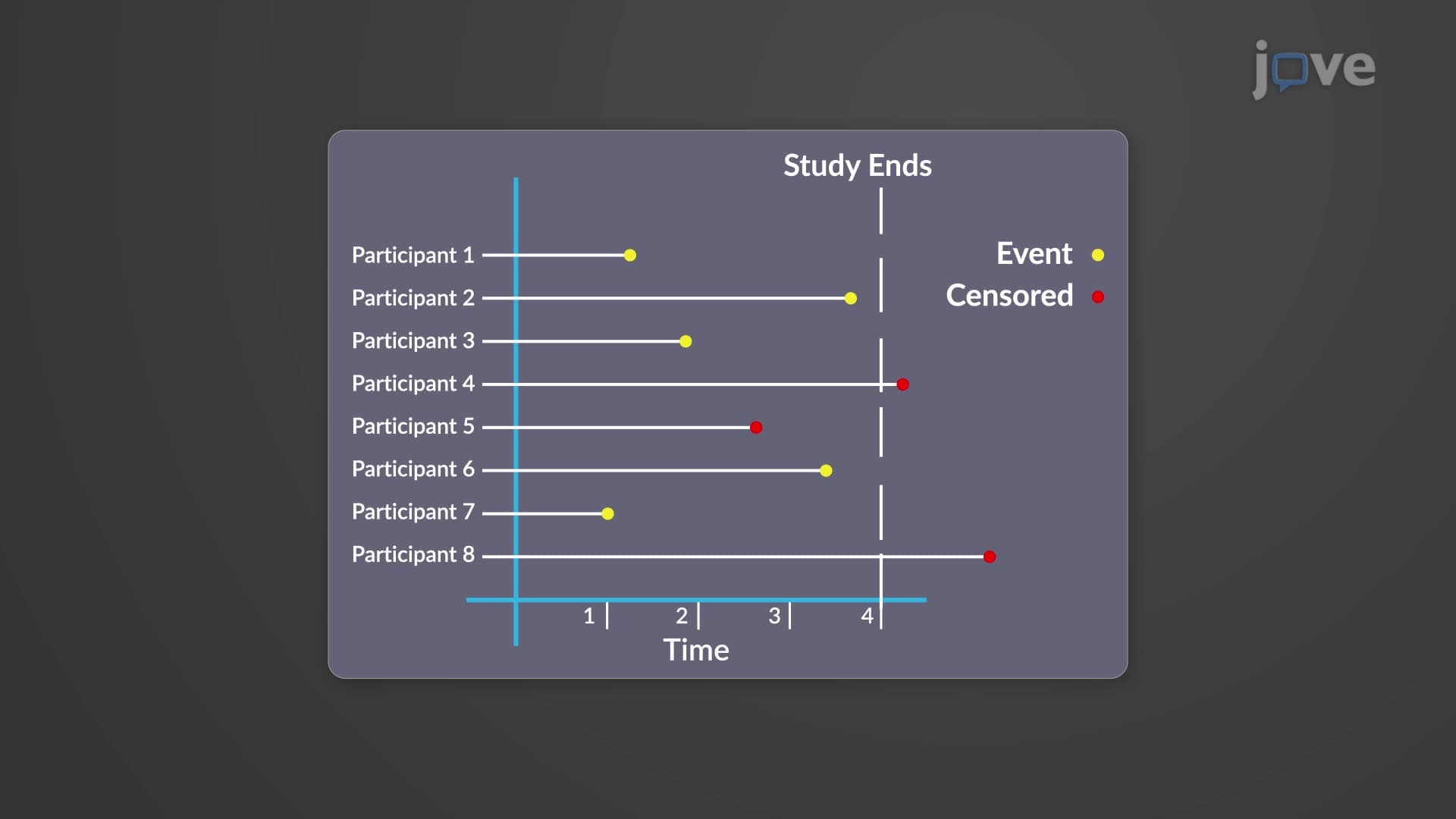
Independent censoring represents perhaps the most critical assumption in survival analysis. This assumption requires that the reason a participant's data becomes incomplete (censored) must be unrelated to their likelihood of experiencing the event of interest. For example, in a heart disease study at Stanford Medical Center, if patients move to different states and lose contact with researchers, this geographic censoring should be independent of their cardiac health status. When this assumption is violated-such as when sicker patients are more likely to drop out-the analysis becomes biased and unreliable.
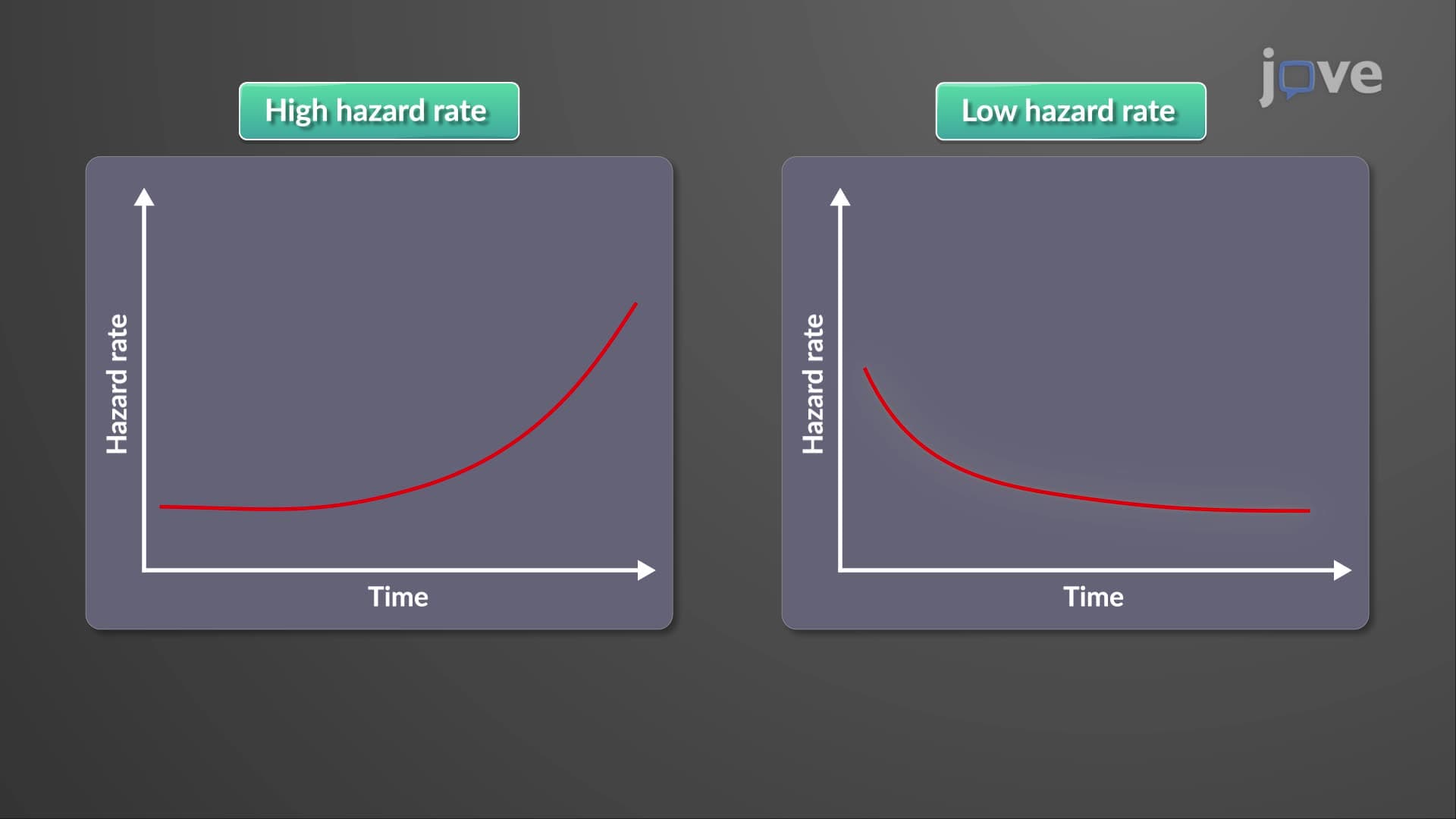
The Cox proportional hazards assumption demands that the relative risk between different groups remains constant over time. In practical terms, if a new diabetes medication reduces the risk of complications by 30% compared to standard treatment at the beginning of a study, this 30% reduction should persist throughout the entire study period. This assumption is frequently tested in MCAT-level biostatistics questions and appears in AP Statistics curriculum when students analyze medical data sets.
The stationarity assumption ensures that the probability of events occurring remains consistent across time periods for all study groups, unless researchers explicitly model time-dependent effects. Additionally, proper sample size calculation and adequate follow-up duration are essential for capturing sufficient events. The FDA typically requires survival studies to observe a minimum number of events-often 60-80% of enrolled participants-to ensure statistical power for regulatory approval decisions.
These assumptions directly impact how medical professionals interpret clinical trial results and make treatment decisions, making them essential knowledge for pre-med students preparing for the MCAT or nursing students studying for the NCLEX.
Related Micro-courses