Loading video…


 16 Concepts
 6K views

Video Summary: What Is Survival Analysis
Did you know that medical researchers can predict how long cancer patients might stay in remission? Survival analysis is the statistical method that makes this possible by examining the time between a starting point and a specific event occurrence. From tracking the effectiveness of heart bypass surgeries at Johns Hopkins Hospital to studying when children get their first cavity, survival analysis helps researchers understand timing patterns in health outcomes. This powerful framework uses specialized tools like survival functions and hazard analysis to handle complex longitudinal data. Watch the full video on JoVE Coach to master this concept with expert-led visuals and step-by-step explanations.
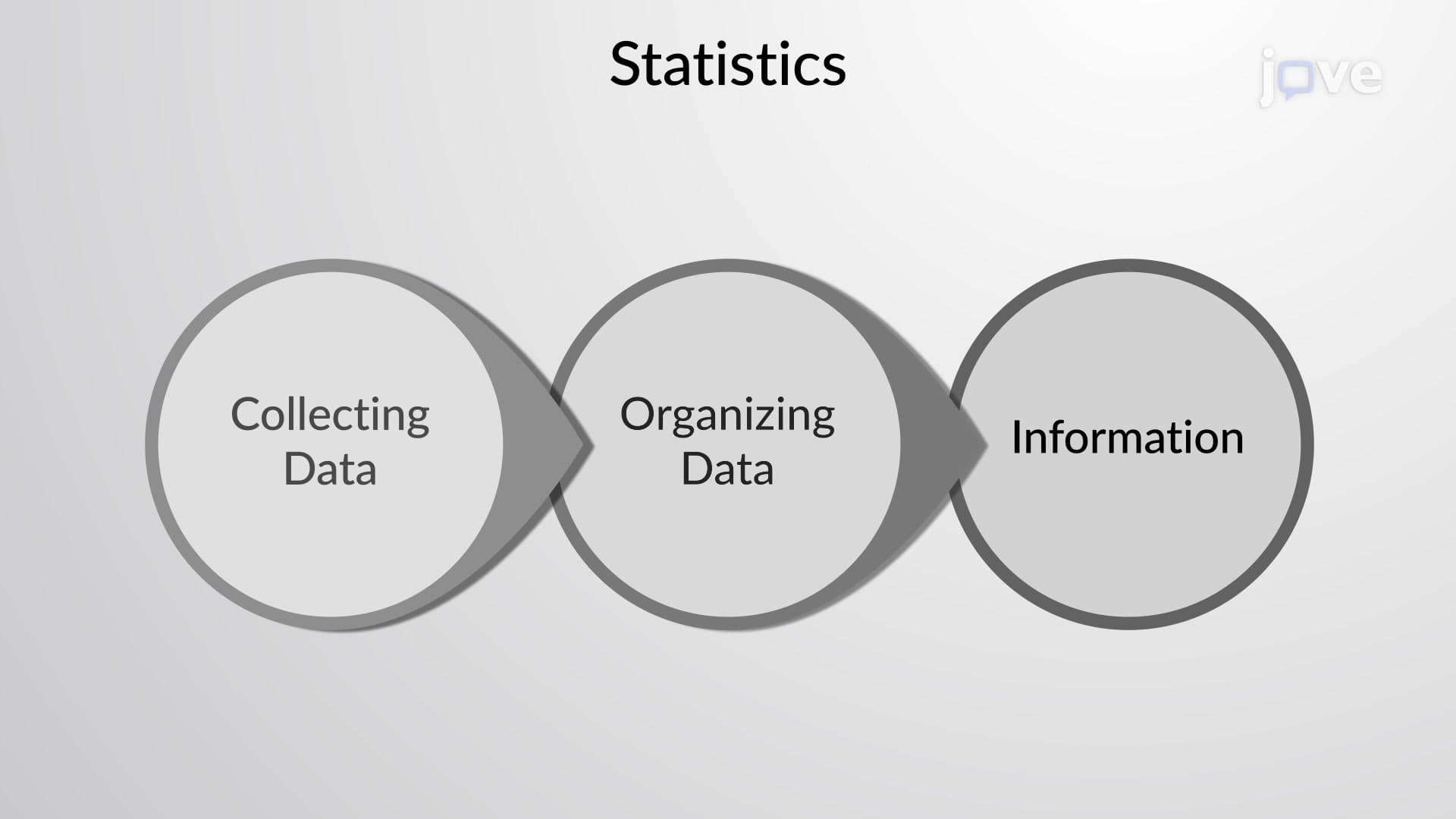
Survival analysis represents one of the most crucial statistical frameworks in biomedical research, designed specifically to analyze time-to-event data. Unlike traditional statistical methods that focus on simple outcomes, survival analysis examines the duration between a defined starting point and the occurrence of a specific event. This approach proves invaluable when researchers need to understand not just whether something happens, but when it happens.
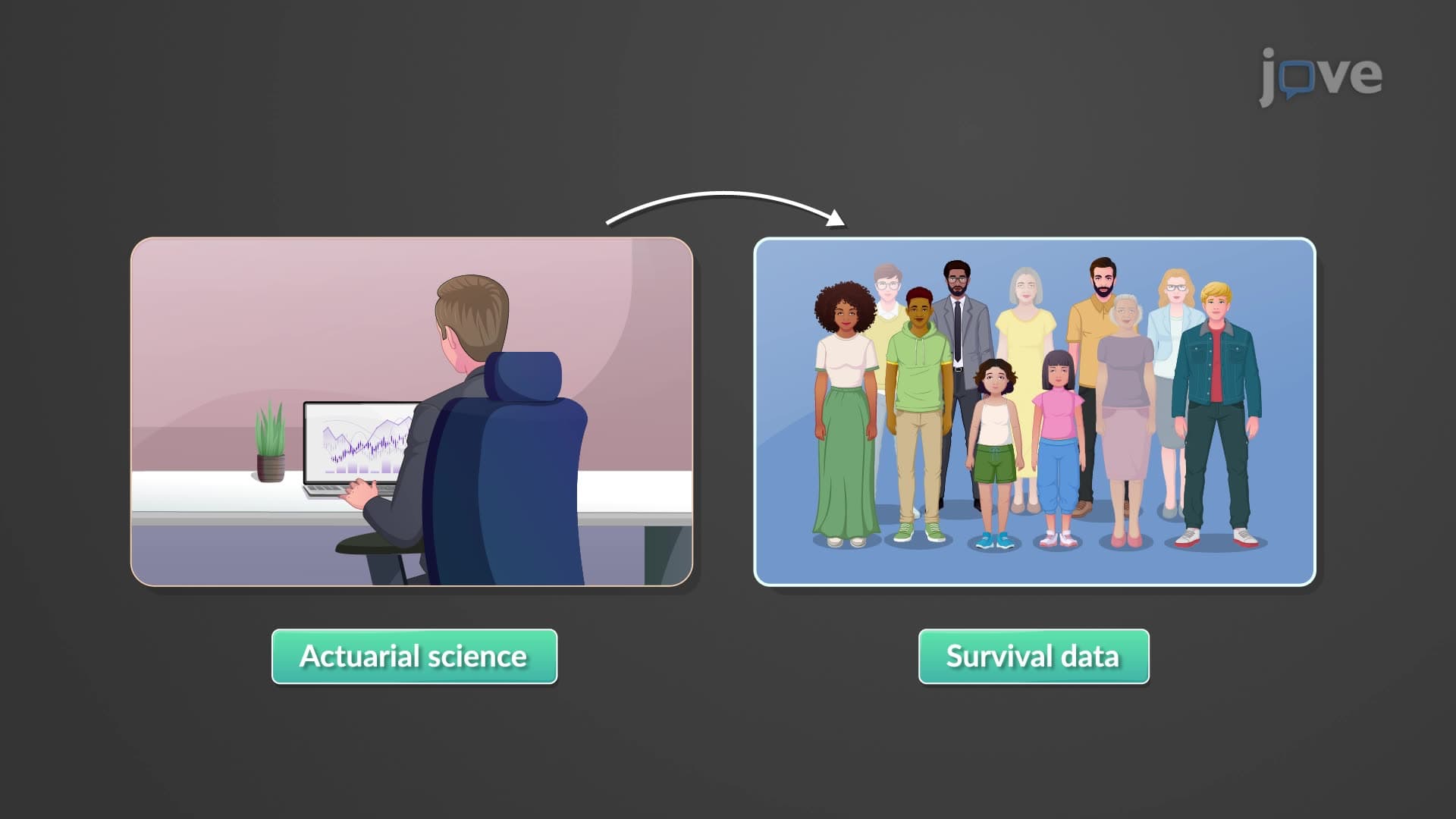
The methodology extends far beyond its name suggests-while originally developed to study mortality, modern survival analysis applications include any time-dependent outcome. At major US medical centers like the Mayo Clinic and Cleveland Clinic, researchers routinely employ these techniques to evaluate everything from treatment efficacy to disease progression patterns.
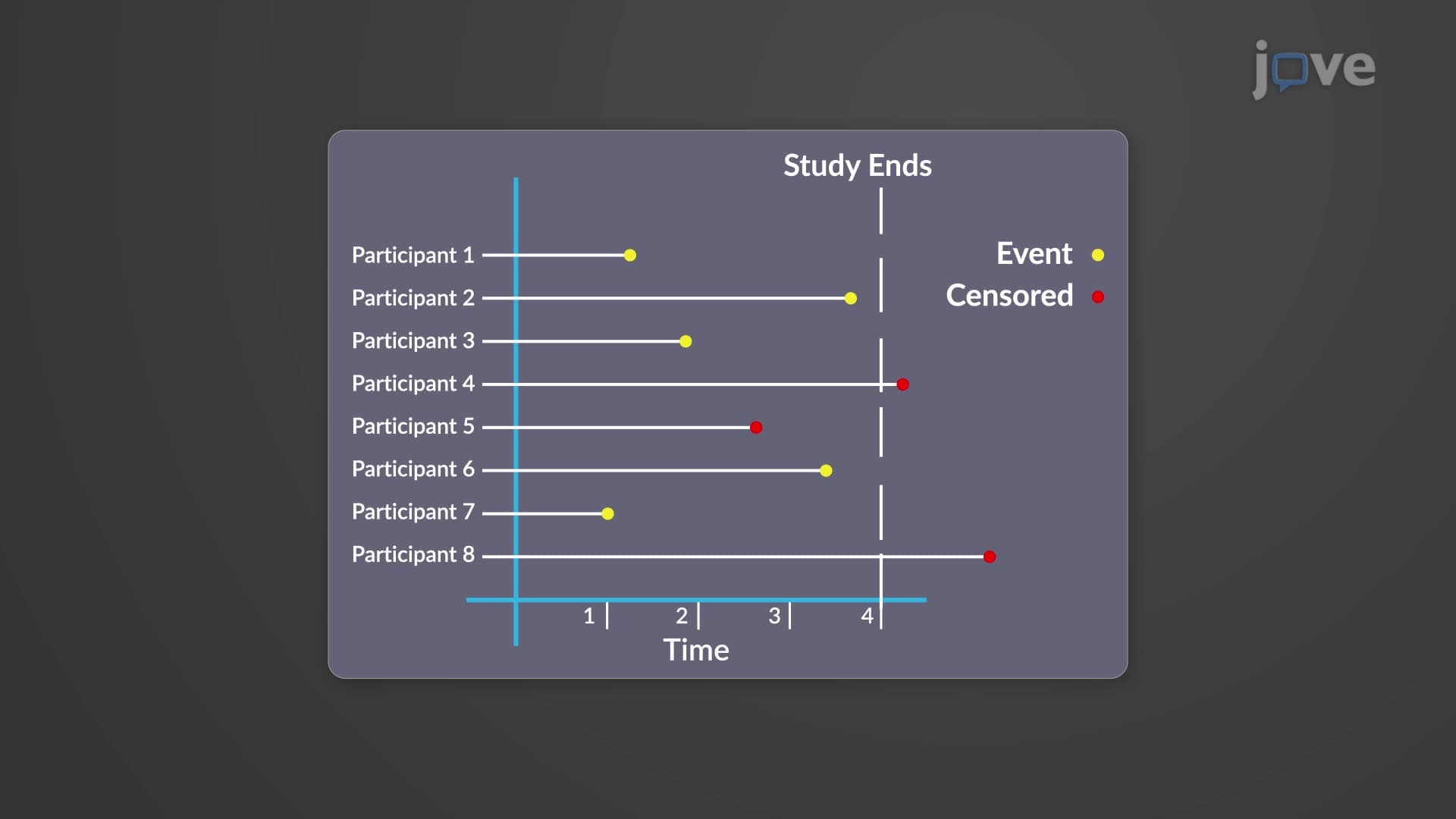
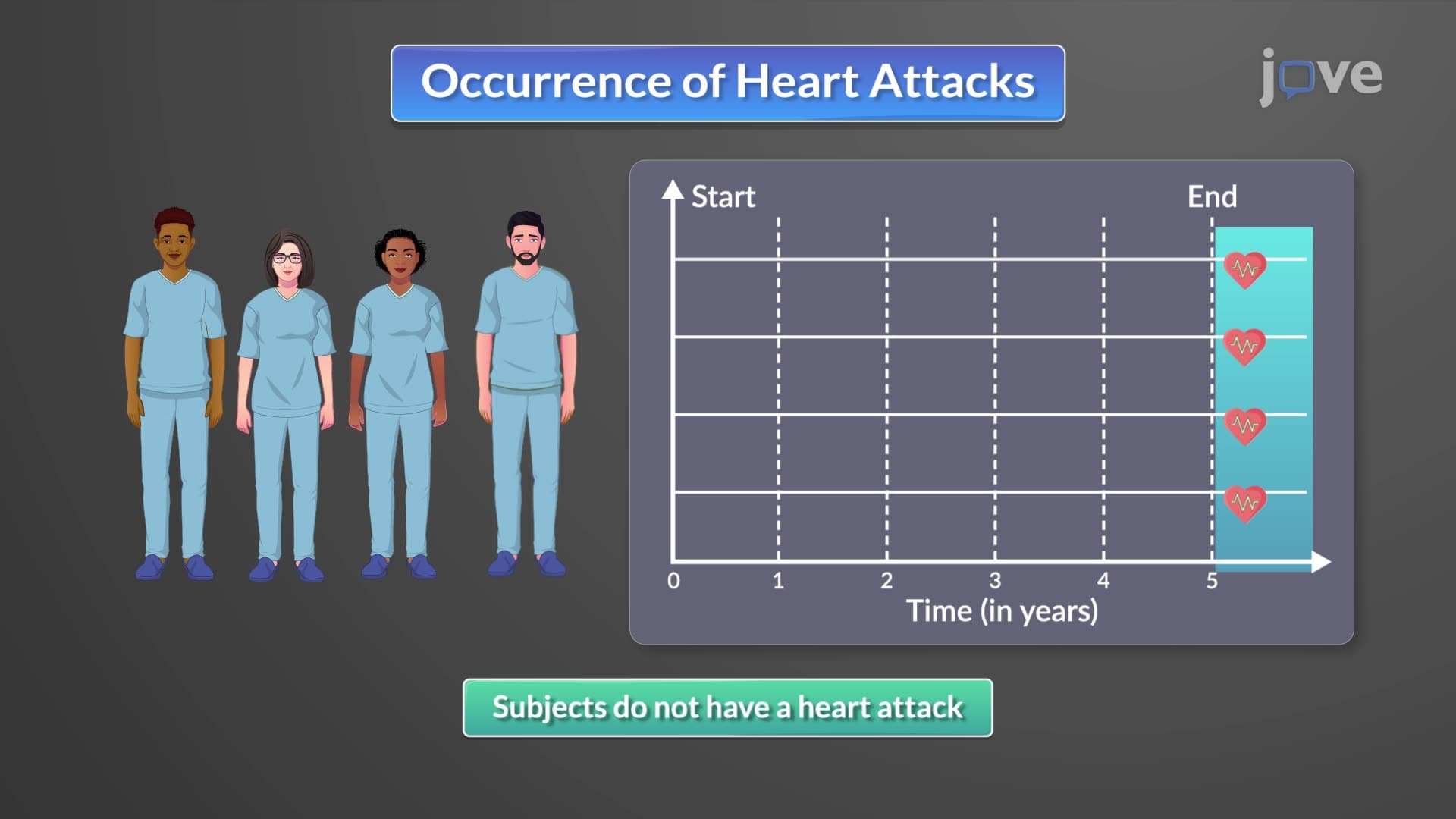
The foundation of any survival analysis study guide begins with understanding three essential elements: the time variable, the event indicator, and the survival function. The time variable measures duration from study entry to either event occurrence or study conclusion. The event indicator specifies whether the outcome of interest occurred during the observation period. Importantly, survival analysis handles "censored" observations-cases where the event hasn't occurred by study end-making it superior to conventional statistical approaches for longitudinal research.
Consider the landmark Framingham Heart Study, which has tracked cardiovascular outcomes in Massachusetts residents since 1948. Researchers use survival analysis to determine how factors like cholesterol levels and blood pressure affect the time to heart disease development, even when some participants haven't experienced cardiac events during decades of follow-up.
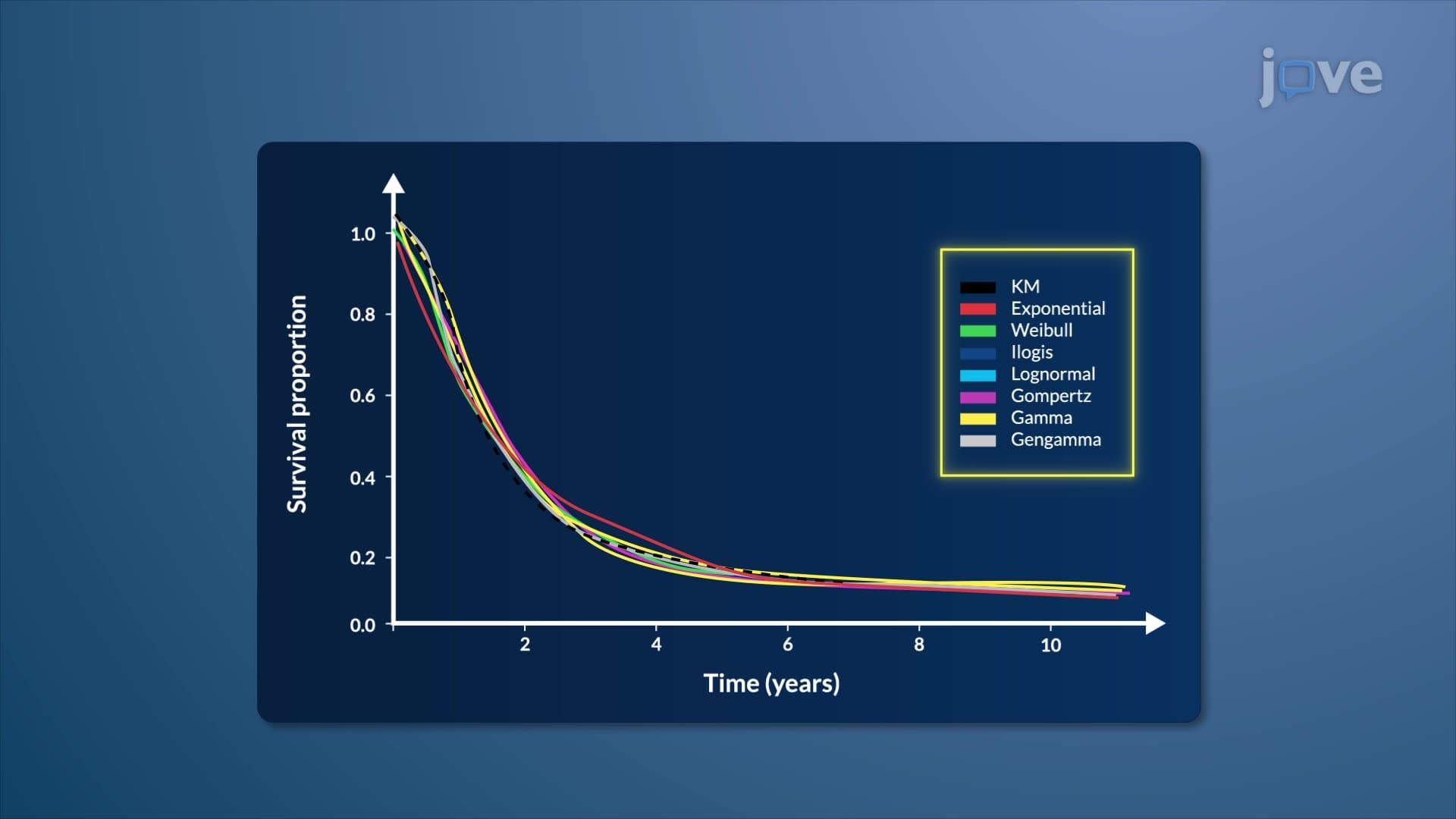
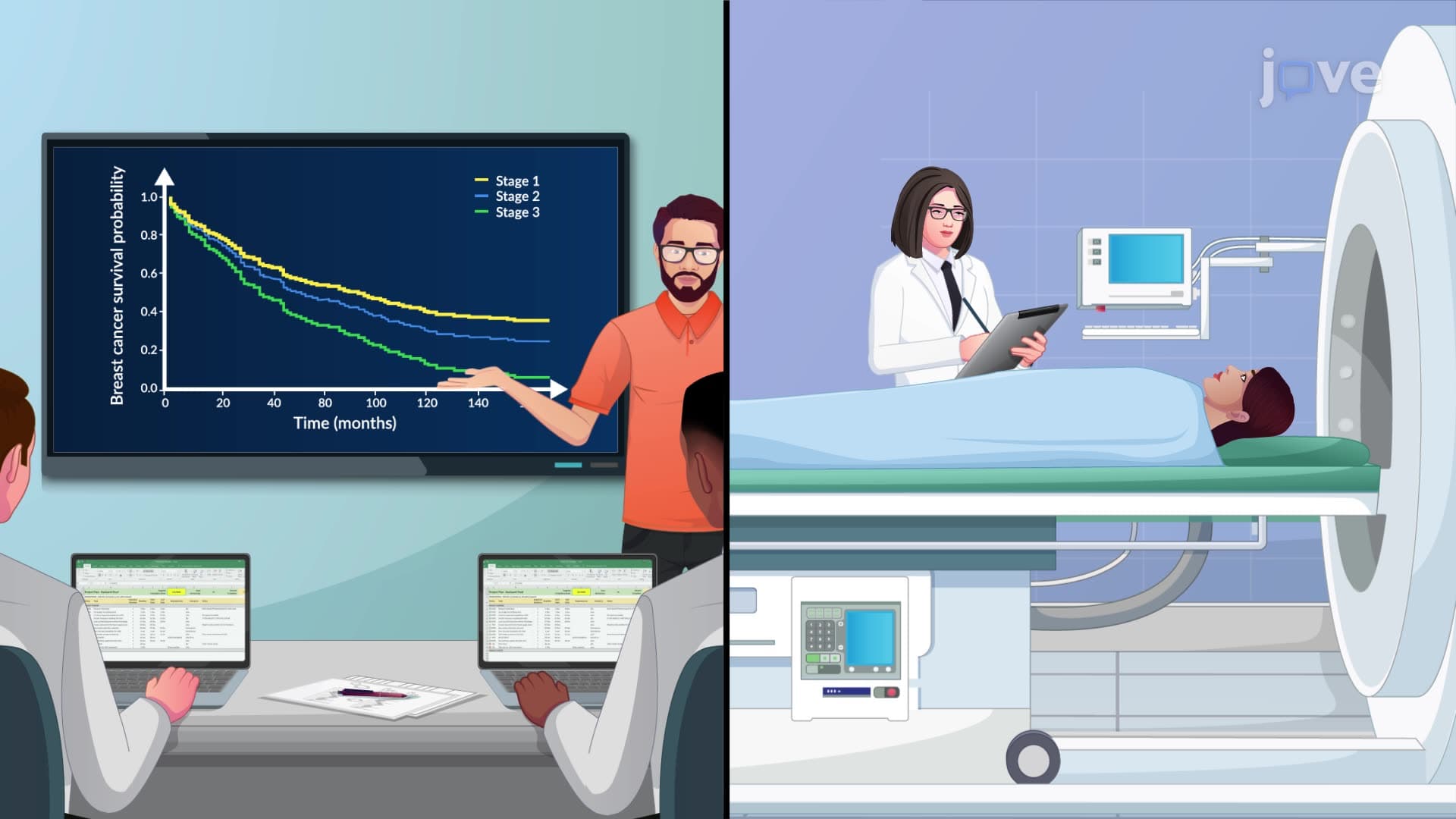
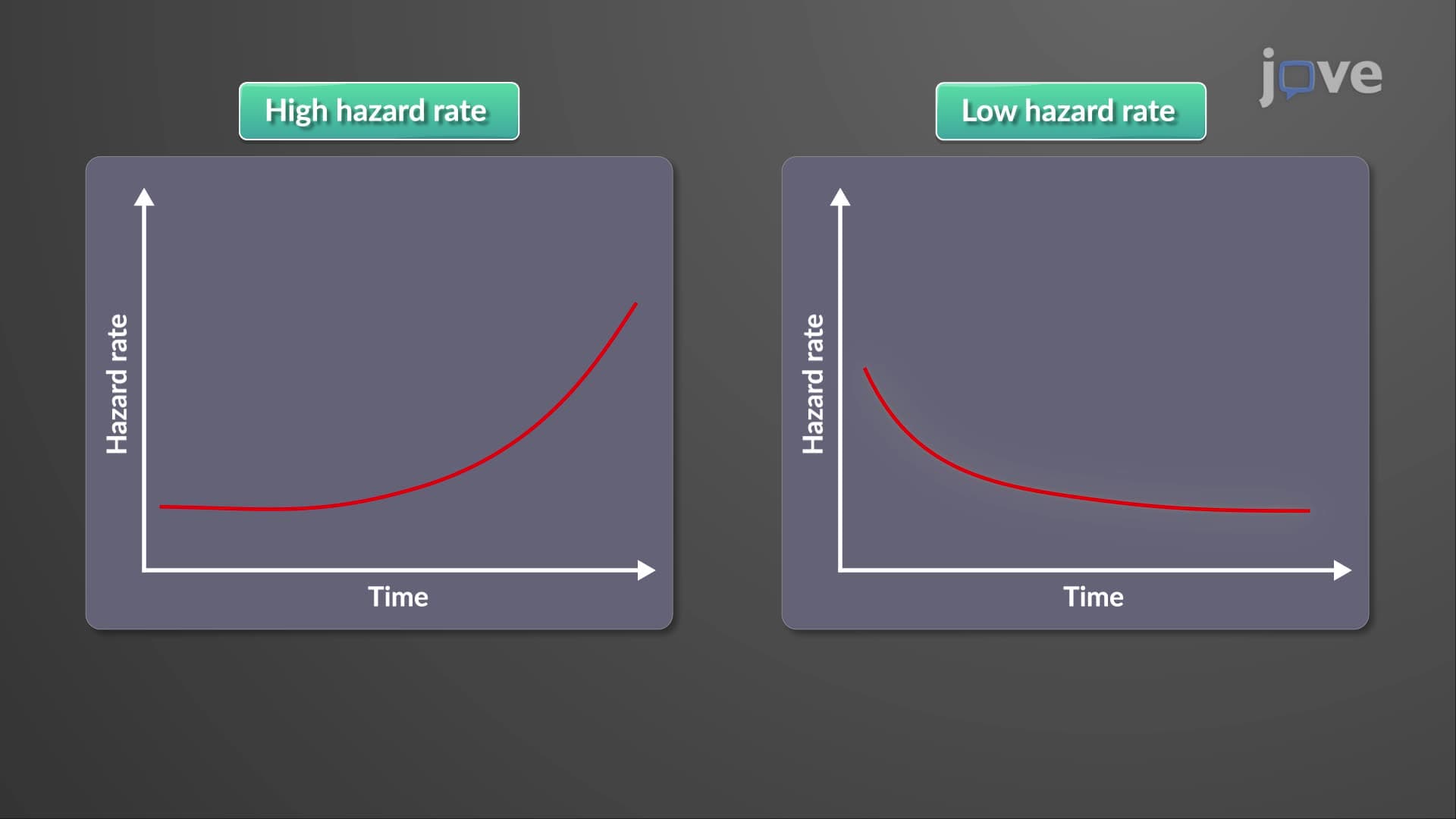
Survival analysis basics encompass several specialized statistical tools. Life tables provide descriptive summaries of survival probabilities over time intervals. The Kaplan-Meier estimator creates survival curves showing the proportion of subjects surviving at each time point. Hazard functions quantify instantaneous risk of event occurrence, while Cox proportional hazards models assess how different variables influence survival times.
Students preparing for advanced placement (AP) Statistics or college-level biostatistics courses should understand that survival analysis requires different assumptions than standard regression models. The non-parametric nature of many survival techniques makes them robust for real-world medical data that rarely follows normal distributions.
Modern survival analysis concepts drive evidence-based medicine across US healthcare systems. The Food and Drug Administration (FDA) requires survival analysis for drug approval trials, particularly in oncology where overall survival serves as the gold standard endpoint. Medical schools integrate these concepts into epidemiology curricula, while nursing programs emphasize survival analysis interpretation for evidence-based practice.
For students interested in healthcare careers, understanding survival analysis provides insight into how clinical guidelines develop and how treatment recommendations evolve based on longitudinal research evidence.
Related Micro-courses