Loading video…

 10 Concepts
 60 views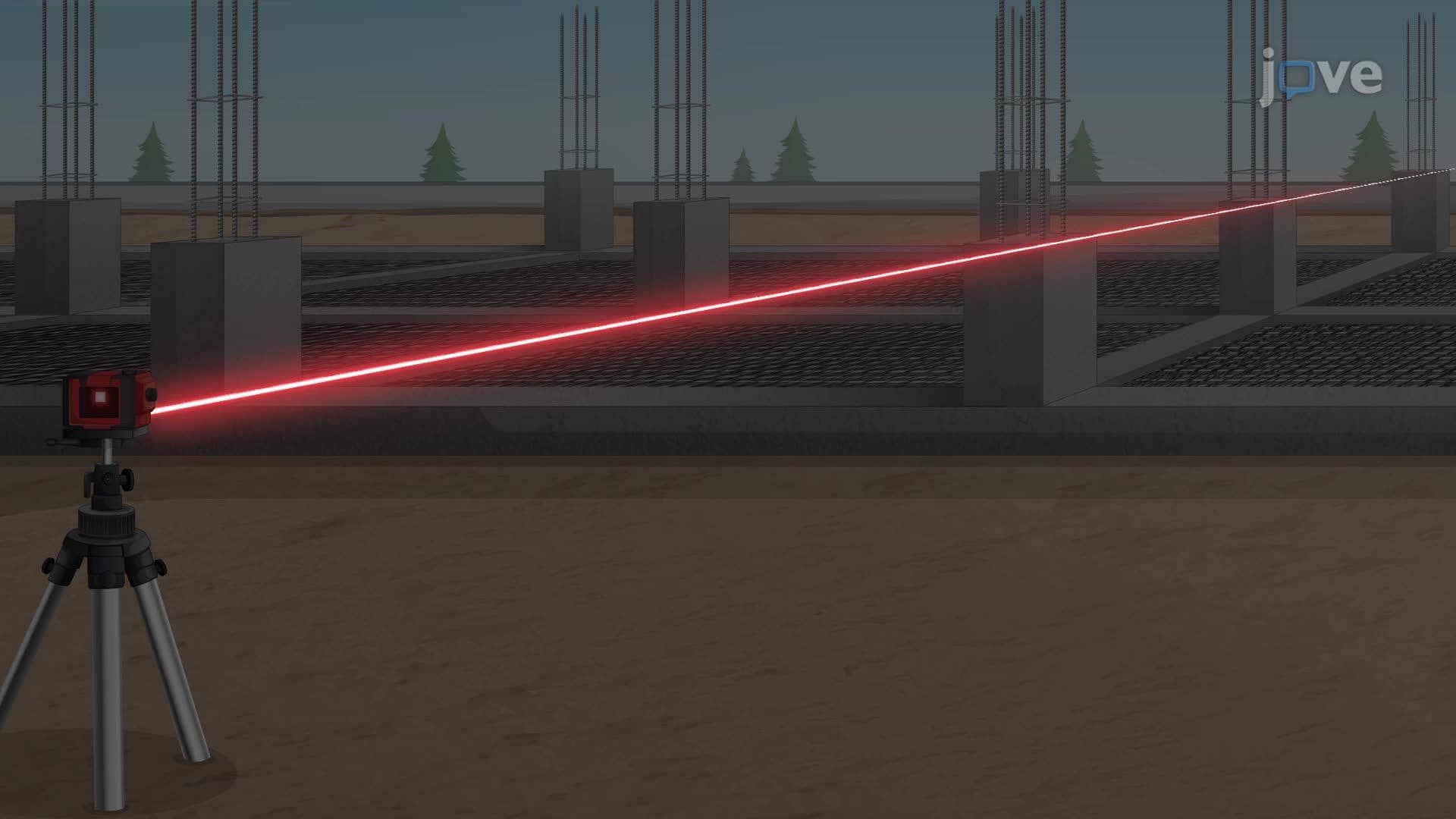

Video Summary: What are Lines in Space
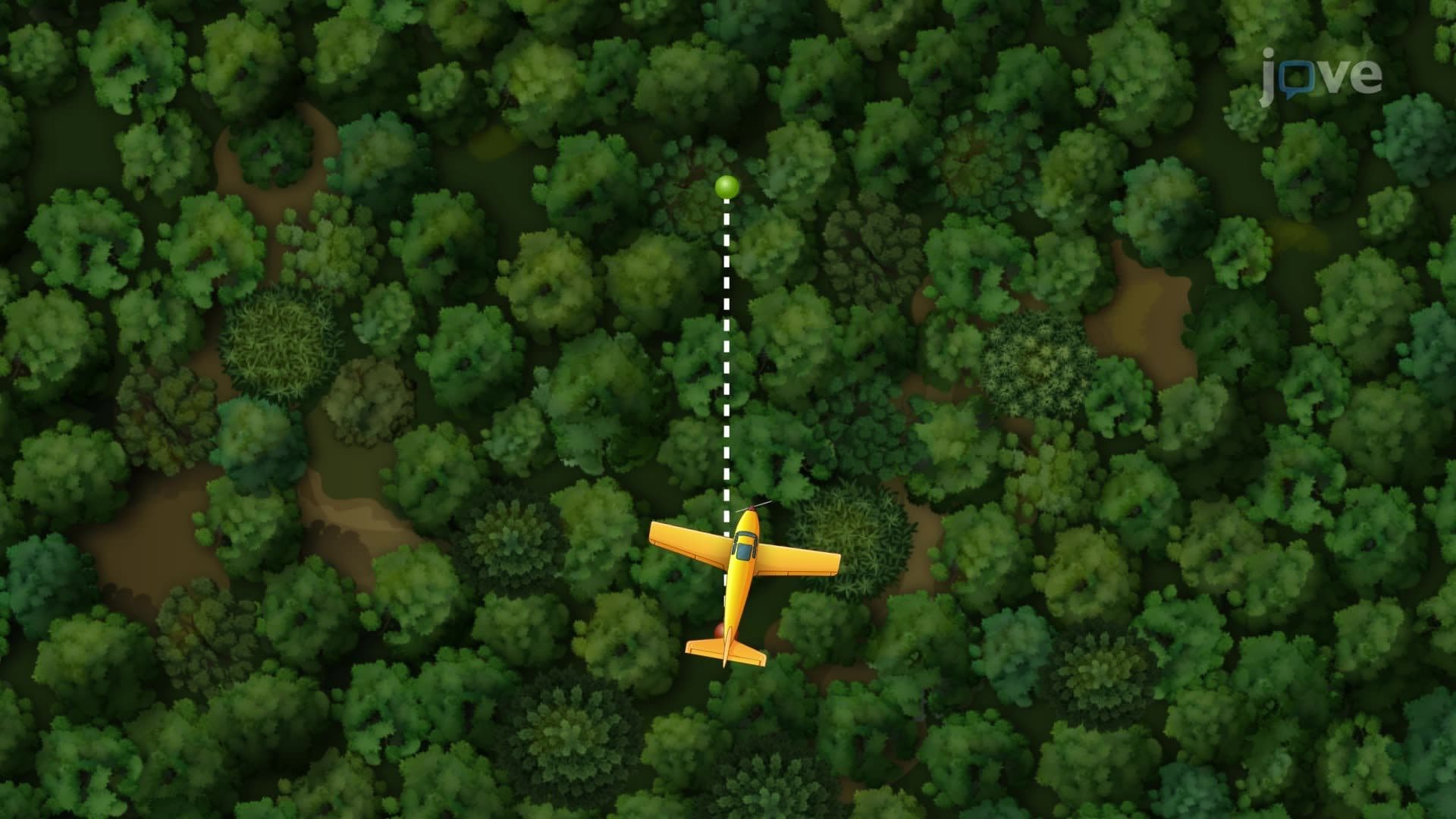
Did you know that construction crews in the US use laser surveying tools to align skyscraper columns using the same math you study in class? Lines in space basics explain how any straight path in 3D can be defined using just one known point and a direction vector. This foundational concept drives everything from NASA trajectory modeling to structural engineering. Watch the full video on JoVE Coach to master this concept with expert-led visuals and step-by-step explanations.
In two-dimensional geometry, a line is described by slope and a y-intercept. But in three-dimensional space, slope alone is not enough, you need both a known point and a direction. Lines in space are straight, infinite paths that extend through 3D coordinates, and they are most powerfully described using vectors. This concept is fundamental in multivariable calculus and linear algebra courses taught across US colleges and universities, and it appears in AP Calculus BC problem extensions and college-level STEM curricula nationwide.
The starting point of any line in 3D is a known position, P0, described by a position vector r0 drawn from the origin. The line travels in the direction of a direction vector v. Any other point P on the line has its own position vector r. The vector connecting P0 to P runs parallel to v, so it must be a scalar multiple of v, written as t·v, where t is a real number called the parameter.
Applying the triangle law of vector addition gives the vector equation of a line:
r = r0 + t·v
This elegant equation says: start at your known point, then travel any distance along the direction vector. When t = 0, you land exactly at P0. When t is positive, you move in the direction of v. When t is negative, you move in the opposite direction. Together, all values of t trace the entire infinite line through space.
The vector equation can be broken into three separate scalar equations, one for each coordinate axis, called the parametric equations of a line:
Here, (x0, y0, z0) is the known point and (a, b, c) are the components of the direction vector v. These parametric equations are heavily tested in college calculus courses (Calculus III / Multivariable Calculus) and are the gateway to solving problems involving direction cosines, the angle between two lines, and the distance from a point to a plane. If the parameter t is eliminated from all three equations, you get the symmetric form of the line, another common exam format.
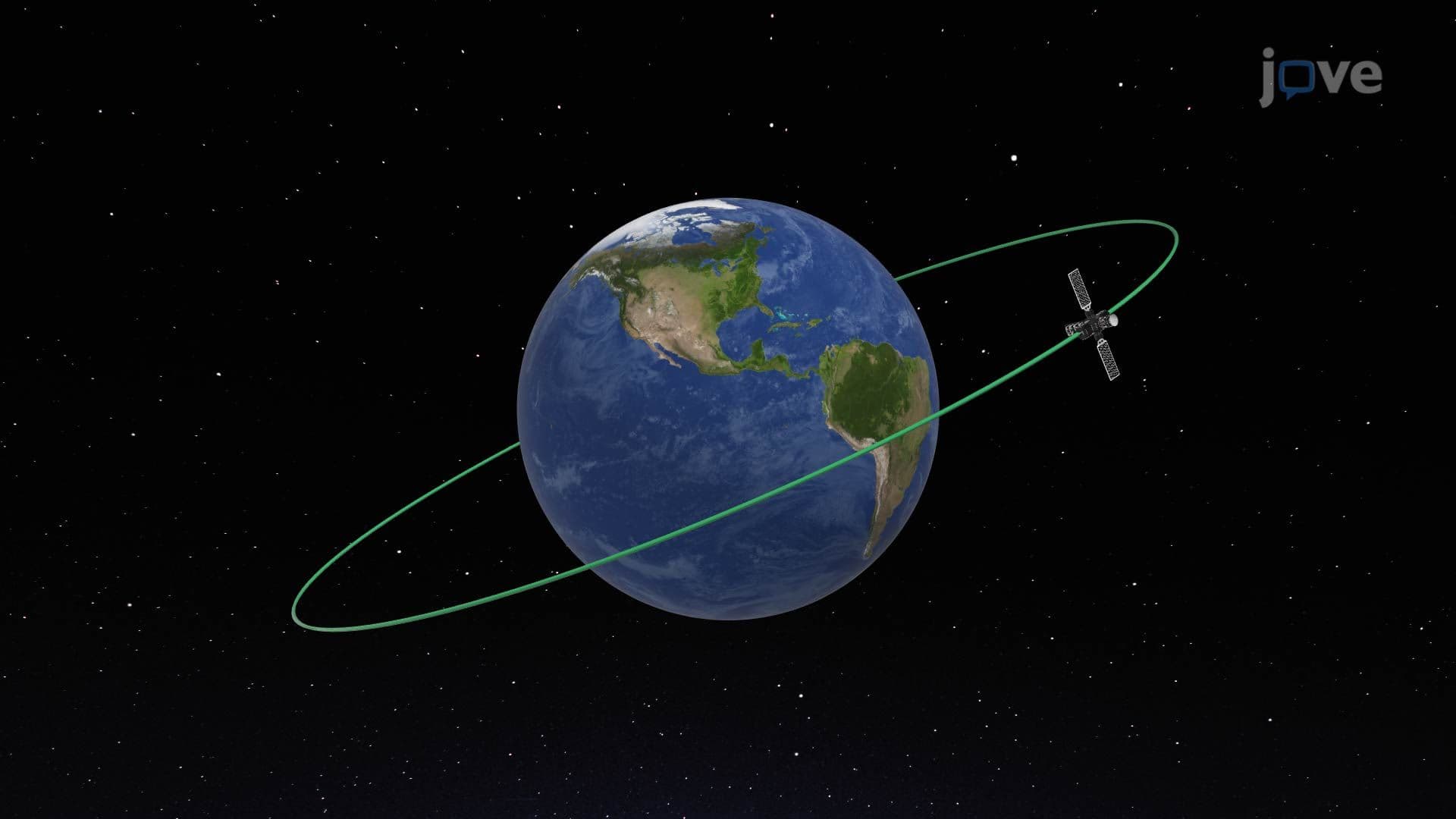
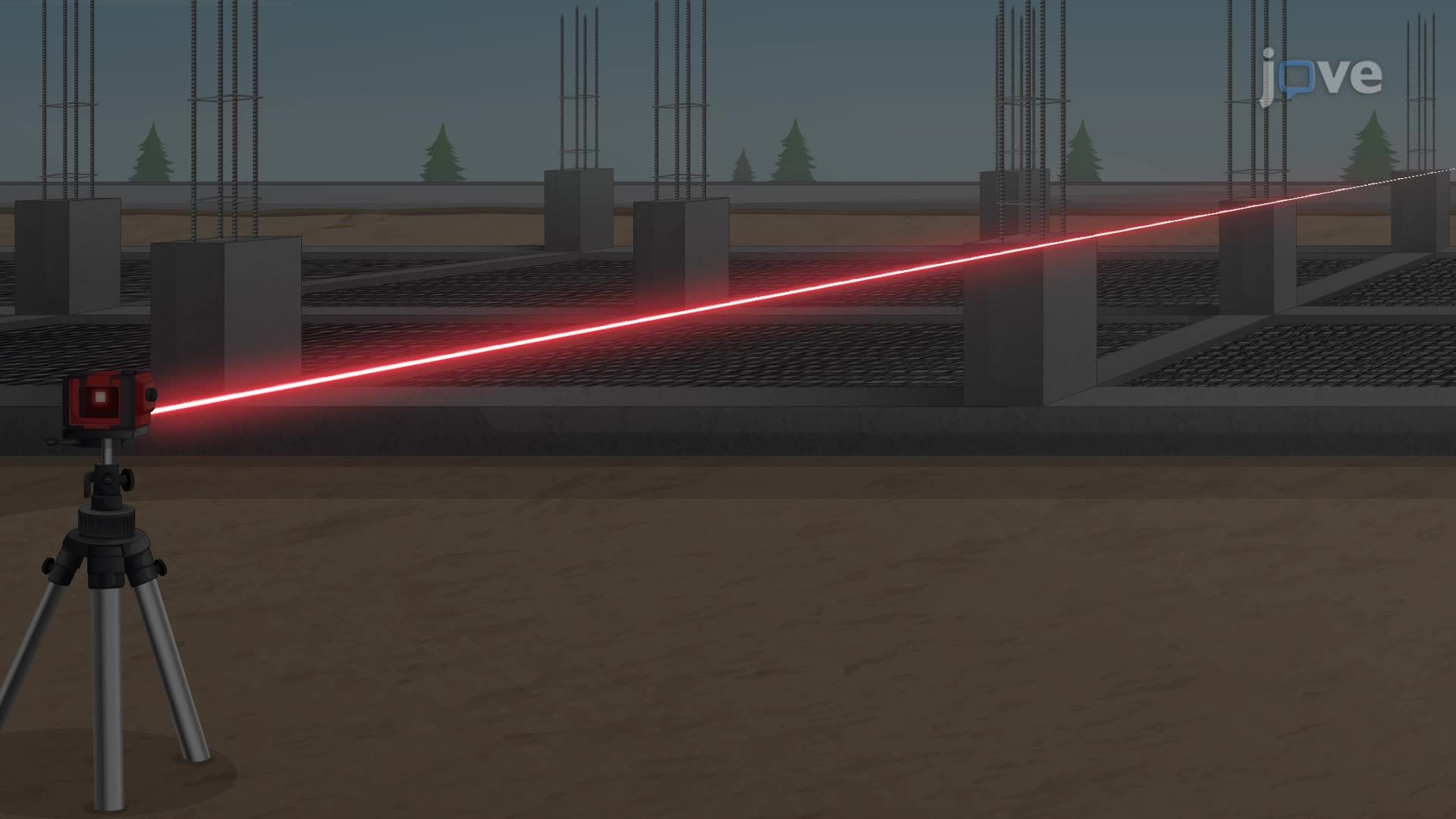
American construction and civil engineering firms use total station surveying instruments that emit laser beams modeled exactly as lines in 3D space. The instrument's known position acts as P0, and the beam's travel direction acts as v. By varying the parameter t, the software computes exact 3D coordinates of any point along the beam, guiding the placement of foundation columns, bridge supports, or utility lines with millimeter precision. The same vector framework powers GPS satellite geometry, aerospace trajectory planning at NASA's Johnson Space Center, and 3D rendering engines used in game development studios across the US. Mastery of this concept is not just academic, it is an applied skill used by engineers, architects, and data scientists every day.
Related Micro-courses