Loading video…

 13 Concepts
 47 views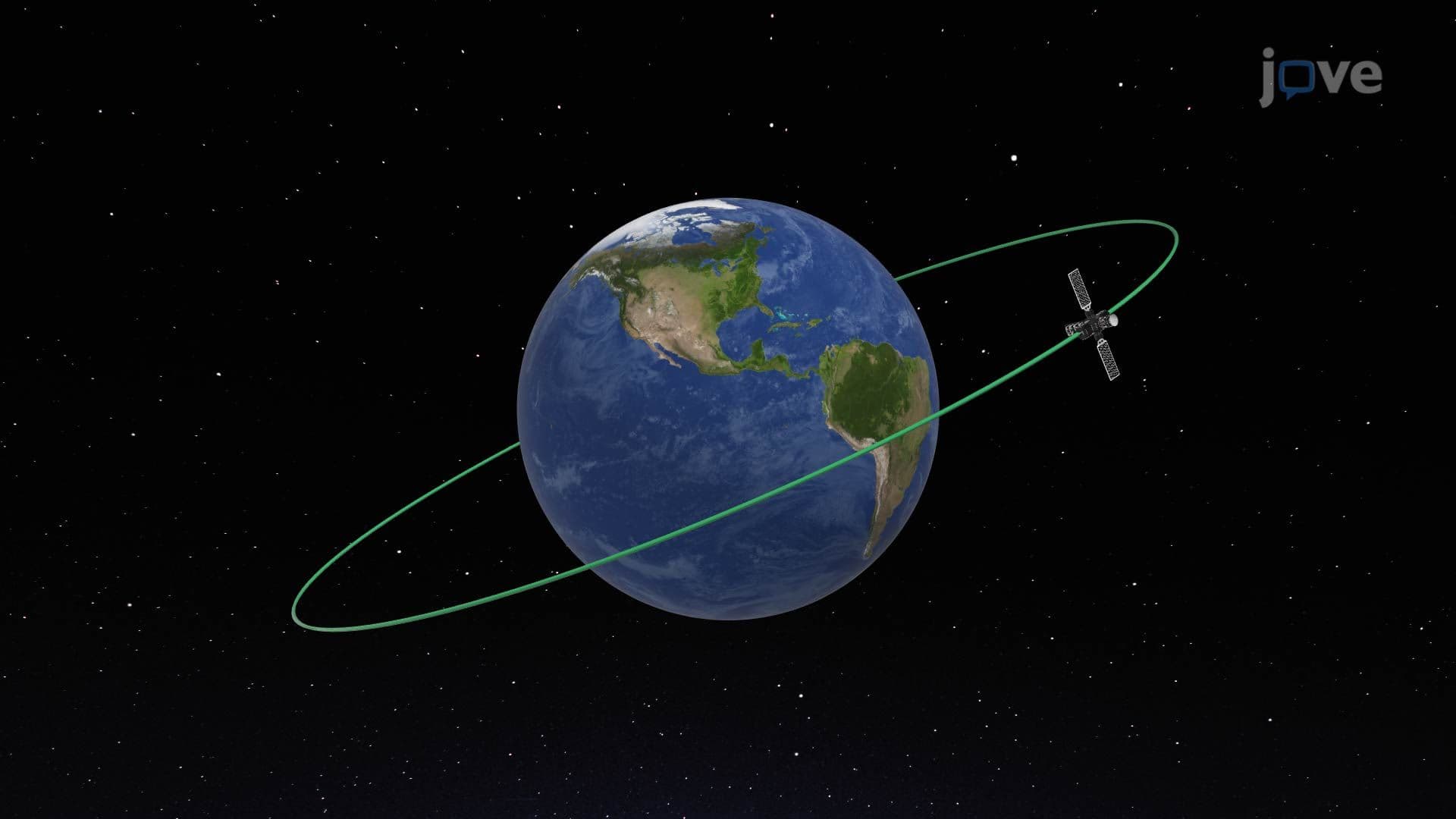

Video Summary: What are Vector Functions
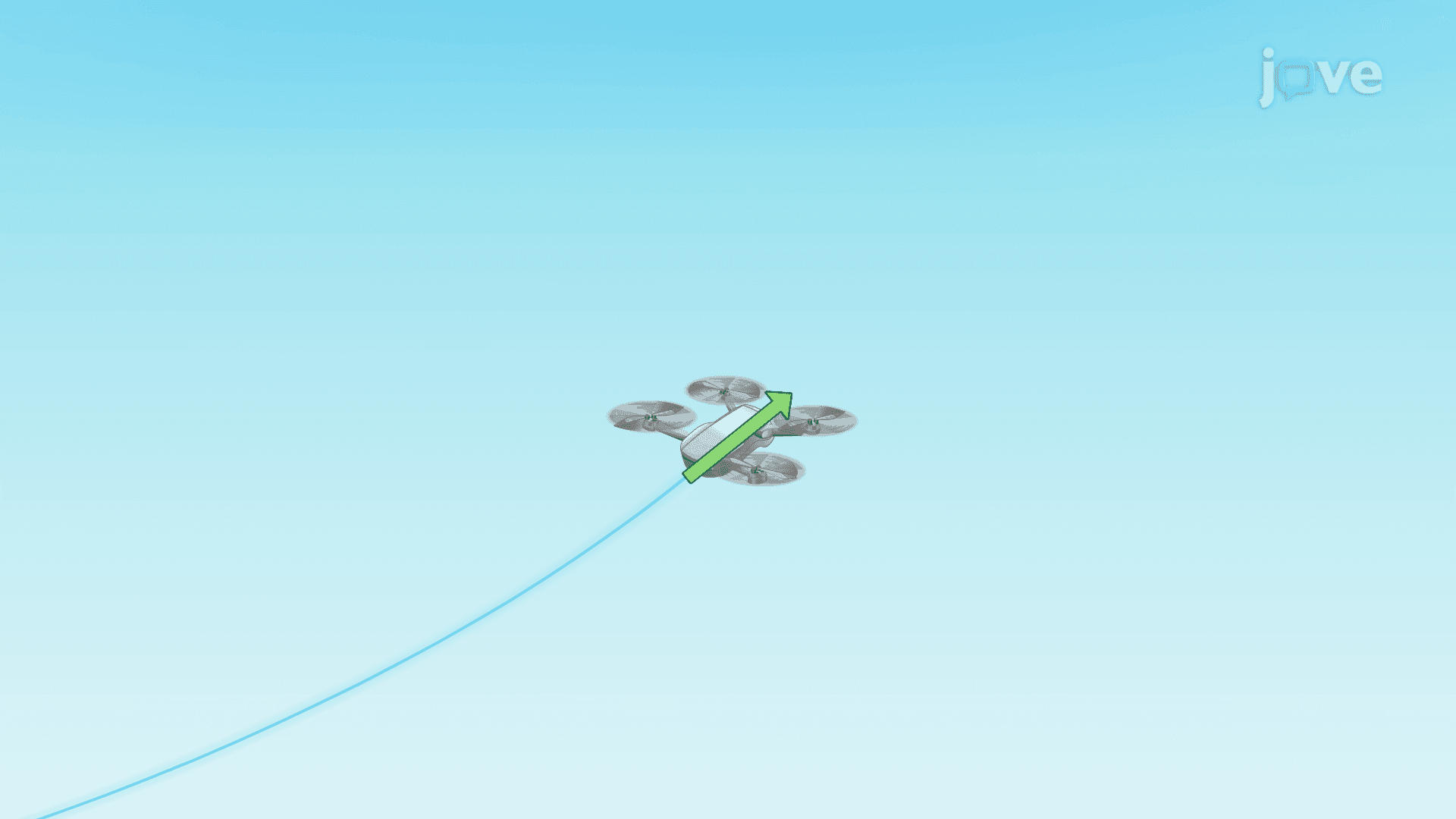
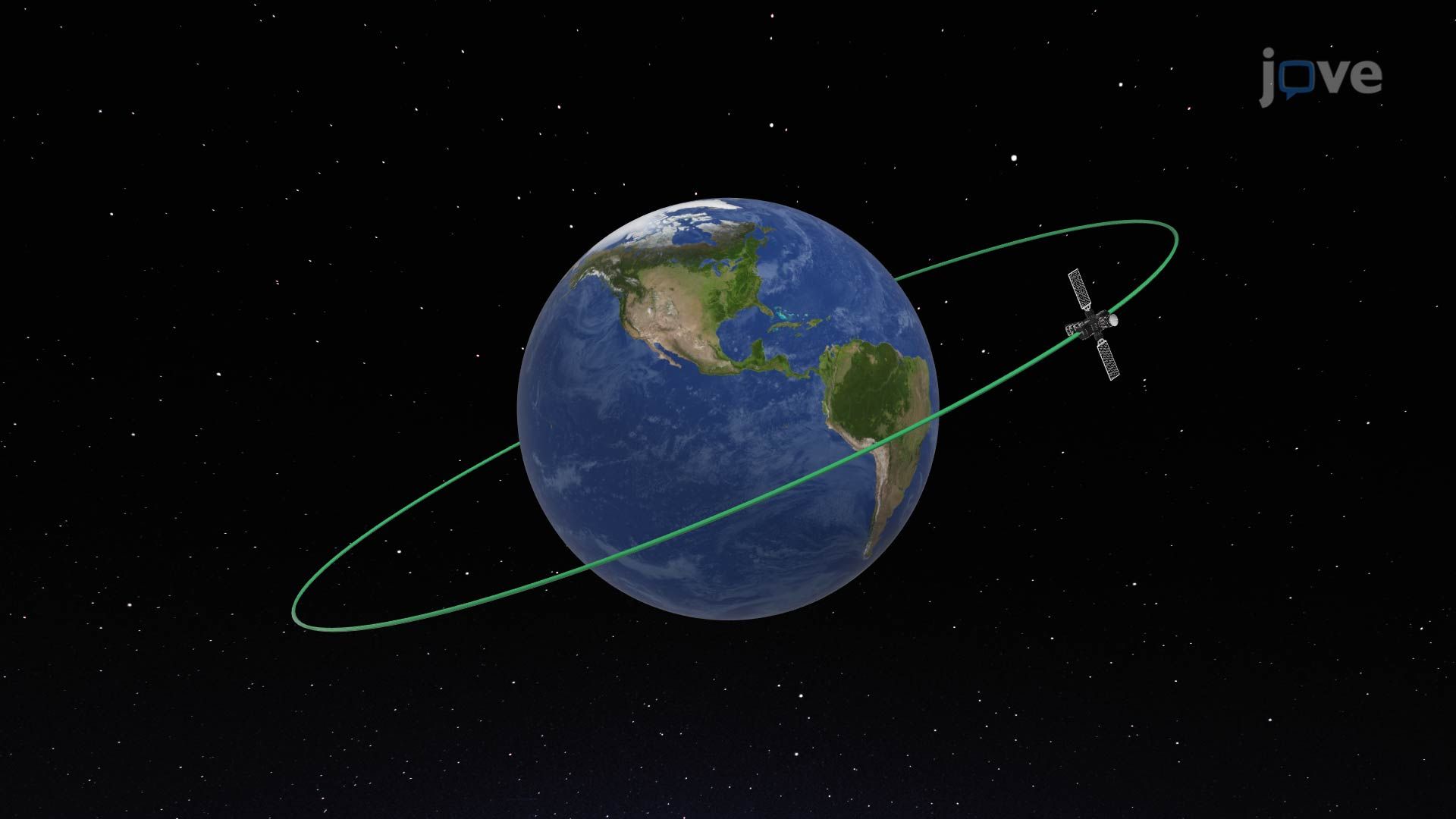
How does NASA track a satellite's exact position as it races around Earth at 17,500 mph? The answer lies in vector functions basics. Vector functions assign a unique vector in space to each moment in time, with three component functions defining location along x, y, and z axes. As time changes, the vector's tip traces a continuous path called a space curve. Watch the full video on JoVE Coach to master this concept with expert-led visuals and step-by-step explanations.
A vector function, also called a vector-valued function, is a rule that assigns a unique vector to every value of a real-number input, typically time *t*. Unlike a standard real-valued function, which outputs a single number, a vector function outputs a full vector with both magnitude and direction. This makes vector functions one of the most powerful tools in multivariable calculus for describing how objects move through space.
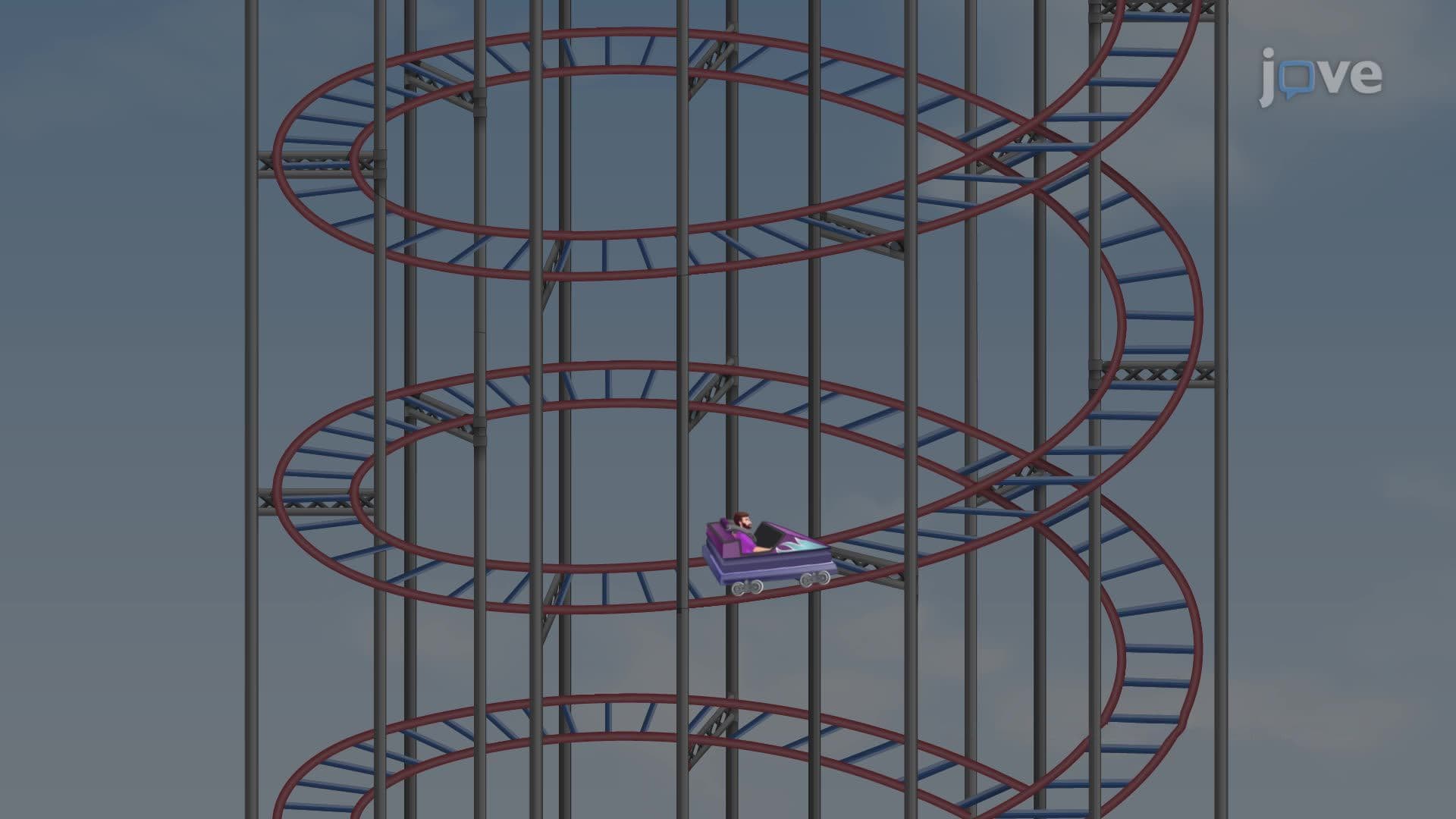
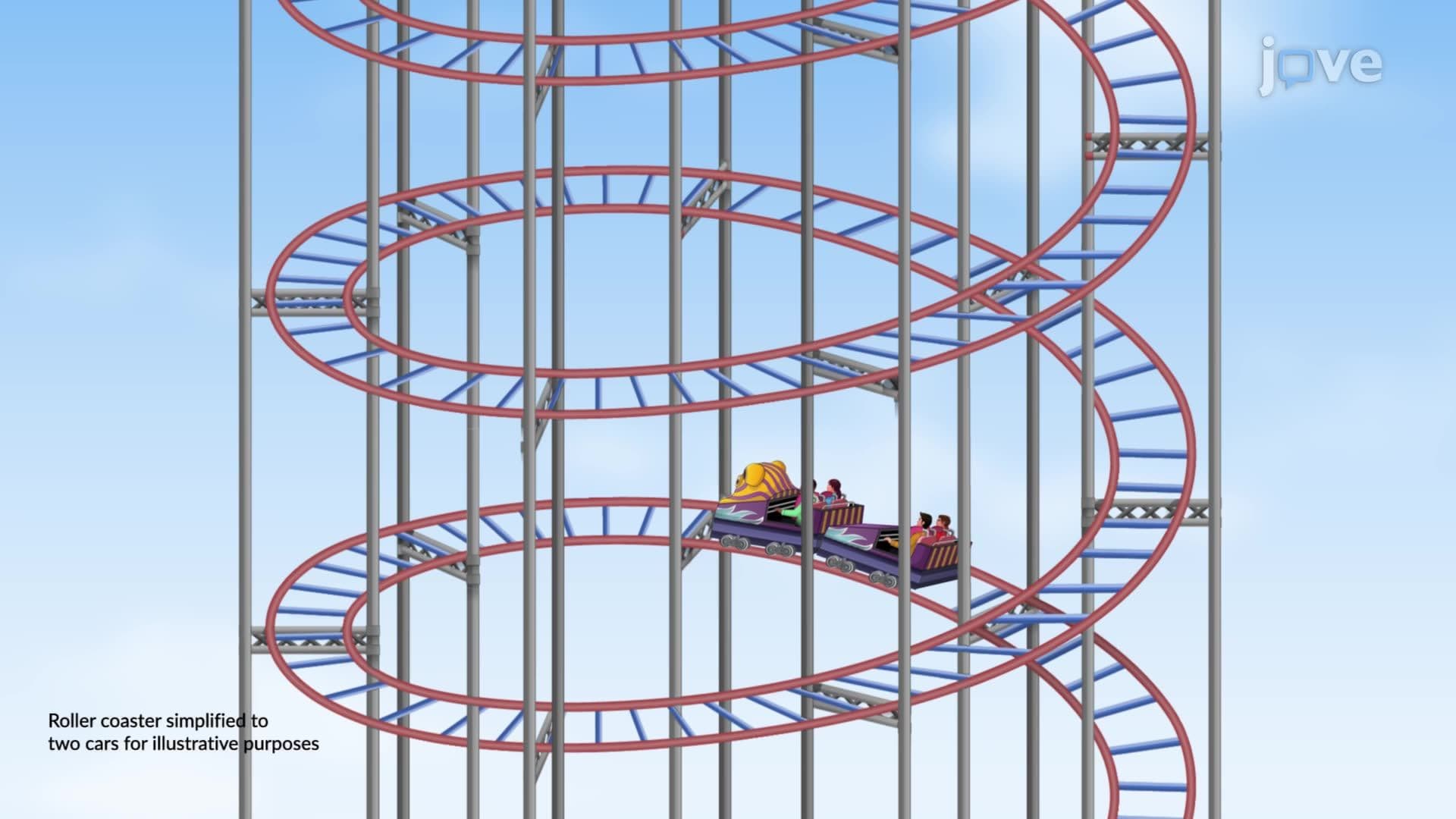
In three-dimensional space, a vector function is written as r(t) = ⟨f(t), g(t), h(t)⟩, where f(t), g(t), and h(t) are ordinary real-valued functions representing the x, y, and z coordinates, respectively. Each component function independently describes how position changes along one axis. For example, if a roller coaster car travels along a curved track, f(t) might describe its east-west position, g(t) its north-south position, and h(t) its height above the ground, all as functions of time.
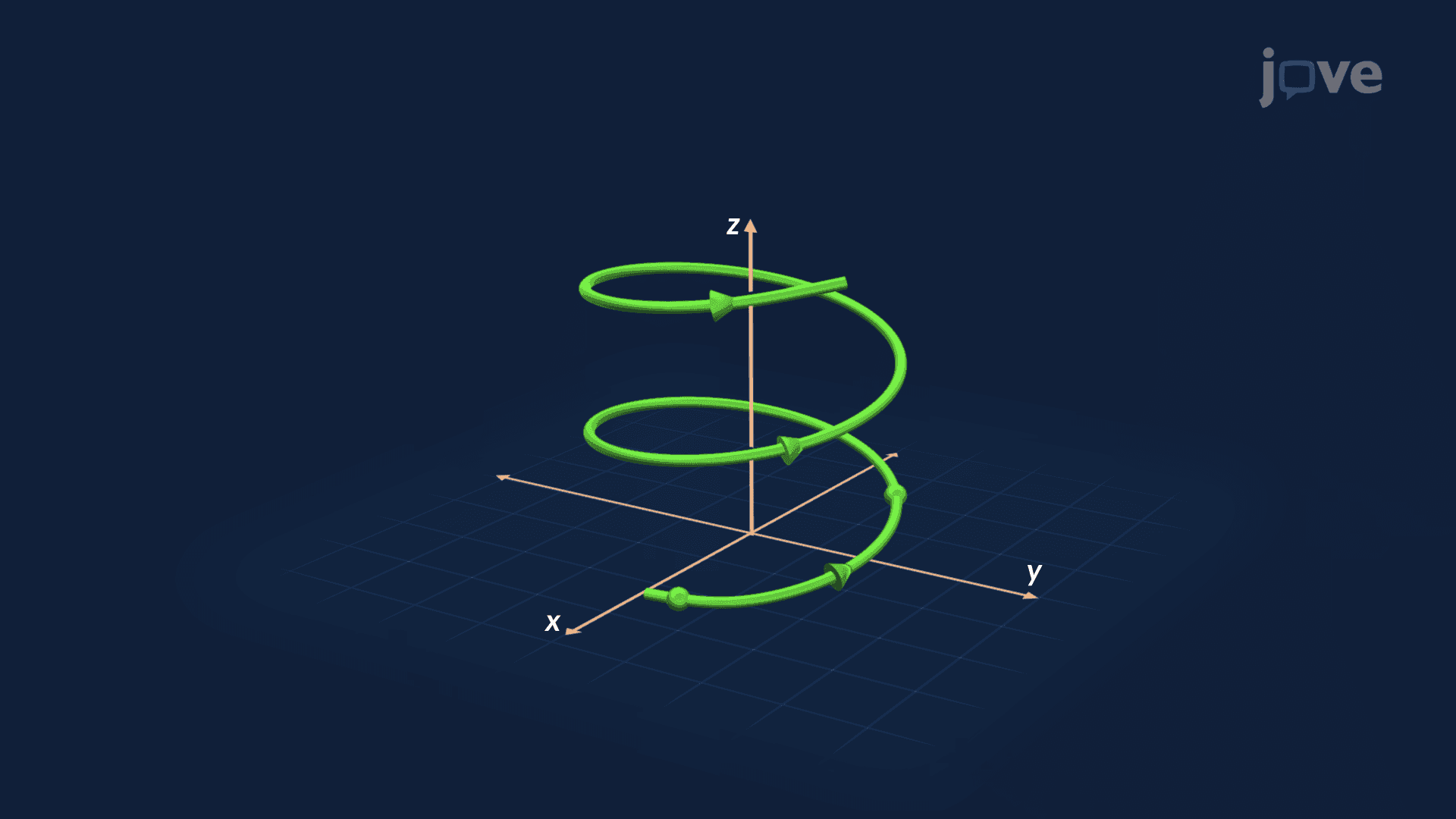
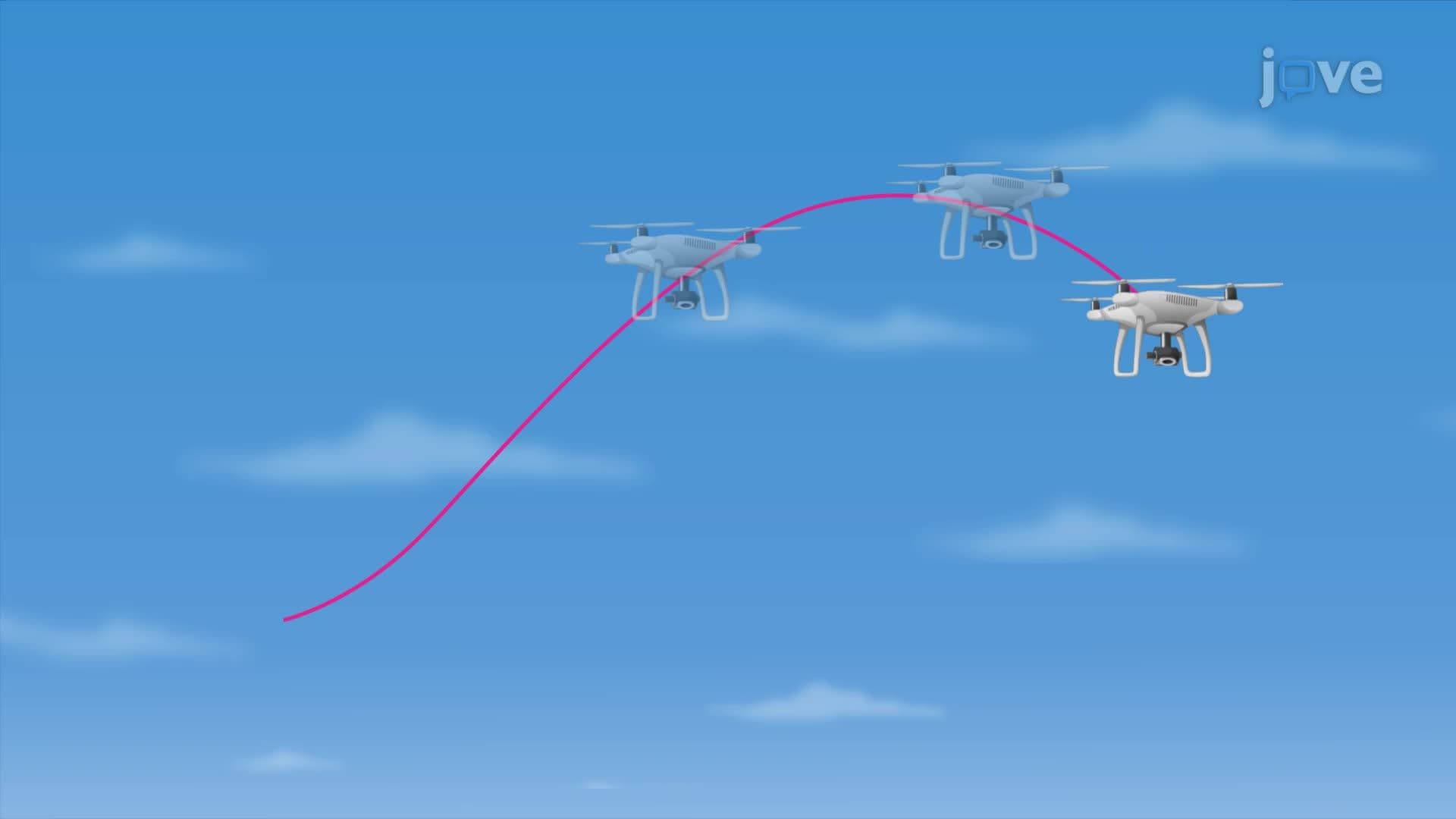
As *t* increases continuously, the tip of the vector r(t) moves through space, tracing what mathematicians call a space curve. This geometric picture is essential for visualizing problems in AP Calculus BC, college-level Calculus III (also called Multivariable Calculus), and physics courses. A helix, like the shape of a DNA strand or a spiral staircase, is a classic example of a space curve defined by a vector function. At MIT, Stanford, and universities across the US, space curves appear throughout engineering and physics curricula precisely because they model real, continuous motion.
One of the most important applications of vector functions is describing physical motion. Once you have a position vector r(t), you can find the velocity vector by taking the derivative: v(t) = r'(t) = ⟨f'(t), g'(t), h'(t)⟩. Differentiating again gives the acceleration vector: a(t) = r''(t). These steps are directly tested on the AP Calculus BC exam and appear frequently in college physics and engineering midterms.
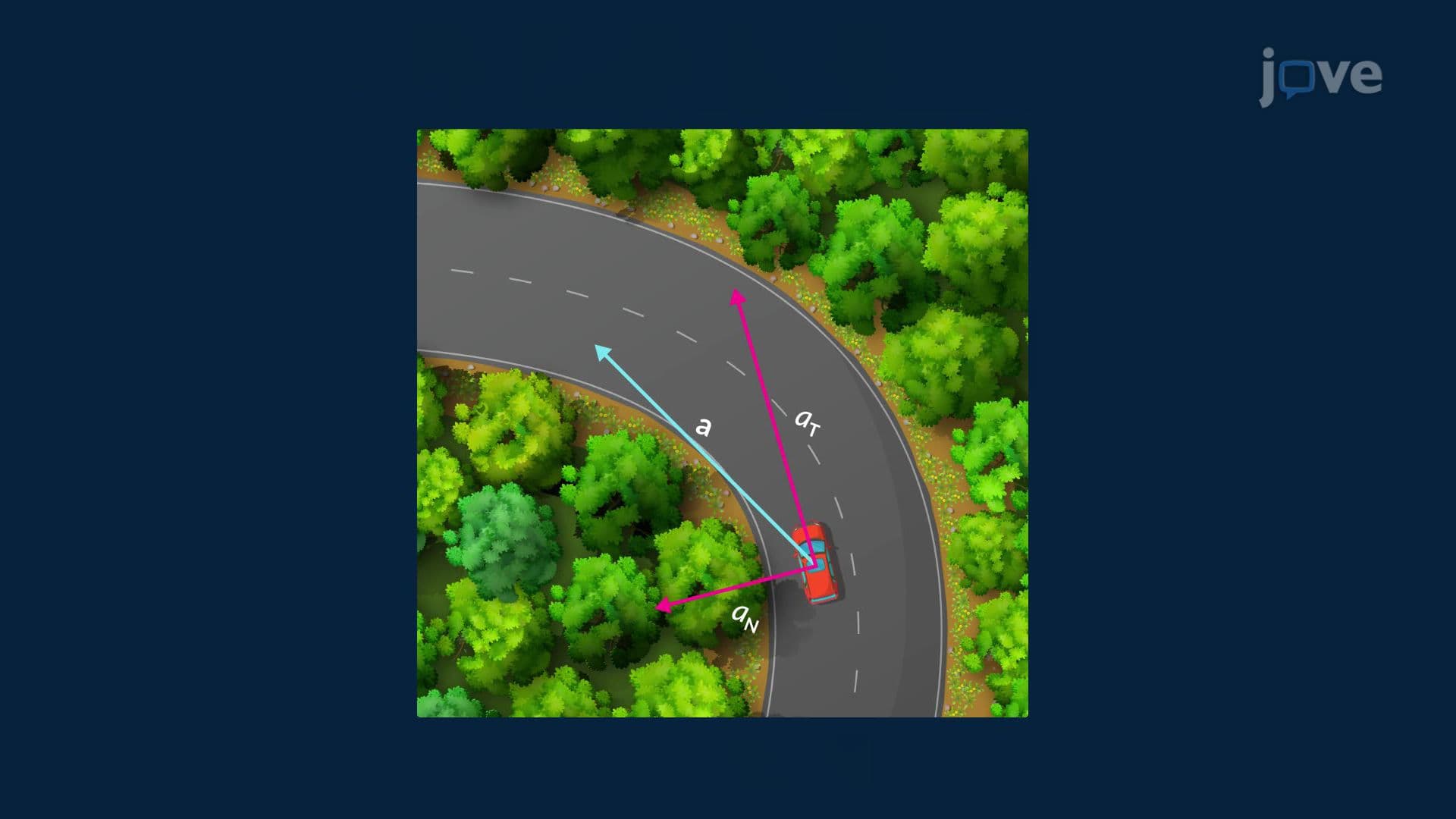
Beyond velocity and acceleration, vector functions connect to richer geometric concepts. Curvature measures how sharply a space curve bends at any given point, a straight line has zero curvature, while a tight loop has high curvature. The unit tangent vector T(t) points in the direction of motion, the normal vector N(t) points toward the center of curvature, and the binormal vector B(t) is perpendicular to both. Together, these three vectors form the Frenet-Serret frame, a coordinate system that travels with the curve. The tangential and normal components of acceleration use this framework to separate how much acceleration changes an object's speed versus its direction, a concept critical in aerospace engineering and orbital mechanics.
The arc length of a space curve, calculated by integrating the magnitude of the velocity vector, tells engineers how much cable is needed for a curved suspension bridge or how far a spacecraft travels along its orbit. NASA's Jet Propulsion Laboratory in Pasadena, California uses vector-function-based models to compute precise orbital insertion burns for deep-space probes. Whether you're studying for AP Calculus BC, preparing for a college Calculus III course, or heading into an engineering or physics major, mastering vector functions explained here gives you the mathematical language of motion itself.
Related Micro-courses