Loading video…

 13 Concepts
 47 views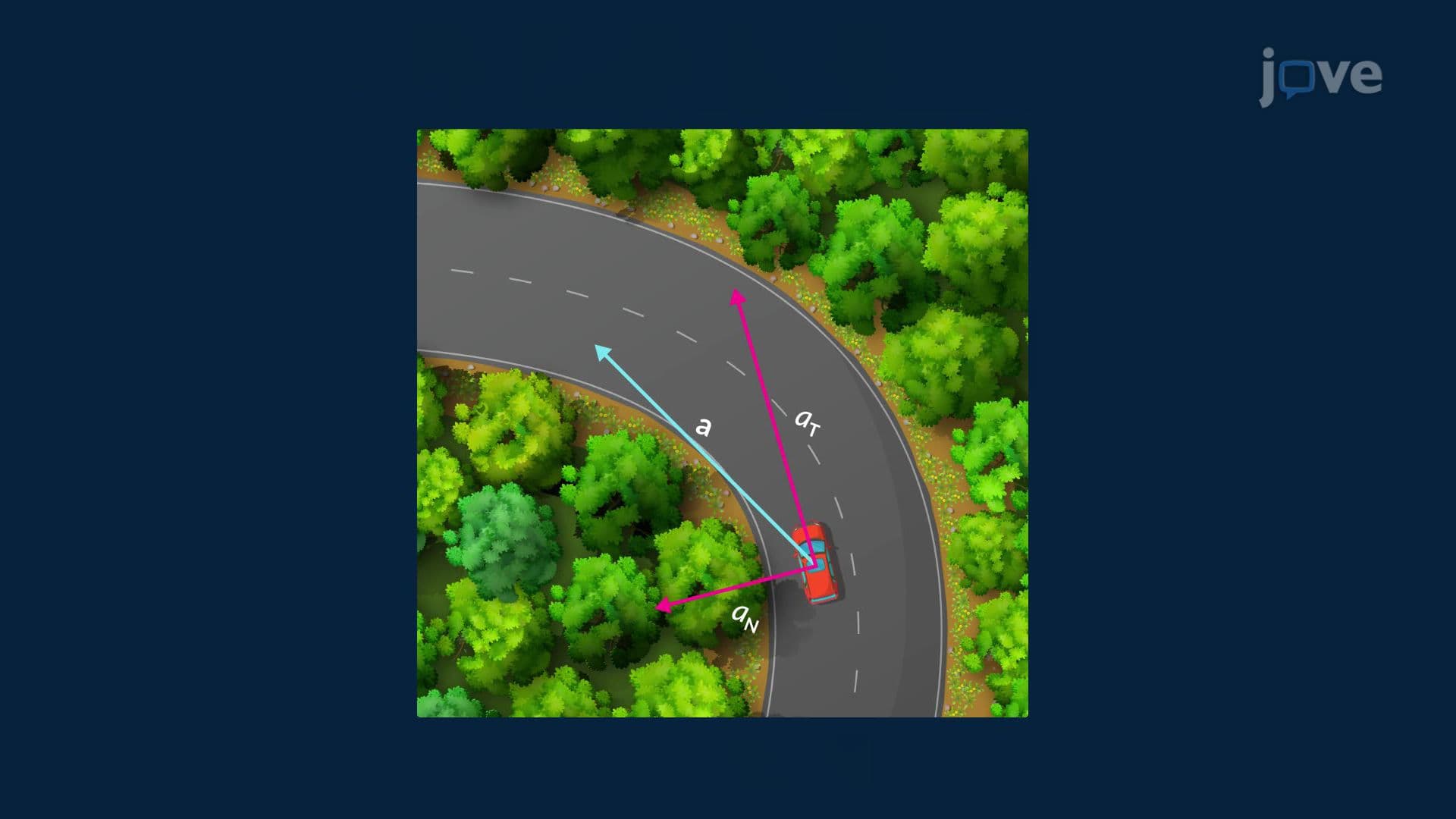

Video Summary: Tangential and Normal Components of Acceleration Explained
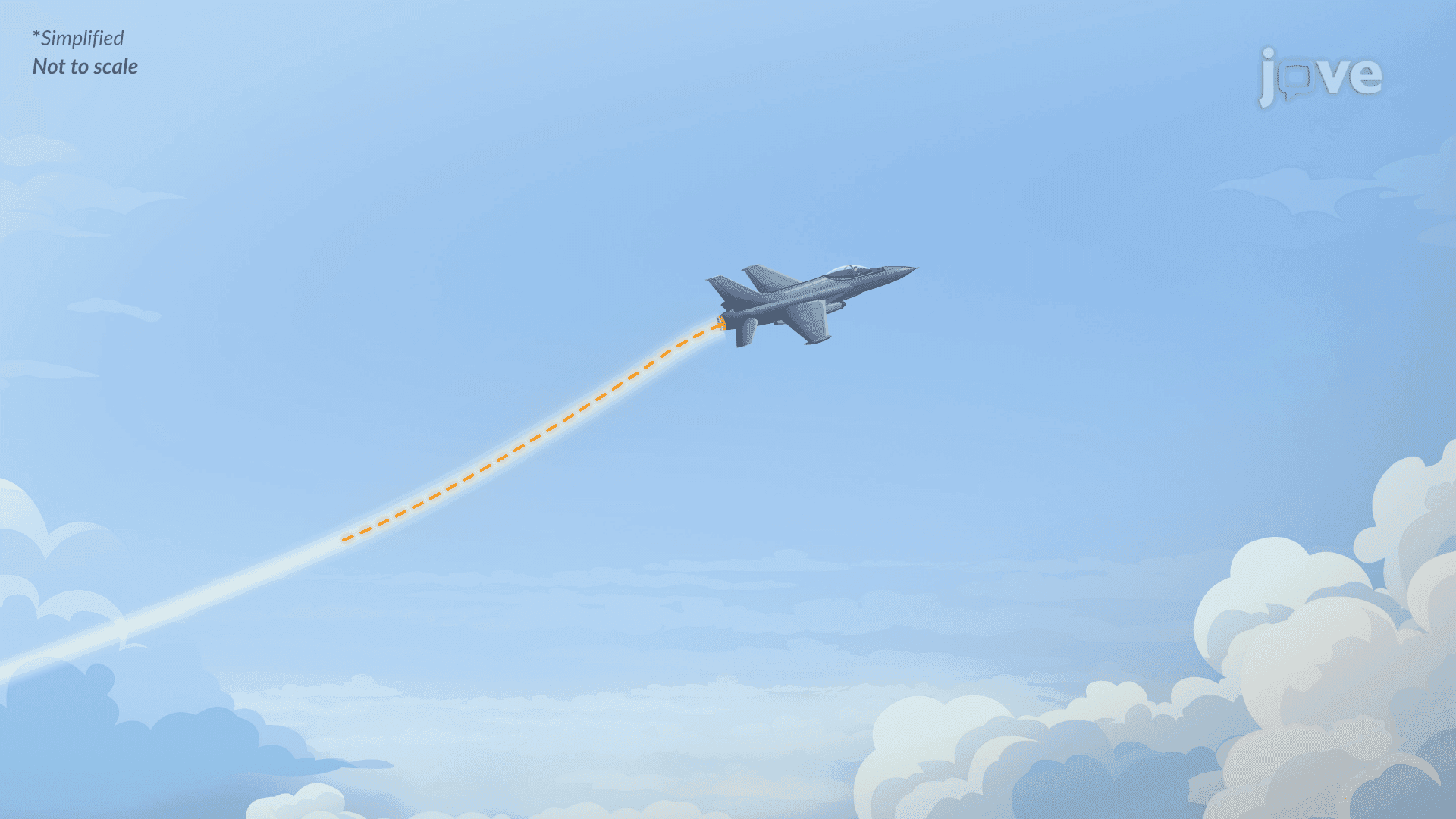
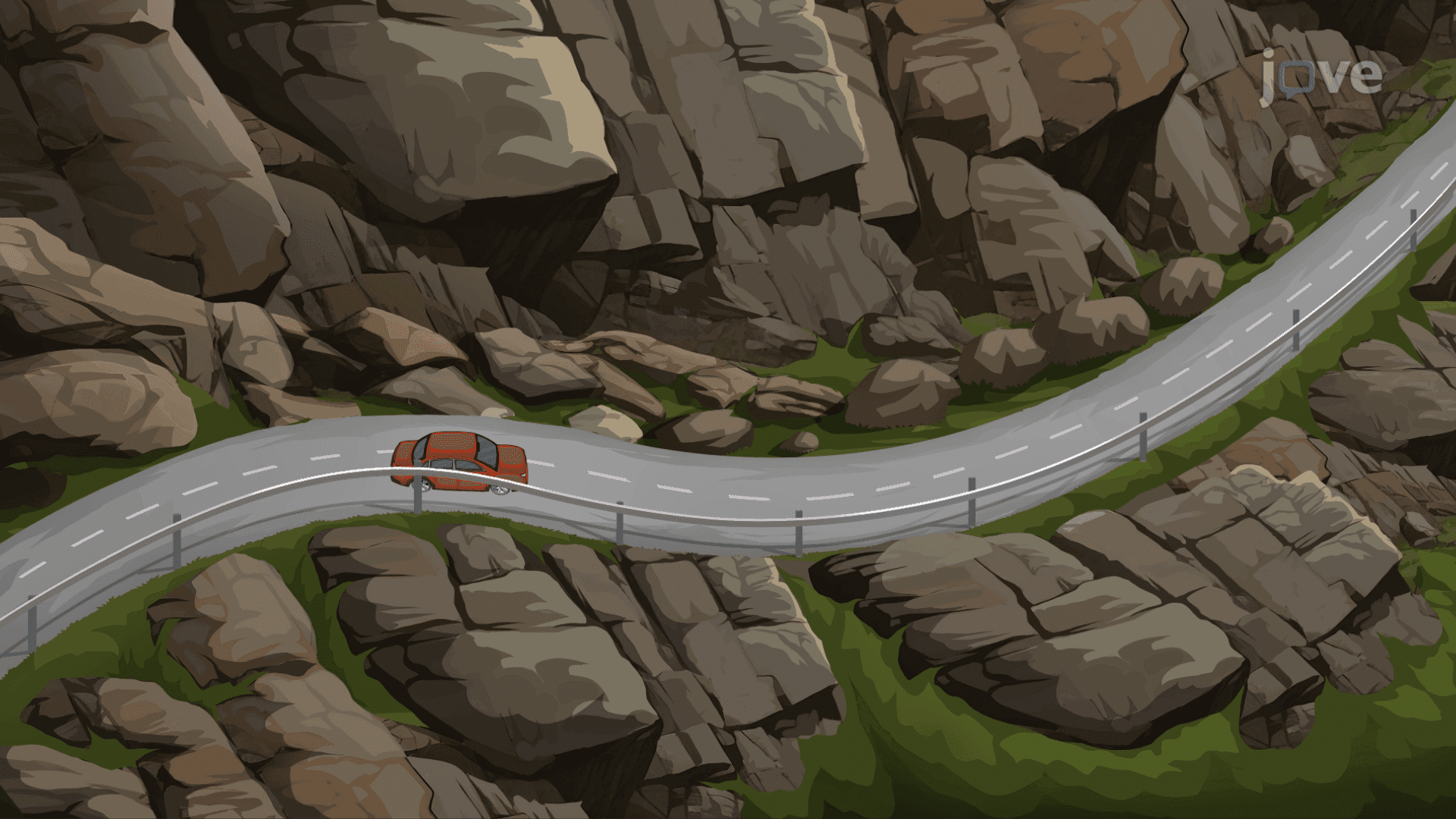
Why does a car's passenger get pushed sideways so forcefully during a sharp, high-speed turn? The answer lies in the tangential and normal components of acceleration. Understanding tangential and normal components of acceleration basics reveals how any curved-path motion splits into two distinct forces: one changing speed, one changing direction. NASCAR drivers and aerospace engineers rely on exactly this principle. Watch the full video on JoVE Coach to master this concept with expert-led visuals and step-by-step explanations.
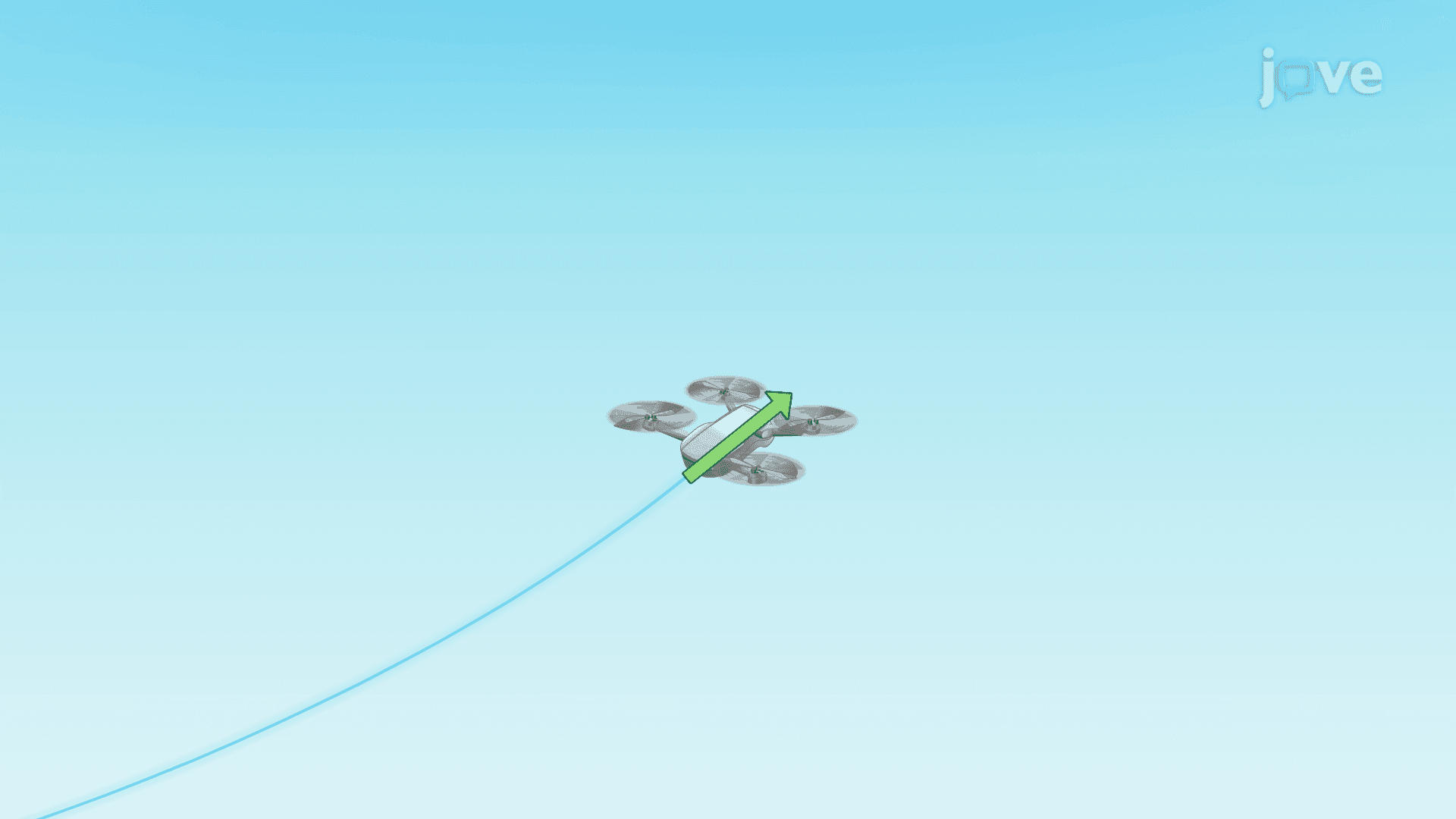
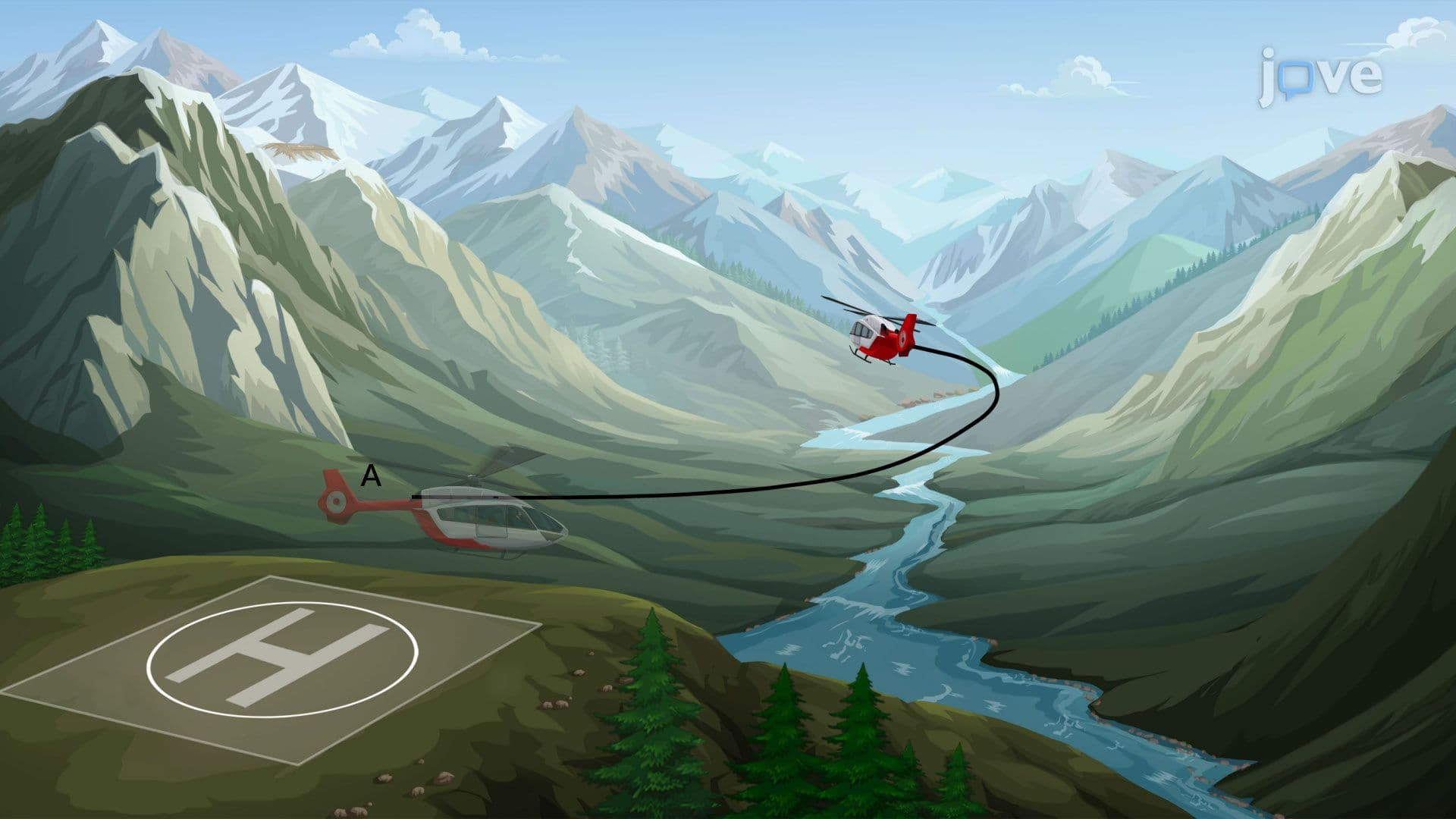
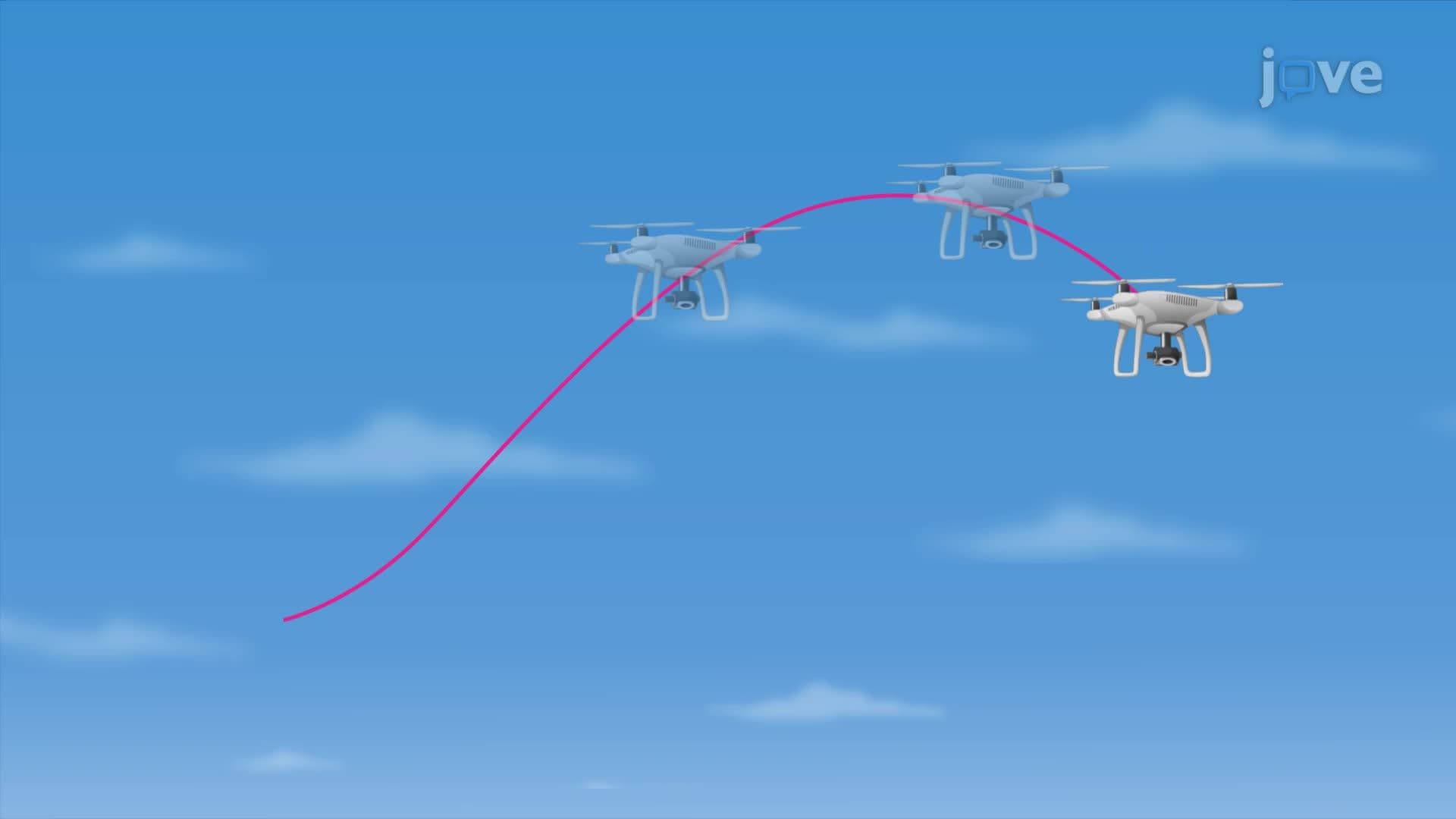
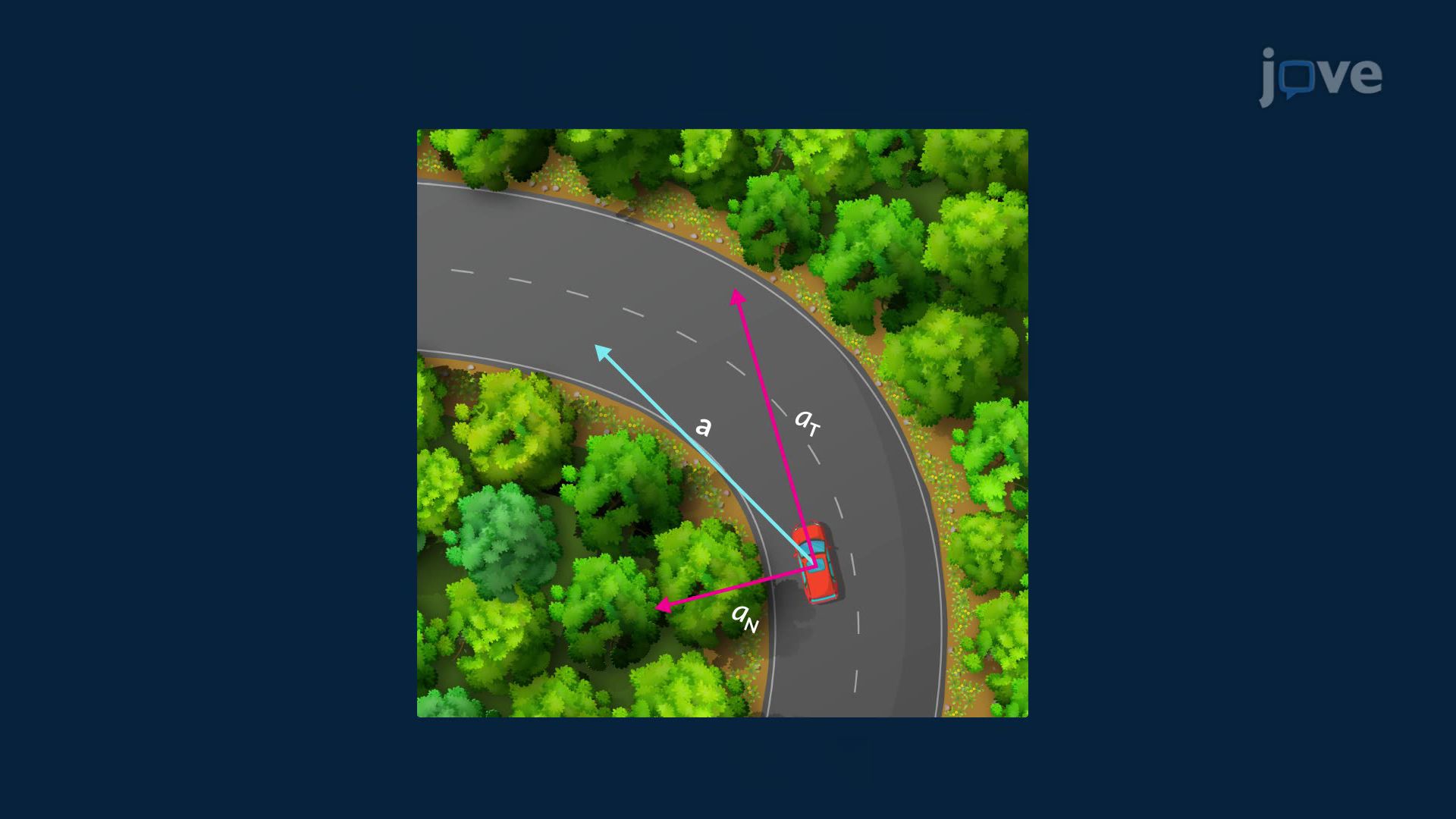
When an object moves along a curved path, its acceleration is rarely pointed in a single, simple direction. Instead, physicists and engineers decompose that acceleration into two perpendicular components, one that lies along the direction of motion (tangential) and one that points toward the center of curvature (normal). This decomposition is not just a mathematical convenience; it reflects two physically distinct behaviors: how fast the object is speeding up or slowing down, and how sharply it is turning. This framework appears in AP Physics C: Mechanics, multivariable calculus courses (Calculus III), and engineering dynamics courses across US universities.
The starting point is expressing velocity as a scalar speed multiplied by the unit tangent vector T, the vector that always points in the instantaneous direction of motion. Because an object's speed and its direction of travel both change over time, both the scalar magnitude and the vector T are functions of time. Differentiating the velocity expression using the product rule yields two separate terms:
1. The derivative of speed multiplied by T, this is the tangential component. 2. Speed multiplied by the derivative of T with respect to time, this generates the normal component.
The derivative of T is crucial. Even though T always has magnitude 1 (it's a unit vector), its *direction* changes as the path curves. That rate of directional change is directly tied to the curvature (kappa) of the path, measured in units of inverse length.
Curvature measures how sharply a curve bends at any given point. A straight road has zero curvature; a tight hairpin turn on a mountain highway has high curvature. Substituting the relationship between the derivative of T, curvature, and the principal unit normal vector N into the differentiated velocity expression, the normal component of acceleration becomes:
a(N) = kappa × v²
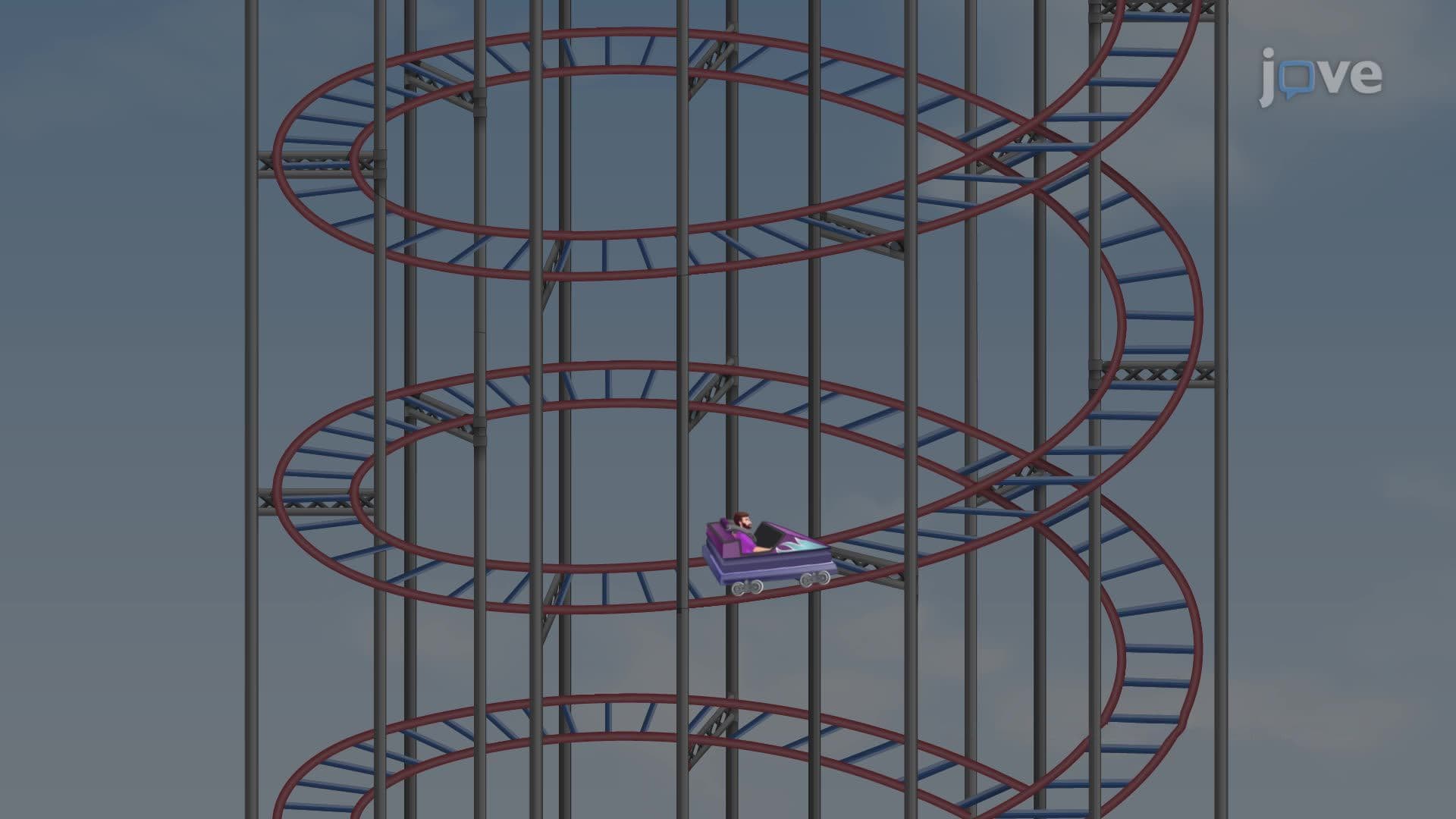
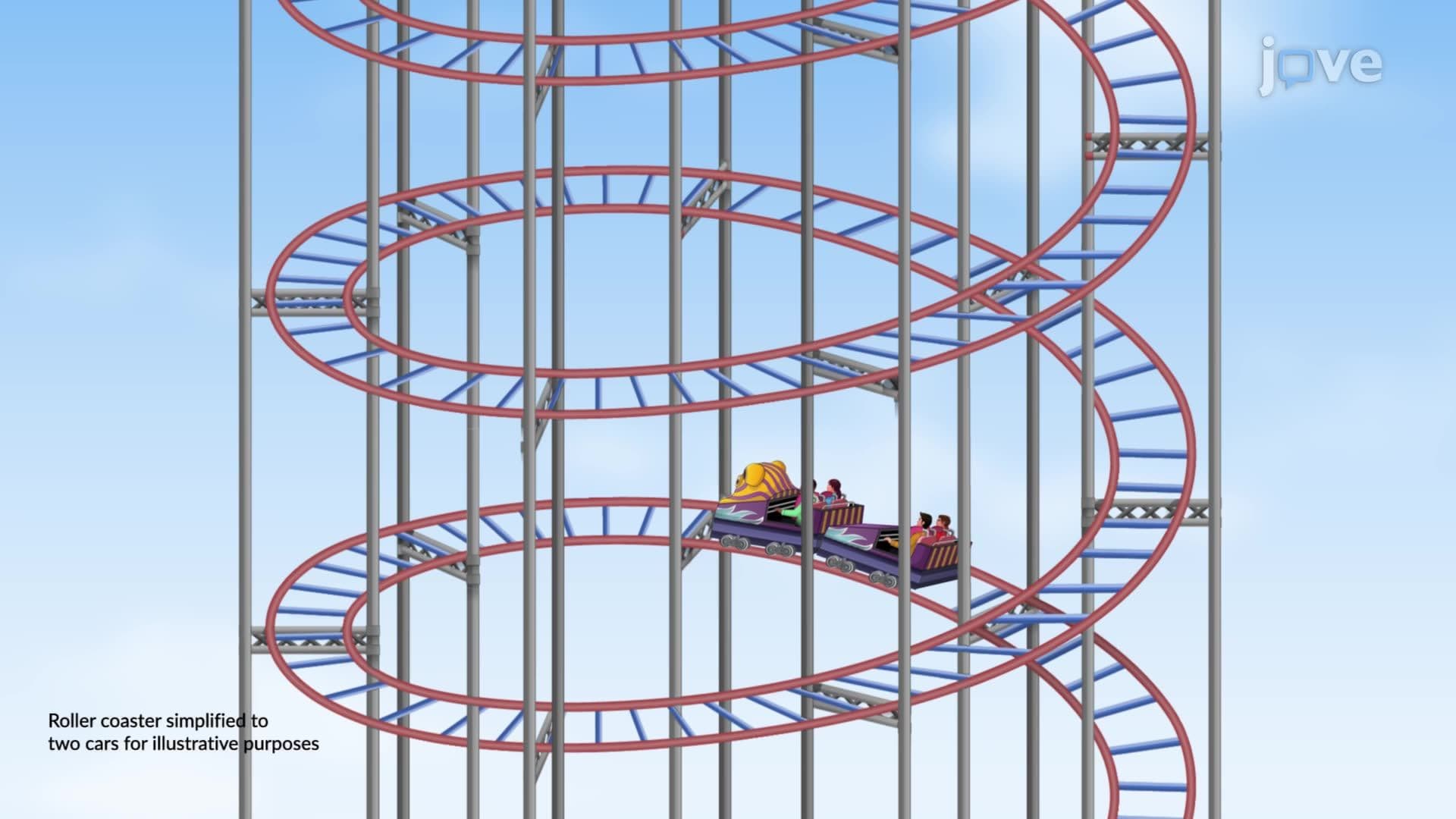
where kappa is the curvature and v is the speed. This tells you something profound: the sideways acceleration you feel riding a rollercoaster through a loop or sitting in a car taking a sharp ramp at highway speed grows with the *square* of your velocity. Double your speed, and the normal acceleration quadruples. This is why highway on-ramps in the US are engineered with gentle curvature, minimizing kappa to keep passengers comfortable and vehicles safe at typical freeway speeds.
The tangential component, meanwhile, equals the rate of change of speed (dv/dt). If you're cruising at a constant speed around a circular track, your tangential acceleration is zero but your normal acceleration is not, you are still changing direction continuously.
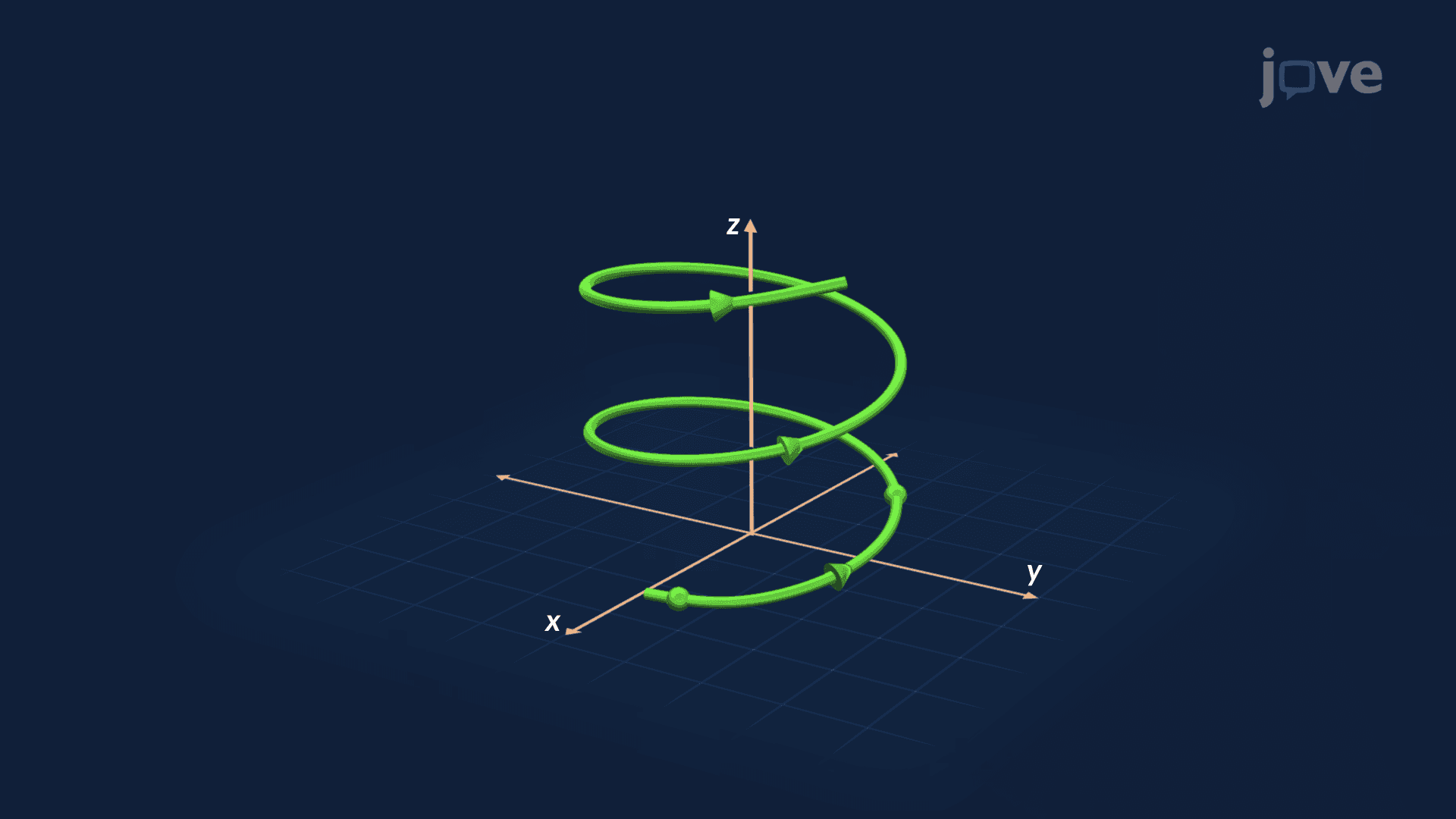
The full mathematical story of curved motion in three dimensions introduces the binormal vector B, defined as T cross N, completing an orthonormal frame called the Frenet-Serret frame. While most introductory courses focus on the T-N plane, upper-division physics and engineering courses at US universities (such as those using Griffiths or Meriam & Kraige textbooks) extend this framework to space curves, where arc length serves as the natural parameter for describing position. Understanding how to find the velocity vector from a position function, by differentiating with respect to time, and how to then extract T is a core skill tested in Calculus III midterms and AP Physics C free-response problems. Recognizing these connections early builds the conceptual fluency needed for advanced coursework in classical mechanics, aerospace engineering, and robotics.
Related Micro-courses