Loading video…


 13 Concepts
 47 views

Video Summary: What Is Curvature and Its Interpretation
Ever wondered why a roller coaster loop feels more intense than a gentle highway curve? That difference comes down to curvature and its interpretation, a core concept in calculus and physics. Curvature measures how sharply a curve bends at any given point, using tools like the unit tangent vector and arc length. A classic US example is the helical shape of a Slinky toy or a spiral parking garage ramp. Watch the full video on JoVE Coach to master this concept with expert-led visuals and step-by-step explanations.
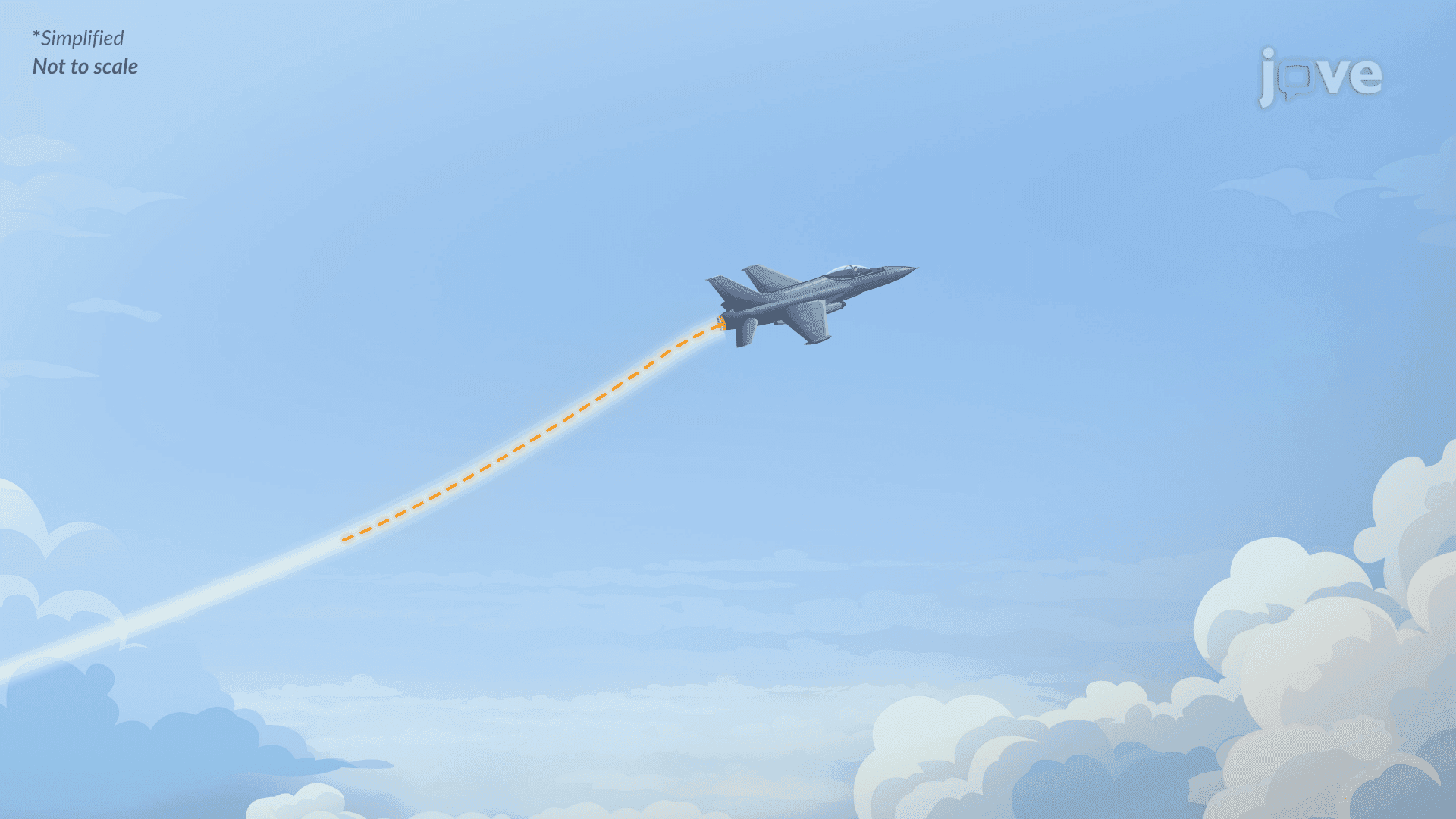
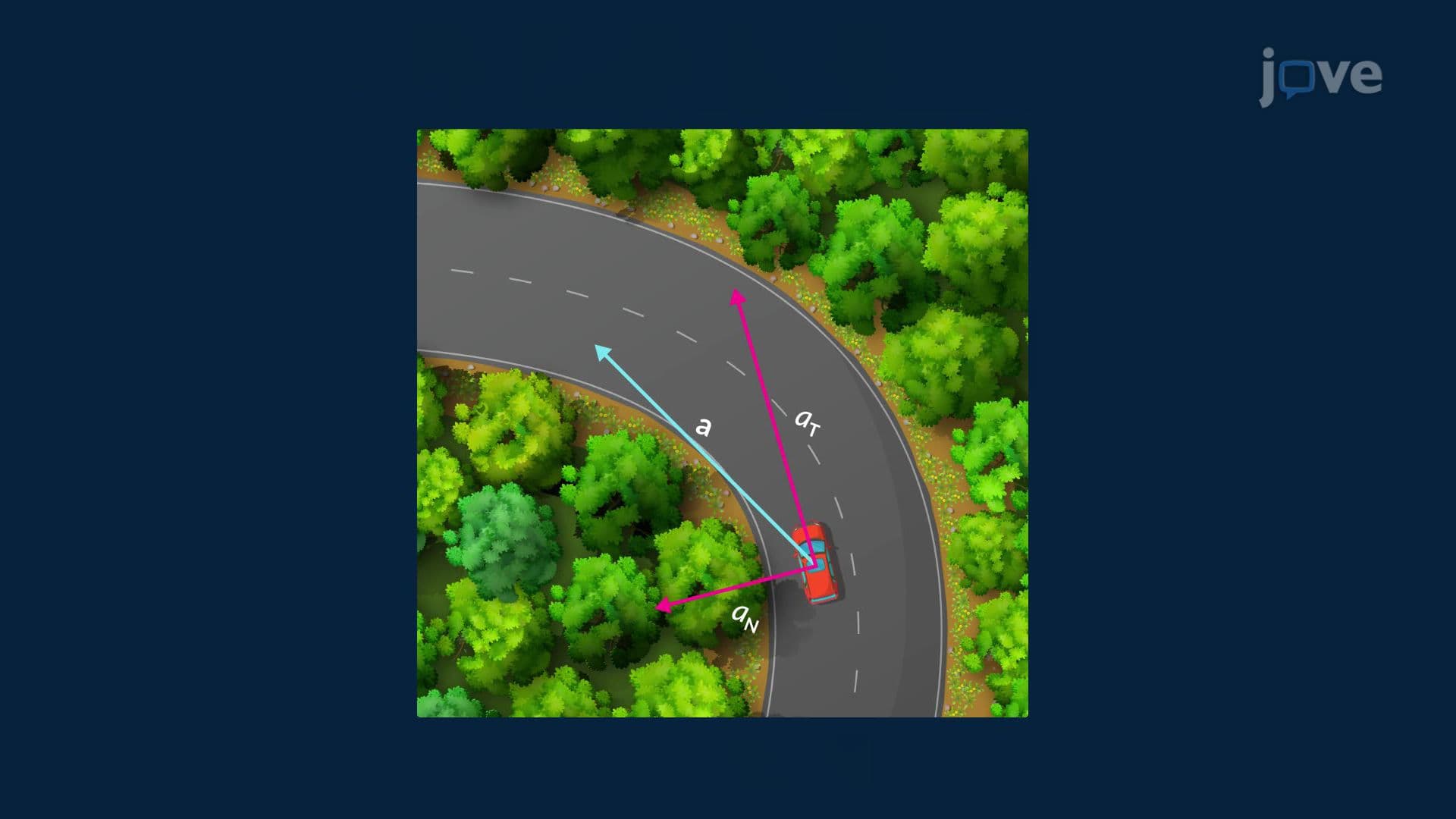
Curvature and its interpretation sit at the heart of multivariable calculus and vector analysis. At its simplest, curvature answers one question: *how sharply does a curve bend at a specific point?* A perfectly straight road has zero curvature. A tight hairpin turn on a mountain highway has very high curvature. Understanding this concept mathematically gives students and engineers a precise, quantifiable tool to describe and predict the behavior of curves in two and three dimensions.
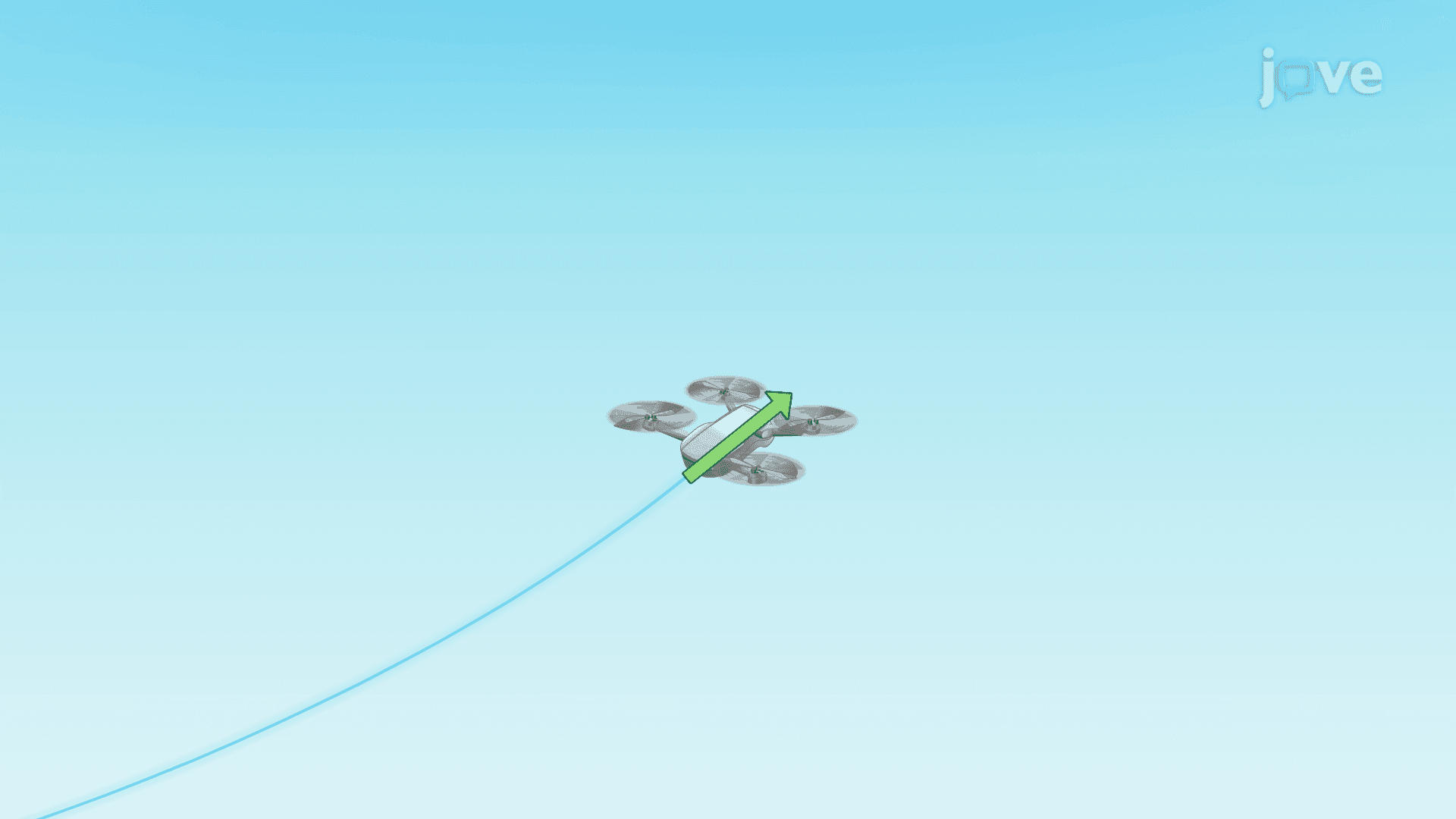
To calculate curvature, you first need the unit tangent vector. For a curve described by a position vector r(t), where t represents time or any parameter, the tangent vector is simply the derivative r'(t). To normalize it (make its length equal to 1), divide by its magnitude: T(t) = r'(t) / |r'(t)|.
This unit tangent vector always points in the direction of motion along the curve. It's the compass needle that tells you which way the curve is heading at any instant. Crucially, curvature is defined as the magnitude of dT/ds, the rate of change of this unit tangent vector with respect to arc length (s), not time. Arc length is the actual distance traveled along the curve, making this definition independent of how fast you move along it.
In most real problems, you don't have arc length as a parameter, you have time. That's where a practical formula becomes essential:
Curvature (κ) = |dT/dt| / |r'(t)|
In words: divide the magnitude of the time-derivative of the unit tangent vector by the object's speed. This formula appears frequently in AP Calculus BC problem sets and college-level Calculus III courses across US universities. It connects the abstract arc-length definition to something computationally approachable.
Another widely used formula for plane curves expressed as y = f(x) is:
κ = |f''(x)| / (1 + (f'(x))^2)^(3/2)
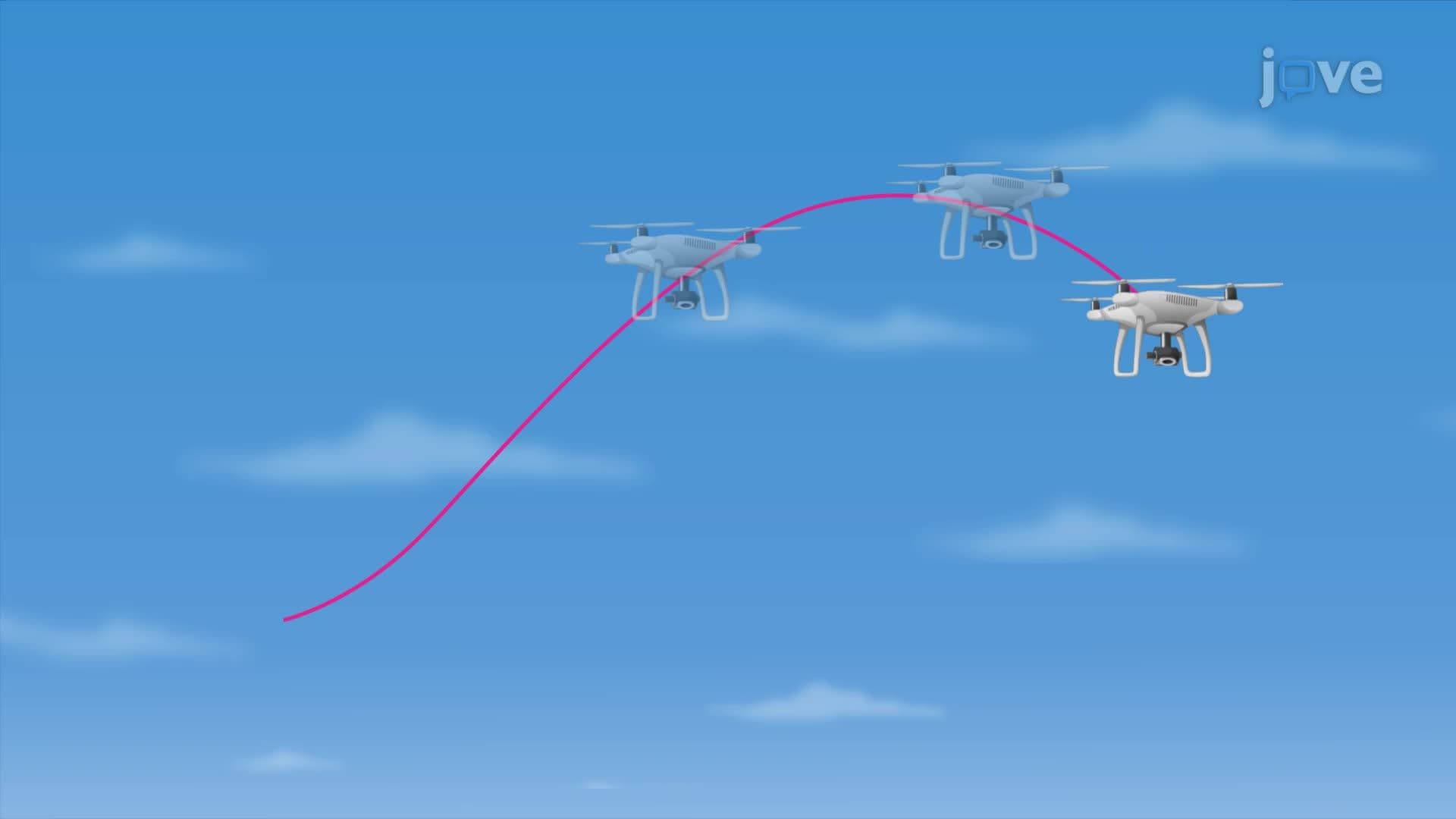
This version shows up on college midterms and in physics courses when analyzing the bending of beams or the trajectory of projectiles.
Here's a geometric insight that surprises many students: the derivative of the unit tangent vector is always orthogonal (perpendicular) to the tangent vector itself. This makes intuitive sense, if T is a unit vector (constant length), any change in T must be purely directional, not in length, which forces it to point sideways.
This perpendicular direction defines the principal normal vector N, which always points toward the center of curvature, the center of the "best-fitting circle" at that point on the curve. The radius of that circle is 1/κ, called the radius of curvature. In structural engineering, the radius of curvature describes how a steel beam deflects under load, a direct application of this theory used by civil engineers across US infrastructure projects.
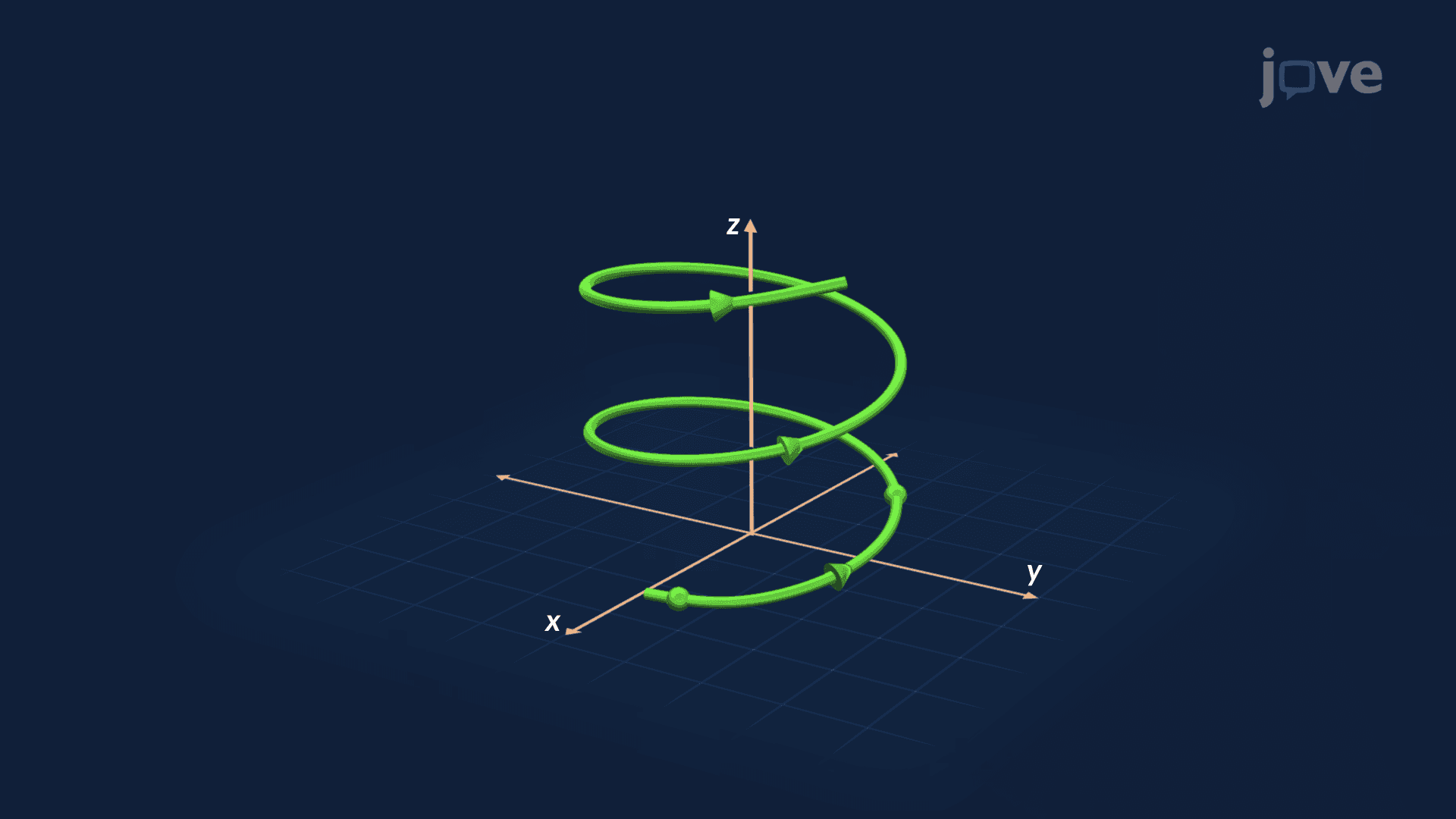
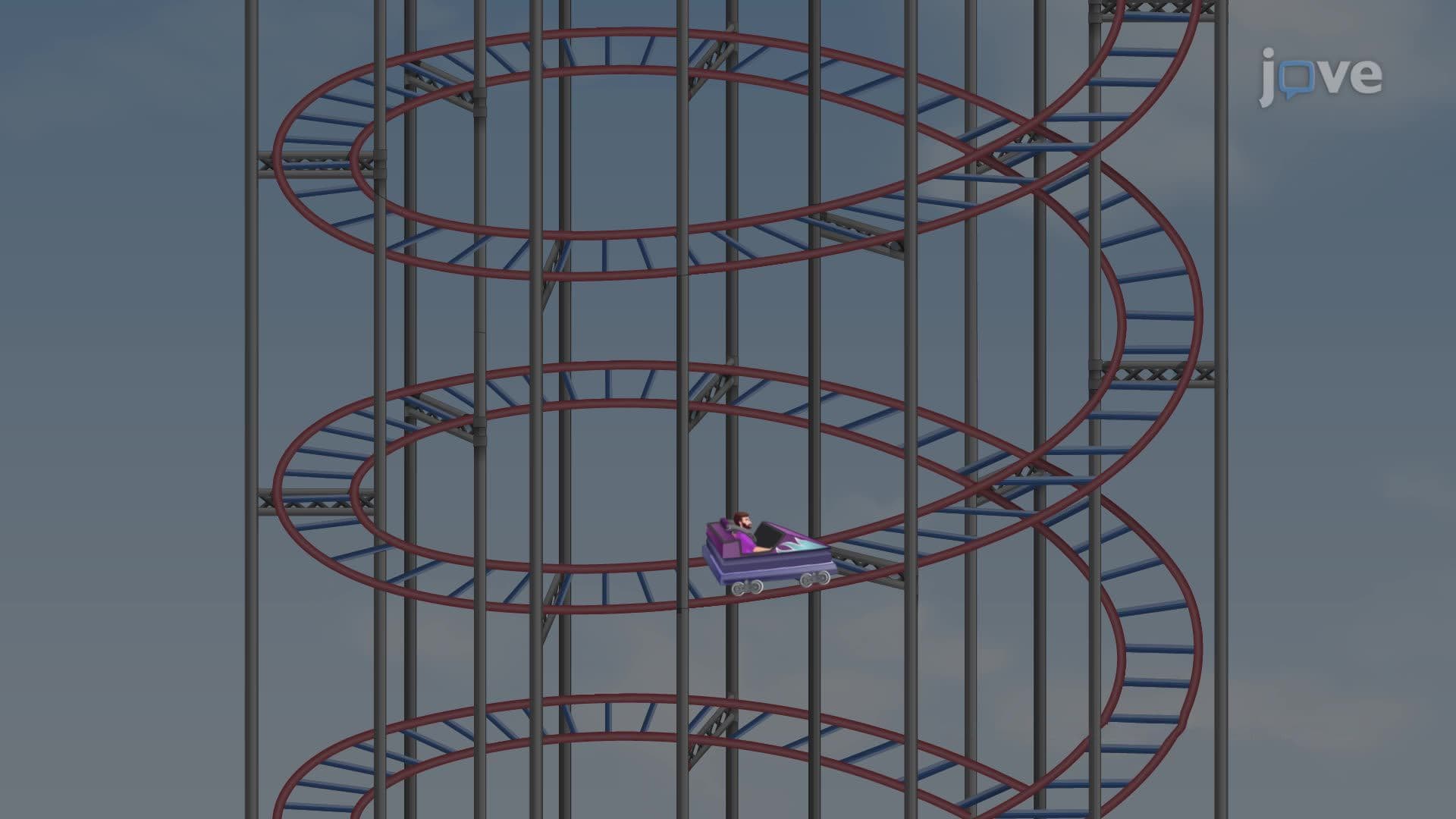
A helix is one of the most instructive examples for understanding curvature. Think of the double-helix structure of DNA, a coiled spring in a ballpoint pen, or the spiral ramp of a multi-story parking garage in Chicago or New York City. A helix is described by two parameters: its radius (distance from the central axis) and its pitch (vertical rise per unit angle).
The curvature of a helix is: κ = r / (r^2 + p^2)
where r is the radius and p is the pitch. When pitch equals zero, the helix flattens into a circle, and curvature becomes 1/r, the familiar result for circles. When the radius equals zero, the helix collapses into a vertical straight line, and curvature drops to zero. This elegant relationship helps students see how geometry, algebra, and calculus converge in one formula.
Related Micro-courses