Loading subject page…


47 views


Video Summary: Arc Length of Space Curves Explained
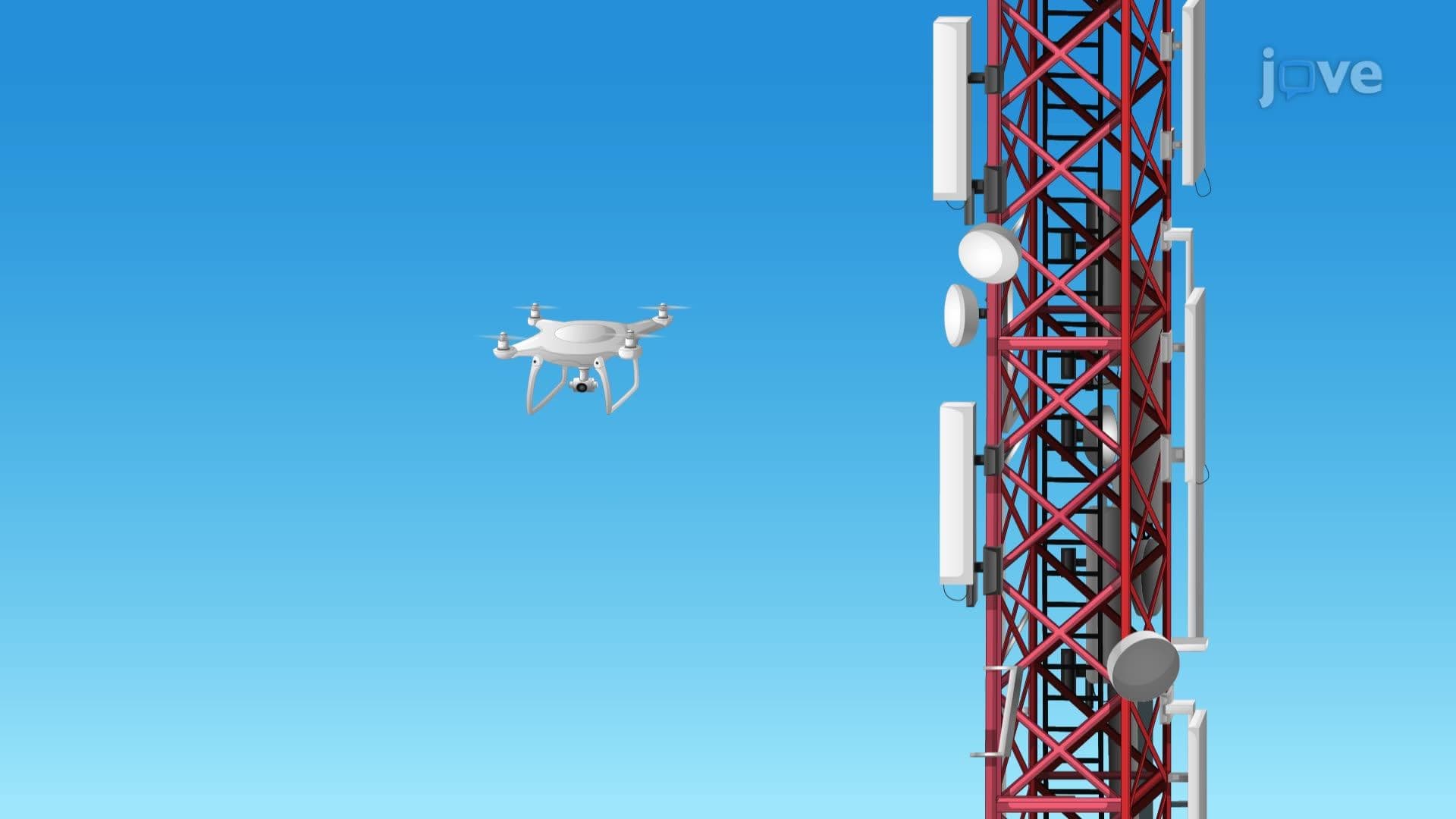
How much fuel does a NASA helicopter drone need to complete a curved aerial survey mission? The answer depends on the arc length of space curves, the actual distance traveled along a three-dimensional path, not just the straight-line displacement. Arc Length of Space Curves Explained breaks down how position vector functions, tiny path segments, and integration combine to measure real curved distances in 3D space. Watch the full video on JoVE Coach to master this concept with expert-led visuals and step-by-step explanations.
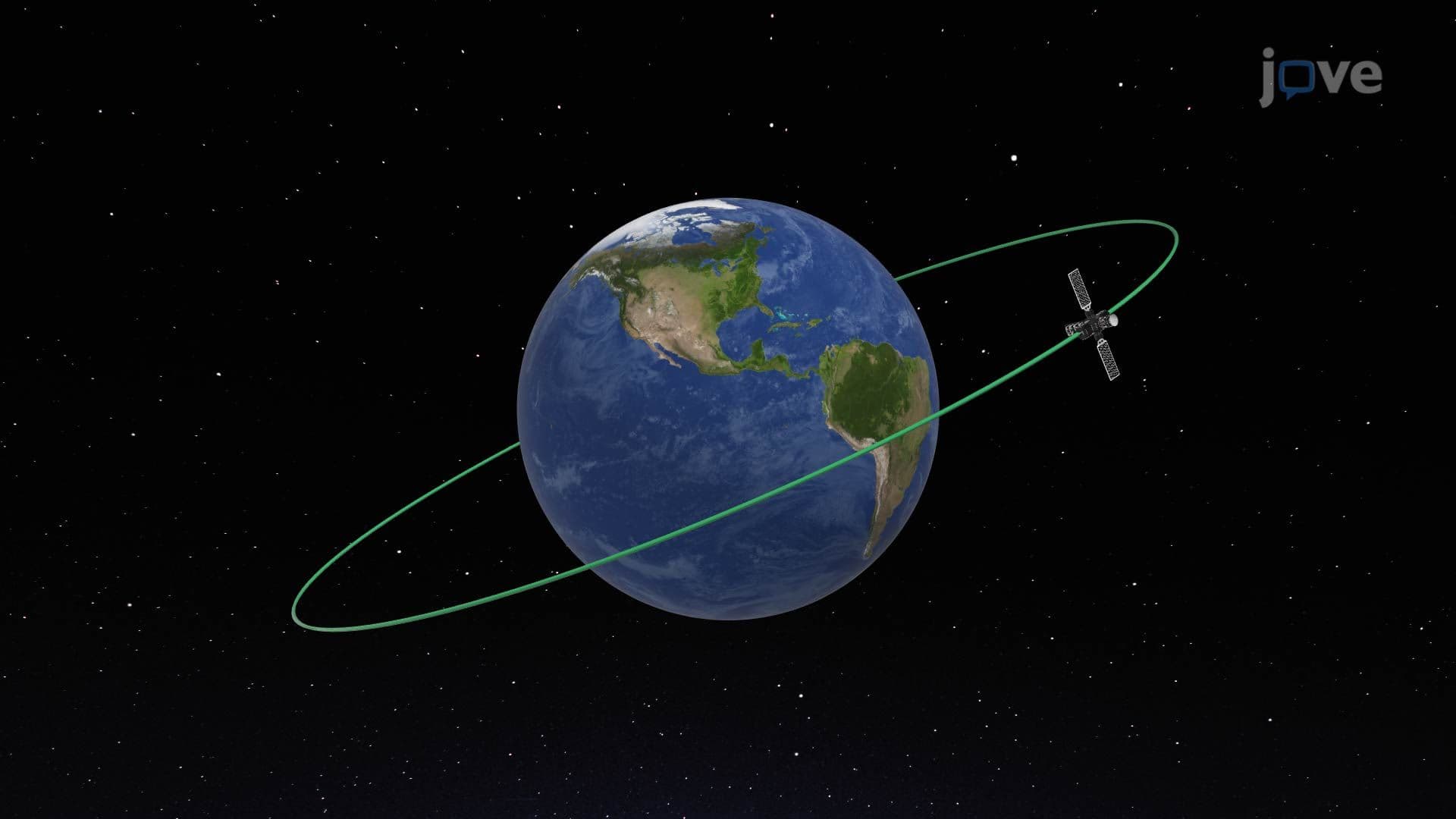
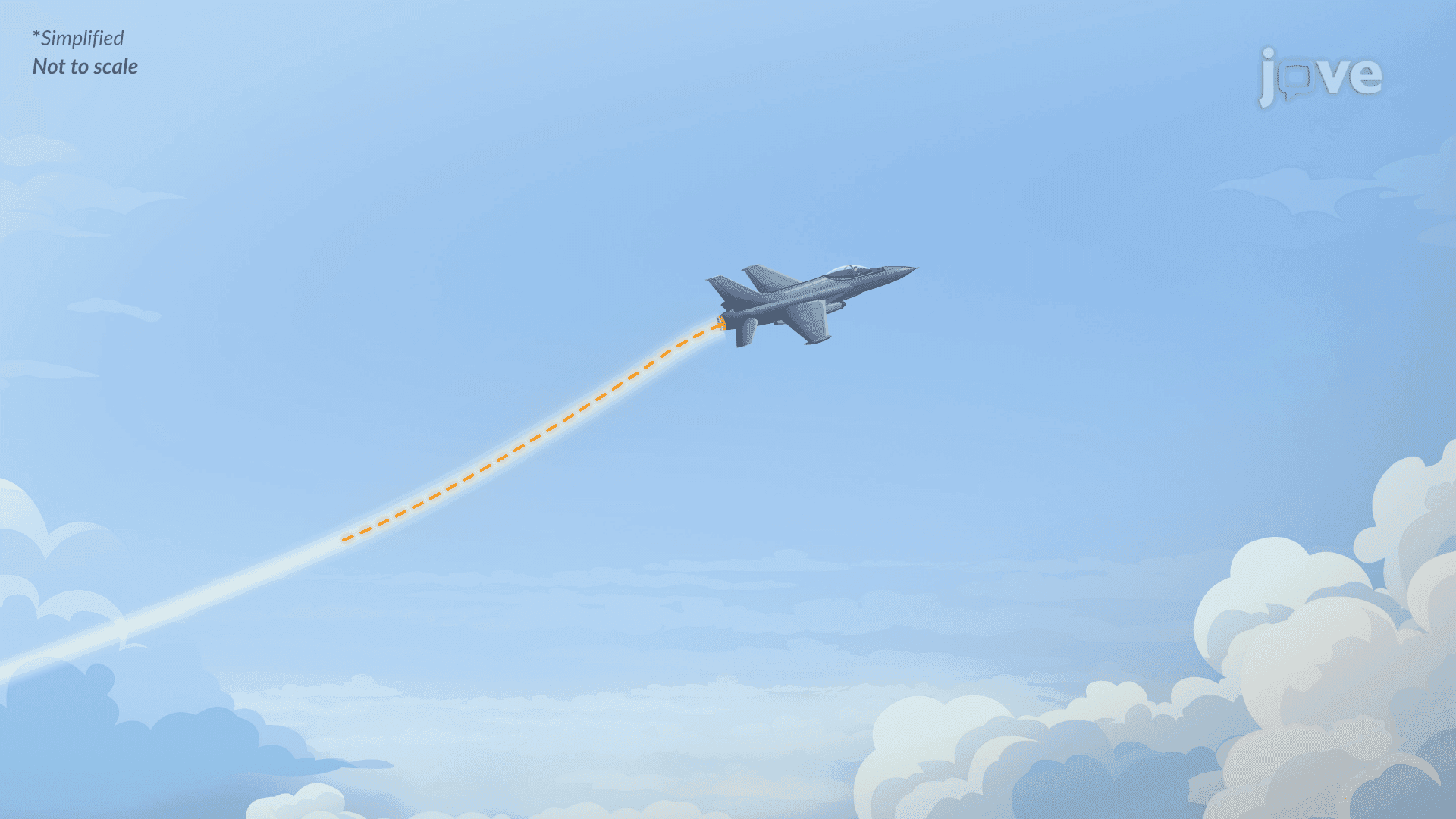
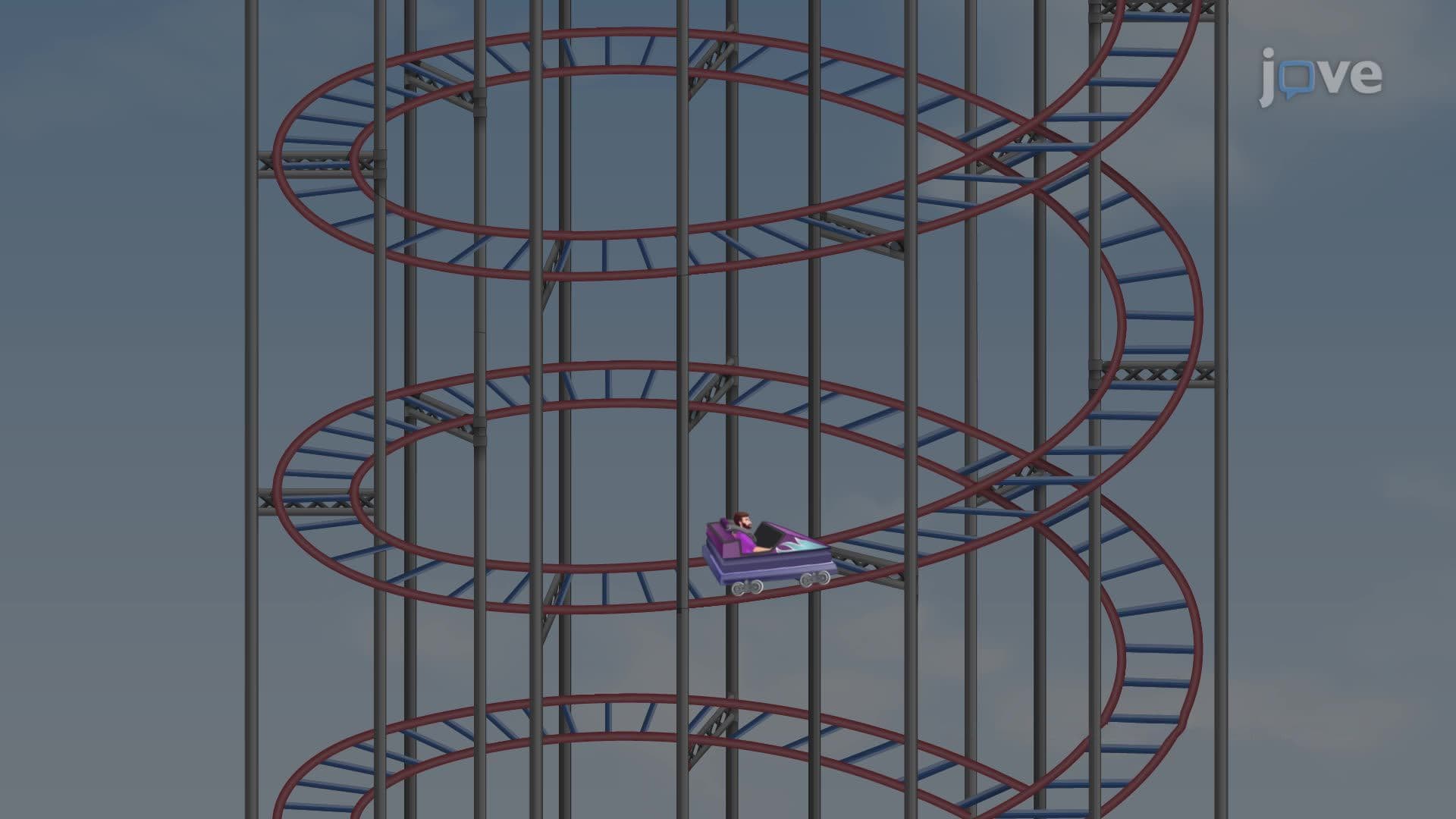
In standard geometry, distance between two points is a straight line. But in the real world, whether tracking a fighter jet's flight path over the Pacific, mapping a river's course across the US Midwest, or designing a highway interchange, objects move along curves, not straight lines. Arc length of space curves is the mathematical tool that measures the true distance traveled along any three-dimensional curved path, and it is one of the most important concepts in multivariable calculus.
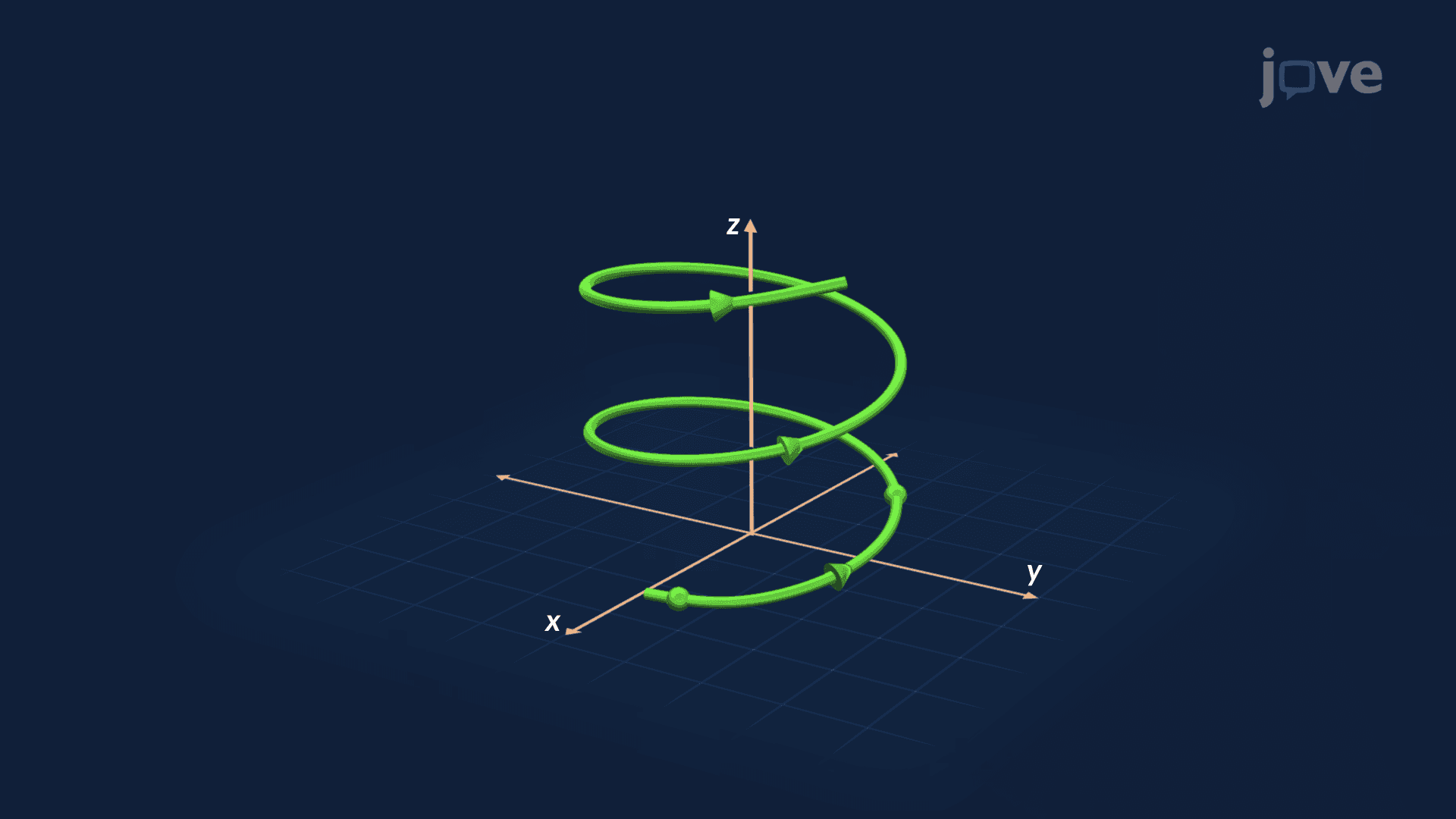
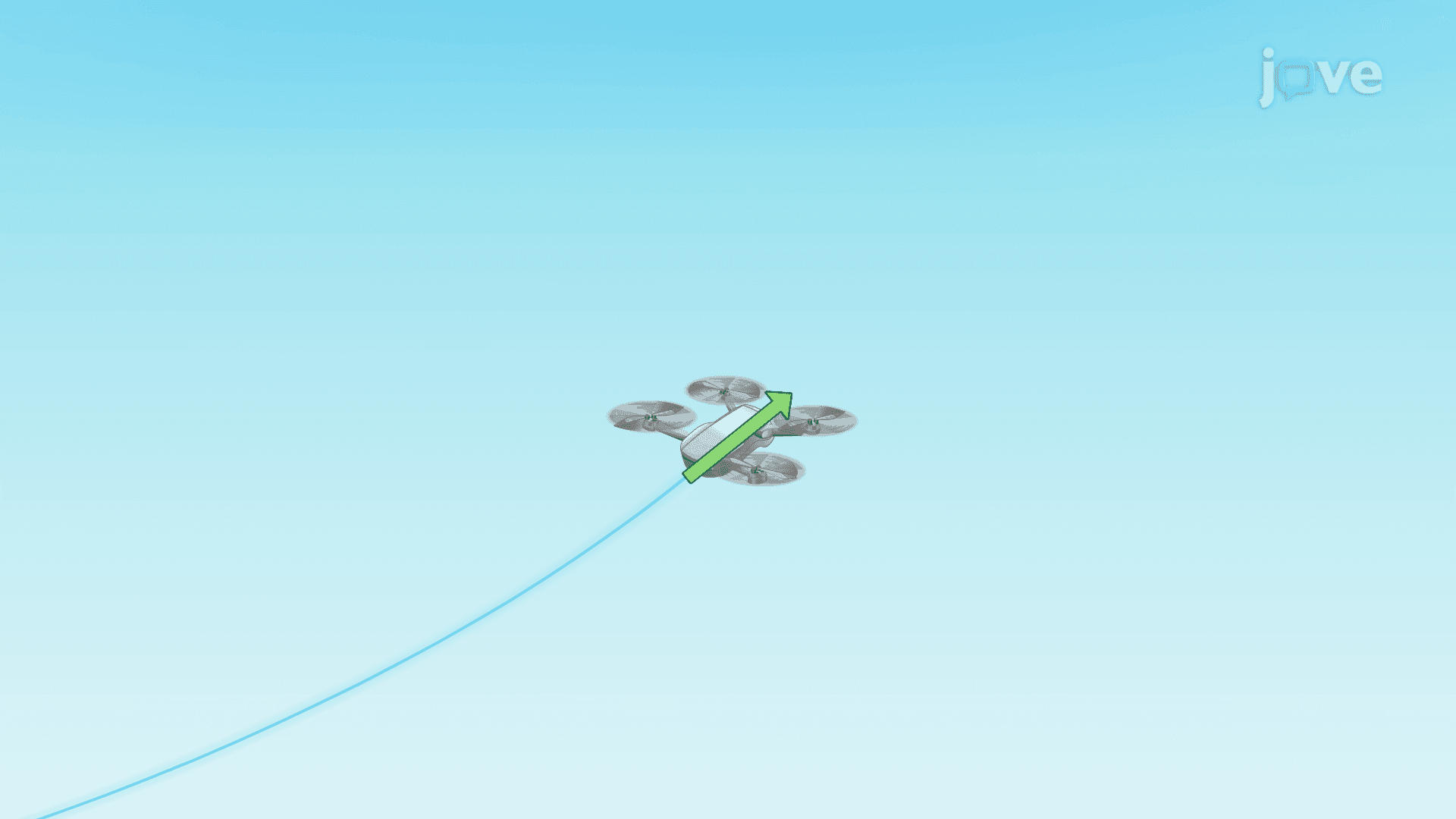
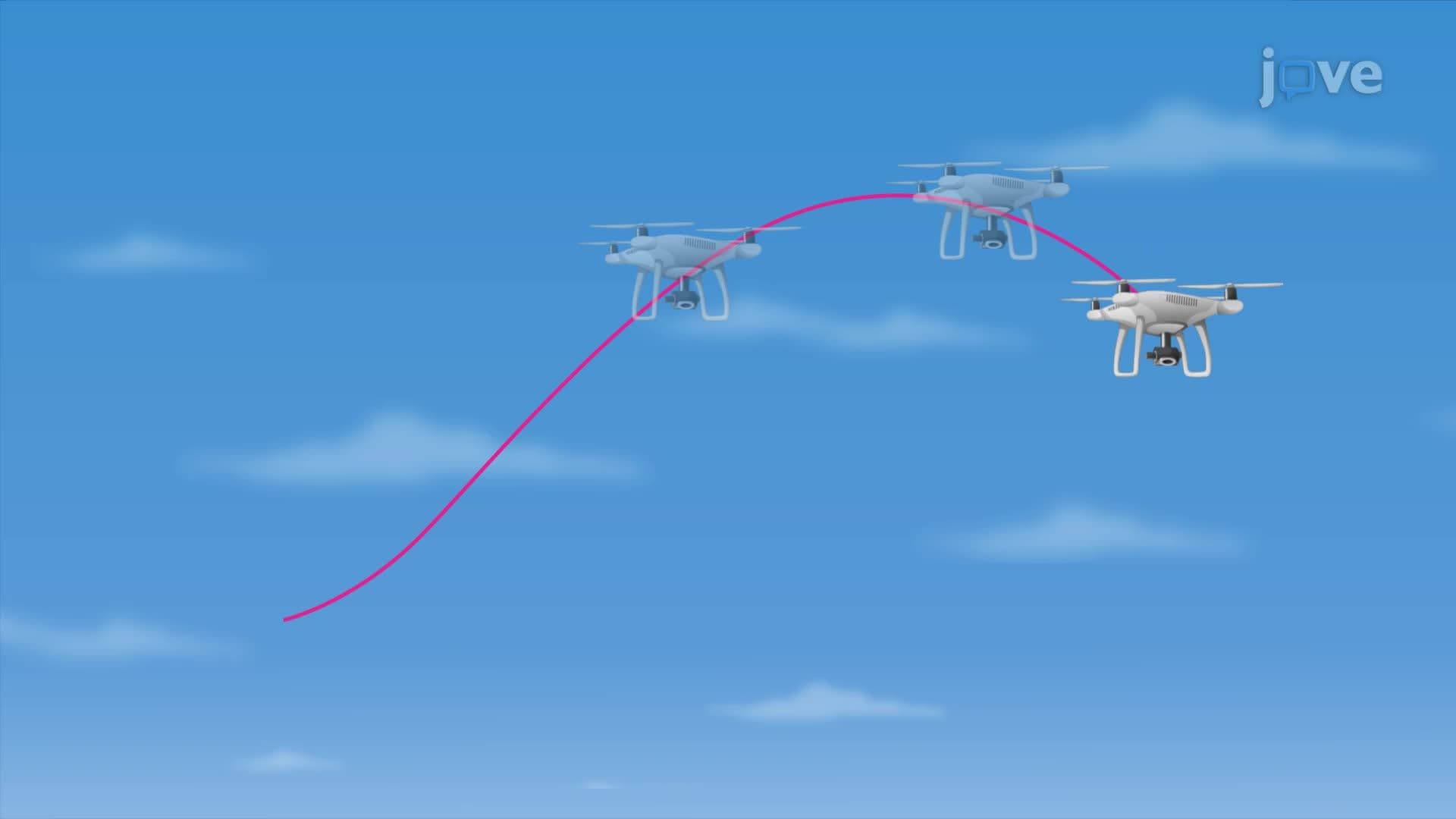
A space curve is any path traced through three-dimensional space. Mathematically, it is represented by a position vector function r(t) = ⟨x(t), y(t), z(t)⟩, where each component is a function of the parameter t (usually time). For example, a drone conducting a search-and-rescue flight over the Rocky Mountains follows a path that rises, falls, and turns, perfectly captured by a vector-valued function. The derivative r'(t) = ⟨x'(t), y'(t), z'(t)⟩ gives the velocity vector, describing both the direction and speed of travel at any instant.
The core idea behind arc length comes from a familiar principle: break a complicated problem into small, manageable pieces. Imagine dividing the helicopter's flight path into hundreds of tiny segments. Each segment is so short that it looks almost like a straight line, and its length can be approximated using the distance formula in 3D space. The length of each small segment relates directly to the magnitude of r'(t) multiplied by a tiny time interval Δt.
As the segments grow smaller and more numerous, the sum approaches the exact arc length. Taking the limit formally produces the arc length integral:
L = integral from a to b of |r'(t)| dt
where |r'(t)| = sqrt( [x'(t)]^2 + [y'(t)]^2 + [z'(t)]^2 ).
This formula appears in AP Calculus BC (parametric arc length), college Calculus II, and multivariable Calculus III courses across US universities. Mastering it opens the door to related topics like curvature, the unit tangent vector, and the arc length parameter s.
Arc length is not just a standalone calculation, it anchors a whole family of concepts in vector calculus. The unit tangent vector T(t) is found by dividing r'(t) by its magnitude |r'(t)|, pointing in the direction of travel with length exactly one. Curvature (kappa) measures how sharply the curve bends at any point, defined as the rate of change of T with respect to arc length s. A straight highway has zero curvature; a tight freeway on-ramp has high curvature.
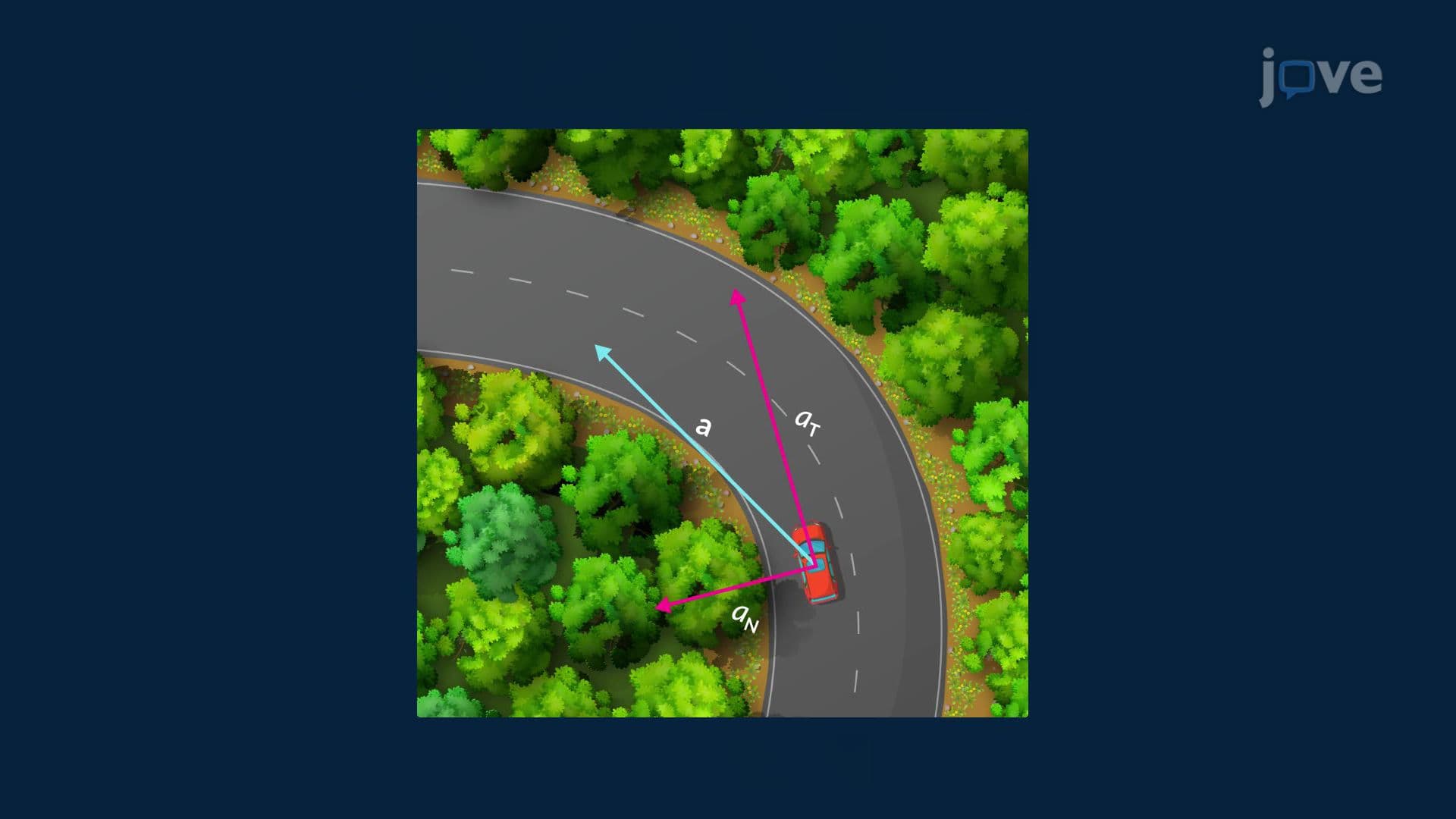
From curvature, calculus students derive the normal vector N(t), perpendicular to T(t), and the binormal vector B(t) = T(t) × N(t), which together form the Frenet-Serret frame used in aerospace engineering and robotics. The tangential and normal components of acceleration also depend directly on arc length and curvature, explaining why passengers feel pushed sideways in a sharp curve but pressed back during acceleration on a straight road.
In AP Calculus BC, arc length of parametric curves is a tested topic, and the 3D vector version appears in college Calculus III midterms and finals at schools like MIT, UCLA, and the University of Texas. Understanding how to find the velocity vector from a position function and how to find the acceleration vector from position are prerequisite skills. Engineering students at US institutions apply these formulas directly in robotics path planning, satellite orbit calculations, and civil engineering road design. Building fluency with the arc length integral, and knowing what curvature measures, gives students a strong foundation for every subsequent topic in vector calculus.
Related Micro-courses