Loading video…

 13 Concepts
 47 views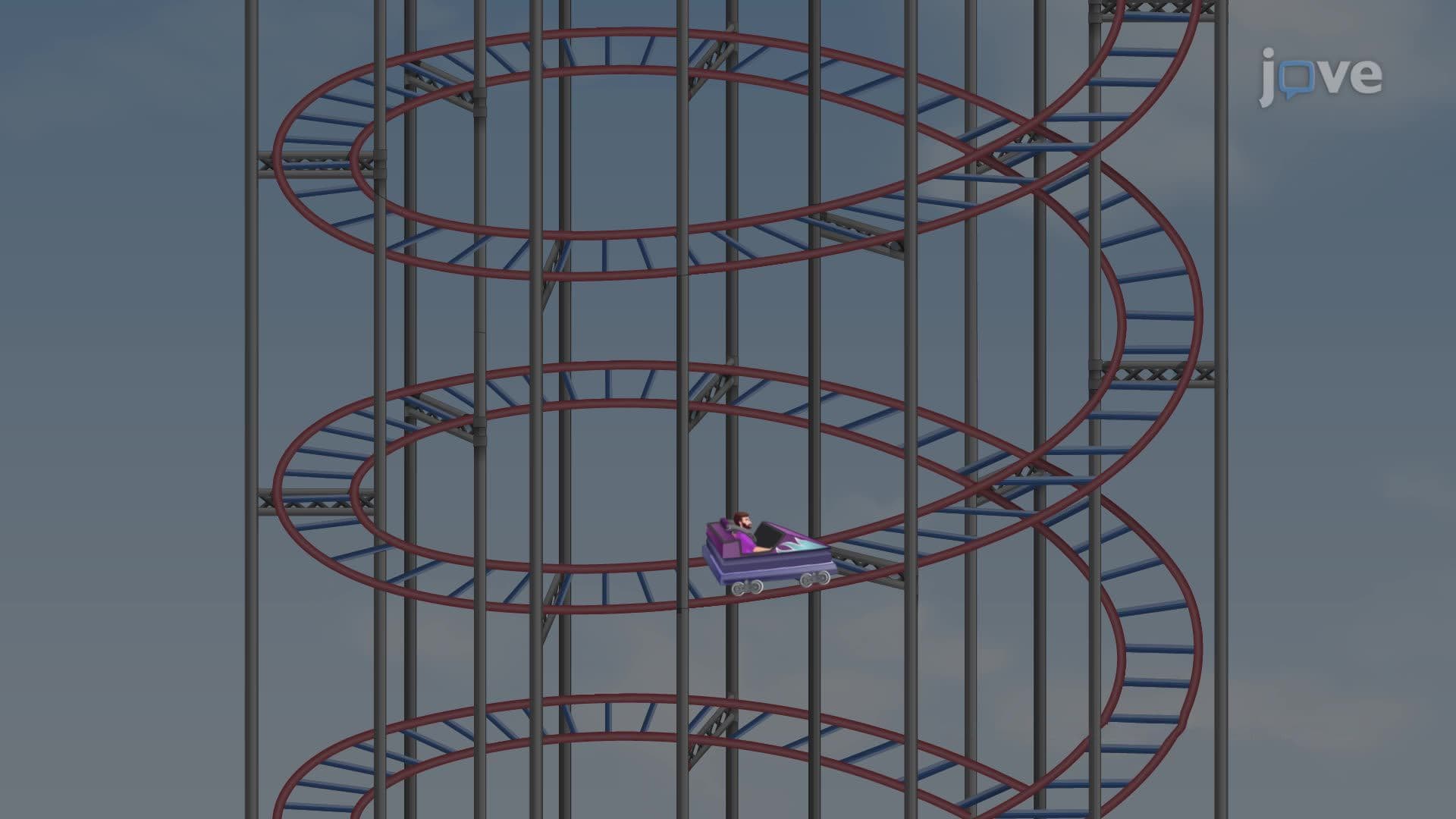

Video Summary: The Normal and Binormal Vectors Explained
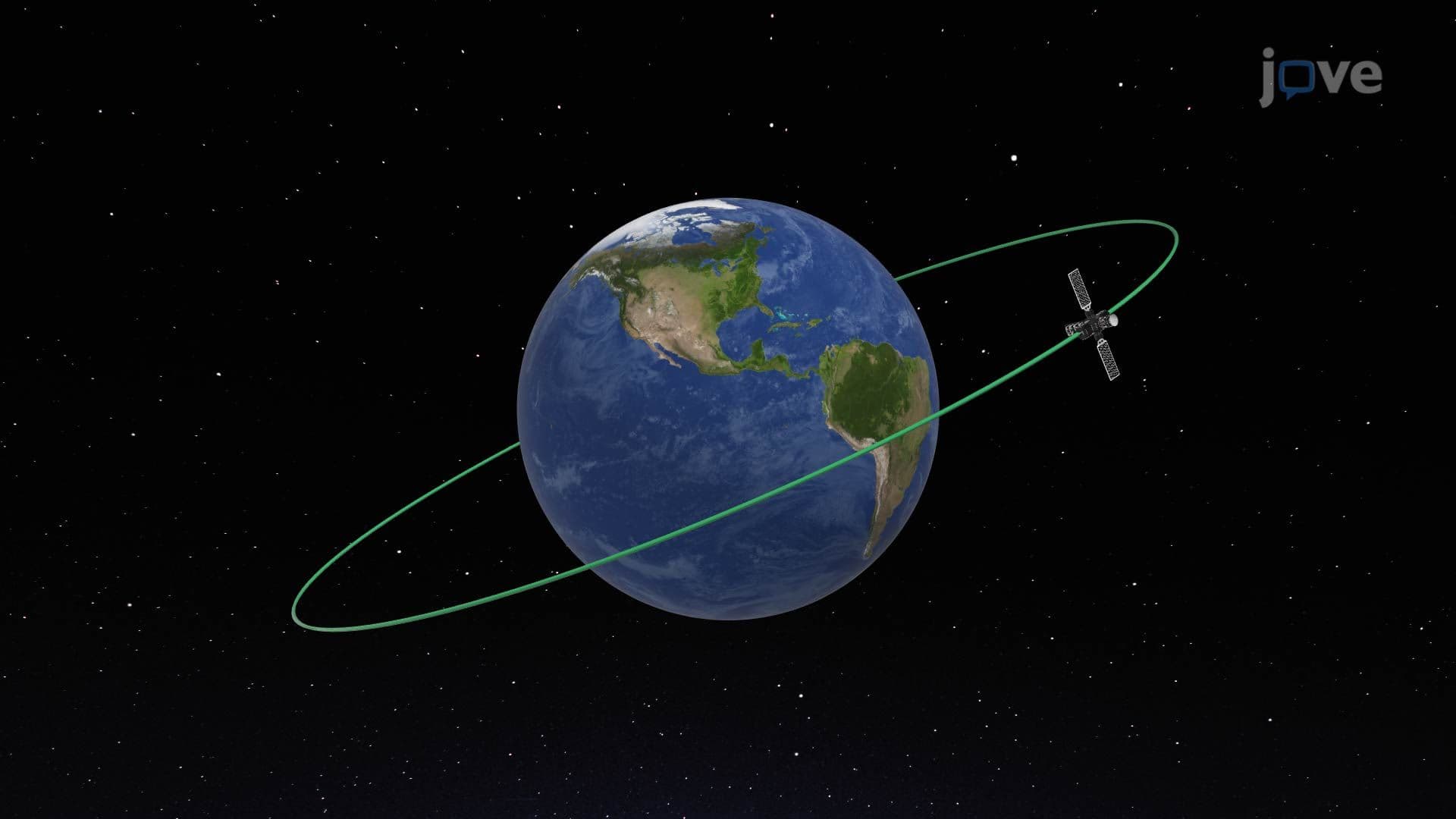
Ever wonder how engineers design roller coasters that twist and spiral without sending riders flying off the track? The normal and binormal vectors basics explain exactly that, they map the three key directional forces acting on any moving object along a curved path. At NASA's Johnson Space Center, the same math guides spacecraft trajectory corrections. Watch the full video on JoVE Coach to master this concept with expert-led visuals and step-by-step explanations.
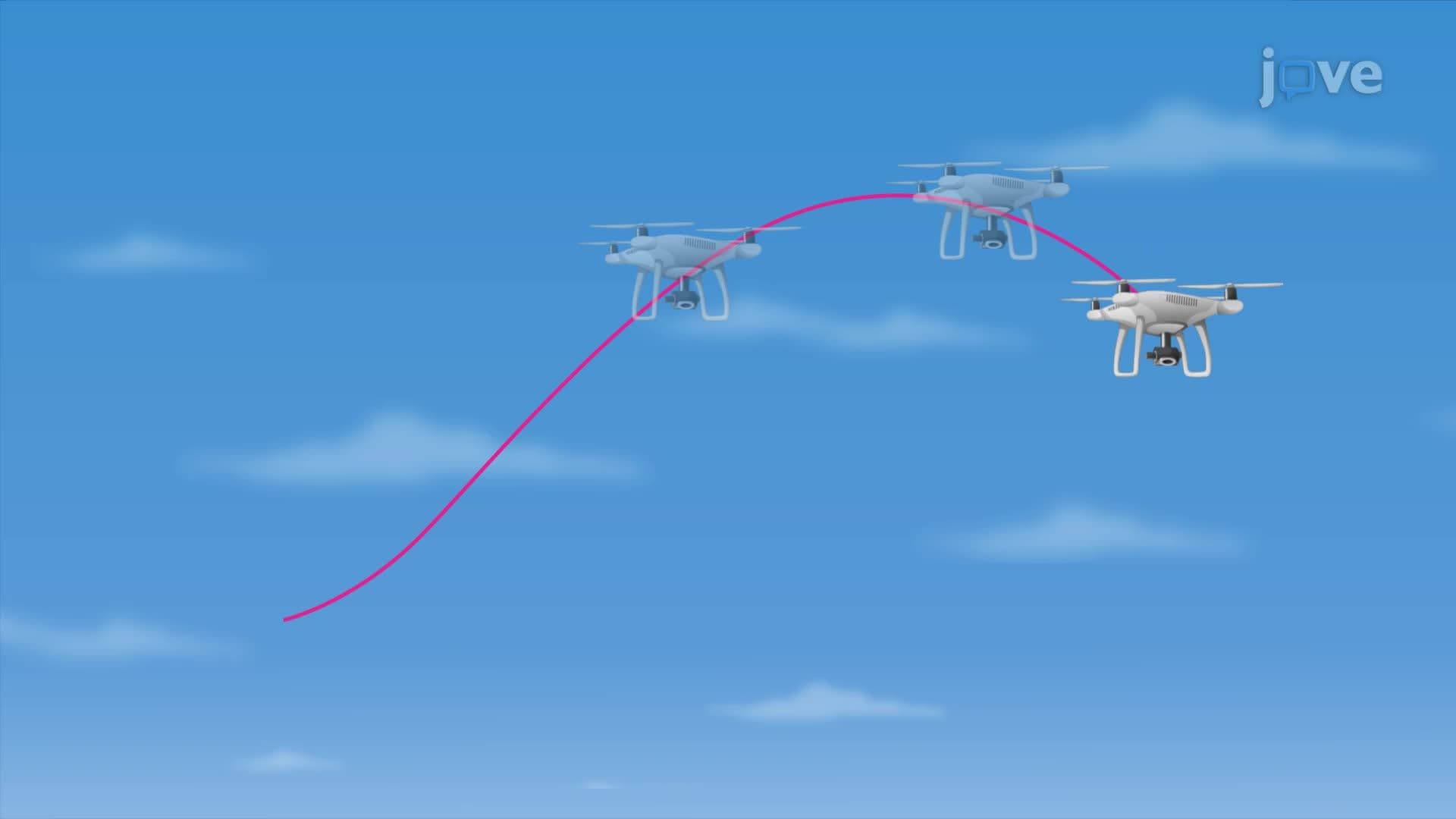
When a particle travels along a curved path in three-dimensional space, knowing its speed and position is not enough. You also need to know *how* the path is bending and *how* it is twisting. That is precisely what the normal and binormal vectors, together with the unit tangent vector, are designed to reveal. These three mutually perpendicular vectors form the Frenet-Serret frame, one of the most powerful tools in multivariable calculus and vector analysis.
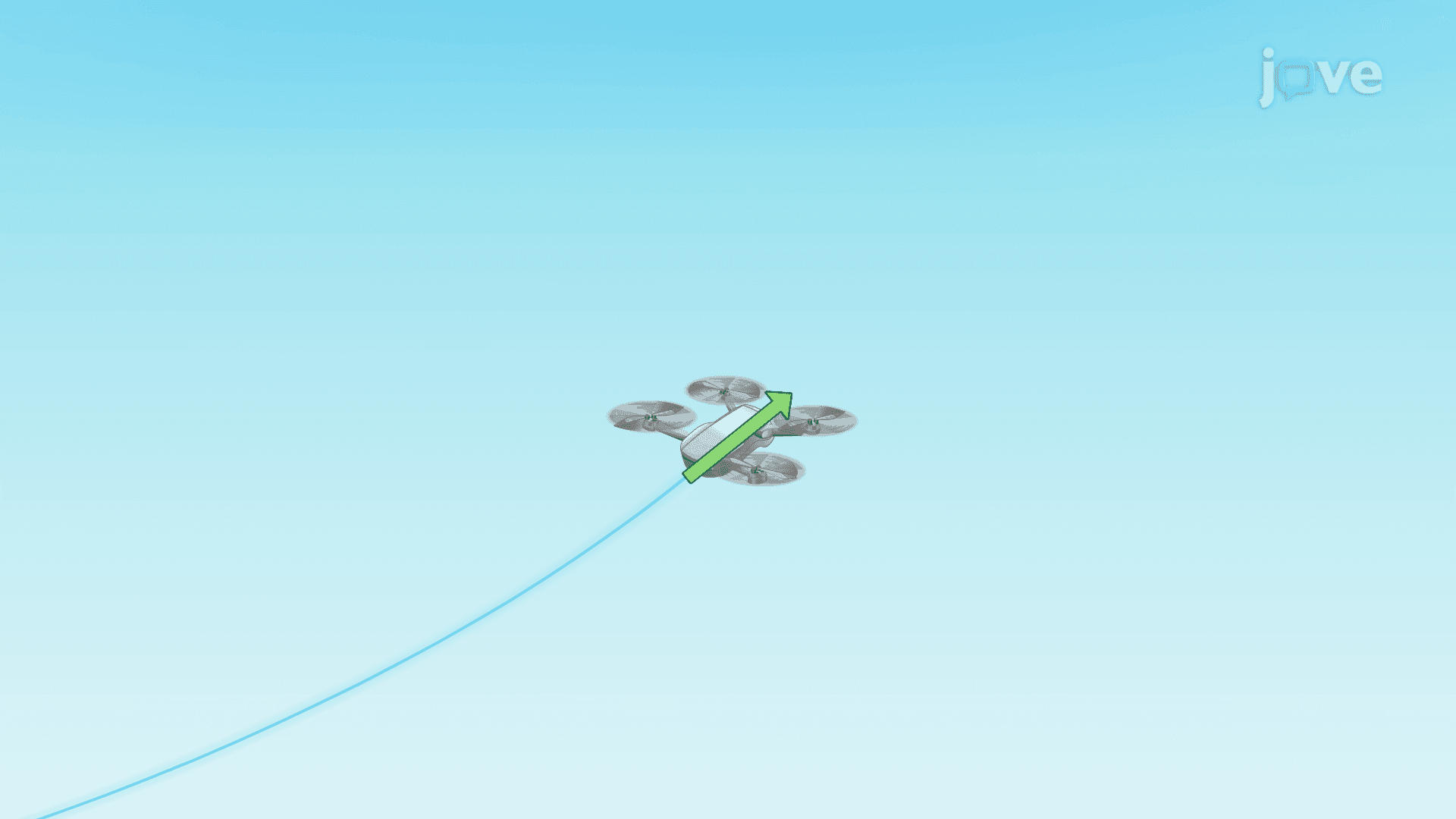
The starting point is the unit tangent vector, denoted T(t). It is computed by taking the derivative of the position vector r(t) with respect to time, which gives the velocity vector, and then normalizing it to unit length. In plain terms: T(t) = r'(t) / |r'(t)|. This vector always points forward along the curve, in the exact direction the object is traveling at that instant. On a highway on-ramp, a real-world spiral curve used in US road design, the tangent vector at any point tells a driver which direction the car is momentarily heading.
The unit normal vector, N(t), is found by differentiating T(t) and normalizing the result: N(t) = T'(t) / |T'(t)|. Because T(t) always has constant magnitude, its derivative is always perpendicular to it, meaning N(t) points sideways, toward the center of the curve's bend. This direction is intimately connected to curvature, denoted κ (kappa), which measures how rapidly the curve changes direction per unit of arc length. High curvature means a tight bend; low curvature means a gradual turn. On AP Calculus BC and college-level Calculus III exams, students are frequently asked to compute curvature using the formula κ = |T'(t)| / |r'(t)|, or the equivalent cross-product formula κ = |r'(t) × r''(t)| / |r'(t)|³.
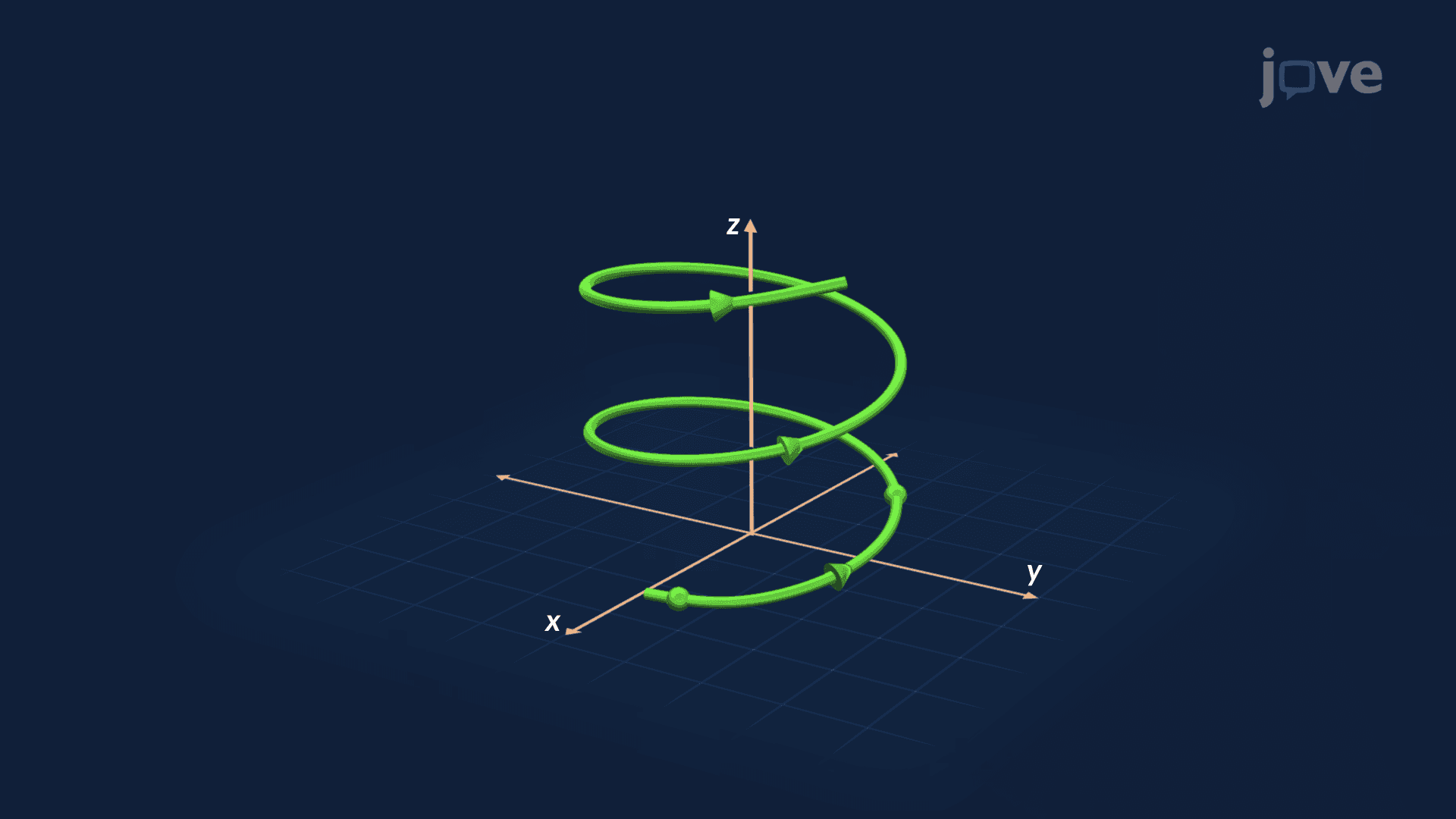
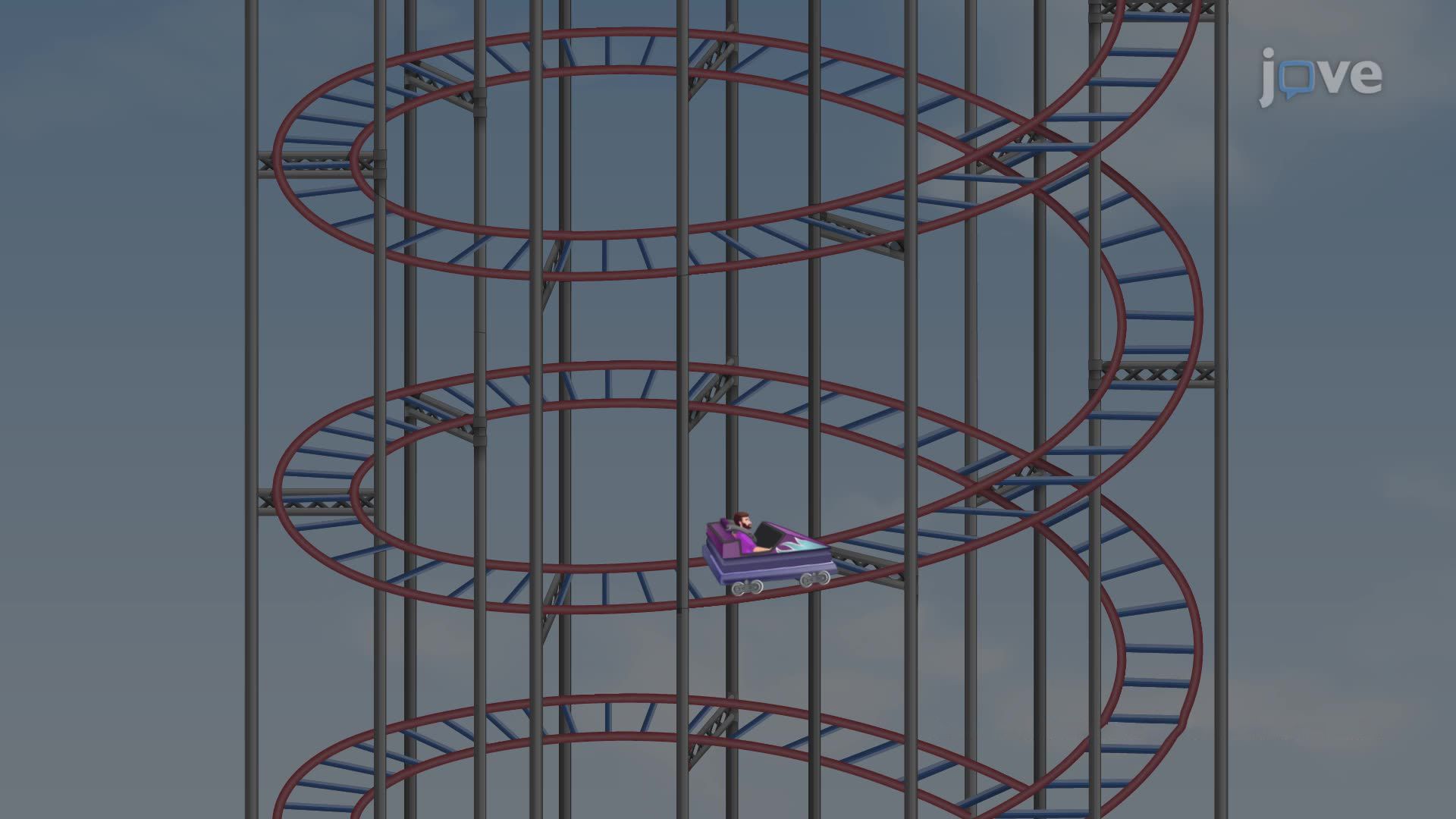
The binormal vector, B(t), completes the frame. It is defined as the cross product of the tangent and normal vectors: B(t) = T(t) × N(t). Because it is perpendicular to both T and N, the binormal vector points in the direction that is "out of the plane" of the curve's bend. When B(t) changes direction along the curve, the curve is twisting, a property measured by torsion, τ. A circular helix (think of a coiled DNA strand or a spiral parking garage ramp) has constant, nonzero torsion, while a flat circle has zero torsion because it never twists out of its plane.
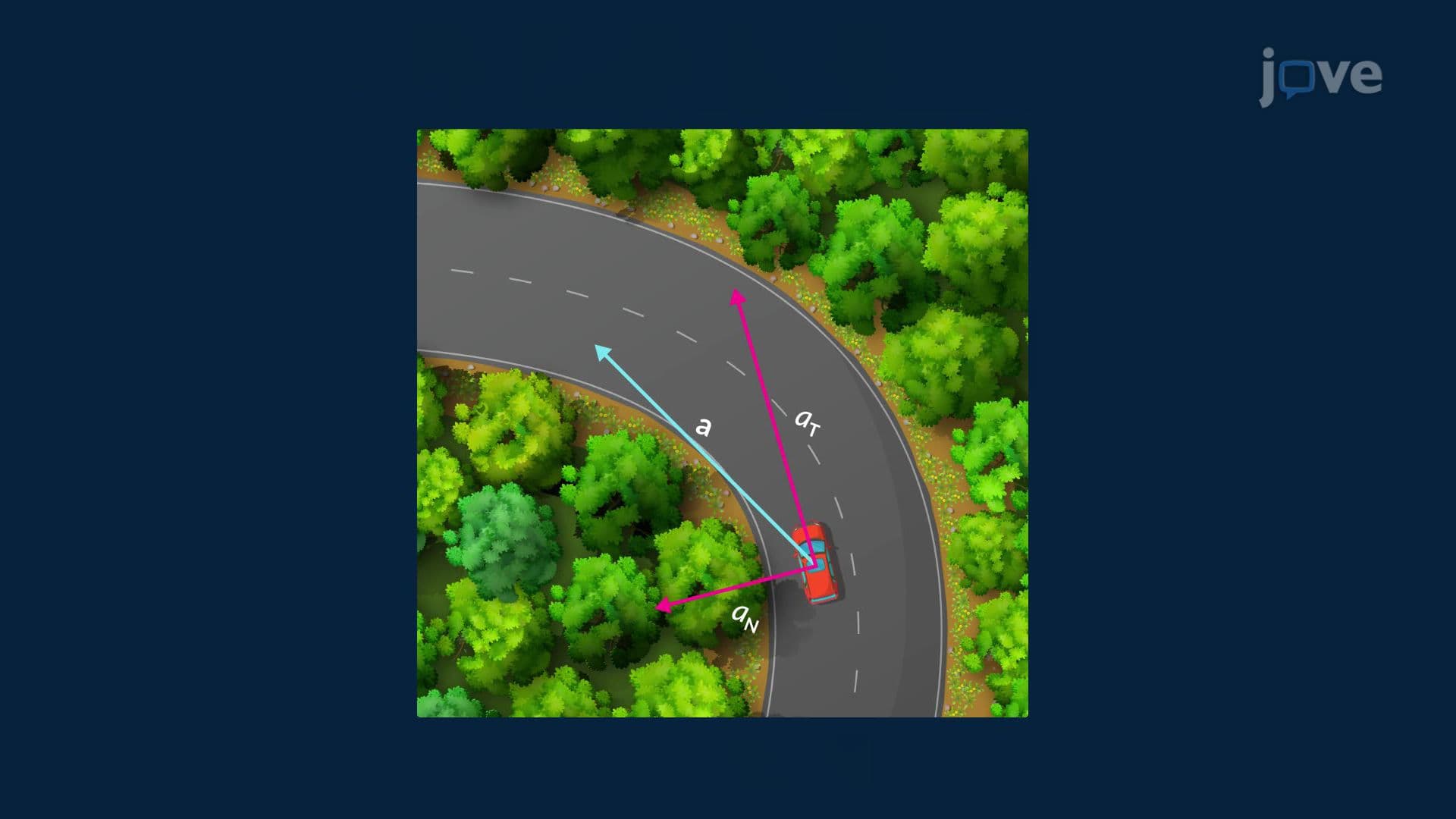
Understanding these vectors also unlocks the tangential and normal components of acceleration. The total acceleration vector splits into: a(t) = a_T · T + a_N · N, where a_T captures how fast the object is speeding up or slowing down, and a_N captures how sharply it is turning. This decomposition appears regularly in college physics and engineering dynamics courses. Arc length of a space curve, computed as the integral of |r'(t)| over a time interval, provides the natural parameter underlying the entire Frenet-Serret framework. Mastery of these ideas is essential for Calculus III midterms, physics mechanics units, and aerospace or mechanical engineering coursework at US universities.
Related Micro-courses