Loading video…


 13 Concepts
 47 views

Video Summary: What Is Torsion in Vector Calculus
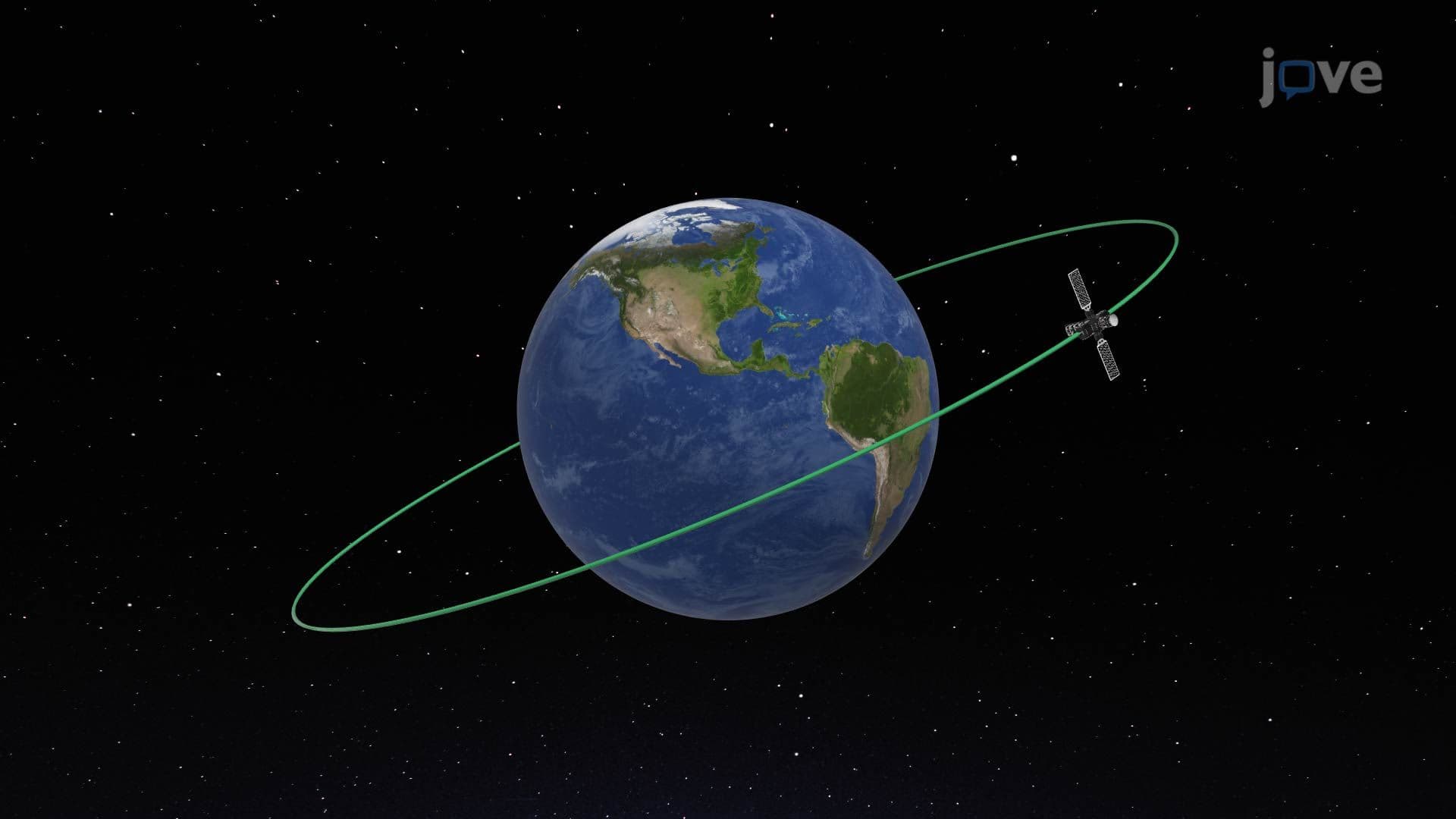
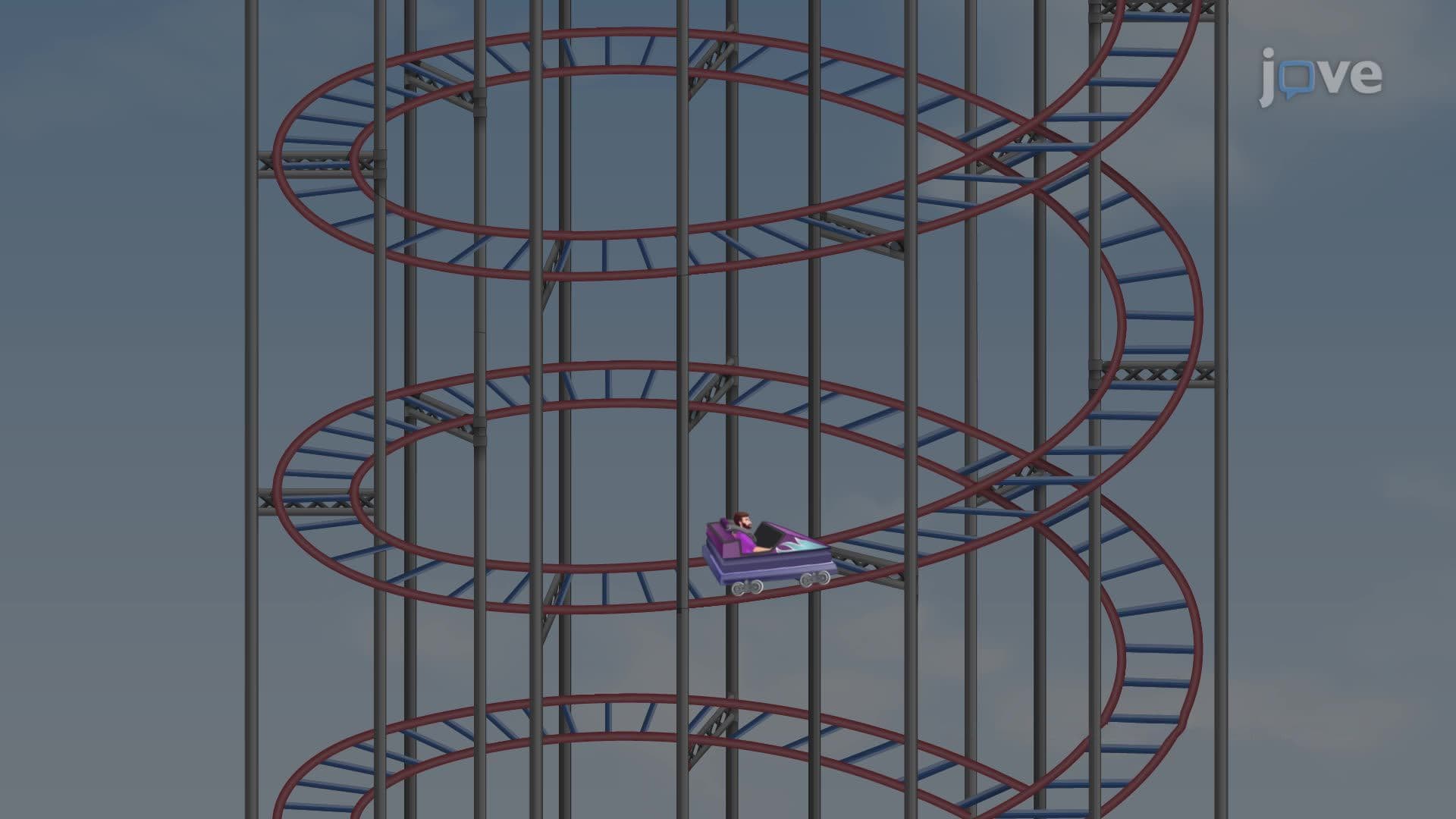
Ever wonder why a roller coaster feels like it's spiraling through the air, not just curving? That sensation is captured by torsion in vector calculus, the measure of how sharply a curve twists out of its own plane in three-dimensional space. At NASA's Johnson Space Center, engineers model spacecraft trajectories using exactly this concept. Watch the full video on JoVE Coach to master this concept with expert-led visuals and step-by-step explanations.
Torsion in vector calculus is the scalar quantity, denoted by the Greek letter tau (τ), that measures how rapidly a space curve twists out of its osculating plane as you move along it. While curvature tells you how sharply a path bends within a plane, torsion tells you how much that plane itself is rotating. Together, curvature and torsion give a complete geometric fingerprint of any smooth curve in three-dimensional space.
To understand torsion, you first need three mutually perpendicular vectors that travel with the curve at every point. The unit tangent vector (T) points in the direction of motion. The principal normal vector (N) points toward the center of curvature, the direction the curve is bending. The binormal vector (B) is defined as B = T × N and points perpendicular to both, completing a moving coordinate frame called the Frenet-Serret trihedron.
Torsion measures the rate at which B rotates, in other words, how fast the osculating plane (the plane containing T and N) tilts as you travel along the curve. Mathematically, torsion is defined through the Frenet-Serret formulas: dB/ds = −τN, where s is arc length. A large value of |τ| means the plane is twisting quickly; τ = 0 means the curve is flat in a single plane.
In a college-level multivariable calculus or Calculus III course, torsion is typically computed from a parametric position function r(t). The standard formula uses the velocity vector r'(t), acceleration vector r''(t), and the third derivative r'''(t):
τ = (r'(t) × r''(t)) · r'''(t) / |r'(t) × r''(t)|²
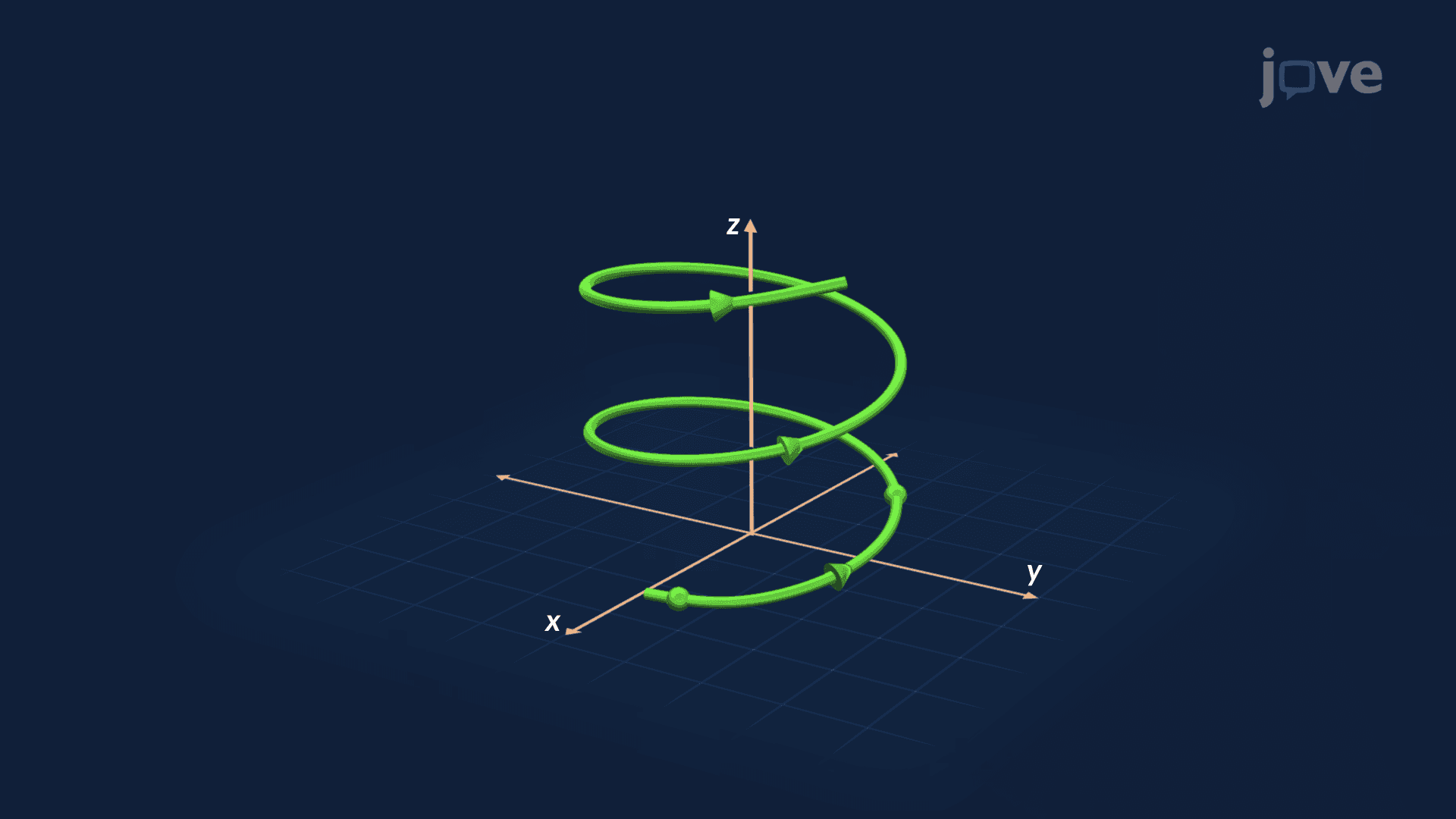
The numerator involves a scalar triple product, and the denominator uses the magnitude of the cross product squared. To apply this, students first need to know how to find the velocity vector from position (take the first derivative), and how to find the acceleration vector from position (take the second derivative). Practicing with a helix, for example, r(t) = (cos t, sin t, t), is the go-to exercise because both curvature and torsion come out constant, confirming the formula works cleanly.
Torsion appears in several high-value academic and professional settings in the United States. In AP Calculus BC, students work with parametric curves and arc length, building the prerequisites for torsion. In university Calculus III and Multivariable Calculus courses, required at schools like MIT, UCLA, and the University of Michigan, torsion is a standard midterm and final exam topic. Engineering programs at US universities apply torsion when modeling the geometry of robot arm paths, DNA double-helix structures, and roller coaster track design.
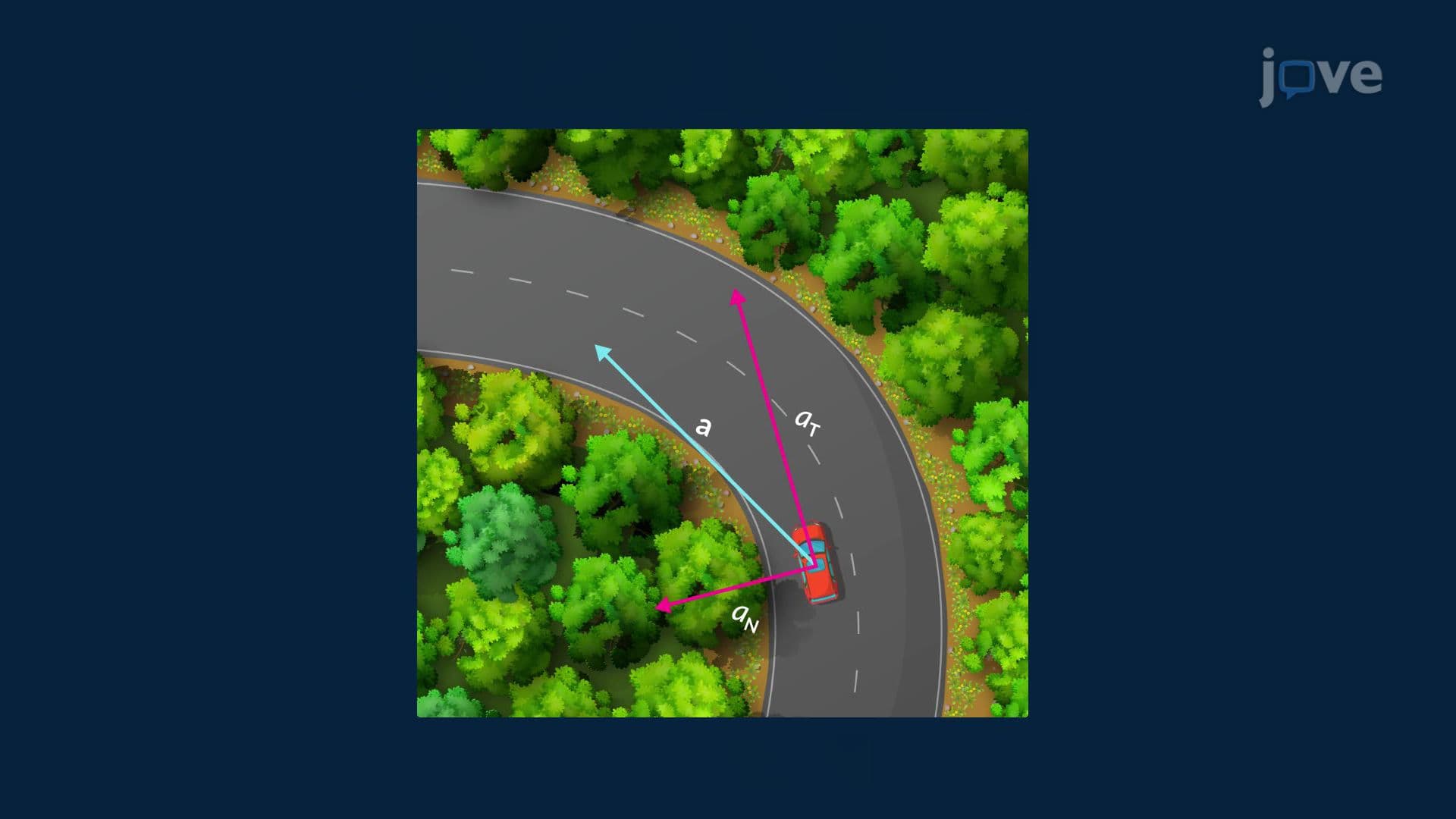
Understanding the arc length of a space curve is essential before tackling torsion, because torsion is defined per unit arc length. Students who also master the tangential and normal components of acceleration will find torsion much more intuitive, since those components connect directly to curvature and the geometry of the Frenet-Serret frame.
Related Micro-courses